


A dumpster left too long at a construction site or a missed pickup at a medical facility turns into a compliance headache fast, which is exactly why waste management buyers search with urgency and specificity. Google Ads lets haulers and disposal companies meet that urgency head-on, putting their service in front of a facility manager or property owner at the moment they're typing "emergency waste removal" or "commercial dumpster rental near me." Whether the target is a long-term commercial waste contract or a same-day emergency disposal job, the mechanics of setting up and optimizing these campaigns determine whether that intent turns into a signed customer. This guide walks through strategies built specifically for the waste management trade, aimed at sharper visibility, better-qualified leads, and a clearer return on ad spend.
How to Generate Waste Management Services Leads with Google Ads: A Step-by-Step Guide

Waste management companies that leverage Google Ads can access a continuous pipeline of qualified leads, precisely matched to their service areas and specialties. With advanced audience targeting and data-driven strategies, digital advertising in this sector delivers measurable results by connecting teams directly with business owners and facility managers who are actively searching for solutions.
Effective online marketing for waste services goes beyond broad outreach. It enables revenue teams to capture high-value prospects, streamline follow-up, and optimize spend by focusing on real purchase intent. The following framework outlines how to build and execute Google Ads strategies that unify targeting, creative, tracking, and cross-channel engagement for maximum impact.
- Keyword and Audience Targeting: In waste management advertising, generic campaigns often miss the mark by failing to capture high-intent B2B buyers or property managers who influence purchasing decisions. By employing tools that identify anonymous web visitors and map them to company accounts, marketers can import enriched profiles directly into Google Ads customer match lists. This approach ensures that budgets are reserved for prospects with real buying power and intent, narrowing the gap between site visits and qualified pipeline.
- Landing Page and Creative Alignment: Modern waste management campaigns require more than just clicks, they need seamless transitions from ad to landing page, supported by consistent messaging and clear calls to action. Automated syncing of leads from form fills or inbound calls into CRM workflows enables sales teams to engage prospects instantly, before interest wanes. Integrating these actions with Google Ads remarketing cohorts maintains visibility for users who show interest, while creative that reflects service area, compliance, and value proposition increases conversion rates.
- Performance Optimization: The ability to rapidly identify which accounts are moving toward a buying decision is critical for PPC for waste services. Machine learning models and predictive analytics now score each account on its likelihood to convert, allowing advertisers to shift budgets toward high-probability opportunities. This approach not only improves cost efficiency but helps marketing teams focus efforts on segments with the greatest revenue potential.
- Cross-Channel Integration: Waste management SEO and digital marketing for waste management are most effective when coordinated across platforms. By segmenting audiences based on firmographic data, such as company size, industry, or location, teams can tailor Google Ads campaigns to each market segment with relevant messaging. Integrating CRM and ad data allows for ongoing audience enrichment, keeping remarketing lists fresh and ensuring that campaigns remain aligned with real-time sales engagement.
Put these strategies to work and the payoff shows up as fewer wasted clicks and a pipeline that keeps refilling itself. To see how these tactics can work for your team, get started for free with Sona.
Why Does Google Ads Matter for Waste Management Services?
Modern waste management services operate in a highly competitive, location-driven market where timing and visibility shape revenue outcomes. Google Ads bridges the gap between urgent client demand and fast-moving operations by connecting providers with buyers in real time when service needs are most acute.
By capturing high-intent searches, waste management companies secure visibility the moment prospects need solutions, such as during construction projects, property cleanouts, or compliance-driven disposal deadlines. This immediate reach allows providers to intercept facility managers and commercial decision-makers when their purchase intent is strongest, enabling faster deal cycles and higher win rates. For more insights, explore identifying high-value accounts to elevate your lead strategy.
Operational efficiency improves as digital campaigns target buyers already in-market for waste collection, junk removal, or hazardous material handling. Unlike traditional advertising, Google Ads delivers measurable ROI through robust tracking, linking every click and form submission to actual revenue outcomes. Marketers can now go beyond anonymous clicks by using Sona's Identity Resolution to reveal which companies are engaging with their site, and reallocating spend toward those with a proven likelihood to buy.
Without a way to see which visitors are close to a decision, waste management teams often qualify leads by gut feel and forecast revenue from digital channels by guesswork. Leading providers now use Sona's Intent Signals alongside dynamic audience segmentation to route Google Ads budget toward accounts actually progressing through the funnel, whether that's a property manager comparing recurring pickup contracts or a contractor searching for same-week roll-off delivery ahead of a permit deadline. As those behaviors shift with the seasons, permitting cycles, and compliance deadlines, campaign targeting adjusts with them, letting sales focus on the opportunities most likely to close.
Common Types of Google Ads Campaigns for Waste Management Services

- Search Campaigns: Search campaigns capture high-intent, urgent queries from prospects looking for immediate waste collection, emergency disposal, or local junk removal. By targeting keywords like "same-day dumpster rental" or "commercial waste management near me," providers position themselves at the precise moment of need, driving qualified leads directly to specialized landing pages. Sona empowers these campaigns by pinpointing company-level visitors in real time, making it possible to prioritize high-value commercial accounts and adjust spend toward search terms proven to convert at the account level. Responsive search ads, an ad format available within these campaigns, let you test multiple headlines and descriptions to see which combinations resonate with buyers under time pressure. For additional strategies that drive profitability in this industry, see how to make Google Ads for waste management profitable.
- Display Ads: Display ads reinforce brand recognition and trust by keeping waste management brands visible across industry publications, local news outlets, and relevant websites. With creative banners and visuals, these campaigns build awareness among property managers, contractors, and businesses planning future projects. Advanced audience sync through Sona ensures display ads are delivered to decision-makers from target accounts, even as they shift between research phases or revisit key service pages, keeping your brand top-of-mind throughout the buying journey. Explore more actionable insights in our marketing analytics blog.
- Video Ads: Video ads offer a powerful channel to visually demonstrate complex waste collection processes, highlight compliance with safety standards, or showcase large-scale recycling operations. This format is especially effective for B2B outreach, as facility managers and corporate buyers are more likely to trust brands that provide transparent, educational content. Connecting video engagement data with CRM records through Sona enables marketers to retarget viewers who meet specific intent thresholds, creating personalized follow-up campaigns based on actual content interaction. For an example of PPC success in recycling, see this PPC advertising case study for recycling companies.
- Remarketing: Remarketing campaigns re-engage website visitors who researched services but did not convert, ensuring your brand remains in consideration during the decision process. For waste management, this means reconnecting with prospects who requested quotes, viewed service areas, or compared pricing but have yet to book. Sona’s dynamic audience capabilities refresh remarketing lists instantly as leads move through the funnel, ensuring only high-value, in-market accounts receive tailored follow-up ads, effectively reducing wasted impressions and increasing conversion rates. To learn more about maximizing impact with retargeting, review our intent-driven retargeting playbook.
- Assets: Ad assets amplify the impact of every campaign by prominently displaying critical business details such as service locations, environmental certifications, and satisfaction guarantees. For waste management service providers, adding sitelink, callout, and location assets directly to search ads can boost click-through rates and drive more qualified inquiries. When integrated with Sona, these assets can be dynamically personalized based on visitor attributes, like company size or industry, delivering credibility and relevance that builds trust with both commercial and residential prospects.
Where to Find Growth Opportunities in Waste Management Services

Waste management providers unlock new growth by targeting digital channels and market segments competitors overlook. Focusing on granular service offerings, such as emergency waste services or specialty waste streams, captures high-intent demand that broader campaigns miss. Sona's Identity Resolution helps reveal which companies are visiting your website, turning anonymous traffic into leads worth calling.
- Vertical keyword targeting: Leveraging vertical-specific keywords like "emergency hazardous waste removal" or "same-day medical waste pickup" positions campaigns to attract urgent, ready-to-convert customers. This approach not only drives immediate inquiries but also differentiates providers in crowded search results. For additional ideas on keyword selection and targeting, review this list of high-performing keywords for PPC in the waste management sector.
- Competitor gap analysis: Analyzing competitor campaigns and online presence can illuminate overlooked opportunities. Many established waste management firms neglect segments such as e-waste, confidential document shredding, or industrial byproduct recycling, all of which carry their own licensing and disposal-compliance requirements that smaller competitors may not advertise clearly. Marketers equipped with Sona's Intent Signals and dynamic audience profiling can reallocate budget toward the service lines and geographies where competitors are weakest, ensuring higher conversion rates and more efficient spend.
- Industry-specific placements: Waste management advertising is particularly effective when layered onto niche industry forums, trade association directories, or environmental compliance resources. These placements reach decision-makers already seeking solutions, especially in highly regulated verticals. Integrating digital marketing strategies with precise audience data ensures that ads and content appear where high-value prospects are most active, further improving lead quality.
- Tailored content retargeting: Generic retargeting often yields low engagement for waste collection ads, especially in B2B markets. Instead, segmenting audiences based on their interaction with educational videos, regulatory resources, or whitepapers allows for personalized content delivery that nurtures prospects through longer sales cycles. With dynamic audience updates, as leads move from research to procurement, tailored waste management advertising continuously adapts messaging and offers to each stage of the buyer journey.
Growth in waste management services increasingly depends on spotting micro-moments, like a permit application or an OSHA inspection date, and acting on that intent across the right channels. Unified data and real-time audience enrichment let marketers execute these strategies with precision, driving higher-quality leads and longer customer relationships.
How to Apply Audience Segmentation in Waste Management
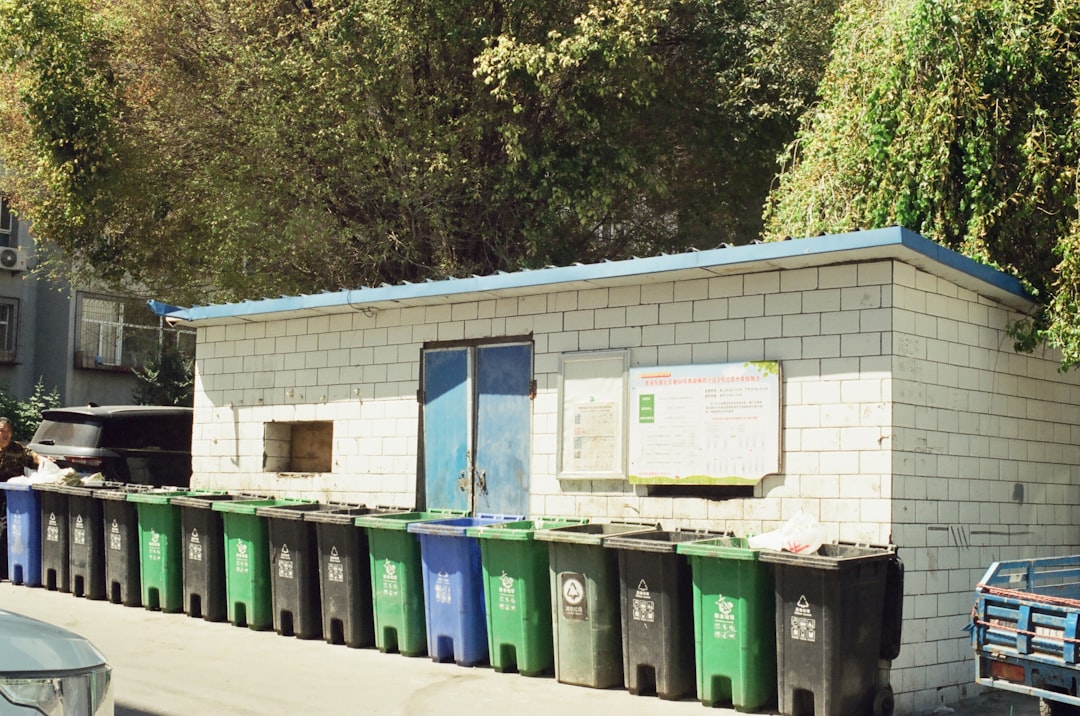
Audience segmentation is essential for waste management advertising because it ensures your Google Ads strategies align with real buyer journeys and operational realities. By segmenting based on actual client needs and behaviors, marketing teams can create more compelling, relevant experiences that drive higher conversion rates and reduce wasted spend. For more tips on optimizing segmentation and campaign ROI, see this guide to profitable Google Ads for waste management. If you want to build segments that auto-sync with your ad platforms and CRM, explore Sona Audiences for real-time, intent-based segmentation.
- Define Audience Segments: The foundation of effective Google Ads for Waste Management Services is a clear distinction between residential and commercial audiences. Each group has distinct decision cycles, service requirements, and value drivers. Residential leads often arise from urgent, event-driven needs like home cleanouts, while commercial clients typically seek ongoing, scheduled pickups or complex disposal solutions. Segmenting early allows you to tailor messaging, offers, and landing pages, ensuring the right prospects see the most relevant value proposition. Sona's Identity Resolution goes beyond anonymous web traffic by identifying the companies visiting your site, enabling account-based targeting from first touch.
- Overlay Intent Signals: Layering intent signals such as search behavior (routine pickups, hazardous waste, recycling, bulk removal) enables deeper personalization. Waste collection ads that reflect a visitor's specific need, for example, emphasizing regulatory compliance for medical waste or fast turnaround for renovation debris, achieve higher engagement and conversion rates. Real-time monitoring of in-market actions allows budget and creative adjustments on the fly, ensuring that spend is focused on high-converting segments as soon as buying intent is detected. Learn how to leverage intent data signals for greater marketing impact.
- Create Ad Groups by Segment: Structuring Google Ads campaigns with dedicated ad groups for each segment empowers marketers to allocate budgets and test creative options with precision. Ad groups for specialized disposal can highlight certifications and safety, while those for residential pickups focus on convenience and pricing. This approach not only improves Quality Scores but also ensures campaigns do not waste budget on unqualified clicks. Dynamic audience management means segments update automatically as leads progress, keeping ad delivery and remarketing efforts continually aligned with buyer status. Automate audience data syncing between Google Ads and sales platforms with Sona Destinations.
- Validate Conversion Paths: Effective segmentation must be paired with robust conversion tracking to attribute leads and revenue accurately. Integrating form submissions, calls, and offline bookings with CRM systems ensures that every inquiry is logged, routed, and followed up efficiently. This prevents lost opportunities and eliminates the delay between lead capture and sales outreach. Advanced conversion tracking, including both online and offline events, delivers comprehensive ROI measurement, allowing marketers to optimize for true revenue impact rather than superficial metrics. For a deeper dive into measuring marketing’s influence across the sales pipeline, visit this resource. To see how you can get started with segmentation and robust tracking, Get started for free with Sona.
This is also where measurement changes the economics. With Sona Marketing Measurement you can identify the companies and buyers behind your ad clicks, not just anonymous sessions, and segment audiences by who actually becomes a customer. That lets you build bid adjustments and audience signals around the segments that convert and de-prioritize the ones that don't, so you feed Google's algorithms "this click became a paying waste management services customer" instead of just "someone filled out a form."
Keyword Strategy & Sample Target Terms
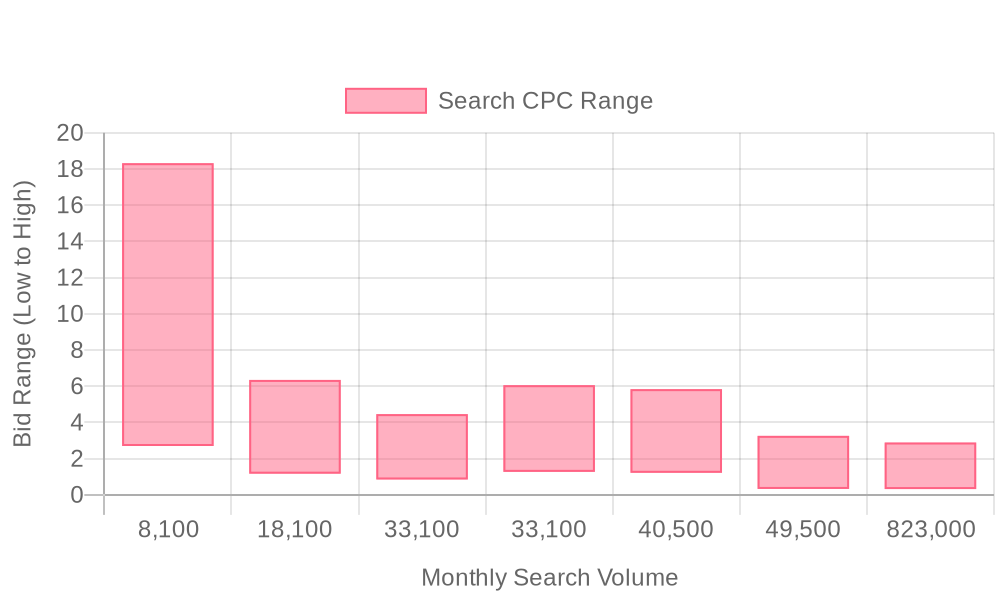
| Industry | Keyword | Monthly Search Volume | Competition Level | Low Bid | High Bid |
| Waste Management Services | medical waste disposal | 8100 | LOW | 2.7 | 18.32 |
| Waste Management Services | waste management services | 18100 | LOW | 1.17 | 6.35 |
| Waste Management Services | waste management dumpster rental | 33100 | MEDIUM | 0.85 | 4.46 |
| Waste Management Services | waste management near me | 33100 | LOW | 1.27 | 6.06 |
| Waste Management Services | hazardous waste disposal near me | 40500 | LOW | 1.22 | 5.84 |
| Waste Management Services | republic trash services | 49500 | LOW | 0.33 | 3.26 |
| Waste Management Services | waste management | 823000 | LOW | 0.32 | 2.89 |
Waste management providers thrive when their digital marketing targets the right audience at the right moment. Effective Google Ads strategies for waste management services prioritize keywords that connect with decision-makers searching for immediate, compliant waste solutions. By integrating high-intent terms such as "waste management services near me," "recycling services for businesses," and "emergency waste disposal," advertisers can drive qualified traffic that is ready to convert.
Precision targeting elevates campaign performance by ensuring ads are displayed to users demonstrating clear, actionable intent. Segmenting keyword lists by service type, commercial waste pickup, industrial recycling, or hazardous material removal, enables messaging that directly addresses the unique needs of each audience segment. For more guidance on demand generation, explore our collection of actionable playbooks.
A multi-channel keyword strategy further amplifies reach and efficiency. Sona's Identity Resolution helps waste management marketers move beyond anonymous clicks, pinpointing which organizations are engaging with ads and landing pages. Real-time intent signals allow budget reallocation toward accounts most likely to convert, while dynamic audience lists ensure ad messaging evolves as leads progress through the sales funnel. When CRM and Google Ads integrations are in place, enriched audiences and qualified leads seamlessly sync between platforms, fueling personalized retargeting and nurturing at every stage.
Comprehensive conversion tracking, spanning online forms to contract signatures, provides full-funnel visibility into campaign ROI. This enables revenue teams to attribute every dollar spent to a tangible business outcome, optimizing future keyword investments and delivering measurable growth for waste management advertising. To experience this level of insight, get started for free with Sona.
Step-by-Step Campaign Execution Framework
A structured, data-driven approach transforms how waste management providers acquire and convert leads through digital channels. By focusing on precision at every stage, marketers unlock the full revenue potential of Google Ads for Waste Management Services, ensuring each touchpoint is measurable, relevant, and aligned with high-value business outcomes. For more on digital marketing best practices, explore our marketing analytics blog.
Step 1: Build Targeted Keyword Lists
Effective keyword development is foundational for waste management advertising. Start by mapping every core service line, dumpster rental, hazardous waste removal, recycling compliance, commercial pickup, to a dedicated group of search terms. Use a blend of high-intent phrases such as “commercial waste disposal near me,” “dumpster rental pricing,” and “regulated medical waste pickup,” ensuring each aligns with localized demand and search behavior. Periodic analysis of search query reports reveals emerging opportunities, while an evolving negative keyword list continuously eliminates budget-draining queries like “free trash removal” or unrelated municipal services. For a comprehensive list of high-performing industry terms, reference these waste management PPC keywords.
Modern platforms allow marketers to take this a step further by identifying companies behind anonymous website visits, exposing which organizations actively research waste management solutions. This granular insight enables real-time expansion of keyword lists to match current market demand, shifting resources toward the most conversion-ready audiences and driving higher-quality inbound opportunities.
The upgrade most waste management services advertisers miss is going beyond raw keyword volume to layer in intent and identity signals. By connecting website-visitor data and CRM records with Sona Marketing Measurement, you can see which specific search terms bring in the accounts and customers that actually convert, and weight your keyword and bidding strategy toward those rather than the terms with the highest search volume alone.
Step 2: Develop Compelling Ad Copy
Ad copy in Google Ads for Waste Management Services must quickly address prospect pain points: rapid turnaround, regulatory adherence, and transparent pricing. Strong headlines such as "EPA-Compliant Waste Collection for Businesses" or "Same-Day Dumpster Delivery, Local Crews" build immediate trust. Supporting descriptions should highlight key differentiators like 24/7 support, eco-friendly disposal methods, or compliance documentation, reinforced by social proof such as customer ratings or industry certifications.
Dynamic audience segmentation enhances copy relevance further. When audiences update in real time based on visitor actions or CRM status, campaigns can automatically show tailored messages to prospects at different buying stages. For case studies on how PPC advertising drives growth in recycling and waste management, see this recycling PPC case study.
Step 3: Design Effective Landing Pages
Landing pages for waste collection ads must deliver a seamless experience across all devices, with mobile optimization as a baseline. Each page should be tightly aligned with ad group intent, featuring clear calls-to-action like “Request a Quote,” service area maps, and compliance credentials prominently displayed. Integrating these pages directly with a CRM ensures every form fill, call, or chat is routed instantly to the right sales or operations team, reducing lead response times and increasing close rates.
With advanced audience and lead data syncing between ad platforms and CRM systems, waste management marketers maintain accurate targeting throughout the funnel. As a lead progresses from initial inquiry to contract signature, landing page content and follow-up workflows adapt instantly, delivering the right message at the right time and removing manual bottlenecks from the sales process.
Step 4: Implement Data-Driven Optimizations
Ongoing optimization is vital to maximizing PPC for waste services. Leverage predictive models to analyze which keywords, creatives, and audiences deliver the highest return, then adjust budgets and bids accordingly. Importing real-world conversion outcomes, such as closed contracts or recurring service agreements, enables algorithms to prioritize campaign elements that drive actual revenue, not just clicks or form fills. For a list of common PPC mistakes to avoid, review this industry guide.
Cross-channel attribution ties together online and offline actions, providing a full picture of how Google Ads strategies influence the sales pipeline. When enriched lead and conversion data sync automatically between the ad platform and CRM, marketers can continuously refine targeting, messaging, and spend allocation in response to real purchase behaviors. For teams ready to see these strategies in action, get started for free with Sona to optimize advertising investments and drive measurable growth.
Sona Marketing Measurement closes the gap between clicks and revenue. It captures every ad click with first-party measurement, ties that click through UTM capture and ad-platform APIs to the actual record in your CRM, and reports ROAS by keyword and campaign instead of by last-click form fill. Feeding that revenue signal back into Smart Bidding and Performance Max compounds over time: the algorithms optimize toward booked waste management services revenue, not cheap leads.
Tips on Expanding Your Waste Management Services Presence
Waste management providers can elevate brand visibility and generate higher-quality leads by embracing a data-driven approach to digital marketing. Strategic use of Google Ads for Waste Management Services enables companies to reach targeted audiences, nurture prospects, and position themselves as trusted experts in a competitive landscape. For more actionable marketing tactics tailored to waste management, explore our blog articles.
- Cross-promote educational content: Amplify your authority by integrating blog articles, guides, and compliance resources into retargeting sequences. When visitors engage with your educational materials, advanced platforms allow you to identify high-value accounts and automatically segment them for tailored follow-up campaigns. This process transforms anonymous site traffic into actionable opportunities, ensuring that future ads reinforce your expertise and keep your brand top-of-mind throughout longer sales cycles.
- Upsell related services using CRM insights: Leverage your CRM data to craft specialized audience lists for upselling and cross-selling. For example, customers who previously booked a dumpster rental can be served tailored waste collection ads or recycling program offers. By syncing CRM segments directly with your Google Ads audiences, you ensure the most relevant offers reach prospects as they move toward purchase, increasing upsell rates and optimizing ad spend allocation.
- Partner with associations for referrals: Forge collaborations with environmental agencies or local business groups to boost referral traffic. Co-branded campaigns can be promoted through paid search and display ads, expanding your reach while building credibility through association. These partnerships also generate rich intent data, which, when integrated with your ad platform, enables more accurate audience targeting and messaging personalization.
- Deploy regional targeting for market share: Implement zip code-level and city-based targeting within your campaigns to dominate high-priority service areas. Enhanced geographic data lets you focus spend on locations with the strongest demand while excluding non-serviceable regions. Platforms capable of real-time intent monitoring can surface new pockets of demand, allowing you to dynamically adjust targeting and maintain a competitive edge in every key market.
Seizing the potential of Google Ads for Waste Management Services requires a blend of strategic keyword targeting, audience segmentation, and continuous optimization. By aligning campaigns with market needs and integrating insightful data, companies can sharpen their advertising ROI and turn intent into signed contracts. Predictive models, intent segments, and comprehensive data analytics turn Google Ads from a cost center into a steady source of qualified leads.
Beyond Google Ads: Winning the AI Answers Waste Management Services Buyers Now Trust
Paid search captures demand at the moment someone types a query. But a fast-growing share of waste management services buyers no longer start at Google at all, they ask ChatGPT, Gemini, or Perplexity before they ever run a search, and Google's own AI Overviews increasingly summarize an answer above the traditional results. If your business isn't referenced in those AI answers, you're invisible at the exact moment buyers build their shortlist.
Sona AI Visibility shows where your business shows up across ChatGPT, Gemini, Perplexity, Google AI Overviews, and 10+ engines, and, much like a keyword report, which prompts actually send you buyers, so you can prioritize the ones that convert. Run the two together and you cover the entire buyer path: get cited where buyers research (AI Visibility), then prove which of that demand turns into booked revenue (Marketing Measurement).
Helpful resources
Conclusion
The waste management companies winning in Google Ads right now aren't the ones with the biggest budgets, they're the ones who can tell which clicks turned into signed contracts and which just drained spend. That distinction, not a bigger keyword list, is what separates a campaign that pays for itself from one that quietly bleeds money.
As more buyers start their research with an AI chatbot instead of a search bar, the waste management providers who show up in both places, the paid search results and the AI-generated answers, will be the ones setting the market rate rather than chasing it. Pairing tight Google Ads execution with visibility into where your revenue actually comes from is what makes that possible.
FAQ
What are the best practices for Google Ads in waste management?
Best practices for Google Ads in waste management include capturing high-intent searches, employing precise audience targeting, ensuring landing page and creative alignment, integrating cross-channel efforts, and using data-driven performance optimization.
How can waste management companies optimize their Google Ads campaigns?
Waste management companies can optimize their Google Ads campaigns by focusing on high-intent keywords, utilizing audience targeting tools, aligning ads with landing pages, and employing predictive analytics to allocate budgets towards high-probability opportunities.
What keywords should I use for waste management Google Ads?
Keywords for waste management Google Ads should include high-intent phrases like 'waste management services near me,' 'recycling services for businesses,' and 'emergency waste disposal,' tailored to different service types and audiences.
How do I measure the success of my Google Ads for waste services?
Measure the success of Google Ads for waste services by tracking conversions from clicks to revenue outcomes, using predictive models to analyze campaign elements, and integrating CRM data to attribute leads and revenue accurately.
What budget should I allocate for Google Ads in the waste management industry?
The budget for Google Ads in the waste management industry should be strategically allocated based on high-intent keywords, audience segments, and predictive analytics to ensure spend is focused on accounts with the greatest conversion potential.







