


Timeshare shoppers rarely wake up ready to buy. They spend weeks comparing resorts, ownership models, and resale horror stories before they'll fill out a form, which makes Google Ads both an opportunity and a trap: the same query can come from a curious browser or a buyer ready to sign a contract this weekend. This guide breaks down how vacation timeshare providers can use Google Ads to reach the second group without wasting budget on the first, covering campaign types, keyword strategy, landing pages, and how measurement tools can sharpen every stage of the funnel.
How to Generate Vacation Timeshare Leads with Google Ads: A Step-by-Step Guide

A data-driven approach matters in vacation timeshare marketing because high-value prospects often browse anonymously, comparing resorts and ownership models for weeks before ever filling out a form. Modern marketing technology can identify the companies and individuals behind that anonymous traffic using first-party data, making it possible to reach and nurture buyers who haven't yet requested information. Sona's Identity Resolution helps teams reveal and act on that traffic, unlocking pipeline that would otherwise go untracked.
Keyword selection and audience segmentation matter because timeshare buyers search differently depending on where they are in the decision: someone typing "timeshare exit scams" is not the same prospect as someone searching "Orlando fractional ownership tour." Rather than running broad, generic campaigns, sharper marketers use real-time audience segmentation built on intent signals, browsing patterns, and engagement history. For a practical overview of Google Ads strategy in the wider travel category, see this comprehensive guide.
Landing pages are where timeshare inquiries either convert or evaporate. Because a tour booking or a deposit request is a bigger ask than a typical form fill, pages need to address the objections buyers already have in mind: total cost of ownership, resale value, and how the tour actually works, alongside a clear call to action and a fast path from click to inquiry. Marketers can consult actionable playbooks focused on demand generation and lead optimization to sharpen this further.
Maximizing PPC performance for vacation timeshare requires ongoing ROI analysis and fast campaign adjustments. Real-time data lets sales teams follow up while a prospect's interest is still hot, since timeshare inquiries cool quickly once someone moves on to comparing the next resort. Sona's Intent Signals surface immediate insight into prospect engagement, enabling timely follow-up and sharper campaign refinement.
Cross-channel integration sustains success in timeshare marketing. Syncing Google Ads activity with CRM platforms and sales workflows keeps every touchpoint connected at the right moment. The Destinations feature enables real-time audience data sync to your CRM and ad platforms, powering unified messaging as leads move through the funnel. Ready to try streamlined data activation and smarter lead management? Get started for free with Sona.
Why Does Google Ads Matter for Vacation Timeshare

Precision in reaching motivated prospects defines the difference between average and high-performing vacation timeshare sales teams. Google Ads enables marketers to connect with travelers already considering vacation ownership, eliminating wasted impressions and focusing spend on audiences with the highest purchase intent. The result is enhanced lead quality and a measurable increase in conversions that directly impact revenue. For ongoing insights into optimizing your paid marketing, visit our expert articles on marketing.
Travel demand is seasonal and easily disrupted, and Google Ads gives timeshare marketers the ability to move with it. Teams can ramp promotions ahead of peak booking windows, or react quickly when a competitor's price drop or a shift in travel sentiment changes what buyers are searching for. With integrated data workflows, creative and bidding strategies can pivot in real time to match live demand. For a broader overview of strategy and tactics, see this Google Ads for vacation packages guide.
Expanding beyond traditional sales territories is a common challenge for timeshare providers. Google Ads opens access to untapped geographic regions, serving targeted ads to prospects in key feeder markets that might otherwise go unreached. Sona's Identity Resolution lets marketers pinpoint not just anonymous clicks but the actual companies and high-value individuals engaging with their properties online, enabling tailored follow-up and nurturing.
Comprehensive campaign measurement is table stakes for modern timeshare marketing. Advanced analytics and attribution capabilities track every touchpoint from first ad impression to closed sale, both online and offline. Unifying data from ad platforms, websites, and CRM systems gives providers a clear picture of which tactics drive the most valuable interactions, and lets them keep refining toward ROI rather than guessing.
Common Types of Google Ads Campaigns for Vacation Timeshare

- Search Campaigns: Vacation timeshare marketers rely on search campaigns to reach prospects with high purchase intent the moment they're actively looking, whether that's a specific resort name, an ownership model, or timeshare reviews. Sona's Identity Resolution helps teams prioritize spend on the campaigns surfacing the most qualified, in-market audiences, closing the gap between demo requests and actual conversions. For strategies specific to vacation packages, see this guide to Google Ads for vacation packages.
- Display Ads: Display campaigns extend reach by positioning timeshare brands across travel sites, blogs, and forums where potential buyers spend time researching destinations. Consistent exposure ensures that even if a visitor does not convert on their first interaction, the brand remains top-of-mind throughout the buying journey. Marketers benefit from dynamic audience updates, allowing remarketing lists and creative assets to adapt as leads progress through awareness, consideration, and decision stages.
- Video Ads: Video content is particularly powerful for timeshare marketing, as it brings the lifestyle, amenities, and unique experiences of vacation ownership to life. Video campaigns address the emotional drivers behind travel decisions, helping brands differentiate in a marketplace often dominated by static and generic content. By syncing behavioral insights and engagement signals, marketers can optimize video placements for audiences showing true travel intent, maximizing both reach and resonance.
- Remarketing: Remarketing recovers lost opportunities by re-engaging visitors who showed interest but didn't convert, often because a timeshare decision involves a spouse, a budget conversation, or a second look at the numbers. Tailored offers, such as exclusive tour invitations or limited-time incentives, address those objections directly. When audience data and CRM records are unified, remarketing becomes more personalized and timely, lifting conversion while cutting wasted impressions. For more on vacation rental marketing, review this introduction to vacation rental marketing.
- Assets: Ad assets (formerly called extensions) reinforce credibility by showcasing trust signals, such as reviews, accreditations, and unique selling points, directly within the ad. Sitelinks, callouts, and structured snippets give prospects quick access to pricing or tour options, streamlining the decision process. Integrating real-time data keeps assets current and aligned with the most relevant offers and audience needs across touchpoints.
Where to Find Growth Opportunities
Identifying growth opportunities in vacation timeshare marketing requires targeted strategies grounded in deep industry insight. Precision in keyword selection allows marketers to surface niche demands within the vacation ownership sector, often overlooked by broad campaigns. Focusing on vertical-specific terms, such as “fractional ownership in Orlando” or “ski resort timeshare deals”, enables campaigns to meet potential buyers at the exact moment their interest peaks. With advanced insights-on-demand, revenue teams can track which themes or offers generate the highest engagement, then reallocate budget to maximize impact.
Competitor analysis uncovers service gaps and latent demand. Mapping your campaign data against the competitive landscape reveals underserved audience segments, whether that's a region without a strong timeshare presence or a buyer type competitors are ignoring, like renters testing ownership before they commit. Sona's Identity Resolution sharpens this further, letting teams pinpoint which companies or high-value accounts are engaging with ads and landing pages so outreach is guided by real intelligence rather than guesswork.
Industry-specific placements accelerate outreach beyond the limitations of organic visibility. Investing in placements on trusted travel and vacation platforms, as well as curated display networks, increases exposure to in-market travelers considering vacation ownership. For a useful overview of Google Ads strategies for vacation packages, marketers can broaden their approach to targeting holiday seekers. By integrating Sona Audiences, marketers can dynamically shift spend toward audiences showing the highest likelihood to convert, boosting both efficiency and engagement.
Retargeting works best when it's built around education, not repetition. Instead of recycling generic ads, campaigns can serve personalized content, such as virtual tour invitations or step-by-step ownership guides, to users who previously engaged with specific amenities or booking forms. Dynamic audience segmentation lets messaging evolve automatically as leads progress, and syncing enriched audience and behavioral data from CRM and ad platforms closes the loop on attribution so marketers can measure true ROI rather than proxy metrics.
How to Apply Audience Segmentation for Vacation Timeshare
Effective digital marketing for timeshares depends on precise audience segmentation rather than mass-market messaging. Tailoring your Google Ads for Vacation Timeshare to distinct traveler profiles increases engagement and drives qualified bookings, ensuring that every marketing dollar targets prospects with a genuine interest in vacation ownership. For an overview of strategies and tips, see this guide to Google Ads for vacation packages.
Start by defining clear audience segments, such as vacationers seeking flexible getaways versus business travelers interested in high-comfort, short-term stays. Each group has unique motivations and booking behaviors; treating them separately unlocks opportunities for tailored messaging and specialized offers that resonate. For example, a segment focused on family vacations responds best to ads highlighting spacious accommodations and kid-friendly amenities, while premium travelers engage more with messaging about exclusive concierge services and luxury upgrades. Use real-time audience segmentation to dynamically group and target these distinct profiles for greater precision.
Overlaying user intention further sharpens your segmentation. Identify prospects with a preference for off-season deals, last-minute escapes, or premium, all-inclusive experiences. Google Ads targeting enables dynamic audience creation based on these interests and search behaviors. With the right technology, marketers can use in-market signals to prioritize budget toward segments most likely to convert. As leads interact with your campaigns, advanced platforms automatically refresh audience lists, ensuring that retargeting and nurture flows remain timely and relevant as prospects move through the decision funnel. To learn more about segmenting by buying stage, review this playbook on buying stage segmentation.
Craft ad groups and campaigns that directly reflect these segments to improve engagement and Quality Scores. For instance, create separate ad groups for “luxury timeshare buyers” and “budget-friendly vacationers,” adjusting your copy and landing pages to address the distinct needs of each. When ad creative and landing experiences are tailored to segment-specific motivations, you not only raise click-through rates but also deliver a cohesive, personalized journey from first impression to final inquiry. Explore proven demand generation playbooks for actionable tactics on refining your segmentation approach.
To maximize ROI, every conversion pathway, whether it’s a form submission, phone call, or direct booking, must be meticulously tracked and seamlessly tied back to CRM outcomes. By integrating ad platforms with your CRM, you can identify which segments and campaigns yield the most valuable leads and actual sales, not just clicks. This closed-loop feedback enables precise prioritization and faster follow-up by sales teams, ensuring that no high-intent opportunity falls through the cracks. As your data unifies across touchpoints, you gain actionable insights to refine your Google Ads strategies, automate follow-up, and scale your most profitable segments with confidence. For a seamless start, get started for free with Sona and activate unified audience insights and segmentation workflows.
This is also where measurement changes the economics. With Sona Marketing Measurement you can identify the companies and buyers behind your ad clicks, not just anonymous sessions, and segment audiences by who actually becomes a customer. That lets you build bid adjustments and audience signals around the segments that convert and de-prioritize the ones that don't, so you feed Google's algorithms "this click became a paying vacation timeshare customer" instead of just "someone filled out a form."
Keyword Strategy & Sample Target Terms
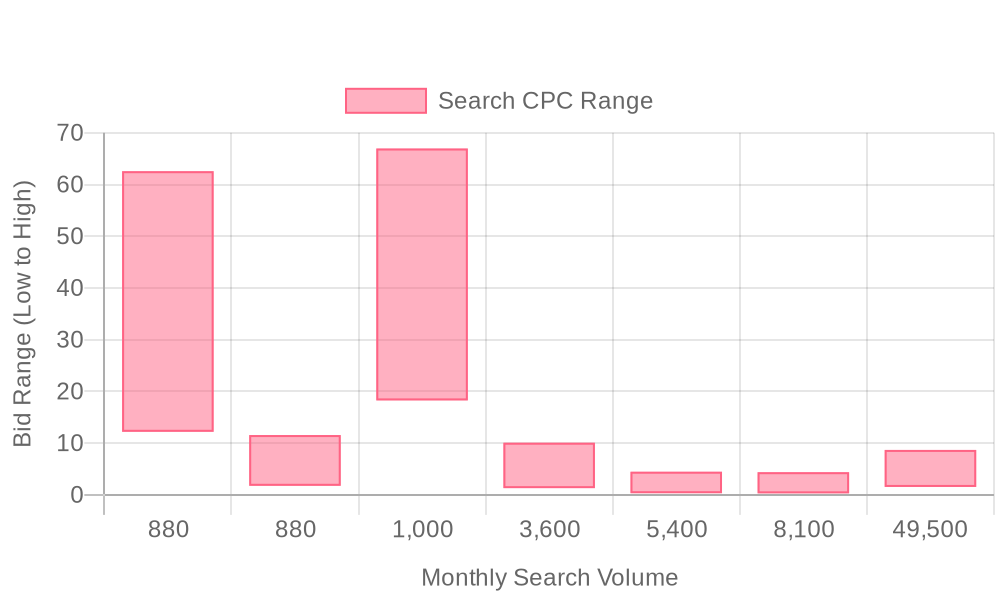
| Industry | Keyword | Monthly Search Volume | Competition Level | Low Bid | High Bid |
| Vacation Timeshare | get out of timeshare | 880 | MEDIUM | 12.19 | 62.58 |
| Vacation Timeshare | timeshare for sale by owner | 880 | MEDIUM | 1.76 | 11.57 |
| Vacation Timeshare | timeshare cancellation companies | 1000 | MEDIUM | 18.27 | 66.96 |
| Vacation Timeshare | vacation timeshare | 3600 | MEDIUM | 1.31 | 10.08 |
| Vacation Timeshare | rci timeshare | 5400 | LOW | 0.32 | 4.47 |
| Vacation Timeshare | wyndham timeshare | 8100 | LOW | 0.3 | 4.39 |
| Vacation Timeshare | timeshare | 49500 | LOW | 1.54 | 8.69 |
A robust keyword strategy is the cornerstone of effective Google Ads for vacation timeshare marketing. Forward-thinking revenue teams move beyond generic keywords to capture high-intent audiences ready to engage, focusing on a blend of broad and niche queries that align closely with travelers' true purchase motivations. This approach delivers measurable improvements in lead quality and campaign ROI, as it enables marketers to allocate spend where it matters most. For a detailed overview of strategies and tips tailored to travel marketers, review this Google Ads for vacation packages guide.
Implementing a diverse keyword portfolio helps reduce over-reliance on standard industry terms that often attract non-qualified traffic. By layering in local modifiers such as city names, resorts, or attraction-specific phrases, campaigns reach prospects with a demonstrated interest in particular destinations or amenities. For instance, targeting “Orlando family timeshare deals,” “Maui beachfront vacation ownership,” or “ski resort timeshares Colorado” narrows the funnel to those with real booking intent. This local focus consistently outperforms broader terms by driving higher conversion rates and lowering acquisition costs. Dive deeper into demand generation playbooks for actionable tactics to boost your campaign results.
Negative keyword integration is equally critical for vacation timeshare digital marketing. By systematically excluding terms related to complaints, legal issues, or unrelated travel services, teams ensure that every click comes from a genuinely interested prospect. This streamlining minimizes wasted budget and sharpens the audience pool, making each interaction more likely to convert. Advanced solutions can automatically surface irrelevant search terms based on visitor behavior and update negative keyword lists in real time, keeping campaigns agile as search trends evolve.
Prioritizing high-intent keywords, such as “buy timeshare now,” “book vacation ownership tour,” or “timeshare presentation offers”, maximizes return on ad spend. These queries represent prospects who are already deep in the consideration or decision-making stage, ensuring that advertising dollars are put to optimal use. When marketers leverage platforms that can identify the companies and individuals behind these high-value searches, it becomes possible to sync enriched audience data directly with Google Ads targeting. This level of integration allows for precise retargeting, personalized messaging, and dynamic audience updates as leads progress through the funnel, ultimately accelerating the path from inquiry to closed deal.
Step-by-Step Campaign Execution Framework
Step 1: Build Targeted Keyword Lists
Precision in keyword selection is foundational for effective Google Ads for Vacation Timeshare campaigns. By tailoring keyword lists to specific property types, buyer personas, and high-converting geographic locations, marketers increase relevance and reduce wasted spend. Focused keyword segmentation, such as targeting “family-friendly Orlando timeshares” or “all-inclusive Caribbean vacation ownership”, ensures advertising appears in front of travelers actively considering similar offers. For an overview of effective strategies and tips, explore Google Ads for vacation packages, which highlights how keyword refinement and segmentation drive results in the travel sector.
Advanced visitor identification capabilities further refine keyword strategy. Rather than optimizing for anonymous clicks, revenue teams can analyze which companies and decision-makers are showing interest in specific vacation timeshare themes. This granular understanding of in-market demand supports smarter negative keyword management and enables targeting expansion only where real buyer intent is verified.
The upgrade most vacation timeshare advertisers miss is going beyond raw keyword volume to layer in intent and identity signals. By connecting website-visitor data and CRM records with Sona Marketing Measurement, you can see which specific search terms bring in the accounts and customers that actually convert, and weight your keyword and bidding strategy toward those rather than the terms with the highest search volume alone.
Step 2: Develop Compelling Ad Copy
Effective ad copy for vacation timeshare must resonate with the emotional drivers and pain points unique to each audience segment. Headlines and descriptions should address aspirations, such as “Lock in Your Family’s Vacation Legacy”, and reinforce urgency with limited-time offers, exclusive perks, or early booking discounts. Tailoring messaging for different audience tiers, whether first-time vacation ownership prospects or seasoned travelers seeking an upgrade, creates personal relevance and lifts click-through rates. For ongoing tips on campaign messaging and best practices, visit our expert marketing blog.
Marketers can now harness real-time intent signals to adjust messaging on the fly. For example, if analytics reveal a surge in interest among business travelers considering timeshare as a work-from-anywhere solution, ad copy can pivot instantly to highlight remote work amenities. This agility transforms static campaigns into adaptive, context-aware experiences, ensuring each impression maximizes engagement potential.
Step 3: Design Effective Landing Pages
A high-performing landing page aligns perfectly with both the user’s search intent and the promise made in the ad. For vacation timeshare, this means delivering clear property details, availability calendars, immersive media such as video tours, and a streamlined inquiry or booking form. Every element should minimize friction, guiding visitors effortlessly from curiosity to conversion without unnecessary distractions or steps. See how vacation rental marketers leverage Google Ads for vacation rentals to enhance landing page relevance and boost online visibility.
When connected to unified go-to-market data, landing pages become smarter and more efficient. Visitor company identification enables dynamic personalization, such as surfacing amenities relevant to travel managers or adding tailored testimonials for family planners. This segmentation ensures every visitor sees content and call-to-action pathways best matched to their needs, driving higher conversion rates and reducing abandonment.
Step 4: Implement Data-Driven Optimizations
Continuous optimization sustains ROI in timeshare advertising. Marketers should monitor performance using real-time dashboards that capture not just clicks and conversions but funnel progression and offline sales activity, following PPC best practices for bid adjustments, budget reallocation, and negative keyword updates that eliminate waste and double down on what works.
Sophisticated ad conversion tracking connects online engagement directly to sales outcomes, including offline events like tour bookings or contract signings. By integrating CRM and ad platform data, marketers achieve closed-loop attribution, proving which keywords and ads generate the most valuable leads and sales. Automated audience syncing ensures remarketing lists are always current, targeting only those prospects who remain engaged or are advancing through the sales cycle. To see how this orchestration can drive your results, get started for free with Sona.
Sona Marketing Measurement closes the gap between clicks and revenue. It captures every ad click with first-party measurement, then ties that click through UTM capture and ad-platform APIs to the actual record in your CRM, and reports ROAS by keyword and campaign instead of by last-click form fill. Feeding that revenue signal back into Smart Bidding and Performance Max compounds over time: the algorithms optimize toward booked vacation timeshare revenue, not cheap leads.
Tips on Expanding Your Vacation Timeshare Presence

Expanding a vacation timeshare presence demands a strategy that moves beyond generic marketing tactics and embraces targeted, data-driven outreach. Modern timeshare marketers gain a distinct advantage by leveraging analytics, partnerships, and precise audience intelligence to diversify visibility and build meaningful engagement across multiple channels.
- Cross-promotions and partnerships: Strengthen your reach by collaborating with local attractions, hospitality brands, and travel influencers. These partnerships not only introduce your vacation timeshare to new customer bases but also create value-driven packages that appeal to diverse traveler interests. With the right data signals, marketers can identify which partners attract overlapping audiences and prioritize collaborations that drive qualified leads.
- Personalized offerings through CRM intelligence: Use CRM data and direct customer feedback to shape your packages and messaging. By analyzing guest preferences and behaviors, you can develop highly relevant offers that address specific pain points and aspirations, whether that means exclusive family amenities, flexible booking policies, or luxury upgrades. When this intelligence is integrated into digital marketing campaigns, it ensures messaging aligns with evolving buyer intent, resulting in higher conversion rates and increased customer satisfaction.
- Localized expansion to tap growth markets: Identify and activate campaigns in geographic regions showing spikes in travel demand or demographic shifts. Localized ad strategies, rooted in search and booking data, allow you to tailor creative and bidding approaches for each high-potential area. Marketers who connect location-based insights with real-time intent signals can dynamically shift budget and creative to the regions showing the highest propensity to convert. For guidance on setting up effective local ad targeting, review Google Ads’ official location targeting instructions.
- Content guided by audience search data: Uncover the exact topics and concerns your potential owners are researching by mining search trend data. Develop educational content, FAQs, and virtual tour experiences that address those queries, positioning your brand as the trusted resource for vacation ownership solutions. This approach not only boosts organic discovery but also powers more relevant ad creative, driving better engagement and lowering acquisition costs. For more strategies, explore our library of actionable playbooks.
A strategic approach to Google Ads for vacation timeshare means unifying marketing data, tracking shifting buyer intent, and running campaigns that adapt to individual prospect journeys. Integrating CRM and ad platforms lets marketers sync enriched audiences directly with campaigns, updating in real time as leads move through the funnel, so every campaign stays targeted, measured, and optimized for both immediate conversions and long-term growth.
Beyond Google Ads: Winning the AI Answers Vacation Timeshare Buyers Now Trust
Paid search captures demand at the moment someone types a query. But a fast-growing share of vacation timeshare buyers no longer start at Google at all, they ask ChatGPT, Gemini, or Perplexity before they ever run a search, and Google's own AI Overviews increasingly summarize an answer above the traditional results. If your business isn't referenced in those AI answers, you're invisible at the exact moment buyers build their shortlist.
Sona AI Visibility shows where your business shows up across ChatGPT, Gemini, Perplexity, Google AI Overviews, and 10+ engines, and, much like a keyword report, which prompts actually send you buyers, so you can prioritize the ones that convert. Run the two together and you cover the entire buyer path: get cited where buyers research (AI Visibility), then prove which of that demand turns into booked revenue (Marketing Measurement).
Helpful resources
Conclusion
Timeshare buyers research longer and more skeptically than most travel purchases, which means the campaigns that win aren't the ones with the biggest budget but the ones that can tell a genuinely interested prospect from a curious browser and act on that difference immediately.
The advantage goes to teams that connect ad spend to what happens after the click, which resort tour got booked, which inquiry turned into a contract, and feed that back into targeting. That's the difference between chasing volume and building a timeshare pipeline that compounds.
To put these strategies to work, start for free and see the platform in action.
FAQ
What are the best practices for Google Ads in vacation timeshare?
Best practices include precise keyword selection, audience segmentation, real-time data integration, and designing effective landing pages with clear calls to action to maximize engagement and conversions.
How much should I budget for Google Ads for my timeshare?
The budget should focus on high-intent keywords and targeted audience segments to ensure that advertising dollars are spent on audiences with the highest purchase intent, maximizing ROI.
What keywords should I target for vacation timeshare ads?
Target a blend of broad and niche keywords related to specific destinations, amenities, and purchase motivations, such as 'Orlando family timeshare deals' or 'ski resort timeshares Colorado.'
How do I optimize my Google Ads for better performance in timeshare marketing?
Optimize by leveraging data-driven insights, conducting ongoing ROI analysis, using real-time audience segmentation, and refining keyword strategies to focus on high-intent prospects.
What are the common mistakes to avoid in Google Ads for vacation timeshares?
Avoid broad and generic campaigns, neglecting real-time data analysis, ignoring negative keyword integration, and failing to personalize ad content and landing pages for different audience segments.







