


Grout doesn't stay clean on its own, and most homeowners only search for help once staining, mildew, or a pending sale forces the issue. Google Ads lets tile and grout cleaning businesses meet that moment directly, showing up when someone searches "grout cleaning near me" instead of waiting for a referral. Done well, campaigns catch high-intent prospects, close the gap between anonymous website traffic and a booked job, and turn ad spend into a predictable pipeline instead of a gamble.
How to Generate Tile And Grout Cleaning Leads with Google Ads: A Step-by-Step Guide

Tile and grout cleaning businesses thrive when their marketing strategies are grounded in actionable data rather than guesswork. By leveraging advanced audience insights and precise campaign tracking, marketers can consistently attract ready-to-book leads without wasted spend or missed opportunities.
Implement these steps to drive high-value leads and maintain consistent growth in a highly competitive market:
- Develop a Data-Driven Approach: Use customer demographics, behavioral triggers, and intent signals to inform every stage of your paid search program. This eliminates inefficiency and ensures your budget is allocated to the highest likelihood prospects. With unified go-to-market data, marketers can pinpoint which companies are actively searching for tile and grout cleaning, allowing sales teams to prioritize outreach and personalize messaging.
- Keyword and Audience Targeting: Focus on tightly relevant terms like “tile cleaning ads,” “grout cleaning marketing,” and “cleaning service leads.” Avoid generic, broad-match approaches by segmenting audiences based on commercial vs. residential intent, location, and service urgency needs. Platforms that unify CRM and ad platform data enable marketers to build dynamic audiences that update in real-time, ensuring every ad impression is relevant and timely. For inspiration on keyword strategy, explore this list of top-performing keywords.
- Creative Alignment: Ensure that your ad copy, creative assets, and landing pages reinforce a consistent message and next-step offer. Mismatched experiences can quickly erode trust and cause potential clients to drop off. Direct integrations between your marketing stack and Google Ads streamline lead capture and nurture, reducing friction and enabling immediate, personalized follow-up that outpaces manual processes.
- Optimize Performance: Commit to regular campaign reviews, bid adjustment, and creative testing to maximize your ROI. Use advanced conversion tracking to attribute both online and offline conversions, enabling a full view of which campaigns drive true revenue. Marketers with integrated data workflows can shift budget immediately to high-performing segments as soon as new intent is detected, staying ahead of changing market demand.
- Integrate Cross-Channel Methods: Complement your Google Ads strategy with local SEO for cleaning services, targeted social campaigns, and email marketing to reinforce your brand presence. Orchestrating campaigns across channels helps capture demand at every stage of the buying journey, while unified reporting surfaces which efforts are driving the most valuable leads so you can double down on what works. For a professional perspective on tile and grout cleaning lead generation, see this overview of professional tile and grout cleaning services.
This approach streamlines lead generation for tile and grout cleaning companies, delivering measurable growth and sustained customer acquisition in markets where every lead counts. To accelerate your results, get started for free with Sona.
Why Does Google Ads Matter for Tile And Grout Cleaning

A cracked grout line or a stained bathroom floor rarely waits for a convenient time, so tile and grout cleaning providers compete for customers who are searching right now, not browsing for later. Google Ads gives these businesses an immediate channel into that urgency, reaching homeowners and facility managers exactly when they need a fix, while competitors depend on referrals or word of mouth. For more strategies to sharpen your reach, explore our marketing analytics blog.
- Complex, Specialized Audience: Advanced targeting capabilities allow cleaning businesses to intercept high-intent prospects at the decision-making moment. With company-level identity resolution, marketers can see which businesses and property managers are showing real purchasing signals, so campaigns stop wasting spend on low-probability traffic.
- Higher Margin Services: Google Ads empowers tile and grout cleaning businesses to focus budget on prospects actively searching for premium services, such as deep sanitation, allergen removal, or commercial-grade treatments. By leveraging real-time intent data, teams efficiently route spend toward accounts most likely to convert into high-value projects.
- Faster Demand Response: The cleaning market is driven by urgent needs, water damage, move-ins, or pre-event deep cleans, where timing is everything. Predictive ad models and dynamic audience updates keep campaigns agile, ensuring that ads surface at the exact moment a lead’s urgency spikes. Advanced CRM and ad sync ensure sales teams can immediately follow up and personalize outreach, turning fleeting interest into booked jobs.
- Emerging Region Visibility: Expanding into new territories is a growth lever for ambitious cleaning businesses. Localized Google Ads strategies, paired with continuously refreshed audience data, help teams identify pockets of demand, avoid overlap with legacy campaigns, and quickly establish brand authority in emerging markets. This approach outperforms static localization by adapting to shifting search patterns and in-market behavior in real time.
Common Types of Google Ads Campaigns for Tile And Grout Cleaning Services

A modern tile and grout cleaning business thrives on precise digital targeting and measurable engagement. Each Google Ads campaign type plays a unique role in the customer journey, from initial discovery to closing the loop on repeat business. Selecting the right mix of campaign formats is essential for moving prospects efficiently through your funnel and ensuring marketing spend drives both short-term bookings and long-term brand value. To learn more about optimizing your ad strategy, explore this ultimate guide to B2B marketing reports.
- Search Campaigns: Search ads capture high-intent prospects as they actively look for solutions like "emergency tile cleaning" or "professional grout restoration." Within Search, responsive search ads (an ad format, not a separate campaign type) let you test multiple headlines and descriptions to see which resonates with grout-stain urgency versus routine maintenance searches. Company-level identity resolution helps marketers see which businesses are searching for these services, enabling smarter bid adjustments and messaging. Predictive lead scoring lets you focus budget on the searchers most likely to convert, turning more queries into booked appointments.
- Display Ads: Display campaigns keep your business visible on relevant industry sites and local news outlets, reinforcing your brand outside of direct search. For digital marketing for cleaners, this sustained visibility is critical for staying top-of-mind with both homeowners and commercial accounts evaluating service providers. Dynamic audience sync ensures your display ads are shown to users whose in-market behavior signals growing intent, letting you shift investment to those most likely to need tile and grout cleaning soon.
- Video Ads: Video campaigns offer a compelling way to demonstrate your cleaning process and showcase dramatic before-and-after results. This format is particularly effective for visualizing the impact of high-pressure extraction or color restoration, helping prospects understand the value of professional service over DIY. Real-time intent monitoring allows you to retarget viewers who interact with your videos, delivering personalized follow-ups as their buying interest increases.
- Remarketing: Remarketing ads reconnect you with site visitors who have shown interest but left before booking, such as those who started a quote request or viewed your service packages. By synchronizing your CRM and ad audiences, you can ensure that remarketing messages reflect each lead's current stage, whether nudging them to finish an inquiry or offering a special for repeat service. This approach keeps your brand relevant and increases the chances of converting warm leads into clients.
- Assets: Ad assets (formerly called extensions) enhance your ads with additional information, such as location, service reviews, or special offers. For cleaning business advertising, these trust signals help bridge personalization gaps and foster credibility with new prospects. Automated asset updates tied to your CRM data ensure potential clients always see your latest reviews, service areas, and availability, strengthening their confidence to reach out and book a cleaning.
Each of these campaign types, when connected through unified data and dynamic audience management, allows tile and grout cleaning businesses to maximize every advertising dollar and build a steady pipeline of qualified, high-value leads.
Identifying Growth Opportunities in Tile And Grout Cleaning

Tile and grout cleaning businesses can unlock significant growth by aligning digital marketing strategies with evolving customer needs. Data-driven analysis of market trends and search behavior enables organizations to capture demand with greater precision and outpace local competitors. Discover the latest professional tile and grout cleaning services to understand industry standards, and explore our blog for actionable insights on marketing analytics and growth.
- Vertical Keyword Targeting: Focusing on vertical keyword targeting allows cleaning businesses to identify and capitalize on niche service segments such as “commercial grout restoration” or “eco-friendly tile cleaning.” By dissecting customer search intent, campaigns can be adapted in real time to align with spikes in demand for seasonal or specialty services. Marketers benefit from dynamic keyword lists that reflect shifting patterns, ensuring ad spend is allocated to the highest-intent queries. With the ability to unify and enrich search data, teams can segment audiences by behavior, tailoring ad groups and creatives that resonate with distinct customer profiles, whether residential homeowners seeking mold removal or property managers needing routine maintenance using precise audience intelligence.
- Competitor Gap Analysis: A robust competitor gap analysis reveals missed opportunities by pinpointing underserved market segments where the competition has minimal presence. Advanced analytics highlight which keyword clusters and regional pockets are underexploited, allowing campaigns to be deployed with a strategic edge. The integration of visitor identification tools further empowers marketers to move beyond anonymous traffic, identifying which companies or high-value accounts are engaging with ads and landing pages. This intelligence enables budget reallocation towards campaigns that target companies actively searching for tile and grout cleaning, increasing lead quality and conversion rates.
- Industry Placements: Directing ads to industry-specific forums, local directories, and specialized trade sites extends reach into channels where competitors have limited visibility. Precise placement ensures that tile cleaning ads appear in front of decision-makers, such as facility managers or real estate agents, researching trusted vendors. Automated audience updates keep campaigns fresh by syncing new leads into both advertising and CRM platforms, so follow-up and retargeting activities are always relevant and timely.
- Content Retargeting: Effective content retargeting addresses the challenge of prospects who abandon the funnel before converting. By delivering educational materials, such as maintenance guides or before-and-after project videos, marketers stay top-of-mind with previous site visitors. Real-time behavioral data informs which educational assets are most likely to re-engage prospects, driving them back into the sales funnel at the optimal moment. Advanced conversion tracking connects online engagement with offline revenue, giving businesses a full view of campaign ROI and supporting continual optimization of retargeting strategies.
Applying Audience Segmentation for Tile And Grout Cleaning
Modern cleaning businesses unlock higher conversion rates and lower acquisition costs by segmenting audiences with precision. Distinct audience groups enable campaigns to reach residential homeowners and commercial property managers with tailored messaging and offers, creating a direct path from search to service request. For a deeper dive into building real-time, signal-based segments for highly targeted outreach, explore precise audience intelligence.
- Defining Segments: Segmenting your audience starts by identifying primary customer types such as residential clients who prioritize convenience, speed, and health benefits, and commercial clients who focus on compliance, facility image, and recurring maintenance contracts. By building separate ad campaigns for each group, messaging is aligned to speak directly to their unique needs, maximizing relevancy and engagement. For example, campaigns targeting homeowners can emphasize allergy reduction and tile restoration, while campaigns for business accounts highlight regulatory compliance, after-hours service, and volume discounts. See how professional tile and grout cleaning services differentiate messaging for residential and commercial markets.
- Intent Signal Overlay: Overlaying intent signals, such as seasonal cleaning surges or urgent restoration needs after weather events, helps marketers direct budget and creative toward segments most likely to convert. Leveraging real-time engagement data and customer research, campaigns can be triggered when search intent peaks. For instance, an uptick in searches for “holiday grout cleaning” or “restaurant tile sanitizing” signals a shift in demand, allowing for rapid adjustment of ad groups and offers. This data-driven approach keeps spend focused on in-market prospects, reducing wasted impressions and improving lead quality.
- Ad Group Customization: Personalizing ad groups for each segment goes beyond keyword lists. Creative elements, call-to-action phrasing, and even budget allocation should be adapted to reflect segment-specific motivations. Residential segments may respond best to limited-time offers or before-and-after visuals, while commercial segments value case studies, bulk pricing, and digital scheduling integrations. By dynamically updating audiences as leads progress through the funnel, supported by unified data from website visits, form fills, and CRM activity, marketers ensure every touchpoint is contextually relevant. This reduces the incidence of unqualified leads, increases conversion rates, and ensures that sales teams engage with prospects who are truly in-market. For more strategies on optimizing segmentation and funnel progression, check out this demand generation playbook.
Integrating granular segmentation with real-time insights allows cleaning businesses to maintain a competitive edge in digital advertising. By identifying high-value visitors, syncing enriched audience data into connected ad platforms, and measuring performance across every stage of the customer journey, revenue teams achieve a unified view of campaign impact and optimize for true ROI. Ready to streamline your audience targeting? Get started for free with Sona.
This is also where measurement changes the economics. With Sona Marketing Measurement, you can identify the companies and buyers behind your ad clicks, not just anonymous sessions, and segment audiences by who actually becomes a customer. That lets you build bid adjustments and audience signals around the segments that convert and de-prioritize the ones that don't, so you feed Google's algorithms "this click became a paying tile and grout cleaning customer" instead of just "someone filled out a form."
Keyword Strategy & Sample Target Terms
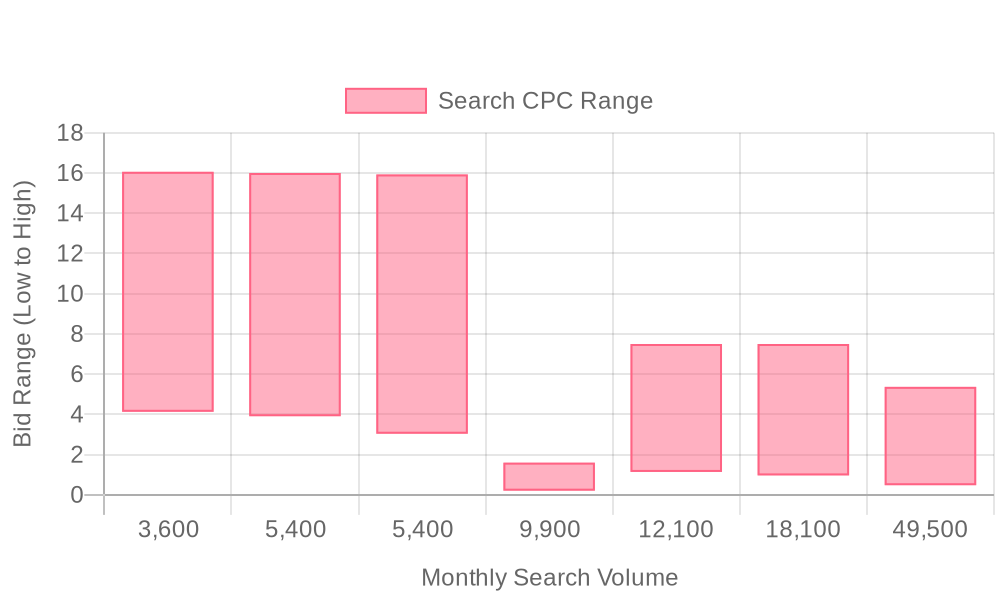
| Industry | Keyword | Monthly Search Volume | Competition Level | Low Bid | High Bid |
| Tile And Grout Cleaning | tile cleaning service | 3600 | LOW | 4.13 | 16.06 |
| Tile And Grout Cleaning | grout cleaning service | 5400 | MEDIUM | 3.91 | 16 |
| Tile And Grout Cleaning | tile cleaning near me | 5400 | LOW | 3.04 | 15.93 |
| Tile And Grout Cleaning | best grout cleaner | 9900 | HIGH | 0.21 | 1.6 |
| Tile And Grout Cleaning | tile cleaning | 12100 | HIGH | 1.14 | 7.5 |
| Tile And Grout Cleaning | tile and grout cleaning | 18100 | MEDIUM | 0.97 | 7.5 |
| Tile And Grout Cleaning | grout cleaner | 49500 | HIGH | 0.48 | 5.37 |
Selecting high-impact keywords is at the core of any successful Google Ads for tile and grout cleaning campaign. Precision in keyword targeting determines not only the reach of your ads but also the quality of leads generated. To maximize PPC for cleaning services, focus on terms that map directly to commercial intent and reflect the most urgent needs of homeowners, facility managers, and local businesses seeking grout restoration or deep tile cleaning.
- Research Relevant Terms: Invest in building a robust keyword list that encompasses industry-specific phrases such as “tile cleaning ads,” “grout cleaning marketing,” “floor restoration services,” “emergency grout repair,” and “local tile steam cleaning.” Use location-based modifiers to capture high-intent local traffic, for example, “tile and grout cleaning in [city]” or “best grout cleaning service near me.” Layering in these specific search terms ensures your campaigns surface in front of prospects ready to book services, not just casual browsers. For more in-depth industry keyword ideas, explore this list of top-performing cleaning services keywords. For further campaign optimization, consult this library of actionable playbooks.
- Filter Out Informational Traffic: Removing irrelevant traffic is key to protecting your ad budget and boosting conversion rates. Implement negative keywords like “DIY grout cleaning,” “homemade tile cleaner,” or “how to clean grout yourself” to filter out searches that indicate no intent to purchase professional services. This approach captures only those genuinely looking for expert cleaning, reducing wasted spend and improving lead quality. When your Google Ads engine is integrated with Sona's Identity Resolution, you can see which companies are engaging with your ads, allowing for more efficient audience refinement and remarketing.
- Leverage Industry Trends: Monitor and act on seasonal patterns, such as increased searches for post-holiday deep cleans or spring floor restoration. By anticipating these peaks, you can proactively expand your keyword portfolio to include time-sensitive terms like “spring tile cleaning offers” or “holiday grout sanitizing.” Real-time intent signals and dynamic audience updates mean your campaigns shift budget toward those most likely to convert, even as market conditions and search behaviors evolve. Syncing enriched audience data from your CRM into Google Ads ensures that as leads progress through your pipeline, your keyword targeting stays aligned with their readiness to engage, ultimately boosting ROI and campaign efficiency.
Step-by-Step Campaign Execution Framework
A rigorous campaign execution framework is essential for tile and grout cleaning businesses aiming to capture high-intent leads, outpace local competitors, and drive measurable ROI from digital campaigns. With the right structure, marketing teams can unify data, sharpen targeting, and create a repeatable system for lead generation that adapts to shifting market demand. Explore actionable guidance in the Sona playbooks library to strengthen your campaign approach.
This framework aligns each critical step with the unique challenges and opportunities in the tile and grout cleaning space, ensuring your campaigns are not just visible but also highly effective in converting search demand into booked jobs and long-term clients.
Step 1: Build Targeted Keyword Lists
Success in Google Ads for tile and grout cleaning starts with a granular approach to keyword selection. Incorporate city and neighborhood modifiers to reach users searching for local services, such as “tile cleaning in Chicago” or “grout restoration Los Angeles.” Long-tail queries, like “how to remove stains from bathroom grout” or “best commercial tile cleaning near me,” capture high-value intent and filter out low-converting traffic. For a list of high-converting keywords to power your campaigns, refer to this cleaning services keywords resource.
Negative keywords are critical. Exclude terms related to DIY, home remedies, or unrelated flooring types to prevent wasted spend and improve lead quality. By connecting campaign keywords with ongoing precise audience intelligence, marketers can continuously refine match types and negative lists as real-world search behaviors shift. When using advanced visitor identification, marketers can see which companies and individuals are interacting with ads, enabling even more precise keyword expansion and exclusion strategies over time.
The upgrade most tile and grout cleaning advertisers miss is going beyond raw keyword volume to layer in intent and identity signals. By connecting website-visitor data and CRM records with Sona Marketing Measurement, you can see which specific search terms bring in the accounts and customers that actually convert, and weight your keyword and bidding strategy toward those rather than the terms with the highest search volume alone.
Step 2: Develop Compelling Ads
Effective tile cleaning ads must resonate immediately with the pain points of residential and commercial clients. Headlines should call out urgent needs, like stubborn grout stains or recurring tile discoloration, using narrative hooks that mirror the problems your ideal customers face. Distinctive ad copy positions your service as the optimal solution, addressing both speed (“same-day grout cleaning”) and thoroughness (“removes 99% of bacteria”).
Calls to action must be direct and time-sensitive: “Book Your Free Estimate Today” or “Restore Your Floors This Week.” Trust is built through visible guarantees, years-in-business claims, and customer testimonials. As campaigns run, real-time intent signals on ad engagement and audience segments can inform copy tweaks, optimizing for what actually drives clicks and conversions in your local markets. Syncing ad performance with person-level insights ensures that ads evolve to match the priorities and objections of your best prospects. For practical inspiration, see advertising examples from professional tile and grout cleaning services.
Step 3: Design Effective Landing Pages
A seamless experience between ad and landing page is non-negotiable for top conversion rates in tile and grout cleaning marketing. Each landing page should be tightly aligned with the keywords and ad copy that drove traffic: if an ad promises “eco-friendly grout restoration in Dallas,” the landing page must reinforce that promise and deliver clear proof points.
ROI assurances, such as “100% satisfaction guarantee” or “free re-clean if not happy,” instill confidence. Simple, mobile-friendly contact forms and click-to-call buttons reduce friction, making it easy for visitors to book or request a quote. Data-driven teams connect each landing page visit to specific campaigns and audience segments, allowing for continuous optimization based on which CTAs and layouts are converting specific buyer groups.
Step 4: Implement Data-Driven Optimizations
Campaign performance in the tile and grout cleaning industry is never static. Use Google’s optimization tools to monitor conversion rates, adjust bidding, and deploy automated rules that prioritize high-performing ads and keywords. Real-time intent signals, such as repeated visits, high engagement, or new company-level interest, should trigger budget reallocations toward the most promising accounts.
Layering in company-level identity resolution enables better segmentation and allows campaigns to adapt as prospects move from awareness to evaluation. Syncing CRM and ad audiences ensures no high-value lead slips through the cracks: audiences update dynamically, so remarketing and lookalike campaigns target only the most engaged, sales-ready contacts. This results in more efficient spend and higher ROI, as every optimization is grounded in unified, actionable data rather than guesswork. For additional tips on campaign improvement, explore this overview of optimizing Google Ads for cleaning companies.
Sona Marketing Measurement closes the gap between clicks and revenue. It captures every ad click with first-party measurement, ties that click through UTM capture and ad-platform APIs to the actual record in your CRM, and reports ROAS by keyword and campaign instead of by last-click form fill. Feeding that revenue signal back into Smart Bidding and Performance Max compounds over time: the algorithms optimize toward booked tile and grout cleaning revenue, not cheap leads.
Expanding Tile And Grout Cleaning Presence

Maximizing your tile and grout cleaning business's reach requires a blend of digital visibility, customer engagement, and local authority. Strategic growth is achieved through orchestrated efforts that align marketing, sales, and operational data, allowing for meaningful connections and profitable outcomes.
- Cross-promoting Content: Consistent engagement across the customer journey is essential for building long-term relationships. By leveraging retargeting within Google Ads, you can deliver educational content to previous site visitors, ensuring your brand remains top-of-mind as prospects move from research to decision. With advanced visitor identification, you can pinpoint which companies are interacting with your ads and tailor follow-up messaging to address their specific needs. For examples of how professional services market their offerings, see this overview of tile and grout cleaning services.
- Upsell Strategies: Personalized upselling is key to increasing client lifetime value in the tile and grout cleaning sector. Integrating CRM insights with your ad platforms ensures you recognize evolving customer needs, such as recurring maintenance or add-on sealing services. Syncing enriched audience segments from your CRM directly into Google Ads allows you to deliver timely offers to previous clients based on their service history and engagement patterns. This data-driven upsell approach accelerates revenue growth by targeting those most likely to purchase additional services.
- Build Partnerships: Collaborating with local industry associations and trade groups elevates your brand authority and extends your network reach. These partnerships not only validate your expertise but also open doors to referral business and co-marketing opportunities. By sharing campaign insights with association partners, you can align messaging and tap into in-market audiences, amplifying the effectiveness of your digital campaigns.
- Local Targeting: Focusing on specific states, cities, or neighborhoods sharpens your market voice and capitalizes on demand spikes driven by seasonality or major events. Hyper-local Google Ads campaigns, fueled by real-time intent data, enable you to adjust bids and creative based on current trends and in-market behavior. Automated audience updates ensure your offers are always relevant, allowing you to seize high-converting opportunities the moment they arise.
Harnessing the full potential of digital marketing for tile and grout cleaning hinges on precise targeting, dynamic audience management, and seamless integration between CRM and ad platforms. To see how you can apply these strategies and drive sustainable growth, get started for free with Sona.
Beyond Google Ads: Winning the AI Answers Tile And Grout Cleaning Buyers Now Trust
Paid search captures demand at the moment someone types a query. But a fast-growing share of tile and grout cleaning buyers no longer start at Google at all, they ask ChatGPT, Gemini, or Perplexity before they ever run a search, and Google's own AI Overviews increasingly summarize an answer above the traditional results. If your business isn't referenced in those AI answers, you're invisible at the exact moment buyers build their shortlist.
Sona AI Visibility shows where your business shows up across ChatGPT, Gemini, Perplexity, Google AI Overviews, and 10+ engines, and, much like a keyword report, which prompts actually send you buyers, so you can prioritize the ones that convert. Run the two together and you cover the entire buyer path: get cited where buyers research (AI Visibility), then prove which of that demand turns into booked revenue (Marketing Measurement).
Helpful resources
Conclusion
Google Ads works for tile and grout cleaning businesses because it meets an unglamorous truth: nobody searches for grout restoration until they need it, and whoever shows up first in that moment usually wins the job. The strategies here, from negative keywords that filter out DIY researchers to landing pages that mirror the ad's exact promise, exist to make sure that moment goes to you.
The bigger shift is measurement. As more buyers research cleaning services through AI chat tools before they ever run a Google search, the businesses that win are the ones tracking which campaigns produce booked jobs, not just clicks, and feeding that revenue signal back into their bidding. Start there, and the rest of the campaign work compounds.
FAQ
What are the best practices for Google Ads in the cleaning industry?
Best practices include developing a data-driven approach, focusing on relevant keywords and audience targeting, ensuring creative alignment, regularly optimizing performance, and integrating cross-channel methods.
How can I optimize my Google Ads for tile and grout cleaning?
Optimize by using precise keyword targeting, aligning ads and landing pages, implementing data-driven optimizations, and leveraging real-time audience insights.
What keywords should I target for tile and grout cleaning ads?
Target keywords like 'tile cleaning ads', 'grout cleaning marketing', 'emergency grout repair', and use location-based modifiers to capture local traffic.
How much should I budget for Google Ads in my cleaning business?
The budget should be allocated based on data-driven insights to target high-likelihood prospects and should be flexible to shift towards high-performing segments.
What are common mistakes to avoid in Google Ads for cleaning services?
Avoid using generic, broad-match keyword strategies, mismatched ad experiences, and failing to regularly review and optimize campaigns.







