


Taxidermy supply shops sell to a narrow, knowledgeable buyer: the museum preparator ordering tanning chemicals in bulk, the competition mount-maker who needs forms in a specific gauge, the hobbyist searching for glass eyes at 11pm before a weekend project. Google Ads works for this trade because it catches those searches at the moment of intent, something trade shows and catalog mailings can't do. Layered onto direct mail and industry publication ads, it lets you intercept a buyer the instant they start looking, and track that interaction so a serious lead doesn't slip away before your team follows up.
How to Generate Leads for Taxidermy Supply Shops with Google Ads
Taxidermy supply shops thrive when they meet the unique needs of professionals and hobbyists searching for niche tools and preservation materials. An effective Google Ads strategy unlocks a direct pipeline to these high-intent buyers, allowing shops to fill their sales pipeline with quality leads who are ready to purchase specialized products. Real-time website visitor identification can help pinpoint these engaged prospects and trigger timely sales actions.
Integrating Google Ads into your broader marketing plan ensures every dollar works harder, capturing demand at the moment of search while reinforcing awareness built through other digital channels. By leveraging data-driven insights, shops can focus their advertising budget on the keywords, audiences, and products that deliver measurable ROI and sustained growth. For a deep dive into proven campaign tactics, explore this Google Ads case study for ecommerce SaaS.
To maximize lead generation, start by developing precise audience intelligence and keyword strategies that reflect the specialized language and seasonal trends of taxidermy. Building campaigns around terms like “taxidermy forms,” “museum-grade tanning chemicals,” or “bulk glass eyes for taxidermy” ensures your ads reach both commercial studios and serious enthusiasts. Segmenting audiences by experience level and intent allows for tailored messaging and offer structure, driving higher engagement and conversion rates.
Success with Google Ads for taxidermy supply shops depends on aligning ad creative and landing pages with the exact needs of your visitors. Landing pages must clearly showcase technical specifications, bulk pricing, and project applications, making it easy for buyers to convert or request more information without friction. Timely lead follow-up is essential: integrating ad data with sales workflows ensures no interested prospect cools off before your team can engage.
Continuous optimization is the backbone of sustainable results in taxidermy supply marketing. Smart bidding, negative keyword expansion, and regular creative refresh cycles help maintain strong performance as competition and seasonality shift. Advanced conversion tracking, such as tying offline phone orders or in-store pickups to your online ads, give you a complete picture of true ROI, so you can confidently reinvest in what works.
A robust marketing ecosystem emerges when online advertising for taxidermy seamlessly interacts with your CRM, email, and offline sales channels. With unified data, you can identify website visitors on the cusp of purchasing, retarget them with personalized offers, and update audience segments in real-time as leads move through your funnel. This closed-loop approach transforms taxidermy supply shop ads into a reliable engine for business growth. Ready to elevate your lead generation? Get started for free with Sona.
Why Google Ads Matters for Taxidermy Supply Shops

Specialized taxidermy supply shops face the challenge of reaching buyers who are actively searching for niche products, not just browsing general e-commerce or craft marketplaces. Google Ads pinpoints these motivated buyers, capturing in-market intent and surfacing your shop precisely when professionals and hobbyists have immediate needs. For a detailed look at how Google Ads strategies can be effectively implemented in niche markets, see this case study on Google Ads for ecommerce SaaS.
Unlike broad social or email channels, Google Ads for Taxidermy Supply Shops enables direct engagement with individuals seeking specific forms, chemicals, and tools. This intent-driven targeting brings higher conversion rates, especially for B2B sales and high-margin products where every qualified lead can drive substantial revenue. Sona surfaces intent signals to help marketers identify and prioritize these prospects in real time.
- Specialized Audiences: Google Ads unlocks a direct line to buyers already searching for taxidermy supplies, filtering out irrelevant audiences and minimizing wasted budget. Sona's Identity Resolution helps marketers see not just anonymous traffic but which companies are engaging, so follow-up can be prioritized for accounts showing true purchase intent, whether that's a school ordering classroom specimens or a studio stocking up before hunting season.
- Increased Margins: While email nurtures existing clients, Google Ads for taxidermy supply marketing attracts net-new B2B buyers who are ready to purchase high-value products. By unifying intent and engagement signals, revenue teams close gaps in their sales funnel and accelerate opportunities that might otherwise be missed. For practical advice on maximizing ROI, explore conversion tracking best practices.
- Immediate Demand Response: Taxidermy supply shops experience surges in demand tied to hunting seasons, competitions, and academic cycles. Google Ads delivers real-time performance data, enabling you to shift spend dynamically as intent spikes, ensuring your products are front and center when urgency peaks. For actionable tips on managing campaigns with fluctuating demand, see our blog on measuring marketing’s influence.
- New Market Penetration: Expanding beyond regional or existing customer bases is critical for growth. Google Ads allows you to test new geographies and reach untapped customer segments in areas where traditional advertising is ineffective, broadening your shop’s reach and driving incremental sales. For a step-by-step guide to targeting new segments, review our audience segmentation strategies.
- Comprehensive Data Analysis: With closed-loop analytics from search to sale, Google Ads for taxidermy supply shops gives a unified view of all customer interactions. Advanced conversion tracking and CRM integrations enable marketers to attribute both online and offline sales, measure true ROI, and continually optimize budget allocation for the highest impact.
Common Google Ads Campaign Types for Taxidermy Supply Shops
- Search Campaigns: Taxidermy supply shops benefit from search campaigns by capturing high-intent buyers as soon as they research specific products or materials, whether that's a preparator searching "museum-grade tanning chemicals" or a hobbyist comparison-shopping mounting forms. These campaigns can use Responsive Search Ads, an ad format that tests multiple headlines and descriptions, to surface the combination that pulls in qualified leads. Leveraging real-time audience data, marketers can see which search terms drive the most sales-ready traffic and shift budget to those queries. For additional inspiration, see this case study on Google Ads strategies for proven optimization methods.
- Display Ads: Display campaigns keep your brand and product offerings visible across industry-relevant websites, forums, and informational hubs. This format supports ongoing visibility and reinforces connections made through email and social channels. By syncing CRM and website engagement data with audience lists, display ads can be tailored to the purchase stage or product interest, increasing relevance and reducing wasted impressions.
- Video Ads: Video campaigns are ideal for educating both new and experienced taxidermists about complex techniques or innovative products. Using visual storytelling, shops can demonstrate product use cases, share expert tips, or walk through mounting processes to build trust and authority. Real-time intent signals from engaged viewers allow marketers to update remarketing pools, retargeting those who watch product demos or instructional content with timely offers and follow-up information.
- Remarketing: Remarketing campaigns re-engage individuals who previously visited your online store or browsed specific product categories. These ads address drop-offs in the buying journey by reinforcing value propositions and addressing lingering objections, ultimately increasing conversion rates. With dynamic audience updates powered by behavioral data, remarketing can automatically prioritize recent visitors showing high purchase intent, ensuring frequent brand touchpoints across display, search, and social.
- Assets: Ad assets (formerly called extensions) are essential for highlighting physical store locations, specialty services, and unique value propositions such as rapid shipping or exclusive product lines. Incorporating structured snippets, callouts, and location assets bolsters credibility while providing critical information upfront. By integrating enriched company and visitor data, marketers can ensure these assets reflect the most compelling local offers, seasonal promotions, or service capabilities to drive higher engagement and qualified traffic. To explore these strategies in greater depth, get started for free with Sona and see how real-time marketing intelligence can elevate your campaigns.
Identifying Growth Opportunities in Taxidermy Supply Marketing
Taxidermy supply shops can unlock new growth by refining their keyword strategy to target highly specific terms unique to their systems, mounting materials, and preservation techniques. Moving beyond broad, generic phrases allows marketers to capture the intent of professional buyers and dedicated hobbyists actively searching for specialized products, driving higher conversion rates and reducing wasted ad spend. For more inspiration on niche keyword tactics, explore this top keyword research tools list.
A competitor gap analysis exposes weak points in rival campaigns, whether a competitor is skipping long-tail chemical names or ignoring the academic and museum buyer segment entirely. That intelligence lets you build campaigns that fill the gap and position your shop as an authority in an underserved sub-niche. Layering in real-time intent data means budget follows shifts in high-converting account behavior instead of last quarter's assumptions.
Engagement across industry-specific forums and directories remains critical where organic reach may be limited by search volume. By actively participating in these spaces, through expert Q&A, listing updates, or sponsored placements, taxidermy supply shops expand visibility among credentialed buyers and build trust within the professional community. Visitor identification technology can further pinpoint which companies interact with your content, opening doors for tailored follow-up and audience enrichment.
Content retargeting strategies reinforce your authority by nurturing website visitors with educational resources such as mounting guides, product usage videos, or technical whitepapers. Segmenting audiences based on their engagement with different resource types clarifies intent, letting marketing teams deliver personalized creative and timely offers as leads progress through the funnel. Audience segments can update dynamically, so your message stays relevant whether a user is researching beginner kits or preparing a bulk order for a taxidermy studio.
Applying Audience Segmentation to Taxidermy Supplies
Precise audience segmentation transforms how taxidermy supply shops engage potential buyers throughout the customer journey. By aligning campaign messaging with the unique motivations of each segment, businesses drive higher engagement, streamline ad spend, and accelerate conversions. For more strategies on niche market targeting, see this guide to Google Ads for niche markets.
- Define Segments: Taxidermy supply marketing succeeds when audiences are meticulously defined based on buyer type. Educational institutions often purchase in bulk for classroom use or scientific research, requiring messaging that highlights compliance, bulk pricing, and reliability. Private collectors, in contrast, prioritize rare specimen preservation, restoration solutions, or display upgrades, so campaigns should emphasize product authenticity and craftsmanship. Segmenting further by business size or project scale enables marketers to tailor their offer and creative, ensuring schools, museums, and individual enthusiasts each see products and services most relevant to their needs. For additional tactics, explore actionable marketing playbooks.
- Overlay Intent Signals: Campaigns become more effective by enriching segments with real-time intent indicators. A collector browsing display case upgrades signals a different buying stage than a museum sourcing long-term preservation chemicals in bulk. Detecting these cues as they happen lets marketers shift budget toward accounts showing immediate interest in high-value items, and prioritize the leads most likely to convert into an actual order.
- Create Ad Groups: Custom ad groups for each audience segment keep creative and landing pages tightly focused on the prospect’s needs. For educational buyers, ads might showcase curriculum integration and safety certifications, while for private collectors, visuals of premium finishes or restoration before-and-after galleries improve relevance. Dynamic audience management ensures that as a lead progresses, from initial research to serious consideration, their ad experience evolves. This approach eliminates wasted impressions and keeps messaging on target through every stage of the purchase funnel.
- Validate Conversions: Effective taxidermy supply shop ads close the loop on every interaction, capturing not only purchases but also form fills, calls, and catalog downloads. Advanced attribution connects online and offline engagements so every conversion is tracked back to its original audience segment. By syncing CRM data and enriching leads with behavioral insights, marketers can ensure every qualified form or call flows into the sales pipeline. This unified approach lets shops accurately measure ROI by segment, optimize spend, and attribute revenue growth to specific Google Ads strategies.
This is also where measurement changes the economics. With Sona Marketing Measurement you can identify the companies behind your ad clicks, not just anonymous sessions, and segment audiences by who actually becomes a customer. That lets you build bid adjustments and audience signals around the segments that convert and de-prioritize the ones that don't, so you feed Google's algorithms "this click became a paying taxidermy supply shops customer" instead of just "someone filled out a form."
Keyword Strategy & Sample Target Terms
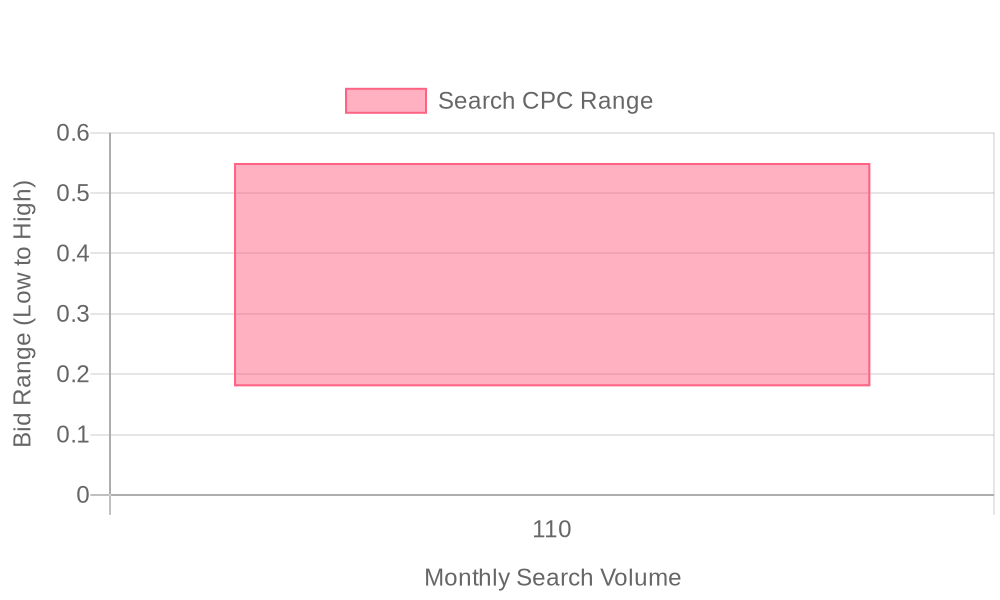
| Industry | Keyword | Monthly Search Volume | Competition Level | Low Bid | High Bid |
| Taxidermy Supply Shops | taxidermy supply store | 110 | LOW | 0.18 | 0.55 |
Taxidermy supply shops require a keyword approach that cuts through broad e-commerce noise and reaches professionals and enthusiasts when they are actively seeking specialty materials. Effective keyword targeting ensures your ads appear at the critical decision moment, translating buyer urgency into measurable results. Aligning these keywords with regional trends and seasonal demand cycles maximizes every ad dollar, especially when demand spikes during hunting or academic periods. For a comprehensive list of top-performing keywords and research tools, refer to this guide to keyword research tools.
Precision targeting starts with understanding which queries indicate the strongest purchase intent. Phrases like "buy taxidermy supplies online" and "best advertising for taxidermy" signal readiness to purchase, while broader terms such as "taxidermy supplies Google Ads strategies" help capture those researching solutions or weighing vendors. Prioritization depends on detailed analysis: assess search volumes, keyword competitiveness, and conversion likelihood specific to your geographic reach. For more insights into crafting effective digital marketing strategies for niche industries, explore our Google Ads for niche markets guide.
Integrating Google Ads into your sales funnel unlocks a full view of buyer journeys by aligning click and conversion data with offline sales events. When campaign data is unified, marketers can follow each lead from initial interest to finalized purchase, and Sona's Buyer Journeys tracks every key touchpoint along the way. This closes common tracking gaps and enables smarter budget allocation, shifting investment to the keywords and audiences that actually drive revenue. Pairing this with real-time intent signals and dynamically updated audience lists keeps ads relevant as a museum buyer or hobbyist moves through the funnel, and gives taxidermy supply shops the attribution needed to prove ROI with every campaign cycle.
Step-by-Step Campaign Execution Framework
Digital marketing for taxidermy supply shops demands a structured approach that puts data and customer intent at the center of every decision. Modern taxidermy businesses that excel with Google Ads drive growth by combining advanced audience segmentation, compelling creative, and seamless offline-to-online attribution. This framework outlines how taxidermy supply marketing teams can implement each step for maximum campaign efficiency and measurable ROI.
Step 1: Build Targeted Keyword Lists
Effective Google Ads for Taxidermy Supply Shops begin with organized keyword lists tailored to service types and customer intent. Segmenting by product category, such as preservation chemicals, mounting kits, or habitat supplies, ensures ad relevance and higher quality scores. Localizing keywords with geographic modifiers, like “taxidermy supplies in Dallas” or “wholesale taxidermy forms NY,” captures regional demand and drives more qualified clicks.
Negative keywords play a crucial role in filtering out irrelevant traffic. Excluding phrases like “DIY taxidermy classes” or “taxidermy jobs” prevents wasted spend and keeps ads focused on high-value buyers. With identification technology, marketers can pinpoint which companies or individuals are searching for specific taxidermy supplies, allowing real-time adjustment to keyword targeting and ad spend. For additional inspiration on structuring keyword research, see this comprehensive keyword research tools list.
The upgrade most taxidermy supply shops advertisers miss is layering intent and identity signals on top of raw keyword volume. By connecting website-visitor data and CRM records with Sona Marketing Measurement, you can see which specific search terms bring in the accounts and customers that actually convert, whether that's "wholesale taxidermy forms" driving museum contracts or "glass eyes for taxidermy" driving one-off hobbyist sales, and weight your keyword and bidding strategy accordingly.
Step 2: Write Compelling Ad Copy
Ad copy for taxidermy supply shop ads must tackle industry pain points and address the needs of professionals and hobbyists alike. Highlighting incentives, such as “bulk order discounts,” “fast shipping for urgent projects,” or “museum-quality materials”, captures attention and encourages engagement. Effective digital marketing for taxidermy leverages ad extensions, including site links to best sellers, callouts for free consultations, and structured snippets listing product types, all enhancing ad visibility and click-through rates.
Incorporating real-time intent data allows marketers to dynamically update ad messaging based on user behavior, such as shifting headlines to emphasize seasonal products or trending materials. By syncing intent signals across channels, teams can ensure that the most relevant offer is always in front of prospects as they move through the decision process, increasing the likelihood of conversion. For actionable advice on running efficient Google Ads campaigns even with a limited budget, explore these tips for small business marketers.
Step 3: Optimize Landing Pages
Optimized landing pages are critical for converting taxidermy supplies online traffic into leads and sales. Each ad group should map directly to a dedicated landing page, maintaining message consistency from ad to page and reducing friction for visitors. Strong calls to action, like “Request a Custom Quote” or “Download the Materials Catalog”, guide users to the next step in the buying journey.
Connecting landing pages to CRM systems enables seamless tracking of intent signals and engagement, capturing both form fills and micro-conversions such as catalog downloads. This integration lets marketing and sales teams automatically enrich and score leads in real time, ensuring prompt follow-up and personalized outreach to high-potential accounts. As new leads convert or existing customers return, dynamic audiences update automatically, keeping retargeting and nurture campaigns in sync with the latest funnel movement. For a real-world example of landing page strategy and campaign setup, review this Google Ads ecommerce SaaS case study.
Step 4: Drive Data-Driven Optimization
Continuous optimization is the backbone of successful Google Ads strategies for taxidermy supply marketing. Smart bidding algorithms leverage conversion and intent data to maximize budget efficiency, adjusting bids based on factors like device, location, and real-time buyer behavior. Robust conversion tracking, including offline conversions from calls or in-store purchases, completes the attribution loop and provides a full view of ROI.
Importing offline conversion data, such as wholesale order confirmations or phone sales, into the digital platform refines campaign targeting and bidding models. This holistic measurement approach ensures that digital advertising dollars are credited for driving high-value outcomes, even when transactions close outside the website. Performance insights flow seamlessly between ad platforms and CRM, allowing revenue teams to optimize spend, prioritize top-performing audiences, and accelerate demand generation across all stages of the buyer journey. For deeper insight into optimizing Google Ads performance with small budgets, see this analysis of Google Ads with limited spend.
Sona Marketing Measurement closes the gap between clicks and revenue. It captures every ad click with first-party, company-level tracking, then ties that click through UTM capture and ad-platform APIs to the actual record in your CRM, and reports ROAS by keyword and campaign instead of by last-click form fill. Feeding that revenue signal back into Smart Bidding and Performance Max compounds over time: the algorithms optimize toward booked taxidermy supply shops revenue, not cheap leads.
Tips on Expanding Your Taxidermy Supply Presence
Expanding your taxidermy supply presence requires integrating advanced digital tactics with your traditional marketing channels. The most successful shops drive growth by unifying campaign insights, leveraging cross-channel data, and responding to customer intent signals in real time.
- Cross-Promoting Educational Content: Elevate retargeting initiatives by delivering value through taxidermy process guides, care tips, or how-to videos. When these resources are promoted across multiple touchpoints, marketers can identify returning visitors and segment future outreach based on specific behaviors, creating a loop of engagement that nurtures leads throughout the buying cycle. By connecting these content signals with first-party data, you can tailor messaging to audience skill level, project type, or purchase history for stronger conversion rates.
- Upselling Services: Make upselling seamless by using segmented insights from order history and website behavior to present relevant products and add-on services at optimal moments. This approach reduces the risk of missed revenue by targeting customers with items they are statistically likely to need, such as offering habitat materials after a form purchase. When audiences are dynamically enriched with new behavioral data, your Google Ads can adapt in real time, ensuring campaigns always reflect current opportunities and shifting demand.
- Collaborations: Partner with key trade associations and wildlife organizations to access highly-targeted audiences. Joint campaigns can be deployed to members using custom audience segments, bridging gaps between your shop’s data and external partner lists. By connecting these sources, every campaign touchpoint is measured for effectiveness and audience overlap, so no potential high-value lead slips through unnoticed.
- Localized Marketing: Deepen your market footprint by focusing on state, county, or metro-level campaigns. Use geotargeting to reach professionals and hobbyists in regions with high hunting license activity or active taxidermy competitions. Integrating localized online ad performance with in-store and event sales data uncovers which markets are ripe for expansion, allowing for budget shifts and campaign tweaks that maximize your share of high-intent local buyers.
Integrating Google Ads into your taxidermy supply shop's strategy means going beyond surface-level targeting. Tightly synchronized keyword selection, audience segmentation, and creative development ensures each ad dollar is spent on the highest-value prospects. Predictive analytics and audience syncing let campaigns shift as new intent signals emerge, keeping your Google Ads for Taxidermy Supply Shops relevant as hunting seasons, competitions, and academic buying cycles turn over.
Beyond Google Ads: Winning the AI Answers Taxidermy Supply Shops Buyers Now Trust
Paid search captures demand at the moment someone types a query. But a fast-growing share of taxidermy supply shops buyers no longer start at Google at all, they ask ChatGPT, Gemini, or Perplexity before they ever run a search, and Google's own AI Overviews increasingly summarize an answer above the traditional results. If your business isn't referenced in those AI answers, you're invisible at the exact moment buyers build their shortlist.
Sona AI Visibility shows where your business shows up across ChatGPT, Gemini, Perplexity, Google AI Overviews, and 10+ engines, and, much like a keyword report, which prompts actually send you buyers, so you can prioritize the ones that convert. Run the two together and you cover the entire buyer path: get cited where buyers research (AI Visibility), then prove which of that demand turns into booked revenue (Marketing Measurement).
Helpful resources
Conclusion
Google Ads works for taxidermy supply shops because it meets a narrow, motivated buyer at the exact moment they're searching, not because it's a generic traffic lever. The shops that win treat it as one input into a larger system: keyword lists built around real trade language, landing pages that speak to museums and hobbyists differently, and attribution that connects a click to an actual wholesale order.
The shift ahead is measurement catching up to reality: fewer last-click form fills, more attribution that ties a search term directly to a booked order, whether that order closed online, over the phone, or at a trade show. Shops that build this feedback loop now will spend the next hunting season and academic buying cycle bidding smarter than competitors still optimizing for cheap leads instead of paying customers.
FAQ
How can I effectively advertise my taxidermy supply shop using Google Ads?
To effectively advertise your taxidermy supply shop using Google Ads, integrate it with your broader marketing efforts, use precise targeting based on technical specifications and unique search terms, and continuously optimize your campaigns for measurable ROI.
What are the best practices for creating Google Ads for taxidermy supplies?
Best practices include developing precise audience intelligence, using specific keywords, aligning ad creative and landing pages with visitor needs, and ensuring timely lead follow-up to capture high-intent buyers.
How do I set up a Google Shopping campaign for my taxidermy products?
To set up a Google Shopping campaign, identify high-intent keywords, integrate your ad data with sales workflows, and ensure your product listings highlight technical specifications and bulk pricing to appeal to both commercial studios and enthusiasts.
What budget should I allocate for Google Ads in the taxidermy supply niche?
Allocate your Google Ads budget by focusing on keywords, audiences, and products that deliver measurable ROI and sustained growth, especially during demand spikes like hunting seasons and taxidermy competitions.
What keywords should I target for my taxidermy supply shop's Google Ads?
Target keywords that reflect specialized language and seasonal trends, such as “taxidermy forms,” “museum-grade tanning chemicals,” and “bulk glass eyes for taxidermy,” to reach both professional buyers and dedicated hobbyists.







