


Tape recorders don't fail on a convenient schedule. A collector's reel-to-reel deck seizes up the week before a listening session, or a studio's vintage cassette machine starts eating tape mid-project, and the search that follows is narrow and urgent. Google Ads works well for this trade precisely because so few businesses compete for these searches, and the people typing them usually need a repair now, not a browsing experience. This guide walks through how tape recorder repair businesses can build Google Ads campaigns, from keyword selection through measurement, that turn that narrow, urgent demand into booked repairs.
How to Generate Leads for Tape Recorder Repair with Google Ads: A Step-by-Step Guide
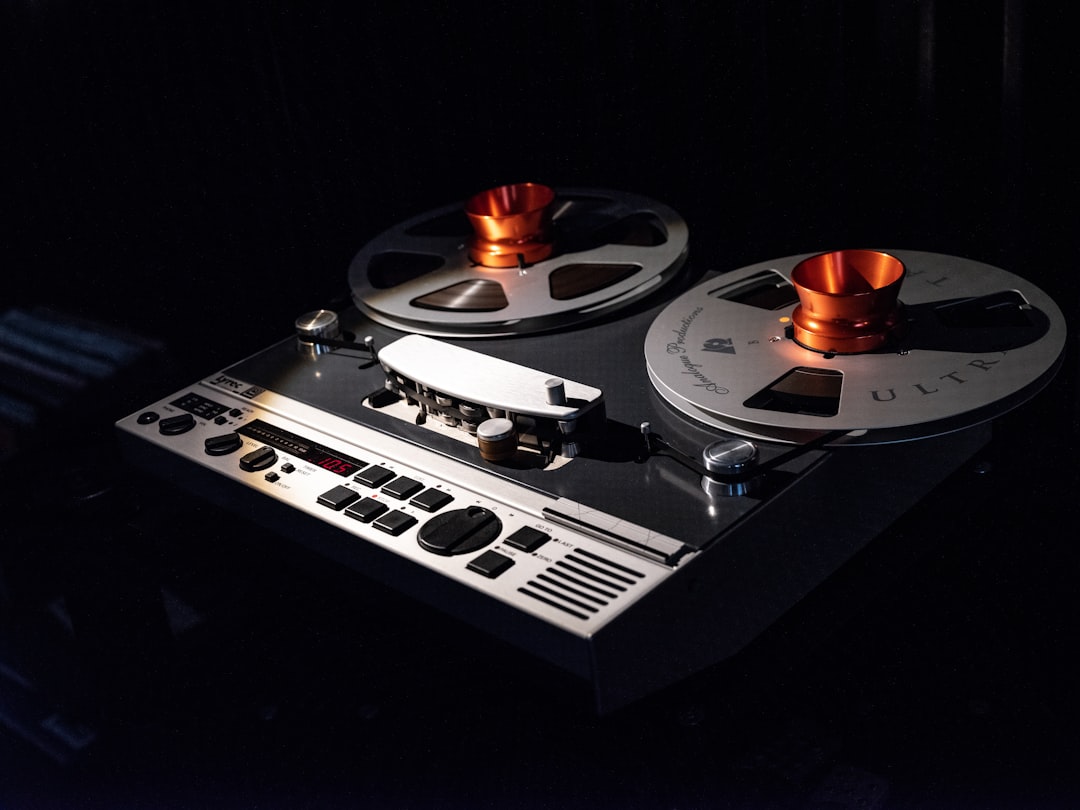
Vintage audio repair businesses face a narrow but committed customer base: collectors, audio engineers, and studio managers who need precision service and often can't find it locally. Google Ads lets these businesses reach that audience at the moment of intent, when a belt has snapped or a deck won't spin. For a deeper understanding of advertising compliance in this niche, review Google Ads policies on restricted content.
A clear, data-driven approach maximizes every click and impression. Prioritizing analytics, audience segmentation, and campaign alignment turns ad spend into measurable revenue growth for tape recorder repair providers. Explore more strategies for optimizing marketing campaigns in our blog collection.
- Craft a Data-Driven Strategy: Use advanced analytics to identify and prioritize segments such as vintage equipment collectors, audio engineers, and studio managers. When marketers integrate visitor identification and real-time intent tools, Sona's Identity Resolution matches each website visitor to actual companies and decision-makers, eliminating guesswork and wasted spend. This enables immediate focus on in-market leads, ensuring outreach is both timely and relevant.
- Optimize Keyword Selection: Target granular keywords like "cassette deck belt replacement," "reel-to-reel calibration," or "Nakamichi tape recorder repair" to reach customers with urgent, specific needs. Sona surfaces intent signals that let marketers dynamically allocate more budget to high-converting search terms, so ads reach prospects when they show the strongest intent to engage or purchase.
- Align Landing Pages and Ads: Consistent messaging and design between ads and landing pages build trust and reduce drop-off. For example, an ad promoting "Sony tape deck restoration" should lead to a landing page detailing Sony-specific repair expertise. Data platforms that sync CRM records and ad audiences in real time maintain this message alignment, updating offers and content as leads move through the buying journey.
- Continuous Optimization: Regular campaign reviews using granular attribution models reveal which keywords, ads, and creative assets drive the highest-value conversions. Blending online engagement data with offline repair bookings delivers full visibility into ROI. This enables marketers to double down on what works, adjust bids, and refine messaging for even greater efficiency.
- Integrate Channels: Combining Google Ads with complementary channels like email, organic search, and social media extends reach and reinforces brand credibility. Unifying audiences across platforms ensures every touchpoint is informed by the latest engagement and intent signals, making retargeting strategies more effective and driving higher conversion rates.
Ready to grow your repair business? Get started for free with Sona.
Why Google Ads Matter for Tape Recorder Repair Businesses
Digital marketing for tape recorder repair services requires a focused approach that meets the unique needs of audio enthusiasts and professional technicians. Reaching this specialized audience through targeted channels ensures every marketing dollar is put to work where it counts most, especially when leveraging real-time audience segmentation for hyper-targeted outreach.
- Engage Niche Audiences: Google Ads provides direct access to individuals actively searching for vintage audio repairs or cassette deck servicing. By serving relevant ads to users with clear intent, businesses can tap into a market segment that values expertise and authenticity; for a deeper understanding of what is permitted in your campaigns, review Google's ads policies on restricted content.
- Improve Campaign Precision: Targeting keywords specific to tape recorder repair, vintage audio equipment, and related services allows campaigns to bypass generic or uninterested traffic. This precision keeps acquisition costs low and maximizes relevance, especially when backed by real-time intent signals that reveal in-market behavior.
- Ensure Immediate Response: Urgent repairs often mean lost opportunity if not addressed quickly. Digital ads make it possible to capture urgent requests the moment they arise, reducing lag time that lets potential customers drift to competitors; with tools like Sona Destinations, you can automatically sync audience data to your CRM for faster follow-up.
- Enhance Market Visibility: Vintage audio equipment has seen a resurgence in interest. Consistent visibility in search results and digital touchpoints helps position a business as the go-to authority, reinforcing trust and staying top-of-mind as the market grows. Explore more strategies in our B2B marketing reports guide.
- Leverage Data-Driven Analysis: Every interaction provides actionable data on what drives conversions and repeat business. Integrating advanced analytics tools, such as transferring Google Ads data to BigQuery, lets marketers attribute results from click to completed repair, continuously refining campaigns to improve ROI and streamline spend.
Ready to experience smarter targeting and seamless data activation? Get started for free with Sona.
Common Types of Google Ads Campaigns for Tape Recorder Repair
Search, Display, and Video are ad formats you'll combine within a Google Ads account; the campaign types worth knowing for this trade are Search campaigns (where Responsive Search Ads are the standard ad format), Performance Max campaigns, and Remarketing.
- Search Campaigns: Targeting specific repair queries ensures you capture prospects the moment they search for solutions like "cassette deck repair" or "vintage tape recorder service." This approach significantly reduces wasted spend and uncovers high-intent leads that might otherwise slip by. Teams leveraging unified lead data can further refine targeting, pinpointing visitors and accounts with a genuine repair need.
- Display Ads: Visual banners placed on forums and websites popular with audio hobbyists build sustained awareness for your repair services. By synchronizing enriched audience data, professionals can dynamically update segments as new leads express interest, ensuring ads appear to the most relevant prospects at each stage.
- Video Ads: Demonstrating tape recorder diagnostics or repairs fosters credibility and educates potential customers in one step. Real-time intent data helps shift ad budget to viewers showing the strongest engagement, driving conversions with relevant messaging at the right moment. For inspiration on effective repair demonstrations, see this cassette deck restoration overview.
- Remarketing: Re-engaging past visitors who explored service offerings but did not convert improves campaign efficiency and revenue pipeline velocity. With advanced visitor identification, you can nurture leads based on their unique behaviors and funnel position, maximizing the likelihood of a return visit.
- Ad Assets: Highlighting specialties, certifications, or even quick turnaround times directly in the ad streamlines the customer journey and pre-qualifies prospects. Integrating CRM data ensures that only the most up-to-date business details and offers are showcased, reducing friction and increasing conversion rates. To see how you can implement these strategies today, get started for free with Sona.
Where to Find Growth Opportunities?
Tape recorder repair businesses can drive sustainable growth by targeting segments often missed by broader electronics or general repair campaigns. By focusing on specificity and aligning marketing tactics with true market demand, these businesses maximize both reach and conversion rates. For a deeper dive into demand generation tactics for niche services, explore our marketing best practices.
- Vertical Keyword Targeting: Building campaigns around niche keywords such as "cassette deck repair," "reel-to-reel maintenance," and "vintage tape recorder restoration" allows advertisers to connect with high-intent audiences. These keywords reflect real customer pain points, ensuring ads appear when decision-makers search for specialized solutions. Using unified intent data, marketers can identify new or trending search phrases early, adapting campaigns as customers shift from analog nostalgia to restoration needs.
- Competitor Gap Analysis: Review competitor messaging and paid search coverage to spot demand they overlook. For example, some brands may ignore rare models or focus solely on parts sales, leaving a gap for full-service repair. Analyzing inbound traffic and cross-referencing with CRM records enables teams to discover audience segments that visit but do not convert, driving targeted campaigns to capture those opportunities. Sona's Identity Resolution offers actionable insights by revealing which companies and people are visiting your site, even if they don't fill out a form.
- Strategic Placements in Industry Forums: Forums and enthusiast communities remain prime channels for tape recorder repair marketing. Placing ads on platforms where vintage audio professionals and hobbyists discuss repairs ensures direct exposure to buyers with clear intent. Participating in communities such as this tape machine repair forum can drive highly targeted referrals, while integrating web analytics helps teams pinpoint which forums yield the highest engagement.
- Retarget with Educational Content: Follow up with visitors who showed interest but did not convert by delivering in-depth guides, troubleshooting checklists, and video tutorials. Retargeting audiences with educational content not only increases brand trust but also nurtures leads over longer sales cycles. As users interact with each touchpoint, dynamic audience updates ensure messaging stays relevant, responding in real time as leads move closer to booking a repair.
By combining these tactics with advanced attribution and real-time audience enrichment, tape recorder repair businesses can confidently scale campaigns, allocate budget to high-value segments, and optimize every touchpoint for growth. If you're ready to unify web, ad, and CRM data to act on growth opportunities, get started for free with Sona.
How to Apply Audience Segmentation for Tape Recorder Repair
Effective digital marketing in the tape recorder repair industry depends on precise audience segmentation. By understanding the nuanced needs of vintage audio equipment owners, brands can offer messaging that directly addresses intent and urgency. If you're ready to refine your approach, get started for free with Sona.
This is also where measurement changes the economics. With Sona Marketing Measurement you can identify the companies and buyers behind your ad clicks, not just anonymous sessions, and segment audiences by who actually becomes a customer. That lets you build bid adjustments and audience signals around the segments that convert and de-prioritize the ones that don't, so you feed Google's algorithms "this click became a paying tape recorder repair customer" instead of just "someone filled out a form."
Define Segments
Segmenting your audience is foundational for optimizing campaign performance. Casual users, who may need basic servicing or troubleshooting, engage differently than professional technicians seeking specialized parts or repair insights. Serious audiophiles and collectors represent a third, highly valuable segment: they often demand premium restoration, rare components, and expert craftsmanship for high-end cassette or reel-to-reel models. For those in need of specialized services, cassette deck repair and maintenance can be a valuable resource.
Further refinement is possible by differentiating between equipment types. Cassette deck repair advertising should focus on owners of popular consumer brands, while reel-to-reel campaigns target enthusiasts of professional-grade recording gear. Tailoring ad copy, landing pages, and offers to these distinct groups ensures relevance and drives higher quality leads into the funnel.
Overlay Intent Signals
Audience segmentation becomes exponentially more powerful when enhanced with real-time intent signals. Identifying users searching for routine tape head cleaning versus those seeking a full mechanical overhaul allows marketers to prioritize outreach and allocate budget toward high-intent prospects. For example, tracking keywords and on-site behavior, such as visiting pages about rare part replacements, enables immediate engagement with those most likely to convert.
Platforms that unify go-to-market data can flag in-market behavior as it happens, for instance a spike in visits to a page about capstan motor replacement, or repeat searches for a discontinued Sony model. That visibility lets you shift budget toward the segments showing real purchase urgency instead of spreading spend evenly across casual browsers and serious buyers alike.
Ad Group Creation
Once segments and intent are mapped, structuring ad groups for each audience unlocks messaging precision and cost control. For instance, ad groups targeting casual users can promote affordable diagnostics, while those for audiophiles can highlight expert restoration or rare part availability. Budgets can be distributed based on segment value, focusing spend on the highest ROI opportunities.
When audience data is continuously refreshed and synced with ad platforms, marketers can update targeting as users move from research to decision. Automated audience updates ensure that messaging, offers, and retargeting sequences stay aligned with where prospects are in the funnel. Integrating CRM and ad platforms empowers teams to deploy consistent, personalized engagement across channels, driving better conversion rates for vintage audio equipment repair ads and other niche services.
Keyword Strategy & Sample Target Terms
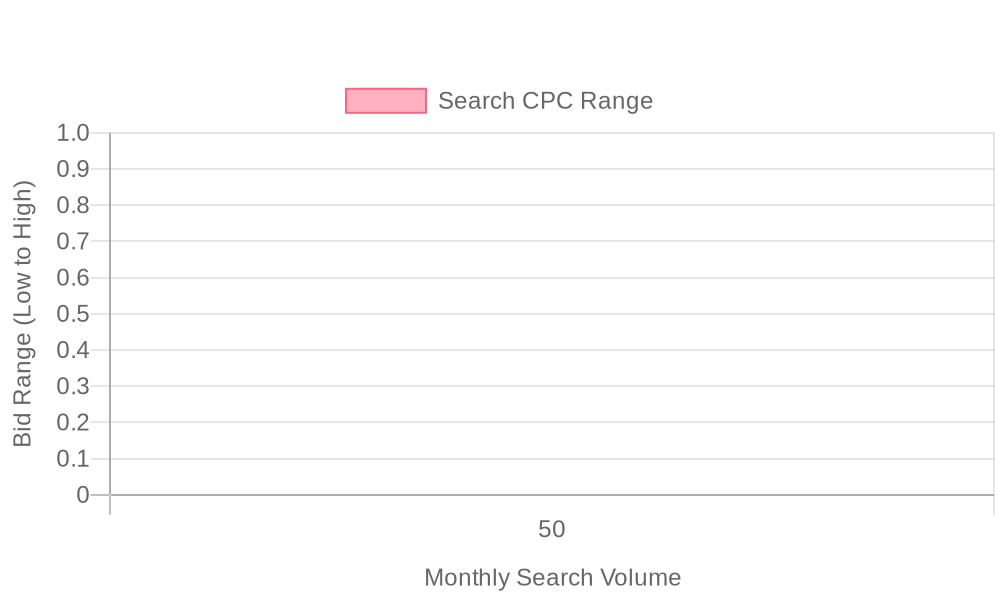
| Industry | Keyword | Monthly Search Volume | Competition Level | Low Bid | High Bid |
| Tape Recorder Repair | tape recorder repair | 50 | LOW |
Effective tape recorder repair marketing requires a focused keyword strategy that reaches decision-makers when their intent is highest. By prioritizing terms that explicitly align with repair services for vintage audio equipment, advertisers filter out low-value clicks and engage prospects ready to act. For additional insights on best practices, explore this collection of marketing articles.
- Precision Targeting: Build keyword lists centered on phrases such as "cassette deck repair advertising," "vintage audio equipment repair ads," and related modifiers like "near me," "emergency," or brand-specific terms to capture intent-rich searches. Integrate negative keywords to exclude hobbyist queries and DIY content, ensuring spend is allocated to commercial intent and high-value leads. Reference Google Ads policies on restricted content to maintain compliance when advertising repair services.
- Measurable ROI: Implement conversion tracking at every touchpoint, from form fills to booked consultations, tying each click to revenue outcomes. Advanced attribution models go beyond last-click analysis by connecting both online and offline conversions, giving teams the clarity to optimize spend and validate campaign impact. To further enhance tracking, leverage Sona for first-party conversion data and campaign ROI.
- Channel Synergy: Amplify reach by extending campaigns across search, display, and video. Use audience segmentation to retarget visitors who engaged with service pages but did not convert, presenting tailored messaging based on their stage in the decision cycle. Dynamic audience updates ensure retargeting lists reflect real-time engagement, increasing relevance with each impression.
Integrating unified go-to-market data elevates each tactic: marketers can identify anonymous visitors by company, prioritize in-market accounts, and activate dynamic audiences as prospects move through the funnel. By syncing enriched lead and audience data directly into Google Ads and CRM platforms, teams ensure their campaigns remain agile, data-driven, and consistently aligned with pipeline goals.
Step-by-Step Campaign Execution Framework
Step 1: Build Targeted Keyword Lists
Precision in keyword selection is crucial for driving qualified leads in tape recorder repair marketing. Focused keyword strategies ensure your ads reach those searching for specific services, such as "cassette deck repair," "vintage tape recorder restoration," or "reel to reel repair near me." Integrate location-based modifiers to capture local intent, making it easier for nearby prospects to find your business.
Long-tail queries such as "Sony tape deck not working" or "Akai cassette player belt replacement" attract users with high purchase intent and help you stand out in a crowded market. Symptom-based keywords tap into the urgency of repair needs, while negative keyword filters prevent wasted budget on unrelated searches. For campaigns running at scale, leveraging platforms that unify website visitor data and CRM records allows marketers to dynamically update audience targeting, ensuring ads continuously reach only the most relevant, high-likelihood buyers.
The upgrade most tape recorder repair advertisers miss is going beyond raw keyword volume to layer in intent and identity signals. By connecting website-visitor data and CRM records with Sona Marketing Measurement, you can see which specific search terms bring in the accounts and customers that actually convert, and weight your keyword and bidding strategy toward those rather than the terms with the highest search volume alone.
Step 2: Develop Compelling Ad Copy
Effective ad copy must immediately address the urgency and unique pain points faced by those needing tape recorder repair. Highlight common customer scenarios, such as malfunctioning motors, worn belts, or sound distortion, to establish relevance. Include trust signals that matter to this audience: certifications, decades of experience, and verified customer reviews all foster confidence.
Time-sensitive offers, like "Same-day diagnostics" or "10% off repairs this month," create urgency and motivate action. By syncing enriched CRM and first-party data into Google Ads, marketers can personalize ad messaging based on previous interactions or customer status, leading to higher engagement and a stronger brand reputation. This tailored approach also ensures decision-makers see messaging aligned with their stage in the repair journey. For a quick refresher on Google's policy compliance, refer to Google Ads policies on restricted content.
Step 3: Design Effective Landing Pages
Landing pages for tape recorder repair ads must tightly align with both keywords and ad copy to maximize relevance and Quality Score. Each page should clearly articulate your services, covering specifics like cassette deck cleaning, calibration, and parts replacement. Incorporate interactive elements, such as cost calculators for repairs or FAQ sections, to guide prospects and reduce friction in the conversion process.
Displaying testimonials from satisfied customers and showcasing before-and-after examples of restored vintage audio equipment builds trust and credibility. Integration with advanced visitor identification tools enables marketers to see which companies or individuals are engaging with landing pages, supporting more targeted follow-ups and remarketing initiatives. Seamless audience updates based on these interactions keep your retargeting pools fresh and highly relevant.
Step 4: Implement Data-Driven Optimizations
To drive maximum ROI, every campaign element should be measured, tested, and refined. Implement robust conversion tracking that includes both online forms and offline events, such as phone inquiries or in-shop visits, to capture the full impact of your campaigns. A/B testing ad headlines, offers, and visuals reveals top performers, while bid adjustments based on real conversion data ensure budget is allocated to the highest-value keywords and audiences.
Sophisticated platforms allow you to unify ad, CRM, and website analytics, enabling attribution that accurately reflects true customer journeys. This lets B2B teams shift spend toward channels and segments with the greatest potential, while dynamic audience syncing ensures every engagement, whether online or offline, feeds back into campaign optimization. By continuously refining based on actionable insights, marketers stay ahead in the niche landscape of vintage audio equipment repair ads and maintain a competitive edge. For a deeper dive into optimizing your audience strategy, explore retargeting strategies for high-intent repair services.
Sona Marketing Measurement closes the gap between clicks and revenue. It captures every ad click with first-party measurement, then ties that click through UTM capture and ad-platform APIs to the actual record in your CRM, and reports ROAS by keyword and campaign instead of by last-click form fill. Feeding that revenue signal back into Smart Bidding and Performance Max compounds over time: the algorithms optimize toward booked tape recorder repair revenue, not cheap leads.
Tips on Expanding Your Tape Recorder Repair Presence
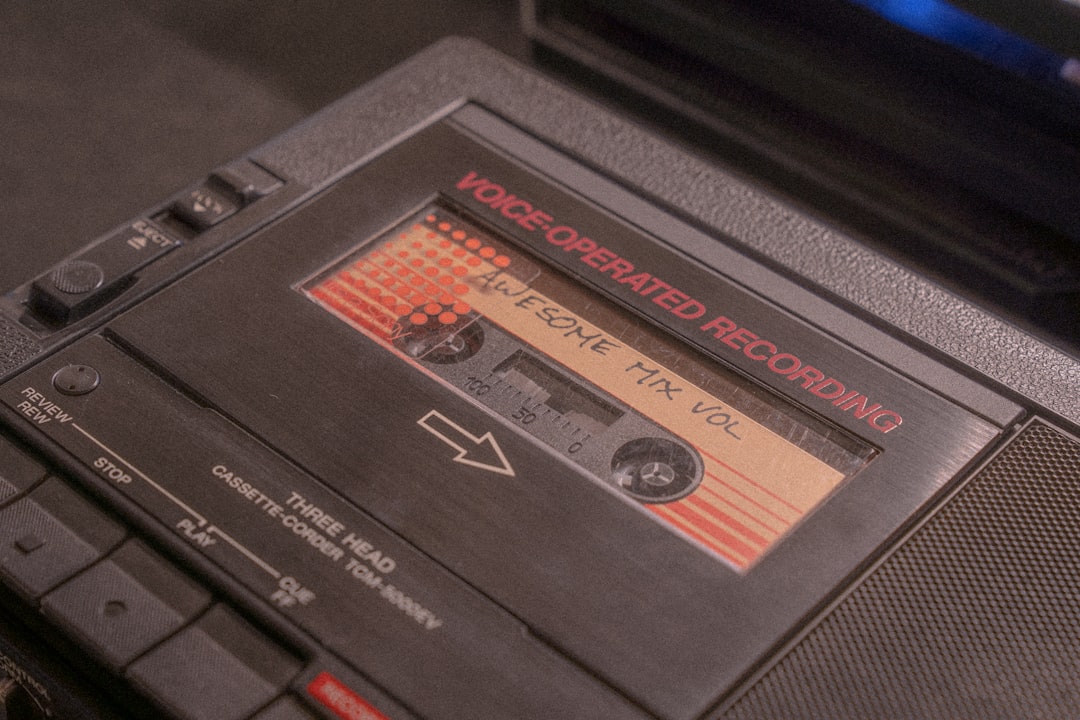
Growth in this trade rarely comes from broader targeting, it comes from narrower, better-timed targeting. Tailored Google Ads campaigns put your services in front of vintage audio enthusiasts and businesses the moment they need reliable repair, rather than competing on generic electronics-repair terms where intent is diluted.
- Leveraging how-to guides in retargeting, enhancing educational value and user engagement: By incorporating detailed how-to content into your retargeting ads, you capture visitors who previously interacted with educational resources. This not only boosts trust but also keeps your brand top-of-mind as prospects move closer to conversion. When Sona surfaces intent signals from real-time search and browsing behavior, your retargeting becomes even more precise, serving relevant guides to users based on where they actually are in the repair decision.
- Upselling additional services by using data-driven audience segmentation in your CRM: Segmenting audiences based on repair history, equipment type, or engagement level allows you to present timely upsell offers, such as calibration, upgrades, or maintenance plans. The integration of enriched CRM insights directly into Google Ads ensures your upsell efforts reach the right segments, maximizing lifetime value and increasing ROI through tightly aligned messaging. For marketers looking to automate the syncing of audience data from CRM into ad platforms, Sona's Destinations makes it seamless.
- Collaborating with relevant associations for increased referral traffic and network reach: Forming alliances with vintage audio associations, tape deck forums, and niche enthusiast groups can expand your referral pipeline. By targeting custom audiences built from association membership lists or site visitors, you further amplify your reach and credibility among those most likely to need specialized tape recorder repair. Engaging with communities through resources such as this tape machine repair forum can help drive traffic and foster valuable connections.
- Implementing localized efforts to enhance share-of-voice in targeted geographic regions: Geo-targeted Google Ads help your business dominate search results in specific cities or regions known for strong vintage audio communities. Leveraging real-time demographic and intent signals enables you to adjust bids and messaging for each locality, ensuring your ads align with local market demand and outpace generic, non-local competitors.
A cohesive Google Ads strategy for tape recorder repair services revolves around smart keyword targeting, granular audience segmentation, compelling ad creative, and continual data-driven optimization. Using advanced data orchestration tools, marketers can move beyond anonymous clicks by identifying high-value website visitors and syncing enriched audience segments into Google Ads and connected CRMs. This unified approach not only drives more qualified leads but also refines campaign performance based on real conversion data, elevating your share-of-voice in the vintage audio repair market.
Beyond Google Ads: Winning the AI Answers Tape Recorder Repair Buyers Now Trust
Paid search captures demand at the moment someone types a query. But a fast-growing share of tape recorder repair buyers no longer start at Google at all, they ask ChatGPT, Gemini, or Perplexity before they ever run a search, and Google's own AI Overviews increasingly summarize an answer above the traditional results. If your business isn't referenced in those AI answers, you're invisible at the exact moment buyers build their shortlist.
Sona AI Visibility shows where your business shows up across ChatGPT, Gemini, Perplexity, Google AI Overviews, and 10+ engines, and, much like a keyword report, which prompts actually send you buyers, so you can prioritize the ones that convert. Run the two together and you cover the entire buyer path: get cited where buyers research (AI Visibility), then prove which of that demand turns into booked revenue (Marketing Measurement).
Helpful resources
Conclusion
The businesses winning this space now are the ones treating search and AI-driven discovery as one system, not two: they show up when a collector types "reel-to-reel calibration near me," and they show up when that same collector asks an AI assistant where to find a specialist. Get both right and you're not just running ads, you're becoming the default answer for a shrinking pool of people who still know how to keep a tape recorder running.
Ready to take your marketing efforts to the next level? Start for free to explore how Sona can streamline your advertising strategy and drive measurable results for your business today.
FAQ
How can I target my Google Ads for tape recorder repair services?
You can target your Google Ads by using advanced analytics for audience segmentation, targeting specific keywords related to tape recorder repair, and aligning your ads with landing pages to ensure message consistency and relevance.
What are the best keywords for Google Ads in the tape recorder repair industry?
Best keywords include specific terms like 'cassette deck belt replacement,' 'reel-to-reel calibration,' and 'Nakamichi tape recorder repair' to attract customers with urgent, specific needs.
How do I create an effective Google Ads campaign for tape recorder repair?
To create an effective campaign, focus on data-driven strategies, use targeted keywords, ensure ad and landing page alignment, optimize continuously, and integrate with other channels like email and social media.
What is the cost of running Google Ads for tape recorder repair services?
Costs vary based on campaign precision and targeting. By focusing on niche keywords and intent-driven audiences, you can keep acquisition costs low and improve ROI.
How can I track the success of my Google Ads for tape recorder repair?
Implement conversion tracking for both online and offline actions, use granular attribution models to understand the impact of each ad element, and continuously optimize based on conversion data.







