


A suspension repair shop lives or dies by whether it shows up the moment a driver hears a clunk over a pothole or feels the car pull to one side. Google Ads is one of the few channels that can put your shop in front of that driver in the same hour the noise starts, but the platform punishes generic setups: policy violations, vague targeting, and budgets spread across searches that have nothing to do with repair. This guide covers how to build, run, and optimize Google Ads campaigns built specifically for suspension repair demand.
How to Generate Suspension Repair Leads with Google Ads: A Step-by-Step Guide

Suspension repair businesses operate in a highly competitive environment where data-driven advertising can make the difference between wasted spend and high-quality lead generation. By integrating Google Ads into your broader revenue strategy, you can precisely reach drivers at the moment they experience suspension issues, translating technical expertise into steady business growth.
Effective campaigns begin with segmentation and audience analysis, aligning budgets with the intent of local, high-value prospects searching for suspension repair. Industry-specific targeting ensures your ads appear for customers experiencing real-time symptoms, such as strange noises or uneven tire wear, rather than generic automotive queries, increasing both lead quality and conversion rates. For deeper insights on campaign measurement, explore insights on channel attribution tailored to automotive businesses.
- Data-driven paid search integration: Many suspension repair shops lose efficiency by treating all search traffic alike, but segmenting campaigns by geo-location, vehicle type, and repair urgency can dramatically improve relevance. Dynamic budget allocation, informed by in-market behaviors, prioritizes spend on audiences with the highest probability of booking a service. Use Sona to build real-time, intent-based audience segments that maximize your ad investment.
- Industry-specific keyword and audience targeting: Leveraging real-time audience insights allows you to refine targeting and avoid wasted impressions. When your marketing stack identifies visitors as fleet managers or owners of specific vehicle makes, you can adjust messaging and bids, increasing the likelihood of capturing profitable commercial accounts.
- Techniques for landing page and creative alignment: Consistency between ad copy and landing page content is essential for the suspension repair buyer’s journey. Highlighting certifications, diagnostic capabilities, and same-day service across both ads and landing pages builds trust and accelerates conversion, especially for urgent repairs. For actionable examples, see this guide on suspension systems and repairs.
- Performance optimization tactics: Dynamic list management ensures your campaigns stay relevant by automatically updating audiences as leads progress through the funnel. This keeps your communications aligned with each prospect’s current needs, helping you nurture repeat business and maximize lifetime value. Learn more about buyer journey tracking to enhance your campaign optimization.
- Cross-channel integration strategies: Synchronizing buyer data across platforms, including CRM, email, and paid search, enables cohesive messaging and retargeting. When audience segments update in real-time, you deliver the right offer at the right moment, reducing friction and increasing the odds of winning the repair job.
Why does Google Ads matter for Suspension Repair Services?

Suspension repair services face a highly specialized market where customers are searching for immediate solutions and reliable expertise. With digital-first behaviors, consumers increasingly turn to online channels to find local auto repair experts, making precise audience intelligence and rapid response critical for capturing high-margin repair jobs.
- Engaging a specialized audience of auto repair seekers: Real-time visitor insights allow marketers to quickly identify individuals and businesses actively seeking suspension repair. By leveraging advanced data, campaigns can move beyond broad demographics to pinpoint decision-makers and high-intent prospects, ensuring each ad dollar goes toward those with the greatest likelihood to convert. Learn more about best practices for Google Ads in auto repair.
- Capturing high-margin repairs for new customers: Accurate audience segmentation enables revenue teams to focus spend on high-value leads, such as owners of premium vehicles or fleet contracts. This precision ensures the most profitable jobs are prioritized, increasing average repair ticket value and boosting overall ROI. To see how segmentation can fuel growth, explore dynamic audience building.
- Offering immediate responses to urgent repair searches: Intent-driven campaigns can surface targeted ads exactly when a vehicle owner experiences a suspension issue, such as a sudden noise or handling problem. Using intent signals, teams can shift budget in real time to address sudden spikes in search demand, such as the surge in suspension complaints after the first hard freeze or a run of pothole season, and maximize conversion during peak urgency.
- Targeting visibility in emerging local markets: Localized keywords and geographic targeting drive competitive positioning in new or underserved areas. This approach helps auto repair businesses quickly gain traction in markets where brand recognition is low but service need is high, accelerating market share capture. Discover effective keyword strategies for auto repair.
- Enhancing data analysis with integrated insights: Modern platforms unify campaign analytics, CRM data, and offline conversions, enabling granular measurement of each channel’s impact. By syncing enriched audience data and full-funnel attribution into Google Ads and CRM systems, marketers can identify which keywords, ad groups, and offers drive the highest quality leads, refining targeting and messaging for continuous improvement.
Common Types of Google Ads Campaigns for Suspension Repair Services
- Search Campaigns: Search campaigns are ideal for capturing high-intent customers who are actively seeking solutions for suspension problems. By targeting keywords such as "suspension repair near me" or "shock absorber replacement," you access users in urgent need of service, often ready to book an appointment. Marketers using Sona's Identity Resolution can pinpoint which companies or individuals are searching, allowing for more precise targeting and messaging.
- Display Ads: Display ads help keep your repair shop top-of-mind when prospective customers browse automotive forums, news sites, or local directories. Visual creatives tailored to segmented audiences reinforce brand recall and highlight seasonal promotions or expertise in complex suspension systems. Advanced audience segmentation, driven by real-time behavioral data, ensures these ads reach only those most likely to convert, optimizing spend and engagement.
- Video Ads: Video campaigns enable you to visually demonstrate the suspension repair process, build trust, and educate vehicle owners about the importance of timely maintenance. These ads excel on YouTube and other platforms where in-market behavior signals can trigger budget shifts toward high-converting viewers. By tracking which audiences engage with your videos, revenue teams can dynamically update retargeting and nurture sequences as prospects move through the funnel. For a practical look at how video can educate customers, see this step-by-step video tutorial on replacing struts.
- Remarketing: Remarketing campaigns are essential for re-engaging visitors who previously explored your services but did not convert. By mapping each visitor’s journey and buyer stage across channels, marketers can deliver timely offers or reminders, like a discount on strut replacement, to those most likely to return. Integrating CRM and ad platforms allows for enriched audience lists, ensuring follow-up messaging reflects the latest engagement and lead status.
- Assets: Utilizing ad assets, such as location, call, and structured snippet assets, builds credibility and facilitates immediate action. Customers can call directly, get directions, or review pricing details without extra clicks, streamlining the path to booking. With advanced conversion tracking, you can attribute both online and offline actions, such as calls and in-person visits, accurately, measuring true campaign ROI and refining strategies in real time.
Where to Find Growth Opportunities
Suspension repair providers that want to scale their marketing impact must focus on high-value, vertical opportunities. The most successful strategies blend keyword precision, competitor intelligence, and audience-driven content delivery to reach decision-makers with genuine repair intent.
- Target vertical keywords for specialized services: Precision targeting starts with search terms that directly reflect the nuanced needs of specific customer segments. By building campaigns around phrases like "shock absorber replacement for SUVs" or "emergency suspension repair for fleet vehicles," marketers tap into pockets of demand that generic auto repair terms miss. Sona's Identity Resolution identifies which companies or individuals are searching for these exact services, allowing teams to prioritize outreach to high-conversion accounts and adjust messaging in real time.
- Conduct competitor gap analysis to uncover underserved segments: Regularly reviewing competitors’ ad copy, keyword portfolios, and landing pages exposes both saturated positions and neglected market segments. When the analysis reveals a lack of targeted messaging for certain vehicle makes or commercial clients, marketers can rapidly deploy new campaigns to fill those voids. With unified data systems, insights from CRM and ad platforms can be synced to quickly test new offers, measure incremental gains, and shift budget away from low-performing efforts.
- Utilize industry-specific placements in trade directories: Listing services in automotive trade directories, local business networks, and specialty forums ensures visibility among ready-to-buy audiences. These placements often yield higher engagement rates, especially when supported by retargeted campaigns. Learn more about effective auto repair shop marketing strategies.
- Retarget content assets like repair guides or videos effectively: Educational resources, such as suspension troubleshooting checklists or video walkthroughs, act as powerful lead magnets when retargeted to users who have previously engaged with your brand. By dynamically updating audience segments based on content consumption, marketers ensure that only the most engaged prospects receive follow-up offers or appointment reminders.
How to Apply Audience Segmentation for Suspension Repair Services

Successful marketing for suspension repair services begins with precise audience segmentation rooted in real-world behaviors and vehicle needs. Segmentation ensures each ad dollar targets the right drivers at the right moment, maximizing relevance and minimizing wasted spend.
- Segment by Vehicle and Service: Grouping audiences by vehicle type, such as sedans, SUVs, trucks, or luxury models, enables campaigns to match messaging and service offers to the unique suspension needs of each segment. This approach also allows for tailoring creative to align with owner expectations, from routine shock replacement on high-mileage sedans to complex air suspension diagnostics for luxury vehicles. Further refinement by service type, like emergency strut repair versus scheduled tune-ups, positions each ad for optimal impact. For a deeper understanding of suspension systems and repair options, explore this comprehensive guide on suspension systems and repairs.
- Overlay Real-Time Intent and Seasonality: Audience segments become more powerful when overlaid with real-time intent signals. Leveraging in-market data such as recent searches for “suspension noise repair” or “car shaking when braking” reveals which prospects are closest to purchase. Seasonal triggers, like increased demand after winter pothole season, allow marketers to dynamically adjust budget and creative to capitalize on urgent needs. By integrating behavioral data with segmentation, marketers shift spend toward audiences most likely to convert, raising campaign efficiency.
- Create Segmented Ad Groups by Journey Stage: Each audience segment should map to a distinct stage in the customer journey, from early research to urgent repair. For example, awareness-stage users who search for “how to diagnose suspension problems” receive educational messaging, while those searching for “same-day strut replacement near me” see conversion-focused offers. Real-time audience updates ensure that as leads move from consideration to decision, messaging and bidding adjust automatically, reflecting their changing needs and readiness to buy.
- Validate Conversion Paths and CRM Integration: To ensure that segmentation delivers bottom-line results, conversion paths must be tightly monitored. Integrating CRM systems with ad platforms allows for seamless tracking from initial click through to closed repair orders, providing actionable insight into which segments and journeys drive real revenue. When audience and lead data sync in real time, marketers can enrich Google Ads campaigns with high-value segments drawn directly from customer records, closing the loop between advertising and service delivery.
This is also where measurement changes the economics. With Sona Marketing Measurement you can identify the companies behind your ad clicks, not just anonymous sessions, and segment audiences by which accounts actually become customers. That lets you build bid adjustments and audience signals around the segments that convert and de-prioritize the ones that don't, so you feed Google's algorithms "this click became a paying suspension repair services customer" instead of just "someone filled out a form."
Keyword Strategy & Sample Target Terms
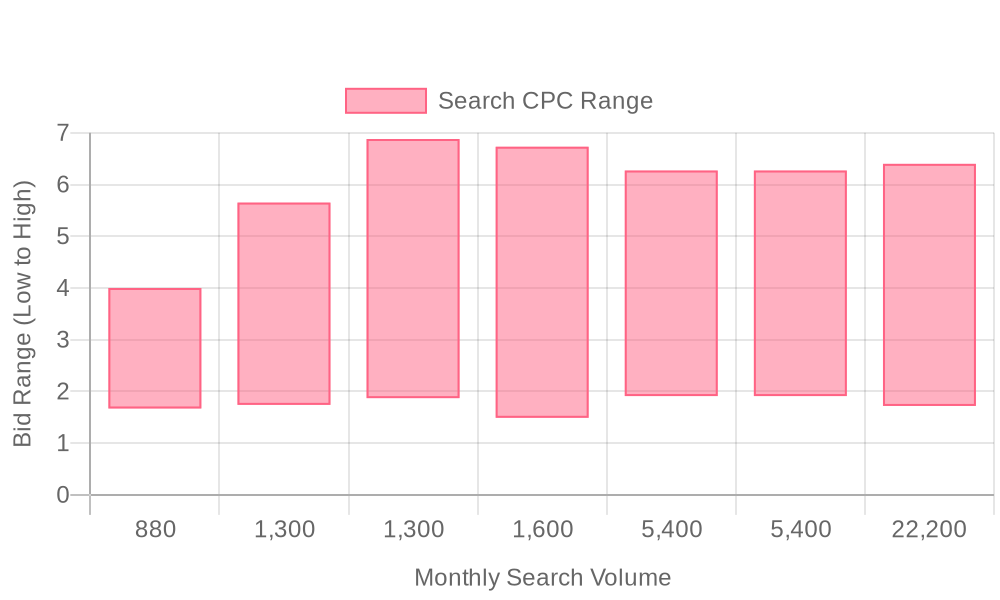
| Industry | Keyword | Monthly Search Volume | Competition Level | Low Bid | High Bid |
| Suspension Repair Services | free suspension check near me | 880 | MEDIUM | 1.67 | 4 |
| Suspension Repair Services | strut replacement near me | 1300 | MEDIUM | 1.74 | 5.65 |
| Suspension Repair Services | suspension mechanic near me | 1300 | MEDIUM | 1.87 | 6.88 |
| Suspension Repair Services | truck suspension shops near me | 1600 | MEDIUM | 1.49 | 6.73 |
| Suspension Repair Services | suspension repair near me | 5400 | LOW | 1.91 | 6.27 |
| Suspension Repair Services | car suspension repair near me | 5400 | LOW | 1.91 | 6.27 |
| Suspension Repair Services | suspension shops near me | 22200 | MEDIUM | 1.72 | 6.4 |
Effective keyword selection forms the backbone of high-performing campaigns in the suspension repair services sector. Precision keyword targeting ensures your ads attract customers with urgent, high-intent needs, while simultaneously raising the efficiency of your budget by reducing wasted spend on irrelevant clicks. For in-depth PPC keyword trends in automotive repair, you can review current trends in PPC keywords to help refine your targeting strategy.
- High-volume, high-intent keywords: Focus on keywords like "suspension repair near me," "car suspension replacement," "shock absorber repair," and "strut repair cost." These capture users actively seeking solutions, often with immediate repair needs. Including symptom-based queries such as "car making noise over bumps" or "steering feels loose" ensures you reach prospects at the moment they recognize a problem but before they decide on a provider. For more campaign planning tips, explore our B2B marketing reports guide.
- Long-tail queries for coverage: Integrate specific long-tail phrases such as "suspension noise after hitting pothole," "front end alignment for SUV," or "fix car bouncing after speed bumps." These terms pull in customers experiencing distinct issues, often resulting in higher conversion rates due to their specificity and urgency. Learn how to identify website visitors to further enhance your keyword approach.
- Negative keyword curation: Exclude terms like "DIY suspension repair," "suspension parts wholesale," and "how to replace shocks at home" to prevent your budget from being consumed by non-commercial or research-driven searches. Regularly updating negative keywords further protects spend as search behavior evolves. For ongoing keyword optimization, consider reviewing our guidance on PPC keyword maintenance.
When deploying advanced audience targeting, you can move past generic search terms by identifying and prioritizing visitors who demonstrate in-market intent for suspension services. Platforms that unify web analytics and CRM data allow you to dynamically update audience segments as leads progress from research to purchase mode. This real-time feedback loop helps shift budgets toward the keywords and searchers that are actively converting, improving both cost efficiency and lead quality.
For B2B auto shops and service franchises, integrating keyword performance data with customer databases means campaigns can be continuously refined based on actual revenue attribution, not just clicks. This approach makes it possible to connect suspension repair-specific inquiries directly to downstream sales results, closing the loop between keyword strategy and ROI. By syncing enriched lead profiles into ad platforms, teams ensure that the highest-quality, intent-rich prospects receive personalized messaging and follow-up, making every dollar of ad spend more accountable and effective. You can get started for free with Sona to unlock advanced keyword-driven segmentation and attribution.
Step-by-Step Campaign Execution Framework
A well-executed Google Ads strategy for suspension repair services hinges on precise keyword targeting, compelling messaging, and seamless conversion infrastructure. Each tactical step should address both the technical complexity of suspension repairs and the urgency that drives customers to seek immediate solutions. Leveraging real-time audience data and advanced segmentation ensures campaigns reach the right audience with messaging that resonates and converts.
Step 1: Build Targeted Keyword Lists
- Service Clustering: Segment keywords by core suspension services such as shock and strut replacement, air suspension diagnostics, and alignment. This enables granular targeting and ad copy specificity, capturing high-intent customers searching for those exact solutions.
- Localized Queries: Incorporate location-based terms like “near me,” city names, or neighborhood identifiers to ensure ads surface for users seeking nearby expertise. Localized keyword sets drive higher conversion rates and reduce wasted spend on out-of-area clicks.
- Long-Tail and Question-Based Terms: Target longer, symptom-driven queries such as “car making noise over bumps” or “how much does suspension repair cost.” These phrases reflect urgent, research-driven intent, often leading to quicker booking decisions.
- Dynamic Audience Sync: As users engage with ads and site content, dynamic audience updates enable remarketing to those showing sustained interest in suspension services. Integration with CRM and ad platforms allows marketers to automatically adjust audience lists as leads progress through the buyer journey, increasing relevance and efficiency. For proven keyword ideas, see this guide to auto repair shop marketing.
The upgrade most suspension repair services advertisers miss is going beyond raw keyword volume to layer in intent and identity signals. By connecting website-visitor data and CRM records with Sona Marketing Measurement, you can see which specific search terms bring in the accounts and customers that actually convert, and weight your keyword and bidding strategy toward those rather than the terms with the highest search volume alone.
Step 2: Develop Compelling Ad Copy
- Pain Point Headlines: Headlines that speak directly to urgent issues, such as “Fix Suspension Clunks Today” or “Same-Day Strut Replacement Available”, engage prospects experiencing active problems. This approach connects emotionally while positioning the shop as the immediate solution.
- Trust Signals and Certifications: Incorporate technical credentials and certifications within ad copy, such as “ASE-Certified Suspension Experts” or “Factory-Authorized Repairs.” These elements assure customers of technical expertise, reducing friction in the path to conversion.
- Urgency and Incentives: Promote limited-time offers, expedited service, or free diagnostics to motivate action. Align incentives with observed in-market behaviors, shifting budgets to ad groups that attract users more likely to convert based on their real-time engagement patterns.
- Enhanced Attribution: By tracking conversions across phone, form, and in-person visits, marketers gain a holistic view of ad performance. For continuous copy refinement and higher ROI, explore methods for measuring marketing’s influence.
Step 3: Design Effective Landing Pages
- Keyword Alignment: Structure landing pages to tightly match the language of ad groups, reinforcing relevance and minimizing bounce rates. For example, a campaign targeting “shock absorber replacement” should land on a page featuring detailed information, imagery, and FAQs about that specific service.
- ROI Calculators and Trust Badges: Integrate interactive calculators that estimate repair costs or potential savings, helping visitors understand the value proposition immediately. Prominently display trust badges, reviews, and certifications to reinforce credibility and alleviate concerns.
- Clear Calls to Action: Guide users with singular, prominent CTAs such as “Request a Quote” or “Book Inspection.” Streamlined navigation and actionable next steps reduce drop-offs and improve conversion rates.
- Offline and Online Attribution: Unifying web, phone, and in-shop appointment data provides a full spectrum of conversion insights, allowing for precise budget allocation and campaign optimization. For additional strategies, consult this comprehensive guide to suspension systems and repairs.
Step 5: Scale and Sustain Performance
Once tracking, bidding, and testing routines are in place, the work shifts from setup to upkeep: revisiting keyword lists as seasonal demand changes, retiring ad copy that's gone stale, and feeding fresh conversion data back into bidding so the account keeps learning instead of drifting.
- Rigorous Conversion Tracking: Monitor form submissions, phone calls, and booking requests using advanced tracking solutions. This granular data enables marketers to identify top-performing keywords and ad groups, reallocating spend for optimal impact.
- Smart Bidding: Employ automated bidding strategies that react to real-time signals, such as device type, location, and time of day, to maximize conversions within budget constraints. In-market behavioral data helps prioritize high-value leads, ensuring resources focus on segments most likely to convert.
- A/B Testing: Systematically test variations in ad copy, landing page layouts, and CTAs to uncover incremental improvements. Consistent experimentation and analysis drive higher engagement and lower cost per lead over time. For practical testing tactics, see A/B testing strategies.
- Real-Time Audience Refinement: As new data emerges, audiences are dynamically updated to exclude converted leads and highlight new high-intent prospects. Syncing enriched audience segments into ad platforms and CRM ensures every touchpoint is timely and relevant, streamlining sales and marketing alignment.
By following this campaign execution framework, suspension repair service providers can systematically build, launch, and optimize Google Ads campaigns that deliver measurable and sustainable results. Ready to put these best practices into action? Get started for free with Sona.
Sona Marketing Measurement closes the gap between clicks and revenue. It captures ad clicks with first-party measurement, then ties that click through UTM capture and ad-platform APIs to the actual record in your CRM, and reports ROAS by keyword and campaign instead of by last-click form fill. Feeding that revenue signal back into Smart Bidding and Performance Max compounds over time: the algorithms optimize toward booked suspension repair services revenue, not cheap leads.
Tips on Expanding Your Suspension Repair Presence
Growing a suspension repair business demands coordinated marketing and operational excellence. Leveraging advanced digital tactics, auto repair shops can move beyond basic lead generation to build authority, nurture customer loyalty, and unlock new revenue streams. For guidance on optimizing your marketing, explore this comprehensive guide to Google Ads for auto repair shops and visit our blog for ongoing insights.
- Cross-promote educational assets in retargeting, establishing thought leadership: Distribute expert guides, video diagnostics, and maintenance checklists to visitors who have interacted with your site or ads. When retargeting audiences are fueled by first-party intent data, campaigns can precisely serve content that answers real suspension system pain points, positioning your shop as a trusted advisor rather than just a service provider.
- Upsell related services with segmented audiences informed by dynamic lists: Use dynamic audience segmentation to identify returning customers or those with recent diagnostic requests. This enables timely offers for complementary services like wheel alignments, shock absorber replacements, or seasonal safety checks, increasing average ticket size.
- Partner with industry groups for co-branded ads, enhancing reach and credibility: Collaborate with local automotive associations or parts manufacturers for co-branded campaigns. These partnerships expand reach to new, high-value segments and reinforce your reputation through trusted industry affiliations. Real-time intent data can highlight which segments respond best to co-branded messaging, allowing for agile budget allocation and creative adjustments.
- Use search data to identify content marketing opportunities, aligning demand and supply: Analyze search term trends and on-site queries to uncover knowledge gaps or surging repair topics, such as emerging suspension technologies or region-specific road wear issues. Producing targeted blog posts, FAQs, or video explainers around these themes not only fuels SEO growth but also ensures your paid media aligns with the questions that matter most to your prospects. Feeding these insights back into your Google Ads for Suspension Repair Services strategy keeps campaigns agile and closely tied to evolving market demand.
Harnessing Google Ads effectively in the suspension repair industry takes technical precision and strategic foresight together. Focus on detailed keyword targeting, tight audience segmentation, and creative that speaks to urgency, then keep optimizing with real-time data insights so your Google Ads strategy stays aligned with the rest of your marketing and with how repair demand actually moves through the seasons.
Beyond Google Ads: Winning the AI Answers Suspension Repair Services Buyers Now Trust
Paid search captures demand at the moment someone types a query. But a fast-growing share of suspension repair services buyers no longer start at Google at all, they ask ChatGPT, Gemini, or Perplexity before they ever run a search, and Google's own AI Overviews increasingly summarize an answer above the traditional results. If your business isn't referenced in those AI answers, you're invisible at the exact moment buyers build their shortlist.
Sona AI Visibility shows where your business shows up across ChatGPT, Gemini, Perplexity, Google AI Overviews, and 10+ engines, and, much like a keyword report, which prompts actually send you buyers, so you can prioritize the ones that convert. Run the two together and you cover the entire buyer path: get cited where buyers research (AI Visibility), then prove which of that demand turns into booked revenue (Marketing Measurement).
Helpful resources
Conclusion
A suspension repair shop's Google Ads account is only as strong as its weakest link: a vague keyword list, a landing page that doesn't match the ad, or an audience strategy that treats every driver the same. Fix those, and the account starts working the way a repair business needs it to, catching people at the moment they need help, not weeks later.
The shops that pull ahead treat Google Ads as one part of a larger measurement loop, one that tracks a click all the way to a booked repair and a paying customer, not just a form fill. That's the difference between spending on suspension repair keywords and building a channel that compounds.
Start for free and see how Sona connects your ad spend to actual repair revenue.
FAQ
What are the common reasons for Google Ads account suspension?
Common reasons for Google Ads account suspension include violations of Google's advertising policies, such as misleading ads, prohibited products or services, or suspicious payment activity.
How can I appeal a Google Ads suspension?
To appeal a Google Ads suspension, review the suspension notice for specific reasons, correct any issues, and submit an appeal through the Google Ads Help Center.
What steps should I take to reactivate my suspended Google Ads account?
To reactivate a suspended Google Ads account, identify and resolve the policy violation, ensure compliance with Google's guidelines, and submit an appeal for review.
Are there services that can help with Google Ads suspension?
Yes, there are services and consultants that specialize in helping businesses resolve Google Ads suspensions by providing guidance on compliance and appeal processes.
What is the process for resolving Google Ads policy violations?
The process involves identifying the specific policy violation, taking corrective actions to comply with Google's guidelines, and submitting an appeal if the account was suspended.







