


A cracked heat exchanger at 6 a.m. or a burst pipe on a Friday night doesn't wait for business hours, and the contractor who shows up in the search results at that moment usually wins the job. For HVAC, plumbing, electrical, and other specialty trade contractors, Google Ads intercepts exactly that kind of urgent, high-intent search, turning a homeowner's or facility manager's emergency into a booked appointment. Paired with offline channels like trade shows and referrals, or layered on top of organic SEO, a well-built Google Ads program gives contractors precise targeting and a clear line from click to signed contract. The persistent problem is that most of the businesses researching your services never fill out a form and never show up in your CRM. Modern tracking closes that gap: it identifies the companies browsing your site anonymously and feeds them directly into Google Ads customer match lists, so ad spend follows real decision-makers instead of guesswork.
How to Generate Specialty Trade Contractors Leads with Google Ads: A Step-by-Step Guide

Specialty trade contractors face unique challenges when it comes to digital lead generation. The pressure to consistently fill the pipeline with high-quality, sales-ready opportunities demands a precise, data-driven marketing approach. For actionable tactics and marketing insights, contractors can explore the latest strategies in the Sona blog.
Google Ads provides a direct path to visibility among decision-makers actively searching for specialized contractor services. Combining paid search with precise audience intelligence enables marketers to move beyond generic outreach, focusing on high-fit prospects and real-time buyer intent for measurable growth.
- Data-driven targeting and visibility: Traditional web analytics only capture a fraction of your potential market. Modern platforms now allow specialty contractors to detect which businesses are browsing their site by matching IP and behavioral signals, transforming unknown visits into actionable company profiles. This intelligence can be layered into Google Ads' custom affinity audiences, ensuring that ad spend targets accounts most likely to convert.
- Niche-focused keyword and audience strategies: The key to effective Google Ads for Specialty Trade Contractors lies in granular keyword research and audience segmentation. By analyzing which search queries correlate with high-value projects, such as "commercial HVAC retrofit" or "industrial flooring installation", contractors can refine their bidding to prioritize the most lucrative service lines. Integrating enriched audience data further sharpens targeting, dynamically updating as intent signals shift. For firsthand advice from contractors on Google Ads, see this community discussion.
- Optimized landing pages and creative assets: Each click from Google Ads should deliver visitors to a landing page designed for their exact needs. For specialty trade contractors, this means hyper-specific messaging, clear calls-to-action, and proof of expertise tailored to the service or trade being advertised. Real-time visitor insights enable continuous A/B testing, driving incremental lift in conversion rates and reducing wasted spend.
- Continuous performance optimization: Ongoing success with Google Ads requires disciplined monitoring and iterative refinement. Advanced platforms connect ad performance data with CRM, offline conversions, and sales outcomes, providing a complete view of ROI. This holistic attribution allows marketers to reallocate budget toward channels, ads, and audiences that generate true business impact.
- Cross-channel integration for reinforcement: Google Ads becomes exponentially more powerful when integrated into a broader digital marketing mix. Specialty trade contractors can retarget high-fit visitors across multiple networks, search, display, LinkedIn, email, while ensuring consistent messaging and frequency. Automated syncing of enriched audiences between Google Ads and platforms like HubSpot or Salesforce closes the loop, unifying data and accelerating lead follow-up.
This comprehensive, step-by-step strategy equips specialty trade contractors to generate better leads, accelerate deal cycles, and maximize the ROI of every marketing dollar spent. Ready to apply these strategies? Get started for free with Sona.
Common Types of Google Ads Campaigns for Specialty Trade Contractor Services

- Search Campaigns: Search campaigns reach prospects who are actively searching for specialty trade contractor services, often mid-emergency: a failed furnace, a flooded basement, a tripped breaker that won't reset. These queries carry urgency and rarely wait, so ad copy and bid schedules need to reflect same-day or 24/7 availability. Consistency in messaging across all online marketing for specialty trade contractors is essential: fragmented campaigns confuse prospects and drive up acquisition costs, especially when licensing, bonding, or insurance credentials need to be communicated clearly to earn trust fast. With Sona's Identity Resolution, teams can identify which visiting companies are most likely to convert, so bids and messaging can shift toward the segments actually closing.
- Display Ads: Display ads position your brand in front of targeted audiences across relevant industry sites, keeping your services top-of-mind even before prospects enter a buying cycle. This channel is highly effective for increasing brand awareness and nurturing consideration among commercial builders, facility managers, or homeowners who are not yet ready to engage. With dynamic audience updates, marketing teams can ensure their display campaigns align with evolving customer journeys and reach those who have shown in-market behavior, maximizing budget efficiency. To dive deeper into effective display tactics, visit our marketing analytics blog.
- Video Ads: Video ads deliver compelling visual stories that showcase the quality of your work, detail your process, and highlight differentiators such as certifications or specialized equipment. These ads capture attention and educate potential customers directly within YouTube or partner sites. For B2B revenue teams, integrating real-time intent signals into video targeting ensures campaigns prioritize those accounts that show the highest likelihood of converting, translating creative investment into measurable pipeline impact. For a practical demonstration, check out this video tutorial for contractors using Google Ads.
- Remarketing: Remarketing campaigns re-engage visitors who have interacted with your site but have not yet converted, delivering tailored messages based on their previous actions. This approach helps recover unfinished leads and nurtures interest over longer sales cycles. By connecting CRM and website data, teams can automatically sync enriched audiences into Google Ads, ensuring remarketing efforts adapt as leads progress or drop off, and keeping outreach relevant at every touchpoint. For more on optimizing these strategies, see our intent-driven retargeting playbook.
- Assets: Ad assets (formerly called extensions) enhance core search and display ads with additional information such as location, service areas, certifications, or direct contact options. These details address key decision drivers, improve click-through rates, and build immediate trust, particularly for buyers comparing licensed, insured contractors under time pressure. Advanced conversion tracking lets specialty contractors attribute results from these assets, including calls and form fills, back to specific campaigns, giving a full view of Google Ads ROI and informing ongoing optimization. Ready to turn your ad data into actionable insights? Get started for free with Sona.
Where to Find Growth Opportunities for Specialty Trade Contractors

Specialty trade contractors face unique market dynamics, requiring agile approaches to identify and capture new growth opportunities. Leveraging platform-driven insights, revenue teams can fine-tune campaigns and unearth high-value prospects that traditional approaches might miss.
- Vertical targeting for niche services: Focusing campaigns on specialized services within the broader construction sector enables contractors to minimize wasted spend and increase lead quality. By segmenting audiences based on trade-specific needs, such as HVAC, electrical, or plumbing, marketers can align messaging directly with client pain points, resulting in higher engagement rates. Sona's Audiences tool makes it easy to build real-time, signal-based segments for hyper-targeted outreach.
- Competitor gap analysis using auction insights: Analyzing auction data empowers contractors to discover where competitors are over- or under-represented in search results. This intelligence enables teams to strategically adjust bids, target untapped keywords, and shift budget to areas with lower competition but high commercial intent. Integrating real-time visitor identification and search intent signals further sharpens this process, revealing which companies are most likely to convert.
- Targeting placements on industry forums or directories: Specialty contractors benefit from visibility in trusted industry-specific online communities. By running ads or sponsored content on forums and trade directories, contractors increase brand authority and reach decision-makers researching vendors. Automated audience syncing ensures ads appear in front of high-intent prospects as they engage with relevant content.
- Utilize content retargeting, integrating with your content marketing strategy: Retargeting site visitors who interact with blog posts, whitepapers, or case studies keeps your brand top-of-mind as they move through the buying cycle. Static audience lists quickly become obsolete, reducing campaign effectiveness; dynamic audience management systems now allow for continuous refreshes as prospects engage with new content or move down the funnel. Explore more ways to optimize your content marketing strategy.
To experience these capabilities hands-on, get started for free with Sona and unlock new growth opportunities for your contracting business.
How to Apply Audience Segmentation for Specialty Trade Contractors
Audience segmentation, when tightly aligned to the unique needs of specialty trade contractors, unlocks higher quality leads and more efficient marketing spend. By dissecting your customer base according to project type, facility niche, or service requirement, you target each prospect at the right moment with messaging that resonates.
- Define key audience segments such as different facility types or project scales: Start by mapping your customer base into logical groupings: commercial versus residential clients, small retrofits versus large new-build projects, or verticals like healthcare, education, or industrial. This segmentation makes it possible to craft campaigns that speak directly to each group's pain points and buying triggers. A contractor specializing in hospital retrofits can personalize messaging around code compliance and infection-control requirements, while one targeting industrial projects can lead with scale, safety records, and uptime guarantees. For firsthand perspectives from other contractors on segment-based Google Ads strategy, this Reddit discussion is worth a read.
- Use intent signals to overlay buying stage or service requirements: Segment further by layering in behavioral data, such as pages visited, content downloaded, or specific service interests. Sona's Intent Signals help marketers spot prospects nearing a decision or facing an urgent repair, so budget can shift toward in-market accounts before a competitor's ad catches them first.
- Customize ad groups and creative content to resonate with each segment: Build dedicated ad groups for each audience, with tailored copy and landing pages that highlight relevant credentials, project portfolios, or fast-response capabilities. This tight alignment between segmentation and creative significantly boosts click-through and conversion rates. As audiences engage and move through the funnel, dynamic updating ensures your ads and offers reflect their latest requirements and readiness to buy.
- Ensure alignment between segmentation and CRM data for seamless integration: The real power of segmentation comes when it is fully synchronized with CRM and marketing automation platforms. By connecting ad audiences directly to enriched CRM profiles, marketers gain a unified view of each account's journey. Automated audience sync keeps Google Ads targeting current as leads progress, while Sona's Identity Resolution converts anonymous website traffic into actionable contacts. This integration helps specialty trade contractors improve Google Ads ROI, personalize engagement, and measure true campaign impact with advanced attribution models.
For a deeper understanding of how segmentation supports retargeting strategies in this industry, consider methods that keep messaging relevant as leads revisit or re-engage. To experience these segmentation capabilities firsthand, get started for free with Sona.
This is also where measurement changes the economics. With Sona Marketing Measurement you can identify the companies behind your ad clicks at the account level, not just anonymous sessions, and segment audiences by who actually becomes a customer. That lets you build bid adjustments and audience signals around the segments that convert and de-prioritize the ones that don't, so you feed Google's algorithms "this click became a paying specialty trade contractors customer" instead of just "someone filled out a form."
Keyword Strategy & Sample Target Terms
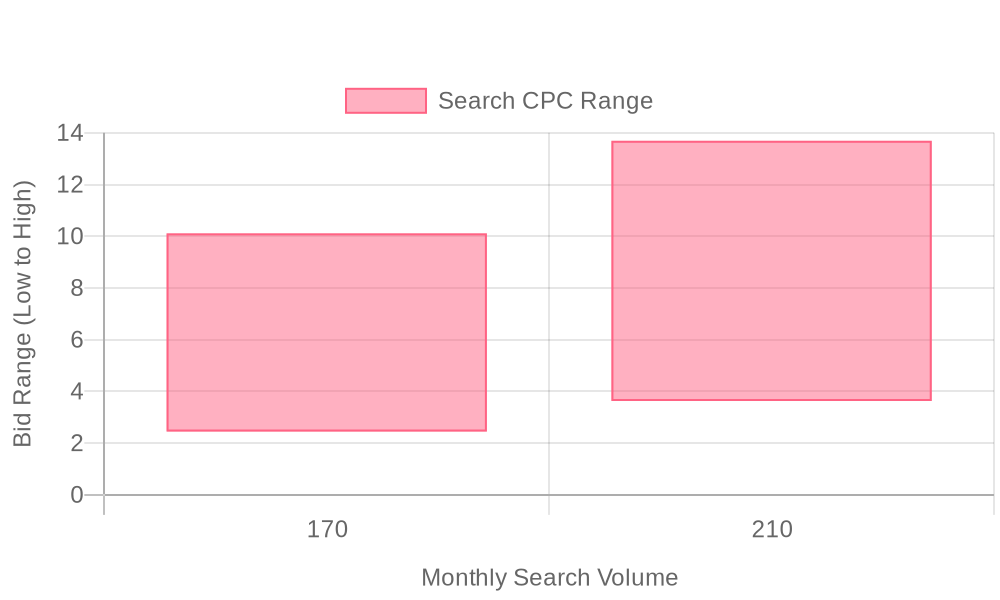
| Industry | Keyword | Monthly Search Volume | Competition Level | Low Bid | High Bid |
| Specialty Trade Contractors | specialty trade contractors | 170 | LOW | 2.45 | 10.11 |
| Specialty Trade Contractors | trade contractors | 210 | LOW | 3.63 | 13.69 |
Effective keyword strategy is the foundation of successful Google Ads for specialty trade contractors. Prioritizing high-intent, high-volume keywords ensures ads reach businesses searching for solutions, not just information. By focusing on terms that indicate clear purchase or project intent, contractors can drive more qualified leads and maximize the impact of every ad dollar. For a deeper dive, see this contractor's guide to Google Ads.
Local modifiers and long-tail keywords are essential for capturing niche market segments and increasing ad relevance. Specialty trade contractors often serve specific regions or offer unique services, so incorporating location-based terms and service-specific phrases narrows targeting to audiences more likely to convert. Discover more strategies in our actionable playbooks or book a demo to see how Sona can help tailor your campaigns.
Negative keywords are critical in filtering out irrelevant traffic and maintaining ad quality. By systematically excluding search terms that attract unqualified clicks, contractors can protect budgets and sharpen campaign focus. With advanced data platforms, marketers can identify which queries bring in high-value leads and which result in low engagement, refining negative keyword lists in real time for continuous optimization.
When specialty trade contractors leverage unified data across CRM, ad platforms, and website analytics, keyword strategies become even more precise. Real-time intent signals help marketers quickly identify trending search terms among target accounts, allowing for swift adjustments in bidding and messaging. As audiences move through the funnel, dynamic keyword and audience updates ensure ad spend is always aligned with the highest-converting opportunities, driving measurable growth and improved ROI. To experience these capabilities firsthand, get started for free with Sona.
Step-by-Step Campaign Execution Framework
Specialty trade contractors achieve measurable growth when their Google Ads strategy is both systematic and data-informed. The following framework empowers revenue teams to connect campaign execution with high-impact outcomes, moving beyond guesswork and wasted spend. To explore real-world tips from contractors who have launched Google Ads, check out this discussion thread.
Each step is designed to maximize relevance, engagement, and conversion. By embedding advanced targeting, real-time insights, and dynamic audience management, contractors can align their campaigns with actual market demand and close the loop between lead generation and sales. If you're ready to start optimizing your growth, get started for free with Sona.
Step 1: Build Targeted Keyword Lists
Developing precise keyword clusters is foundational for specialty trade contractors. Begin by segmenting keywords according to each core service, such as roofing, electrical, or HVAC, and further refine by geographic area. This approach ensures ads only reach users actively searching for your specialization within your service region, eliminating wasted budget on irrelevant clicks.
Marketers can now use Sona's Identity Resolution to reveal which companies or decision-makers are engaging with high-value keywords. With this visibility, revenue teams can prioritize bids and allocate spend to the most promising accounts, improving efficiency and pipeline quality. For a detailed guide on optimizing Google Ads campaigns for contractors, review this in-depth resource.
The upgrade most specialty trade contractors advertisers miss is going beyond raw keyword volume to layer in intent and identity signals. By connecting website-visitor data and CRM records with Sona Marketing Measurement, you can see which specific search terms bring in the accounts and customers that actually convert, and weight your keyword and bidding strategy toward those rather than the terms with the highest search volume alone.
Step 2: Develop Compelling Ad Copy
Craft ad copy that speaks directly to industry-specific challenges and showcases your unique value proposition. Headlines should reference the exact service and location, while descriptions include trust markers like certifications or years of experience. Integrating trust signals, such as local awards, insurance details, or partnership badges, differentiates your offering in a competitive space.
Dynamic audience data enables contractors to tailor messaging based on real-time user behavior. For example, if a lead has previously visited your site or downloaded a service brochure, ad copy can reference those actions, increasing the likelihood of engagement and conversion. For inspiration on high-converting ad copy, watch this video tutorial.
Step 3: Design Effective Landing Pages
Align each landing page with its corresponding ad group for a seamless user experience. If you advertise emergency plumbing services in a specific city, ensure the landing page headline, copy, and form fields all reinforce that exact offer. This 1:1 alignment boosts Quality Score, lowers cost per click, and increases on-page conversion rates.
Advanced platforms can sync visitor data, enabling pre-filled forms for repeat visitors or displaying personalized content based on user history. This frictionless journey from ad to action supports higher lead volume and quality, while real-time tracking ensures you can attribute conversions accurately.
Step 4: Implement Data-Driven Optimizations
Consistent campaign improvement relies on rigorous tracking of conversions and engagement metrics. Use attribution models that connect online and offline touchpoints, so you can measure true Google Ads ROI for contractors. Refine bidding strategies based on which keywords, audiences, and geographies are generating the most qualified leads and closed deals.
Platforms that unify CRM and ad campaign data make it possible to sync enriched audiences into both Google Ads and sales workflows. This ensures every update, such as a lead's movement through the funnel or a new company entering your target list, immediately informs your ad targeting and budget allocation. The result is a closed feedback loop, where data-driven insights guide every optimization for sustained growth.
Sona Marketing Measurement closes the gap between clicks and revenue. It captures every ad click with first-party tracking, ties that click through UTM capture and ad-platform APIs to the actual record in your CRM, and reports ROAS by keyword and campaign instead of by last-click form fill. Feeding that revenue signal back into Smart Bidding and Performance Max compounds over time: the algorithms optimize toward booked specialty trade contractors revenue, not cheap leads.
Tips on Expanding Your Specialty Trade Contractor Presence

Specialty trade contractors who leverage advanced marketing strategies consistently outperform peers in brand visibility and lead generation. Strategic use of digital channels and real-time audience data enables these firms to capture niche markets and accelerate growth, while industry peers share helpful Google Ads experiences for new service providers exploring digital advertising.
- Cross-promote educational assets: Sharing guides, webinars, or how-to content across multiple channels increases brand authority and nurtures prospects through the buyer's journey. When these assets align with ongoing campaigns, they not only educate but also reinforce core service offerings, making follow-up outreach more impactful. Explore the latest marketing insights for inspiration on educational assets that drive engagement.
- Utilize CRM data for upselling: Segmenting CRM data allows for tailored upsell campaigns that surface relevant add-on services to existing clients. Feeding enriched CRM segments into advertising platforms ensures ads reach the right audience at the right moment, boosting conversion rates and lifetime value. Destinations can help you automatically sync high-quality audience data into your CRM and ad platforms for seamless activation.
- Localize campaigns for specific regions: Targeted regional campaigns help specialty trade contractors dominate local search results and outpace national competitors in high-priority markets. Localized messaging and offers, paired with hyper-specific geo-targeting, can significantly improve share-of-voice and drive higher-intent leads. For actionable playbooks, visit our library.
- Use campaign insights for content creation: Analyzing performance data uncovers trending topics and high-converting messaging, fueling the development of new content assets that resonate with qualified prospects. This data-driven approach ensures each piece of content directly supports marketing and sales objectives, closing the loop between campaign execution and thought leadership.
An effective Google Ads strategy for specialty trade contractors relies on integrating keyword targeting, audience segmentation, and ongoing optimization with broader digital efforts. When these tactics are orchestrated using connected data platforms like Sona's Identity Resolution, contractors move beyond generic outreach to engage high-intent accounts in real time, reduce wasted spend, and maintain a decisive edge in a competitive market. Overcoming challenges such as missed high-value prospects or fragmented messaging is achievable by unifying insights and aligning every touchpoint with revenue goals.
Beyond Google Ads: Winning the AI Answers Specialty Trade Contractors Buyers Now Trust
Paid search captures demand at the moment someone types a query. But a fast-growing share of specialty trade contractors buyers no longer start at Google at all, they ask ChatGPT, Gemini, or Perplexity before they ever run a search, and Google's own AI Overviews increasingly summarize an answer above the traditional results. If your business isn't referenced in those AI answers, you're invisible at the exact moment buyers build their shortlist.
Sona AI Visibility shows where your business shows up across ChatGPT, Gemini, Perplexity, Google AI Overviews, and 10+ engines, and, much like a keyword report, which prompts actually send you buyers, so you can prioritize the ones that convert. Run the two together and you cover the entire buyer path: get cited where buyers research (AI Visibility), then prove which of that demand turns into booked revenue (Marketing Measurement).
Helpful resources
Conclusion
Google Ads works for specialty trade contractors because it meets buyers at the exact moment they have a problem, a broken unit, a failed inspection, a project needing a licensed sub, and need someone qualified to fix it now. Targeted campaigns built around that urgency convert better than generic brand awareness spend, and they compound: every click, call, and closed job feeds data back into smarter targeting.
The contractors pulling ahead now are the ones connecting Google Ads to what happens after the click: which accounts actually book jobs, which keywords produce revenue rather than just leads, and increasingly, whether their business shows up when buyers ask an AI assistant instead of typing a search query. Start for free to see how identity resolution, intent signals, and marketing measurement work together on your own traffic.
FAQ
How can specialty trade contractors optimize their Google Ads campaigns?
Specialty trade contractors can optimize their Google Ads campaigns by integrating precise audience intelligence, leveraging enriched audience data, focusing on niche-focused keywords, and continuously refining ad performance based on CRM and sales data.
What are the best practices for Google Ads targeting in the specialty trade industry?
Best practices include using data-driven targeting and visibility, segmenting audiences by trade-specific needs, and integrating anonymous visitor tracking to enrich customer match lists, ensuring ad spend targets genuine decision-makers.
How much should a specialty trade contractor budget for Google Ads?
While the article does not specify an exact budget, it emphasizes the importance of aligning budget allocation with high-converting opportunities and continuously optimizing spend based on ROI and performance data.
What are the most effective keywords for Google Ads in the specialty trade sector?
Effective keywords include high-intent, high-volume terms that indicate purchase intent, as well as local modifiers and long-tail keywords relevant to the contractor's specific services and regions served.
How can specialty trade contractors measure the success of their Google Ads campaigns?
Success can be measured by connecting ad performance data with CRM and sales outcomes, using advanced attribution models to track conversions and ROI, and continuously optimizing based on engagement metrics and conversion rates.







