


Ski season runs on a short, unforgiving calendar: a handful of good snow months to convert months of dreaming and research into booked trips. Google Ads gives ski tour operators a way to show up right as that research turns into intent, whether someone is comparing guided Alps itineraries, pricing a family package, or searching for a beginner-friendly week. Done well, a campaign connects that online moment of interest to an actual seat on the bus or a night at the lodge.
How to Generate Google Ads for Ski Tour Leads: A Step-by-Step Guide
Effective lead generation for ski tours relies on digital strategies that capture demand at the moment of intent. By integrating Google Ads into your marketing approach, you can position your brand directly in front of high-value prospects precisely when they are researching ski vacations or planning their next alpine adventure. Insights on how ski resorts boost guest bookings using Google Ads can inform your approach, while Sona's Identity Resolution makes it possible to identify the companies engaging with your ski tour content for more actionable lead generation.
Google Ads for Ski Tour marketing lets operators act on timely intent signals. When a traveler searches "guided ski tour Alps" or "family ski packages," your ad appears at the exact moment they're deciding where to book. Tools that reveal which companies are interacting with those ads let you prioritize qualified prospects and put budget where it will actually convert. The Sona blog has more on capturing intent-driven leads.
Utilize precise targeting to reach specific audiences during ski season: Seasonality is central to ski tour marketing, and Google Ads offers granular controls to reach the right audience at the right time. Leverage dynamic audience building to ensure your segments automatically update as visitors demonstrate new levels of engagement or move through consideration stages. As prospects interact with your website or content, Destinations can sync enriched profiles seamlessly into Google Ads, enabling hyper-targeted messaging and real-time retargeting.
Optimize ad campaigns to improve ROI and achieve marketing goals: Maximizing Google Ads ROI for ski tour operators involves ongoing optimization and clear attribution. Implement advanced conversion tracking to gain full visibility into which campaigns are truly driving revenue. For a step-by-step guide on integrating ad platform cost data with Google Analytics, see how to import ad platform cost data. Continuous feedback loops and CRM integration ensure qualified leads are routed for timely follow-up and campaign performance remains transparent.
Group and corporate ski trips often stall when the person clicking your ad isn't the person who signs off on the booking, a trip coordinator might be researching options for a whole ski club while the actual decision sits with someone else entirely. Sona tracks touchpoints from web visits to ad engagement, surfacing who's behind that research as soon as they interact with your ads or site. That visibility lets you route outreach to the right person before a competitor's faster follow-up wins the deal. Ready to streamline your ski tour marketing? Get started for free with Sona.
Why Does Google Ads Matter for Ski Tour Operators?
Ski tour operators operate in a high-stakes, seasonal environment where timing, relevance, and competitive differentiation directly impact booking success. Digital-first travelers expect frictionless discovery and personalized offers, making precision in online advertising indispensable for capturing qualified demand and maximizing booking windows. For a detailed look at how ski resorts use Google Ads to increase bookings, explore this ski resort Google Ads strategy, or stay ahead of digital trends by visiting the Sona blog.
- Intercept Search Moments: Google Ads puts operators in front of travelers the moment they search for ski tours, vacation deals, or last-minute packages, capturing demand right as it forms. Building real-time audience segments that sync with ad platforms lets operators keep that targeting sharp as interest shifts.
- Target Seasonal Demand: Ski tourism is driven by weather patterns, school holidays, and regional events. Google Ads allows operators to ramp up visibility during peak demand, adjust bids around snowfall or holiday periods, and scale back spend during off-seasons. This agility ensures marketing budgets are deployed with maximum efficiency, reaching skiers at the precise moment they're ready to plan or book. For more on optimizing ad spend across fluctuating booking windows, review seasonal PPC campaign strategies.
- Bridge Online and Offline: Many ski tours begin with online research but conclude with phone queries, emails, or direct resort visits. Google Ads data can be integrated with offline touchpoints, enabling operators to connect digital engagement with real-world transactions. Using unified customer insights, marketing teams can identify which online campaigns influence offline bookings and optimize accordingly.
- Enhance Campaign Relevance: Engagement drops when ads are generic or misaligned with traveler intent. Google Ads enables granular segmentation and message alignment, letting operators serve tailored creatives based on location, trip type, or group size. When these campaigns are further supported by platforms that enrich visitor data, operators can move beyond anonymous traffic to pinpoint high-value prospects, dynamically update audiences, and personalize outreach as leads progress from research to booking.
Paired with real-time behavioral insights, Google Ads stops being a simple booking-request generator and becomes a system that spots demand as it forms and follows it through to revenue.
Common Types of Google Ads Campaigns for Ski Tour Services

- Search Campaigns: Search campaigns connect your ski tour offering directly to high-intent travelers actively seeking experiences like "ski tour packages" or "beginner ski tours." By bidding on targeted keywords that capture user intent, marketers ensure visibility at the moment a prospect is ready to convert. Leveraging real-time audience signals, revenue teams can align these search queries with CRM and site data, focusing budgets on accounts most likely to book. For strategies tailored to the travel sector, see Google Ads optimization tips for the travel industry.
- Display Ads: Display campaigns expand reach by showcasing visually compelling ads on relevant websites and apps frequented by ski enthusiasts, such as travel blogs or weather sites. This format supports upper-funnel awareness and keeps your ski tour brand top-of-mind as travelers research destinations. By pairing display placements with visitor identification tools, marketers can go beyond anonymous impressions to pinpoint which companies and high-value segments are engaging with their ads.
- Video Ads: Video excels at capturing attention and inspiring travel dreams, bringing the atmosphere of a ski tour to life in a way static images can't. Platforms like YouTube let operators tell their brand story, highlight itineraries, and show customer testimonials. Responsive search ads can then reinforce that story with format flexibility across headlines and descriptions, while syncing video viewers with a CRM lets teams segment by engagement level and follow up with those showing real intent. For actionable insights on digital marketing for ski resorts, check out this video overview.
- Remarketing Campaigns: Remarketing targets site visitors who have shown interest in ski tours but have not yet completed a booking, serving personalized ads to re-engage and nurture these warm leads. By leveraging advanced conversion tracking and attribution, marketers can connect online ad interactions with offline inquiries and bookings, giving a full picture of campaign ROI.
- Performance Max: Performance Max campaigns pull Search, Display, YouTube, and Google's other surfaces into a single automated campaign built around a conversion goal, useful for ski tour operators who want broad reach across the booking window without managing each channel separately. Feeding it strong conversion signals, like which leads actually booked rather than just submitted a form, keeps its bidding aimed at real revenue instead of cheap form-fills.
Where to Find Growth Opportunities in Ski Tour Marketing

Seasonal Ad Strategies: Campaigns for ski tours live or die on timing. Concentrate spend in the months just before and during peak travel, typically December through March, and lean into urgency around ski pass releases, holiday breaks, and forecasted snowfall. Tracking search volume trends and booking patterns helps ensure Google Ads for Ski Tour campaigns are live exactly when travel intent spikes. For more on maximizing campaign performance, explore our blog on marketing analytics.
Local Business Collaborations: Partnering with ski rental shops, lodges, restaurants, and transportation providers creates a network effect that amplifies exposure across multiple customer touchpoints. These collaborations enable reciprocal promotion through bundled offers, local landing pages, and shared remarketing audiences, strengthening both online and offline visibility. For B2B teams, integrating CRM data from these partnerships into digital campaigns helps identify and retarget visitors who engage with any partner brand, creating a holistic approach to ski tourism advertising and increasing the net-new pipeline from shared audiences.
Impact of Weather on Ad Performance: Weather is a powerful conversion lever in ski tourism. By monitoring forecasts and real-time snow reports, marketers can adjust Google Ads bids and creative to ride the wave of heightened interest following fresh snowfall or favorable conditions. Advanced insight platforms allow operators to identify and prioritize in-market users whose engagement spikes during optimal weather windows. This maximizes PPC for ski resorts by serving ads precisely when intent is highest, improving both click-through and booking rates.
Leverage Predictive Models: Predictive analytics help anticipate when a prospect is likely to book, turning campaign spend into something more surgical than a calendar-based schedule. Teams that blend first-party data, search history, and real-time behavior can spot high-value engagement windows, like repeated visits, price comparisons, or engagement with group travel content, before competitors catch on. When those signals fire, dynamic audience segments and budgets update automatically, and unified data platforms sync the enriched audiences into Google Ads so spend follows the prospects most likely to convert.
How to Apply Audience Segmentation for Ski Tourism

A data-driven approach to audience segmentation enables ski tour marketers to move beyond generic outreach and deliver campaigns that speak directly to each traveler's needs. High-performing teams define granular audience segments such as families seeking bundled packages, eco-tourists interested in sustainable options, or beginners looking for introductory lessons. This segmentation forms the foundation for precise targeting, allowing marketers to deploy budget more effectively and create messaging that resonates, see how ski resorts get more guests with Google Ads for actionable strategies.
Overlaying intent signals sharpens this segmentation further. For example, travelers actively browsing “all-inclusive family ski vacations” demonstrate clear purchase readiness, warranting focused ad spend on premium packages or limited-time offers. By combining demographic, psychographic, and behavioral data, marketers can build tailored ad groups: an ad group for adventure-seeking millennials might spotlight heli-skiing expeditions, while a segment for multi-generational families could prioritize accessible terrain and childcare amenities. This strategy eliminates the inefficiencies of one-size-fits-all advertising and ensures each group receives the most relevant offers.
Modern B2B revenue teams can seamlessly update these audience segments in real time as leads progress through the funnel or display changing behaviors. Marketers no longer rely on static lists; instead, audiences dynamically refresh based on recent engagement, site visit patterns, or CRM signals. With connected data, it becomes possible to spot not just anonymous clicks but identify high-value visitors and even pinpoint the organizations behind inbound traffic. This precision empowers teams to shift budget instantly to high-converting accounts and sync enriched segments directly into ad platforms or CRM workflows. The result is a closed-loop system where audience insights continually sharpen campaign performance and maximize Google Ads ROI for ski tour operators.
This is also where measurement changes the economics. Sona Marketing Measurement identifies the companies behind your ad clicks, not just anonymous sessions, and lets you segment audiences by who actually becomes a customer. That lets you build bid adjustments and audience signals around the segments that convert and de-prioritize the ones that don't, so you feed Google's algorithms "this click became a paying ski tour customer" instead of just "someone filled out a form."
Keyword Strategy & Sample Target Terms
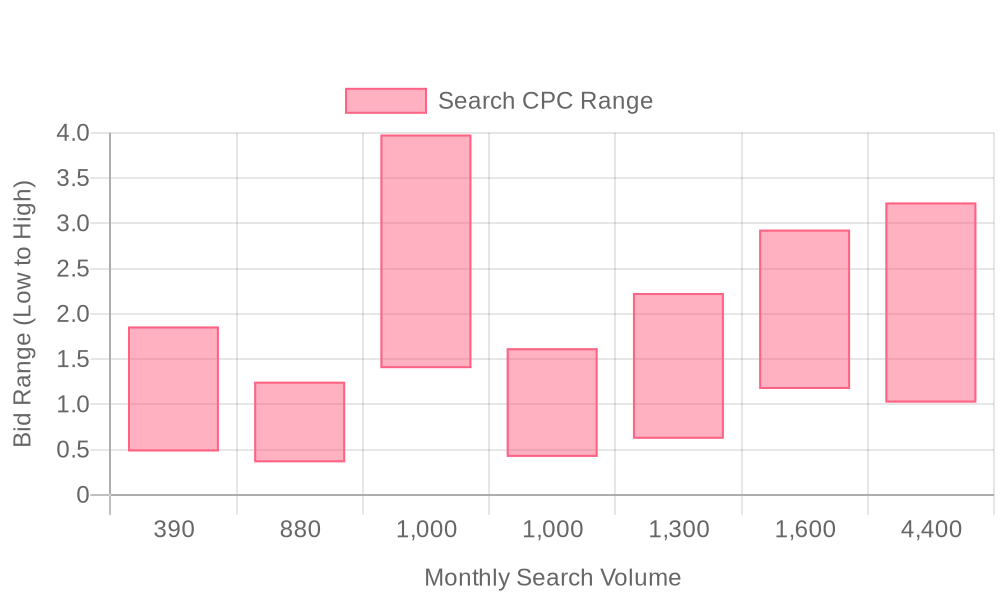
| Industry | Keyword | Monthly Search Volume | Competition Level | Low Bid | High Bid |
| Ski Tour | scarpa f1 lt | 390 | HIGH | 0.48 | 1.86 |
| Ski Tour | atomic hawx ultra xtd 130 | 880 | HIGH | 0.36 | 1.25 |
| Ski Tour | ski package holidays | 1000 | LOW | 1.4 | 3.98 |
| Ski Tour | dynafit radical pro | 1000 | HIGH | 0.42 | 1.62 |
| Ski Tour | tecnica zero g tour pro | 1300 | HIGH | 0.62 | 2.23 |
| Ski Tour | ski tour | 1600 | LOW | 1.17 | 2.93 |
| Ski Tour | ski trips | 4400 | LOW | 1.02 | 3.23 |
A robust keyword strategy forms the foundation of high-ROI Google Ads campaigns for ski tour operators. Targeting high-intent phrases such as “family ski vacation deals” or “eco-friendly ski tours” ensures ads reach users already primed to book a trip, not just those casually browsing winter activities. This approach minimizes wasted spend and maximizes engagement from users most likely to convert, which is essential for seasonal businesses seeking predictable revenue. For more guidance on optimizing campaigns, explore best practices for Google Ads in tours and activities.
Incorporating local modifiers like “near me,” city names, resort names, or regional designations helps focus budgets on high-value geographies. For example, “ski tour packages in Lake Tahoe” or “Aspen backcountry ski tours near me” can connect your offer with travelers searching for experiences in specific destinations. Combining these geographic signals with real-time audience data enables marketers to shift spend dynamically to the locations or market segments showing the strongest in-market intent.
Negative keywords play a critical role in filtering out irrelevant traffic and protecting return on ad spend. Excluding terms like “cross-country,” “summer skiing,” or unrelated sports ensures ads are only served to users seeking the specific type of ski experience you provide. When audience and visitor data are unified into campaign targeting, marketers can continuously refine these negative lists as new search term trends and competitor moves emerge.
The most effective keyword strategies extend beyond basic setup: they leverage advanced visitor identification to pinpoint which companies and individuals are searching, enabling revenue teams to prioritize and personalize follow-up. As leads progress through the funnel, dynamic audience segments update automatically, directing ad investment toward accounts with the highest conversion potential. This always-on optimization ensures campaigns keep pace with traveler demand patterns and maximize every opportunity in the competitive ski tourism market. Ready to improve your targeting? Get started for free with Sona.
Step-by-Step Campaign Execution Framework
Step 1: Build Targeted Keyword Lists
Success in Google Ads for Ski Tour marketing begins with deep keyword research that reflects the language of your ideal customers. High-performing campaigns systematically map service offerings, such as private ski tours, group packages, or luxury experiences, to keywords with clear purchase intent and search volume. Combining broad phrases like "ski tour packages" with long-tail searches such as "guided ski trips Alps January" ensures coverage across the full spectrum of buyer journeys. By analyzing search trends and actual on-site behavior, marketers can pinpoint the specific queries driving qualified traffic, then filter out irrelevant terms through diligent negative keyword management.
Modern B2B teams can further sharpen targeting by leveraging real-time visitor identification. Mapping anonymous site visits to known accounts or companies enables precise keyword prioritization, as campaigns can focus spend on users with a history of engagement or high-value organizational profiles. This approach transforms keyword lists from generic prospecting tools into actionable segments that align with both in-market demand and strategic revenue goals.
The upgrade most ski tour advertisers miss is going beyond raw keyword volume to layer in intent and identity signals. By connecting website-visitor data and CRM records with Sona Marketing Measurement, you can see which specific search terms bring in the accounts and customers that actually convert, and weight your keyword and bidding strategy toward those rather than the terms with the highest search volume alone.
Step 2: Write Compelling Ad Copy
Ad copy is the frontline of your PPC for ski resorts and tour operator marketing efforts. The most effective ads address common pain points, like limited availability or the desire for exclusive experiences, while highlighting what sets your offering apart. Messaging that evokes the excitement of untouched snow, seamless logistics, or unique local guides connects emotionally and drives engagement. Calls to action should be clear and urgency-driven, such as “Reserve Your Spot for Peak Season” or “Book Early for Exclusive Perks.”
Integrated audience intelligence elevates ad copy impact. When marketers know which companies or individuals are repeatedly researching ski tours or visiting comparison pages, they can dynamically adjust messaging to match current buyer intent. For additional inspiration, review how tour businesses leverage paid search to drive bookings and adapt your ad copy accordingly.
Step 3: Design Aligned Landing Pages
Landing pages are critical in online advertising for ski tours, serving as the conversion gateway from click to inquiry or booking. High-converting pages deliver a seamless experience by matching headline language to ad copy, reinforcing value propositions, and using persuasive visuals like high-resolution slope images or guest testimonials. Streamlined forms, transparent pricing, and clear itinerary details reduce friction and keep prospects moving forward.
Aligning landing page content with live ad targeting data maximizes relevance. When a visitor is identified as a decision-maker from a key account, the page can surface tailored offers, downloadable itineraries, or account-specific incentives. Explore current ski vacation package deals for landing page inspiration and competitive positioning.
Step 4: Optimize with Data-Driven Conversion Tracking
Sustained performance in PPC campaigns for tours demands rigorous measurement and ongoing refinement. Advanced conversion tracking captures not just online bookings but also offline sales, phone inquiries, or in-person appointments, providing a full picture of campaign impact. By tying every lead and conversion back to its original keyword, ad, and audience targeting, marketers can identify which strategies generate the highest-value customers and reallocate budget in real time.
Seamless CRM and ad platform integration closes the loop on attribution. As new leads and enriched audience data flow automatically between platforms, campaign audiences update dynamically, ensuring that ads are always reaching the most engaged and sales-ready prospects. This level of closed-loop measurement empowers revenue teams to confidently scale their Google Ads for Ski Tour investments, knowing that both pipeline growth and true ROI are transparent and actionable.
Sona Marketing Measurement closes the gap between clicks and revenue. It captures every ad click with first-party measurement, ties that click through UTM capture and ad-platform APIs to the actual record in your CRM, and reports ROAS by keyword and campaign instead of by last-click form fill. Feeding that revenue signal back into Smart Bidding and Performance Max compounds over time: the algorithms optimize toward booked ski tour revenue, not cheap leads.
Tips on Expanding Your Google Ads Presence in Ski Tourism
Video sets ski tourism ads apart from the static listings that fill most travel searches. It's the format best suited to showing pristine slopes, group camaraderie, and the texture of a specific tour, things a headline and a photo can't quite convey. For more on how ski resorts pair video with targeted Google Ads, see these campaign insights for ski resorts. Short-form video woven into Google Ads campaigns tends to earn more attention and higher-intent clicks than static creative alone.
Partnering with local organizations and businesses opens new pathways for reaching untapped audiences. Community collaborations with ski shops, mountain lodges, and event organizers can amplify ad distribution and build local credibility. These partnerships also create opportunities for co-branded content and cross-promotion, such as featuring local guides or highlighting seasonal events, which further enhances campaign authenticity and relevance for prospective travelers. For more guidance on strengthening your digital marketing efforts, visit our library of actionable playbooks.
Marketing platforms that sync seamlessly with customer relationship management (CRM) systems empower ski tour operators to deliver highly personalized interactions at scale. Integrating CRM data with Google Ads enables real-time audience updates as leads move through the funnel, ensuring that retargeting efforts are timely and contextually relevant. Automated workflows triggered by prospect actions, such as site visits or abandoned bookings, allow operators to follow up instantly with tailored offers. This approach keeps ski tour brands top of mind and recaptures interest before potential guests shift their attention elsewhere, ultimately driving stronger conversion rates and maximizing the return on advertising investment. Ready to elevate your ad targeting and personalization? Get started for free with Sona.
Beyond Google Ads: Winning the AI Answers Ski Tour Buyers Now Trust
Paid search captures demand the moment someone types a query. But a growing share of ski tour buyers no longer start at Google at all. They ask ChatGPT, Gemini, or Perplexity before running a search, and Google's own AI Overviews increasingly answer the question above the traditional results. If your business isn't referenced in those AI answers, you're invisible at the exact moment buyers build their shortlist.
Sona AI Visibility shows where your business shows up across ChatGPT, Gemini, Perplexity, Google AI Overviews, and 10+ engines, and, much like a keyword report, which prompts actually send you buyers, so you can prioritize the ones that convert. Run the two together and you cover the entire buyer path: get cited where buyers research (AI Visibility), then prove which of that demand turns into booked revenue (Marketing Measurement).
Helpful resources
Conclusion
Google Ads works for ski tour operators because it meets a narrow window of real intent: a handful of months when snow, school calendars, and travel budgets align, and travelers are actively deciding where to book. Keyword targeting, ad creative, and budget pacing all exist to serve that window well.
The operators who win this season aren't the ones spending the most, they're the ones who can tell which clicks turned into actual bookings and feed that signal back into their campaigns. As more ski tour research starts inside AI chat tools rather than a search bar, that same discipline, knowing what's actually working, will decide who gets found first.
To put these strategies to work, start for free with Sona today.
FAQ
What are the best practices for using Google Ads for ski tours?
Best practices include targeting high-intent keywords, leveraging precise audience segmentation, optimizing ad copy and landing pages, and using data-driven conversion tracking to maximize ROI.
How can ski resorts optimize their Google Ads campaigns?
Ski resorts can optimize Google Ads campaigns by focusing on seasonal demand, integrating real-time audience data, and using advanced conversion tracking to align online and offline customer interactions.
What budget should I allocate for Google Ads in ski tourism?
The budget should be focused on peak demand times and adjusted based on search volume trends, ensuring spend is aligned with periods of high traveler intent and maximizing efficiency.
What keywords should I target for ski tour advertising?
Target high-intent phrases such as 'family ski vacation deals' or 'eco-friendly ski tours,' and use local modifiers to focus on specific destinations, ensuring ads reach users ready to book.
How can I measure the success of my Google Ads for ski tours?
Success can be measured through advanced conversion tracking that ties online and offline interactions to ad performance, allowing for real-time budget adjustments and ROI optimization.







