


Shoring jobs run on deadlines that don't bend: a trench needs support before inspectors sign off, a foundation pour waits on nobody. Google Ads reaches contractors' prospects at exactly that moment of pressure, but many shoring companies still watch clicks pile up without turning into signed work, thanks to muddled targeting and budgets spread too thin. This guide lays out a framework for running Google Ads well in this trade, one that fits into a broader multi-channel strategy rather than standing alone. Tailored bidding, tight audience segmentation, and landing pages built for the trade let contractors convert online interest into booked jobs. A common failure point: strong demo interest that goes nowhere because no one follows up fast enough. The fix is to flag those visitors early and build intent-based audience segments that make the ads themselves more precise.
How to Generate Google Ads for Shoring Contractors Leads: A Step-by-Step Guide

Shoring contractors face a unique set of challenges when generating leads online: project timelines are tight, competition is high, and every qualified inquiry can represent substantial revenue. Precision in digital marketing unlocks a steady pipeline of high-intent prospects, transforming ad spend into measurable business growth. Explore our marketing and attribution insights to learn how precise targeting drives better results.
Effective Google Ads for shoring contractors campaigns require an approach that aligns tightly with both the technical nature of shoring services and the specific needs of local construction projects. By leveraging advanced targeting and campaign management strategies, revenue teams can ensure that each click is more likely to become a high-value lead instead of wasted budget.
- Develop keyword strategies that capture high-intent searches: Start with terms closely related to shoring services, such as “temporary shoring solutions,” “construction site shoring,” and region-specific queries. Layer in negative keywords to filter out irrelevant clicks and focus budget on searches with clear commercial intent. When marketers utilize real-time audience segments, they can move beyond broad matches to identify keywords that attract decision-makers from key accounts, using intent signals and historical engagement data.
- Utilize targeting based on geographical and service-specific parameters: Shoring projects are geographically bound and often time-sensitive. Geo-targeting ensures ads appear only to users in relevant locations, while service-specific segmentation hones in on commercial, industrial, or residential shoring needs. Platforms that integrate CRM and website analytics enable dynamic audience updates, so campaigns automatically prioritize prospects as they progress through the sales funnel or when new in-market opportunities arise.
- Design ad campaigns that clearly communicate expertise and trustworthiness: Shoring contractors must communicate technical credibility and safety compliance to earn trust quickly. Effective ads highlight certifications, project experience, and rapid response capabilities. By syncing CRM data with ad platforms, marketers can personalize creative and calls to action for returning visitors or high-value segments, increasing engagement and conversion rates. For more actionable guidance, see our collection of marketing and sales playbooks.
- Align landing pages to ad copy for seamless user experience and conversion optimization: Every click from a Google Ads campaign should lead to a landing page tailored to both the ad message and the visitor’s intent. This includes clear service descriptions, trust signals (such as project photos and testimonials), and easy contact forms. Advanced conversion tracking connects online actions with offline outcomes, ensuring that revenue teams can attribute leads and sales to specific ads, keywords, or audience segments for true ROI analysis.
A critical challenge for many shoring contractors is the lag between lead capture and sales outreach, especially when a project manager submits a form after hours or over a weekend, before a competitor's crew calls back first. Syncing enriched lead data in real time between Google Ads, CRM systems, and sales automation tools means follow-up happens while the request is still fresh and the estimator has real context on the job. That closes the gap where high-value leads otherwise go cold. Ready to see how streamlined lead management can accelerate your pipeline? Get started for free with Sona.
Why Does Google Ads Matter for Shoring Contractors
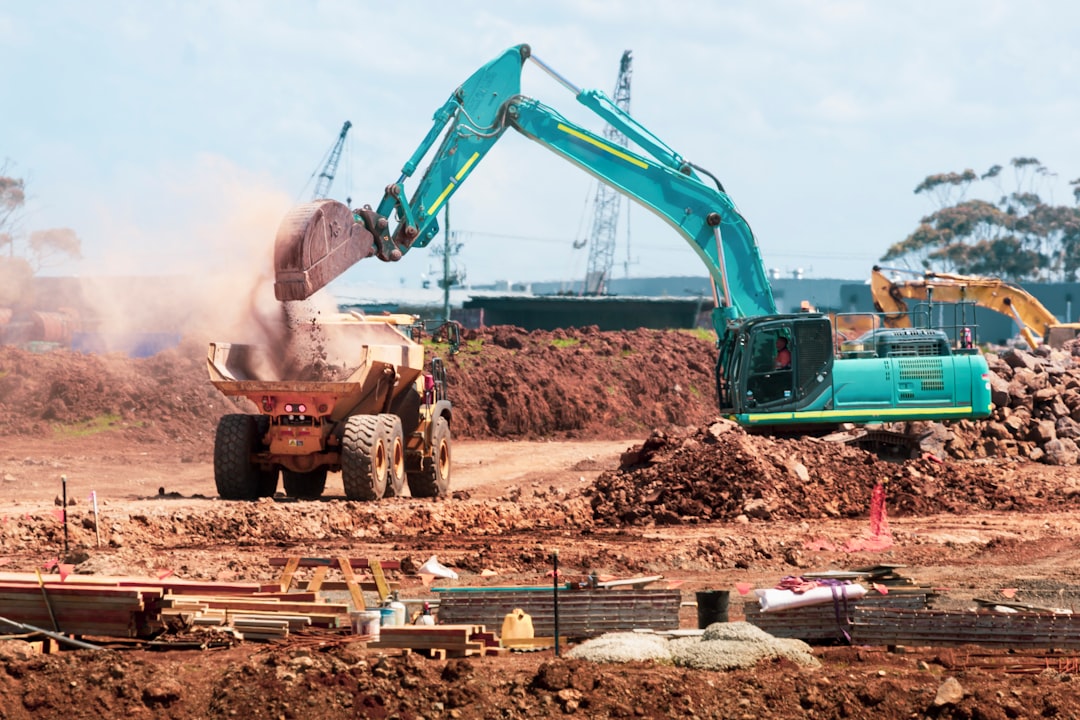
Shoring contractors operate in a high-stakes, time-sensitive environment where project managers and procurement officers frequently search for immediate and specialized solutions. Precision targeting through digital advertising ensures that these decision-makers encounter relevant shoring services at critical points in their buying process, learn more about Google Ads strategies for construction companies to capture these urgent opportunities.
Google Ads enables shoring contractors to capture urgent project needs by positioning responsive ads in front of those actively seeking support. This approach not only secures high-intent leads but also accelerates lead-to-contract timelines by surfacing contact options and service information exactly when urgency is highest. For even greater efficiency, use real-time audience segments to personalize ad targeting and reach decision-makers at the perfect moment.
Expanding into new or underserved geographic markets becomes more efficient with Google Ads, as campaigns can be tailored to highlight shoring expertise in specific locations. This granular approach to construction advertising drives visibility in regions experiencing growth or increased regulatory requirements, ensuring shoring contractors remain top-of-mind for local projects. For additional guidance, access our collection of actionable playbooks designed for campaign planning and execution.
Campaign performance is measurable from the first click to the signed contract. Integrating campaign data with a centralized system triggers follow-up in real time: when a visitor reviews a high-value service page, for instance, audience data can be synced automatically into your CRM and ad platforms so outreach starts immediately.
Common Types of Google Ads Campaigns for Shoring Contractors
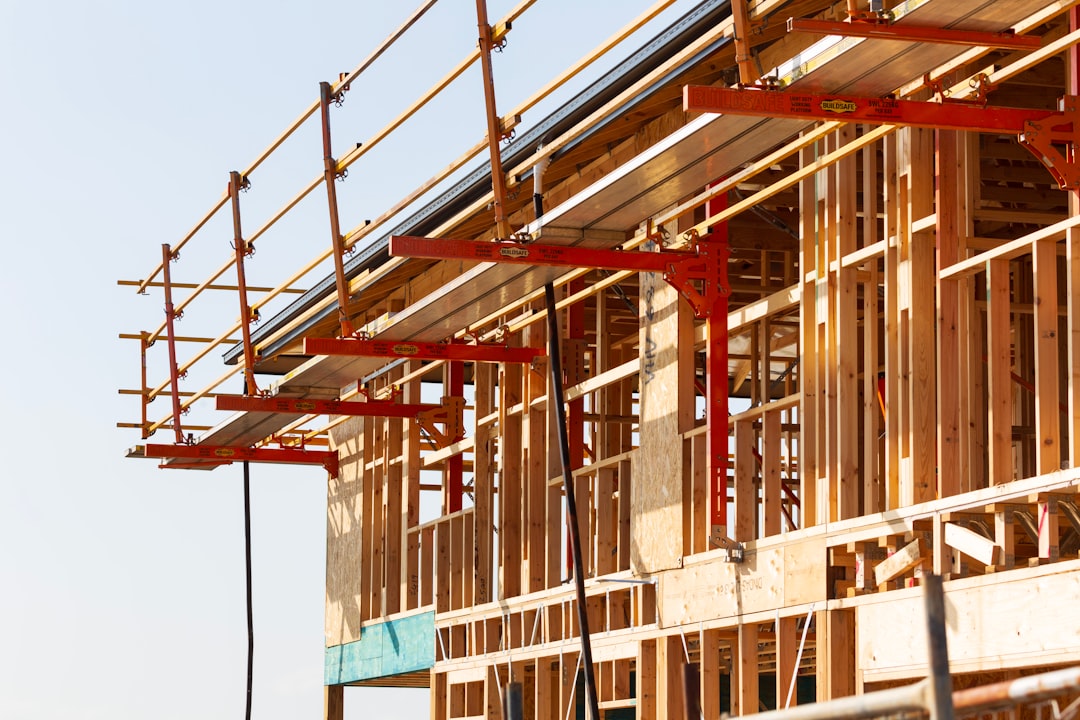
- Search Campaigns: Search campaigns capture high-intent demand by targeting keywords directly tied to shoring solutions, the backbone of lead generation for this trade. They put ads in front of prospects at the moment a project need surfaces, whether that's an emergency trench collapse or a scheduled excavation on a commercial build. By integrating unified CRM and ad data, marketers can identify the actual companies behind search queries and shift budget toward high-value accounts. For more campaign planning resources, explore our marketing and sales playbooks.
- Display Ads: Display ads boost brand visibility by serving eye-catching visuals across industry-relevant content and construction websites. This format is effective for reaching specifiers, project managers, and procurement teams during early research phases, even before direct search intent is expressed. By syncing enriched audience data with Google Ads, display campaigns can dynamically retarget previous visitors and nurture those who have shown interest in shoring services marketing.
- Video Ads: Video campaigns let a contractor demonstrate a shoring method in motion, walk through safety protocols on an active site, or show a completed job that a photo alone can't sell. These ads carry real weight with engineers and procurement teams vetting a technical vendor. See how construction marketers use the format in this Google Ads for construction companies walkthrough. Using real-time engagement data, marketers can prioritize and retarget the companies that actually watch, focusing follow-up on accounts showing genuine interest.
- Remarketing: Remarketing re-engages prospects who visited a high-value page, a demo request or contact form, but didn't convert. This matters for shoring contractors because sales cycles often stretch across multiple stakeholders and site visits before a contract is signed. Pairing on-site visitor identification with conversion tracking lets revenue teams reconnect with stakeholders at companies already showing in-market behavior, driving personalized follow-up and a better shot at closing.
Where to Find Growth Opportunities with Google Ads for Shoring Contractors
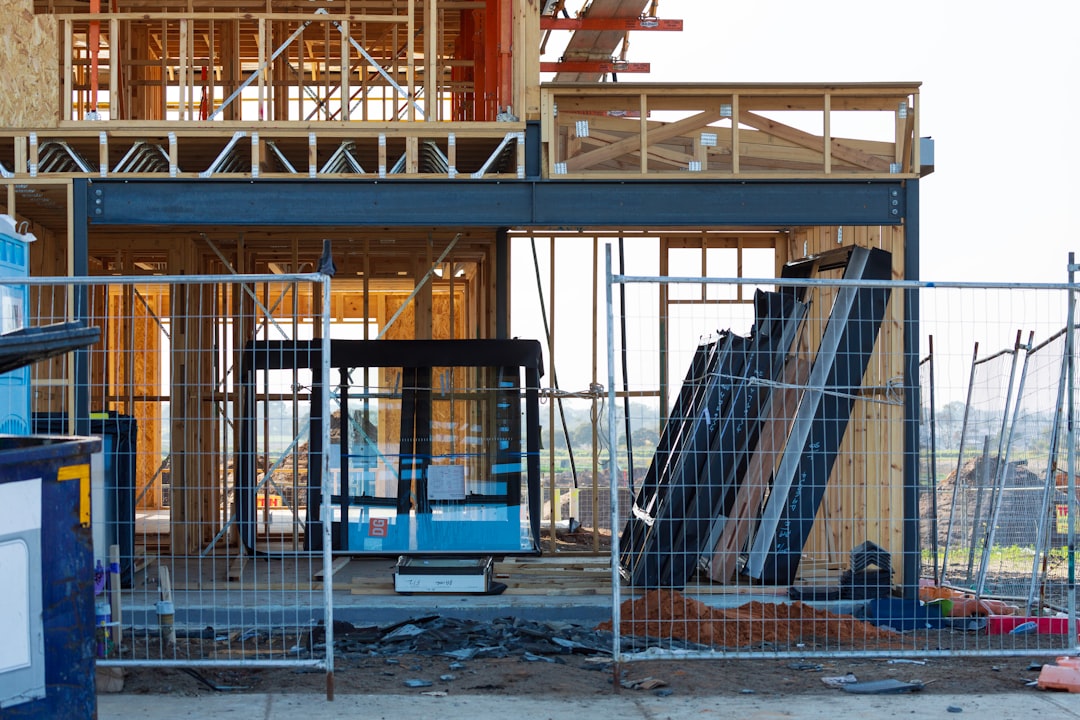
Growth in shoring often tracks where regulation tightens or where infrastructure spending picks up, a new trench-safety ordinance, a wave of transit or utility work, a cluster of commercial foundations breaking ground. Maximizing returns from Google Ads means spotting those pockets of demand early and leveraging advanced analytics to prioritize the buyers most likely to need shoring support now.
- Vertical keyword targeting: Focus on keywords that address niche shoring services, such as "temporary excavation shoring," "trench safety systems," or "engineered shoring solutions." Unlike broad construction terms, these highly specific searches attract clients who are further along in their decision-making and require specialized support. Adjusting your campaigns to capture this intent helps filter unqualified traffic and directs budget toward prospects likely to convert. For additional insights on optimizing keyword strategies for construction, review this best practices guide for Google Ads.
- Competitor gap analysis: Regularly monitor competitors’ ad placements and keyword strategies to uncover areas where they are underrepresented or missing entirely. This tactic allows you to position your services in less crowded spaces, reducing cost-per-click and increasing exposure to untapped audiences. Enhanced account-level analytics, including visitor identification, reveal which companies are engaging with your ads and content, making it simple to double down on segments with the highest purchase signals.
- Industry-specific placements: Deploy ads on construction-focused websites, trade publications, and industry forums to reach decision-makers where they research solutions and vet vendors. Using dynamic audience updates, you can keep your campaigns fresh as leads progress through the funnel, ensuring continued relevance and higher conversion rates. Integrating real-time intent signals and CRM data into your targeting also means your ad spend will prioritize prospects demonstrating immediate interest in shoring services.
By combining granular targeting, competitive intelligence, and actionable data, shoring contractors can enhance their digital marketing for contractors, drive measurable Google Ads ROI for construction, and accelerate lead generation for contractors with confidence. Strategies that unify attribution and sync enriched audiences across platforms not only reduce wasted spend but also provide clarity on which marketing efforts directly impact revenue growth. To see how these tactics can work for your business, get started for free with Sona.
How to Apply Audience Segmentation for Shoring Contractors
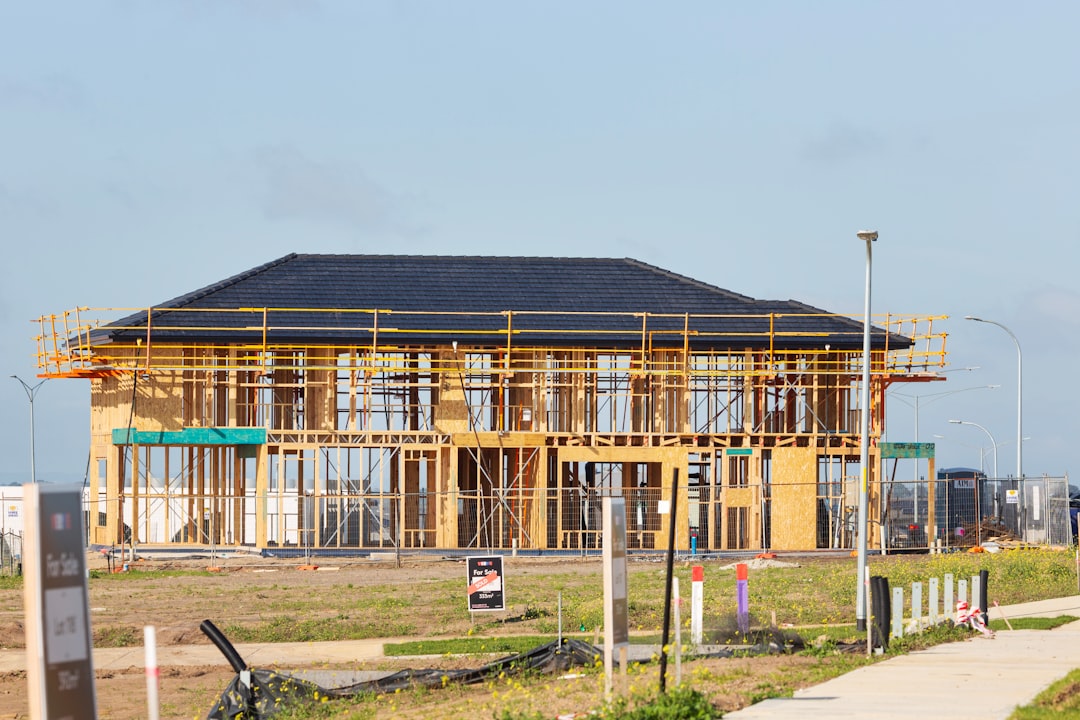
Effective audience segmentation transforms generic outreach into high-impact shoring services marketing. Shoring contractors face a diverse landscape of clients, each with unique project requirements and decision cycles; segmentation enables tailored messaging that directly addresses these differences. For step-by-step frameworks, explore this collection of actionable marketing and sales playbooks.
- Segment by Project Type: Divide audiences into clear groups such as infrastructure project managers and commercial project leads. Each segment typically seeks specialized solutions and has distinct pain points, targeting these ensures ad relevance and increases conversion rates. To further refine your campaigns, review these best practices for Google Ads in construction.
- Layer Intent Signals: Move beyond broad demographics by integrating behavioral and firmographic data. This approach identifies which companies are actively researching shoring services, allowing for timely, personalized engagement using real-time audience intelligence.
- Align Content and Budget: Allocate advertising budget to segments showing high purchase intent or larger deal sizes. Instead of spreading resources thin, prioritize high-value accounts and adapt messaging to mirror their current challenges and needs. Sona surfaces intent signals so you can target prospects when they're most engaged.
- Dynamic Audience Updates: As prospects move through the sales funnel, dynamically update segments to reflect shifts in interest or buying stage. With platforms that sync CRM and ad data, audiences are continually enriched, ensuring that targeting remains precise and campaigns stay aligned with active opportunities. Learn more about automated CRM and ad platform sync.
- Optimize for ROI: One-size-fits-all advertising often leads to wasted spend and poor engagement. By leveraging segmentation based on firmographic and behavioral signals, shoring contractors achieve more relevant communication, improved lead generation for contractors, and measurable increases in Google Ads ROI for construction.
Audience segmentation is fundamental for contractor PPC campaigns striving to maximize the impact of digital marketing for contractors. When segment definitions are informed by real-time behavioral data and seamlessly sync with ad platforms, shoring contractors consistently reach the right stakeholders at the right moment. To see how you can start building smarter segments and campaigns, get started for free with Sona.
This is also where measurement changes the economics. With Sona Marketing Measurement you can identify the companies behind your ad clicks, not just anonymous sessions, and segment audiences by who actually becomes a customer. That lets you build bid adjustments and audience signals around segments that convert and de-prioritize the ones that don't, so you feed Google's algorithms "this click became a paying shoring contractors customer" instead of just "someone filled out a form."
Keyword Strategy & Sample Target Terms
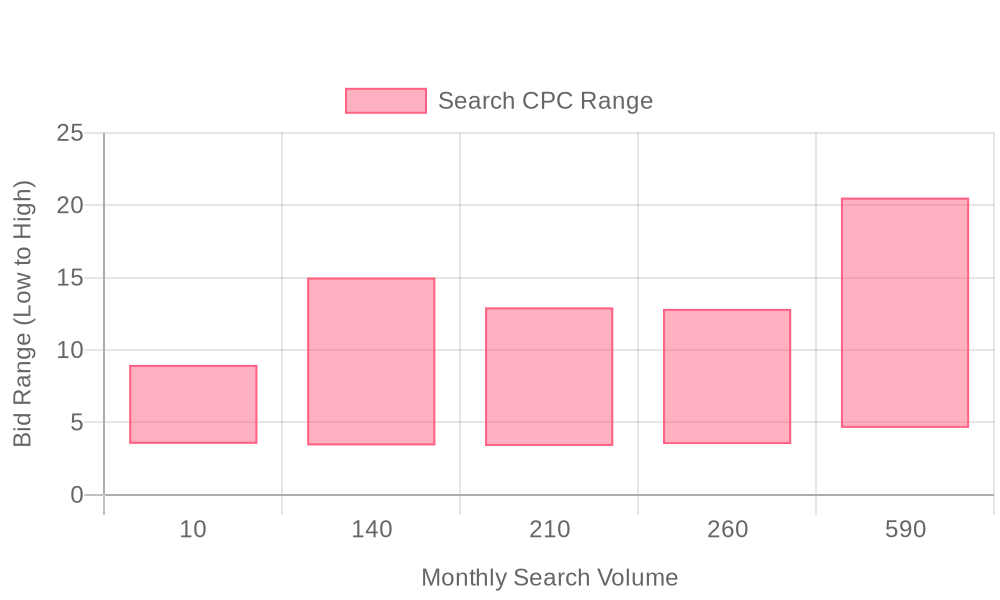
| Industry | Keyword | Monthly Search Volume | Competition Level | Low Bid | High Bid |
| Shoring Contractors | structural shoring contractors | 10 | MEDIUM | 3.53 | 8.97 |
| Shoring Contractors | shoring contractors near me | 140 | MEDIUM | 3.42 | 15 |
| Shoring Contractors | shoring contractors | 210 | LOW | 3.38 | 12.94 |
| Shoring Contractors | shoring companies | 260 | LOW | 3.51 | 12.84 |
| Shoring Contractors | shoring companies near me | 590 | MEDIUM | 4.63 | 20.52 |
A robust keyword strategy for shoring contractors directly supports both high-quality lead generation and efficient ad spend. Prioritizing terms like "emergency shoring services" or "commercial shoring contractor near me" targets prospects who are ready to act, reducing wasted clicks and improving cost per acquisition. For guidance on planning your campaign, explore Google Ads best practices for construction.
Incorporating local modifiers such as city names, zip codes, or neighborhood identifiers ensures ads appear for relevant regional searches. This approach captures demand from clients seeking immediate solutions within a specific service area, which is crucial for shoring contractors operating on tight project timelines. Negative keywords, like “DIY” or “rental equipment,” further refine targeting by filtering out irrelevant searchers, maintaining focus on high-value B2B opportunities.
Keywords alone are not enough: intent signals must align with buying stages. By integrating real-time intent data from digital interactions, marketers can optimize keyword lists to reflect actual in-market activity. This means shifting budget toward high-converting accounts identified through recent search, site engagement, or CRM activity. With unified insights, audiences and keyword strategies dynamically update as leads progress, ensuring spend consistently aligns with pipeline priorities and conversion likelihood. For shoring contractors, this translates to more qualified leads, higher close rates, and measurable improvements in campaign performance. If you’re ready to optimize your strategy, get started for free with Sona.
Step-by-Step Campaign Execution Framework
Shoring contractors face a highly specialized market where precise targeting and messaging are essential for cost-effective lead generation. With the right digital marketing for contractors, campaigns deliver measurable returns and position teams as industry leaders.
A unified approach to campaign execution allows revenue teams to connect intent data across their CRM, Google Ads, and pipeline activity, ensuring every dollar spent is aligned with actual buyer behavior. This framework provides a tactical, data-driven roadmap to maximize Google Ads for shoring contractors.
Step 1: Build Targeted Keyword Lists
Smart keyword selection is the foundation of successful Google Ads strategies for shoring contractors. Incorporate modifiers specific to shoring services, such as “commercial shoring,” “excavation support,” and location-based terms, to capture high-intent searches. Using granular, service-related keywords helps filter out unqualified clicks and keeps ad spend focused on prospects with genuine project needs.
Integrating real-time visitor identification and intent analytics enhances this process. When revenue teams leverage tools that reveal which companies and decision-makers are researching shoring solutions, they can refine keyword lists to reflect emerging demand signals. For additional keyword planning guidance, explore our collection of actionable marketing playbooks.
The upgrade most shoring contractors advertisers miss is going beyond raw keyword volume to layer in intent and identity signals. By connecting website-visitor data and CRM records with Sona Marketing Measurement, you can see which specific search terms bring in the accounts and customers that actually convert, and weight your keyword and bidding strategy toward those rather than the terms with the highest search volume alone.
Step 2: Develop Compelling Ad Copy
Effective ad copy for contractor PPC campaigns must emphasize the credibility and reliability of shoring contractors. Highlighting safety certifications, experience on high-profile projects, and rapid response capabilities builds trust and urgency among buyers. Clear calls to action, such as “Get a Same-Day Quote” or “Request a Site Assessment,” improve click-through rates and drive higher-quality leads.
Dynamic audience segmentation enables teams to tailor messages to specific buyer personas. As leads progress through the funnel, ad copy can shift to address their evolving concerns, from site safety compliance to project timelines. For industry-specific ad copy inspiration, watch this Google Ads strategies video.
Step 3: Design Effective Landing Pages
Landing pages should mirror the promises made in Google Ads, ensuring a seamless user journey for lead generation for contractors. Reinforce key differentiators through visual proof, such as project photos, testimonials, and industry accreditations, and make it easy for visitors to take the next step. Streamlined forms, clickable phone numbers, and downloadable case studies increase conversion rates and reduce friction.
Synchronizing audience and CRM data allows landing page content to dynamically adjust based on the visitor’s engagement history. For example, returning prospects might see tailored offers or more advanced content, directly supporting shoring services marketing goals.
Step 4: Implement Data-Driven Optimizations
Continuous optimization is essential for maximizing Google Ads ROI for construction businesses. Analyze metrics such as click-through rate, cost per qualified lead, and conversion rate by campaign, ad group, and keyword. Disjointed data can obscure performance trends, but integrating analytics from both online and offline touchpoints provides a holistic view of campaign impact.
Advanced conversion tracking connects ad engagement to actual pipeline outcomes, both online and in the field. By syncing enriched leads and conversion data into systems like Google Ads and Salesforce, teams quickly identify which campaigns drive revenue, enabling precise budget allocation and rapid pivoting to high-converting tactics. This approach ensures every optimization decision is grounded in unified, actionable insight, supporting scalable contractor PPC campaigns. To see how you can unify data and drive ROI across your campaigns, get started for free with Sona.
Sona Marketing Measurement closes the gap between clicks and revenue. It captures every ad click with first-party measurement, ties that click through UTM capture and ad-platform APIs to the actual record in your CRM, and reports ROAS by keyword and campaign instead of by last-click form fill. Feeding that revenue signal back into Smart Bidding and Performance Max compounds over time: the algorithms optimize toward booked shoring contractors revenue, not cheap leads.
Tips on Expanding Your Google Ads for Shoring Contractors Presence
Shoring contractors who refine their Google Ads approach can rapidly increase both visibility and qualified lead flow in a competitive construction market. Success hinges on harnessing actionable data, automating insights, and dynamically aligning ad targeting with actual buyer intent.
- Collaborate with industry associations for co-branded campaigns: Partnering with relevant trade organizations or construction associations allows shoring contractors to amplify reach and credibility. Co-branded campaigns often yield higher engagement and improved conversion rates, as targeted audiences place more trust in industry-recognized partnerships. For practical advice on building effective campaigns, consult this guide to Google Ads for construction, which outlines industry-specific best practices. This approach also opens opportunities for shared marketing costs and deeper regional penetration, stretching your PPC budget for broader market impact.
- Optimize for regional search trends to expand service areas: Analyzing localized keyword data and adapting campaigns to match shifting demand ensures ads reach prospects where shoring services are needed most. Customizing ad copy and bid strategies by location helps contractors capture high-intent searches, especially in areas with seasonal construction booms or new infrastructure projects. Using precise audience intelligence, marketers can identify and prioritize regions with the greatest growth potential, resulting in efficient spend allocation and increased ROI.
- Integrate with CRM and analytics tools to enhance targeting with deeper customer insights: Unifying Google Ads data with CRM and analytics platforms bridges the gap between marketing and sales teams, streamlining the handoff of leads and giving both teams real-time visibility into campaign performance. This integration lets shoring contractors move beyond anonymous web traffic: Sona's Identity Resolution reveals which companies and decision-makers are engaging with ads. As leads move through the funnel, dynamic audience updates and real-time intent signals allow for more precise retargeting and budget allocation, ensuring campaigns are always aligned to the highest-value opportunities.
For shoring contractors, mastering Google Ads involves more than basic keyword bidding. Combining co-branded outreach, granular regional targeting, and unified audience data creates a blueprint for scalable, data-driven lead generation that drives measurable business results. Explore strategies like these to optimize your contractor PPC campaigns and ensure every marketing dollar delivers maximum impact.
Beyond Google Ads: Winning the AI Answers Shoring Contractors Buyers Now Trust
Paid search captures demand at the moment someone types a query. But a fast-growing share of shoring contractors buyers no longer start at Google at all, they ask ChatGPT, Gemini, or Perplexity before they ever run a search, and Google's own AI Overviews increasingly summarize an answer above the traditional results. If your business isn't referenced in those AI answers, you're invisible at the exact moment buyers build their shortlist.
Sona AI Visibility shows where your business shows up across ChatGPT, Gemini, Perplexity, Google AI Overviews, and 10+ engines, and, much like a keyword report, which prompts actually send you buyers, so you can prioritize the ones that convert. Run the two together and you cover the entire buyer path: get cited where buyers research (AI Visibility), then prove which of that demand turns into booked revenue (Marketing Measurement).
Helpful resources
Conclusion
Google Ads works for shoring contractors when the targeting, the bids, and the follow-up are built around how this trade actually sells: urgent, technical, and won on trust as much as price. The strategies here, from vertical keyword targeting to landing pages that mirror ad copy to real-time syncing between ad platforms and CRM, turn clicks into contracted work instead of abandoned forms.
The next shift in this space is buyers researching shoring contractors through AI tools before they ever open Google, which means visibility now has to extend past the search results page. Contractors who pair sharp Google Ads execution with attention to how they're represented in AI answers will be the ones still winning the shortlist a year from now. Start for free to see how Sona connects that ad spend to the revenue it actually produces.
FAQ
What are the best practices for Google Ads for shoring contractors?
Shoring contractors should focus on tailored bidding strategies, precise audience segmentation, and aligning landing pages with ad copy to maximize ROI from Google Ads.
How much should shoring contractors budget for Google Ads?
The budget should focus on targeting high-intent searches with service-specific and geo-targeted campaigns to maximize ad spend efficiency and ROI.
What keywords should shoring contractors target in Google Ads?
Keywords like 'temporary shoring solutions,' 'construction site shoring,' and location-specific terms are recommended, alongside negative keywords to filter irrelevant clicks.
How can shoring contractors measure the success of their Google Ads campaigns?
Success can be measured by tracking conversion rates, click-through rates, and integrating campaign data with CRM systems to attribute leads and sales to specific ads and keywords.
Are there specific Google Ads features beneficial for shoring contractors?
Features such as geo-targeting, real-time audience segmentation, and integration with CRM systems for dynamic audience updates are beneficial for shoring contractors.







