


Self-service dry cleaning businesses live or die on catching customers at the exact moment they need a machine free or a same-day turnaround, and most of those customers never fill out a form or call the shop. Google Ads closes that gap: it puts your location in front of someone searching "24-hour laundromat near me" or "same-day dry cleaning" right as the need hits, and it does so in a way you can measure alongside your other marketing. Done well, it lets you target the people actually ready to use your machines or drop off a garment, and track what that spend returns. This guide walks through generating leads for a self-service dry cleaning business with Google Ads, with an approach built around the industry's real patterns: urgency, locality, and repeat visits.
How to Generate Google Ads for Self-Service Dry Cleaning Leads: A Step-by-Step Guide
Modern self-service dry cleaning businesses operate in a competitive landscape where capturing high-value leads quickly and efficiently is non-negotiable. Success requires a marketing strategy that integrates paid search with advanced data analytics, ensuring every dollar spent delivers measurable impact. See how Sona's Identity Resolution can reveal which companies are visiting your site, even when visitors never fill out a form.
This playbook delivers a data-centric foundation for anyone seeking to leverage Google Ads for Self-Service Dry Cleaning. By unifying paid search with your broader digital marketing for dry cleaners, you can uncover and convert prospects who might otherwise remain invisible in traditional CRM pipelines. Sophisticated targeting capabilities allow you to identify not just the volume, but the quality of leads, particularly facility managers and sustainability-minded homeowners seeking eco-friendly solutions.
Building effective campaigns starts with precise audience intelligence and keyword targeting crafted specifically for the self-service dry cleaning market. These approaches use intent signals and behavioral data to prioritize users actively searching for local dry cleaning advertising or wash and fold solutions. With enriched audience insights, marketers can update targeting dynamically as prospects move through the funnel, syncing segments seamlessly into ad platforms and CRMs for real-time engagement.
Landing page and creative alignment is critical for maximizing conversion efficiency. Each campaign component, from ad copy to landing page CTA, should be closely matched to audience intent, ensuring messaging resonates and reduces drop-off. For more on matching your ad messaging with buying stage and improving conversions, refer to this buying stage segmentation playbook.
Optimizing campaign performance for self-service dry cleaning marketing is more than bid adjustments; it requires real-time feedback loops and advanced attribution. By tracking both online and offline conversions and connecting them to individual ad interactions, you gain an accurate view of ROI, empowering rapid decisions, shifting budget to high-converting accounts, and responding in the moment to urgent cleaning needs.
Cross-channel integration ties every piece together, breaking down operational silos between sales and marketing. When data flows bi-directionally, teams can coordinate campaigns, share enriched audience signals, and trigger personalized outreach across every touchpoint. This unified approach transforms PPC for dry cleaning businesses from a standalone tactic into a key driver for sustained growth and competitive advantage.
This guide provides both service providers and local operators with proven tools and frameworks to generate qualified Google Ads for Self-Service Dry Cleaning leads. To see how you can launch data-driven campaigns for your business, get started for free with Sona. When combined with robust marketing technology, these strategies ensure your campaigns are precise, scalable, and consistently aligned with revenue goals.
Why Google Ads Matter for Self-Service Dry Cleaning
Self-service dry cleaning businesses live on immediate visibility and precise local targeting. The customer searching at 9pm for a wash-and-fold spot open now, or the traveler who just spilled wine on a suit before a morning meeting, isn't browsing, they're ready to act within the hour. Google Ads is built for exactly that kind of urgent, location-bound search. For a step-by-step approach to setting up and optimizing ad campaigns, review this guide to Google Ads for dry cleaning.
- Missing high-value prospects: Many potential customers research self-service dry cleaning options online but never fill out a form or initiate direct contact. Sona's Identity Resolution now lets marketers recognize the companies behind these anonymous visits and connect them to intent signals. By integrating these insights, teams can build high-value Google Ads lists comprised of decision-makers who would otherwise go unnoticed.
- Complex audience engagement: Reaching niche audiences like eco-conscious families or building managers requires more than broad targeting. Dynamic audience segmentation enables ongoing updates as new leads show intent or existing leads progress through the sales funnel. This approach ensures campaigns remain relevant, engaging each segment with personalized offers and creative tailored to their stage in the journey.
- Faster demand response: The ability to react instantly to surges in demand, such as seasonal cleaning spikes or unexpected local events, gives self-service dry cleaning providers a tangible edge. Real-time intent data empowers marketers to shift budget toward high-converting audiences, maximizing ad spend efficiency during peak periods and capturing urgent business that would otherwise be lost to competitors.
- Data-driven decisions: In the highly competitive world of online advertising for laundromats and dry cleaning, every marketing dollar must be accountable. By unifying click, call, and in-store visit data, revenue teams gain end-to-end visibility from initial interest through contract signing. Advanced conversion tracking and CRM-ad sync make it possible to measure true ROI, ensuring every campaign adjustment is backed by actionable insights and supporting dry cleaning business growth strategies.
Common Types of Google Ads Campaigns for Self-Service Dry Cleaning
- Search Campaigns: Search campaigns capture high-intent customers actively seeking self-service dry cleaning, wash and fold services, or local laundromats. These campaigns drive targeted traffic by aligning ad copy with user queries such as "nearby self-service dry cleaning" or "eco-friendly laundry service." Advanced platforms now enable marketers to move beyond anonymous impressions by pinpointing which companies or individuals are searching and engaging, allowing for immediate prioritization of high-value leads. Integrating CRM data with Google Ads ensures those leads are dynamically nurtured and followed up with relevant offers that reflect their real-time intent.
- Display Ads: Display campaigns maintain brand visibility across a broad network of websites and platforms, reinforcing your presence with users who may not be ready to commit on their first interaction. By leveraging enriched audience data, marketers can extend their reach to lookalike or in-market audiences, aligning messaging to the user's current interest and past engagement. Display ads can be dynamically adjusted as audience segments shift, ensuring the right creative lands in front of prospective customers at every stage of the buying journey. For further practical advice, review this Google Ads checklist for laundromats.
- Video Ads: Video campaigns are ideal for showcasing the convenience, sustainability, and unique benefits of modern self-service dry cleaning. Compelling video ads can drive awareness among environmentally conscious customers and tech-savvy urban dwellers. Real-time engagement signals from video viewers can be captured, allowing marketers to retarget viewers who watched a significant portion of the ad or visited the website but didn't convert, transforming passive viewers into active prospects.
- Performance Max: Performance Max campaigns pool your creative across Search, Display, YouTube, and Maps to find self-service dry cleaning customers wherever Google predicts they're most likely to convert. It's especially useful for capturing last-minute, high-urgency searches that a single-channel campaign might miss, provided you feed it strong conversion data so it optimizes toward bookings rather than clicks.
- Remarketing: Remarketing campaigns re-engage visitors who previously interacted with your brand but did not convert, such as those who started booking a service but abandoned the process. By syncing enriched behavioral and firmographic data from multiple sources, marketers can personalize remarketing messages based on specific actions taken or services viewed. Automated audience updates ensure ads remain relevant, making follow-up offers timely and driving higher conversion rates for digital marketing for dry cleaners.
- Assets: Ad assets (formerly called extensions) elevate trust and drive action by adding practical signals such as business location, customer reviews, certifications, or unique promotions. Leveraging unified data, marketers can automate the inclusion of the most persuasive trust signals based on the viewer's profile or location. This added context increases click-through rates and improves attribution accuracy, supporting both PPC for dry cleaning businesses and broader online advertising for laundromats.
Ready to drive measurable results? Get started for free with Sona.
Where to Find Growth Opportunities
Expanding the reach of self-service dry cleaning businesses requires precision in identifying underserved opportunities within increasingly competitive markets. Growth emerges by combining a data-driven approach with advanced digital marketing for dry cleaners, applying strategies that pinpoint real customer needs and leverage actionable insights. For in-depth marketing tactics, visit the Sona blog.
- Niche-Specific Search Terms: Targeting highly relevant, specialty-focused keywords captures demand from users searching for services like "24-hour self-service dry cleaning" or "eco-friendly laundry kiosks." These terms reflect urgent needs and pain points that competitors often overlook, allowing your campaigns to intercept motivated buyers at the moment of intent. For a comprehensive checklist tailored to laundromat and dry cleaning Google Ads, see this laundromat Google Ads checklist.
- Competitor Analysis for Segment Discovery: Deep competitor research uncovers markets that have seen minimal outreach, such as neighborhoods lacking modern laundry solutions or demographics underserved by current advertising. Mapping this data against your own digital footprint highlights gaps and surfaces new avenues for targeted outreach.
- Placement Optimization with Enriched Data: Organic efforts often stall due to outdated account information or incomplete tracking. Modern enrichment tools enable self-service dry cleaning marketers to fill these data gaps, revealing where paid placements can outperform SEO alone. By unifying and enriching contact and company data, teams gain clear signals to direct spend where it drives the highest incremental growth.
- Content Retargeting with Educational Value: Retargeting strategies that deliver informative content, such as "how to use self-service dry cleaning kiosks" or sustainability tips, offer ongoing value to previous site visitors. This approach nurtures potential customers, strengthens brand authority, and increases conversion rates by moving prospects through the funnel with tailored, educational touchpoints. Using dynamic audience updates ensures that messaging evolves as users progress, keeping content relevant and engagement high.
Integrating advanced data enrichment and audience segmentation into each step transforms how self-service dry cleaning brands identify and capitalize on growth opportunities. With unified, actionable insights and the ability to sync enriched audiences directly into platforms like Google Ads or CRM tools, marketers can continuously refine their outreach to maximize ROI and accelerate business growth.
Ready to accelerate your marketing impact? Get started for free with Sona.
Audience segmentation unlocks measurable improvements in campaign efficiency for self-service dry cleaning businesses. When segments mirror real customer patterns, like the difference between a property manager booking recurring service and a commuter needing a same-day fix, every marketing dollar works harder. For more tips on optimizing your marketing approach, explore our actionable playbooks for B2B marketing.

Audience segmentation unlocks measurable improvements in campaign efficiency for self-service dry cleaning businesses. When segments directly mirror the core service touchpoints, every marketing dollar works harder, reaching customers whose needs align precisely with available offerings. For more tips on optimizing your marketing approach, explore our actionable playbooks for B2B marketing.
- Define Segments: Start by distinguishing between eco-conscious families and urban professionals. Eco-conscious families often seek environmentally friendly detergents, sustainable packaging, and a focus on health and safety. Urban professionals, on the other hand, value speed, late operating hours, and seamless digital experiences. By mapping these personas to your actual customer base, campaigns can prioritize relevant messaging, service bundles, and promotions, leveraging real-time audience segmentation to ensure messaging always resonates.
- Overlay Intent Signals: Go beyond basic demographics by analyzing behavioral cues, such as frequent searches for "green dry cleaning" or "24-hour laundry near me." Tracking in-market behaviors and search habits allows marketers to shift budget dynamically toward segments actively seeking dry cleaning solutions. As visitors interact with web content, custom intent signals surface which accounts are ready to convert, so you can prioritize ad spend for those with the highest likelihood of booking or visiting.
- Create Ad Groups: Translate these segments into tightly focused Google Ads ad groups, pairing each with custom messaging and budget allocations. Eco-friendly service seekers might see promotions for plant-based detergents, while busy professionals are served reminders about mobile pay and off-peak drop-off incentives. For a practical checklist on setting up and optimizing these campaigns, see this Google Ads checklist for laundromats. This granularity in audience building ensures that spend is directed to the most relevant offers, and audiences automatically update as leads move through the funnel or change behaviors.
- Validate Conversion Paths: Effective segmentation means little if conversion tracking is disconnected. All digital touchpoints, from ad click to in-store visit, should sync seamlessly with your CRM. This integration prevents messaging gaps and enables advanced attribution, connecting online ad engagement with offline transactions. For self-service dry cleaning, this ensures that every new customer can be traced back to the campaign and segment that drove them, allowing for precise ROI measurement and continuous optimization of digital marketing for dry cleaners. As audiences and leads are enriched and synced across platforms, marketing and sales teams maintain a unified view, eliminating the guesswork from growth strategies.
This is also where measurement changes the economics. With Sona Marketing Measurement you can identify the companies and buyers behind your ad clicks, not just anonymous sessions, and segment audiences by who actually becomes a customer. That lets you build bid adjustments and audience signals around the segments that convert and de-prioritize the ones that don't, so you feed Google's algorithms "this click became a paying self customer" instead of just "someone filled out a form."
Keyword Strategy & Sample Target Terms
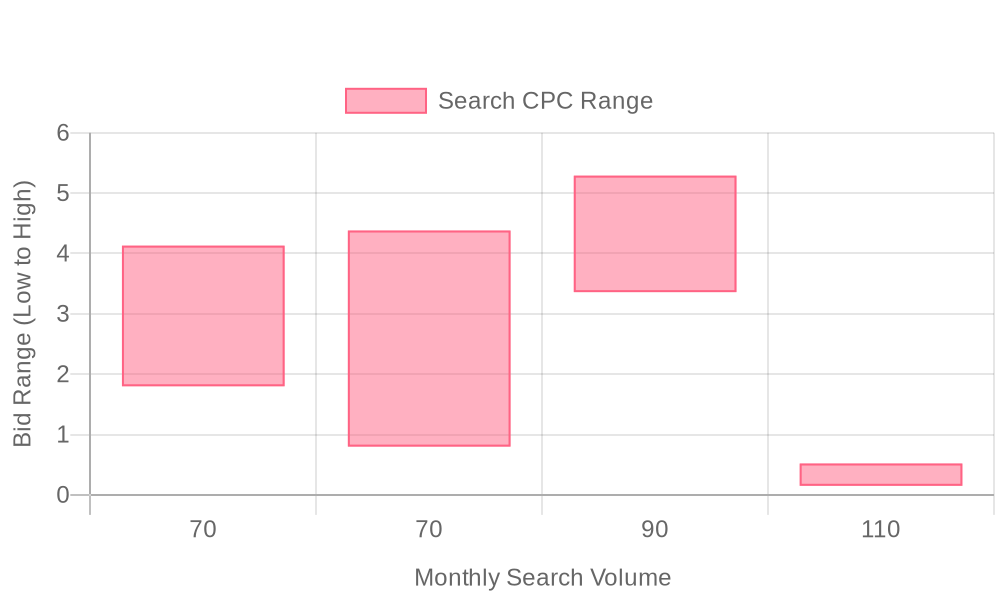
| Industry | Keyword | Monthly Search Volume | Competition Level | Low Bid | High Bid |
| Self-Service Dry Cleaning | self service dry cleaning | 70 | LOW | 1.8 | 4.13 |
| Self-Service Dry Cleaning | self dry cleaning near me | 70 | LOW | 0.8 | 4.38 |
| Self-Service Dry Cleaning | self service dry cleaners near me | 90 | LOW | 3.36 | 5.29 |
| Self-Service Dry Cleaning | self dry cleaning | 110 | HIGH | 0.15 | 0.52 |
Effective keyword targeting is the foundation for attracting high-value local customers in the self-service dry cleaning industry. By aligning your campaign with real-world search intent, you reach prospects at the exact moment they're seeking specialized services, which directly increases qualified lead volume. For practical insights on optimizing your ads, explore this guide to Google Ads for dry cleaning and laundry. Leveraging Sona empowers marketers to identify companies and individuals engaging with their ads, enabling hyper-focused follow-up and nurturing.
- Precision Targeting: Targeting intent-rich keywords such as "eco-friendly dry cleaning," "self-service laundromat near me," and "same-day dry cleaning services" connects your ads with consumers actively looking for immediate, differentiated solutions. This level of precision reduces wasted ad spend and ensures your message lands with decision-makers ready to convert. When paired with advanced visitor identification, marketers can go beyond anonymous clicks and connect directly with their best-fit prospects.
- Measurable ROI: Modern attribution models link every click to downstream revenue, giving full visibility into which keywords and campaigns actually drive new clients. With advanced conversion tracking and seamless attribution, revenue teams can measure the true impact of their digital marketing for dry cleaners, optimizing spend on channels that consistently deliver acquisition. For additional strategies, visit our marketing analytics blog.
- Channel Synergy: By integrating campaign data across platforms, you maintain engagement momentum with remarketing audiences who have shown strong intent but haven't yet converted. Real-time audience updates ensure outreach remains relevant as prospects progress through the funnel, enabling synchronized messaging across Google Ads, social, and email. This synergy builds a cohesive brand experience, supporting long-term dry cleaning business growth.
Example target keywords guide ad relevance and campaign structure, ensuring your self-service dry cleaning marketing efforts are rooted in real customer demand for services like "local dry cleaning advertising," "PPC for dry cleaning businesses," "online advertising for laundromats," and "Google Ads for wash and fold services." To put these strategies into action, get started for free with Sona and power your campaigns for measurable growth.
Step-by-Step Campaign Execution Framework
Step 1: Build Targeted Keyword Lists
Self-service dry cleaning businesses thrive on capturing high-intent, local search traffic. Begin by clustering keywords according to distinct services: self-service, wash and fold, eco-friendly cleaning, or express garment care. This segmentation allows each campaign to address differentiated client needs, aligning ad spend with the most valuable user segments. To see how other laundromat marketers approach keyword targeting challenges, check out this discussion on Google Ads keyword targeting issues.
Incorporate local modifiers such as "near me," city names, and neighborhood references to target searchers looking for immediate or convenient solutions. Focus on long-tail and query-based phrases: for example, "affordable self-service dry cleaning near me" or "24-hour wash and fold service." These keywords reflect real customer intent and often face less competition, reducing cost per click while increasing conversion rates. Apply negative keywords like "dry cleaning supplies" or "commercial laundry equipment sales" to filter out irrelevant clicks, ensuring ad budgets are spent on potential customers only. Sona's Identity Resolution helps marketers pinpoint not just anonymous website visitors, but the actual companies engaging with these search terms, enabling even more granular audience refinement and keyword expansion.
The upgrade most self advertisers miss is going beyond raw keyword volume to layer in intent and identity signals. By connecting website-visitor data and CRM records with Sona Marketing Measurement, you can see which specific search terms bring in the accounts and customers that actually convert, and weight your keyword and bidding strategy toward those rather than the terms with the highest search volume alone.
Step 2: Develop Compelling Ad Copy
Compelling ad copy differentiates your self-service dry cleaning business in a competitive digital landscape. Address industry-specific pain points such as sustainability, convenience, or contactless service. Reference green certifications or low-water usage to attract eco-conscious clientele. Incorporate trust indicators like verified customer reviews, satisfaction guarantees, or years in business, building credibility for first-time users and repeat clients alike. For more insight, explore this guide to optimizing Google Ads for dry cleaning businesses.
Drive urgency by highlighting limited-time discounts, next-day turnaround, or exclusive app-based offers. Ad extensions allow you to showcase value-adds, like 24/7 kiosk access, loyalty rewards, or bulk order discounts, directly within the search result. Optimizing these extensions ensures each ad captures attention and communicates your strongest differentiators. Using unified intent signals, revenue teams can automate message rotation to match each segment's priorities, personalizing offers and trust signals based on real-time engagement.
Step 3: Design Effective Landing Pages
Landing pages must directly reflect the intent behind each targeted keyword cluster. If a campaign promotes "wash and fold near me," ensure the landing page immediately details this service, pricing, and local availability. Segment the landing experience by user intent: new customers might see welcome offers or testimonials, while returning users encounter loyalty programs or quick reorder options. For a detailed checklist on landing page elements and campaign setup, review this laundromat Google Ads checklist.
Employ elements like ROI calculators to help business clients estimate savings on bulk orders, or embed customer testimonials for social proof. Dynamic content personalization, driven by real-time audience data, ensures each visitor's experience is relevant and conversion-focused. With advanced platforms, marketers can sync CRM and web engagement data to create landing pages that adapt in real time, showing different calls to action based on visitor status or prior interactions.
Step 4: Implement Data-Driven Optimizations
Continuous optimization is essential for maximizing ROI in digital marketing for dry cleaners and laundromats. Regularly analyze conversion metrics, such as cost per acquisition, lead quality, and average order value, to refine campaign settings. Smart bidding strategies, informed by real-time intent and account-level engagement data, automatically allocate budget to the highest-potential audiences. Discover more advertising strategies in this overview of digital and traditional marketing for dry cleaners.
Frequent testing of creative elements, headlines, and offers reveals which combinations drive the most conversions. Syncing offline conversion data, such as in-store visits or phone bookings, with digital metrics provides a complete view of campaign impact. Sona allows revenue teams to unify these data points, syncing enriched audiences and conversion outcomes directly into Google Ads and CRM systems, ensuring every touchpoint, online or offline, is attributed and optimized for true business growth. To explore more on campaign tuning, see retargeting strategies.
Sona Marketing Measurement closes the gap between clicks and revenue. It captures ad clicks with first-party measurement, ties them through UTM capture and ad-platform APIs to the matching company record in your CRM, and reports ROAS by keyword and campaign instead of by last-click form fill. Feeding that revenue signal back into Smart Bidding and Performance Max compounds over time: the algorithms optimize toward booked self revenue, not cheap leads.
Tips on Expanding Your Self-Service Dry Cleaning Presence
Scaling a self-service dry cleaning business relies on executing disciplined, data-driven strategies that prioritize both customer acquisition and retention. Consistent, focused actions across digital and local channels can solidify brand authority, boost engagement, and unlock new revenue streams. Explore additional insights on modern marketing strategies for laundromat and dry cleaning businesses in 2025 to stay ahead of industry trends.
- Cross-promote digital assets: Integrate educational content and branded resources across your owned channels to support broader content goals. This approach positions your business as a trusted authority while elevating brand recall for local and regional audiences. By aligning assets with customer intent and search trends, you increase the likelihood of organic visibility in local dry cleaning SEO and related searches. For more tactics, explore our in-depth marketing, analytics, and attribution articles.
- Upsell with segmented remarketing: Use CRM data to create segmented audiences for personalized remarketing. Show tailored offers to past customers or high-value prospects based on their previous behavior. Modern platforms can sync real-time, signal-based audience segments from CRM or point-of-sale systems directly into ad environments, ensuring campaigns deliver relevant messaging that drives incremental bookings and upsells.
- Forge partnerships with local associations: Engage with neighborhood business groups, property managers, or event organizers to tap into referral traffic. Such partnerships are effective for generating high-intent leads and can be amplified with targeted online advertising for laundromats and wash and fold services, increasing reach beyond your immediate customer base.
- Execute localized marketing campaigns: Run hyperlocal campaigns to dominate metro-specific search terms and build share-of-voice in priority neighborhoods. Use real-time intent signals and geo-targeting to allocate budget efficiently, targeting only those most likely to convert. As audiences move through the funnel, their engagement data automatically updates in dynamic audience pools for better campaign orchestration.
- Leverage search behavior data for content: Analyze real-time search trends and user queries to inform your content calendar. Focus on topics that address the latest customer pain points, seasonal needs, or service innovations, thereby boosting organic engagement and supporting digital marketing for dry cleaners. This insight-driven content planning ensures you stay ahead of shifting demand and customer expectations.
Success in self-service dry cleaning marketing hinges on precise keyword targeting, granular audience segmentation, and compelling creative optimized for both local and intent-driven queries. Integrating these tactics with robust analytics and real-time campaign management empowers you to capture high-intent leads, measure true ROI, and consistently refine your approach for measurable growth. Ready to advance your marketing strategy? Get started for free with Sona.
Beyond Google Ads: Winning the AI Answers Self Buyers Now Trust
Paid search catches demand the moment someone types a query. But a growing share of self buyers start elsewhere now, asking ChatGPT, Gemini, or Perplexity before they ever run a search, while Google's own AI Overviews increasingly summarize an answer above the traditional results. If your business isn't referenced in those AI answers, you're invisible at the exact moment buyers build their shortlist.
Sona AI Visibility shows where your business shows up across ChatGPT, Gemini, Perplexity, Google AI Overviews, and 10+ engines, and, much like a keyword report, which prompts actually send you buyers, so you can prioritize the ones that convert. Run the two together and you cover the entire buyer path: get cited where buyers research (AI Visibility), then prove which of that demand turns into booked revenue (Marketing Measurement).
Helpful resources
Conclusion
The businesses that win the next few years of self-service dry cleaning won't just run more ads, they'll be the ones whose data tells Google which clicks turned into paying customers, and whose name shows up when an AI assistant is asked where to get a suit cleaned same-day. Precision now compounds: better attribution feeds better bidding, which frees budget for the searches and prompts that actually fill machines and drop-off counters.
See what unified marketing data looks like for your own campaigns, start for free with Sona.
FAQ
How can I set up Google Ads for my self-service dry cleaning business?
Start by building targeted keyword lists that reflect your services and local modifiers, develop compelling ad copy addressing industry-specific pain points, and design effective landing pages that align with your ads' intent.
What are the best practices for Google Ads in the self-service dry cleaning industry?
Use precise audience intelligence and keyword targeting, align landing page and creative elements with audience intent, and employ data-driven optimizations to maximize ROI.
How do I target local customers with Google Ads for my dry cleaning business?
Incorporate local modifiers in your keyword targeting, such as 'near me' or city names, and use geo-targeting to allocate budget efficiently to reach local customers.
What kind of return on investment can I expect from Google Ads for my self-service dry cleaning business?
By unifying click, call, and in-store visit data, you can gain end-to-end visibility and measure true ROI, optimizing spend on channels that deliver consistent acquisition.
How can I differentiate my self-service dry cleaning business from competitors using Google Ads?
Highlight unique selling points such as sustainability, convenience, and contactless service in your ad copy and use ad extensions to showcase additional value-adds.
Are there any specific challenges in running Google Ads for self-service dry cleaning businesses?
Challenges include capturing high-intent leads quickly in a competitive landscape and ensuring campaign components align with audience intent to minimize drop-off.
How can I measure the success of my Google Ads campaign for my self-service dry cleaning business?
Implement advanced conversion tracking to measure both online and offline conversions, gaining a complete view of campaign impact through integrated CRM and ad data.
How do I optimize my Google Ads for better performance in the self-service dry cleaning niche?
Regularly analyze conversion metrics, use smart bidding strategies, test creative elements, and sync offline conversion data with digital metrics for continuous optimization.
What is the role of Google Ads in a comprehensive digital marketing strategy for a self-service dry cleaning business?
Google Ads bridges the gap between awareness efforts and sales processes by capturing high-intent prospects, integrating with other marketing efforts for sustained growth.







