


A cracked screen is an emergency purchase: the buyer searches, compares, and books within hours, often minutes. Google Ads is how screen repair shops meet that urgency, but winning the auction is only half the job. Providers also have to catch the lead the instant it arrives, or it goes to the next shop in the results. This guide covers both halves: building campaigns that reach the right searchers, and capturing the leads those campaigns generate before they go cold.
How to Generate Google Ads for Screen Repair Leads with Google Ads: A Step-by-Step Guide

Screen repair providers thrive on rapid response and high-intent engagement, yet too many lose revenue by letting leads go cold. Leveraging Google Ads for Screen Repair enables businesses to reach motivated prospects at the exact moment they need service, ensuring a consistent pipeline of quality inquiries.
Screen repair advertising works best when audience signals, intent, and channel performance are connected, so every dollar spent maps to a booked repair rather than just a click. Emulent's guide looks at pay-per-click approaches for repair businesses in more depth.
Recognizing the Impact of Timely Engagement
Delayed follow-up is the silent killer of screen repair conversions. A prospect who cracked their screen an hour ago wants an answer now, and a slow reply sends them to the next listing. Pairing Google Ads for phone repair with tools that identify the companies behind your website visitors and sync lead details to your CRM in real time keeps hot leads from sitting in a queue. Sona's Identity Resolution flags high-intent visitor accounts as they arrive and pushes that data straight into your CRM, so sales can act while interest is still fresh.
When your marketing system flags a visiting company and its likely intent, sales can follow up with a relevant offer while the prospect is still comparing shops, turning a passing click into a booked appointment.
Data-Driven Approaches for Modern Repair Marketers
Effective online advertising for screen repair is built on actionable data. Marketers need a unified view of campaign performance, from keyword clicks to in-store visits. By integrating advanced tracking and attribution, you can tie every conversion, whether online or offline, back to the precise ad and keyword that drove it. This clarity empowers budget shifts toward the highest converting channels and audiences, revealing not just clicks but true revenue impact.
For more insights on connecting ad performance and revenue, check out our guide on attribution.
With enriched lead and account data flowing between your ad platform and CRM, it becomes possible to identify which campaigns generate not just form fills, but real customers. This feedback loop allows for continuous optimization, ensuring your Google Ads strategies are always grounded in measurable business outcomes.
Keyword and Audience Targeting for Screen Repair
Targeting is the core of successful AdWords for repair shops. High-converting campaigns narrow in on device type, urgency, and location: "emergency iPhone screen repair near me" pulls in someone who wants a same-day fix, while "iPad screen replacement cost" signals a comparison shopper who's a few days out. Building audiences that update as a lead moves from browsing to booking keeps retargeting spend on people who are actually close to converting, rather than everyone who ever visited the site.
When your platform syncs enriched audiences, based on CRM segmentation, lifetime value, or recent offline conversions, into Google Ads, you eliminate wasted impressions and focus spend on high-potential accounts. Sona helps marketers build and sync high-converting audiences directly to ad platforms, boosting efficiency and customer satisfaction.
Landing Page Alignment to Maximize Conversions
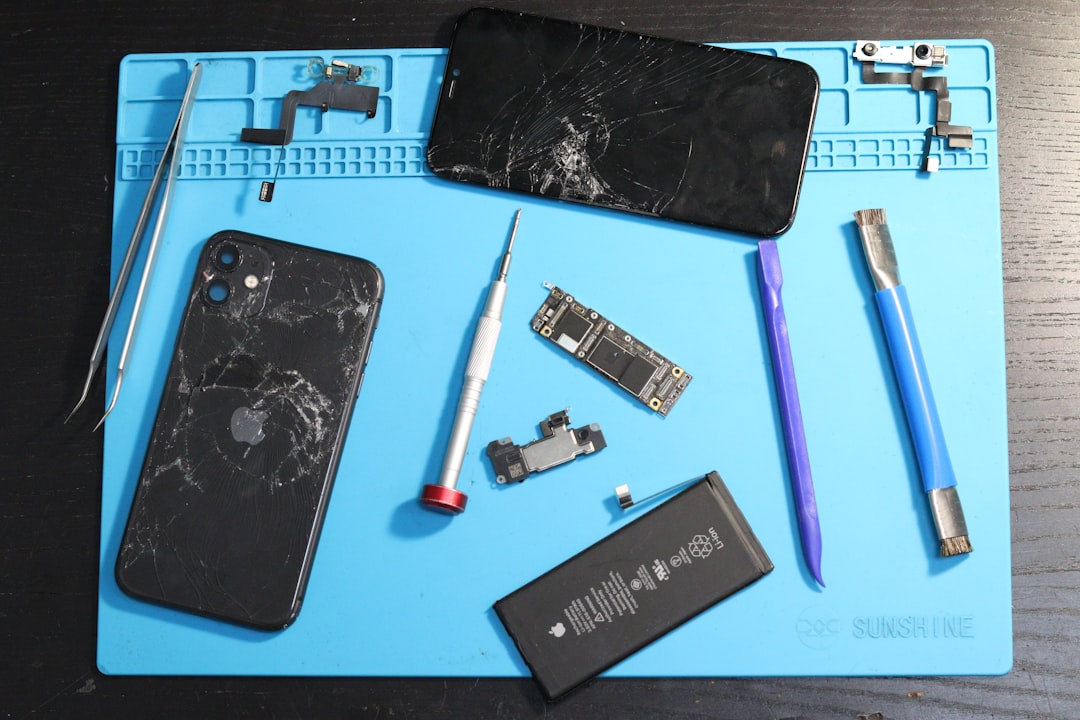
Landing pages must be purpose-built for each campaign. A successful screen repair landing page loads quickly, mirrors ad messaging, and showcases trust factors like reviews, certifications, and transparent pricing. When a visitor’s search intent is matched by relevant content and a frictionless booking form, conversion rates climb.
For repair businesses with multiple locations or service offerings, dynamic landing pages that adapt content based on ad group or keyword enhance personalization. Google’s resource provides guidance on creating effective landing pages for ad campaigns.
Integrating call tracking and form attribution ensures every conversion is accurately credited, closing the loop between ad spend and ROI.
Performance Optimization for Higher ROI
Continuous optimization separates high-growth repair shops from ones that stall out. Marketers should track which keywords, ads, and audiences produce paying customers, not just clicks, and shift budget accordingly. Conversion tracking that captures both online bookings and offline walk-ins gives a full-funnel view of what's actually working.
Optimizing for seasonality and device trends, and layering in audience insights from previous campaigns, keeps your strategy agile. For a practical guide on boosting your Google Ads results in the repair sector, see RepairLift.
Smart bidding strategies further stretch budgets, while real-time intent signals allow for rapid adjustments when market conditions shift.
Cross-Channel Integration for a Robust Marketing Ecosystem
The most effective Google Ads targeting for repair businesses happens when campaigns are not run in isolation. Integrating Google Ads with email, social, and direct outreach provides multiple touchpoints to nurture leads. When your data platform automatically syncs new leads and enriched profiles across channels, you reduce manual effort and ensure consistent messaging.
As leads move through the funnel, dynamic audiences and real-time updates enable coordinated retargeting, delivering the right message across every channel at the right time. This approach maximizes conversions and creates a consistent customer experience that builds repeat business.
Ready to streamline your lead capture and drive more revenue? Get started with a tailored onboarding experience.
Why Does Google Ads Matter for Screen Repair?
Screen repair businesses operate in a market where in-the-moment intent drives buying decisions, making precise digital marketing essential. Google Ads empowers these companies to surface their services directly to individuals experiencing urgent device issues and searching for immediate solutions.
- Addressing Specialized Audience Needs: Digital campaigns for screen repair must capture user intent at the exact moment a cracked device screen disrupts productivity. Google Ads allows businesses to present tailored offers to people actively searching for phone repair, laptop display fixes, or emergency screen solutions. By identifying the companies behind anonymous site visits, marketers can focus on the accounts showing the highest repair intent. Sona's Identity Resolution helps uncover these high-intent visiting companies, enabling more effective targeting and conversion.
- Tailored Messaging Over Generic Ads: The best-performing screen repair campaigns avoid broad, generic messaging that dilutes ROI. Modern Google Ads strategies enable marketers to segment by device type, urgency, and even location, ensuring that every ad aligns with the searcher's specific need. Real-time intent data can inform budget shifts, allowing businesses to concentrate spend on audiences who are most likely to convert, such as those researching local repair shops after a device mishap.
- Agility During Peak Demand Periods: Screen repair demand spikes during product launches, school seasons, and holidays. Google Ads provides the flexibility to increase visibility and adjust messaging as these market shifts happen. Dynamic audience updates mean marketing teams can automatically move leads through the funnel, retarget inquiries, and stay top-of-mind for high-value prospects. This agility ensures businesses respond to surges in broken screens with timely, relevant promotions. Emulent offers a deeper look at PPC strategies that adapt to shifting demand.
- Enhanced Analytics And Conversion Tracking: Understanding which campaigns drive actual store visits, calls, or completed repairs is key for ongoing optimization. With advanced conversion tracking, screen repair businesses can link online engagement to offline results, attributing revenue to specific keywords, audiences, and ad creatives. CRM and ad sync capabilities allow enriched leads to flow directly into platforms like Google Ads or Salesforce, supporting more personalized follow-ups and accurate measurement of marketing impact.
Google Ads for Screen Repair is ultimately about connecting need with solution in real time, leveraging modern analytics and automation to maximize ROI and customer satisfaction. Interested in actionable strategies? Explore our ROAS guide for screen repair businesses.
Common Types of Google Ads Campaigns for Screen Repair Services
A strong Google Ads strategy for screen repair services uses several campaign types, each aligned to the customer journey and optimized for conversion at every touchpoint. Smart revenue teams know that blending intent-driven search with visual and retargeting tactics maximizes exposure and captures urgent demand, all while building long-term brand equity in a competitive local market.
Unifying campaign management and measurement across these formats allows marketers to identify customer paths, attribute revenue, and activate personalized experiences that move leads from searchers to loyal customers. Google Ads campaign types provides a deeper look at these advertising formats.
- Search Campaigns: Search ads are essential for capturing high-intent prospects searching for solutions like "emergency screen repair near me" or "cracked iPhone display fix." These campaigns reach users when their purchase intent is highest, driving direct inquiries and service bookings. By connecting campaign data with company-level visitor identification, Sona's Identity Resolution helps shift budgets toward keywords and times when in-market buyers are most active, protecting ROI on ad spend.
- Display Ads: Display campaigns reinforce the brand and keep your services top-of-mind as potential customers browse relevant sites. Eye-catching visuals increase awareness and credibility, especially for users who haven’t yet decided where to book their repair. Integrating first-party intent data and CRM segments makes it possible to target display ads only to companies or individuals who have previously shown interest, leading to higher conversion rates and more efficient spend.
- Video Ads: Video campaigns build trust by showcasing technicians’ expertise and the repair process itself, which can be a key differentiator in a crowded market. These ads demonstrate transparency and professionalism, helping move prospects from consideration to action. Video engagement data, when unified with ad and CRM analytics, provides insight into which messaging resonates, allowing teams to personalize follow-up outreach and nurture high-value leads.
- Remarketing: Remarketing campaigns target previous website visitors, reminding them to book or return for additional services. By layering in dynamic audience updates, such as removing users who have already converted or adding those engaging with new offers, marketers can focus efforts on accounts most likely to close. One analysis in Emulent’s PPC strategy explores remarketing effectiveness in service-based PPC campaigns.
- Assets: Ad assets add layers of trust by displaying service accolades, instant booking links, locations, and direct call buttons. These enhancements increase click-through rates and reduce friction in the booking process. When assets reflect real-time data from sales and customer feedback systems, they can highlight top-rated services and most-requested repairs, aligning ad content with what local searchers care about most.
Each campaign type plays a critical role in a holistic digital marketing strategy for screen repair businesses. For more insights on optimizing performance, check out our guide on Google Ads ROI. By leveraging unified go-to-market data, teams can coordinate these campaigns for superior attribution, real-time optimization, and higher conversion rates across every channel.
Where to Find Growth Opportunities

Screen repair businesses that seek significant growth must look beyond standard digital channels and embrace a data-driven, targeted approach. Precision targeting reduces budget waste by focusing investment on quality leads with a demonstrated likelihood of conversion. This method not only sharpens campaign performance but also uncovers fresh market segments often missed by broad targeting strategies.
Conducting a comprehensive competitor gap analysis reveals underserved customer segments and competitor blind spots. By leveraging unified, account-level data, revenue teams can map out regions, device types, or customer profiles that lack adequate service coverage. This analysis enables businesses to refine their Google Ads for Screen Repair strategies, adjusting bids and creative to reach audiences competitors overlook. Emulent provides a deeper look at PPC strategies tailored for auto repair and related verticals.
Industry-specific placements in relevant forums and directories offer another avenue for expansion. These platforms attract users with immediate repair needs, resulting in higher intent and stronger ROI than generic ad networks. Sona's Identity Resolution identifies high-intent visiting companies and unifies intent data, helping screen repair marketers find accounts ready to buy and bridging the gap between search-driven awareness and direct engagement.
Developing a robust content retargeting strategy further extends reach among in-market prospects. By deploying how-to videos, troubleshooting guides, and expert repair tips, advertisers can nurture leads who may not convert immediately. As leads engage with content and move through the funnel, dynamic audience updates ensure that remarketing campaigns serve the right message at the right moment. For more insights on boosting Google Ads ROAS in the repair vertical, check out our guide on retargeting strategies. Synchronized audience and conversion data between Google Ads for Screen Repair, CRM, and sales systems ensures every campaign dollar supports measurable business outcomes.
How to Apply Audience Segmentation for Screen Repair
Audience segmentation is critical to efficient Google Ads for Screen Repair campaigns. By aligning your targeting with specific customer journeys, you transform outreach from generic impressions into tailored engagement, increasing conversion rates and reducing wasted spend. Effective segmentation ensures your message reaches the right device owners at the perfect decision-making moment.
- Define Segments: Segmenting by device type, such as tablets, smartphones, or laptops, enables you to customize campaigns for each repair need. Customers searching for iPad screen replacement have different urgency and price sensitivity compared to those needing a quick smartphone fix. By building audience lists for each segment, you ensure messaging, offers, and landing pages directly address unique pain points. This approach also enables granular performance tracking, revealing which device segments deliver your highest ROI. Google Ads segmentation provides a deeper look at best practices for audience targeting.
- Overlay Intent Signals: Not every visitor is equally motivated. Some need emergency repair after a drop this morning; others are researching routine maintenance for next month. Overlaying intent data, like recent search behavior or engagement with specific service pages, lets you prioritize the accounts most likely to convert. Sona surfaces intent signals in real time so you can shift budget toward the audiences ready to book now, which matters most for local service ads, where timing drives immediate foot traffic.
- Create Ad Groups By Segment: Customizing ad groups for each audience segment lets you tailor copy, offers, and bid strategies. For example, a campaign focused on “Google Ads for phone repair” can feature urgency-driven language (“same-day screen repair available”) and highlight quick turnaround, while a laptop repair segment may emphasize expert diagnostics or warranty services. By syncing enriched audience data with Google Ads, you keep segments updated as leads progress through the funnel, ensuring ongoing message relevance and higher engagement.
- Validate Conversion Paths: Measuring the true impact of segmented campaigns requires seamless tracking of every conversion event. Integrating advanced conversion tracking across both online and offline touchpoints, such as quote requests, phone calls, and in-store visits, provides a full view of your customer journey. For more insights on closed-loop measurement and attribution, check out our guide on revenue attribution. By syncing CRM data with your ad platforms, you capture enriched lead information, attribute conversions accurately, and identify which segments drive real business outcomes. This closed-loop measurement is essential for optimizing budget allocation and demonstrating ROI for digital marketing initiatives in the repair services sector.
This is also where measurement changes the economics. With Sona Marketing Measurement you can identify the companies behind your ad clicks, not just anonymous sessions, and segment audiences by who actually becomes a customer. That lets you build bid adjustments and audience signals around the segments that convert and de-prioritize the ones that don't, so you feed Google's algorithms "this click became a paying screen repair customer" instead of just "someone filled out a form."
Keyword Strategy & Sample Target Terms
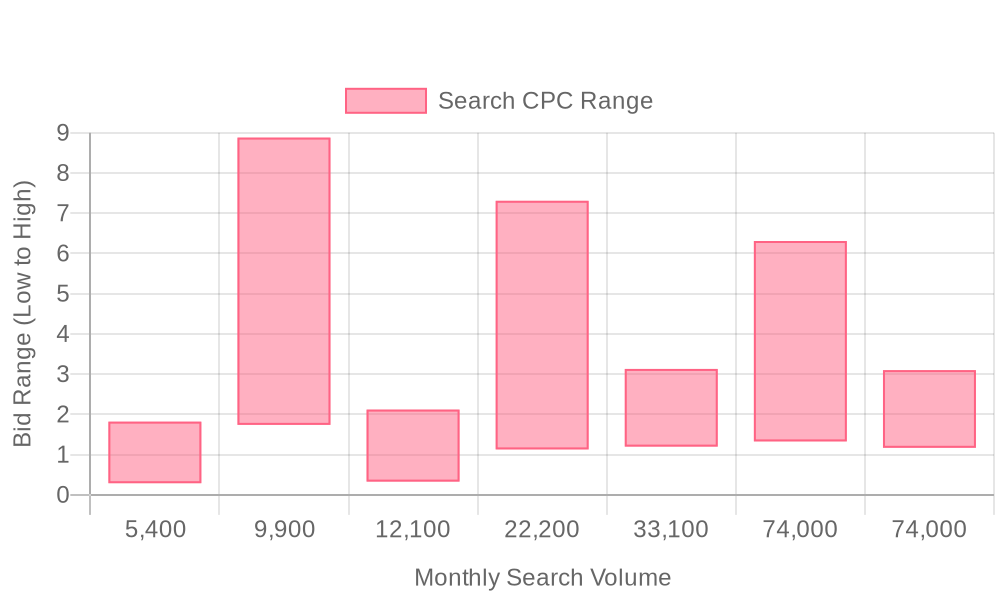
| Industry | Keyword | Monthly Search Volume | Competition Level | Low Bid | High Bid |
| Screen Repair | iphone xr screen replacement | 5400 | HIGH | 0.29 | 1.82 |
| Screen Repair | screen replacement near me | 9900 | LOW | 1.74 | 8.88 |
| Screen Repair | iphone 11 screen replacement | 12100 | HIGH | 0.33 | 2.12 |
| Screen Repair | screen repair | 22200 | LOW | 1.13 | 7.31 |
| Screen Repair | phone screen repair | 33100 | LOW | 1.2 | 3.13 |
| Screen Repair | screen repair near me | 74000 | LOW | 1.33 | 6.31 |
| Screen Repair | phone screen repair near me | 74000 | LOW | 1.17 | 3.1 |
Screen repair businesses succeed in digital marketing by deploying a keyword strategy that intercepts high-intent searches and filters out low-value clicks. The right approach balances precision with breadth, ensuring campaigns capture users who are ready to convert while avoiding wasted spend on non-commercial queries. Professionals who align keyword selection with user intent see measurable improvements in both ad relevance and downstream sales outcomes.
- Precision Targeting: Focused keyword targeting addresses specific customer needs, such as "affordable phone screen repair deals" or "cracked iPhone screen replacement near me." This strategy surfaces ads to prospects actively seeking solutions, increasing click-through and conversion rates. With Sona, marketers can analyze which keyword segments drive the most qualified traffic and tailor campaigns to match known buyer profiles, rather than relying on surface-level intent.
- High-intent Keywords: Prioritize search terms that signal readiness to purchase, including "best phone screen repair Google Ads," "fast screen replacement service," or "emergency tablet screen fix." These keywords attract users who have moved beyond research into the decision phase. Google Ads for phone repair provides a deeper look at this trend and offers practical tips for refining your keyword list.
- Negative Keywords: Implement a robust negative keyword list to exclude irrelevant or unprofitable queries like "DIY phone repair tips," "screen repair kit," or "free phone repair tutorial." Filtering these searches prevents wasted impressions and ensures ads appear only for users seeking professional services. Sona's dynamic audience filtering updates these exclusions as engagement patterns change, reducing campaign friction and driving consistent improvement in return on ad spend.
Through the combined use of precision targeting, high-intent keyword focus, and negative keyword management, screen repair advertisers can unify their campaign strategy around real business outcomes. Integrating advanced tools that sync audience and keyword performance directly into sales and CRM workflows further closes the loop, enabling both marketing and sales teams to act on unified, actionable data. For more insights on boosting campaign ROI, check out our guide on intent signals. This approach lays the groundwork for sustainable growth and measurable ROI in the competitive screen repair market.
Step-by-Step Campaign Execution Framework
Screen repair businesses operate in a hyper-competitive local services market where precision in digital marketing directly impacts revenue. Success is determined by the ability to attract urgent, high-intent visitors and efficiently convert them into scheduled repairs or in-store visits. Delivering a seamless, data-informed customer journey is the fastest path to reducing wasted spend and maximizing marketing ROI.
A meticulous campaign execution framework, tailored for Google Ads for Screen Repair, ensures every stage, from keyword targeting to conversion tracking, is optimized for both policy compliance and peak performance. Each step below has been designed to help digital marketers and revenue teams execute faster, with stronger attribution and actionable insights. For a deeper tactical breakdown, Google Ads policy guidelines provide essential compliance benchmarks for local service advertisers.
Step 1: Build Targeted Keyword Lists
- Cluster By Repair Type: Organize keywords into logical groups based on device (e.g., phone, tablet, laptop) and repair type (e.g., cracked screen, LCD replacement). This approach enables advertisers to deliver hyper-relevant ads and landing pages that match user intent, which in turn improves quality scores and lowers cost per click.
- Use 'Near Me' Or Location-based Modifiers: Incorporate geographic terms and proximity-based phrases such as "screen repair near me" or "iPhone screen replacement downtown." These modifiers capture customers searching with immediate purchase intent and are especially effective for local service ads. Precision in local targeting improves further when revenue teams can identify which neighborhoods or business districts drive the most qualified leads. Sona's Identity Resolution supports this by identifying and segmenting visiting companies.
- Include Long-tail And Question-based Queries: Expand reach and tap into underserved demand by adding long-tail keywords like "how much does phone screen repair cost" or "fast Samsung screen repair open now." These queries indicate high-intent, ready-to-convert prospects and can be quickly identified using dynamic audience insights, ensuring marketing budgets are allocated to the best-converting terms.
- Implement Negative Keywords To Refine Traffic: Filter out irrelevant clicks and protect budget by adding negative keywords such as "DIY," "tutorial," or unrelated device types. Continually refining negative keyword lists helps maintain campaign efficiency and reduces wasted ad spend, especially when negative matches are updated automatically as audience profiles evolve.
The upgrade most screen repair advertisers miss is going beyond raw keyword volume to layer in intent and identity signals. By connecting website-visitor data and CRM records with Sona Marketing Measurement, you can see which specific search terms bring in the accounts and customers that actually convert, and weight your keyword and bidding strategy toward those rather than the terms with the highest search volume alone.
Step 2: Develop Compelling Ad Copy
- Utilize Pressing Pain Points In Headlines: Headlines that speak to urgency or pain, such as "Cracked Your Screen? Get It Fixed Today", directly connect with in-market prospects. Aligning ad creative with the most frequent customer issues increases click-through rates and drives more qualified leads to your site.
- Highlight Certifications And Customer Reviews: Featuring trust drivers like "Certified Technicians" or showcasing five-star Google reviews in ad copy builds credibility and reduces friction for first-time customers. When marketers sync real-time feedback and ratings into their ads, they can dynamically surface the strongest proof points to match the prospect’s stage in the buying journey.
- Offer Incentives Like Free Diagnostics Or Discounted First Services: Incentives such as "Free Diagnostic with Repair" or "10% Off Your First Visit" are highly effective at converting price-sensitive, undecided leads. Marketers can further personalize these offers by using enriched data from previous interactions, ensuring the most compelling incentives are shown to audiences most likely to respond. For a practical look at incentive-driven ad copy, Emulent’s PPC strategy explores how similar tactics drive conversions in local service campaigns.
Step 3: Design Effective Landing Pages
- Maintain Consistent Messaging Throughout Keyword → Ad → Page: Consistency from search term to landing page is crucial for both compliance and conversions. Each landing page should mirror the language and offer featured in the corresponding ad group, minimizing confusion and building trust.
- Include Trust Signals And Interactive Elements Like Calculators: Prominent display of certifications, warranty badges, and customer testimonials reassures visitors of service quality. Interactive tools, such as instant quote calculators, engage users and collect valuable intent data, which can be fed back into campaign optimizations for future targeting.
- Ensure All Ctas Are Clear And Mobile-friendly: Strong, action-oriented calls to action such as "Book Your Repair" or "Call Now for Appointment" guide users into the next step. Most screen repair searches happen on a phone, often with a cracked one, so a tap-to-call button and a form that doesn't require zooming or scrolling matter more here than in most verticals.
Step 4: Implement Data-Driven Optimizations
- Track Comprehensive Conversions: Accurate conversion tracking goes beyond online form fills. By integrating online and offline data, such as in-store visits or phone inquiries, revenue teams can close the loop on campaign ROI. Tools that sync CRM data with Google Ads enable marketers to attribute revenue to specific keywords and ads, revealing the true performance of each campaign.
- Use Smart Bidding Strategies Like Target Cpa: Automated bidding strategies, such as Target CPA, use real-time intent signals to dynamically adjust bids for high-converting audiences. When these strategies are informed by unified, cross-channel data, including visitor engagement and historical lead quality, marketers can lower cost per acquisition while maintaining lead volume. Sona covers strategies for maximizing Google Ads ROAS in more depth.
- A/b Test Various Aspects Of Ads And Landing Pages: Systematic A/B testing of headlines, images, offers, and landing page layouts identifies which combinations drive the highest conversion rates. Dynamic audience segmentation allows these tests to be tailored to different buyer personas, optimizing performance for each segment.
- Import Offline Conversion Data To Enhance Bid Strategies: Feeding data from completed repairs, upsells, or repeat visits back into Google Ads ensures smart bidding algorithms prioritize audiences with the highest lifetime value. Automated syncing between CRM, analytics, and ad platforms lets marketers refine targeting and messaging based on actual business outcomes, not just online interactions.
Sona Marketing Measurement closes the gap between clicks and revenue. It captures ad clicks with first-party, company-level tracking, ties that click through UTM capture and ad-platform APIs to the actual record in your CRM, and reports ROAS by keyword and campaign instead of by last-click form fill. Feeding that revenue signal back into Smart Bidding and Performance Max compounds over time: the algorithms optimize toward booked screen repair revenue, not cheap leads.
Tips on Expanding Your Screen Repair Presence
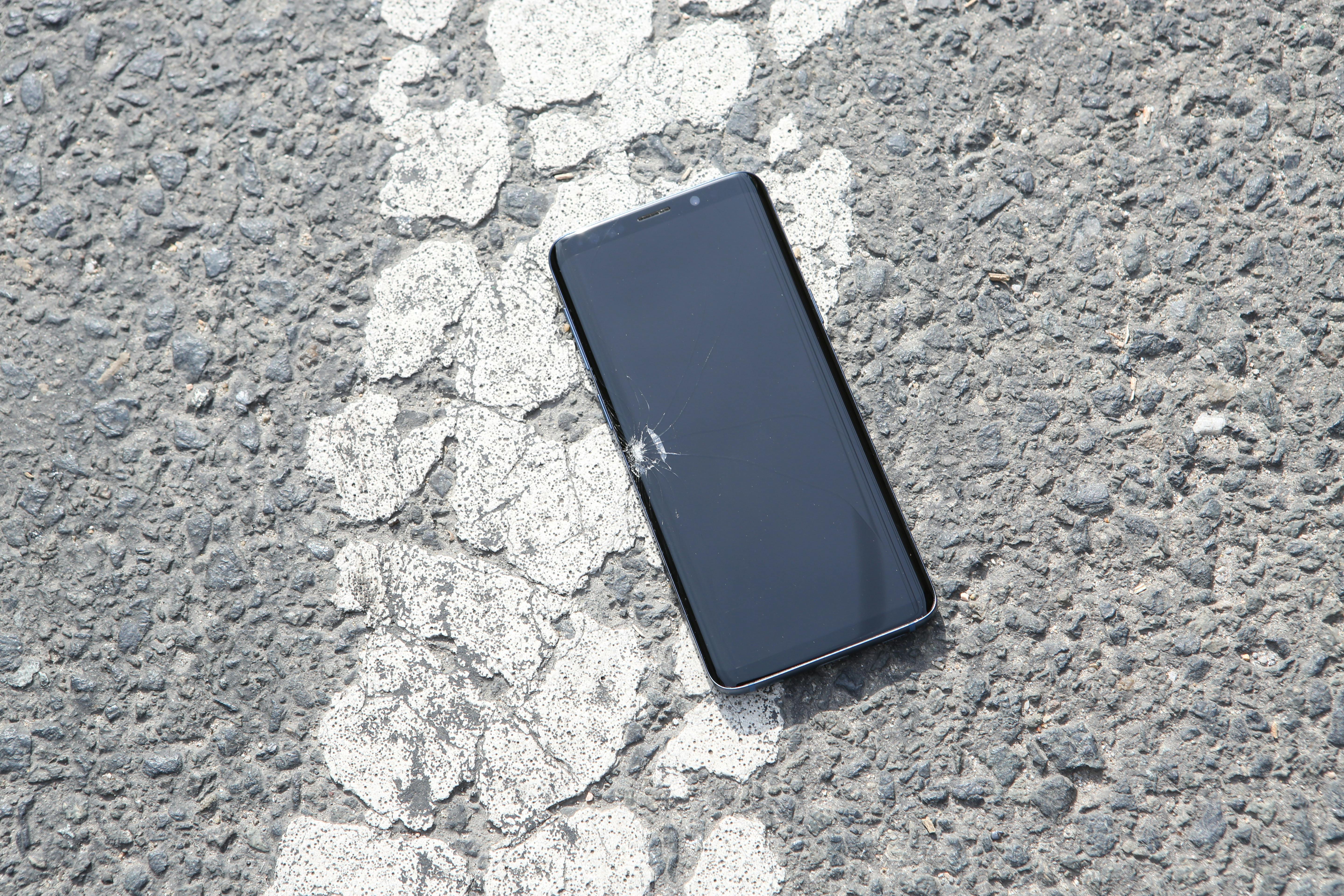
Screen repair businesses can achieve sustained growth by moving beyond transactional marketing and embracing strategies that nurture engagement across the customer journey. Combining educational content, upselling tactics, and agile audience management ensures your brand remains relevant and top-of-mind, even as consumer behavior shifts.
- Cross-promoting Educational Content Through Retargeting: Customers researching screen repair often need guidance on device care, pricing, or warranty issues. Retargeting visitors with educational assets, like articles on device maintenance or explainer videos about the repair process, keeps your brand present while building trust. Identifying which companies or high-value accounts are behind anonymous browsing lets you point that content at the visitors most likely to convert or refer. Sona's Identity Resolution helps you identify and segment valuable website visitors, making retargeting more precise.
- Upselling Related Services Using Segmented Audiences: Effective upselling requires more than broad messaging. With dynamic audience segmentation, it's possible to identify customers who have already shown intent for screen repair and retarget them with offers on accessories, protection plans, or bundled device services. Integration between your CRM and Google Ads makes it seamless to sync enriched audience segments into campaigns, automatically updating lists as customers move from repair inquiries to completed jobs. Emulent guide provides a deeper look at using PPC strategies to boost upsell opportunities in repair businesses.
- Monitoring Shifts In Visitor Data Ensures Targeting Remains Relevant; Prioritize Adaptive Audiences: The screen repair market is highly local and frequently impacted by trends like device launches or weather events. Advanced analytics platforms that unify real-time visitor data with campaign performance enable you to detect shifts in demand, such as increased search volume for "cracked iPhone 15 screen" after a new release. For more insights on intent-based targeting, check out our guide on intent retargeting.
- Recognizing Seasonal Trends To Adjust Advertising Strategy: Demand for screen repair fluctuates around back-to-school periods, holidays, and local events. By monitoring historical data and real-time signals, you can schedule campaigns to peak when intent is highest, like promoting fast-turnaround laptop repairs in August or highlighting giftable repair vouchers during the winter holidays. Google Ads tips shares industry benchmarks for optimizing seasonal campaigns, helping you align your marketing calendar with customer needs.
Final Thoughts
Executing high-performing Google Ads campaigns for screen repair businesses hinges on methodical keyword targeting and precise audience segmentation. Identifying the most relevant device issues and intent signals lets you focus ad spend on those most likely to convert, ensuring budgets are allocated for maximum return.
High-impact creative assets and seamless user experiences are fundamental for capturing attention and driving action. Well-crafted ad copy, combined with tailored landing pages, delivers a consistent brand message and addresses the unique needs of customers searching for screen repair solutions. Leveraging real-time data and customer insights enables you to adapt creative elements and offers dynamically, increasing relevance and conversion rates.
Ongoing, real-time optimization is critical for maintaining performance as market conditions shift. Access to accurate and unified data allows you to identify high-converting audiences in the moment and dynamically adjust bid strategies or messaging. Solutions such as Sona support automatic syncing of enriched lead and audience data into Google Ads, enabling more precise retargeting and upsell campaigns.
Comprehensive integration with your overall marketing strategy ensures that every digital touchpoint works in concert, moving prospects through the funnel efficiently. Emulent PPC Google Ads Guide provides a deeper look at how auto repair shops can align online advertising with offline touchpoints to better attribute ROI across channels.
Google Ads for screen repair rewards businesses that treat urgency as the product: fast keyword targeting, fast follow-up, fast page load. Fixing the gaps, stale audience data, slow lead response, campaigns that don't distinguish an emergency drop from a routine tune-up, is usually enough to pull ahead of local competitors still running generic campaigns.
Beyond Google Ads: Winning the AI Answers Screen Repair Buyers Now Trust
Paid search captures demand at the moment someone types a query. But a fast-growing share of screen repair buyers no longer start at Google at all, they ask ChatGPT, Gemini, or Perplexity before they ever run a search, and Google's own AI Overviews increasingly summarize an answer above the traditional results. If your business isn't referenced in those AI answers, you're invisible at the exact moment buyers build their shortlist.
Sona AI Visibility shows where your business shows up across ChatGPT, Gemini, Perplexity, Google AI Overviews, and 10+ engines, and, much like a keyword report, which prompts actually send you buyers, so you can prioritize the ones that convert. Run the two together and you cover the entire buyer path: get cited where buyers research (AI Visibility), then prove which of that demand turns into booked revenue (Marketing Measurement).
Helpful resources
Conclusion
The shops winning right now are the ones that treat a Google Ads click as the start of a timed race, not the finish line: identify the account, route the lead, and follow up before the customer calls the next name on the search results page. That discipline, more than any single bid strategy, is what turns ad spend into a full appointment book.
Ready to see how powerful your campaigns can be? Start for free to explore the platform.
FAQ
What are the best practices for Google Ads in the screen repair industry?
Best practices include using targeted keyword strategies, timely engagement with prospects, integrating advanced tracking and attribution, and using a unified view of campaign performance to optimize budget allocation.
Why are my Google Ads for screen repair being denied?
Ads may be denied due to non-compliance with Google Ads policy guidelines, which require consistency in ad messaging, proper keyword targeting, and adherence to advertising standards.
What keywords should I use for Google Ads targeting screen repair?
Use high-intent keywords such as 'emergency iPhone screen repair near me,' incorporate device type and urgency, and include location-based terms to capture local intent.
How can I optimize my Google Ads budget for a screen repair business?
Optimize your budget by shifting funds to high-converting channels and audiences, using smart bidding strategies, and leveraging data-driven insights to prioritize high-intent prospects.
What are the common restrictions for advertising screen repair services on Google?
Common restrictions include adhering to Google's advertising policies, ensuring ad content is relevant and consistent, and avoiding misleading or broad, generic messaging that can dilute ROI.







