


A scalp clinic's phone often goes quiet within minutes of a missed follow-up: the prospect has already booked with a competitor. Google Ads for scalp treatment services rewards clinics that pair precise targeting with fast, connected data, and punishes those that don't. Services like scalp micropigmentation and hair restoration convert best when online engagement is tracked all the way through to a booked appointment. This guide covers how to build that connection, from campaign structure to measurement, so leads turn into revenue rather than static in your ad account.
How to Generate Google Ads for Scalp Treatment Services Leads: A Step-by-Step Guide
Scalp treatment providers face a fast-moving digital environment where every untracked inquiry can represent thousands in lost revenue. Connecting your Google Ads strategy directly into your broader marketing operations introduces new levels of visibility, letting you reach and nurture high-intent prospects at exactly the right moment. For a deeper dive into identifying and targeting high-value accounts from your website traffic, review this guide to account identification.
This guide delivers a tactical approach to Google Ads for scalp treatment services, blending proven digital marketing strategies with advanced data integration. By refining your targeting, optimizing your messaging, and enhancing your lead capture ecosystem, you can maximize every advertising dollar and convert more visitors into loyal clients. Get started for free with Sona.
Why Google Ads Matter for Scalp Treatment Providers
Scalp treatment clinics and hair care professionals rely on digital channels to attract clients actively researching solutions for hair loss, scalp health, and related procedures. Google Ads for scalp treatment services stands out for its ability to connect your business with prospects displaying clear commercial intent, searchers looking for scalp micropigmentation, PRP therapies, or advanced restoration treatments in their area, often after months of researching a condition they're finally ready to address.
With paid search and display campaigns, you can ensure your clinic is visible in the micro-moments when prospects are most likely to book a consultation. The right campaign structure not only increases visibility but also enables precise cost control, robust measurement, and rapid scaling as demand grows. To further understand how precise measurement impacts your pipeline, refer to measuring marketing’s influence on the sales pipeline.
Common Types of Google Ads Campaigns for Scalp Services
- Search Campaigns: Place your ads on Google’s search results for high-intent keywords such as “scalp treatment near me,” “hair loss solutions,” or “scalp micropigmentation ads.” This approach captures active in-market buyers at the point of need. Discover more about high-performing Google Ads keywords for hair restoration marketing.
- Display Campaigns: Reach audiences browsing relevant websites, health blogs, or beauty forums. Display ads are ideal for raising awareness of your services and promoting special offers to a wider but still relevant pool. Explore our step-by-step playbooks for additional campaign tactics.
- Local Service Ads: Showcase your clinic to users in your geographic area, streamlining appointment requests and supporting local advertising for scalp services.
- Remarketing Campaigns: Re-engage visitors who explored your website, viewed service pages, or began an intake form but did not convert. These ads keep your brand top-of-mind and pull warm leads back into your funnel.
- Video Campaigns: Use YouTube and partner networks to share testimonials, procedure walk-throughs, and educational content that build trust and drive intent higher.
Step-by-Step Campaign Execution Framework
Step 1: Build Targeted Keyword Lists
Begin by identifying keywords that match the conditions, treatments, and solutions your ideal clients search for. Go beyond broad terms, layer in long-tail keywords like “PRP scalp injections [city],” “scalp psoriasis treatment clinic,” and “hair restoration advertising for women.” A focused keyword list reduces wasted spend and sharpens your targeting to those most likely to convert.
Integrate historical CRM lead data and website engagement signals to regularly refresh and expand your keyword targets. By using data unification platforms, you can surface new high-performing terms, quickly adjust for seasonality, and ensure your ads are always aligned with real-world demand.
Step 2: Segment and Build High-Intent Audiences
Effective Google Ads targeting for salons and clinics starts with precise audience intelligence. Use demographic and geographic filters to focus on your service radius, then overlay behavioral signals, such as recent searches for “digital marketing for hair clinics” or frequent visits to beauty service directories. For a practical overview of audience segmentation in action, see this case study on lead generation for a hair and skin clinic.
Syncing enriched audiences across your CRM, Google Ads, and sales tools removes manual list uploads and eliminates data silos. This real-time audience management keeps your campaigns agile as leads progress through the funnel, enabling more personalized follow-ups and higher conversion rates.
Step 3: Optimize Ad Creatives and Landing Experiences
Write ad copy that speaks directly to the prospect's pain points and highlights your unique approach to scalp health. Use trust signals such as certifications, client reviews, or medical credentials. Incorporate ad assets to feature your location, phone number, and links to before-and-after galleries.
Pair your ads with landing pages that are mobile-optimized and relevant to the searcher’s intent, whether it’s a page on hair restoration advertising for men, a guide to PRP therapy, or a scalp health diagnostic tool. Advanced conversion tracking lets you attribute every call, form submission, and booked consultation, whether it originates online or from an offline interaction.
Step 4: Measure, Attribute, and Retarget
Track every stage of the lead journey with advanced attribution models that connect Google Ads clicks to CRM outcomes. This enables you to measure true ROI and shift budget to the keywords, creatives, and audience segments delivering the best results.
Retarget visitors who have shown interest but haven’t yet booked, using customized messaging based on their prior interactions. Segment retargeting lists by service viewed, engagement depth, and source channel to maximize relevance and lift conversion rates. Integrating your CRM and ad platforms ensures that once a lead converts, they are automatically excluded from prospecting campaigns, protecting your budget and improving customer experience.
Why Does Google Ads Matter for Scalp Treatment Services?
For clinics and providers in the scalp treatment sector, every lead represents a potential long-term client relationship and significant revenue opportunity. Google Ads empowers these organizations to intercept searchers with immediate needs, offering precise targeting and rapid engagement that match the urgency of hair loss or scalp health inquiries.
Scalp treatment services rely on timely outreach; delays can result in lost opportunities as prospects explore alternatives or lose interest. Google Ads allows for real-time alignment between service availability and patient demand, especially during high-volume periods such as seasonal shedding spikes or promotional campaigns. To streamline this process, clinics can benefit from identifying website visitors to prioritize and engage the most interested leads.
With the complexity of scalp conditions and the diverse demographics seeking solutions, advanced audience segmentation becomes vital. Marketers can use Google Ads to reach distinct segments, such as those searching for scalp micropigmentation ads, hair restoration advertising, or advanced trichology services, ensuring tailored messaging for each group. The platform’s integration with real-time audience data means clinics can continuously refine their targeting, activating only the most qualified leads and efficiently reallocating budget as new high-intent accounts emerge.
For B2B revenue teams supporting hair clinics or beauty service franchises, Google Ads also enables seamless sync between enriched lead profiles and campaign audiences. This unified approach ensures that both online form fills and offline inquiries are attributed, allowing for accurate ROI measurement and swift follow-up.
Common Types of Google Ads Campaigns for Scalp Treatment Services
Scalp treatment providers can deliver substantial value to their clients by segmenting campaigns for maximum relevance. Investing in campaign structures tailored to user intent and engagement stage consistently results in higher lead quality and more predictable revenue outcomes. For a deeper dive into effective campaign setup and optimization, review this guide to Google Ads for beauty salons.
- Search Campaigns: Search campaigns are crucial for capturing high-intent prospects actively seeking scalp treatment services, scalp micropigmentation, or hair restoration solutions. By targeting precise keywords like “scalp treatment near me” or “PPC for scalp treatments,” clinics can appear at the top of results right when decision-making happens. Enhanced segmentation and dynamic audience updating, powered by data unification, allow marketers to adjust bids and creative based on real-time visitor intent. As leads interact with sites and move through the funnel, enriched CRM and ad audience sync ensures only the most qualified prospects are prioritized, supporting more efficient spend and higher conversion rates.
- Display Ads: Display campaigns excel at remarketing to previous visitors and building awareness among broader audiences interested in beauty services or hair restoration advertising. For clinics aiming to re-engage users who have browsed specific treatment pages without converting, display ads serve tailored creative that reflects the user’s journey and readiness to book. Dynamic audience management means remarketing lists can automatically refresh based on real-time behavior, ensuring that ads reach users at the optimal moment in their research cycle. Integrated visitor identification further enables clinics to recognize key accounts and personalize messaging for each stage of the buying process.
- Video Ads: Video campaigns provide a compelling way to showcase complex scalp services or demonstrate the transformation possible through advanced treatments. Whether explaining the benefits of scalp micropigmentation or illustrating post-treatment results, these ads build credibility and trust with potential clients. Advanced conversion tracking connects video engagement and offline consultations, giving marketers a clear view of how digital touchpoints drive real-world appointments. This holistic attribution lets revenue teams optimize creative, placement, and budget allocation with confidence.
Modern clinics and B2B marketers managing online marketing for scalp services benefit most from a multi-campaign approach. By segmenting campaign types and unifying data across CRM and ad platforms, teams can drive both immediate lead generation and long-term brand preference in a competitive space.
Where to Find Growth Opportunities?
Growth for scalp treatment providers depends on clarity in identifying which companies and personas are interacting with high-value web pages. Many teams waste resources pursuing leads that appear active but lack real intent, which results in missed revenue opportunities and inefficient campaign allocation. By leveraging deep audience analytics, marketers can pinpoint the organizations behind anonymous traffic and connect those actions directly to account-based strategies.
Vertical keyword targeting is essential for surfacing underexploited market segments. While terms like "scalp micropigmentation ads," "hair restoration advertising," and "PPC for scalp treatments" draw direct demand, analyzing adjacent search queries reveals untapped niches within digital marketing for hair clinics and local advertising for scalp services. For step-by-step guidance on campaign setup and optimization, review this guide to Google Ads for beauty salons. This insight allows teams to refine targeting and messaging, ensuring every dollar is invested in segments with proven potential.
Competitor analysis provides a roadmap for expanding reach and capturing market share. By assessing ad placements, creative strategies, and engagement trends across industry leaders, revenue teams can spot missed placements or overlooked channels in online marketing for scalp services. Sona surfaces intent signals from real-time behavioral data, so teams can shift budgets dynamically to accounts demonstrating the highest likelihood to convert, maximizing both short-term lead generation and long-term growth.
Advanced visitor identification tools support granular prioritization by surfacing not just visits, but the full context of company, persona, and funnel stage for each interaction. Dynamic audience segmentation further ensures that as leads progress or new in-market accounts emerge, campaign targeting evolves automatically. This unified approach empowers B2B marketing and sales teams to consistently identify, pursue, and convert the highest-value growth opportunities in a competitive scalp treatment landscape. Get started for free with Sona.
How to Apply Audience Segmentation for Scalp Treatment Services
Precise audience segmentation gives scalp treatment providers a path to higher conversion rates and more efficient campaigns. By mapping intent signals to each stage of the customer journey, marketing teams can move beyond generic outreach and deliver offers that match real patient needs in real time.
Segmenting audiences for scalp treatment services begins with an understanding of the nuanced buyer journey. Prospects researching hair restoration or scalp micropigmentation often progress from symptom-based queries to solution-focused searches, signaling intent at each stage. For a step-by-step approach to using Google Ads for driving qualified leads to hair clinics, review this guide to Google Ads for hair restoration and transplants.
To operationalize audience segmentation, combine first-party website engagement, CRM attributes, and in-market behavioral data. This approach enables dynamic audience lists that update as leads progress from initial research to conversion. Marketers can then serve relevant ads to high-intent segments, such as users who have viewed specific treatment pages or requested a virtual scalp analysis.
Advanced segmentation also empowers marketers to identify previously anonymous website visitors, revealing company-level details and uncovering new B2B partnership opportunities. With enriched data feeding directly into advertising and CRM platforms, teams can sync custom audiences for scalp treatment lead generation and retargeting across channels.
Audience segmentation transforms disconnected traffic into actionable intelligence, supporting every aspect of online marketing for scalp services. With up-to-date lists and intent-rich insights, revenue teams can prioritize their outreach, optimize conversion pathways, and drive tangible results from PPC for scalp treatments.
This is also where measurement changes the economics. With Sona Marketing Measurement you can identify the companies behind your ad clicks, not just anonymous sessions, and segment audiences by which accounts actually become customers. That lets you build bid adjustments and audience signals around the segments that convert and de-prioritize the ones that don't, so you feed Google's algorithms "this click became a paying scalp treatment services customer" instead of just "someone filled out a form."
Keyword Strategy & Sample Target Terms
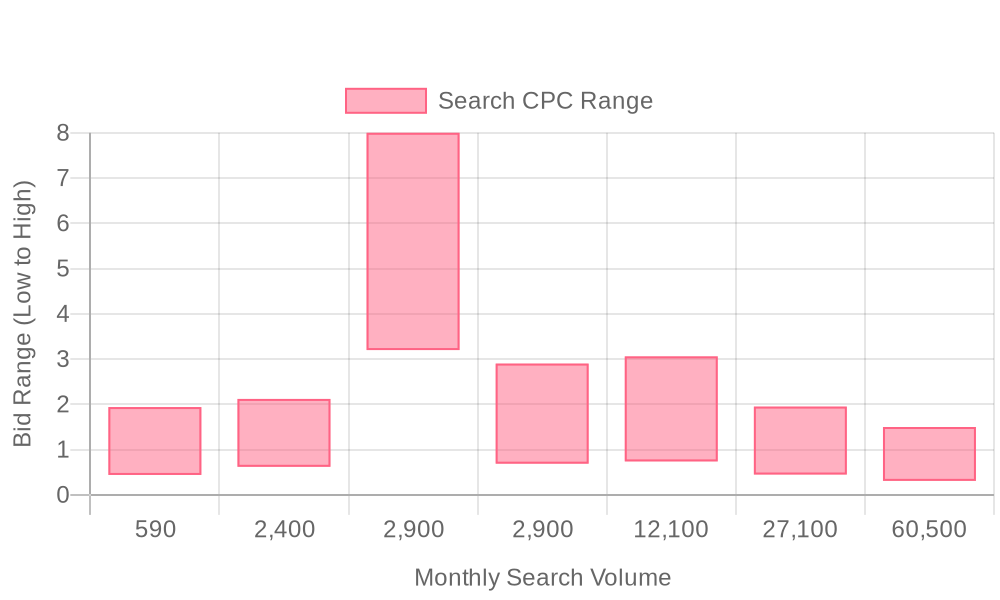
| Industry | Keyword | Monthly Search Volume | Competition Level | Low Bid | High Bid |
| Scalp Treatment Services | head therapy spa | 590 | HIGH | 0.44 | 1.94 |
| Scalp Treatment Services | scalp treatment salon | 2400 | HIGH | 0.62 | 2.12 |
| Scalp Treatment Services | scalp micropigmentation cost | 2900 | LOW | 3.2 | 8 |
| Scalp Treatment Services | scalp facial near me | 2900 | MEDIUM | 0.69 | 2.9 |
| Scalp Treatment Services | scalp treatment near me | 12100 | MEDIUM | 0.74 | 3.06 |
| Scalp Treatment Services | japanese head spa near me | 27100 | MEDIUM | 0.45 | 1.95 |
| Scalp Treatment Services | scalp massage | 60500 | HIGH | 0.31 | 1.5 |
A precise keyword strategy forms the backbone of any high-performing paid search campaign in the scalp treatment sector. In this industry, the distinction between general beauty queries and high-intent, treatment-ready searches directly impacts lead quality and acquisition cost. Professionals who consistently outperform the market do so by identifying nuanced intent signals and structuring their campaigns to filter out noise before it drains their budget.
Effective scalp treatment advertising starts with meticulous research and segmentation of keywords tailored to the full patient journey. High-value terms like "scalp micropigmentation clinics," "PRP hair restoration near me," and "scalp psoriasis specialist" capture qualified demand with strong intent to book consultations or procedures. Supporting this, phrase match and exact match targeting for localized variants such as "hair loss treatment [city]" and "scalp rejuvenation services" help drive volume without sacrificing relevance. Negative keywords are equally critical, eliminating unrelated beauty services, generic "hair care" queries, or DIY searches that rarely convert. For a comprehensive list of high-performing Google Ads keywords specific to this vertical, review this hair restoration keywords resource.
A modern B2B revenue team can further elevate results by leveraging real-time audience tracking and unified intent data. Instead of guessing which keywords bring in serious prospects, marketers can see which companies and individuals are actively researching scalp therapies or comparing providers. This makes it possible to dynamically adjust keyword prioritization and budget allocation to focus only on accounts showing true purchase signals. Marketing and sales teams benefit from real-time enrichment: as new leads engage, enriched profiles are pushed into Google Ads and CRM platforms, keeping audience lists accurate and campaigns agile. By integrating these workflows, every click and form fill is traced back to pipeline and revenue, not just vanity metrics. To experience this level of precision, get started for free with Sona.
Step-by-Step Campaign Execution Framework
Precision and structure drive successful Google Ads for Scalp Treatment Services. Every campaign benefits from a disciplined process that transforms market data into high-value conversions and streamlined lead pipelines.
Step 1: Build Targeted Keyword Lists
Start by researching and curating comprehensive keyword sets focused on scalp treatment lead generation, scalp micropigmentation ads, and specific service queries such as "hair restoration advertising" or "PRP scalp therapy near me." Incorporate local intent phrases like "scalp treatment clinic [city]" to capture high-converting, in-market audiences. Strengthen your keyword strategy by layering negative keywords and analyzing real-time search trends, ensuring each dollar is spent against the most likely buyers. For additional keyword insights, explore this comprehensive list of hair restoration keywords to enhance your campaign targeting.
Modern marketers can now go beyond basic keyword intent by identifying companies showing actual purchase signals. Platforms that unify search, web, and CRM data reveal which prospects are actively researching scalp services and where they are in the decision process. As keywords trigger engagement, these platforms highlight in-market accounts in real time, allowing teams to concentrate spend on high-value segments. Unlock these capabilities with Sona's Identity Resolution to discover which companies visit your site, and learn more strategies in our Account Identification guide.
The upgrade most scalp treatment services advertisers miss is going beyond raw keyword volume to layer in intent and identity signals. By connecting website-visitor data and CRM records with Sona Marketing Measurement, you can see which specific search terms bring in the accounts and customers that actually convert, and weight your keyword and bidding strategy toward those rather than the terms with the highest search volume alone.
Step 2: Write Compelling Ad Copy
Craft ad messaging that speaks directly to target pain points, such as thinning hair or chronic scalp conditions, while highlighting unique solutions and expertise. Use clear calls to action like "Book a Free Scalp Analysis" or "Restore Your Confidence Today." Ensure ad copy is tailored for both search and display formats, balancing credibility with urgency to maximize click-through rates.
Integrate dynamic elements by syncing real-time audience insights from your CRM and web analytics. As leads move through research and consideration, ad copy can automatically adapt, emphasizing different benefits for first-time searchers versus returning visitors. This level of personalization builds stronger engagement and drives higher conversion rates. For a practical look at successful ad strategies for beauty clinics, review this case study on optimizing Google Ads for hair clinics.
Step 3: Design High-Converting Landing Pages
Develop dedicated landing pages that mirror each ad group’s keyword intent and message. Pages should load quickly, present strong trust signals (testimonials, certifications), and include conversion-focused forms or click-to-call buttons. Address specific scalp concerns and treatment options, offering educational content that positions your clinic as a trusted authority.
Leverage advanced visitor identification to present customized landing experiences. Recognize repeat visitors or known accounts by company, dynamically serve relevant case studies, and pre-fill forms for returning prospects. This reduces friction and improves overall lead quality. See how effective landing pages drive appointments by visiting this online booking page for hair restoration.
Step 4: Launch and Optimize Campaigns
Activate your campaigns with clear goals around cost per acquisition, lead quality, and patient bookings. Utilize conversion tracking to capture both online and offline events, ensuring every appointment, phone inquiry, or form fill is measured and attributed. Routinely monitor search terms, ad performance, and landing page analytics to uncover quick wins and long-term opportunities.
As campaigns run, sync enriched audience segments directly with your Google Ads and CRM. Continuously update target lists as leads engage or move through the funnel, supporting dynamic retargeting and lookalike expansion. Use data-driven insights to shift budget toward channels, times, and locations showing the highest close rates. With unified data and automated optimization, every aspect of your digital marketing for hair clinics becomes more effective, measurable, and scalable. Get started for free with Sona.
Sona Marketing Measurement closes the gap between clicks and revenue. It captures every ad click with first-party measurement, then ties that click through UTM capture and ad-platform APIs to the actual record in your CRM, and reports ROAS by keyword and campaign instead of by last-click form fill. Feeding that revenue signal back into Smart Bidding and Performance Max compounds over time: the algorithms optimize toward booked scalp treatment services revenue, not cheap leads.
Tips on Expanding Your Scalp Treatment Presence
Scalp treatment providers that leverage connected data and unified insights consistently outperform competitors who operate in siloes. By integrating digital touchpoints and synchronizing campaign strategies, clinics and brands can create a seamless journey that addresses every stage of the patient lifecycle. Explore how medical spas can use Google Ads to attract new patients, and discover additional strategies in our step-by-step playbooks.
Cross-channel insights are foundational for expanding reach. Marketers who analyze Google Ads data alongside CRM, website, and offline behaviors can quickly identify which keywords drive not just clicks, but high-value patient appointments. These insights empower teams to shift budget toward channels and keywords with proven conversion results, increasing efficiency and revenue. For a detailed guide on integrating ad platform cost data into your analytics, see our resource on importing cost data into Google Analytics.
Retargeting and upselling become more effective when marketers pinpoint who has engaged with specific scalp treatment ads or visited high-intent landing pages. Dynamic audience updates ensure that prospects who move from initial inquiry to consultation receive timely, personalized messaging that guides them toward booking and additional services such as PRP, scalp micropigmentation, or follow-up care. Partnering with industry leaders and complementary clinics enhances credibility and generates referral traffic, further boosting campaign impact.
Unified platforms allow teams to identify the companies behind anonymous website visits, attribute conversions both online and offline, and sync enriched audience segments into Google Ads and CRM systems. This enables precise, real-time targeting for PPC campaigns focused on scalp treatments, local advertising for scalp services, and broader digital marketing for hair clinics. These capabilities turn disconnected data into actionable intelligence, supporting cohesive growth and maximizing return on every advertising dollar spent.
Beyond Google Ads: Winning the AI Answers Scalp Treatment Services Buyers Now Trust
Paid search captures demand at the moment someone types a query. But a fast-growing share of scalp treatment services buyers no longer start at Google at all, they ask ChatGPT, Gemini, or Perplexity before they ever run a search, and Google's own AI Overviews increasingly summarize an answer above the traditional results. If your business isn't referenced in those AI answers, you're invisible at the exact moment buyers build their shortlist.
Sona AI Visibility shows where your business shows up across ChatGPT, Gemini, Perplexity, Google AI Overviews, and 10+ engines, and, much like a keyword report, which prompts actually send you buyers, so you can prioritize the ones that convert. Run the two together and you cover the entire buyer path: get cited where buyers research (AI Visibility), then prove which of that demand turns into booked revenue (Marketing Measurement).
Helpful resources
Conclusion
Scalp treatment advertising rewards clinics that treat every click as a potential long-term client, not a one-time booking. The clinics winning this channel now are the ones connecting Google Ads data to CRM outcomes, so budget follows proven revenue rather than guesswork.
The next twelve months will matter more than the last few: as AI search tools and Performance Max reshape how scalp treatment buyers research and compare providers, clinics with clean, connected data will out-bid and out-convert those still relying on last-click reporting.
We invite you to start for free to see how Sona unifies your go-to-market data into insights that drive bookings, not just clicks.
FAQ
What are the best practices for Google Ads in scalp treatment services?
Best practices include precise audience targeting, seamless data integration, and using advanced data-driven insights to connect lead generation to sales outcomes. This involves optimizing targeting, messaging, and lead capture systems to maximize advertising efficiency.
How can I create effective Google Ads for scalp micropigmentation?
To create effective Google Ads for scalp micropigmentation, focus on high-intent keywords, use compelling ad copy that addresses pain points and highlights unique solutions, and pair ads with mobile-optimized landing pages that are relevant to searcher intent.
What keywords should I use for scalp treatment Google Ads?
Use high-intent keywords such as 'scalp treatment near me,' 'PRP hair restoration near me,' and 'scalp micropigmentation clinics,' along with localized variants and negative keywords to filter out unrelated searches.
How do I measure the success of my Google Ads for scalp services?
Success can be measured by tracking each stage of the lead journey using advanced attribution models that connect Google Ads clicks to CRM outcomes, enabling you to measure true ROI and adjust budgets for optimal performance.
What budget should I allocate for Google Ads in the scalp treatment niche?
The budget should be aligned with precise targeting, robust measurement, and campaign scaling needs. It should focus on keywords, creatives, and audience segments that deliver the best results, shifting funds dynamically based on real-time performance insights.







