


Rust never waits for a convenient moment. A facility manager who spots corrosion on structural steel or a fleet operator with a rusted undercarriage needs a contractor now, not after a quarterly review of vendors. That urgency is why Google Ads plays a critical middle-funnel role for rust treatment companies: it captures buyers at the exact moment they search for a fix, bridging the gap between broader awareness efforts, trade shows, direct mail, industry publications, and the sales process itself. Many rust treatment businesses lose high-value prospects who research services without ever filling out a form or picking up the phone. Company-level identification tools now make it possible to recognize these visiting organizations and follow up before a competitor does. Done well, Google Ads lets a rust treatment company intercept decision-makers at their precise moment of need, whether they're following up after a trade show or responding to a direct mail piece; target with precision using the technical specifications and specialized terminology unique to the industry; measure ROI completely by tracking from click to quote to closed deal; and complement other channels through remarketing to trade publication readers, event attendees, and digital audiences alike.
How to Generate Rust Treatment Leads with Google Ads: A Step-by-Step Guide
Rust treatment companies operate in an environment where timely lead generation can mean the difference between a lost opportunity and a high-value contract. The ability to capture and convert demand at the precise moment a prospect identifies a corrosion issue translates directly into revenue growth and market share. This guide delivers a proven path to consistent, high-quality lead flow by leveraging Google Ads for Rust Treatment Companies and integrating it within a broader, data-driven digital marketing strategy.
Modern B2B buyers move quickly from problem recognition to solution research, expecting relevant, expert-driven messaging at every touchpoint. Targeting these decision-makers requires more than basic PPC for rust treatment: it demands tailored keyword selection, precise audience segmentation, and landing experiences engineered for conversion. With today’s advanced analytics and real-time insights, marketers can now identify in-market companies and key contacts, allowing for hyper-personalized outreach that maximizes every marketing dollar.
This playbook offers a comprehensive framework that aligns keyword strategy, audience building, and campaign management to the unique needs of the rust treatment industry. It covers how to build targeted lists, design compelling ad creative, optimize conversion tracking, and orchestrate retargeting sequences that convert interested visitors into qualified leads. Practical guidance is included for both industrial B2B and local service providers seeking business growth through Google Ads strategies tailored to rust removal.
By prioritizing precision and integrating enriched intent signals throughout your Google Ads campaign management, you can drive better engagement at every stage of the funnel. Dynamic audiences, real-time intent monitoring, and seamless CRM syncing empower your team to focus budget and messaging where it matters most, enabling effective rust treatment lead generation and accelerating your business development cycle. To see the impact of a data-driven approach on your campaigns, get started for free with Sona and turn digital marketing from a cost center into a scalable, revenue-generating engine.
Why Does Google Ads Matter for Rust Treatment Companies?
Rust treatment companies operate in a highly specialized, often urgent sector where timing and precision in marketing can directly determine revenue outcomes. Digital advertising platforms such as Google Ads offer a unique ability to reach facility managers and procurement decision-makers at the precise moment they seek solutions for corrosion issues, capitalizing on high-intent search behaviors to drive qualified inquiries. For a practical overview of rust removal solutions and maintenance products relevant to these needs, see rust removal products and solutions for industrial maintenance.
Targeting high-margin projects, such as industrial-scale rust remediation or preventative coating contracts, demands marketing tactics that are both agile and data-driven. Google Ads empowers rust treatment providers to rapidly adjust campaigns in response to spikes in demand, whether due to compliance deadlines, weather events, or regulatory changes, ensuring that every marketing dollar is allocated where it can create the most immediate impact. For marketers looking to measure and optimize these campaigns, our blog on marketing analytics and attribution offers actionable insights.
Expanding into new or underserved geographic regions requires more than broad messaging; it requires pinpoint accuracy. Localized Google Ads campaigns allow companies to surface in searches from fast-growing markets or areas with emerging infrastructure investments, making it easier to connect with buyers as soon as expansion opportunities arise. The ability to segment by region, industry vertical, and even company size ensures that campaigns target only those prospects with the highest likelihood of conversion. Sona's Audiences tool helps marketing teams build dynamic segments that auto-sync with ad platforms for hyper-personalized targeting.
Modern rust treatment marketing relies on more than just visibility; it depends on actionable insight and closed-loop measurement. With integrated data analysis tools, marketers can now attribute leads and revenue back to specific ads, search terms, and audience segments, justifying spend and uncovering which campaigns truly drive business growth. Real-time tracking and attribution enable rust treatment companies to optimize strategies continuously, reducing wasted spend and ensuring marketing aligns with sales objectives. Learn more about measuring marketing’s influence on the sales pipeline.
Unified data platforms now enable marketers to move beyond anonymous traffic and identify the companies engaging with ads and landing pages. This level of insight means that high-value accounts can be prioritized in real time, while audience lists automatically update as prospects move from research to purchase consideration. By syncing enriched lead and account data into CRM and ad platforms, rust treatment teams ensure that budget is always focused on the most promising opportunities, supporting both immediate lead generation and long-term pipeline development. To experience these capabilities, get started for free with Sona.
Common Types of Google Ads Campaigns for Rust Treatment Services

- Search Campaigns: These campaigns are essential for capturing high-intent prospects who are actively searching for rust treatment services or solutions. By targeting keywords such as "emergency rust removal," "industrial rust treatment," or "rust converter services near me," businesses can reach decision-makers at the moment they need help. Leveraging advanced intent data, marketers can identify which searchers are most likely to engage, then prioritize spend on keywords proven to drive qualified leads and revenue. Integrating real-time visitor identification into search campaigns allows for granular targeting, helping rust treatment companies pinpoint the exact organizations behind high-value queries and tailor outreach with precision.
- Display Ads: Display campaigns help rust treatment providers maintain visibility among industry professionals as they browse engineering, manufacturing, and facilities management websites. These visual ads reinforce brand presence and keep services top-of-mind for prospects in the research or consideration phase. Dynamic audience capabilities ensure ads automatically retarget buyers who show engagement signals, such as downloading specification sheets or viewing pricing, so ad impressions reach those most likely to convert as their intent evolves.
- Video Ads: Video advertising is particularly powerful for demonstrating the technical complexity and effectiveness of rust treatment solutions. Short explainer videos, project walk-throughs, and customer testimonials can differentiate industrial service providers in a crowded market. When video campaigns are connected to unified audience data, marketers can serve personalized content to in-market accounts, maximizing engagement among facility engineers and procurement teams evaluating solutions.
- Remarketing: Rust treatment buyers often delay decisions due to research, budget approval, or compliance checks. Remarketing campaigns address these extended cycles by re-engaging past website visitors, RFQ submitters, or content downloaders with targeted messaging designed to nudge them back into the funnel. By syncing CRM and website data with Google Ads, remarketing lists update dynamically as leads progress, ensuring personalized follow-up for every stage, from initial inquiry to contract negotiation.
- Ad Assets: Sitelink, callout, and structured snippet assets provide additional context and credibility, crucial in industrial markets where trust and expertise drive selection. Sitelinks can highlight certifications, emergency response times, or case studies, while callouts reinforce USPs like "ISO-certified rust removal process" or "24/7 mobile service." When campaign data flows seamlessly between ad platforms and sales systems, marketers can test which assets most effectively convert high-value leads, then optimize based on live performance metrics.
Where to Find Growth Opportunities for Rust Treatment Companies
Rust treatment companies seeking consistent growth must look beyond traditional marketing channels and embrace a data-driven, segmented approach to digital outreach. By strategically targeting specialty services, identifying competitor gaps, and leveraging industry-specific placements, these businesses can access new, high-converting audiences that standard campaigns often overlook. For a deeper dive into segment-based strategies, explore this library of actionable playbooks for demand generation and sales enablement.
Vertical keyword targeting is essential for uncovering segments with immediate demand yet limited competition. Focusing on terms specific to niche rust remediation services, such as "marine rust removal" or "industrial pipe corrosion treatment," helps capture in-market buyers who are actively searching for solutions. This precision in keyword selection ensures that marketing spend is allocated to queries most likely to convert into qualified leads, significantly improving cost efficiency for Google Ads for Rust Treatment Companies.
Competitor gap analysis is a powerful method for identifying underserved market segments where current advertising efforts fall short. By reviewing both organic and paid search results for key competitors, marketers can detect service areas or geographic regions with low ad saturation. This process reveals untapped opportunities to position unique offerings, especially when supported by enriched prospect data that highlights emerging demand or shifting industry trends.
Industry-specific placements are another critical growth lever, particularly where organic content struggles to rank or reach decision-makers. Investing in carefully selected digital channels, such as trade publication websites or engineering forums, allows rust treatment companies to intercept buyers during early research phases. For an overview of rust removal solutions for industrial maintenance, consider supplementing your efforts with educational content and tailored ad sequences.
Many rust treatment businesses encounter obstacles due to incomplete or outdated prospect profiles, which can lead to missed targeting opportunities and wasted budget. Integrating advanced data enrichment processes into campaign planning delivers a comprehensive view of each buying committee, from facility managers to operations directors. When these enriched profiles are automatically synced with Google Ads and CRM platforms, marketers can update target audiences in real time as leads progress through the funnel, ensuring every touchpoint reflects the latest engagement and intent signals.
How to Apply Audience Segmentation for Rust Treatment Companies
Effective audience segmentation is the foundation for high-performing Google Ads for rust treatment companies. By separating your prospects into well-defined groups, you transform broad, generic outreach into precise, high-conversion messaging that matches the unique demands of each segment. This approach ensures that every ad dollar is spent reaching buyers who are most likely to engage, request quotes, and move forward in the sales pipeline. For additional tips on optimizing digital campaigns, explore this guide to Google Ads for manufacturers.
Segmenting your audience starts with mapping the customer journey in detail. Identify primary segments such as industrial facility managers, residential property owners, and commercial vehicle fleet operators. Each group presents different pain points: industrial clients may require ongoing preventive solutions for equipment and infrastructure, while residential leads may seek one-off emergency repairs. Overlay these core segments with real-time intent signals, such as recent searches for "emergency rust removal" or frequent visits to technical documentation pages, this allows for dynamic adjustments in campaign targeting as buyer needs shift.
Structure your Google Ads campaigns by creating specific ad groups for each segment. For example, compose one ad group focused solely on industrial rust remediation, another tailored for residential inquiries, and a third targeting preventive maintenance contracts for commercial fleets. This segmentation extends to ad copy and landing pages, with messaging and value propositions that resonate with each audience. When a prospective buyer moves from research to purchase intent, the system can dynamically update Sona’s Audiences tool, shifting budget to accounts with the highest likelihood of conversion. This ensures that sales teams are consistently fed the most sales-ready leads, reducing wasted spend on low-priority traffic.
Robust validation of conversion paths is crucial. Every form fill, quote request, or call should be seamlessly integrated with your CRM for accurate measurement and timely follow-up. Advanced attribution models that connect online ad engagement with offline sales outcomes offer a holistic view of ROI and campaign effectiveness. When audience data, intent signals, and CRM outcomes flow together in real time, rust treatment companies not only increase lead volume but also lift the overall quality and revenue impact of their digital advertising. This orchestration of segmentation and integration creates a sustainable advantage in competitive, intent-driven markets.
This is also where measurement changes the economics. With Sona Marketing Measurement you can identify the companies behind your ad clicks, not just anonymous sessions, and segment audiences by who actually becomes a customer. That lets you build bid adjustments and audience signals around the segments that convert and de-prioritize the ones that don't, so you feed Google's algorithms "this click became a paying rust treatment customer" instead of just "someone filled out a form."
Keyword Strategy & Sample Target Terms
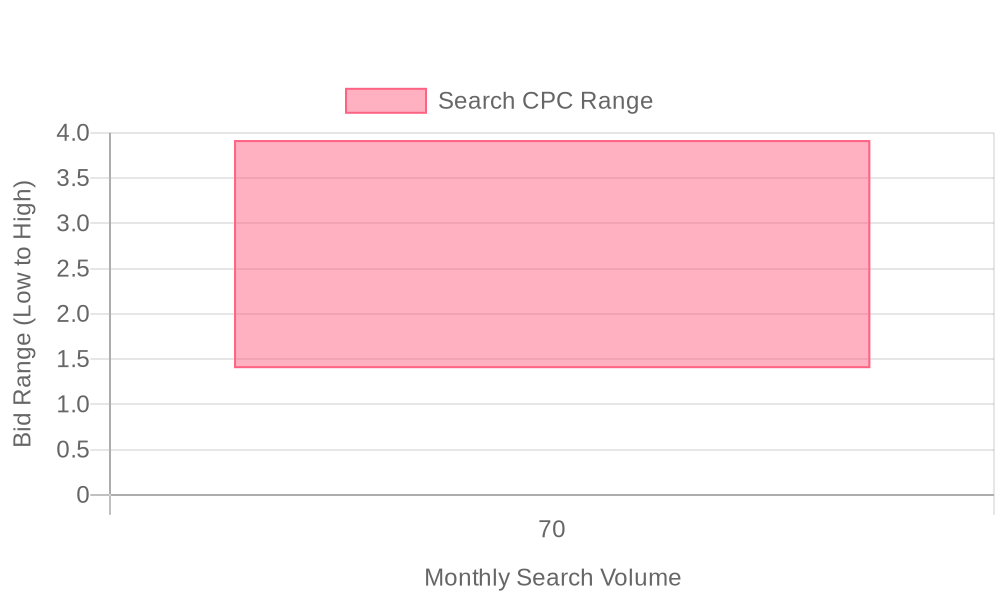
| Industry | Keyword | Monthly Search Volume | Competition Level | Low Bid | High Bid |
| Rust Treatment Companies | laser cleaning company | 70 | LOW | 1.4 | 3.92 |
A robust keyword strategy is the cornerstone of any successful Google Ads for rust treatment companies. With high competition and specialized buying cycles, identifying and targeting the exact search terms decision-makers use ensures budgets are allocated to prospects with immediate intent. This approach unlocks precision targeting, allowing businesses to intercept facilities managers, maintenance directors, and procurement officers as they research rust removal, corrosion prevention, and industrial surface solutions. For a comprehensive overview of rust removal products and solutions, review this rust removal guide for industrial maintenance.
Strategic keyword planning begins with mapping out the core services and industries served, then layering in modifiers reflecting urgency, application, and geography. For rust treatment advertising, sample target terms include "industrial rust removal services," "marine corrosion treatment," "emergency rust repair," "structural steel rust prevention," and "rust treatment contractors near me." Grouping these terms by intent and funnel stage allows for campaign segmentation that aligns messaging with the buyer's readiness to engage, explore more actionable strategies in our demand generation playbooks.
Smart PPC for rust treatment leverages tools and intent signals to prioritize keywords representing high-value opportunities. By continuously analyzing search behavior and engagement, marketers can shift investment toward queries that convert to quotes and closed deals. Integrating real-time visitor identification further enhances keyword targeting, enabling the identification of high-value companies behind anonymous searches and refining bidding strategies based on in-market signals. This dynamic approach ensures that every ad dollar is working to capture leads most likely to drive rust treatment business growth.
Channel synergy is achieved when keyword insights inform retargeting and audience expansion beyond search. For example, users who engage with "rust treatment for pipelines" can be automatically added to real-time audience segments for display and video campaigns, nurturing prospects as they evaluate vendors. As intent evolves, dynamic audience updates keep ads relevant, ensuring that rust treatment lead generation efforts remain focused on accounts moving through the buying journey. This level of integration between keyword data and audience management is critical for maximizing ROI and sustaining momentum in digital marketing for rust treatment companies.
Step-by-Step Campaign Execution Framework
Step 1: Build Targeted Keyword Lists
Success in Google Ads for Rust Treatment Companies starts with precision in keyword selection. High-performance campaigns cluster keywords by core service categories, such as rust removal, corrosion prevention, and industrial coatings, while layering in specific industry and equipment types. Incorporating local modifiers like city names, service areas, or “near me” ensures ads are visible where demand is most acute, capturing urgent inquiries from facilities managers and procurement teams seeking immediate solutions. For a broad overview of rust removal products and solutions, you can explore rust removal maintenance applications.
By leveraging real-time intent signals and enriched visitor data, revenue teams can identify not just what users search for, but their likelihood to convert. Sona surfaces intent signals that help marketers prioritize high-value prospects, shifting spend toward segments that demonstrate the strongest purchase behavior. This approach transforms anonymous search traffic into actionable company-level intelligence, maximizing relevance and conversion rates for each campaign segment.
The upgrade most rust treatment advertisers miss is going beyond raw keyword volume to layer in intent and identity signals. By connecting website-visitor data and CRM records with Sona Marketing Measurement, you can see which specific search terms bring in the accounts and customers that actually convert, and weight your keyword and bidding strategy toward those rather than the terms with the highest search volume alone.
Step 2: Develop Compelling Ad Copy
Effective PPC for rust treatment hinges on ad copy that addresses the industry’s most pressing pain points: downtime risk, compliance requirements, and asset longevity. Copy should highlight proven results, certifications, and guarantees, with trust markers such as case studies in industrial manufacturing or warranty badges integrated directly into headlines or descriptions. Emphasizing local expertise and rapid response times further differentiates providers in competitive geographies.
Ad assets become even more powerful when dynamically tailored to the buyer’s stage in the journey. As enriched lead and account data sync seamlessly from CRM to ad platforms, marketing teams can serve relevant offers, such as free consultations to new prospects or maintenance plan upgrades to returning clients. This dynamic personalization increases engagement and drives more qualified leads from each ad impression. Discover how Sona enables dynamic audience segmentation for smarter ad targeting.
Step 3: Design Effective Landing Pages
Alignment between keywords, ad copy, and landing pages is crucial for successful rust treatment lead generation. Landing pages should echo the specific language of ads, reinforce the service promise, and provide clear next steps, whether that’s scheduling a site assessment, requesting a quote, or downloading a technical datasheet. Including industry-specific visuals, client testimonials, and before-and-after project galleries instills confidence and reduces friction in the decision process. For inspiration on restoration success stories, view this drill press restoration tutorial.
Advanced platforms enable marketers to segment landing experiences in real time, routing high-intent visitors to tailored content based on their industry, search behavior, or past engagement. This ensures every prospect lands on a page that matches their needs, reducing bounce rates and improving conversion metrics for online marketing for rust treatment.
Step 4: Implement Data-Driven Optimizations
Continuous optimization is key for Google Ads campaign management in the rust treatment sector. Tracking conversions at every stage, calls, form fills, on-site bookings, and even offline sales, provides the feedback loop necessary to refine bids, budgets, and creative assets. Smart bidding strategies, fueled by conversion data and predictive analytics, help allocate spend toward the campaigns and keywords that deliver the highest ROI. For a deeper dive on connecting digital to offline, explore offline attribution strategies.
Integrating advanced conversion tracking with offline attribution gives teams a holistic view of performance, connecting digital engagement to real-world revenue. Audience segments update automatically as leads progress through the funnel, allowing marketers to retarget decision-makers who have shown interest but not yet converted. Syncing enriched lead data directly to sales and marketing systems streamlines follow-up, enabling faster outreach and improved close rates for rust treatment business growth. Ready to accelerate your campaigns? Get started for free with Sona.
Sona Marketing Measurement closes the gap between clicks and revenue. It captures ad clicks with first-party measurement, ties that click through UTM capture and ad-platform APIs to the actual record in your CRM, and reports ROAS by keyword and campaign instead of by last-click form fill. Feeding that revenue signal back into Smart Bidding and Performance Max compounds over time: the algorithms optimize toward booked rust treatment revenue, not cheap leads.
Tips on Expanding Your Rust Treatment Presence
Maximizing your presence in the rust treatment industry requires an integrated approach that blends marketing precision, data-driven targeting, and consistent follow-up to capture every possible opportunity. Companies that leverage digital channels effectively can outpace local competitors, nurture leads at scale, and consistently identify new growth segments with actionable insights.
- Cross-promote educational assets in retargeting: Amplify your reach by serving whitepapers, technical guides, and video demonstrations to previous site visitors through retargeting ads. This approach keeps your brand top-of-mind for decision-makers who may not convert immediately, while reinforcing credibility with in-depth resources tailored to specific rust treatment challenges. By identifying visitors at the company level, marketers can move beyond anonymous clicks to deliver the right asset to the right buyer persona, ensuring educational content supports every stage of the buying cycle.
- Upsell services via CRM data: Tap into your CRM to identify customers ready for upsell or cross-sell, and build hyper-targeted Google Ads audiences synced in real time. When marketing and sales systems communicate seamlessly, you can automatically trigger ad campaigns based on service history, renewal dates, or recent inquiries, delivering relevant offers that align to each customer's lifecycle stage. This integration ensures high-potential accounts receive timely messaging, maximizing revenue per customer and reducing manual campaign management overhead.
- Partner with associations for traffic: Collaborate with industry associations, trade organizations, or certification bodies to expand your reach and drive qualified traffic. Sponsored webinars, co-branded events, or joint content initiatives not only boost credibility but also deliver targeted exposure among industry professionals searching for rust treatment solutions. These partnerships create valuable inbound opportunities and enable you to access engaged audiences that may be otherwise difficult to reach through standard digital channels.
- Localize by region for share-of-voice: Structure campaigns and landing pages to highlight regional expertise, certifications, or compliance with local regulations. Using geo-targeted ad copy and localized landing experiences, your business can dominate search results in high-value service areas, outmaneuvering larger national providers. Dynamic audience updates ensure that as leads move through the funnel, messaging and offers reflect their location and stage, creating a consistent and personalized buyer journey.
- Use search query data to find new topics: Analyze search query reports to discover emerging pain points, seasonal trends, and untapped service needs specific to rust treatment. This intelligence can be rapidly fed into content calendars, new campaign launches, or the development of specialized offers, keeping your marketing agile and responsive to real-world demand. By integrating real-time intent signals, your marketing team can shift budgets to in-market accounts showing the highest likelihood to convert, ensuring resources are always pointed at the most promising opportunities.
Recognizing that delayed follow-ups can result in missed revenue, companies now have the option to implement automated systems that integrate lead engagement directly into their marketing automation tools. This ensures every inquiry, form fill, or phone call is addressed instantly, keeping prospects warm and accelerating the path from interest to conversion. Advanced conversion tracking and attribution close the loop, providing full visibility into which touchpoints drive pipeline and revenue, so every aspect of your rust treatment advertising strategy is both measurable and optimizable.
Beyond Google Ads: Winning the AI Answers Rust Treatment Buyers Now Trust
Paid search captures demand at the moment someone types a query. But a fast-growing share of rust treatment buyers no longer start at Google at all, they ask ChatGPT, Gemini, or Perplexity before they ever run a search, and Google's own AI Overviews increasingly summarize an answer above the traditional results. If your business isn't referenced in those AI answers, you're invisible at the exact moment buyers build their shortlist.
Sona AI Visibility shows where your business shows up across ChatGPT, Gemini, Perplexity, Google AI Overviews, and 10+ engines, and, much like a keyword report, which prompts actually send you buyers, so you can prioritize the ones that convert. Run the two together and you cover the entire buyer path: get cited where buyers research (AI Visibility), then prove which of that demand turns into booked revenue (Marketing Measurement).
Helpful resources
Conclusion
The rust treatment companies that win with Google Ads treat it as one instrument in a connected system, not a standalone budget line. Keywords built around specific corrosion problems, ad copy that speaks to compliance and urgency, landing pages that mirror the buyer's search, and attribution that traces a click all the way to a signed contract: each piece reinforces the others.
The next shift is already underway: buyers increasingly ask AI tools before they ever type a query into Google, which means rust treatment companies need visibility in both places at once. Start for free with Sona to connect that AI visibility with the click-to-revenue measurement this guide covers, and put both to work on your next campaign.
FAQ
What are the best practices for Google Ads in the rust treatment industry?
Best practices include using tailored keyword selection, precise audience segmentation, and designing landing experiences that are engineered for conversion. It's also important to measure ROI completely by tracking from click to quote to closed deal.
How can rust treatment companies effectively use Google Ads to attract customers?
Rust treatment companies can effectively use Google Ads by targeting decision-makers with precision based on industry-specific terminology, leveraging remarketing, and continuously optimizing campaigns with real-time data and analytics.
What budget should rust treatment companies allocate for Google Ads?
The budget should be focused on high-value opportunities and dynamically allocated based on real-time performance metrics to ensure every marketing dollar is effectively driving qualified leads and revenue.
What keywords should rust treatment companies target in their Google Ads campaigns?
Companies should target keywords such as 'industrial rust treatment,' 'emergency rust removal,' and 'rust converter services near me,' while also considering modifiers like urgency and geography.
How can I measure the success of my Google Ads campaigns for rust treatment services?
Success can be measured by tracking conversions from clicks to quotes and closed deals, using advanced attribution models to connect online ad engagement with offline sales outcomes, and continuously refining campaigns based on these insights.







