


Real estate agents lose deals not to bad marketing but to invisible ones: the buyer who browses listings for weeks, never fills out a form, and signs with whoever happens to answer the phone first. Google Ads, run well, closes that gap by putting your agency in front of buyers and sellers at the moment they start searching, then reinforcing that first touch across email, social, and the listings themselves. The harder problem is what happens to the prospects who never convert on-site; most agencies have no way to see them, let alone act on them, and the budget spent reaching them goes unmeasured. Identifying those anonymous visitors, and folding them back into targeting, is what separates ad spend that merely runs from ad spend that pays for itself. For real estate professionals, Google Ads unlocks opportunities to:
How to Generate Google Ads for Real Estate Sales Leads

A strategic, data-driven approach to Google Ads for real estate sales transforms outreach by enabling marketers to prioritize qualified buyers and sellers over general traffic. By leveraging advanced analytics and unified data, teams can identify which prospects are most likely to convert, allocating spend for optimal lead generation and higher revenue impact.
A successful Google Ads strategy starts by tying campaign objectives to the broader real estate marketing plan: target markets, buyer personas, and the sales cycles specific to residential, luxury, or investment property. Layering in intent signals and behavioral data lets marketers anticipate seasonal swings, such as spring buying season or year-end investor activity, and build campaigns that reach prospects the moment they begin searching for properties or agents.
Keyword selection and audience targeting are central to effective real estate lead generation. Move beyond basic demographic filters and build dynamic, intent-based audiences that reflect in-market behavior, such as repeated visits to listing pages or use of a mortgage calculator, alongside real-time engagement. For a deeper dive into optimizing Google Ads for real estate, see this comprehensive guide to Google Ads for real estate marketing success.
Landing pages and creative assets should be meticulously designed to align with the specific needs of potential buyers and sellers. Each click from a Google Ads campaign must lead to a personalized, high-conversion experience, whether that means property showcases, instant valuation tools, or appointment scheduling modules. By connecting these online touchpoints with offline sales activities, marketers can track every interaction, measure true ROI, and continuously refine their real estate sales techniques for maximum effectiveness.
Ongoing optimization is essential for real estate digital marketing success. With unified campaign data, marketers can monitor performance in real time, identify high-converting segments, and shift budgets toward the most valuable accounts. Enhanced conversion tracking links both digital and offline deal activity, providing full-funnel attribution and actionable insights to boost overall marketing efficiency.
Integrating Google Ads across channels creates a seamless path for prospects, from initial research to closing. Importing high-intent website visitors into Google Ads customer match lists ensures every dollar spent on PPC for real estate is focused on decision-makers ready to act, not anonymous traffic. Done well, this approach helps agents and firms generate more qualified leads, close at higher rates, and grow even in crowded, competitive markets.
Why does Google Ads matter for Real Estate Sales?

Real estate runs on timing: a buyer who's pre-approved and touring homes this weekend is a different prospect than one browsing listings six months out, and a seller deciding between agents often chooses whoever shows up first with the right answer. Google Ads for real estate sales lets you meet both moments, engaging buyers and sellers as they start searching, rather than waiting for them to find you.
- Catering to Specific Audiences: Unlike broad content marketing, Google Ads enables pinpoint targeting of individuals who show purchase or sale intent, allowing for highly relevant messaging and budget allocation. This approach elevates real estate lead generation by focusing resources on prospects who are most likely to convert while reducing waste. To take audience segmentation even further, Sona’s Audiences tool enables real-time, signal-based targeting for hyper-personalized outreach.
- Driving High-Value Transactions: Real estate advertising powered by Google Ads goes beyond nurturing existing relationships. It attracts new, high-value clients through advanced targeting, delivering ads to individuals likely to transact at higher price points or in premium markets. For additional strategies to maximize results, explore Google Ads tips for real estate.
- Immediate Response to Market Demands: In real estate, listings can move quickly. Google Ads campaigns can be launched or updated within minutes, making it possible to capitalize on sudden shifts in inventory or market trends. This agility supports real estate sales techniques that require timely engagement, such as promoting new listings or targeting buyers during peak activity windows. Leverage Sona Destinations to automate your audience data sync across CRM and ad platforms for real-time activation.
- Automated CRM Triggers and Retargeting: Leading revenue teams now automate CRM tasks and update Google Ads remarketing audiences the moment a prospect engages with valuable content. By instantly syncing enriched audience segments, marketers can retarget prospects with tailored messaging, ensuring no high-intent lead falls through the cracks and enabling seamless follow-up workflows. Discover best practices for lead generation with Google Ads.
- Expanding into Emerging Markets: As new neighborhoods or cities become hotspots, Google Ads targeting facilitates rapid entry by focusing spend on in-demand geographies. This targeted expansion allows real estate companies to quickly build brand presence and capture market share before competitors saturate the area. For a closer look at campaign measurement, see marketing analytics insights.
- Enhancing Data-Driven Marketing Decisions: Google Ads delivers closed-loop measurement from the first click to final deal closure, enriching real estate digital marketing analytics with detailed attribution. When platforms unify online and offline conversions, revenue teams gain a holistic view of which campaigns drive actual sales, enabling smarter Google Ads budget decisions and continuous improvement of real estate online marketing strategies.
Common Types of Google Ads Campaigns for Real Estate Services

- Search Campaigns: Search campaigns are the foundation of real estate digital marketing, capturing high-intent buyers and sellers as soon as they start searching for properties or local agents. Targeting precise keywords such as "homes for sale in [city]" or "top realtors near me" positions your listings and services in front of audiences already in-market. Sona's Identity Resolution goes further, revealing which companies and people are visiting your website even if they never fill out a form, so you can prioritize budget and messaging toward accounts most likely to convert into qualified leads.
- Display Ads: Display campaigns keep your brand visible even after prospects leave the search results, appearing across popular news, lifestyle, and local interest sites. This format is crucial for nurturing awareness and building trust over time, especially for complex transactions like home purchases. By leveraging dynamic audience targeting, you can shift impressions toward audiences demonstrating active research or property browsing patterns, ensuring your real estate advertising budget is always working toward the most promising opportunities.
- Video Ads: Video advertising, especially through property tours or agent introductions, delivers immersive experiences that differentiate your listings in a crowded market. With YouTube and other video platforms, you reach prospects who prefer visual storytelling or are in the early stages of their homebuying journey. For inspiration on maximizing video campaigns, see Google Ads for real estate marketing. Advanced solutions also make it possible to identify which viewers are progressing toward conversion, so you can adjust spend or messaging to highlight new listings or special offers at the optimal moment.
- Remarketing: Remarketing campaigns re-engage users who have previously visited your website or viewed specific property listings but have not yet made contact. This tactic keeps your brand top-of-mind and encourages prospects to return when they are ready to act. By unifying web analytics and CRM data, you can tailor remarketing messages based on where each lead is in the funnel, increasing relevance and improving conversion rates.
- Assets: Ad assets add valuable context and credibility to your real estate ads, such as office addresses, certifications, quick call buttons, or featured listings. These elements improve ad visibility and give buyers and sellers instant trust signals. When integrated with Sona Destinations, assets can adapt dynamically to showcase the most relevant agent profiles or properties based on the searcher's location and intent, creating a seamless path from click to contact.
- Modern Ad Personalization: Today’s platforms support campaign personalization that adapts with each lead’s engagement, ensuring your messaging evolves as prospects move through the research, consideration, and transaction stages. Dynamic audience updates and conversion tracking allow you to attribute both online and offline interactions, such as phone calls or in-person tours, back to specific ads, giving you a holistic view of ROI for every real estate sales technique deployed.
Leveraging these campaign types with unified data and intent insights transforms real estate lead generation, making your PPC for real estate more efficient at every stage of the buyer journey.
Where to Find Growth Opportunities in Real Estate Sales

B2B revenue teams seeking to maximize Google Ads for Real Estate Sales must look beyond surface-level keywords and broad targeting to discover untapped market segments. High-performing teams consistently identify actionable growth opportunities by aligning their advertising strategy with precise buyer intent signals, unified data, and personalized engagement tactics.
- Targeting niche real estate buying terms: Supplementing broader campaigns with specific, intent-rich keywords such as “1031 exchange multifamily properties” or “off-market industrial space for sale” uncovers audiences closer to transaction readiness. This targeted approach improves cost-efficiency and delivers more qualified leads, especially when audience lists dynamically update to reflect new buyer behaviors and deal stages.
- Analyzing competitor metrics: Competitive analysis using platforms like SEMrush helps pinpoint gaps in the market. By benchmarking share of voice, ad spend, and keyword coverage, real estate marketers can spot underserved areas or emerging property trends. For a detailed breakdown of Google Ads strategies in the real estate sector, see this guide to Google Ads for real estate marketing success.
- Leveraging industry-specific sites: Placing Google Ads on real estate forums, niche listing portals, or investor communities connects campaigns with high-intent buyers at the moment of active research. Identifying visitor companies and matching them to CRM records enables marketers to nurture promising prospects with tailored offers, increasing both response rates and lead quality.
- Using content retargeting strategies: Content-driven retargeting, using market reports, virtual walkthroughs, and video tours, keeps your brand top-of-mind throughout lengthy buying cycles. When these assets are linked to your content plan and dynamically triggered based on account behavior, ad audiences remain fresh and relevant, sustaining engagement as prospects move through different funnel stages.
Disconnected intent signals across platforms dilute conversion rates and inflate acquisition costs. Real estate teams benefit from integrating online and offline engagement, CRM activity, and website visits into one system, so every marketing touchpoint reinforces the next instead of resetting the buyer's context with each channel.
How to Apply Audience Segmentation in Real Estate

Effective audience segmentation in real estate is essential to maximize the impact of Google Ads for Real Estate Sales. By aligning each segment with specific sales cycle stages, professionals can target messaging, allocate budgets, and optimize conversion paths for every buyer and seller persona involved in the transaction. For additional marketing analytics best practices, visit our blog.
- Segment by Intent: Begin by distinguishing core groups such as residential buyers, commercial property seekers, first-time homebuyers, and seasoned investors. Each segment demonstrates unique search behaviors, budget thresholds, and urgency profiles, which should guide both campaign structure and creative messaging. For example, investors respond to high-ROI language and market analytics, whereas first-time buyers need educational content and reassurance about the mortgage process. Segmenting audiences at this level enables real estate teams to tailor Google Ads strategies, ensuring every dollar spent is focused on the highest-value prospects.
- Use Intent Signals: Integrate data points like open house participation, online mortgage information requests, and digital property tour engagement to gauge a prospect's position in the buying journey. Leveraging these intent signals within your Google Ads targeting allows for smarter budget allocation and more relevant ad delivery. Advanced platforms now enable real-time adaptation of audience lists as new in-market behaviors emerge, ensuring that high-potential leads are surfaced and prioritized across all campaigns.
- Predictive Account Scoring: Implement predictive models that analyze engagement patterns and historical outcomes to assess where each account sits in the funnel. By scoring leads or accounts based on likelihood to convert, marketers can automate bidding adjustments, shifting investment toward opportunities with the strongest revenue potential. Explore how ICP fit scoring can help prioritize your pipeline and increase overall pipeline velocity.
- Create Ad Groups by Segment: Build separate ad groups for each audience segment within your Google Ads structure. This approach enables you to deploy budget, creative assets, and landing pages specifically designed for the needs of each group. As leads move between segments, dynamic audience syncing ensures they receive messaging that matches their most recent behaviors and interests, maintaining continuity throughout the sales cycle.
- Ensure Conversion Tracking: Set up seamless conversion tracking that follows prospects from initial ad interaction through to engagement, inquiry, and closed deal. Comprehensive integration with CRM systems ensures that every touchpoint, online or offline, is attributed correctly, allowing teams to measure true ROI of their Google Ads for Real Estate Sales campaigns. Modern real estate marketing stacks enable enriched audience and lead data to sync directly into both ad platforms and CRM, keeping all teams aligned and accelerating the feedback loop for optimization.
These segmentation strategies let real estate professionals identify high-intent leads, personalize engagement, and track every stage of the sales process, turning Google Ads from a broad acquisition channel into a precision tool for lead generation and conversion.
This is also where measurement changes the economics. With Sona Marketing Measurement you can identify the companies behind your ad clicks, not just anonymous sessions, and segment audiences by who actually becomes a customer. That lets you build bid adjustments and audience signals around the segments that convert and de-prioritize the ones that don't, so you feed Google's algorithms "this click became a paying real estate sales customer" instead of just "someone filled out a form."
Keyword Strategy & Sample Target Terms
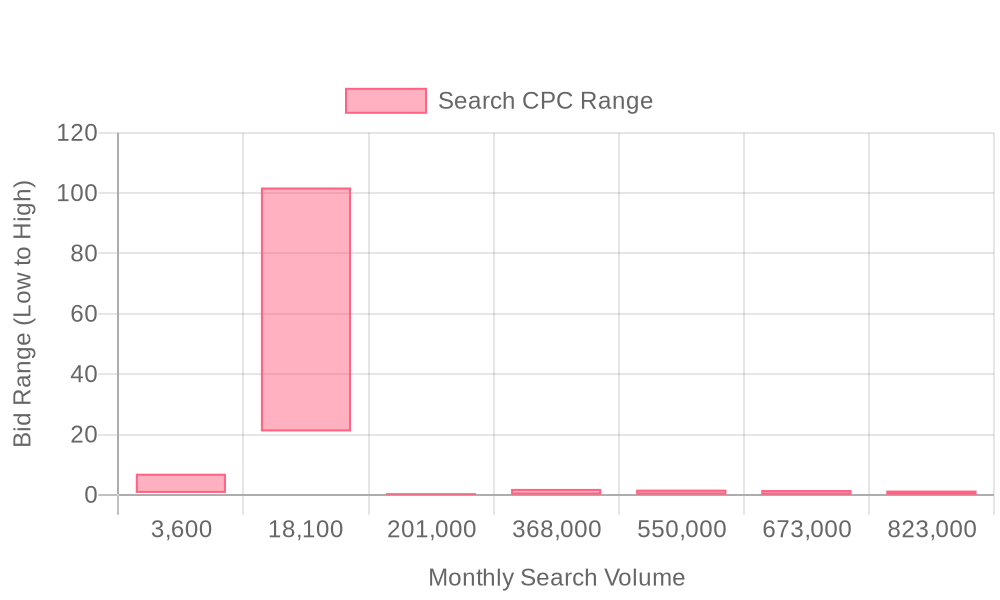
| Industry | Keyword | Monthly Search Volume | Competition Level | Low Bid | High Bid |
| Real Estate Sales | real estate sales | 3600 | LOW | 0.67 | 6.99 |
| Real Estate Sales | sell my house fast | 18100 | LOW | 21.07 | 101.83 |
| Real Estate Sales | land for sale near me | 201000 | MEDIUM | 0.08 | 0.56 |
| Real Estate Sales | homes for sale | 368000 | MEDIUM | 0.12 | 1.97 |
| Real Estate Sales | houses for sale | 550000 | MEDIUM | 0.13 | 1.71 |
| Real Estate Sales | homes for sale near me | 673000 | MEDIUM | 0.09 | 1.6 |
| Real Estate Sales | houses for sale near me | 823000 | MEDIUM | 0.1 | 1.39 |
Effective keyword strategy remains central to successful Google Ads for Real Estate Sales. High-intent keywords such as "houses for sale near me," "luxury condos downtown," or "real estate agents in [city]" capture buyers and sellers actively seeking properties or representation. These terms consistently attract users deeper in the decision-making process, increasing the likelihood of lead conversion and supporting real estate lead generation at scale.
Local modifiers and niche long-tail keywords further refine targeting. Combining neighborhood names, property types, and transaction intent, like "3-bedroom homes in Greenpoint" or "buy loft apartment in SoMa", reduces wasted spend by focusing on motivated prospects within defined geographic areas. These specific keyword structures help real estate marketing teams align Google Ads targeting with actual service coverage and pipeline priorities, resulting in more qualified inquiries and improved Google Ads ROI.
Filtering out irrelevant traffic is equally critical for real estate PPC efficiency. Building robust negative keyword lists prevents ads from showing for searches unrelated to buying or selling, such as "apartment rentals" or "property management jobs." This protective layer conserves budget and sharpens campaign relevance, ensuring only high-value impressions reach the sales team. When negative keywords are applied in tandem with intent-driven targeting, campaigns achieve higher Quality Scores and lower cost per lead.
Campaign structures should map keywords to buyer stages and locations. For example, segmenting ad groups into "New Listings Uptown" or "Move-In Ready Homes Suburbs" allows for messaging tailored to users’ current needs and their stage in the sales funnel. This approach, especially when integrated with advanced audience solutions, lets marketers dynamically adjust spend and creative assets as user behavior shifts, automatically prioritizing accounts with the highest likelihood of closing.
Custom intent audiences take Google Ads for Real Estate Sales to the next level. By segmenting users as "Hot" (high-intent, recently engaged) or "Warm" (early-stage, browsing), based on browsing and CRM signals, revenue teams can allocate budget and creative resources more efficiently. When these segments are enriched with real-time behavioral and firmographic data, marketers can identify which visitors represent the best opportunities, moving real estate digital marketing beyond anonymous clicks and shortening the path from impression to closed deal.
Step-by-Step Campaign Execution Framework
Step 1: Build Targeted Keyword Lists
Effective real estate advertising starts with well-crafted keyword lists tailored to your service offerings, such as home sales or apartment leases. Prioritize geographic keywords and "near me" terms to capture local, high-intent buyers or renters ready to act. Layer in negative keywords to filter out unqualified leads, such as renters or job seekers, so your Google Ads budget is invested only in prospects with genuine purchasing interest. Real estate teams using Sona's Identity Resolution can refine these lists further by seeing which companies and buyers keep returning to property pages or mortgage calculators, basing keyword selection on actual in-market activity. Dynamic audience updates let targeting shift in real time as new high-value leads emerge, driving more efficient PPC for real estate.
The upgrade most real estate sales advertisers miss is going beyond raw keyword volume to layer in intent and identity signals. By connecting website-visitor data and CRM records with Sona Marketing Measurement, you can see which specific search terms bring in the accounts and customers that actually convert, and weight your keyword and bidding strategy toward those rather than the terms with the highest search volume alone.
Step 2: Develop Compelling Ad Copy
Ad copy is your digital handshake with each prospective client, making clarity and relevance essential. Headlines should showcase certifications, local expertise, or unique selling points, such as "Certified Luxury Specialist – Downtown Lofts" or "Free Virtual Home Tours This Week." Incentivize engagement by offering time-limited consultations or online walk-throughs, which increase click-through rates and lead generation. Use ad extensions to add calls, location maps, or additional service links, expanding your ad’s footprint and driving more qualified traffic. When your ad platforms sync with real-time CRM data, messaging can be adjusted on the fly to reflect a prospect’s stage in the buying journey, ensuring every impression is contextually relevant and increasing the odds of conversion.
Step 3: Design Effective Landing Pages
A seamless post-click experience is crucial for converting paid traffic into sales conversations. Landing pages should mirror the ad's promise, featuring hyperlocal content, property-specific details, and trust elements like testimonials or recent transaction badges. For real estate online marketing, integrating virtual tours and interactive maps can meaningfully boost engagement and time on page. Prioritize intuitive, mobile-friendly forms and clear calls-to-action so leads can easily schedule a showing or request a personalized property report. Connecting your ad platform with Sona's Identity Resolution enables granular attribution, capturing which landing page and campaign drove each high-value inquiry, even tracking offline conversions back to specific Google Ads strategies.
Step 4: Implement Data-Driven Optimizations
Ongoing optimization is the backbone of successful Google Ads for real estate. Monitor conversion points like lead forms, calls, and chat initiations, using smart bidding strategies that automatically shift spend toward the highest-converting segments and geographic zones. Test variations in ad copy, creative assets, and landing page layouts to find which combinations maximize engagement and ROI. Leverage real-time insights to shift budget toward areas with surging demand or update ad messaging for seasonal buyer concerns, like back-to-school moves or spring listing surges. AI-driven models pinpoint accounts most likely to convert in the near term, letting revenue teams prioritize outreach, unify data across platforms, and steadily improve real estate lead generation outcomes.
Sona Marketing Measurement closes the gap between clicks and revenue. It captures every ad click with first-party measurement, ties that click through UTM capture and ad-platform APIs to the actual record in your CRM, and reports ROAS by keyword and campaign instead of by last-click form fill. Feeding that revenue signal back into Smart Bidding and Performance Max compounds over time: the algorithms optimize toward booked real estate sales revenue, not cheap leads.
Tips on Expanding Your Real Estate Sales Presence
Expanding real estate sales presence requires a strategic approach anchored in advanced digital marketing and precision targeting. Leading teams are moving beyond generic outreach, leveraging granular data and tech-driven tactics to fuel more pipeline and close deals faster.
- Retargeting for engagement: Retargeting is a cornerstone of real estate lead generation and online marketing. By segmenting audiences based on website behavior and prior ad engagement, marketers can serve highly relevant property listings and educational content at the right moments, a listing detail page revisit signals different intent than a general market-report download. Integrating a unified data platform identifies not just anonymous site visitors, but the companies and individuals most likely to convert.
- Cultivating cross-sell with CRM data: Real estate firms can unlock new cross-sell opportunities by combining CRM-enriched audience data with real-time audience segmentation. As contacts progress through different stages, buyer, seller, investor, audiences can be dynamically updated for tailored offers. When CRM and ad platforms sync in real time, sales teams receive immediate notifications of new high-intent leads, while marketing can trigger personalized follow-ups based on recent interactions or property preferences.
- Collaborating with local associations: Working with local real estate associations and business groups amplifies reach by tapping into established, trusted networks. Joint content, co-branded webinars, and referral programs drive mutually beneficial traffic and build credibility with buyers and sellers in target markets. For more actionable guides and strategies, visit our marketing playbooks.
- Localization by region: Market dominance is won by localizing campaigns to specific regions, neighborhoods, or even zip codes. Hyperlocal Google Ads strategies allow firms to spotlight area expertise, respond to local demand spikes, and outmaneuver national competitors. Access to real-time intent signals and search data ensures campaigns adapt instantly as buyer interest shifts between markets.
- Analyzing search data for content: Ongoing analysis of search and engagement data enables teams to spot trending queries and develop content that matches evolving buyer interests. This insight guides both organic and paid strategies, helping to create high-performing landing pages and ad creatives that boost Quality Scores and lower cost per click. For a comprehensive guide to using Google Ads for real estate marketing success, check out this article.
- Segmentation vs one-size-fits-all: One-size-fits-all advertising fails to resonate in the diverse real estate landscape. By segmenting campaigns according to firmographic data, such as property type, price range, or client persona, marketers ensure each prospect receives messaging relevant to their unique journey. This segmentation also supports more accurate attribution, as online and offline interactions are tracked back to specific campaign efforts, optimizing Google Ads budgets for maximum ROI.
Beyond Google Ads: Winning the AI Answers Real Estate Sales Buyers Now Trust
Paid search captures demand at the moment someone types a query. But a fast-growing share of real estate sales buyers no longer start at Google at all, they ask ChatGPT, Gemini, or Perplexity before they ever run a search, and Google's own AI Overviews increasingly summarize an answer above the traditional results. If your business isn't referenced in those AI answers, you're invisible at the exact moment buyers build their shortlist.
Sona AI Visibility shows where your business shows up across ChatGPT, Gemini, Perplexity, Google AI Overviews, and 10+ engines, and, much like a keyword report, which prompts actually send you buyers, so you can prioritize the ones that convert. Run the two together and you cover the entire buyer path: get cited where buyers research (AI Visibility), then prove which of that demand turns into booked revenue (Marketing Measurement).
Helpful resources
Conclusion
Google Ads works for real estate sales when it's built around the moments buyers and sellers actually search, and measured all the way through to closed deals rather than stopped at the lead form.
The agencies pulling ahead right now aren't just running more ads, they're closing the loop between ad spend and closed transactions, so every dollar teaches the algorithm what a real buyer looks like instead of what a form-fill looks like. That shift, from optimizing for leads to optimizing for revenue, is what will separate real estate advertisers who scale efficiently from those who keep paying more for the same lukewarm traffic.
FAQ
What are the best practices for using Google Ads in real estate?
Best practices for using Google Ads in real estate include aligning campaigns with your overall marketing plan, using intent signals and behavioral data to target audiences, constructing dynamic, intent-based audience segments, and designing personalized landing pages that cater to potential buyers and sellers.
How much should I budget for Google Ads in real estate?
The article does not specify an exact budget for Google Ads in real estate, but it emphasizes the importance of optimizing ad spend to target high-intent prospects and decision-makers, suggesting that budgets should be adaptable and focused on high-value opportunities.
What types of Google Ads work best for real estate agents?
Effective Google Ads types for real estate agents include search campaigns, display ads, video ads, remarketing, and ad extensions, each tailored to engage prospects at different stages of the buying journey.
How can I track the success of my Google Ads campaigns for real estate?
Track the success of Google Ads campaigns for real estate by using unified campaign data to monitor performance, employing conversion tracking to link digital and offline activities, and adjusting strategies based on real-time insights and high-converting segments.
Is Google Ads effective for generating real estate leads?
Yes, Google Ads is effective for generating real estate leads by targeting high-intent prospects, allowing for precise audience targeting, and supporting immediate lead generation combined with long-term brand awareness.







