


Railroad car leasing runs on long sales cycles, six- and seven-figure contracts, and buyers who research quietly before ever contacting a lessor. Google Ads matters here because it catches procurement managers and fleet operators at the exact moment they search for lease terms, car types, or availability, well before a phone call happens. Targeting the right decision-makers and matching ad copy to that high-intent moment closes the gap between anonymous research and a signed lease, including the two persistent problems in this trade: missing high-value prospects who never fill out a form, and losing track of engagement signals that point to an upsell. This guide walks through how to build and run Google Ads campaigns for railroad car leasing companies.
How to Generate Railroad Car Leasing Leads with Google Ads: A Step-by-Step Guide
Railroad car leasing operates in a narrow B2B space where deal sizes are large and sales cycles stretch across months, so every qualified lead matters. Accurate targeting and rich data are what separate a campaign that finds real buyers from one that burns budget on browsers, especially since most high-value prospects stay anonymous until well into the decision process.
Google Ads gives you a scalable way to reach transportation executives and logistics decision-makers who are actively searching for leasing solutions. Audience segmentation and real-time behavioral data let marketers direct spend toward companies showing real purchase intent rather than toward generic traffic. For a practical look at Google Vehicle Ads and how they apply to car and rail leasing, watch this video overview of Google Vehicle Ads.
- Data-driven techniques for paid search success: Bidding on the right keywords is only half the job; the other half is turning search intent into pipeline. Pairing Google Ads with Sona's Identity Resolution reveals which companies behind anonymous traffic are researching lease options or requesting pricing. Sona's Intent Signals flag that activity in real time, so budget can shift toward accounts showing purchase readiness instead of spreading evenly across generalized traffic.
- Keyword strategies and audience targeting: Precision matters when choosing keywords for railroad car leasing. Terms like "railcar leasing solutions," "freight car rental," and "lease tank cars" reliably pull in qualified leads from industrial shippers and manufacturers, while broader terms tend to attract hobbyists and researchers with no buying authority. Dynamic audience segments, updated as leads move through the funnel, keep ads relevant to stakeholders at each stage. Syncing CRM data with Sona further refines targeting so Google Ads only reaches accounts that match revenue goals.
- Aligning landing pages and creatives for peak conversion: Landing pages must be tightly aligned with both ad copy and prospect intent. For railroad car leasing, this often means providing detailed fleet information, clear lease terms, and industry-specific case studies. Creative assets should speak directly to the operational challenges of shippers, manufacturers, and logistics companies. By capturing enriched lead data at the point of conversion, teams can prioritize timely follow-up and nurture prospects with personalized content.
- Performance optimization methods for sustained ROI: Sustained return requires ongoing campaign optimization, not a set-and-forget approach. Conversion tracking ties online actions, like a quote request or spec-sheet download, to offline deal progress, so teams can measure true ROI per channel. Because railcar leasing deals often stall when follow-up lags, automated lead routing and intent scoring help sales reach a prospect while the RFP or lease renewal is still active, rather than after a competitor has already responded. Integrating campaign results with CRM systems keeps every qualified lead tracked from first click to closed contract.
- Cross-channel integration for fortified marketing outcomes: Siloed campaigns create data gaps and missed opportunities. Integrating Google Ads with email, social, and ABM platforms ensures unified messaging and complete visibility into the buyer's journey. By syncing enriched audiences across platforms, marketers maintain consistent targeting, nurture engagement, and accelerate deal velocity. This approach dramatically reduces the risk of disconnected campaigns, ensuring every touchpoint contributes to pipeline growth.
For more on optimizing retargeting and nurturing within transportation, see retargeting strategies. To experience these data-driven capabilities firsthand, get started for free with Sona.
Why Google Ads Matter for Railroad Car Leasing Businesses

Railroad car leasing runs on complex procurement cycles and contracts worth reaching for years, which makes the moment a decision-maker starts searching especially valuable. Google Ads puts your offer in front of that buyer at the exact point they're evaluating leasing solutions, rather than waiting for them to find you. For a deeper look at successful campaign formats and setup, see this video overview of Google Vehicle Ads for car leasing.
- Complex Audiences: Procurement managers and fleet operators often conduct extensive research online before engaging suppliers. Google Ads enables direct access to these stakeholders as they evaluate options, bridging the gap between digital research and offline negotiations. Marketers leveraging visitor identification tools can move beyond anonymous web traffic, pinpointing which companies are actively exploring leasing solutions and tailoring follow-up accordingly.
- High-Value Projects: Leasing decisions in this sector frequently involve large-scale, multi-year agreements. Google Ads campaigns ensure your message reaches prospects who may not appear in traditional sales funnels, capturing previously unseen high-intent traffic. By analyzing in-market behavior and real-time engagement, marketers can prioritize accounts most likely to convert, shifting budget to those with immediate demand.
- Rapid Demand Fulfillment: Demand for specialized railcars can surge due to shifts in supply chains or regulatory changes. Google Ads delivers timely lead generation by targeting relevant search intent, ensuring companies capture critical opportunities before competitors. Integrating CRM and ad platforms allows teams to dynamically update audiences and sync high-quality leads, maximizing responsiveness during peak demand periods.
- Emerging Market Visibility: As railroad car lessors expand into new regions, Google Ads provides precise geo-targeting to supplement established markets. Campaigns can be tailored to highlight inventory or service capabilities relevant to each territory, accelerating growth initiatives and increasing brand awareness with minimal waste. For those looking to further optimize campaign targeting, explore dynamic audience segmentation.
- Comprehensive Analytics: Google Ads provides end-to-end tracking for every touchpoint, illuminating the full customer journey from first click to signed contract. Advanced conversion tracking enables accurate attribution of both online and offline actions, equipping revenue teams with insights that inform broader railcar leasing strategies and reveal which campaigns truly drive ROI.
Common Types of Google Ads Campaigns for Railroad Car Leasing
- Search Campaigns: Search campaigns target decision makers actively seeking railroad car leasing or railcar leasing PPC solutions. By focusing on high-intent keywords such as "railroad car leasing options" and "lease freight cars," marketers can reach prospects at the precise moment they are ready to engage or convert. With unified go-to-market data, revenue teams can identify the specific companies behind anonymous search clicks, prioritize budget for accounts showing real purchase signals, and refine targeting to minimize wasted spend using identification tools.
- Display Ads: Display ads are essential for long-cycle B2B markets like rail transportation and leasing. These ads maintain brand presence on relevant industry and logistics websites, supporting awareness and recall even when prospects are not actively searching. Advanced audience syncing allows marketers to dynamically update display audiences as accounts move through the buying funnel, ensuring that display impressions serve only the most relevant, high-opportunity leads.
- Video Ads: Video campaigns showcase client case studies, technical explanations, and testimonials that educate logistics buyers and engage stakeholders throughout the organization. These ads enable leasing providers to demonstrate fleet diversity, leasing terms, or after-sales support in a visual format. A video overview of Google Vehicle Ads for car leasing offers insights into ad formats and setup strategies. Real-time engagement data from these campaigns feeds directly into enriched lead profiles, helping sales teams identify accounts expressing strong interest and tailor their outreach accordingly.
- Remarketing: Remarketing strategies re-engage decision makers who previously visited a railcar leasing site or interacted with an ad. By leveraging historical engagement insights, marketers can deliver personalized offers or reminders to accelerate the consideration process. Audience lists are kept current as leads return, revisit key pages, or download documentation, ensuring that remarketing budgets are always focused on accounts actively progressing through the funnel.
- Assets: Ad assets (formerly called extensions) add layers of trust and immediacy to every campaign. Including location details, direct contact options, or exclusive promotions helps convert interest into qualified leads while reinforcing consistent messaging. Connected CRM and ad platforms ensure that assets reflect the latest offers and account-specific information, so sales and marketing are always aligned on what each prospect sees and receives.
Where to Find Growth Opportunities?

B2B marketers in the railroad car leasing sector can unlock substantial growth by identifying and acting on overlooked digital strategies. Adopting a focused, data-driven approach ensures every marketing dollar targets decision-makers ready to lease or expand their fleets.
- Vertical Keyword Targeting: Prioritize keywords aligned with your unique railcar types and leasing structures. Using highly-specific search terms like "covered hopper lease for grain" or "tank car leasing for chemicals" helps your campaigns appear directly in front of buyers seeking those exact solutions. This depth of targeting mitigates wasted spend on broad, low-intent keywords and ensures your message resonates with the right segment. For more on targeting the right segment, see Sona Audiences.
- Competitor Gap Analysis: Leverage advanced SEO tools to uncover where competitors are driving traffic and which segments remain underserved. By mapping keyword portfolios and backlink strategies, marketers can pinpoint white-space opportunities, such as emerging markets or specialty railcar types. Integrating these insights with visitor identification platforms enables smarter allocation of paid media and content resources to high-potential niches.
- Industry Trade Directory Placements: Placement in rail industry directories and logistics trade portals extends your brand's reach beyond standard organic SEO. These placements capture high-intent prospects who may not find your site directly but are actively researching leasing partners, whether they're comparing tank car specs or checking regional availability ahead of a peak shipping season. Coordinating directory listings with digital campaigns increases brand authority and drives qualified inquiries from logistics professionals.
- Content Retargeting Alignment: Strengthen campaign impact by linking content retargeting directly with ongoing marketing initiatives. Syncing CRM data and behavioral signals enables dynamic audience updates as leads progress through the sales journey. Real-time enrichment of retargeting segments, especially when integrated with paid search and display retargeting, ensures tailored messaging and seamless transitions from education to conversion. Platforms that unify ad and CRM data support continuous audience refinement and elevate overall campaign effectiveness. Discover how Sona Destinations can help automate these processes for better data alignment.
Marketers who invest in these growth avenues, supported by unified data and precise targeting, consistently outperform more generic approaches in the competitive railroad car leasing space. For a breakdown of effective retargeting strategies, explore how dynamic audience segmentation and cross-channel orchestration drive measurable pipeline growth.
How to Apply Audience Segmentation for Railroad Car Leasing

Railroad car leasing companies operate in a complex, high-value B2B landscape where targeted outreach determines campaign success. Implementing precise audience segmentation enables marketers to connect with key decision-makers across logistics, freight, and passenger rail sectors while minimizing wasted ad spend.
To build an effective segmentation strategy, start by defining core customer segments. For example, freight operations prioritize bulk cargo transport and demand robust, cost-efficient leasing options, while passenger service providers focus on compliance, comfort, and reliability. Mapping these segments ensures messaging, creative assets, and landing pages directly address the operational priorities of each buyer type.
Overlaying real-time buying signals and firmographic data further sharpens outreach. By incorporating behavioral insights such as recent site visits, content downloads, or RFP activity, marketers can prioritize accounts that show high leasing intent. Platforms that unify in-market behavior with CRM data allow revenue teams to shift budget toward high-conversion segments and trigger personalized nurture flows, reducing the delay between inquiry and engagement.
Aligning ad groups to each segment enhances message relevance and performance. For example, ad copy tailored to industrial shippers will focus on fleet diversity and turnaround speed, while creative for municipal transit authorities can highlight passenger safety features and compliance. Dynamic audience updates ensure your segments evolve as leads progress, allowing for seamless retargeting and cross-channel orchestration throughout the leasing lifecycle.
Robust conversion tracking is crucial for validating the effectiveness of your segmentation. By connecting online engagement with offline deal activity in platforms like Salesforce or HubSpot, campaign managers can attribute deal value across touchpoints and optimize for true ROI. Advanced tracking ensures that every marketing dollar spent contributes to measurable business outcomes, supporting data-driven budget allocation and long-term growth.
This is also where measurement changes the economics. With Sona Marketing Measurement you can identify the companies and buyers behind your ad clicks, not just anonymous sessions, and segment audiences by who actually becomes a customer. That lets you build bid adjustments and audience signals around the segments that convert and de-prioritize the ones that don't, so you feed Google's algorithms "this click became a paying railroad car leasing customer" instead of just "someone filled out a form."
Keyword Strategy & Sample Target Terms
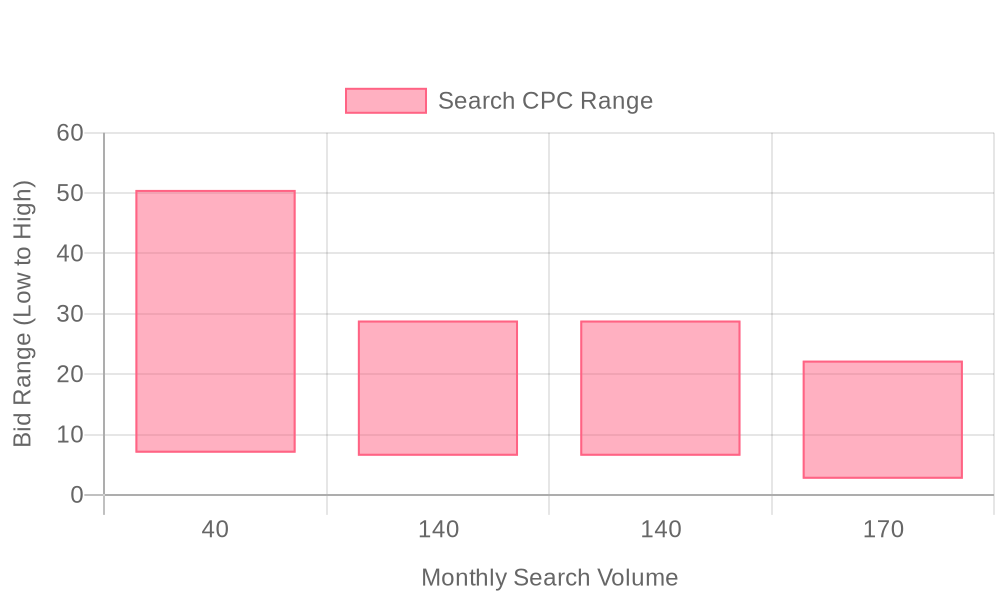
| Industry | Keyword | Monthly Search Volume | Competition Level | Low Bid | High Bid |
| Railroad Car Leasing | rail car leasing companies | 40 | MEDIUM | 6.99 | 50.53 |
| Railroad Car Leasing | railroad car leasing | 140 | LOW | 6.49 | 28.88 |
| Railroad Car Leasing | rail car leasing | 140 | LOW | 6.49 | 28.88 |
| Railroad Car Leasing | railcar leasing companies | 170 | LOW | 2.67 | 22.24 |
Railroad car leasing companies succeed in Google Ads by targeting highly specific, intent-driven search queries that mirror what decision-makers actually type during purchase research. Leveraging keyword precision and strategic exclusions creates a digital environment where only the most relevant B2B leads enter the funnel, reducing acquisition costs and increasing lead quality.
- Effective keyword usage: Smart keyword targeting begins with identifying high-value phrases unique to the railroad car leasing industry. Sample search terms like "railroad car leasing near me," "railcar leasing companies USA," and "railroad tank car leasing" ensure campaigns appear only to logistics and procurement professionals with genuine leasing needs. Layering in negative keywords such as "DIY," "movie rental," or "model train" keeps budget away from hobbyists and non-commercial searches. This targeted approach refines campaign reach, improves cost efficiency, and delivers a stronger ROI.
- Intent-Rich Keywords: Incorporating search terms that signal readiness to engage, such as "railroad car leasing cost," "railcar leasing quote," or "best railroad car leasing deals," helps surface leads already in the decision or negotiation phase. These intent-rich keywords act as signals for high-value accounts, allowing platforms to prioritize budget toward prospects with the highest chance of closing. When unified with real-time visitor identification and account-level segmentation, marketers can further shift spend toward in-market companies, ensuring optimal resource allocation across the sales cycle.
- Negative Keywords: Adding exclusion terms like "DIY," "movie prop," or "model railroad" is essential for focusing on enterprise and industrial leasing opportunities. This negative filtering minimizes irrelevant clicks, keeping campaigns aligned with serious procurement teams and B2B buyers. Integrating negative keyword lists with dynamic audience updates helps maintain campaign relevance as market conditions and in-market behavior evolve, so ads remain visible only to high-potential buyers.
By continuously refining keyword lists, syncing audience changes with CRM data activation, and leveraging advanced intent signals, railroad car leasing companies maximize visibility to the right buyers while improving lead quality and campaign ROI. This foundation supports more advanced retargeting strategies and full-funnel engagement later in the campaign lifecycle.
Step-by-Step Campaign Execution Framework
Step 1: Build Targeted Keyword Lists
A high-performing Google Ads strategy for railroad car leasing begins with precision keyword research. Segment keywords by core service categories such as lease financing, maintenance contracts, and fleet management to match the diverse needs of shippers, manufacturers, and logistics companies. Integrate geographic modifiers that address both local and regional demand, ensuring that ads reach organizations ready to sign leasing agreements in specific markets.
Long-tail keyword selections like "covered hopper lease near Chicago" or "railcar maintenance contract Canada" drive qualified clicks by aligning ads with buyer intent. This approach filters out generic searchers, focusing spend on prospects most likely to convert. Leveraging real-time visitor identification and intent data, teams can further refine their keyword list to spotlight companies actively evaluating leasing partners, not just browsing options.
The upgrade most railroad car leasing advertisers miss is going beyond raw keyword volume to layer in intent and identity signals. By connecting website-visitor data and CRM records with Sona Marketing Measurement, you can see which specific search terms bring in the accounts and customers that actually convert, and weight your keyword and bidding strategy toward those rather than the terms with the highest search volume alone.
Step 2: Develop Compelling Ad Copy
Ad copy in railroad car leasing has to speak to operational pain points, not generic promises. Lead with concrete differentiators: fleet uptime, turnaround time on quotes, or approval speed for new lease applications, the specifics that let a procurement team justify a vendor choice internally. Address value propositions like integrated maintenance, flexible lease terms, or custom equipment solutions that matter to logistics and operations managers evaluating multi-year commitments.
Incentives such as a "first lease discount" or "customized quote within one business day" create urgency without sacrificing professionalism. By dynamically updating ad messaging based on user engagement and funnel stage, marketers ensure decision-makers see the most relevant offers as their interest deepens. This level of personalization is possible when CRM and ad platform data sync seamlessly, enabling targeted messaging at scale.
Step 3: Design Effective Landing Pages
Landing pages for railroad car leasing campaigns should mirror ad messaging to maintain trust and continuity. Each page must clearly outline leasing options, service inclusions, and benefits, supporting user decision-making with ROI calculators and industry-specific case studies. Trust signals such as client testimonials, service guarantees, and compliance certifications help validate the offering, addressing common objections upfront.
Operating in sync with CRM triggers, landing pages can display personalized content or offers based on a visitor's company profile or previous interactions. By integrating direct lead capture with enriched audience data, sales teams receive actionable insights the moment a prospect submits an inquiry, accelerating follow-up and qualification.
Step 4: Implement Data-Driven Optimizations
Continuous optimization is essential for Google Ads for railroad car leasing, where deal values are high and buying cycles complex. Track every conversion action, from form fills to offline calls, integrating both online and offline attribution for a true measure of ROI. This holistic view enables revenue teams to shift budget instantly toward channels and keywords generating the highest-value opportunities.
Advanced bidding strategies, powered by real-time engagement and intent signals, allow for dynamic allocation of spend to in-market accounts. As leads progress through the funnel, dynamic audience segments update automatically, ensuring that retargeting campaigns remain focused on those closest to a leasing decision. Syncing CRM and ad platforms ensures every touchpoint is informed by the latest account intelligence, closing the loop between marketing and sales outcomes. For a deeper dive into aligning retargeting with your sales pipeline, explore retargeting strategies.
Sona Marketing Measurement closes the gap between clicks and revenue. It captures every ad click with first-party measurement, ties that click through UTM capture and ad-platform APIs to the actual record in your CRM, and reports ROAS by keyword and campaign instead of by last-click form fill. Feeding that revenue signal back into Smart Bidding and Performance Max compounds over time: the algorithms optimize toward booked railroad car leasing revenue, not cheap leads.
Tips on Expanding Your Railroad Car Leasing Presence
Winning new territory in railroad car leasing means staying visible to prospects long before they submit an RFP, and staying relevant to existing customers whose fleet needs shift with the seasons. Data-driven marketing and deliberate cross-channel work extend lead flow and deepen relationships with customers and partners alike.
- Cross-promote content in retargeting: Delivering relevant content to audiences who previously engaged with your website or ads keeps your brand visible through a long consideration period. When retargeting is paired with Sona's Identity Resolution, marketers can reach both the organization and the individual stakeholders inside it with tailored messaging, improving recall and lead quality.
- Upsell with CRM integration: Syncing CRM data into advertising workflows surfaces key engagement signals, such as recent inquiries or contract renewals, making it easier to upsell complementary leasing services. With real-time CRM and ad platform sync, new audience segments and qualified leads are automatically updated in Google Ads, ensuring your campaigns always align with the latest sales activity.
- Partner with industry groups: Collaborating with established industry associations or logistics networks expands reach and enhances brand equity. These partnerships allow access to niche audiences and facilitate trust-building, which is especially valuable in B2B environments like transportation logistics and railcar leasing.
- Localize campaigns for metro targeting: Focusing on metro-specific campaigns enables companies to reach decision-makers in key regions and adapt messaging to local market conditions. Leveraging dynamic audience segmentation, campaigns can be adjusted as local opportunities emerge, optimizing spend and capturing untapped demand in target geographies.
- Extract search query insights for content: Analyzing search query data from Google Ads for Railroad Car Leasing campaigns uncovers the exact pain points and interests of your target market. These insights guide the creation of new content, such as whitepapers or case studies, that directly address industry challenges and position your business as a knowledge leader.
Google Ads gives railroad car leasing providers a way to execute these strategies with precision. Unifying intent, engagement, and conversion data lets businesses refine campaigns continuously, respond to real buying signals, and scale their reach across transportation and logistics. Iterating on actionable insight, rather than guesswork, keeps marketing aligned with how this industry actually buys.
Beyond Google Ads: Winning the AI Answers Railroad Car Leasing Buyers Now Trust
Paid search captures demand at the moment someone types a query. But a fast-growing share of railroad car leasing buyers no longer start at Google at all, they ask ChatGPT, Gemini, or Perplexity before they ever run a search, and Google's own AI Overviews increasingly summarize an answer above the traditional results. If your business isn't referenced in those AI answers, you're invisible at the exact moment buyers build their shortlist.
Sona AI Visibility shows where your business shows up across ChatGPT, Gemini, Perplexity, Google AI Overviews, and 10+ engines, and, much like a keyword report, which prompts actually send you buyers, so you can prioritize the ones that convert. Run the two together and you cover the entire buyer path: get cited where buyers research (AI Visibility), then prove which of that demand turns into booked revenue (Marketing Measurement).
Helpful resources
Conclusion
Google Ads works for railroad car leasing when it's built around how this industry actually buys: long research phases, high contract values, and decision-makers who stay quiet until they're ready to talk terms. Targeting the right audience and writing ad copy that speaks to fleet operators and procurement teams directly are what turn search traffic into signed leases.
The next competitive edge in this trade won't come from better keywords alone. As AI tools increasingly shape how buyers shortlist vendors before they ever run a search, the leasing companies that connect their ad spend to closed revenue, and that show up in the answers buyers see first, will set the pace for the rest of the market.
To experience firsthand the capabilities of a unified data platform designed to enhance your advertising strategy, start for free and explore the innovative tools that can drive measurable results for your business today.
FAQ
What are the best practices for Google Ads in the railroad car leasing industry?
Best practices include accurate targeting using audience segmentation, leveraging data-driven techniques for paid search success, aligning landing pages and ad creatives, and integrating cross-channel marketing efforts to ensure unified messaging.
How can I optimize my Google Ads for railroad car leasing?
Optimization can be achieved by using precise keyword strategies, aligning ad copy with prospect intent, employing advanced conversion tracking for ROI measurement, and dynamically updating audience segments based on real-time buying signals.
What are the unique challenges in advertising railroad car leasing on Google?
Challenges include targeting a niche B2B audience with long sales cycles, ensuring ad relevance to decision-makers, dealing with complex procurement processes, and managing high-value transactions effectively.
How do I target the right audience for railroad car leasing with Google Ads?
Target the right audience by using advanced audience segmentation, leveraging CRM data to refine targeting, and focusing on keywords that attract high-intent decision-makers in logistics and transportation sectors.
What are the costs and benefits of using Google Ads for railroad car leasing?
Costs involve ad spend and resource allocation for campaign management, while benefits include reaching decision-makers at high-intent moments, capturing high-value leads, and the ability to track and optimize ROI through comprehensive analytics.







