


Railcar manufacturers sell into long procurement cycles, tight compliance windows, and fleet-replacement decisions that can take years to mature, so the moment a buyer starts searching, speed matters. Google Ads gives manufacturers a way to reach procurement heads and engineers exactly when they're evaluating vendors, rather than waiting for a referral or a trade show. The trouble is that most of that traffic arrives anonymously: a visitor researches your capabilities, leaves no form fill, and disappears back into a competitor's funnel. Identity resolution and better tracking close that gap, letting manufacturers see which companies are actually engaging and act on that intent before a competitor does.
How to Generate Railcar Manufacturing Leads with Google Ads: A Step-by-Step Guide

Effective lead generation for railcar manufacturing companies begins with a data-driven digital marketing strategy designed to capture and convert high-value opportunities. By leveraging Google Ads, marketers can overcome the challenge of anonymous website traffic, ensuring valuable prospects are not lost to competitors.
To reach decision-makers in the railcar manufacturing sector, it is essential to deploy targeted keyword and audience strategies. Building campaigns around industry-specific search terms and purchase intent enables teams to intercept buyers during critical research and evaluation phases. Integrating real-time audience insights and industry-specific Google Ads tactics further refines targeting, allowing marketers to pinpoint companies showing strong buying signals and prioritize ad spend accordingly.
Aligning landing page content and creative assets with the needs of procurement professionals and engineers maximizes conversion rates. Messaging should address pain points such as reliability, compliance, and lifecycle cost, while clear calls-to-action streamline the path to inquiry or quote request. For high-interest visitors who do not convert on their first visit, implementing robust retargeting and dynamic audience segmentation ensures continued engagement throughout the funnel.
Continuous campaign optimization is vital to maximize Google Ads ROI for railcar manufacturing. Monitoring engagement signals, such as time on site, form completion rates, and offline sales attribution, helps marketers allocate budget to the best-performing segments and creative variations. Advanced conversion tracking gives a fuller view of marketing effectiveness, enabling precise adjustments that drive sustainable growth.
Integrating Google Ads efforts with other marketing channels creates a unified, high-performing go-to-market ecosystem. Consistent messaging across channels, supported by seamless CRM and ad platform sync, ensures that prospects experience a coherent journey from first touch to closed deal. By eliminating data silos and aligning all touchpoints, railcar manufacturing companies can avoid the pitfalls of disconnected campaigns and deliver a superior buyer experience that increases win rates. To see how you can leverage these strategies in your own campaigns, get started for free with Sona.
Why Google Ads Matter for Railcar Manufacturing Businesses
Railcar manufacturing companies operate in a highly specialized, relationship-driven environment where decision-makers are often procurement heads and production managers. Reaching these stakeholders requires more than broad digital marketing: success depends on precise audience intelligence and visibility into who is actually engaging, as well as the ability to act on every viable lead. Google Ads enables manufacturers to cut through the noise and directly capture these high-value audiences, transforming unknown website visits into actionable contacts and ensuring no opportunity is left untapped.
When demand surges or urgent requests arise, Google Ads provides a responsive channel for immediate engagement. Paid search and display placements enable companies to rapidly address inquiries, divert resources toward in-market buyers, and adjust messaging on the fly to align with shifting market needs. This agility means railcar manufacturers can respond to volatile demand cycles, ensuring procurement teams and engineering leaders see tailored solutions at exactly the right moment. For an overview of how Google Ads strategies differ across sectors, explore Google Ads strategies by industry.
Marketing analytics are also fundamentally improved with Google Ads, delivering granular data on every interaction from initial click to signed contract. For B2B revenue teams, this means every touchpoint is measurable, making it easier to optimize follow-up processes and allocate resources to nurture the most promising leads. Advanced platforms unify ad engagement data with CRM and sales activity, helping teams recognize which campaigns drive true business outcomes and refining their approach for ongoing growth. This level of insight powers smarter railcar manufacturing lead generation with Google Ads.
Common Types of Google Ads Campaigns for Railcar Manufacturing

- Search Campaigns: Search campaigns provide direct access to decision-makers searching for railcar manufacturing solutions. By targeting high-intent queries such as "custom freight railcar manufacturers" or "railcar fleet upgrades," campaigns can capture leads at the moment they are ready to evaluate partners. Modern platforms now let marketers enrich visitor data by revealing which companies and people are visiting your website, even if they don't fill out a form, through Sona's Identity Resolution. This empowers sales teams to prioritize outreach to high-value accounts and ensures every relevant prospect receives a tailored, timely message.
- Display Ads: Display ads ensure consistent visibility across industry content sites, technical forums, and supply chain publications frequented by procurement teams. Smart engagement signals,such as time on site, content interactions, or repeated visits,trigger display placements for users most likely to engage further, minimizing missed cross-sell or upsell opportunities. By leveraging real-time audience segmentation, marketers can dynamically update audience lists as leads move between awareness, evaluation, and intent stages, enhancing personalization and maximizing ad spend efficiency.
- Video Ads: Video campaigns allow railcar manufacturers to visually communicate complex capabilities, showcase engineering expertise, and highlight unique value propositions to procurement professionals and C-suite stakeholders. Demonstrating processes like custom fabrication, retrofit technology, or sustainability innovations builds trust and accelerates consideration. For a practical overview of how Google Ads strategies differ across industries, including manufacturing, see this guide on Google Ads for different industries. Tracking engagement and identifying viewers who show strong demo interest enables marketing teams to shift budget toward the most promising accounts, ensuring video assets drive measurable pipeline growth.
- Performance Max: Performance Max campaigns let railcar manufacturers reach buyers across Search, Display, YouTube, and Gmail from a single campaign, which suits a sector where the buying committee (engineering, procurement, operations) researches across multiple formats before ever contacting sales. Feeding it strong conversion signals, such as qualified RFQ submissions rather than generic form fills, keeps the automated bidding focused on accounts that resemble past customers instead of low-value traffic.
- Remarketing: Remarketing campaigns keep your brand front-of-mind for past website visitors, especially those who interacted with product configurators, whitepapers, or RFQ forms but did not convert. By leveraging intent signals, teams can prioritize retargeting efforts on accounts with renewed or increasing buying signals, ensuring resources focus on the highest-conversion opportunities. When audience segments are synced with CRM and ad channels, remarketing automatically adjusts as leads progress, delivering tailored messaging that aligns with each stage of the buyer journey.
Where to Find Growth Opportunities?
Growth for railcar manufacturing companies begins with precise market segmentation and keyword targeting tailored to railcar-specific services. By focusing on vertical keywords, such as "custom railcar fabrication," "railcar refurbishment," or "bulk freight railcar leasing", marketers can uncover demand pockets often overlooked by broader campaigns. This hyper-targeted approach ensures every dollar is allocated to queries that signal high buying intent, capturing the attention of rail operations managers, procurement specialists, and infrastructure planners actively seeking solutions. For a deeper dive into creating real-time, signal-based audience segments that drive hyper-personalized targeting, explore Sona's Audiences tool.
Competitor analysis is crucial for surfacing underserved markets. By regularly auditing competitors' ad copy, landing pages, and keyword portfolios, B2B teams can identify gaps in coverage. These gaps represent lucrative opportunities: perhaps a segment like hazardous material railcars or international logistics support remains unaddressed. Proactively building campaigns around these gaps enables railcar manufacturers to reach decision-makers before competitors adjust their strategies. When paired with visitor identification, marketers can go beyond anonymous impressions,pinpointing which companies are engaging most with high-value keywords and aligning outreach accordingly. You can learn more about how Google Ads strategies differ across sectors by reviewing this industry-specific Google Ads overview.
Strategic ad placements in industry trade directories and online marketplaces amplify visibility where buyers already gather. By placing ads alongside relevant directory listings or within digital trade publications, railcar manufacturers are positioned directly in front of procurement managers and engineers researching new solutions. Content retargeting further aligns with marketing calendars, transforming anonymous web visitors into qualified leads. When integrated with real-time intent data, teams can dynamically update remarketing audiences as prospects move from awareness to consideration, ensuring that high-value accounts receive personalized messaging at the ideal moment. This approach not only increases the pipeline but also supports retargeting strategies that drive higher conversion rates and ROI.
How to Apply Audience Segmentation for Railcar Manufacturing
Segmenting audiences precisely can transform digital acquisition for railcar manufacturers. Effective segmentation optimizes ad spend and ensures messaging reaches decision-makers with relevant, personalized content, accelerating qualification and boosting conversion rates. For an overview of how Google Ads strategies differ across industries,including manufacturing,see Google Ads strategies by industry.
- Define Segments: Differentiating between freight and passenger rail solutions is foundational for targeted Google Ads strategies for railcar manufacturers. By aligning campaigns to each sector, marketers can address distinct procurement cycles, technical requirements, and pain points, which increases engagement and lead quality. For example, freight operators may prioritize cargo capacity and durability, while passenger rail clients focus on comfort and safety features. Segmenting audiences early ensures each campaign speaks directly to sector-specific needs, creating a more relevant digital experience. For deeper insights on building effective segments, review real-time audience segmentation.
- Overlay Intent Signals: Capturing high-intent buyers requires going beyond static demographic filters. Overlaying intent signals, such as distinguishing between new build and retrofit project searches, lets marketers focus budget on accounts actively evaluating solutions. Real-time monitoring of search behaviors and content engagement helps identify prospects further along the purchase journey. With Identity Resolution, marketers can pinpoint which companies are researching new locomotives or seeking retrofit upgrades, allowing swift adjustments to bidding strategies and creative messaging.
- Create Ad Groups by Segment: Structuring ad groups according to defined segments allows for granular budget allocation and tailored messaging. Each ad group can deploy sector-specific value propositions, technical documentation, and case studies to nurture prospects more effectively. As audiences engage and move through the funnel, dynamic audience updates ensure that messaging adapts in real time, maintaining consistent relevance and maximizing conversion potential for every segment. Explore more actionable segmentation tactics in our marketing playbooks.
- Validate Conversion Paths: Ensuring accurate tracking across the entire customer journey is critical for optimizing railcar manufacturing PPC campaigns. CRM integration captures both online and offline engagements, linking form submissions, sales calls, and in-person meetings to digital touchpoints. This level of attribution reveals true ROI for each campaign and reduces missed follow-up opportunities. Syncing enriched leads and conversion data directly into Google Ads and CRM platforms enables closed-loop reporting, empowering teams to refine targeting and messaging for sustained growth in railcar manufacturing lead generation with Google Ads. To see these strategies in action, get started for free with Sona.
This is also where measurement changes the economics. With Sona Marketing Measurement you can identify the companies behind your ad clicks, not just anonymous sessions, and segment audiences by which accounts actually become customers. That lets you build bid adjustments and audience signals around the segments that convert and de-prioritize the ones that don't, so you feed Google's algorithms "this click became a paying railcar manufacturing customer" instead of just "someone filled out a form."
Keyword Strategy & Sample Target Terms
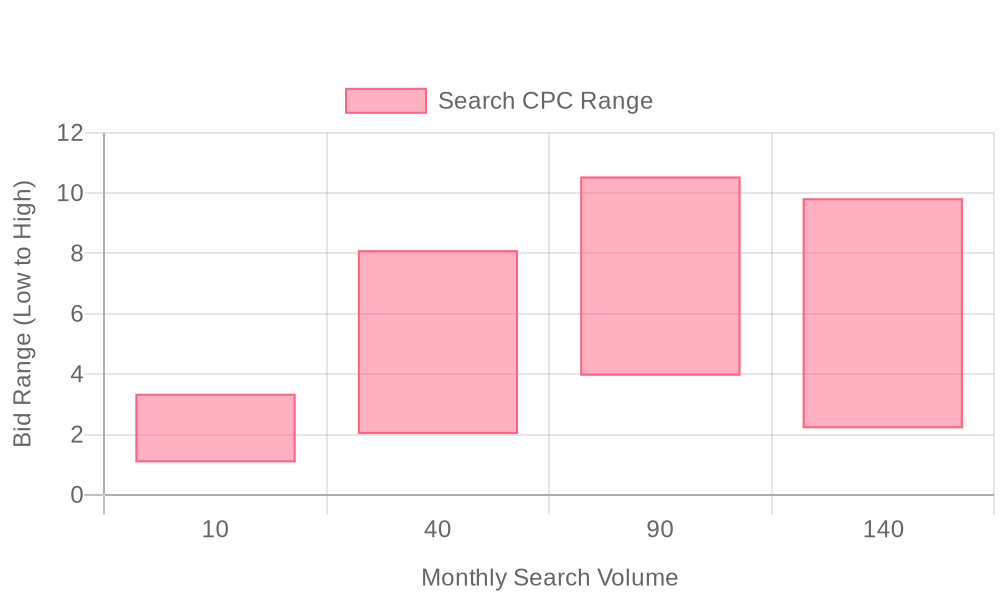
| Industry | Keyword | Monthly Search Volume | Competition Level | Low Bid | High Bid |
| Railcar Manufacturing Companies | railcar parts suppliers | 10 | MEDIUM | 1.08 | 3.35 |
| Railcar Manufacturing Companies | rail car companies | 40 | LOW | 2.02 | 8.11 |
| Railcar Manufacturing Companies | rail car manufacturers | 90 | LOW | 3.95 | 10.55 |
| Railcar Manufacturing Companies | railcar manufacturers | 140 | LOW | 2.21 | 9.83 |
Precision targeting is critical for railcar manufacturing companies seeking to engage decision-makers and maximize digital ad investments. By intercepting high-intent buyers at the right moment, marketing teams can outpace competitors who waste spend on prospects that never materialize in the pipeline.
Effective Google Ads strategies for railcar manufacturers start with rigorous keyword research. Prioritizing terms with both volume and strong purchase intent ensures every click has the potential to move an actual deal forward. Filtering out low-relevance search terms minimizes wasted ad budget, focusing resources on prospects that align with your revenue goals.
Sample target terms such as "railcar manufacturers near me," "railcar construction companies," and "buy railcars online" align closely with high-value search intent. Integrating these keywords with those already proven in your existing website content further enhances consistency and improves quality scores. For a deeper dive into how Google Ads tactics vary by industry, explore this overview of Google Ads strategies for different industries and professions. This unified approach not only increases ad visibility but also streamlines the customer journey from first touch to conversion.
By leveraging Identity Resolution, marketers can move beyond the limitations of anonymous website traffic and pinpoint which companies are actively searching for railcar solutions. Dynamic keyword strategies allow teams to rapidly adapt to shifting market behavior, ensuring budgets remain allocated to in-market accounts. When enriched audience data from your CRM syncs seamlessly with Google Ads, you retain precision in targeting while continuously updating your reach as leads advance through the sales funnel. This approach drives measurable improvements in Google Ads ROI for railcar manufacturing and lays the groundwork for more advanced retargeting strategies in later campaign stages.
Step-by-Step Campaign Execution Framework
Step 1: Build Targeted Keyword Lists
Railcar manufacturing companies operate in a market defined by technical requirements and precise decision-maker needs. Keyword clustering by service type, such as custom railcar design, refurbishment, or leasing, ensures ads surface only for highly relevant queries. Geographic localization further refines targeting, connecting your campaigns with buyers in key railway hubs or regions with active infrastructure projects. For a broader perspective on how Google Ads strategies differ across industries and professions, explore this industry overview.
Applying negative keywords is critical in railcar manufacturing PPC campaigns. Excluding unrelated searches, like passenger car maintenance, model railcars, or toy trains, prevents wasted budget and improves lead quality. With Sona, marketers can identify which search terms drive high-value engagement, using intent signals and historical performance to expand or contract keyword lists as new infrastructure projects and fleet-replacement cycles emerge. This approach supports continuous improvement and sharper audience fit.
The upgrade most railcar manufacturing advertisers miss is going beyond raw keyword volume to layer in intent and identity signals. By connecting website-visitor data and CRM records with Sona Marketing Measurement, you can see which specific search terms bring in the accounts and customers that actually convert, and weight your keyword and bidding strategy toward those rather than the terms with the highest search volume alone.
Step 2: Develop Compelling Ad Copy
Effective Google Ads strategies for railcar manufacturers rely on understanding industry-specific pain points. Headlines should spotlight challenges like regulatory compliance, fleet modernization, or lead times,positioning your offering as the solution. Integrating trust signals, such as ISO certifications or case study highlights, reduces perceived risk and builds immediate credibility for procurement and engineering stakeholders. For more actionable tactics, review our marketing playbooks.
Ad messaging benefits from up-to-date insights into buyer intent. By leveraging unified market data, teams can tailor copy to reflect what prospects are searching for in real time. This means campaigns can shift focus as market priorities evolve, ensuring ad spend goes toward messaging that resonates with current needs and drives higher engagement.
Step 3: Design Effective Landing Pages
Successful railcar manufacturing lead generation with Google Ads depends on seamless user experiences from ad click to conversion. Landing pages must maintain keyword clarity, mirroring the language and value propositions in your ads. Clear calls-to-action,such as "Request a Custom Quote" or "Download Technical Specs",guide high-intent visitors toward conversion.
Integration between landing page forms and your CRM is essential for streamlined lead management. With Sona's Identity Resolution, every form fill can be matched to company and buyer profiles, enabling sales teams to prioritize outreach based on real-time purchase intent. This approach also supports dynamic audience updates, as leads progress through the funnel or trigger re-engagement workflows.
Step 4: Implement Data-Driven Optimizations
Sustained Google Ads ROI for railcar manufacturing is only possible with ongoing, data-driven optimization. By integrating ad performance data with broader go-to-market insights, teams can identify which campaigns and keywords generate the most qualified opportunities. This holistic view allows for budget reallocation to the highest-performing segments and more precise retargeting of in-market accounts.
Advanced conversion tracking is essential for attributing value across both online and offline touchpoints. With unified platforms, marketers can connect Google Ads data with CRM and sales outcomes, measuring the true impact of each interaction. This enables continuous refinement of targeting, messaging, and channel mix, ensuring every dollar spent drives measurable business value and supports scalable growth.
Sona Marketing Measurement closes the gap between clicks and revenue. It captures every ad click with first-party, company-level tracking rather than individual cookies, then ties that click through UTM capture and ad-platform APIs to the actual record in your CRM, and reports ROAS by keyword and campaign instead of by last-click form fill. Feeding that revenue signal back into Smart Bidding and Performance Max compounds over time: the algorithms optimize toward booked railcar manufacturing revenue, not cheap leads.
Tips on Expanding Your Railcar Manufacturing Presence
Expanding a railcar manufacturing brand's reach requires a blend of educational engagement, data-driven remarketing, and strategic partnerships. Forward-thinking teams use digital intent signals and CRM insights to unlock new revenue streams and maximize each touchpoint with decision-makers.
- Promote educational content in retargeting campaigns: Re-engage site visitors who showed interest but left before converting by featuring technical guides, case studies, or industry trend reports. Using advanced visitor identification, marketers can pinpoint which companies visited key product pages and serve them tailored educational assets, increasing both credibility and conversion rates. Dynamic audience updates ensure that these retargeting pools reflect in-market behaviors as accounts progress through the funnel.
- Use CRM data to upsell related services: Leverage segmentation to identify existing customers who have not purchased complementary offerings such as railcar maintenance, digital monitoring, or leasing solutions. By syncing enriched CRM audiences directly into Google Ads, outreach becomes more precise, focusing budget only on those with a proven fit for upsell or cross-sell opportunities. This approach recaptures missed revenue by acting on real-time data rather than static lists.
- Establish partnerships with industry associations: Collaborate with rail and transportation organizations to boost brand authority and channel high-quality traffic from trusted sources. These partnerships not only enhance visibility at key trade events and online forums but also create co-marketing opportunities that align your solutions with broader industry initiatives, raising the profile of your brand among procurement and engineering audiences. For inspiration, explore how major industry players approach partnerships and ecosystem development.
- Utilize search data for new content opportunities: Analyze aggregated search queries and on-site behaviors to uncover emerging topics and pain points within the railcar sector. This intelligence helps guide content marketing efforts and ensures resources are allocated to assets that address untapped markets and keywords with strong intent. With unified search and web analytics, teams can prioritize high-impact content that fuels both organic and paid lead generation.
Beyond Google Ads: Winning the AI Answers Railcar Manufacturing Buyers Now Trust
Paid search captures demand at the moment someone types a query. But a fast-growing share of railcar manufacturing buyers no longer start at Google at all, they ask ChatGPT, Gemini, or Perplexity before they ever run a search, and Google's own AI Overviews increasingly summarize an answer above the traditional results. If your business isn't referenced in those AI answers, you're invisible at the exact moment buyers build their shortlist.
Sona AI Visibility shows where your business shows up across ChatGPT, Gemini, Perplexity, Google AI Overviews, and 10+ engines, and, much like a keyword report, which prompts actually send you buyers, so you can prioritize the ones that convert. Run the two together and you cover the entire buyer path: get cited where buyers research (AI Visibility), then prove which of that demand turns into booked revenue (Marketing Measurement).
Helpful resources
Conclusion
Railcar manufacturing sells on trust built over long procurement cycles, and Google Ads works best as the channel that shortens the distance between a buyer's first search and a qualified conversation with your sales team. Precise keyword targeting, sector-specific ad copy, and landing pages built for procurement and engineering audiences all compound on each other rather than working in isolation.
The manufacturers who pull ahead won't just run more ads, they'll be the ones who can trace a click all the way to a signed contract, and who show up in the AI-generated answers buyers now consult before they ever open a search bar.
To see how unifying ad performance with CRM and revenue data can change your campaign economics, start for free.
FAQ
What are the best Google Ads strategies for railcar manufacturing companies?
The best strategies include targeting industry-specific keywords, leveraging real-time audience insights, aligning landing page content with buyer needs, and implementing robust retargeting and audience segmentation.
How can railcar manufacturing companies optimize their Google Ads campaigns?
Optimization can be achieved by monitoring engagement signals, employing advanced conversion tracking, integrating Google Ads with CRM systems, and continuously adjusting targeting and messaging based on performance data.
What is the average cost per click for railcar manufacturing Google Ads?
The article does not provide a specific average cost per click for railcar manufacturing ads.
How can railcar manufacturing companies measure the success of their Google Ads campaigns?
Success can be measured by tracking engagement signals like time on site and form completions, analyzing conversion paths, and integrating ad data with CRM for closed-loop reporting.
What are some examples of successful Google Ads campaigns for railcar manufacturing companies?
Examples include search campaigns targeting high-intent queries, display ads for consistent visibility, video ads showcasing capabilities, and remarketing to re-engage past visitors.







