


Publications live or die by two variables: how many people find the content, and how many of them convert into subscribers or advertisers. Google Ads gives publishers a lever on both, letting them intercept readers at the moment they're searching for news, analysis, or entertainment. This guide walks through targeting, campaign setup, and revenue optimization for publications running Google Ads, with an eye toward turning search intent into paid subscriptions and durable ad revenue.
How to Generate Google Ads for Publications Leads with Google Ads: A Step-by-Step Guide

Forward-thinking publications use Google Ads to drive measurable growth, efficiently connecting high-value readers with content and subscription offers. Success in this space relies on precision: identifying intent, targeting the right audience, and adapting creative and landing page experiences to maximize conversion. For a comprehensive overview of how the ad platform works, review the Google Ads business homepage for features and setup guidance.
A systematic approach to Google Ads for Publications ensures you capture every viable lead and fully attribute campaign results. When teams unify marketing data, track audience behavior in real-time, and activate dynamic segments, they eliminate wasted spend and accelerate revenue from digital marketing for publishers. Explore expert tips on measuring marketing’s influence on the sales pipeline to better connect ad performance with bottom-line results.
- Identify high-intent keywords: Start by researching and selecting keywords closely aligned with your publication's core topics and value propositions. Focus beyond basic terms by uncovering niche queries with commercial or subscription intent, such as searches tied to a breaking story, an industry report, or a paywall workaround, and steer clear of broad phrases that attract casual browsers rather than subscribers. Sona's Identity Resolution helps marketers see which keywords are driving not just clicks, but actual high-value, in-market visitors, so every search campaign is backed by evidence of who's actually reading.
- Develop audience targeting strategies: Build granular audience segments representing your most valuable reader personas. Refine targeting by layering demographic, behavioral, and firmographic data, so each campaign reaches the right mix of subscribers, prospects, and influential visitors. Unifying CRM and website data with real-time audience insights removes the guesswork, enabling real-time updates as leads progress through the funnel and keeping your campaigns optimized for the most relevant, sales-ready accounts.
- Craft compelling ad copy: Tailor messaging to the specific interests and pain points of each segment, rather than relying on generic headlines. Dynamic creative tools empower you to adjust value propositions based on where each lead is in their journey, ensuring ad copy resonates whether a visitor is a first-time reader or a returning subscriber. This personalized approach dramatically lifts engagement and increases ad revenue for publishers.
- Design landing pages that convert: Every click from your Google Ads campaigns should land on an experience that matches the user’s intent and expectations. Personalized landing pages, informed by real-time interaction data, increase the likelihood of subscription sign-ups and content engagement. Integrating conversion data from multiple sources, including offline and CRM events, gives you a holistic view of campaign performance and reveals which landing page variations are driving true business outcomes.
- Continuously optimize campaign performance: Leverage ongoing analysis to refine your advertising strategies for publications, reallocating budget to the highest-converting keywords, audiences, and creatives. Advanced conversion tracking and attribution models close the loop between ad spend and revenue, empowering teams to measure ROI with confidence. When campaign data is unified and insights are surfaced in real time, optimizations can be made quickly, turning every learning into improved results for future online advertising for publications.
Why Google Ads Matters for Publications

Modern publications face rapidly evolving reader habits and increasingly fragmented digital channels. Google Ads empowers publishers to connect with specialized audiences, ensuring high-value content reaches engaged readers at the precise moment of interest.
Targeted ad placements let publishers monetize premium editorial by aligning campaigns with buyer signals on top-performing pages. Sona surfaces intent signals to identify and prioritize highly engaged prospects, such as readers returning to a paywalled series or lingering on a subscription offer, driving higher ad revenue and cutting down on spend wasted on casual browsers.
Publications can swiftly capitalize on trending topics by launching responsive ad campaigns that mirror shifting reader intent. Real-time analytics behind these initiatives inform agile budget allocations, allowing teams to double down on content and campaigns that deliver tangible results. For more strategies on optimizing campaign measurement, review our marketing analytics blog.
Emerging digital spaces present both challenges and opportunities for publisher marketing strategies. Google Ads helps extend a publication’s reach across new devices and channels, preventing gaps in audience engagement and ensuring consistent brand exposure as user preferences shift. To automate and enrich this process, Sona’s Destinations enables seamless audience data syncs across your CRM and ad platforms.
Integrating robust data analytics into digital marketing for publishers closes the loop between editorial, audience development, and revenue operations. By continuously syncing campaign performance with live user engagement, publishers can refine their advertising strategies for publications and optimize the entire funnel, from visitor identification to advanced attribution.
When unified with enriched audience data and CRM integrations, campaign execution becomes more intelligent and actionable. Audiences update dynamically as leads move through the funnel, supporting precise retargeting and maximizing ROI from every ad dollar spent. For publications, this holistic approach means treating subscription intent, not just pageviews, as the metric that drives sustainable monetization.
Common Types of Google Ads Campaigns for Publications

Publications investing in digital marketing benefit from a clear understanding of which Google Ads campaign types align with their core business objectives. Each campaign format serves unique, measurable purposes, allowing publisher marketing strategies to focus on audience acquisition, engagement, and monetizing content efficiently. For an in-depth overview of digital advertising options, explore this Google Ads business homepage.
- Search Campaigns: Search campaigns place your publication in front of high-intent readers actively seeking coverage or insights you provide. Leveraging keyword targeting, these campaigns avoid wasted spend on broad queries by capturing users at the moment of research or purchase consideration. When paired with advanced visitor identification, marketers can connect ad click data to specific companies or organizations, driving tailored outreach and improved ad revenue for publishers.
- Display Ads: Display campaigns maintain continuous visibility across websites and platforms relevant to your readership, reinforcing brand presence beyond your own channels. With precise audience targeting, display ads can be tailored to readers who have recently engaged with similar content, boosting both awareness and monetization rates. Integrating real-time intent data allows you to adjust creative and budget allocation toward segments most likely to convert, maximizing digital marketing for publishers.
- Video Ads: Video campaigns enable publications to showcase multimedia stories, highlight editorial expertise, and promote premium content subscriptions through engaging, visually driven formats. These units capture diverse reader preferences and can be strategically placed alongside editorial content, driving both viewership and new subscriber acquisition. When audience lists are dynamically updated as users interact with different video assets, publishers ensure messaging stays relevant and conversion-focused.
- Remarketing: Remarketing campaigns allow you to re-engage casual or lapsed readers with personalized ads designed to nudge them toward subscription, event registration, or deeper content engagement. By syncing CRM data and enriched lead profiles with Google Ads, publishers can deliver segmented remarketing campaigns that reflect each user’s position in the funnel. This level of personalization increases the likelihood of turning casual readers into loyal subscribers, enhancing overall online advertising for publications.
- Assets: Ad assets (formerly called extensions) provide opportunities to highlight subscriptions, exclusive newsletters, or time-sensitive offers directly within your search and display ads. Using assets such as sitelinks or structured snippets ensures that valuable calls-to-action are front and center, addressing specific reader needs and interests. When combined with granular conversion tracking, publishers gain a clearer picture of which assets drive the highest engagement and can quickly iterate for optimal results.
Effectively deploying these Google Ads campaign types, including Performance Max for cross-network reach, gives publishers a robust toolkit for driving growth, increasing ad revenue, and building a sustainable digital presence. If you're ready to optimize your campaigns and maximize monetization, get started for free with Sona.
Where to Find Growth Opportunities?
Digital publications thrive by consistently identifying and acting on underutilized growth channels. Pinpointing overlooked audience segments and engaging them with the right content can drastically shape the trajectory of ad revenue for publishers and long-term brand influence. For a deeper dive into maximizing publisher monetization, explore this comprehensive guide to Google DFP (Ad Manager).
- Target niche keywords: Go beyond high-competition head terms by researching specific queries that align with unique aspects of your publication’s focus. This approach helps capture readers with intent that mass-market competitors miss, resulting in higher-quality traffic and more engaged audiences. Digital marketing for publishers benefits from nuanced keyword strategies that surface content to professionals actively seeking specialized information. For data-driven tactics, see our essential guide to account-based marketing.
- Analyze competitor campaigns: Reviewing your competitors’ ad placements and messaging can reveal both saturated spaces and untapped market gaps. By dissecting which content and keywords perform well for others, publications avoid deploying one-size-fits-all advertising strategies. Instead, they build publisher marketing strategies that prioritize differentiation, ensuring campaigns reach prospects less likely to engage with generic offers. Consider leveraging precise audience intelligence to identify and act on these differentiated opportunities.
- Promote content in industry-specific forums or directories: Visibility in targeted online spaces drives high-value traffic. Placing whitepapers, research, or case studies in sector-relevant directories aligns your content with decision-makers who are already in-market. This tactic strengthens online advertising for publications by attracting prospects who exhibit higher conversion rates and longer engagement durations. For more actionable strategies, browse our marketing, analytics, and revenue operations blog.
- Engage with retargeting audiences: Retargeting campaigns are most effective when paired with valuable resources like interactive assessments or gated content. Using real-time visitor intent and behavioral insights, marketers can deploy timely offers to readers who have shown prior engagement but have not yet converted, a lapsed subscriber revisiting a paywalled article, for instance. As audiences shift through the funnel, dynamic audience updates and CRM-ad platform syncing ensure that messaging remains relevant, elevating the impact of every touchpoint in your monetization strategy.
How to Apply Audience Segmentation for Google Ads for Publications

Effective audience segmentation for Google Ads in the publishing industry unlocks higher engagement and increased ad revenue by aligning campaigns to the unique interests and behaviors of every reader cohort. By moving beyond basic demographic targeting, publishers can deliver campaign experiences that consistently outperform one-size-fits-all strategies and drive measurable improvements in both click-through and conversion rates. For a deeper dive into optimizing ad management and monetization, see this comprehensive guide to Google DFP for publishers.
- Define reader segments by content interest, format preference, or engagement history, avoiding inaccurate prioritization: Begin by categorizing your audience based on the content they consume most frequently, whether it’s breaking news, in-depth features, or niche columns. Also factor in preferred formats, such as video, text, or interactive infographics, along with behavioral signals like visit frequency, dwell time, and device usage. This granular segmentation ensures that campaigns are built around actual user behaviors, enabling publishers to prioritize high-value segments accurately and avoid wasted impressions on disengaged readers. To streamline this process, leverage Sona’s Audiences tool that enables dynamic cohort building based on behavioral and content data.
- Overlay intent signals such as content activity or subscription likelihood to build more responsive campaigns: Integrate real-time intent signals to distinguish between casual browsers, frequent visitors, and readers who demonstrate subscription potential. Activity such as repeated visits to premium content, engagement with newsletter sign-ups, or interaction with paywall prompts can indicate readiness to convert. Platforms that unify visitor identification across devices help publishers track these signals and dynamically update audience segments, ensuring that marketing spend is directed towards users most likely to drive ad revenue for publishers.
- Custom-tailor ad groups for each segment, ensuring message relevance and higher engagement: Develop distinct ad groups for each audience segment, with creative messaging and offers that speak directly to their needs and interests. For example, promote digital magazine subscriptions to users who linger on long-form articles, while serving event ads to those regularly engaging with local news. Connecting CRM and behavioral data enables seamless syncing of enriched segments into Google Ads, so publishers can automate delivery of relevant messages at each stage of the reader journey, increasing campaign responsiveness and ROI.
- Validate conversion paths by tracking actions from ad engagement to subscription, eliminating disconnected intent signals: Robust conversion tracking is essential for understanding which segments and creatives move readers from ad click to subscription or other key actions. Advanced attribution models, which unify online and offline interactions, allow publishers to measure true ROI and quickly refine underperforming campaigns. By tying each ad impression to downstream outcomes, revenue teams can eliminate disconnected or low-value intent signals and focus investment on strategies proven to monetize content effectively.
This approach to audience segmentation positions publishers to maximize their digital marketing for publishers strategy, using unified data and dynamic audience building to achieve superior results from their Google Ads campaigns. To experience next-level segmentation and campaign performance, get started for free with Sona.
This is also where measurement changes the economics. With Sona Marketing Measurement you can identify the companies behind your ad clicks, not just anonymous sessions, and segment audiences by which accounts actually become customers. That lets you build bid adjustments and audience signals around the segments that convert and de-prioritize the ones that don't, so you feed Google's algorithms "this click became a paying publications customer" instead of just "someone filled out a form."
Keyword Strategy & Sample Target Terms
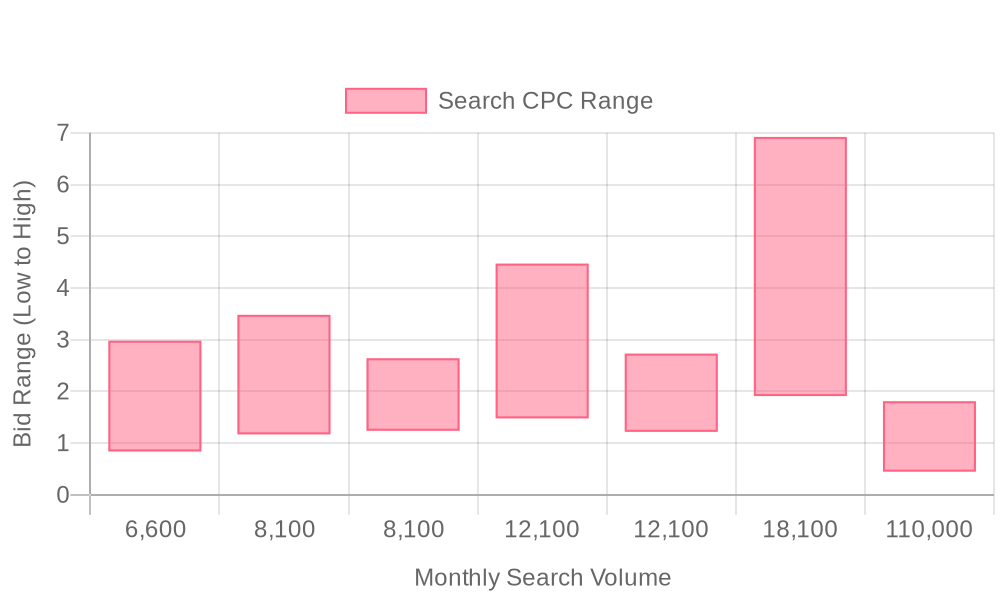
| Industry | Keyword | Monthly Search Volume | Competition Level | Low Bid | High Bid |
| Publications | online journal | 6600 | LOW | 0.84 | 2.98 |
| Publications | medical journals | 8100 | LOW | 1.17 | 3.48 |
| Publications | scientific articles | 8100 | LOW | 1.24 | 2.64 |
| Publications | publications | 12100 | LOW | 1.48 | 4.47 |
| Publications | science journal | 12100 | LOW | 1.22 | 2.73 |
| Publications | peer reviewed articles | 18100 | LOW | 1.91 | 6.92 |
| Publications | journal | 110000 | HIGH | 0.45 | 1.81 |
Developing an effective keyword strategy is essential for publications aiming to maximize digital ad performance and audience growth. By targeting both high-volume, competitive keywords and niche, intent-driven terms, publishers can capture a wider spectrum of engaged readers and advertisers. This approach ensures that online advertising for publications addresses both mainstream and specialty interests, leading to stronger engagement rates and more qualified traffic. For a deeper dive into ad management and monetization, explore this comprehensive guide to Google DFP for publishers.
- High-Volume, Competitive Keywords: Focusing on terms like "digital magazine subscriptions," "best online publications," and "latest industry trends" positions publications to attract audiences actively seeking comprehensive, up-to-date content. These keywords command significant search demand, making them essential for publications looking to boost visibility and ad revenue for publishers.
- Niche and Long-Tail Keywords: Incorporating more specific, lower-competition phrases such as "B2B tech publication advertising," "finance industry news marketing," or "monetizing niche content" drives relevance and helps publications engage specialized audiences. This balance amplifies the reach of publisher marketing strategies, ensuring content appeals to both broad and targeted market segments. To learn more about optimizing content strategy, visit our blog for actionable insights.
- Timely Query Interception: Leveraging Google Ads for Publications during peak news cycles allows marketers to intercept high-intent queries at the moment users seek the latest updates. This approach increases the likelihood of acquiring leads that are more likely to convert, providing measurable lift in campaign ROI and supporting dynamic audience targeting as news trends shift.
Modern revenue teams can further refine their strategy by layering behavioral signals and audience data, identifying visitors by company and real-time intent. As leads progress through the funnel, dynamically updated audiences ensure ad messaging remains relevant and conversion-focused. Integration with CRM and ad platforms keeps lead data unified, enabling seamless remarketing and robust attribution for every campaign touchpoint. Ready to take your campaigns to the next level? Get started for free with Sona.
Step-by-Step Campaign Execution Framework
Step 1: Build Targeted Keyword Lists
Effective Google Ads for Publications begins with precision in keyword selection. Instead of casting a wide net, cluster keywords by topic themes, reader interests, and publication verticals. This approach eliminates waste from overly broad targeting and ensures ad spend reaches audiences with genuine relevance. Use granular research to identify search terms your audience uses, segmenting keywords into tightly organized groups for each campaign. For guidance on structuring campaigns and keyword clusters, explore this comprehensive guide to Google DFP for publishers.
When integrated with Sona's Identity Resolution, you can move beyond anonymous clicks to pinpoint high-value companies and decision-makers engaging with your content. This enriched visibility allows B2B publications to prioritize campaigns toward organizations with demonstrable in-market intent, whether that's a competitor's subscriber researching alternatives or a company evaluating a sponsorship. Targeting becomes more actionable, and lead quality improves along with conversion rates.
The upgrade most publications advertisers miss is going beyond raw keyword volume to layer in intent and identity signals. By connecting website-visitor data and CRM records with Sona Marketing Measurement, you can see which specific search terms bring in the accounts and customers that actually convert, and weight your keyword and bidding strategy toward those rather than the terms with the highest search volume alone.
Step 2: Develop Compelling Ad Copy
Engaging ad copy is crucial for publisher marketing strategies. Focus each message on solving reader pain points, highlighting unique content value, such as exclusive access, investigative depth, or timely analysis, and including direct calls-to-action tailored to specific audience segments. Use Sona Audiences to adapt language, tone, and featured offers, ensuring resonance across both general and niche publication audiences. This targeted approach boosts engagement and increases the likelihood of reader action, whether it's a subscription, newsletter signup, or content download.
Access to real-time behavioral signals from your audience enables dynamic ad messaging. As readers move through different stages of the content funnel, ad copy can automatically adjust to showcase offers most likely to convert. For publishers, this means every ad impression is optimized for the reader’s current interests, maximizing both engagement and ad revenue. For more tactics to supercharge your strategy, check out our library of actionable playbooks.
Step 3: Design Effective Landing Pages
Landing pages must align tightly with ad messaging and intent. Ensure every page delivers on the promise of the ad copy, features clear subscription or content CTAs, and loads quickly across devices. For publishers, seamless user experience is non-negotiable: visitors should instantly recognize the value proposition and find it easy to take the next step, whether subscribing, downloading, or exploring premium content. For additional inspiration, review these Google Ad Manager solutions for news publishers.
Connecting advertising data with CRM and analytics platforms enables publishers to personalize landing page experiences for returning visitors or known accounts. As audiences evolve through the funnel, landing pages can dynamically surface offers built from Sona Destinations audience syncs, boosting conversion and driving incremental ad revenue.
Step 4: Implement Data-Driven Optimizations
Monitor campaign performance rigorously using metrics such as CTR, conversion rate, and lifetime value. Use Sona's Intent Signals to identify which audiences and keywords yield the highest ROI. Adjust bids, ad copy, and budget allocation based on these insights, focusing resources on high-converting segments and pausing underperforming ad formats. For a deeper dive into Google Ads optimization, visit how Google Ads bid strategies work.
Synchronizing enriched lead and audience data between ad platforms and CRM systems unlocks advanced attribution and closed-loop reporting. This comprehensive view empowers publishers to accurately measure the impact of every ad touchpoint, refine their advertising strategies for publications, and confidently scale digital marketing for publishers in pursuit of sustainable ad revenue growth.
Ready to streamline your campaign execution and audience targeting? Get started for free with Sona.
Sona Marketing Measurement closes the gap between clicks and revenue. It captures ad clicks with first-party measurement, then ties that click through UTM capture and ad-platform APIs to the actual record in your CRM, and reports ROAS by keyword and campaign instead of by last-click form fill. Feeding that revenue signal back into Smart Bidding and Performance Max compounds over time: the algorithms optimize toward booked publications revenue, not cheap leads.
Tips on Expanding Your Google Ads for Publications Presence
Publications that excel with Google Ads build exposure by integrating campaigns across channels and aligning messaging to each stage of the reader journey. Effective campaign orchestration ensures that every interaction, from first impression to conversion, is supported by data-driven personalization rather than scattershot targeting. For a comprehensive overview of how Google Ads works and tips for campaign setup, explore how Google Ads works. To further refine your strategy, consult our blog for the latest insights on marketing analytics and performance.
- Cross-channel content promotion: Extend the reach of editorial assets by syndicating headlines, feature snippets, or subscription offers through both paid and organic channels. This approach boosts visibility and lets publications nurture high-intent prospects wherever they engage, whether on social, search, or niche content sites. Leveraging real-time audience data, marketers can identify which stories or verticals drive the most engagement, and then amplify those assets with precision ad spend.
- Upsell related publications or extras: Use audience insights to surface add-ons or premium content directly relevant to readers' demonstrated interests. For instance, a business reader who frequently engages with finance columns might see personalized offers for exclusive reports or subscription upgrades. When enriched reader profiles are integrated into campaign management, marketers can dynamically adjust upsell messaging as readers progress from anonymous visitors to known subscribers using Sona's Identity Resolution.
- Collaborate for credibility and reach: Partnering with recognized industry figures or authoritative platforms elevates the credibility of sponsored content and amplifies reach. These collaborations are most effective when mapped to targeted campaign goals, such as driving registrations for an industry webinar or boosting downloads of a new research report. By tracking engagement and attribution across partner channels, marketers can quickly assess which collaborations generate the highest return and adjust allocations in real time with guidance from our marketing playbooks.
- Localize for regional resonance: Tailor ad creative and placement to align with the cultural context and language preferences of each targeted region. Hyper-local messaging increases relevance and improves conversion rates, especially for regional publications or global brands with segmented reader bases. Integrated campaign management platforms allow advertisers to instantly update creative and targeting criteria as audience needs shift, ensuring that each engagement remains contextually appropriate and valuable. For best practices on campaign localization, visit our latest blog insights.
Expanding the Google Ads footprint for publications means harnessing unified data, real-time intent, and dynamic audience segmentation to create a continuous cycle of engagement and revenue growth. With advanced campaign management, publishers move beyond anonymous impressions to identify and nurture high-value readers throughout the entire funnel.
Beyond Google Ads: Winning the AI Answers Publications Buyers Now Trust
Paid search captures demand at the moment someone types a query. But a fast-growing share of publications buyers no longer start at Google at all, they ask ChatGPT, Gemini, or Perplexity before they ever run a search, and Google's own AI Overviews increasingly summarize an answer above the traditional results. If your business isn't referenced in those AI answers, you're invisible at the exact moment buyers build their shortlist.
Sona AI Visibility shows where your business shows up across ChatGPT, Gemini, Perplexity, Google AI Overviews, and 10+ engines, and, much like a keyword report, which prompts actually send you buyers, so you can prioritize the ones that convert. Run the two together and you cover the entire buyer path: get cited where buyers research (AI Visibility), then prove which of that demand turns into booked revenue (Marketing Measurement).
Helpful resources
Conclusion
Google Ads gives publications a direct line to readers at the exact moment they're searching, but the campaigns that hold up over time are the ones built on evidence of who actually subscribes, not just who clicks. Precision targeting, sharp ad copy, and landing pages matched to intent all matter, but they only compound when tied back to real conversion data.
The publications that will pull ahead are the ones treating Google Ads as one input into a larger measurement system, connecting ad clicks to subscriptions and renewals, not just impressions. That shift, from counting readers to knowing which ones pay, is what separates a campaign that looks good in a dashboard from one that actually grows the business.
To take your advertising strategy further, start for free and see what closed-loop measurement reveals about your campaigns.
FAQ
What are the best practices for using Google Ads for publications?
Best practices include identifying high-intent keywords, developing audience targeting strategies, crafting compelling ad copy, designing landing pages that convert, and continuously optimizing campaign performance.
How can I increase my publication's visibility using Google Ads?
Increase visibility by targeting niche keywords, leveraging real-time analytics for agile budget allocation, and launching responsive ad campaigns that mirror shifting reader intent.
What types of ads work best for promoting publications?
Search campaigns, display ads, video ads, remarketing, and ad extensions are effective types of Google Ads for promoting publications.
How do I set up a Google Ads campaign for my publication?
Set up a campaign by building targeted keyword lists, developing compelling ad copy, designing effective landing pages, and implementing data-driven optimizations.
What metrics should I track when using Google Ads for publications?
Track metrics such as click-through rate (CTR), conversion rate, and lifetime value, using advanced conversion tracking and attribution models to measure ROI.







