


Protein purification services sell into some of the most regulation-heavy, technically literate buyers in B2B: lab managers who know exactly what "endotoxin-free" needs to mean, procurement teams bound by GMP and vendor-qualification rules, and researchers who won't click past a headline unless the technical claim is credible. A recurring problem is that most of that research happens anonymously, prospects compare vendors, read protocols, and build a shortlist long before anyone fills out a form, so the CRM never sees them and the opportunity is lost before sales knows it existed. Tools that identify anonymous site visitors and engage them at the right moment can close that gap. Google Ads gives protein purification providers a way to reach real decision-makers as they search, and to re-engage them with the right message as they move toward a decision. This guide covers how to use Google Ads to complement other channels, prove ROI, and convert prospects who are already showing genuine intent.
How to Generate Protein Purification Services Leads with Google Ads: A Step-by-Step Guide

B2B marketers in the protein purification sector face unique pressure to deliver measurable pipeline results. High-value leads are often missed due to fragmented data, limited market visibility, and the technical nature of the services. A streamlined, data-driven Google Ads strategy can pinpoint buyers with specific intent, align outreach to scientific priorities, and accelerate revenue growth.
In this market, anonymous site visits outnumber visible leads by a wide margin. Standard analytics surface only a fraction of the organizations researching purification services, leaving sales teams to work from guesswork. By identifying the companies behind that traffic and layering in firmographic detail, revenue teams can see who's engaged and prioritize the accounts already showing buying signals. For more on protein purification methods and applications, see this overview of IgG Fc tag protein production.
A modern Google Ads approach unifies campaign data, intent signals, and CRM insights. Real-time audience segmentation ensures that ads reach decision-makers at the moment of need. Conversion tracking extends beyond form fills to connect online and offline touchpoints, allowing true attribution from first click to closed deal. As leads move through the funnel, dynamic audience updates and automated retargeting keep messaging relevant and conversion rates high.
Comprehensive lead generation for protein purification services requires more than keyword bids. It demands a closed-loop system where every interaction is tracked, every audience is enriched, and every campaign is optimized for both quality and speed. The steps below outline how B2B teams can get more from their Google Ads investment and generate qualified leads consistently in this niche.
- Data-Driven Approach: Use unified dashboards to monitor campaign performance, shift budget toward high-converting accounts, and eliminate low-return investments. Leveraging real-time insights from in-market behavior ensures spend is focused on prospects with immediate needs, not passive browsers.
- Keyword and Audience Targeting: Define and refine your ideal customer profile using firmographic and behavioral signals. Target ads to research institutions, biotech startups, and pharmaceutical manufacturers most likely to purchase your services. As audiences interact with your site and content, advanced tools automatically update segments, so your campaigns stay in sync with evolving buying journeys.
- Landing Page Alignment: Ensure every ad click leads to a conversion-focused page tailored to the visitor’s search intent. Include clear technical value propositions, validation data, and simple inquiry forms to boost conversion rates. Real-time visitor identification can trigger personalized content and route high-priority leads directly to your sales team.
- Cross-Channel Integration: Activate audience insights across paid search, display, and social channels to create a cohesive brand experience. Sync enriched audience lists and CRM data with Google Ads to enable precise retargeting and nurture campaigns. This holistic approach ensures no high-value lead falls through the cracks and that marketing and sales teams are always aligned on priority accounts.
Why Does Google Ads Matter for Protein Purification Services

Protein purification providers operate in a highly specialized landscape where reaching the right decision-makers is critical. Google Ads delivers the ability to engage lab managers, research directors, and procurement professionals precisely when they are searching for advanced purification solutions or evaluating new protein purification partners.
Targeting niche audiences is essential in this sector, where a research institution renewing a grant, a biotech startup scaling toward IND filing, and a pharma manufacturer qualifying a second-source vendor all search for purification services with very different urgency and vocabulary. With Google Ads, campaigns can be built around those distinctions, catching the lab that needs GMP-grade output on a hard deadline before it ever emails a sales rep, rather than competing for generic "protein purification" traffic. Precise audience intelligence helps ensure your campaigns stay relevant to whichever segment is actually in-market.
Locational precision is another transformative factor for protein purification companies. Google Ads enables granular geographic targeting, allowing providers to enter new regions, support expansion into international research hubs, and maintain visibility even where traditional outreach methods struggle to break through. This ensures that your high-margin, complex services are visible to relevant buyers, no matter their location.
The high value and complexity of protein purification services demand marketing that communicates technical differentiation and guarantees clearly. Google Ads lets providers put specialized workflows and purity standards directly in front of engaged prospects, increasing qualified inquiries and shortening sales cycles. By integrating real-time behavioral data and CRM insights, marketers can dynamically update audiences and shift budget toward accounts actively demonstrating in-market intent, so spend follows real demand instead of guesswork.
Common Types of Google Ads Campaigns for Protein Purification Services

- Search Campaigns: Search campaigns are essential for capturing intent-driven prospects who are actively looking for protein purification solutions. These campaigns position your service at the top of results when decision-makers research terms like "custom protein purification" or "affinity chromatography services." Within Search, Responsive Search Ads let you test multiple headlines and descriptions so Google can serve the combination most likely to convert for a given query. Leveraging real-time behavioral signals lets you put budget behind high-value, ready-to-convert accounts instead of waiting on passive inquiries. By identifying which companies and people visit your landing pages, marketing teams can prioritize engagement and personalize outreach for better conversion rates.
- Display Ads: Display ads extend your visibility across scientific publications, lab supply sites, and industry news platforms, ensuring your brand stays top-of-mind even before prospects are ready to buy. For protein purification providers, display placements reinforce expertise and reliability throughout long buying cycles, especially when layered with contextual targeting around research trends. Marketers can dynamically refresh creative and messaging based on visitor segments, maximizing relevance as prospects return to your digital properties. For a practical overview of protein purification service providers to target and benchmark, see this protein purification services directory.
- Video Ads: Video campaigns deliver immersive demonstrations of your purification platforms, technical protocols, and quality control processes. These ads are particularly effective for educating research and procurement teams about unique purification methods or compliance standards, such as GMP or ISO certifications. Integrating viewership data with engagement metrics helps align follow-up actions, like sales outreach or gated technical downloads, to prospects demonstrating high purchase intent.
- Remarketing: Remarketing campaigns re-engage scientists, lab managers, and procurement specialists who have previously explored your services but left without converting. This approach personalizes ad creative based on past interactions, such as viewing a case study or downloading a technical datasheet, nudging high-fit leads further down the sales funnel. By automatically updating audience lists as leads engage or convert, you ensure ad dollars are spent on the most relevant opportunities while excluding those who’ve already taken action. This closed-loop approach enables marketing and sales teams to coordinate seamlessly, track attribution from ad click to closed deal, and optimize messaging for every stage of the buying journey.
Where to Find Growth Opportunities
Growth in the protein purification services sector comes from precisely targeting the right audiences and consistently engaging those showing real buying intent. The most effective B2B marketers invest in data-driven strategies that reveal overlooked segments, maximize the value of existing web traffic, and ensure every ad dollar is focused on accounts most likely to convert. Sona's Identity Resolution helps uncover which companies and buyers are visiting your website, while resources like the protein purification services directory support finding specialized external partners for expanding your pipeline.
- Vertical Keyword Targeting: Expanding beyond basic search terms to include nuanced, industry-specific language is essential in capturing professionals actively seeking specialized protein purification services. By layering in keywords related to chromatography methods, tag-specific purification, or regulatory compliance, marketers can ensure their ads appear for highly qualified searchers, delivering relevance at every impression. Tools that identify vertical keywords connected to in-market buyers allow teams to refine their strategy and focus budget on signals that drive revenue.
- Competitor Gap Analysis: Growth often comes from identifying the spaces your competitors have overlooked. Conducting a deep analysis of the paid search landscape uncovers underutilized keyword clusters, missed audience segments, and untapped geographies where demand for protein purification expertise is rising. By mapping these gaps against intent data signals and layering in advanced visitor identification, teams can precisely see where traffic is coming from and which accounts represent true pipeline opportunity, enabling tailored outreach that addresses unmet needs.
- Content Retargeting: Most prospects will not convert on their first visit, especially in complex B2B sales cycles like protein purification services. Retargeting strategies that deliver relevant, content-driven touchpoints, such as case studies for enterprise buyers or technical guides for research labs, keep your brand top of mind and nurture leads as they move through consideration. Integrating dynamic audience updates ensures retargeting efforts are always aligned with the latest engagement signals, so high-value accounts receive the right message at the right moment, and your campaigns adapt in real time.
To put these strategies into action and accelerate your growth, get started for free with Sona.
How to Apply Audience Segmentation for Protein Purification Services
Audience segmentation is the foundation of high-performing digital marketing in the protein purification sector. When revenue teams differentiate between core market segments, such as biotech companies and academic research institutions, they ensure each ad message resonates with the unique needs and motivations of its audience. For teams looking to build real-time, signal-based segments, leveraging dynamic audience tools can deliver highly personalized outreach.
- Define Segments: Effective segmentation starts by mapping out discrete groups, biotech firms seeking large-scale, cGMP-compliant protein purification versus academic labs prioritizing rapid, small-batch workflows. Each segment has distinct buying cycles, technical requirements, and decision-makers, making it crucial to avoid one-size-fits-all messaging. Identifying these groups allows marketers to craft tailored value propositions, ensuring higher engagement and relevance throughout the sales funnel. For additional insight into industry-specific protein purification needs, explore this overview of IgG Fc tag protein production methods and applications.
- Customize Ad Groups: Building on segmentation, ad groups should reflect the nuanced motivations of each audience. For example, biotech procurement teams often respond to messaging centered on regulatory compliance, scalability, and process validation, while academic researchers are driven by turnaround time, protocol support, and cost sensitivity. By customizing creative assets and landing pages for each group, marketers can address objections and highlight differentiators in ways that directly impact conversion rates. Modern platforms allow dynamic audience updates, so as prospects demonstrate in-market behaviors, like downloading a technical datasheet or requesting a quote, their ad experience evolves in real time to increase relevance and drive intent.
- Validate Paths: Ensuring that segmentation translates into measurable outcomes requires robust tracking and integration with CRM systems. When enriched audience data and lead activity automatically sync between ad platforms and sales tools, teams gain visibility into exactly which audience cohorts generate qualified pipeline. This online and offline attribution uncovers true ROI by connecting ad engagement with closed deals. Real-time intent signals can also inform budget allocation, helping marketers shift spend toward audiences demonstrating high purchase readiness and increasing efficiency across acquisition channels.
This is also where measurement changes the economics. With Sona Marketing Measurement you can identify the companies and buyers behind your ad clicks, not just anonymous sessions, and segment audiences by who actually becomes a customer. That lets you build bid adjustments and audience signals around the segments that convert and de-prioritize the ones that don't, so you feed Google's algorithms "this click became a paying protein purification services customer" instead of just "someone filled out a form."
Keyword Strategy & Sample Target Terms
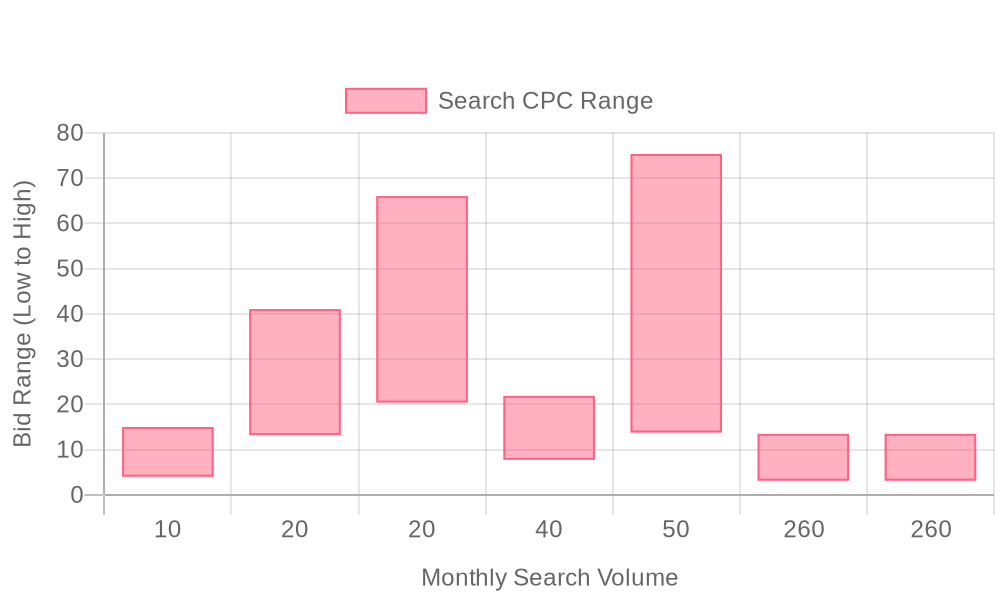
| Industry | Keyword | Monthly Search Volume | Competition Level | Low Bid | High Bid |
| Protein Purification Services | antibody expression and purification | 10 | LOW | 4.03 | 15 |
| Protein Purification Services | protein expression and purification services | 20 | LOW | 13.22 | 41.04 |
| Protein Purification Services | protein purification companies | 20 | LOW | 20.41 | 66.02 |
| Protein Purification Services | recombinant protein expression and purification | 40 | LOW | 7.75 | 21.87 |
| Protein Purification Services | protein purification services | 50 | MEDIUM | 13.77 | 75.32 |
| Protein Purification Services | protein expression and purification | 260 | LOW | 3.14 | 13.48 |
| Protein Purification Services | protein expression purification | 260 | LOW | 3.14 | 13.48 |
Strategic keyword selection is foundational for high-performance campaigns in protein purification services. The most effective programs identify not only volume-driving terms but also those signaling immediate purchase intent, enabling marketers to engage prospects ready for conversion. For additional inspiration, explore this curated list of biotechnology keywords to inform your targeting strategy.
- Funnel Specific Keywords: Targeting high-intent phrases, such as "custom protein purification," "recombinant protein production service," or "His-tag purification lab," ensures visibility to audiences who know what they want and are closer to a purchasing decision. These terms reflect buyers moving through the funnel and allow for budget prioritization on segments with the highest likelihood to convert. Leveraging real-time audience insights, revenue teams can quickly pivot spend toward these high-converting searches, capturing demand in real time as researchers and procurement leads evaluate vendors.
- Negative Keyword Implementation: Excluding irrelevant or low-value traffic is non-negotiable for efficient spend. Negative keywords such as "free protocol," "academic jobs," "DIY chromatography," or unrelated protein fitness terms prevent wasted budget on users who will not become customers. This disciplined approach keeps cost per lead low and ensures sales teams engage with only qualified inquiries. By continuously analyzing query reports, marketers can refine their exclusion lists, minimizing noise and sharpening campaign focus over time. For practical campaign execution, review our B2B marketing playbooks to better structure your keyword strategies.
- Location Modifiers: Incorporating geographic qualifiers like "protein purification service USA," "EU GMP protein lab," or "California recombinant protein provider" targets buyers searching for region-specific suppliers, which is critical in regulated biotechnology markets. These modifiers also help align campaigns with territory-based sales reps and distribution channels, improving lead quality and conversion rates. When audience data is unified across platforms, marketers can dynamically update these location segments as leads move through the funnel or new markets open, supporting expansion with precise, localized visibility.
Sophisticated teams can further enhance these strategies by pinpointing which companies and research institutions are engaging with specific keyword clusters. Rather than relying on anonymous web analytics, marketers can identify website visitors, sync these audiences with CRM and ad platforms, and trigger personalized follow-ups. This level of integration enables protein purification service providers to maximize every click, optimize spend, and accelerate deal velocity across global and regional markets.
Step-by-Step Campaign Execution Framework

A disciplined, stepwise Google Ads approach is essential for driving measurable results in protein purification services. Each stage in the framework, from keyword discovery to bid optimization, directly impacts the quality and volume of leads entering the pipeline. For additional insights on building a holistic B2B campaign structure, explore the Sona blog for actionable best practices.
Step 1: Build Targeted Keyword Lists
Precise keyword list development ensures that ads capture the intent of researchers and biotech buyers actively seeking protein purification solutions. Segmenting by service type, such as His-tag or GST-tag purification, and layering in geography enables campaigns to reach both local academic labs and global pharmaceutical procurement teams. For a comprehensive overview of protein purification technologies and applications, consult this introduction to protein purification methods. Incorporating long-tail queries like "affinity chromatography protein purification service" filters out low-intent clicks and keeps budgets focused on those most likely to convert.
Modern teams can elevate targeting by leveraging visitor intelligence to uncover which institutions and companies frequent their landing pages. This data reveals not only organizational interest but also allows for rapid adjustment of keyword priorities to match in-market behaviors. As high-value accounts emerge, marketers can shift spend dynamically toward the most engaged audiences, ensuring that ad dollars follow real-time opportunity.
The upgrade most protein purification services advertisers miss is going beyond raw keyword volume to layer in intent and identity signals. By connecting website-visitor data and CRM records with Sona Marketing Measurement, you can see which specific search terms bring in the accounts and customers that actually convert, and weight your keyword and bidding strategy toward those rather than the terms with the highest search volume alone.
Step 2: Develop Compelling Ad Messaging
Effective ad creative in protein purification services hinges on addressing technical pain points and communicating clear differentiation. Highlighting purity guarantees, turnaround speed, or regulatory compliance directly in headlines and descriptions resonates with a technical audience that values evidence-based decision-making. Adding credibility markers, such as references to ISO certifications or successful case studies, strengthens trust and relevance, see how case studies drive lead generation and brand awareness for inspiration.
Copy refinement benefits from continuous feedback: using intent data and visitor insights, marketers can tailor messaging to reflect the research interests and procurement phases of specific accounts. When ad copy aligns with the evolving needs of visitors identified through unified data, click-through and conversion rates climb, driving a more robust pipeline.
Step 3: Design High-Performance Landing Pages
Landing pages for protein purification services must carry through the promise of the ad while making it easy for prospects to take the next step. Clear calls-to-action, such as "Request a Purification Quote" or "Download Workflow Protocol," reduce friction and direct users to conversion. Embedding technical resources, protocol documentation, purity analytics, compliance certificates, demonstrates authority and meets the expectations of a scientific buyer. For an educational overview on purification workflows, review this protein purification resource.
A unified CRM connection ensures every form fill or interaction is instantly routed to sales, while enriched data from visitor identification allows for tailored follow-up. When audiences are dynamically updated as leads progress or engage with new content, remarketing and nurture sequences stay relevant and effective, maximizing the downstream impact of every ad click.
Step 4: Optimize with Data-Driven Bidding
Ongoing optimization through performance-driven bid strategies keeps campaigns aligned with business goals and market shifts. Using real-time attribution, marketers can identify which keywords, ads, and landing pages deliver the highest ROI, then reallocate spend accordingly. To understand how automated bidding and data-driven models can boost results, read this guide to PPC bid management.
Advanced conversion tracking closes the loop between online actions and offline revenue. Integrating lead and opportunity data into the bidding engine ensures every dollar spent is measured against actual sales outcomes, not just form submissions. This feedback cycle drives smarter investment, continuous improvement, and sustained growth for protein purification service providers.
Sona Marketing Measurement closes the gap between clicks and revenue. It captures ad clicks with first-party measurement rather than individual-level tracking, ties that activity through UTM capture and ad-platform APIs to the actual record in your CRM, and reports ROAS by keyword and campaign instead of by last-click form fill. Feeding that revenue signal back into Smart Bidding and Performance Max compounds over time: the algorithms optimize toward booked protein purification services revenue, not cheap leads.
Tips on Expanding Your Protein Purification Services Presence
Embracing a data-driven approach allows protein purification service providers to consistently reach high-intent buyers and researchers in a competitive market. Leveraging advanced analytics and unified audience insights ensures every campaign dollar brings tangible, measurable impact.
- Cross-Promote: Retargeting can re-engage leads who have shown interest in technical content or quote requests but have cooled over time. By identifying visitor behavior and segmenting those who interacted with key resources, marketers can launch tailored display ads or follow-up emails that reignite interest. Modern solutions can match anonymous site traffic to companies and known contacts, ensuring your retargeting efforts are focused on real accounts with demonstrated potential.
- Upsell & Cross-Sell: Integrating CRM insights with digital marketing platforms enables teams to identify customers who purchased a core purification service and are primed for additional offerings, such as endotoxin removal or tag-free protein production. Automated audience syncing ensures these contacts receive timely, relevant Google Ads promoting complementary services, while sales teams are alerted to new upsell opportunities. For an overview of IgG Fc tag protein production methods and applications, visit this detailed resource.
- Localization: Customizing campaigns by region maximizes campaign effectiveness, as procurement standards, regulatory requirements, and technical preferences often vary by geography. Localized ad copy, landing pages, and keyword targeting can be dynamically adjusted based on intent signals and account-level data. Real-time audience updates ensure that as new leads from key academic or pharmaceutical hubs emerge, your ads remain relevant and regulatory-compliant, driving engagement at both the national and local level.
By integrating rich behavioral data, real-time intent, and seamless CRM sync, protein purification providers can achieve greater precision in targeting, higher conversion rates, and a unified view of their audience pipeline. This turns Google Ads for protein purification services into a growth engine rather than a lead-generation afterthought, letting B2B teams scale outreach, personalize engagement, and optimize spend at every stage of the buyer journey.
Beyond Google Ads: Winning the AI Answers Protein Purification Services Buyers Now Trust
Paid search captures demand at the moment someone types a query. But a fast-growing share of protein purification services buyers no longer start at Google at all, they ask ChatGPT, Gemini, or Perplexity before they ever run a search, and Google's own AI Overviews increasingly summarize an answer above the traditional results. If your business isn't referenced in those AI answers, you're invisible at the exact moment buyers build their shortlist.
Sona AI Visibility shows where your business shows up across ChatGPT, Gemini, Perplexity, Google AI Overviews, and 10+ engines, and, much like a keyword report, which prompts actually send you buyers, so you can prioritize the ones that convert. Run the two together and you cover the entire buyer path: get cited where buyers research (AI Visibility), then prove which of that demand turns into booked revenue (Marketing Measurement).
Helpful resources
Conclusion
The providers who win in this space over the next few years won't just be running keyword campaigns, they'll be the ones who can prove which searches, ads, and accounts actually turned into booked revenue, and who show up when a buyer asks an AI assistant for a recommendation before ever touching Google. Building that connected view now, rather than after competitors have already claimed the visibility, is what turns Google Ads spend into a durable pipeline advantage.
FAQ
What are the best practices for advertising protein purification services on Google Ads?
The best practices include using a data-driven approach with real-time audience segmentation, targeting specific keywords related to protein purification, ensuring landing pages are conversion-focused, and integrating cross-channel efforts with CRM insights to maintain a cohesive brand experience.
How can I ensure compliance with Google Ads healthcare policies for my protein services?
Ensure compliance by aligning your campaign messaging with healthcare regulations, focusing on technical differentiation and guarantees, and using intent signals to target audiences with high purchase readiness.
What budget should I allocate for Google Ads in the protein purification industry?
Allocate budget towards campaigns that target high-intent keywords and audiences demonstrating immediate needs, optimizing spend through real-time insights and shifting budget toward high-converting accounts.
What keywords should I target for Google Ads related to protein purification?
Target keywords such as 'custom protein purification,' 'recombinant protein production service,' and 'His-tag purification lab' to engage prospects ready for conversion and use negative keywords to exclude irrelevant traffic.
How effective are Google Ads for promoting laboratory services like protein purification?
Google Ads are effective for promoting laboratory services by allowing precise targeting of niche audiences, engaging decision-makers at the right time, and integrating behavioral data to dynamically update campaigns for maximum impact.







