


A fuel distributor searching for a new equipment supplier rarely browses casually, they're usually chasing a compliance deadline, a supply gap, or a broken piece of machinery, and they want an answer now. Google Ads for petroleum businesses works because it meets that urgency directly, putting your business in front of buyers as they search, rather than waiting for them to find you through slower channels. Petroleum marketers face real constraints: keyword lists must account for fluctuating oil prices and seasonal demand swings, budgets have to flex with market volatility, and messaging has to hold up under scrutiny from buyers who care about regulatory compliance and sourcing credibility. Tools that reveal which companies are visiting your site, even anonymously, let petroleum businesses direct spend toward accounts most likely to convert, and measure results across a sales cycle that often extends well beyond the initial click.
How to Generate Google Ads for Petroleum Businesses: A Step-by-Step Guide

Petroleum businesses can unlock substantial growth and measurable ROI by targeting decision-makers during high-intent search moments. With a well-structured Google Ads approach, these companies achieve precise market segmentation and amplify brand credibility within a highly regulated landscape. Each tactical decision, from keyword selection to campaign optimization, directly impacts lead quality and sales velocity.
Revenue teams in the petroleum sector need digital strategies that move beyond broad impressions and anonymous clicks. By leveraging advanced tools to identify visiting organizations, marketers ensure their ad budgets reach the most promising accounts, while unifying performance data to inform smarter investment.
- Keyword and Audience Targeting: Begin by focusing on industry-specific terms such as oil and gas marketing, digital marketing for petroleum, and PPC for petroleum businesses. Integrating platforms that can identify visiting organizations, even when forms go unsubmitted, allows you to target high-value accounts proactively. Add geo-modifiers and niche descriptors to home in on buyers with immediate needs, whether they are regional fuel distributors or global equipment suppliers. Use dynamic audience segmentation to continuously update and refine your target list as leads engage with your brand, ensuring that campaigns remain relevant and competitive.
- Ad Creative Development: Petroleum advertising succeeds when ad copy is technical, credible, and outcome-oriented. Highlight what sets your business apart, such as accelerated project timelines, regulatory compliance, or proven sustainability credentials. Ad assets are essential for this industry: use them to showcase certifications, industry awards, and service guarantees. Explore best practices for Google Ads to ensure your campaigns communicate trustworthiness and mitigate skepticism that may arise from environmental concerns or complex procurement requirements.
- Effective Landing Pages: Every ad group should direct prospects to a highly relevant landing page tailored to specific search intent. These pages must articulate a distinct value proposition and provide clear next steps, such as requesting a quote or downloading technical documentation. CRM integration is indispensable: as leads submit forms or engage with calculators, their data is synced in real-time, enabling sales teams to prioritize follow-up based on buying signals and account fit. This seamless handoff eliminates manual entry and ensures that no opportunity is lost due to delays or incomplete information.
- Performance Optimization: Continuous monitoring of bids, placements, and conversion rates is vital for campaign success in the oil and gas sector. Automation tools can identify patterns in prospect behavior, guide real-time budget shifts toward in-market accounts, and uncover underperforming segments before costly waste accumulates. Advanced tracking and attribution features allow marketers to connect both online and offline conversions, providing a holistic view of ROI and supporting data-driven decisions on channel investment.
- Cross-channel Integration: For petroleum businesses, aligning digital campaigns with offline efforts like trade shows, outbound sales, and email nurturing is crucial. Integration between Google Ads, CRM, and marketing automation ensures that every touchpoint is tracked, and audiences are dynamically updated as leads progress through the funnel. This approach improves attribution accuracy and helps maintain a consistent brand experience across all channels, maximizing the impact of each marketing dollar.
Why Does Google Ads Matter for Petroleum Businesses?

Petroleum businesses operate within a highly competitive, rapidly shifting landscape where precision and agility in marketing are essential for growth. Digital advertising platforms such as Google Ads enable petroleum marketers to engage decision-makers at pivotal moments, capturing critical demand that traditional channels often miss.
- Complex Audience Requirements: The petroleum sector's sales cycles often involve multiple stakeholders, from procurement officers to technical executives. Google Ads provides the targeting granularity needed to reach these roles as they research solutions online. Leveraging Sona's Identity Resolution, teams can move beyond anonymous website analytics to pinpoint which companies are engaging with high-value pages. This capability enables more personalized outreach and rapid prioritization of in-market accounts, aligning marketing efforts with real opportunity.
- High-Value Conversion Potential: Traditional marketing methods tend to nurture pre-existing relationships but struggle to attract new business when high-value projects arise. Google Ads fills this gap by surfacing petroleum brands to buyers actively searching for supplies, equipment, or specialty services. Marketers can monitor which organizations are interacting with their digital assets, enabling the sales team to focus follow-up on accounts already demonstrating purchase intent.
- Immediate Demand Fulfillment: In petroleum, urgent needs such as emergency repairs or supply chain disruptions require immediate response. Google Ads supports this by providing a real-time channel for demand capture. Marketers can track in-market behavior and shift ad spend dynamically to focus on the accounts most likely to convert, ensuring rapid response during critical events. For guidance on optimizing spend and campaign management, see best practices for Google Ads.
- Geographic Expansion and Precision: Petroleum companies often target new territories or specialized markets. Google Ads’ geographic targeting features, enhanced by Sona Audiences, allow marketers to concentrate budget on underserved regions or specific locations where demand is rising. When those insights are unified with broader sales and CRM data, audience segments update dynamically as leads progress through the buying journey, maximizing reach while minimizing waste.
Digital marketing, real-time data, and precise targeting together let petroleum businesses accelerate growth, capture new revenue streams, and hold a competitive edge in a demanding sector.
Common Types of Google Ads Campaigns for Petroleum Industry Services

- Search Campaigns: Search Ads are critical for petroleum businesses aiming to capture high-intent buyers at the moment of need. When someone searches for specialized services such as "bulk fuel delivery" or "refinery equipment supplier," these campaigns ensure that your solution appears at the top. Responsive Search Ads, an ad format within Search campaigns, let marketers test multiple headlines and descriptions to see which combinations resonate with procurement teams versus operations staff. Advanced segmentation allows marketers to prioritize and personalize messaging for repeat visitors or those who interacted with key resources, rather than treating every searcher the same. By leveraging identification technology, teams can move beyond anonymous clicks to pinpoint the companies engaging with their ads, enabling faster handoff to sales and more strategic follow-ups.
- Display Campaigns: Display Ads extend your brand’s reach beyond search, maintaining visibility across industry news, trade forums, and technical resource hubs that petroleum decision-makers frequent. This visibility complements your SEO and content strategies by reinforcing your expertise at multiple touchpoints. Display targeting benefits greatly from unified data: with accurate audience insights, ads are shown to the most relevant professionals, increasing efficiency. Dynamic audience syncing means your ads are automatically aligned with where a prospect stands in the buying journey, so messaging is always relevant.
- Video Campaigns: Video Ads allow petroleum marketers to simplify complex offerings, such as new drilling technologies or environmental initiatives, through engaging visual storytelling. These campaigns are particularly effective for building trust with prospects who require technical education before making a purchase decision. Marketers can use real-time intent data to direct budget toward viewers actively researching solutions, ensuring that video content is delivered to those most likely to convert. For those new to video advertising, this beginner’s guide offers helpful tips for setup and optimization.
- Remarketing Campaigns: Remarketing Initiatives are essential for re-engaging visitors who have shown interest in your petroleum services but have not yet converted. These efforts keep your brand top-of-mind with tailored ads that reflect previous interactions, such as downloading a technical specification or attending a webinar. With enriched CRM and website analytics data, remarketing lists update dynamically as prospects move from initial research to contract negotiation. This enables sales teams to align their outreach with digital touchpoints, driving higher conversion rates and measurable pipeline acceleration. To see how seamless onboarding can help you activate remarketing faster, get started with Sona.
- Performance Max Campaigns: Performance Max campaigns let petroleum marketers reach buyers across Search, Display, YouTube, and Gmail from a single campaign, using Google's automation to find in-market audiences such as fleet managers or facilities directors researching fuel contracts. This format works well for petroleum businesses with clear conversion data to feed the algorithm, since it optimizes toward the outcomes, like quote requests or contract inquiries, that matter most.
Where to Find Growth Opportunities
Petroleum businesses can accelerate growth by expanding digital marketing efforts beyond well-worn tactics, focusing on emerging channels and overlooked audience segments. By leveraging the latest advances in analytics and audience identification, teams can effectively target new buyers and capture market share in competitive environments.
- Vertical Keyword Expansion: Modern keyword research unlocks access to new verticals such as renewable energy partnerships or advanced logistics solutions, which are gaining traction in industry discussions. Using robust tracking and analytics, marketers can monitor which trending topics and search terms are gaining momentum, then align Google Ads strategies to capture demand before competitors react. By pairing ongoing audience tracking with dynamic keyword lists, campaigns stay relevant and visible as market interests evolve.
- Competitive Gap Analysis: In-depth competitor analysis reveals untapped opportunities where others underperform or overlook valuable segments. By utilizing Google Ads auction insights and overlaying them with behavioral data from your own site traffic, marketers can pinpoint which competitors' customers are visiting your digital properties and what content attracts them. With advanced visitor identification, it becomes possible to distinguish between casual browsers and high-value prospects, reallocating budget toward accounts that show real buying intent. This process ensures that ad spend is focused on segments with the highest potential for conversion and long-term value.
- Industry-Specific Ad Placements: Targeting decision-makers on industry news platforms and forums delivers direct access to buyers who may not come through traditional organic search. Leveraging behavioral data and engagement analytics, marketers can select placements that align with where high-intent users spend time, ensuring campaigns reach relevant audiences at the optimal moment. Dynamic audience segmentation ensures that as leads move through the funnel or new in-market prospects are identified, campaigns update in real time to maintain momentum and personalize outreach.
Embracing a data-driven approach to growth uncovers new business opportunities and ensures digital marketing for petroleum businesses evolves with industry trends. By unifying visitor insights, intent signals, and campaign data, B2B teams can execute strategies that drive measurable improvements in revenue and brand authority.
How to Apply Audience Segmentation for Petroleum Businesses
Petroleum businesses operate in a uniquely fragmented market, with stakeholders ranging from industrial procurement teams to urban residential customers. Precision in audience segmentation empowers these companies to deliver highly relevant messages that resonate with each group, increasing engagement and ultimately driving more qualified leads into the sales pipeline.
- Define Clear Segments: The first step is to establish granular segments by analyzing demographic, firmographic, and behavioral data. For example, industrial buyers searching for “oilfield equipment suppliers” have distinctly different needs than urban consumers seeking “home heating oil delivery.” Using sophisticated analytics, marketers can identify high-value clusters within their CRM, ensuring that campaigns target procurement managers, plant engineers, or facilities directors with tailored offers. Segmentation by company size, purchase frequency, and industry certifications further refines messaging and increases campaign relevance.
- Enhance Segmentation with Intent Signals: Deepening audience segmentation involves tracking and responding to real-time intent signals. For the petroleum sector, this means closely monitoring behaviors such as frequent site visits to maintenance or compliance pages, downloads of technical datasheets, or requests for product demos. By identifying these in-market triggers, like an uptick in searches for “API-compliant pumps” following new drilling announcements, marketers can shift spend toward accounts that show clear buying intent. Integrating real-time behavioral signals with audience segments enables dynamic reallocation of budget to high-converting prospects, ensuring efficient use of advertising resources.
- Validate Conversion Paths: To measure segmentation effectiveness, petroleum marketers must connect campaign data to CRM and sales workflows. This integration enables tracking of every touchpoint, from initial ad click to offline deal closure, creating a complete view of the customer journey. Advanced platforms facilitate syncing enriched lead data and audience updates directly into Google Ads and major CRM systems, allowing marketers to validate which segments and triggers are producing revenue. By closing the loop between digital engagement and real-world sales, teams can continuously refine audience definitions and maximize demand generation ROI in highly competitive petroleum markets.
This is also where measurement changes the economics. With Sona Marketing Measurement you can identify the companies and buyers behind your ad clicks, not just anonymous sessions, and segment audiences by who actually becomes a customer. That lets you build bid adjustments and audience signals around the segments that convert and de-prioritize the ones that don't, so you feed Google's algorithms "this click became a paying petroleum businesses customer" instead of just "someone filled out a form."
Keyword Strategy & Sample Target Terms
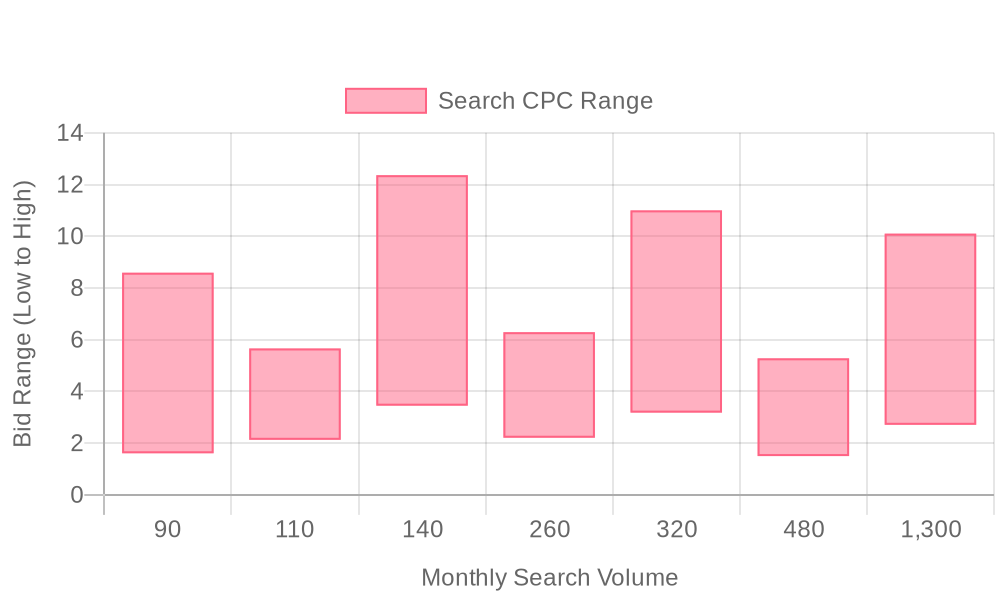
| Industry | Keyword | Monthly Search Volume | Competition Level | Low Bid | High Bid |
| Petroleum Businesses | atlantic gas company | 90 | LOW | 1.61 | 8.59 |
| Petroleum Businesses | oil trading companies | 110 | LOW | 2.13 | 5.66 |
| Petroleum Businesses | oil companies in my area | 140 | MEDIUM | 3.45 | 12.36 |
| Petroleum Businesses | fuel oil companies in my area | 260 | LOW | 2.21 | 6.29 |
| Petroleum Businesses | oil & gas companies | 320 | LOW | 3.18 | 11 |
| Petroleum Businesses | valley oil company | 480 | LOW | 1.5 | 5.28 |
| Petroleum Businesses | fuel oil companies near me | 1300 | MEDIUM | 2.71 | 10.1 |
Effective keyword strategies drive measurable revenue outcomes for petroleum businesses by connecting urgent, high-intent buyers with tailored solutions. Leveraging behavioral data from site visitors and historical campaign performance allows marketers to prioritize terms that directly correlate with bottom-line impact.
- Intent & Keywords: Focusing on high-intent searches such as "emergency fuel delivery," "bulk diesel supply," or "industrial lubricant distributors" ensures campaigns reach prospects actively seeking petroleum services or products. These searches signal immediate need and are often tied to higher conversion rates, making them critical for budget allocation. Advanced visitor identification enables marketers to move beyond anonymous clicks, pinpointing companies and decision makers engaging with these terms. This approach supports precise retargeting and real-time budget shifts toward searchers showing the highest likelihood to convert.
- Local Modifiers: Integrating location-based modifiers like "near me," city names, or service region keywords into campaigns captures the growing volume of geo-targeted searches. Examples include "fuel delivery service near me," "Houston oilfield supplier," or "NYC gas station bulk order." By analyzing foot traffic data and mapping search demand to physical territories, marketers can dynamically adjust keyword targeting to match evolving local needs. Geo-targeting not only improves lead quality but also optimizes spend efficiency by ensuring ads appear only in relevant markets; for more on maximizing local search, see Google Ads for local businesses.
- Negative Keyword Filters: Including negative keywords is essential for petroleum businesses to protect budget and maintain campaign relevance. Excluding terms such as "DIY oil change," "free gasoline," or "petroleum engineering degree" filters out low-value traffic and academic inquiries. This proactive filtering relies on continuous analysis of search term reports, allowing teams to refine negative lists as irrelevant patterns emerge.
- Renewable Energy Integration: The shift toward sustainable solutions in the petroleum sector is reflected in rising search volumes for renewable energy initiatives. Incorporating keywords like "renewable diesel supplier," "biofuel solutions," or "carbon offset fuel options" taps into new markets and aligns with evolving buyer interests. Data-driven insights into emerging trends empower marketers to forecast volume surges and pivot messaging, capturing demand at the intersection of traditional petroleum and clean energy.
Step-by-Step Campaign Execution Framework

Step 1: Build Targeted Keyword Lists
Success in Google Ads for petroleum businesses begins with robust keyword research and precise organization. The most effective approach segments keywords by core service areas, such as bulk fuel supply, oilfield equipment, or industrial lubricants, while integrating geographic modifiers to capture market demand at the local, regional, or national level. This structure ensures campaigns reach high-intent buyers searching for specific solutions, like “diesel delivery in Houston” or “API-certified valves Chicago,” rather than wasting spend on generic or unrelated queries. For industry-specific keyword inspiration, explore this oil and gas keywords list to strengthen your targeting strategy.
Modern marketers can further refine these keyword lists by leveraging real-time intent signals and analyzing trending industry demands. By identifying which companies and decision-makers are actively searching for petroleum products or services, teams can shift budget toward high-probability accounts, ensuring that ad spend is focused on reaching those most likely to convert. This enhanced visibility into in-market behavior not only drives better cost efficiency but also improves the relevance of every impression delivered.
The upgrade most petroleum businesses advertisers miss is going beyond raw keyword volume to layer in intent and identity signals. By connecting website-visitor data and CRM records with Sona Marketing Measurement, you can see which specific search terms bring in the accounts and customers that actually convert, and weight your keyword and bidding strategy toward those rather than the terms with the highest search volume alone.
Step 2: Develop Compelling Ad Copy
Compelling ad copy for petroleum campaigns must speak directly to the critical pain points and urgent needs of the industry’s buyers. Messaging should focus on safety compliance, rapid delivery, and product reliability, while providing clear solutions to challenges such as regulatory requirements or supply chain disruptions. Incorporating trust builders, like ISO certifications, regulatory compliance badges, or client testimonials, reinforces credibility and drives higher engagement rates among cautious B2B audiences. For creative guidance, review Google Ads best practices on balancing recommended strategies with practical campaign management.
With access to account-level data and advanced audience segmentation, marketers are now able to personalize ad content to the decision-makers most likely to take action. For example, messaging can dynamically adjust based on whether the visitor is a procurement manager at a refinery or an operations director at a logistics firm, ensuring each ad resonates with the recipient’s specific priorities. This data-driven approach increases relevance and amplifies conversion opportunities at every stage of the buying journey.
Step 3: Design Effective Landing Pages
Landing pages for oil and gas marketing must achieve seamless alignment with the promise and tone of the ad copy while guiding users effortlessly toward conversion. Every element, headline, imagery, form fields, and calls-to-action, should reinforce the service value and address common buyer concerns like turnaround time, compliance documentation, or technical support. Optimizing for mobile responsiveness and minimizing navigation friction are essential, as industrial buyers often conduct research from multiple devices and locations.
Ongoing refinement of landing pages is best achieved through continuous data analysis. By tracking user behavior, identifying bottlenecks, and understanding which content drives the most conversions, marketers can systematically eliminate obstacles to lead submission. Integrating visitor identification technology allows teams to tailor page content to the organization or individual, increasing the likelihood of a completed inquiry or request for proposal.
Step 4: Implement Data-Driven Optimization Techniques
Continuous performance improvement is a cornerstone of digital marketing for petroleum businesses. Advanced analytics platforms empower marketers to monitor campaign health in real time, rapidly identifying which keywords, ads, and audiences are delivering the highest ROI. Automated budget adjustments, bid strategies, and creative rotations keep campaigns agile in response to changing market dynamics or shifts in buyer demand. Access the official Google Ads homepage for additional resources on optimizing your campaigns.
Integrating CRM and ad platform data unlocks end-to-end visibility, from first website interaction to closed contract. When audience and lead data sync seamlessly between marketing and sales tools, teams gain a clear understanding of which campaigns generate not just clicks, but actual revenue. This closed-loop optimization allows for more accurate attribution, better forecasting, and smarter investment in high-performing Google Ads strategies tailored to the petroleum industry.
Sona Marketing Measurement closes the gap between clicks and revenue. It captures ad clicks with first-party, company-level measurement rather than individual tracking, ties that click through UTM capture and ad-platform APIs to the actual record in your CRM, and reports ROAS by keyword and campaign instead of by last-click form fill. Feeding that revenue signal back into Smart Bidding and Performance Max compounds over time: the algorithms optimize toward booked petroleum businesses revenue, not cheap leads.
Tips on Expanding Your Petroleum Business Presence

Petroleum businesses seeking stronger market positioning benefit from a multi-faceted digital strategy that blends educational engagement, localized operations, and influential partnerships. The most successful growth initiatives combine targeted advertising efforts with actionable data, allowing teams to allocate resources to the highest impact opportunities. For tailored guidance on digital marketing in this sector, explore this resource on digital marketing strategies for oil and gas companies. For more B2B growth ideas, you can also consult our actionable marketing playbooks.
- Leverage Educational Retargeting: Retargeting is especially effective when interwoven with content marketing programs such as whitepapers, technical guides, or webinars on emerging energy trends. By tracking which prospects engage with these assets, marketers can identify and re-engage high-intent audiences across Google Ads and social channels. When using platforms that provide visitor identification, every anonymous interaction is transformed into actionable intelligence. This enables petroleum marketers to move beyond generic retargeting lists, creating custom segments that capture senior decision-makers and procurement teams researching specific oil and gas solutions. As these audiences revisit your site or interact with new thought leadership content, dynamic audience lists update in real time, ensuring the most relevant messaging follows every prospect through their unique buyer journey.
- Scale Local Operations: Hyperlocal growth is essential for petroleum companies with regional supply chains or service footprints. Geo-targeted Google Ads campaigns allow businesses to prioritize high-opportunity areas based on granular visitor behavior and geographic engagement data. By pinpointing which locations drive the most qualified leads, and understanding the industries or companies behind that traffic, teams can adjust budgets, ad copy, and landing pages to maximize conversion rates in those geographies. Real-time analytics platforms provide a unified view of which markets respond best to specific offers or seasonal campaigns, empowering marketers to quickly test and expand into new regions with confidence.
- Partner with Industry Influencers: Building credibility and organic reach in the petroleum sector is accelerated by collaborating with respected industry figures, associations, or technical experts. Strategic partnerships, whether through co-branded webinars, sponsored content, or event appearances, create authentic connections with target audiences. Advanced analytics help identify which influencers or organizations are already engaging with your digital content, allowing you to prioritize outreach efforts on those most likely to amplify your message. By integrating these insights with campaign data, marketers can attribute conversions not only to direct ad clicks but also to influencer-driven referrals, creating a holistic view of which partnerships drive measurable business growth.
Running Google Ads well in the petroleum industry means smart keyword targeting, deliberate audience segmentation, and steady optimization, tied together with data rather than guesswork. As the industry evolves, staying attuned to emerging digital marketing trends and regulatory changes keeps that advantage intact. Understanding visitor engagement in detail is what lets sales and marketing teams act on real-time signals instead of guessing which accounts matter.
Beyond Google Ads: Winning the AI Answers Petroleum Businesses Buyers Now Trust
Paid search captures demand at the moment someone types a query. But a fast-growing share of petroleum businesses buyers no longer start at Google at all, they ask ChatGPT, Gemini, or Perplexity before they ever run a search, and Google's own AI Overviews increasingly summarize an answer above the traditional results. If your business isn't referenced in those AI answers, you're invisible at the exact moment buyers build their shortlist.
Sona AI Visibility shows where your business shows up across ChatGPT, Gemini, Perplexity, Google AI Overviews, and 10+ engines, and, much like a keyword report, which prompts actually send you buyers, so you can prioritize the ones that convert. Run the two together and you cover the entire buyer path: get cited where buyers research (AI Visibility), then prove which of that demand turns into booked revenue (Marketing Measurement).
Helpful resources
Conclusion
The petroleum businesses that win the next few years of search won't be the ones bidding highest on generic keywords, they'll be the ones connecting ad spend to which accounts actually become customers, and adjusting fast as fuel prices, regulations, and buyer behavior shift. That means treating Google Ads as one input into a larger measurement system, not a standalone channel to set and forget.
See how Sona connects your ad spend to real petroleum businesses revenue, and start turning anonymous clicks into accounts your sales team can act on.
FAQ
What are the best practices for Google Ads in the petroleum industry?
Best practices include targeting high-intent keywords specific to petroleum, leveraging advanced tools to identify visiting organizations, using ad extensions to boost credibility, and aligning digital ads with offline marketing efforts.
How can petroleum businesses optimize their Google Ads campaigns?
Petroleum businesses can optimize campaigns by continuously monitoring bids, placements, and conversion rates, using automation tools for real-time budget adjustments, and integrating CRM data to ensure seamless lead follow-up.
What keywords should petroleum companies target in Google Ads?
Petroleum companies should target keywords related to urgent needs and specific services such as 'emergency fuel delivery,' 'bulk diesel supply,' and integrate local modifiers for geo-targeted searches.
What are the common pitfalls in Google Ads for oil and gas businesses?
Common pitfalls include not targeting precise keywords, failing to align ads with offline efforts, and neglecting the use of negative keywords to filter out irrelevant traffic.
How can I measure the success of my Google Ads for petroleum products?
Success can be measured by tracking online and offline conversions, aligning Google Ads data with CRM systems, and using advanced attribution features to gain a holistic view of ROI.







