


A crated dog missing a flight because paperwork wasn't ready, a family scrambling to find a certified shipper before a military move, an owner searching at midnight for same-day transport after a sudden relocation: these are the moments Google Ads exists to catch. Pet transport leads are often urgent and time-boxed, and a business that shows up late loses the booking to whoever answered first. Google Ads lets you intercept these searches at the instant someone needs a mover, with targeting precise enough to separate a routine domestic booking from an emergency international shipment, and reporting clear enough to show which keywords actually turn into paying customers. This piece walks through building that kind of lead generation funnel for a pet transport business.
How to Generate Google Ads for Pet Transport Leads: A Step-by-Step Guide

Pet transport is a high-intent, time-sensitive market: missing a lead often means losing the booking outright, since a stranded pet owner rarely waits around for a callback. Outperforming competitors means identifying, qualifying, and converting prospects fast. Explore our resource hub for more on marketing analytics and lead generation strategy.
A modern Google Ads strategy for pet transport goes beyond standard keyword targeting. Combining audience segmentation, lead scoring, and cross-channel activation ensures campaigns reach pet owners and relocation decision-makers at the moment they're most likely to act. The framework below outlines the tactical steps and enhancements that move the needle on lead generation for pet transport companies.
- Data-Driven Approach: In pet transport, catching intent signals early accelerates pipeline velocity and improves close rates. Pairing Google Ads with a unified data platform helps identify which anonymous visitors are actually in-market for transport services, using firmographic and behavioral data to surface the real companies behind site visits at the company level, whether that's a relocation firm, a breeder, or a corporate mobility team. Campaigns can then shift budget toward accounts showing genuine purchase intent instead of waiting on a form that may never come.
- Targeting Strategies: Effective Google Ads targeting for pet transport relies on granular segmentation and intent-based audience building. Segment campaigns by pet type, transport urgency, geography, and service complexity rather than treating every prospect the same. Behavioral cues, like repeated visits to pricing or documentation pages, let marketers update audience lists in real time so high-value leads get prioritized as they move through the decision funnel.
- Landing Page Optimization: Conversion rates in pet transport marketing are heavily influenced by the alignment between ad messaging and landing page content. Optimized landing pages address the specific pain points surfaced in your ads, such as compliance with travel regulations or real-time shipment tracking, giving prospects immediate answers and reducing friction. Integrating offline attribution makes it possible to measure which ad and landing page combinations drive not only form fills but also completed bookings, enabling continuous refinement of content and design for maximum ROI.
- Performance Optimization: Continuous improvement is essential for sustainable lead generation in pet transport advertising. By employing predictive models that score leads based on engagement, documentation readiness, and historical conversion rates, marketers can focus resources on prospects most likely to close. Real-time analytics dashboards reveal which channels, keywords, and audience segments are outperforming, allowing rapid budget shifts to capitalize on emerging trends. For actionable PPC strategies, watch this video tutorial on optimizing Google Ads for pet businesses.
- Cross-Channel Integration: Pet transport buyers often touch several channels before booking, a Google search, a social ad, an email quote request. Integrating Google Ads data with social, email, and outbound sales keeps messaging consistent across all of them. Automated workflows can trigger personalized follow-up when a high-intent lead engages, closing the gap between online interest and a booked shipment.
Why does Google Ads matter for Pet Transport?

Modern pet transport businesses thrive when they connect with pet owners at critical decision points. Google Ads empowers teams to reach these audiences during high-intent searches, making every marketing dollar work harder and reducing wasted spend on low-relevance clicks. For a deeper dive into proven strategies, explore this guide to creating effective Google Ads campaigns for pet businesses.
- Precision in Targeting: Advanced targeting options allow marketers to zero in on individuals actively searching for pet transport solutions. By leveraging real-time audience data and identifying which companies or individuals are expressing genuine interest, teams can tailor messaging and offers only to those most likely to convert. This reduces friction, increases engagement rates, and keeps acquisition costs efficient.
- High Conversion Potential: Pet transport is often a time-sensitive need. Google Ads delivers immediate visibility just as potential customers are making decisions. Campaigns that route high-intent leads directly to tailored landing pages see improved conversion rates, especially when audiences are dynamically updated to reflect who is truly in-market right now. The ability to sync CRM and ad platforms ensures follow-up is fast and relevant, maximizing the value of each click.
- Visibility in New Markets: With precise geographic targeting, pet transport providers can extend their services into new regions or underserved cities. Google Ads helps surface your brand when and where demand spikes, guided by high-intent signals such as location-based searches or seasonal relocation trends. Dynamic audience tools enable revenue teams to adapt their campaigns as new data emerges, ensuring efficient entry and rapid scaling in fresh markets.
- Comprehensive Data Analysis: Granular Google Ads data unlocks insight into every touchpoint of the buyer's journey. Tying ad impressions and clicks to actual revenue events lets teams measure and optimize true ROI. Combining online and offline conversion data sharpens attribution, while richer audience profiles improve future targeting. This visibility helps pet transport marketers justify spend and drive sustainable growth.
Common Types of Google Ads Campaigns for Pet Transport Services

- Search Campaigns: Search campaigns capture high-intent queries from pet owners in urgent or stressful relocation scenarios. Targeting keywords like "emergency pet transport" or "certified pet shipping" reaches decision-makers at the moment trust and speed matter most. With enriched data integration, marketers can identify the actual companies behind anonymous clicks, not just raw traffic, prioritizing high-value accounts and spending more efficiently.
- Display Ads: Display ads expand the brand’s reach across pet care blogs, veterinary resources, and travel forums, driving persistent awareness among audiences who may not yet be ready to convert. These visual placements reinforce brand credibility and keep pet transport services top-of-mind as prospects evaluate options. Leveraging dynamic audience capabilities allows marketers to automatically refresh display audiences based on real-time engagement.
- Video Ads: Video campaigns offer a compelling way to showcase the meticulous care, safety protocols, and stress-reduction measures unique to professional pet transporters. Rich storytelling through short videos builds trust, communicates expertise, and addresses common anxieties about pet relocation. Marketers can use real-time intent signals to enable smart budget allocation to viewers who show strong engagement.
- Remarketing: Remarketing campaigns are critical for converting site visitors who have researched pet transport but left without booking. Automated triggers ensure follow-up ads are delivered precisely when prospects revisit pet-related content or display renewed interest. By connecting CRM and website data with ad platforms, remarketing lists stay accurate and timely, allowing marketers to reengage decision-ready pet owners with personalized offers and relevant messaging.
Where to Find Growth Opportunities in Pet Transport
Growth in pet transport marketing depends on identifying and activating precise demand pockets across digital channels. Success comes from moving beyond generic audience segments and tapping into specialty keywords, advanced intent signals, and industry-specific placements that align with pet owners’ urgent needs and decision cycles.
- Vertical Keyword Targeting: Pet transport businesses achieve stronger ROI by focusing on high-intent, specialty keywords rather than defaulting to broad, competitive phrases. Terms like “international dog shipping to UK” or “emergency pet relocation service” attract buyers with immediate needs and higher conversion potential. Integrating Sona’s Audiences tool allows marketers to uncover hidden search trends and intent patterns, making it possible to prioritize unique keyword groups as they emerge and ensuring campaigns remain agile as the market shifts.
- Competitor Gap Analysis: Identifying underserved segments through competitive research tools lets teams proactively target audiences that others overlook. This often reveals regions, breeds, or service types that lack dedicated campaigns. Using Sona’s Destinations feature, marketers can pinpoint which companies or user profiles are visiting but not converting, then develop messaging and offers tailored to those missed opportunities. For industry-specific strategies, view this pet industry case study to see how targeted insights can drive new business.
- Industry-Specific Placements: Targeting trade forums, relocation directories, and pet owner communities puts your offer in front of prospects who are researching or actively planning a pet move. These environments often have less organic competition and higher engagement rates. Dynamic audience technology can help maintain segment freshness, ensuring that ads remain visible to buyers as they progress from research to purchase, keeping your brand top-of-mind throughout the decision journey.
- Content Retargeting: Retargeting with educational assets, such as pet relocation guides or short-form video explainers, deepens engagement with prospects who have shown early interest. By tracking buyer journeys, marketers can sequence content delivery and adjust messaging based on where each user is in the buying process. For actionable PPC campaign tips, watch this video tutorial. Enhanced conversion tracking further clarifies which assets drive actual bookings, allowing for continuous improvement and greater marketing efficiency.
How to Apply Audience Segmentation for Pet Transport
Audience segmentation for pet transport is central to delivering measurable impact in Google Ads campaigns. Marketers who move beyond broad targeting can address the urgent, nuanced needs of pet owners and relocation coordinators, driving higher engagement and increasing bookings in a competitive marketplace. For more B2B segmentation strategies and marketing insights, explore our resource hub.
This is also where measurement changes the economics. With Sona Marketing Measurement you can identify the companies and buyers behind your ad clicks, not just anonymous sessions, and segment audiences by who actually becomes a customer. That lets you build bid adjustments and audience signals around the segments that convert and de-prioritize the ones that don't, so you feed Google's algorithms "this click became a paying pet transport customer" instead of just "someone filled out a form."
Define Segments
Differentiate targets by segmenting audiences based on specific pet types, such as dogs, cats, or exotic animals, and aligning these categories with distinct service needs. For example, dog owners relocating internationally require messaging about compliance, vaccines, and crate specifications, while cat owners may prioritize stress reduction and direct flight options. This level of precision avoids generic ad delivery and ensures every touchpoint resonates with the recipient’s unique situation. Marketers using unified data platforms can go further by identifying corporate relocation managers, breeders, or military personnel, and then customizing outreach based on their repeat business potential and compliance requirements. By leveraging real-time audience segmentation, you can target based on intent, buying stage, and account attributes for personalized messaging.
Overlay Intent Signals
Overlaying intent signals provides a real-time view into whether a prospect needs emergency or routine transport. Emergency requests often surface through queries containing terms like “urgent pet shipping” or “same-day animal transport,” while routine moves show up with phrases such as “pet relocation services quote” or “best pet transport company.” Recognizing these intent signals enables marketers to dynamically adjust ad frequency, response times, and on-site experiences to match urgency. Platforms that capture in-market behaviors across both website and ad interactions empower teams to immediately shift budget toward the highest-converting, time-sensitive accounts, ensuring no critical opportunity is missed. For actionable tips on refining your PPC campaigns to better target new pet owners, check out this expert advice.
Create Segment-Specific Ad Groups
Create segment-specific ad groups within Google Ads for Pet Transport campaigns, customizing ad creative, bid strategies, and landing pages around the unique characteristics of each audience. For example, ad groups targeting military families can highlight PCS discounts and documentation assistance, while those for breeders emphasize compliance and live animal monitoring. Budget allocation should reflect the revenue potential and urgency of each segment, ensuring resources are directed where likelihood of conversion is highest. Integrating CRM and ad platforms allows enriched audience details, such as prior booking history or offline inquiry data, to sync instantly, so remarketing lists and lookalike audiences update automatically as prospects move through the decision journey. This keeps ads relevant, timely, and highly personalized, driving measurable lift in both engagement and conversion rates.
Keyword Strategy & Sample Target Terms
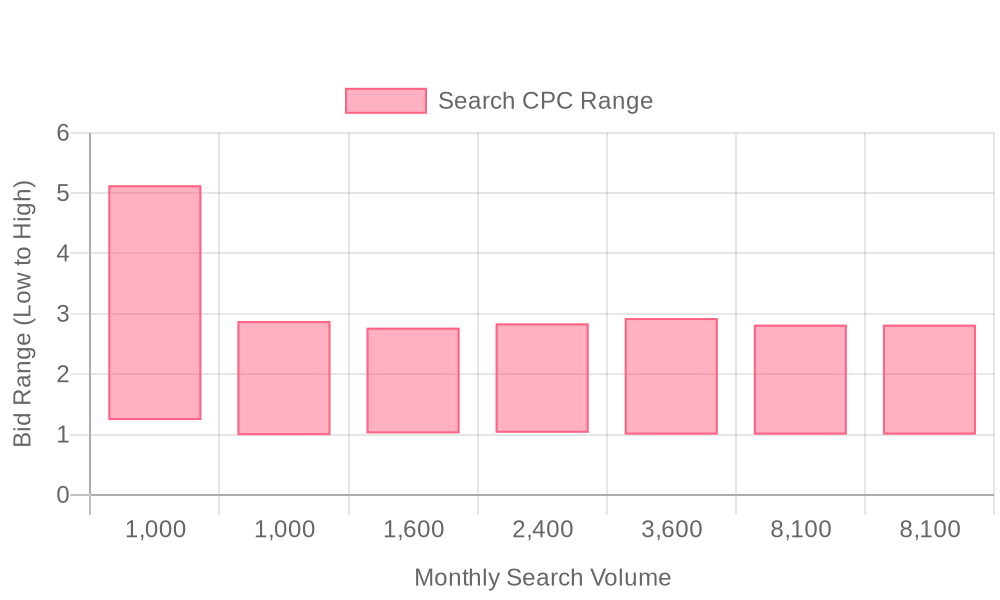
| Industry | Keyword | Monthly Search Volume | Competition Level | Low Bid | High Bid |
| Pet Transport | pet delivery service | 1000 | MEDIUM | 1.24 | 5.13 |
| Pet Transport | animal transport services | 1000 | MEDIUM | 0.99 | 2.88 |
| Pet Transport | pet shipping companies | 1600 | MEDIUM | 1.02 | 2.77 |
| Pet Transport | dog transport | 2400 | MEDIUM | 1.03 | 2.84 |
| Pet Transport | dog transport service | 3600 | MEDIUM | 1 | 2.93 |
| Pet Transport | pet transport | 8100 | MEDIUM | 1 | 2.82 |
| Pet Transport | pet transportation services | 8100 | MEDIUM | 1 | 2.82 |
Effective keyword strategy is the foundation of high-performing Google Ads for Pet Transport campaigns. Focusing on high-intent keywords such as "emergency pet transport near me" and "pet relocation advertising" ensures your ad spend reaches users already seeking urgent, specialized pet transportation solutions. This approach prioritizes traffic that is both ready to engage and likely to convert, minimizing wasted impressions and elevating campaign ROI. For marketers seeking actionable PPC strategies tailored to the pet industry, this video tutorial on optimizing Google Ads for pet businesses offers practical guidance to further strengthen campaign execution.
To maximize efficiency, incorporate long-tail variants reflecting urgency and specificity, such as "last-minute dog transport service" or "international cat relocation experts." These terms capture nuanced buyer intent, allowing marketers to bid on less competitive queries with higher conversion rates. With a platform like Sona, marketers can further refine keyword lists by leveraging real-time, in-market behavior, ensuring budget goes toward accounts showing current, purchase-ready signals. For additional keyword tactics and paid search recommendations, explore our marketing analytics blog.
Negative keywords are equally critical in pet transport marketing. Filtering out irrelevant queries, such as those related to pet breeding, pet accessories, or unrelated services, improves targeting accuracy and prevents budget dilution. Utilizing advanced visitor identification and intent analysis, Sona enables teams to identify and exclude traffic segments that historically underperform, further streamlining spend and focusing on verified, high-value opportunities.
Step-by-Step Campaign Execution Framework

Step 1: Build Targeted Keyword Lists
Comprehensive keyword architecture sits at the core of any high-impact Google Ads campaign for pet transport. Organizing keywords by service type, such as domestic pet relocation, international pet shipping, or emergency animal transport, ensures that each ad group speaks directly to unique customer needs. Localizing these lists with geo-specific modifiers, like city names or airport codes, captures high-value prospects conducting urgent, location-based searches. This granular approach reduces wasted budget on irrelevant clicks and boosts ad relevance.
Marketers leveraging advanced visitor identification solutions can move beyond anonymous traffic, pinpointing companies and individuals likely to convert. As prospective clients search for “pet transport services in Chicago” or “safe pet shipping to London,” dynamic keyword lists evolve based on real-time audience data, consistently surfacing in front of the right audience at the right moment. By harnessing unified intent signals, teams can automatically prioritize high-converting accounts, ensuring no opportunity slips through the cracks. For additional industry-specific keyword advice, see this guide to optimizing PPC campaigns for pet care services online.
The upgrade most pet transport advertisers miss is going beyond raw keyword volume to layer in intent and identity signals. Connecting website-visitor data and CRM records with Sona Marketing Measurement shows which search terms bring in the accounts and customers that actually convert, so keyword and bid strategy can weight toward those terms rather than the ones with the highest volume alone.
Step 2: Develop Compelling Ad Copy
Effective ad copy for pet transport must address the specific anxieties and requirements of pet owners, safety, certifications, and transparent logistics. Headlines should directly reference pain points, such as “Certified Safe Pet Relocation” or “Stress-Free International Pet Shipping.” Including recognizable trust signals, like industry-standard certifications or client testimonials, alleviates skepticism and establishes authority with cautious decision-makers.
With dynamic audience insights, ad messaging is further refined and personalized as leads move through the funnel. For example, a user who previously downloaded a pet travel checklist can be shown tailored ads highlighting streamlined documentation support. Real-time behavioral intent signals allow marketers to automatically shift creative focus based on current intent, ensuring every impression maximizes engagement and conversion potential.
Step 3: Design Effective Landing Pages
Landing pages for pet transport services must deliver a seamless experience that aligns precisely with ad promises. Users expect to see clear calls-to-action, prominent trust indicators, and concise breakdowns of service offerings upon arrival. Including interactive route maps, live availability calendars, and easily accessible FAQs shortens the decision cycle and keeps prospects engaged.
Integrating advanced conversion tracking enables full attribution across both online forms and offline conversions, mapping every lead from initial click to closed contract. As enriched audience data syncs automatically with ad platforms and CRM systems, landing pages can dynamically adapt to visitor segments, showing returning military families exclusive discount offers, for example. To see a real-world example of landing page effectiveness, explore this pet industry ecommerce case study.
Step 4: Implement Data-Driven Optimizations
Continuous optimization is essential for sustaining profitable pet transport advertising. Regular analysis of campaign performance uncovers actionable insights, such as which keywords generate the highest-value leads or which regions yield the best return on ad spend. Predictive models help allocate budget toward audience segments most likely to convert, while underperforming tactics are deprioritized or refined.
By synchronizing CRM and ad platform data, marketers are able to update audiences in real time as leads progress through the buying journey. This ensures that remarketing efforts only target viable prospects, eliminating wasted impressions and maximizing efficiency. With unified reporting tools, revenue teams can directly connect ad spend to closed deals, ensuring accurate measurement of true ROI and supporting agile budget adjustments for future campaigns.
Sona Marketing Measurement closes the gap between clicks and revenue. It captures ad clicks with first-party measurement, ties them through UTM capture and ad-platform APIs to the matching record in your CRM, and reports ROAS by keyword and campaign instead of by last-click form fill. Feeding that revenue signal back into Smart Bidding and Performance Max compounds over time: the algorithms optimize toward booked pet transport revenue, not cheap leads.
Tips on Expanding Your Pet Transport Presence

Cross-promotion of educational content elevates brand authority and nurtures trust with pet owners navigating complex relocation scenarios. When this content is strategically integrated with retargeting, engagement deepens as users receive relevant resources at each touchpoint, reducing friction in the decision process and increasing qualified conversions. By leveraging advanced visitor identification, marketers can move beyond anonymous traffic, pinpointing both individuals and companies engaging with content. This enables the creation of audience pools based on actual in-market behavior, allowing real-time adjustments to campaign messaging and budget allocation for higher efficiency.
Upselling related services becomes seamless when CRM data is tightly integrated with advertising workflows. Marketers can segment audiences by transport type, destination, or pet species and deliver tailored ads promoting ancillary offerings like veterinary health certifications or custom travel crates. Dynamic audience updates ensure messaging reflects each lead’s stage in the relocation journey, maintaining continuity and increasing lifetime value. By syncing enriched audience data and conversion signals with platforms such as Google Ads, HubSpot, and Salesforce, campaign managers guarantee that every interaction is both timely and personalized, maximizing the impact of each advertising dollar. For actionable ideas on optimizing your approach, browse our pet transport marketing insights.
Localizing campaigns is essential for pet transport businesses aiming to grow in specific metro areas or regions with unique regulatory and logistical needs. Geotargeting enables precise delivery of ads and content to pet owners in high-demand corridors, such as cities with major international airports or military bases. Real-time insights into geographic engagement patterns inform bid adjustments and creative variations, ensuring relevance and resonance within each local market. This approach not only increases conversion rates but also optimizes spend by focusing on the highest-opportunity areas.
Leveraging search query data uncovers emerging customer interests and pain points, providing a direct line to evolving market needs. By analyzing these patterns, marketers can quickly create or update content addressing new regulations, seasonal relocation spikes, or trending destinations. Integration with intent data platforms allows teams to identify shifts in demand early, reallocating budget to support high-converting queries and informing both organic and paid content strategies. This continuous feedback loop ensures that pet transport marketing remains agile and responsive, driving stronger results across all digital channels.
Beyond Google Ads: Winning the AI Answers Pet Transport Buyers Now Trust
Paid search captures demand at the moment someone types a query. But a fast-growing share of pet transport buyers no longer start at Google at all, they ask ChatGPT, Gemini, or Perplexity before they ever run a search, and Google's own AI Overviews increasingly summarize an answer above the traditional results. If your business isn't referenced in those AI answers, you're invisible at the exact moment buyers build their shortlist.
Sona AI Visibility shows where your business shows up across ChatGPT, Gemini, Perplexity, Google AI Overviews, and 10+ engines, and, much like a keyword report, which prompts actually send you buyers, so you can prioritize the ones that convert. Run the two together and you cover the entire buyer path: get cited where buyers research (AI Visibility), then prove which of that demand turns into booked revenue (Marketing Measurement).
Helpful resources
Conclusion
Google Ads works for pet transport because it meets buyers at the exact moment of need, a family with a flight booked in 48 hours, a breeder needing certified shipping, a relocation coordinator comparing vendors. Targeted keywords, ad copy that speaks to real anxieties, and geographic precision all compound to put your business in front of that buyer first.
The next shift is already underway: buyers increasingly ask AI tools where to find a trustworthy pet transporter before they ever type a search query. The businesses that pair sharp Google Ads execution with visibility in those AI answers will be the ones booked solid while competitors wonder where the leads went.
To elevate your marketing strategy even further, start for free and see what unifying your go-to-market data can do for your pet transport business.
FAQ
What are the best practices for Google Ads in the pet transport industry?
Best practices include leveraging data-driven advertising frameworks, using precision targeting with intent signals, optimizing landing pages, and integrating cross-channel marketing efforts to improve ROI and lead conversion.
How can I effectively target pet owners with Google Ads?
Effective targeting involves using granular audience segmentation, intent-based audience building, and real-time behavioral cues to reach the right pet owners and decision-makers when they are most likely to act.
What budget should I allocate for Google Ads for my pet transport business?
Budget allocation should reflect the urgency and revenue potential of each target segment, focusing resources on high-intent keywords and dynamically adjusting based on real-time performance insights.
What keywords should I use for Google Ads related to pet transport?
Focus on high-intent keywords like 'emergency pet transport' or 'certified pet shipping,' and incorporate long-tail variants reflecting urgency and specificity to capture ready-to-engage traffic.
How do I measure the success of my Google Ads campaigns for pet transport?
Success can be measured by tracking conversion rates, analyzing real-time data from analytics dashboards, integrating CRM data for attribution, and continuously optimizing based on performance insights.







