


Pasta occupies a strange corner of food and beverage advertising: it's a commodity aisle staple that also supports a thriving premium market of gluten-free, artisanal, and imported lines, each with its own buyer and its own search behavior. Google Ads lets pasta brands separate those audiences at the moment of intent, rather than paying to reach everyone who types "pasta" into a search bar. A shopper searching "organic penne for restaurants" wants nothing in common with one searching "kids gluten-free pasta," and campaigns that treat them the same waste budget on both. Layering in ROI tracking lets marketing teams see which of those searches actually convert to sales, and adjust before the season, or the ad spend, runs out.
How to Generate Pasta Products Leads with Google Ads: A Step-by-Step Guide
Pasta brands compete for attention from very different buyers at once: home cooks comparing gluten-free options, restaurant purchasers sourcing in bulk, and gift shoppers browsing artisanal kits. Generating quality leads means identifying which of these searchers actually has purchase intent, capturing the data behind that click, and handing it to sales without delay.
A data-first approach ensures every advertising dollar works harder across the funnel. By integrating Google Ads into a broader marketing mix, pasta product companies can harness real-time insights for ongoing optimization and measurable growth. This Google Ads case study provides a deeper look at this trend in the food sector.
- Build a Data-Driven Foundation Across Your Marketing Stack: Pasta marketing succeeds on unified data. Bringing together ad performance, CRM engagement, and web analytics lets revenue teams see which audiences, keywords, and messages actually move product. When Google Ads campaigns connect to that pipeline, teams can shift targeting and creative based on real conversions rather than guesswork. That agility matters in a category where seasonal demand (holiday baking, back-to-school lunches, summer cookouts) shifts buyer behavior every few months.
- Build Keyword and Audience Strategies Around Real Pasta Buyer Segments: A high-performing pasta campaign goes past generic terms like "buy pasta online." Effective segmentation means separating searches by intent, a home cook looking for "easy gluten-free lasagna recipe" behaves nothing like a foodservice buyer searching "bulk organic penne supplier," and layering those signals with firmographic data. Enriching audience lists with behavioral data keeps Google Ads spend focused on the buyers most likely to convert, whether that's a specialty grocer, a restaurant group, or a household stocking up before a holiday. For more on intent-based segmentation, see our guide on intent retargeting.
- Align Landing Pages and Creative to Close the Loop on Conversions: The path from ad click to qualified lead depends on a landing page that mirrors the ad's promise. Strong pasta campaigns match creative to audience, a bulk-order form for foodservice buyers, a recipe-rich page for home cooks, and streamline the form fill for each. Tracking both online and offline conversions, sample requests, distributor sign-ups, wholesale inquiries, gives a fuller picture of ROI than clicks alone. Identifying which companies are visiting also lets teams route high-value leads straight to sales instead of waiting for a form submission.
- Optimize Consistently for ROI Across a Multi-Touch Buyer Journey: Pasta buyers rarely convert on the first click, a shopper might see a display ad, search for reviews, then return weeks later to purchase in bulk. Consistent optimization means unifying Google Ads data with CRM outcomes so marketers can attribute revenue to specific keywords and creatives rather than the last touch alone. Sona Attribution supports that measurement, surfacing which tactics actually drive sales so budget follows them.
- Coordinate Google Ads With Other Channels for Consistent Presence: Pasta advertising works best layered with organic search, social, and email rather than run in isolation. Cross-channel coordination means a foodservice buyer researching suppliers sees consistent messaging whether they're searching Google, browsing a trade publication, or opening a follow-up email. One analysis in LeadsBridge's best practices covers this in more depth. Keeping audience lists synced automatically across platforms means new leads and key accounts stay current without manual list-building, which matters most during high-demand periods like the fall baking season or Lent.
Why Does Google Ads Matter for Pasta Products?
Digital marketing for pasta products now demands greater agility and precision than traditional approaches can offer. Google Ads allows brands in the pasta sector to break through crowded markets, launching campaigns that not only reach but also engage the exact segments most likely to convert.
Brands can target specialized and emerging niche audiences effectively, a critical advantage for pasta companies introducing gluten-free, organic, or protein-packed SKUs. Segmenting by dietary preference, cooking occasion, and search intent keeps messaging relevant to buyers actively hunting for a specific kind of pasta, not just any pasta. Identifying the companies behind anonymous web traffic, rather than just counting visits, lets marketers see which distributors or specialty retailers are engaging with their ads and follow up accordingly. Sona's Identity Resolution helps marketers pinpoint and engage these high-value accounts, streamlining the path from ad interaction to lead qualification.
Google Ads consistently outperforms traditional food and beverage advertising by delivering immediate, measurable results. Marketers can shift budget in real time toward the highest-converting audiences as intent data changes, ensuring resources are always allocated for maximum impact. Google Ads tips provides a deeper look at optimization strategies for maximizing ROI in the food sector.
Pasta product marketers also use Google Ads to capture new, high-value consumer segments, especially during peak buying seasons. Dynamic audience building ensures that as leads move through the funnel, switching from research to purchase intent, ad creative and targeting update automatically. By syncing enriched CRM data and leads into Google Ads, brands maintain a seamless, personalized experience from the first interaction through to online pasta sales, supporting both immediate revenue and long-term brand loyalty.
Common Types of Google Ads Campaigns for Pasta Products
- Search Campaigns: Search campaigns are fundamental for converting high-intent consumers directly into pasta sales. By targeting keywords such as “buy gluten-free pasta online” or “best pasta brands delivered,” marketers can capture demand at the exact moment a prospect is ready to purchase. Integrating unified data sources enables marketers to identify not only anonymous searchers but also known companies and decision-makers, allowing for precise lead nurturing and account-based targeting. This approach minimizes wasted ad spend and ensures that each high-intent search is matched with a tailored offer or landing page, elevating the impact of every click. For actionable tips on maximizing Google Ads return, see the ROAS guide.
- Display Ads: Display campaigns keep pasta brands visible across top culinary content sites, recipe blogs, and forums where food enthusiasts spend time. Consistent exposure builds brand familiarity and trust, critical factors in crowded food and beverage advertising segments. Pasta keywords provide insight into trending terms that can help optimize these placements for broader reach.
- Video Ads: Video ads on platforms like YouTube offer pasta brands the ability to deliver immersive recipe demonstrations and compelling product stories. High-quality video content drives deeper consumer engagement, whether showing unique preparation tips for specialty pasta or spotlighting sourcing and sustainability practices. With robust tracking and conversion attribution, marketers can connect video ad exposure to both online and offline pasta sales, accurately measuring the influence of creative storytelling on actual revenue. Integrated audience data ensures that video campaigns reach both new prospects and existing high-value customers, driving awareness and repeat purchase intent.
- Remarketing: Remarketing campaigns are essential for re-engaging consumers who have previously interacted with pasta ads or product pages but have not yet converted. By recognizing these visitors as they move across digital channels, marketers can deliver personalized offers, recipe suggestions, or reminders to complete their purchase. Solutions such as Sona Audiences support dynamic audience syncing, ensuring remarketing pools are always current and relevant to each visitor’s stage in the funnel. This ensures each touchpoint is relevant, timely, and optimized for conversion, maximizing the ROI of every pasta advertising dollar spent and accelerating the path from interest to sale.
Where to Find Growth Opportunities
Identifying untapped growth opportunities in pasta product marketing starts with a focused approach to vertical keyword targeting. By building campaigns around specialty pasta keywords, such as gluten-free lasagna, vegan ravioli, or high-protein spaghetti, brands can reach buyers in niche segments who are actively searching for alternatives beyond standard offerings. This targeted approach increases relevance, reduces wasted ad spend, and elevates visibility in markets often overlooked by broader campaigns. See pasta keywords for a deeper look at trending search terms and emerging consumer interests in the category.
Competitor gap analysis further refines market positioning. By systematically reviewing which pasta-related keywords and product categories are underrepresented in competitor ads, food and beverage marketers can pinpoint whitespace where demand exists but supply is limited. This allows for strategic bidding on search terms your competitors may be ignoring, driving higher click-through rates and increased share of voice in the online pasta sales landscape. For more insights on maximizing returns, check out our guide on Google Ads ROI.
Industry-specific ad placements provide another lever for scalable growth in digital marketing for pasta. Buying inventory on relevant food, recipe, and grocery industry sites ensures your pasta advertising reaches decision-makers who influence purchasing, such as restaurant buyers, specialty grocers, and health-focused retailers. Real-time intent data, combined with dynamic audience updates, means that as leads move through the funnel or change engagement patterns, campaigns adjust automatically to focus spend on the highest value prospects. Platforms like Sona Audiences help marketers reach and engage these high-value segments with precision.
Integrating CRM and ad platforms allows for seamless syncing of enriched audiences, so every engagement, from first click to repeat purchase, is measured and optimized for long-term revenue impact. This results in smarter budget allocation and stronger demand generation across all pasta product marketing channels. Start your campaign.
How to Apply Audience Segmentation for Pasta Products

Audience segmentation in pasta product marketing requires more than basic demographic filters. Brands that move beyond broad categories and dig into the nuanced behaviors of their buyers see stronger engagement and higher conversion rates. Segmenting pasta audiences by culinary expertise, such as gourmet chefs versus home cooks, helps address inefficiencies that come from treating all pasta shoppers the same. Gourmet chefs might prioritize premium, artisanal pasta varieties, while home cooks could be more interested in convenience or family-friendly recipes.
- Define Audience Segments: Start by analyzing your existing customer data to identify key consumer groups. For pasta brands, this could mean separating audiences by cooking skill level, dietary preferences, or purchase frequency. Instead of relying on static lists, marketers can identify which companies are landing on their site and analyze attributes such as business type (restaurant buyers versus families) and engagement patterns. Sona's Identity Resolution helps pasta brands recognize and analyze high-value visitors in real time.
- Intent Signals: Identifying purchase intent goes beyond keyword selection. Google Ads for pasta products can lean on in-market signals such as searches for "gluten-free pasta," "organic spaghetti," or "bulk pasta supplier." Prioritizing these signals lets marketers shift budget and messaging toward accounts most likely to convert. Adtargeting's pasta keywords offers a deeper look at pasta-related search intent. Sona surfaces intent signals in real time, so campaigns can adapt as buyer demand shifts, whether that's a spike in gluten-free searches after a health trend or bulk-order queries ahead of a holiday.
- Customized Ad Groups: Tailor creative and offers to each audience segment to ensure maximum relevance. For instance, a campaign targeting health-conscious consumers should emphasize nutritional benefits and ingredient transparency, while one aimed at gourmet chefs might highlight artisanal techniques or premium sourcing. Dynamic audience updates allow for seamless adjustments as leads move through the funnel, ensuring that each segment continues to receive messaging that matches their current buying stage.
- Conversion Path Validation: Accurate measurement of campaign effectiveness relies on seamless funnel tracking and CRM integration. Linking online and offline data sources gives marketers a full picture of the customer journey, from initial ad click through to purchase, whether online or in-store. We’ve covered best practices for connecting these systems in our Attribution Guide. Syncing enriched audience data and leads directly into platforms like Google Ads or Salesforce enables real-time remarketing and nurtures pasta buyers through to conversion.
This is also where measurement changes the economics. With Sona Marketing Measurement you can identify the companies and buyers behind your ad clicks, not just anonymous sessions, and segment audiences by who actually becomes a customer. That lets you build bid adjustments and audience signals around the segments that convert and de-prioritize the ones that don't, so you feed Google's algorithms "this click became a paying pasta products customer" instead of just "someone filled out a form."
Keyword Strategy & Sample Target Terms
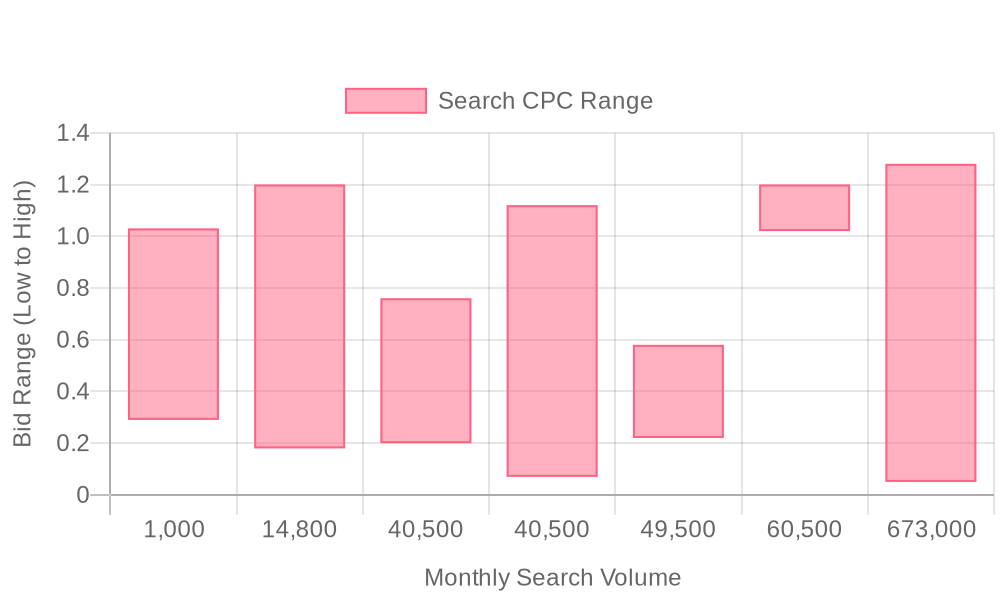
| Industry | Keyword | Monthly Search Volume | Competition Level | Low Bid | High Bid |
| Pasta Products | zenb pasta | 1000 | HIGH | 0.29 | 1.03 |
| Pasta Products | keto pasta | 14800 | HIGH | 0.18 | 1.2 |
| Pasta Products | kitchenaid pasta attachment | 40500 | HIGH | 0.2 | 0.76 |
| Pasta Products | low carb pasta | 40500 | HIGH | 0.07 | 1.12 |
| Pasta Products | pasta maker | 49500 | HIGH | 0.22 | 0.58 |
| Pasta Products | protein pasta | 60500 | HIGH | 1.02 | 1.2 |
| Pasta Products | pasta | 673000 | MEDIUM | 0.05 | 1.28 |
The foundation of effective google ads for pasta products is a robust keyword approach that balances reach with conversion efficiency. High-volume, low-competition keywords such as "gluten-free pasta ads" deliver a strategic advantage by connecting brands with motivated buyers while bypassing the most saturated auction environments. These terms allow pasta product marketers to allocate budget with confidence that each click comes from an audience seeking relevant offerings, reducing wasted spend and setting the stage for measurable ROI. Pasta keyword ideas provides a practical overview of keyword ideas and trends in the pasta category.
Niche, highly specific terms like "homemade pasta kits" attract DIY-focused consumers who are actively looking for creative meal solutions or unique gifting options. By targeting phrases that reflect the evolving tastes and interests of modern shoppers, pasta brands can position themselves directly in front of high-intent buyers. This specificity also elevates ad relevance scores, often resulting in lower cost-per-click and improved ad placement, a win for both efficiency and visibility.
Optimizing negative keywords is essential for filtering out unqualified traffic, such as users searching for unrelated recipes or competitor brands. This ensures that every dollar spent supports acquisition of genuinely engaged prospects rather than casual browsers. For more on maximizing ad returns through negative keyword strategies, see our guide on Google Ads ROI guide.
With unified data and real-time insights, marketers can identify which terms yield the least value and quickly exclude them to maintain a streamlined, conversion-focused audience pool. This is especially powerful when enriched audience data is synced automatically to Google Ads, as it enables continuous refinement of targeting without manual intervention. Platforms like Sona Audiences are designed to help marketers sync high-value audience segments for improved campaign performance. By keeping keyword lists dynamic and closely aligned with actual in-market behavior, pasta marketers maximize relevance and minimize budget leakage throughout the campaign lifecycle.
Step-by-Step Campaign Execution Framework
Step 1: Build Targeted Keyword Lists
Pasta product marketers can dramatically increase campaign relevance by curating keyword lists tailored to specific buyer intent and regional preferences. Integrating modifiers such as "local pasta delivery near me" captures high-intent consumers ready to purchase from neighborhood vendors or specialty shops. Including long-tail searches like "organic gluten-free spaghetti bulk order" not only boosts campaign precision but also draws in discerning shoppers searching for unique qualities or dietary needs in pasta products.
By using real-time visitor identification and behavioral insights, marketers can pinpoint which companies or users exhibit the strongest buying signals. Tools like Sona Identification help pasta marketers recognize and segment high-value audiences, allowing for more efficient budget allocation and keyword focus.
When enriched audience data flows seamlessly into campaign targeting, marketers can dynamically adjust keyword lists as prospects move through the funnel, keeping campaigns agile and aligned with evolving demand. Adtargeting pasta keywords provides trending keywords to further refine your targeting.
The upgrade most pasta products advertisers miss is going beyond raw keyword volume to layer in intent and identity signals. By connecting website-visitor data and CRM records with Sona Marketing Measurement, you can see which specific search terms bring in the accounts and customers that actually convert, and weight your keyword and bidding strategy toward those rather than the terms with the highest search volume alone.
Step 2: Develop Compelling Ad Copy
Standout ad copy is critical for pasta brands aiming to differentiate in a saturated food and beverage advertising landscape. Messaging should emphasize core market differentiators such as authentic Italian recipes, small-batch production, or locally sourced ingredients. Highlighting these attributes not only attracts consumers seeking quality and authenticity but also builds trust and brand equity among both B2B buyers and retail consumers.
Leveraging insights from unified CRM and ad platform data enables more precise messaging personalization. For more on using data to supercharge your messaging, check out our guide on Personalization at Scale.
When marketers have access to enriched contact and company profiles, they can craft ad copy that speaks directly to the unique pain points or aspirations of target segments, such as restaurant buyers prioritizing premium ingredients or families looking for healthy weeknight meals. This level of personalization increases engagement and drives higher click-through rates across Google Ads for pasta products.
Step 3: Design Effective Landing Pages
A seamless transition from ad click to landing page is essential for sustaining consumer engagement and driving conversions in digital marketing for pasta. Landing pages must closely mirror the language and value propositions featured in the ad copy, whether the focus is on artisan pasta, bulk wholesale options, or ready-to-cook meal kits. Barilla campaign insights provide a deeper look at how consistent messaging can elevate digital campaign results in the food category.
Consistency in messaging reassures visitors they’ve landed in the right place, reducing bounce rates and encouraging further interaction. Integrating advanced conversion tracking with both online and offline attribution provides a full view of campaign performance.
Marketers can see which landing pages are converting best, which audiences are most engaged, and where opportunities exist to optimize calls-to-action or product placement. Solutions such as Sona Attribution support full-funnel visibility, ensuring every landing page iteration is informed by real buyer behavior.
Step 4: Implement Data-Driven Optimizations
Continuous optimization is the foundation of effective Google Ads strategies for pasta products. By analyzing predictive buying stages and granular audience segments, marketers can refine bidding strategies to focus on high-value prospects and eliminate wasted spend. For example, shifting budget toward audiences demonstrating in-market intent for catering-size orders during peak seasons maximizes conversion potential.
With dynamic audience syncing between CRM, Google Ads, and platforms like Google Merchant Center, marketers can ensure that target lists remain up to date as leads evolve from awareness to purchase. StoreGrowers best practices shares industry best practices for maintaining up-to-date product feeds and lists.
Advanced attribution models allow teams to measure true Google Ads ROI, connecting ad spend to both digital and offline sales outcomes. For more strategies to boost campaign performance, see our guide on Google Ads ROI.
Sona Marketing Measurement closes the gap between clicks and revenue. It captures every ad click with first-party measurement, ties that click through UTM capture and ad-platform APIs to the matching record in your CRM, and reports ROAS by keyword and campaign instead of by last-click form fill. Feeding that revenue signal back into Smart Bidding and Performance Max compounds over time: the algorithms optimize toward booked pasta products revenue, not cheap leads.
Tips on Expanding Your Pasta Products Presence
Pasta brands that want sustained growth in digital channels must prioritize targeted, data-driven strategies to increase their share of voice. By leveraging the full spectrum of digital marketing for pasta, marketers can identify untapped segments and drive higher engagement with both new and returning audiences.
- Cross-promote Educational Content Through Retargeting: Retargeting ensures that visitors who have interacted with your website or social content are exposed to tailored educational materials, such as recipe guides or nutrition information. Instead of anonymous impressions, marketers can use advanced visitor identification to recognize specific companies or high-value prospects, then deliver relevant content that nurtures these leads further along the funnel. Platforms like Sona Identification help marketers pinpoint which organizations are engaging and enable more personalized follow-up.
- Localize Campaigns For Italian Communities: Localizing pasta product marketing initiatives can unlock high-value markets that are often overlooked in broader national campaigns. Dedicated campaigns targeting geographic areas with strong Italian communities, for instance, can yield above-average conversions by resonating with cultural preferences and local events. Google Ads tips provides actionable guidance for maximizing ROI and minimizing wasted spend in targeted digital campaigns.
- Partner With Food Associations For Co-branded Campaigns: Collaborations with national or regional food associations provide instant credibility and access to larger, more engaged audiences. Co-branded pasta advertising campaigns can leverage shared data resources for better audience segmentation and more precise targeting. Integration with platforms like Google Merchant Center makes it seamless to synchronize enriched contact lists and drive higher performance from joint initiatives, while advanced attribution tools connect online engagement with offline outcomes such as in-store events or co-sponsored tastings.
- Leverage Search Query Data For Content Strategy: Extracting insights from search query reports in Google Ads for pasta products reveals emerging trends and unmet informational needs among your audience. By continuously analyzing which pasta keywords and questions drive clicks or conversions, marketing teams can feed these findings into a broader content roadmap. We’ve covered methods to amplify high-performing content in our retargeting guide, supporting a feedback loop that boosts visibility and sales.
Beyond Google Ads: Winning the AI Answers Pasta Products Buyers Now Trust
Paid search captures demand at the moment someone types a query. But a fast-growing share of pasta products buyers no longer start at Google at all, they ask ChatGPT, Gemini, or Perplexity before they ever run a search, and Google's own AI Overviews increasingly summarize an answer above the traditional results. If your business isn't referenced in those AI answers, you're invisible at the exact moment buyers build their shortlist.
Sona AI Visibility shows where your business shows up across ChatGPT, Gemini, Perplexity, Google AI Overviews, and 10+ engines, and, much like a keyword report, which prompts actually send you buyers, so you can prioritize the ones that convert. Run the two together and you cover the entire buyer path: get cited where buyers research (AI Visibility), then prove which of that demand turns into booked revenue (Marketing Measurement).
Helpful resources
Conclusion
The pasta category rewards precision over volume: the brands winning right now aren't the ones bidding on the most keywords, they're the ones who can tell a bulk foodservice inquiry from a weeknight home cook and message each accordingly, then prove which of those conversations turned into revenue.
As search behavior fragments across AI assistants and traditional Google results, the pasta brands that track intent signals and tie ad spend to actual sales will be the ones still standing when the next dietary trend upends the category. Get started for free with Sona to see how that tracking works for your campaigns.
FAQ
How can I effectively advertise pasta products on Google?
Effective advertising for pasta products on Google involves using a data-driven approach to target niche audiences, such as gluten-free or gourmet pasta enthusiasts, by integrating Google Ads into a broader marketing plan with precise audience and keyword strategies.
What are the best keywords for pasta Google Ads?
The best keywords for pasta Google Ads are those that target specific buyer intents and niche segments, such as 'gluten-free fusilli bulk supplier' or 'organic penne for restaurants,' while also incorporating high-volume, low-competition terms.
What types of Google Ads work best for food products?
Search, display, video, and remarketing campaigns work well for food products, with search campaigns capturing high-intent consumers, display ads building brand visibility, video ads engaging through storytelling, and remarketing re-engaging potential customers.
How do I set up a Google Shopping ad for pasta?
To set up a Google Shopping ad for pasta, ensure integration of dynamic audience syncing between CRM, Google Ads, and platforms like Google Merchant Center, maintain up-to-date product feeds, and focus on high-value audience segments.
Is Google Ads a good investment for pasta businesses?
Google Ads is a good investment for pasta businesses as it allows precise targeting of niche audiences, provides measurable results, and enables real-time budget adjustments to maximize ROI by focusing on high-converting audiences.







