


Motorcycle riders shop for insurance in bursts, right after buying a bike, right before a renewal deadline, right after a near miss. Miss that window and a print ad or a mailer won't get a second chance. Google Ads meets riders inside that window, when they're actively typing in a search bar for coverage, not scrolling past a banner.
How to Generate Google Ads Leads for Motorcycle Insurance Providers: A Step-by-Step Guide
Motorcycle insurance marketers are asked to do more with less: tighter budgets, shorter sales cycles, and channels that multiply by the month. Used well, Google Ads gives precision targeting of in-market riders, the kind of scale that lets a small agency compete with national carriers on the terms that matter, intent and timing.
A rigorous, data-driven approach to paid search lets teams attribute conversions directly, see budget ROI clearly, and adjust spend in real time. Unifying intent signals with audience segmentation turns high-intent traffic into a repeatable source of qualified leads, instead of one-off wins from generic outreach. This strategy overview digs into how that plays out for insurance advertisers.
- Embrace A Data-driven Perspective On Paid Search: Effective campaigns begin with robust analytics, allowing teams to pinpoint which ad groups and keywords deliver true value. By integrating CRM and ad platform data, marketers gain transparency into the full customer journey, improving attribution and guiding smarter budget allocation.
- Utilize Intent Signaling And Audience Segmentation: Motorcycle insurance advertising benefits from granular segmentation, targeting by location, bike type, riding frequency, seasonality, and even behavioral cues. Modern tools flag in-market behavior at the company level, letting marketers prioritize spend toward accounts most likely to convert, while dynamically updating audience lists as leads progress through the funnel. Sona Audiences is built to identify and segment high-intent audiences for more effective campaign targeting.
- Align Keywords, Ad Copy, And Landing Page Design: Conversions soar when messaging is synchronized across every touchpoint. For PPC for motorcycle insurance, high-value keywords like “affordable motorcycle insurance quotes” or “custom bike insurance” should match compelling ad copy and purpose-built landing pages. Real-time integrations can trigger CRM workflows the moment a lead engages, ensuring no opportunity is missed.
- Deploy And Track Conversion Paths: True performance measurement in Google Ads for motorcycle insurance providers requires advanced conversion tracking. By connecting online and offline actions, such as website form fills, phone inquiries, and agent follow-ups, marketers can confidently report ROI and fine-tune campaigns for maximum efficiency. Automated audience sync ensures that enriched lead profiles are seamlessly activated in both Google Ads and downstream CRM systems for persistent, closed-loop measurement.
This comprehensive framework empowers insurance marketers to generate qualified leads at scale, unify fragmented data, and activate predictive insights that drive measurable business growth. For more insights on optimizing Google Ads ROAS, check out our guide on Google Ads ROAS tips. Integration across ad platforms and CRM ensures every marketing dollar works harder, moving beyond basic clicks to capture meaningful conversions in a competitive landscape.
Why Does Google Ads Matter for Motorcycle Insurance Providers?

Motorcycle insurance providers face persistent challenges breaking through to a niche, often highly discerning audience. Digital advertising, led by Google Ads, delivers precision targeting and the agility needed to capture market share during key decision windows.
- Niche Audience Interest: Motorcycle enthusiasts are a specialized segment with unique needs, often researching coverage right before a purchase or a renewal. Google Ads lets insurers reach these riders at peak intent, so every impression lands at a relevant moment. By identifying the companies and accounts behind web visits, rather than relying on anonymous traffic alone, marketers can connect ad impressions to real buying signals. Sona's Identity Resolution helps map those signals directly to actionable audience segments.
- High-value Policies: For providers offering premium insurance products or specialized endorsements, Google Ads enables tailored campaigns based on user search behavior and demographics. This approach drives higher engagement rates for high-value policies, as ad placements are matched directly to those actively seeking additional coverage or customized plans. With enriched CRM data syncing seamlessly into audience segments, campaigns can dynamically adjust to highlight endorsements or upsell products to existing clients.
- Demand Responsiveness: Timing is everything when a rider is shopping for coverage right after buying a new bike or as a renewal deadline closes in. Pairing Google Ads with CRM and behavioral data lets providers serve relevant ads the moment a prospect's intent spikes, keeping marketing in step with the customer journey and improving both conversion and experience. Emulent's guide looks at how this plays out for insurance brands.
- Market Penetration In New Regions: Expanding into underserved or rural markets requires precise geotargeting. Google Ads makes it possible to tailor creative and offers for distinct regions, maximizing relevance and minimizing wasted spend. Automatic updates to audience lists, driven by CRM changes, ensure that new prospects in emerging markets are engaged quickly and efficiently.
- Complete Data Integration: The ability to unify campaign, CRM, and offline data solves the persistent issue of fragmented marketing analytics. Providers can attribute conversions back to specific campaigns, measure return on ad spend with confidence, and continually refine targeting based on accurate, up-to-the-minute data. Advanced conversion tracking, including both online and offline events, closes the attribution loop and empowers teams to allocate budget where it has the most impact. For more insights on optimizing Google Ads ROI, check out our guide on Google Ads ROAS.
Common Types of Google Ads Campaigns for Motorcycle Insurance Services

- Search Campaigns: Capture high-intent leads by placing your brand at the top of relevant motorcycle insurance queries, whether from a rider comparing quotes after a new purchase or one shopping ahead of a renewal. These campaigns work best paired with real-time intent data, so budget shifts toward prospects actively shopping for policies. Sona's Identity Resolution helps pinpoint which companies are engaging, enabling teams to personalize follow-up beyond anonymous clicks.
- Display Campaigns: Drive brand awareness across major motorcycle publications, forums, and lifestyle sites with visually compelling banners. Display campaigns excel when enriched with dynamic audience data, automatically updating to target riders and enthusiasts as their journey progresses. Bennetts advertising provides a deeper look at tailored display advertising in this sector.
- Video Campaigns: Use engaging video content to showcase unique coverage options, customer testimonials, or policy benefits. Video ads are particularly powerful for educational insurance marketing, where storytelling can simplify complex offerings. With advanced conversion tracking, revenue teams can link video viewer engagement directly to lead generation and offline sales outcomes, measuring the full impact of their content investment.
- Remarketing Campaigns: Re-engage visitors who requested quotes or browsed specific coverage pages but did not convert. By leveraging CRM and ad platform synchronization, audiences are refreshed in real time as leads complete actions or move through the funnel. For more insights on optimizing retargeting, check out our guide on retargeting strategies.
- Ad Assets: Bolster trust and boost engagement by adding callouts, structured snippets, or review assets to your ads. These enhancements offer quick access to key differentiators like policy features, discount offers, or claims satisfaction ratings. When assets are automatically populated with up-to-date data from your CRM and marketing stack, they provide an accurate, compelling snapshot that encourages immediate action.
Where to Find Growth Opportunities for Motorcycle Insurance Marketing

Motorcycle insurance providers operate in a dynamic market where digital acquisition channels can unlock rapid growth. Marketers who move beyond basic campaign setup and embrace advanced targeting, personalization, and data activation consistently outperform the competition.
- Vertical Keyword Targeting: Identifying niche opportunities, such as "custom bike insurance" or "vintage motorcycle coverage," enables advertisers to reach high-intent buyers overlooked by broad insurance campaigns. Tailoring keyword lists to specialty services not only lowers competition but also increases relevance and click-through rates. For more on keyword strategies, see Top Google Ads Keywords for insurance companies.
- Competitive Analysis: Auction insights within Google Ads reveal which keywords and placements competitors underuse, whether that's coverage for specific bike types or geographic regions with thin competition. That visibility supports strategic budget shifts toward those gaps. Sona's Identity Resolution helps marketers prioritize spend toward accounts showing intent but not yet converting, so resources go to the highest-potential opportunities.
- Industry-specific Placements: Targeting online spaces frequented by motorcycle enthusiasts, such as bike rally event pages or specialty gear e-commerce sites, ensures ads appear where purchase intent is highest. For providers lacking strong organic presence on these platforms, paid placements fill the gap, capturing audiences actively considering coverage. Integrating enriched audience data from CRM systems ensures campaigns automatically update to reflect changes in lead status or engagement, maintaining relevance across every touchpoint.
- Content Retargeting: Deploying downloadable guides or checklists, like "Choosing the Right Motorcycle Insurance Policy," enables providers to attract and nurture warmer leads. Visitors who engage with these assets can be retargeted across search and display channels with personalized messaging. We’ve covered retargeting strategies in detail in Intent-Driven Retargeting.
Growth in motorcycle insurance advertising depends on finding and exploiting these nuanced opportunities. See Best Motorcycle Insurance for a deeper look at this trend. Marketers equipped with unified go-to-market data, actionable intent signals, and dynamic audience management are best positioned to achieve sustainable, measurable performance gains.
How to Apply Audience Segmentation for Motorcycle Insurance

Segmentation is what separates a motorcycle insurance campaign that wastes spend on browsers from one that converts riders ready to buy. Done well, it replaces generic targeting with buyer journeys that reflect how riders actually differ, a weekend cruiser looking for basic liability coverage has little in common with a daily commuter carrying a loan on a new sport bike. Campaigns built around those distinctions convert better because the message finally matches the rider.
- Define Your Audience Segments: Start by identifying the core groups within your target market. Leisure riders, who may ride seasonally or for recreation, require different policy features than professional riders who commute daily or participate in events. Regional preferences matter as well: urban riders face different risks and coverage needs than those in rural areas. By building highly targeted ad groups for each segment, you ensure that your Google Ads deliver more relevant offers and messaging. See motorcycle insurance tips for a deeper look at key considerations.
- Overlay With Intent Signals: Enhance your segmentation by layering in behavioral and contextual data. Bike ownership tenure, recent research activity, or plans for a cross-country trip all signal readiness to buy or a need for specific coverage. Captured in real time, these signals let marketers shift budget quickly toward in-market prospects most likely to convert. Sona surfaces intent signals to flag live buyer behavior, so campaigns dynamically prioritize the best-fit accounts across the funnel.
- Create Ad Groups By Segment: Develop unique ad creatives and landing pages for each audience, ensuring messaging resonates with their motivations. For example, ad copy for motorcycle insurance targeting first-time buyers can emphasize affordability and basic protection, while experienced riders may value customization and add-on features. By leveraging CRM insights and enriched audience data, teams can sync updated segments directly into Google Ads, ensuring precision across every campaign.
- Validate And Refine Conversion Paths: To maximize ROI from your digital marketing for insurance agents, integrate quote forms, policy selectors, and appointment booking directly with your CRM. This alignment enables full-funnel attribution, letting you track every prospect from ad click to policy sale, online or offline. Advanced conversion tracking helps measure true ROI by linking ad spend to both digital submissions and offline sales, giving a comprehensive view of campaign impact for insurance lead generation.
Audience segmentation for motorcycle insurance advertising is not just about dividing your audience; it is about creating hyper-relevant, high-performing campaigns that adapt as prospects move through the buying journey. For more insights on optimizing ad spend and improving PPC outcomes, check out our guide on Google Ads ROI tips. By unifying cross-channel data, updating audiences in real time, and connecting CRM insights with ad platforms, providers can drive more effective PPC for motorcycle insurance and outperform in a crowded market.
This is also where measurement changes the economics. With Sona Marketing Measurement you can identify the companies behind your ad clicks, not just anonymous sessions, and segment audiences by which accounts actually become customers. That lets you build bid adjustments and audience signals around the segments that convert and de-prioritize the ones that don't, so you feed Google's algorithms "this click became a paying motorcycle insurance customer" instead of just "someone filled out a form."
Keyword Strategy & Sample Target Terms
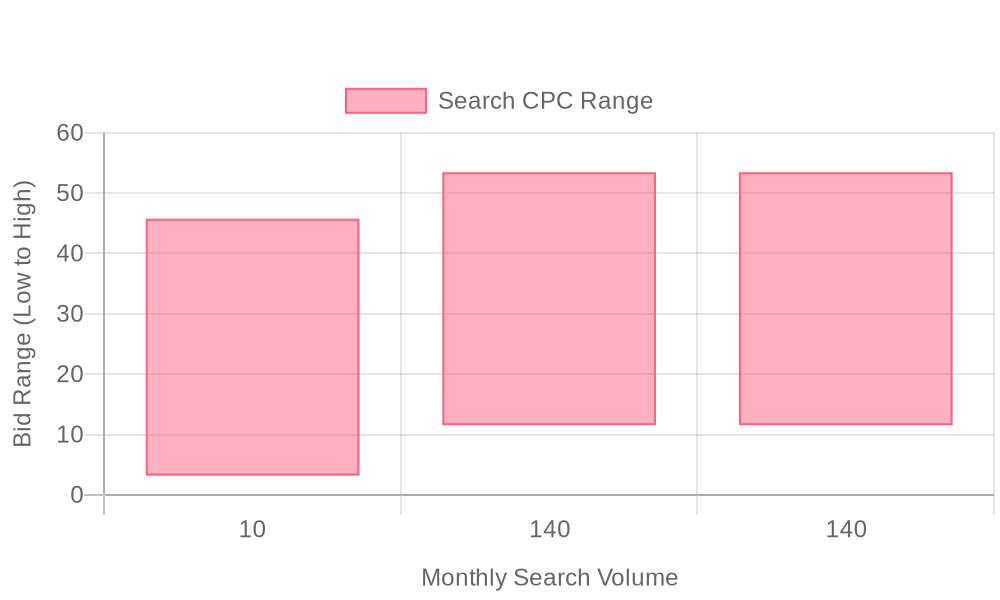
| Industry | Keyword | Monthly Search Volume | Competition Level | Low Bid | High Bid |
| Motorcycle Insurance Providers | best motorcycle insurance provider | 10 | MEDIUM | 3.2 | 45.75 |
| Motorcycle Insurance Providers | motorcycle insurance providers | 140 | LOW | 11.56 | 53.45 |
| Motorcycle Insurance Providers | bike insurance providers | 140 | LOW | 11.56 | 53.45 |
Precision in keyword strategy drives measurable gains in google ads for motorcycle insurance providers. By prioritizing search phrases that align directly with intent, marketers attract high-conversion prospects and maximize ad spend efficiency.
- High-intent Keywords: Focus on terms such as "motorcycle insurance quotes," "affordable bike insurance," and "best coverage for motorcycles." These reflect the language buyers use when actively comparing providers or ready to purchase, positioning your offering at the critical decision-making stage. Marketers can further refine targeting by capturing variations like "compare motorcycle insurance online" or "instant motorcycle insurance quote," ensuring relevance across the funnel. MoneyGeek Guide provides a deeper look at how these keywords influence purchasing decisions in the sector.
- Negative Keyword Optimization: Deploy negative keywords to filter out unrelated queries and protect budget from low-value clicks. For example, excluding terms like "motorcycle repair," "free motorcycle insurance advice," or "used bike parts" prevents wasted spend. Advanced enrichment platforms enable teams to continuously analyze search term reports, building and updating negative keyword lists based on real-time intent and visitor behavior. This builds on the strategies outlined in Intent-Driven Retargeting, where negative keyword management is essential for campaign efficiency.
- Local Keyword Modifiers: Incorporate geo-specific terms such as "motorcycle insurance near me," "motorcycle insurance [city name]," or "best bike insurance in [region]." These modifiers capture prospects with immediate purchase intent and support hyperlocal campaign structures. By integrating CRM and enriched audience data, teams can sync localized segments into Google Ads, dynamically updating ad groups as leads progress or new opportunities emerge in targeted markets.
Combining rigorous keyword research with dynamic audience insights enables revenue teams to align campaigns with high-conversion opportunities. Tools like Sona Audiences help marketers identify which keyword groups resonate most with in-market accounts and adjust spend to focus on segments showing the strongest buying signals. This closed-loop approach ensures every dollar spent on motorcycle insurance advertising is allocated to the audiences and terms that matter most.
Step-by-Step Campaign Execution Framework
Motorcycle insurance providers competing in high-intent markets need a campaign execution process that delivers both efficiency and exceptional lead quality. With the right sequence of steps, each stage of your campaign, from targeting to conversion, can be directly tied to measurable business outcomes.
A modern approach to google ads for motorcycle insurance providers unifies advanced targeting, creative messaging, and real-time data enrichment. This framework ensures every marketing dollar is optimized toward high-converting, in-market audiences while maximizing return on ad spend. See Emulent’s playbook for a deeper look at this trend.
Step 1: Build Targeted Keyword Lists
Effective insurance marketing begins with keyword lists that reflect both the specificity of motorcycle coverage and the nuances of regional demand. Use modifiers tied to motorcycle types, such as “sport bike insurance” or “cruiser coverage,” and combine them with geographic qualifiers like city or state names. This approach ensures your PPC for motorcycle insurance is tightly aligned with actual search intent and regional competition.
With integrated visitor identification and CRM enrichment, marketers can build keyword strategies around real customer segments and high-value company profiles. Instead of relying solely on anonymous traffic patterns, campaign managers can pinpoint which search terms drive engagement from qualified, in-market leads. Tools like visitor identification help marketers uncover which visitors represent high-value prospects, enabling both granular targeting and proactive budget allocation for google ads for motorcycle insurance providers.
The upgrade most motorcycle insurance providers advertisers miss is going beyond raw keyword volume to layer in intent and identity signals. By connecting website-visitor data and CRM records with Sona Marketing Measurement, you can see which specific search terms bring in the accounts and customers that actually convert, and weight your keyword and bidding strategy toward those rather than the terms with the highest search volume alone.
Step 2: Develop Compelling Ad Copy
Ad copy for motorcycle insurance should address the unique pain points of riders: affordability, coverage reliability, and fast claims support. Headlines that reference “instant quotes,” “customizable protection,” or “coverage trusted by local riders” capture attention while signaling credibility. Supporting copy can emphasize industry expertise, customer testimonials, or exclusive discounts for safe riding records.
By leveraging real-time behavioral data, marketers can dynamically adapt messaging to reflect the current intent of visitors. For example, if a lead has already requested a quote on your site, you can sync that engagement directly into retargeting audiences and adjust ad copy for next-touch personalization. For a deeper dive on adapting campaigns based on first-party data, see our guide on intent retargeting. This not only improves conversion rates but also aligns messaging with where prospects are in their buying journey.
Step 3: Design Engaging Landing Pages
Landing pages for motorcycle insurance advertising must be tightly mapped to ad intent, featuring streamlined forms, localized imagery, and clear calls to action. Each page should present only the most relevant options, such as “compare policies,” “get a quote,” or “speak with an agent”, to minimize friction and guide visitors toward conversion.
Advanced platforms enable marketers to sync CRM data with landing pages in real time. When a visitor clicks an ad, their prior interactions and enrichment data can personalize page content, showing relevant testimonials, coverage options, or pricing tailored to their location and insurance needs. This creates a seamless experience that boosts both engagement and lead quality.
Step 4: Implement Data-Driven Optimizations
Continuous optimization is critical for online advertising for motorcycle insurance. Conversion tracking should connect both online actions (form submissions, quote requests) and offline outcomes (policy purchases, agent follow-ups) for a holistic view of ROI. Detailed attribution reveals which keywords, ads, and landing pages consistently drive revenue, not just clicks.
With dynamic audience management, campaign managers can automatically update Google Ads and CRM segments as leads progress through the funnel. As prospects move from research to quote to purchase, audience lists and retargeting pools refresh without manual intervention. This builds on the strategies outlined in our cold outreach guide, enabling precise budget shifts toward high-intent accounts and ensuring campaigns adapt in real time to evolving customer journeys, maximizing efficiency in insurance lead generation and digital marketing for insurance agents.
Sona Marketing Measurement closes the gap between clicks and revenue. It captures ad clicks with first-party measurement, ties that click through UTM capture and ad-platform APIs to the matching record in your CRM, and reports ROAS by keyword and campaign instead of by last-click form fill. Feeding that revenue signal back into Smart Bidding and Performance Max compounds over time: the algorithms optimize toward booked motorcycle insurance revenue, not cheap leads.
Tips on Expanding Your Presence in Motorcycle Insurance

Motorcycle insurance providers that unify their data and leverage advanced segmentation consistently outperform competitors in both lead quality and conversion rates. Success in this market depends on the ability to orchestrate multi-channel strategies, personalize engagement, and redirect resources to high-intent prospects as market dynamics shift.
- Leverage Cross-channel Integration: Syncing educational content and messaging across Google Ads, social, and email keeps your brand visible at every stage of the customer journey. Using behavioral data from web and offline sources, marketers can identify which audiences engage with educational assets and immediately retarget those segments with tailored offers. Sona's Identity Resolution helps providers move beyond surface-level metrics to see which companies are viewing their content, enabling more precise retargeting and smarter budget allocation toward high-value accounts.
- Upsell & Cross-sell: Use CRM-enriched audience segments to promote additional policy features, ensuring upsell and cross-sell offers reach customers with the highest lifetime value. By integrating CRM and ad platform data, campaigns dynamically update as customers accept offers or move through the funnel, reducing wasted impressions and increasing conversion rates for bundles or premium add-ons. For a deeper dive into campaign optimization, Google Ads Guide provides a closer look at digital strategies for insurance marketers.
- Localize Ad Campaigns: Rely on geotargeting insights and regional market analysis to allocate budget where growth potential is highest or where competitors are underperforming. Dynamic audience filters based on location, combined with intent signals, allow marketers to quickly spin up campaigns for emerging markets or underserved areas, capturing share before the competition reacts. For more insights on local strategy, check out our guide on Website Visitor Intelligence. By layering offline conversion data and regional performance metrics, campaign managers can track which local strategies are moving the needle and reallocate spend to maximize both ROI and market penetration.
Final Insights
Success in online advertising for motorcycle insurance hinges on the ability to identify and engage high-intent prospects at the precise moment they are ready to consider coverage. Marketers who leverage unified, real-time data can dynamically adjust spend, messaging, and audiences as in-market behaviors shift, ensuring their offers reach the right segment with maximum relevance. Motorcycle Insurance Strategies provides a deeper look at strategies tailored for motorcycle insurance agencies.
Integrating advanced solutions into your Google Ads strategy opens new opportunities for efficiency and ROI. Visitor identification turns anonymous click traffic into named companies, letting B2B insurance teams move from generic outreach to precision engagement. Sona's Identity Resolution supports real-time recognition of web visitors, shortening the path from first impression to qualified lead.
Continuous optimization is vital in the competitive motorcycle insurance landscape. Dynamic audience segmentation, powered by enriched CRM and ad platform integrations, allows your campaigns to automatically update targeting as leads move through stages, from initial quote request to policy purchase. This builds on the strategies outlined in Intent Retargeting, ensuring conversion tracking reflects both online and offline touchpoints for a complete view of ROI. By centralizing these data streams, insurance marketers can break down silos, act on actionable insights, and build a robust, adaptive marketing ecosystem that consistently delivers high-value leads.
Beyond Google Ads: Winning the AI Answers Motorcycle Insurance Providers Buyers Now Trust
Paid search captures demand at the moment someone types a query. But a fast-growing share of motorcycle insurance providers buyers no longer start at Google at all, they ask ChatGPT, Gemini, or Perplexity before they ever run a search, and Google's own AI Overviews increasingly summarize an answer above the traditional results. If your business isn't referenced in those AI answers, you're invisible at the exact moment buyers build their shortlist.
Sona AI Visibility shows where your business shows up across ChatGPT, Gemini, Perplexity, Google AI Overviews, and 10+ engines, and, much like a keyword report, which prompts actually send you buyers, so you can prioritize the ones that convert. Run the two together and you cover the entire buyer path: get cited where buyers research (AI Visibility), then prove which of that demand turns into booked revenue (Marketing Measurement).
Helpful resources
Conclusion
Winning motorcycle insurance leads on Google Ads comes down to matching timing with relevance, showing up when a rider's intent spikes, whether that's a new bike purchase or a looming renewal, and proving which of those clicks actually turn into bound policies.
As AI answer engines take a growing share of early-stage research, the providers who pair sharp Google Ads targeting with visibility in those AI answers will own the shortlist before a competitor's ad ever loads. Start a free trial to put these strategies to work.
FAQ
What are the best practices for using Google Ads in motorcycle insurance?
Best practices include using data-driven analytics to identify high-value keywords and ad groups, employing intent signaling and audience segmentation, aligning ad copy and landing pages, and tracking conversions effectively to optimize spend and improve ROI.
How can I optimize my Google Ads for motorcycle insurance?
Optimization can be achieved by integrating CRM and ad platform data for accurate attribution, using high-intent keywords, employing audience segmentation, and continuously refining conversion tracking to ensure budget is spent on high-converting opportunities.
What budget should I allocate for Google Ads in motorcycle insurance?
The budget should be data-driven, focusing on high-intent keywords and precise targeting to ensure funds are allocated efficiently toward segments most likely to convert. Continuous tracking and adjustment based on performance metrics can guide budget allocation.
What keywords should I target for motorcycle insurance ads?
Target high-intent keywords such as 'motorcycle insurance quotes,' 'affordable bike insurance,' and 'best coverage for motorcycles,' along with geo-specific modifiers like 'motorcycle insurance near me' to capture immediate purchase intent.
How do I measure the success of my Google Ads for motorcycle insurance?
Success can be measured through advanced conversion tracking that links online and offline actions, providing a holistic view of ROI. This includes tracking form fills, phone inquiries, and policy purchases to ensure campaigns are efficiently driving conversions.







