


Moths do their damage quietly, often for weeks before anyone notices the holes in a sweater or the larvae in a pantry corner, which is exactly why the search for a solution tends to be urgent and specific. Google Ads lets moth prevention businesses meet that moment head-on, putting a service or product in front of someone the instant they start typing. But standard click tracking misses most of the buyers behind those clicks, especially the ones who research before they ever fill out a form. Pairing Google Ads with tools that surface who's actually behind a search lets moth prevention companies target with more precision, measure results that matter, and connect paid campaigns to the rest of their marketing. What follows is a practical guide to building and running Google Ads campaigns that convert in this trade, from keyword strategy through audience segmentation and ongoing optimization.
How to Generate Google Ads for Moth Prevention Leads: A Step-by-Step Guide
Moth prevention businesses face a buyer who researches quietly, often at night after spotting damage, and then acts fast once a decision is made. A single infestation can mean urgent same-week demand, while proactive buyers, like textile storage facilities or museums, shop on a longer cycle tied to seasonal risk. Campaigns that recognize this split, and respond to each with the right message and timing, convert more of both. To spot and prioritize these buyers as they research, real-time visitor identification reveals which companies and individuals are actively looking into moth prevention, even before they've filled out a form.
A data-driven, multi-channel approach is essential for modern pest control advertising. By integrating Google Ads for Moth Prevention with SEO and email marketing, teams increase coverage across the buyer journey, ensuring no in-market opportunity is missed and every touchpoint reinforces your value proposition.
- Multi-Channel Alignment: Synchronize paid search, organic, and email touchpoints so a homeowner who sees a search ad for "clothes moth removal" recognizes the same message in a follow-up email or retargeting display ad. That consistency builds trust fast, which matters when someone is deciding who to call about an active infestation. For more on aligning digital tactics, explore our pest control demand generation playbooks.
- Targeted Keyword and Audience Building: Develop specialized keyword lists around high-intent search queries such as "clothes moth removal" or "emergency moth control." Use real-time audience segmentation to engage both homeowners and facilities managers, targeting those most likely to convert.
- Landing Page and Creative Consistency: Match ad creative to landing page messaging for each moth prevention ad group, so a search for "carpet moth treatment" lands on a page about carpet moths, not a generic pest control homepage. That precision cuts friction and lifts conversion rates. For actionable guidance, see our blog on landing page optimization.
- Continuous Performance Optimization: Track lead quality, engagement, and conversion paths, and use real-time attribution to shift budget toward the channels and audience segments actually producing booked jobs, not just clicks. That speed matters when moth damage is discovered and a homeowner is calling three companies in an afternoon. To analyze attribution models, review first-touch vs. last-touch attribution.
- Cross-Channel Data Unification: Unify first-party and ad platform data into a centralized system, enabling marketing and sales to act on complete lead profiles. Sync enriched audience segments back into Google Ads and connected CRMs so every campaign reflects the most current insights, improving personalization and driving higher ROI across all digital marketing for pest control efforts.
To streamline your lead generation and campaign management, get started for free with Sona and unlock advanced tools for identifying, segmenting, and converting your most valuable moth prevention prospects.
Why Does Google Ads Matter for Moth Prevention?

Moth prevention is a narrow, urgent niche: someone searching "clothes moth removal" tonight likely wants a callback tomorrow, not a nurture sequence. Google Ads lets a business meet that moment directly, catching high-intent searchers before a competitor's ad does.
Demand for moth control spikes with the seasons, warmer months bring infestations out of hiding, and closets get inspected before winter storage. Google Ads campaigns can be launched or adjusted quickly to ride these windows rather than missing them. With solid tracking in place, marketers can follow a lead from first click to closed job. Syncing enriched audience and lead data directly into Google Ads and CRM platforms keeps follow-up timely and grounded in real buyer intent, not guesswork.
Common Types of Google Ads Campaign for Moth Prevention
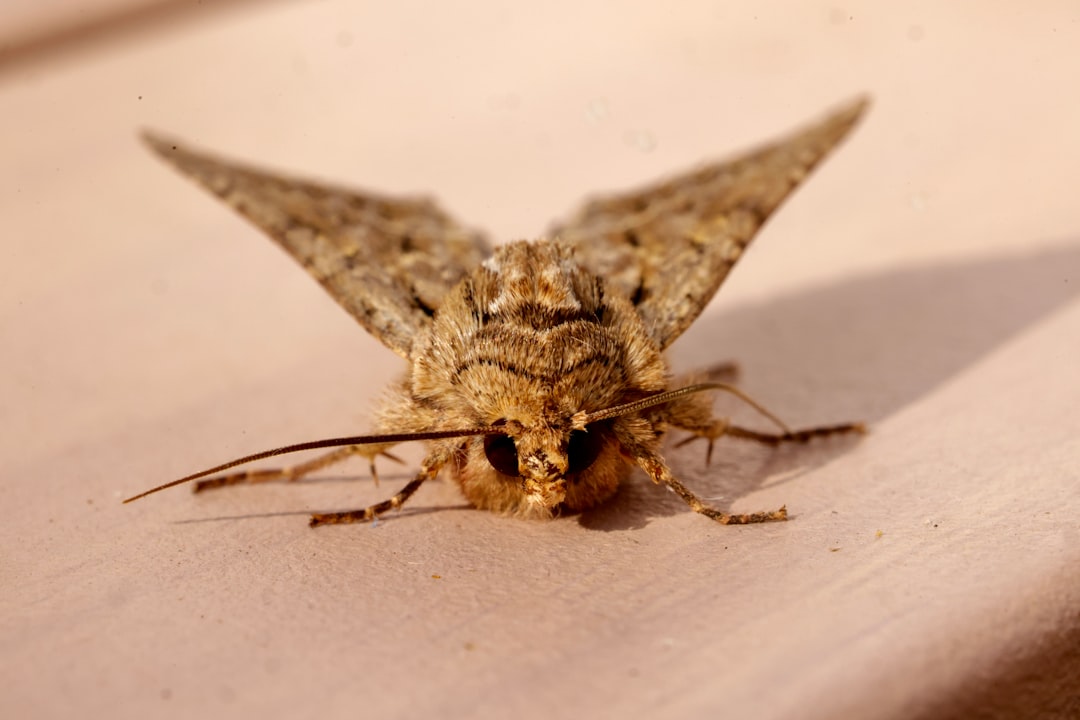
Moth prevention requires digital marketing strategies that meet customers where they are in the buying journey. A multi-format Google Ads approach boosts engagement and delivers measurable growth for pest control and prevention providers. For in-depth tactics tailored to pest control businesses, this Google Ads guide for pest control offers actionable insights to help agencies and owners enhance their lead generation efforts.
- Search Campaigns: Search campaigns capture high-intent prospects hunting for urgent moth control solutions. Targeting location-based and service-specific queries directs spend toward the searchers most likely to book. Sona's intent signals, combined with unified go-to-market data, let teams adjust keyword targeting and bids to emphasize accounts showing real buying intent. Within Search campaigns, responsive search ads let you test multiple headlines and descriptions to see which resonates with homeowners versus facility managers seeking moth prevention products.
- Display Ads: Display advertising broadens reach with visual creative served across sites your audience already visits. It works as a top-of-funnel engine, building awareness among people who don't yet have an active infestation but will remember your name when they do. Marketers using visitor identification and dynamic audience segmentation can tailor creative to previous engagement, prompting return visits as intent grows.
- Video Ads: Video campaigns provide an opportunity to demonstrate the efficacy of moth prevention products or services in a format that builds trust and educates viewers. Walkthroughs of treatment processes, customer testimonials, and expert guidance can be targeted at both residential and commercial decision-makers. Leveraging real-time insights, marketers can allocate budget toward video placements that drive the most qualified engagement, ensuring that educational content reaches those progressing toward a purchase.
- Remarketing: Remarketing campaigns re-engage visitors who have shown interest but have not yet taken action, such as booking an inspection or purchasing a prevention kit. By continuously updating dynamic audiences as leads move through the funnel, teams can deliver personalized messaging and offers based on prior website interactions. Integration with CRM and enriched audience data further refines targeting, allowing pest control advertisers to synchronize campaigns with sales follow-ups, maximize conversion rates, and accurately attribute both online and offline revenue.
Ready to increase your moth prevention leads? Get started for free with Sona.
Where to Find Growth Opportunities

Pest control and moth prevention teams looking to grow need more than broad keyword targeting. Finding real headroom means reading audience intent and competitor moves more closely than a standard keyword-only approach allows.
- Vertical keyword targeting: Targeting keywords specifically aligned to moth prevention and related pest control solutions enables teams to capture high-intent buyers. By layering vertical-specific terms with broader pest control advertising, marketers can build campaigns that engage both immediate problem-solvers and proactive researchers. This approach surfaces companies that are actively engaging with product or service pages, making it easier to prioritize outreach and resource allocation.
- Competitor analysis for market gaps: Regularly reviewing competitor campaigns provides insight into underserved segments and unaddressed service needs. By monitoring paid search presence and messaging, teams can spot gaps, such as lack of local moth control services or educational resources, that present an opening for differentiated offers. For a deeper look at high-performing pest control keywords and strategies for optimizing paid campaigns, refer to this list of pest control keywords. Effective analysis also reveals seasonal surges and emerging trends, informing agile campaign pivots.
- Content retargeting with educational assets: Retargeting strategies that leverage informational guides, prevention checklists, or case studies convert window shoppers into engaged leads. When visitor identification technology is layered into the funnel, marketers can pinpoint which companies are consuming educational content and automatically nurture these accounts with tailored ads and follow-up. This method increases conversion rates by aligning the right content with each stage of the decision journey, while dynamic audience updates ensure engagement stays relevant as account priorities shift.
When integrated with unified data infrastructure, these strategies allow pest control marketers to move beyond guesswork and activate real-time, intent-based segments. High-value, in-market accounts receive targeted moth prevention ads, conversion tracking spans both online and offline touchpoints, and enriched audiences can be synced directly into advertising platforms and sales workflows for seamless, closed-loop attribution. Get started for free with Sona.
How to Apply Audience Segmentation for Moth Prevention

Audience segmentation is crucial for moth prevention campaigns that want to maximize budget efficiency and deliver relevant messaging. Segmented strategies outperform generic approaches by ensuring ads reach individuals and businesses with real intent, resulting in higher conversion rates and less wasted spend. Marketers in the pest control industry who embrace segmentation gain a measurable advantage in campaign relevance and lead quality with insights from the Sona blog.
Creating a segmented approach begins by identifying distinct customer groups. For moth prevention, segments are typically defined by geography, service needs, and preferred communication channels. For example, urban homeowners may seek rapid-response moth control services, while commercial textile managers prioritize long-term prevention solutions. By aligning targeting with these segments, advertisers can match messaging, offers, and landing pages to each audience, overcoming the limitations of one-size-fits-all pest control ads. For more industry-specific tactics, review this guide to pest control Google Ads.
Layering in intent signals, like recent searches for "clothes moth infestation" or visits to moth product pages, sharpens targeting considerably. Real-time behavioral data lets campaign managers shift budget toward high-intent audiences right as they're deciding. Advanced platforms move marketers past anonymous traffic entirely: Sona's Identity Resolution reveals the specific companies and individuals researching moth control services or products. That visibility lets marketers build dynamic audiences that adapt as leads move through the funnel, keeping campaigns responsive to where each buyer actually stands.
Validating conversion paths matters for closed-loop performance. Integrating CRM and ad platforms lets teams track every interaction, from the first click on a moth prevention ad through offline consultations and closed sales. That unified view flags high-value leads for immediate follow-up and keeps them in tailored nurture across channels. Syncing enriched audiences and lead data with Sona Destinations lets pest control businesses prioritize the right prospects, measure true ROI, and keep refining their online marketing.
This is also where measurement changes the economics. With Sona Marketing Measurement you can identify the companies and buyers behind your ad clicks, not just anonymous sessions, and segment audiences by who actually becomes a customer. That lets you build bid adjustments and audience signals around the segments that convert and de-prioritize the ones that don't, so you feed Google's algorithms "this click became a paying moth prevention customer" instead of just "someone filled out a form."
Keyword Strategy & Sample Target Terms
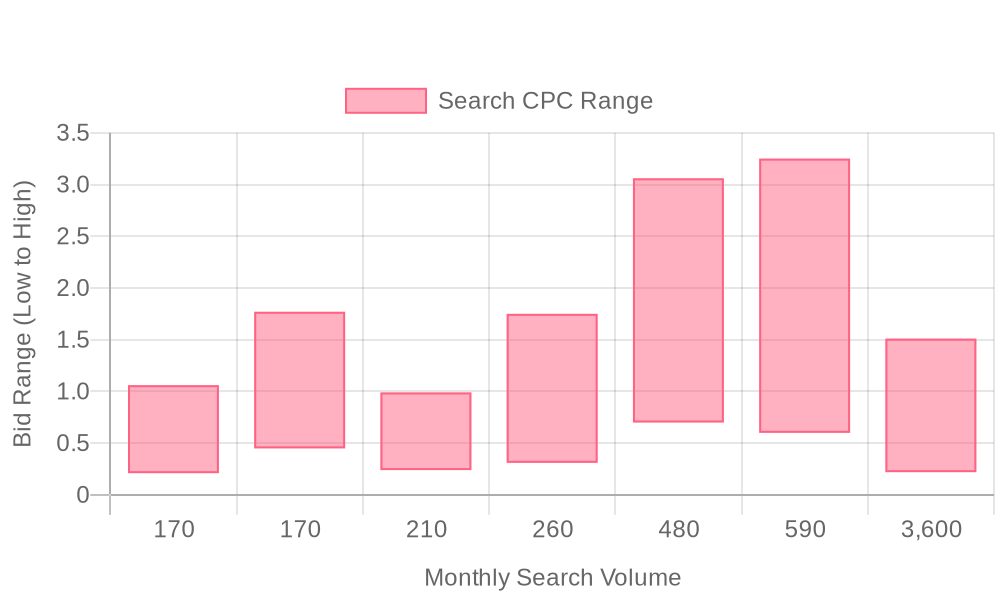
| Industry | Keyword | Monthly Search Volume | Competition Level | Low Bid | High Bid |
| Moth Prevention | how to stop moths eating clothes | 170 | HIGH | 0.21 | 1.06 |
| Moth Prevention | moth prevention for clothes | 170 | HIGH | 0.45 | 1.77 |
| Moth Prevention | how to keep moths out of closet | 210 | HIGH | 0.24 | 0.99 |
| Moth Prevention | best way to get rid of moths | 260 | HIGH | 0.31 | 1.75 |
| Moth Prevention | moth prevention moth trap | 480 | HIGH | 0.7 | 3.06 |
| Moth Prevention | moth prevention | 590 | HIGH | 0.6 | 3.25 |
| Moth Prevention | how to get rid of moths in house | 3600 | HIGH | 0.22 | 1.51 |
Effective keyword strategy is the backbone of successful Google Ads for moth prevention. High-performing campaigns carefully integrate relevant terms into a broader multi-channel marketing approach, ensuring that every touchpoint reinforces the message and captures demand. For a comprehensive list of high-performing pest control keywords and strategies for PPC campaigns, marketers can refer to this guide for pest control PPC keywords. Aligning paid initiatives with organic search and content further maximizes visibility, explore additional insights in the Sona blog.
Strategic keyword targeting gives direct access to decision-makers actively seeking moth prevention solutions. Rather than casting a wide net, precise terms reflecting real pain points, "emergency moth infestation removal," "carpet moth control services," "organic moth deterrents", let advertisers prioritize high-value commercial intent. These keywords surface ads for buyers facing an active infestation as well as those researching prevention for a home or business ahead of time. Marketers targeting B2B decision-makers can sharpen results with Sona's Identity Resolution, which reveals which companies and people are visiting their site even before a form is filled out.
Sophisticated audience building starts with intent signals derived from search queries. For moth prevention, this includes identifying users searching for “local pest control companies,” “wardrobe moth protection,” or “child-safe moth traps.” Marketers can leverage real-time audience segmentation to move beyond anonymous impressions, pinpointing organizations and individuals most likely to engage. As prospects interact with content or visit key pages, dynamic audience segments update automatically, ensuring ads are always shown to the most relevant, in-market users.
Optimizing for organic leads also means continuously refining the keyword list to match evolving search behaviors. Regularly reviewing search term reports helps uncover new opportunities, such as “best moth control service near me” or “pet-friendly moth deterrents.” By syncing enriched audience segments and lead data into Google Ads and connected CRM platforms using Sona Destinations, revenue teams create seamless handoffs between marketing and sales, fueling more effective engagement and higher conversion rates.
Sample target terms for Google Ads campaigns in this industry include:
- Emergency moth infestation removal
- Clothes moth traps UK
- Carpet moth control services
- Wardrobe moth prevention
- Organic moth deterrent sachets
- Child-safe moth treatment
- Local pest control for moths
- Best moth exterminator near me
Each keyword group should be mapped to specific campaign objectives, whether driving immediate conversions for urgent infestations or nurturing long-term interest in preventive solutions. This focused approach not only improves ad relevance and quality scores but also ensures that every advertising dollar is invested where it will have the greatest impact. To streamline your moth prevention ad campaigns and audience targeting, get started for free with Sona.
Step-by-Step Campaign Execution Framework
Step 1: Build Targeted Keyword Lists
Precision in keyword selection is foundational for effective Google Ads for moth prevention and pest control advertising. Begin by mapping specialized service terms such as "moth control services," "clothes moth removal," and "carpet moth prevention" to geographic modifiers, capturing high-intent local searches. Integrate long-tail queries reflecting urgent needs as well as preventative solutions, segmenting by city, region, or even neighborhood to capture ready-to-convert prospects. For inspiration on high-performing pest control keywords and strategic PPC planning, review this list of pest control keywords.
Ensuring keyword-to-landing-page cohesion boosts ad quality and conversion rates. Negative keywords play a critical role in filtering out irrelevant or low-value searches, such as DIY queries or unrelated pest types, thus protecting your budget and ensuring message alignment. When marketers leverage unified visitor identification, they move past anonymous website traffic and build keyword lists based on actual company-level interest, sharpening both targeting and spend efficiency.
The upgrade most moth prevention advertisers miss is going beyond raw keyword volume to layer in intent and identity signals. By connecting website-visitor data and CRM records with Sona Marketing Measurement, you can see which specific search terms bring in the accounts and customers that actually convert, and weight your keyword and bidding strategy toward those rather than the terms with the highest search volume alone.
Step 2: Write Persuasive, Trust-Building Ad Copy
Ad copy must address the real pain points faced by those seeking moth prevention solutions. Focus on urgency and trust: highlight rapid response with phrases like "Same-Day Service" or "Emergency Moth Control," and showcase credibility through "Free Estimates" or "Certified Technicians." Responsive search ads, an ad format within Search campaigns, let you test several headline and description combinations to see which pairing of urgency and credibility actually earns the click. Explore best practices for pest control Google Ads to strengthen your messaging approach.
Integrating real-time intent data into ad messaging enables marketers to dynamically adjust copy and offers based on user engagement and funnel stage. When a visitor demonstrates in-market signs, such as repeated visits to moth prevention product pages or service quotes, ads can shift to promote limited-time offers or showcase customer testimonials, accelerating conversion.
Step 3: Build Conversion-Optimized Landing Pages
Every click on a moth prevention ad should land the user on a page mirroring their search intent. Structure landing pages by keyword group, ensuring each page addresses a specific need, whether it’s immediate moth removal, long-term protection, or commercial facility solutions. Support claims with proof elements such as accreditations, before-and-after photos, and verified reviews to instill confidence. See how other pest control businesses have improved results in this PPC case study.
Mobile optimization is critical: click-to-call and quick-quote forms should work cleanly on any device, since a homeowner who just found moth damage is often searching from their phone. Seamless CRM integration keeps every phone call or form submission from slipping through the cracks. Marketers using Sona can sync enriched lead data in real time into downstream sales tools, so qualified prospects are tracked and engaged without manual follow-up.
Step 4: Optimize with Data-Driven Insights
Campaign optimization for digital marketing in pest control relies on robust conversion tracking and actionable analytics. Set up granular goals for calls, form fills, and online purchases, then use this data to inform bid adjustments and audience segmentation. A/B test ad variations, landing pages, and CTA placements to identify top performers; predictive analytics can reveal which segments are most likely to convert, allowing you to shift budget toward high-value opportunities. For additional tips on avoiding wasted spend and improving ROI, review this guide to pest control Google Ads.
Advanced attribution models provide visibility into the full customer journey, combining both online and offline touchpoints for a holistic ROI assessment. As campaign data is unified with CRM and ad platforms, dynamic audiences update automatically, enabling marketers to retarget users as they move through the funnel and to personalize offers at scale. This closed-loop approach ensures that every marketing dollar is measured, optimized, and tied directly to revenue outcomes. To streamline your next campaign, get started for free with Sona and experience unified insights in action.
Sona Marketing Measurement closes the gap between clicks and revenue. It captures ad clicks with first-party measurement rather than third-party cookies, ties them through UTM capture and ad-platform APIs to the actual record in your CRM, and reports ROAS by keyword and campaign instead of by last-click form fill. Feeding that revenue signal back into Smart Bidding and Performance Max compounds over time: the algorithms optimize toward booked moth prevention revenue, not cheap leads.
Tips on Expanding Your Moth Prevention Presence

Moth prevention brands that excel in digital marketing build multi-layered campaigns designed to engage high-intent audiences at every stage of the buying journey. Modern revenue teams leverage data-driven insights to identify and nurture accounts that signal a need for moth control services or products, ensuring that marketing spend is always focused on prospects most likely to convert.
- Cross-promote with educational retargeting assets: Expand your reach by developing retargeting campaigns that deliver valuable, educational content to visitors who have shown interest but not yet engaged with your core offers. For example, deliver guides on seasonal moth risks or case studies of successful prevention for textile businesses. Use real-time visitor identification to move these prospects into dynamic retargeting audiences, so your assets follow accounts as they research solutions. For actionable tips to avoid wasted spend and improve ROI, review this guide to optimizing Google Ads for pest control.
- Utilize localized advertising strategies in priority metros: Local pest control marketing thrives when ads are hyper-relevant to a target region or city. Launch geo-targeted campaigns that spotlight your expertise in local moth control and prevention, using location-based extensions and custom landing pages tailored to metro-area search intent. Leverage dynamic audience updates, automatically syncing enriched local business leads from your CRM into Google Ads, to keep your messaging fresh and relevant. This ensures your brand stays visible to high-value local prospects and outpaces competitors in key markets.
- Partner with industry associations for referral growth: Enhance your online marketing for pest control by collaborating with textile and property management associations, giving your brand access to new referral channels and a steady flow of high-value traffic. These partnerships let you co-create content, sponsor webinars, or appear in member newsletters, driving highly qualified visitors back to your site. With advanced conversion tracking, you can attribute new leads to these sources, evaluate ROI, and reinvest in the relationships that yield the highest returns for your moth prevention ads and advertising pest control solutions.
Ready to engage high-intent prospects and maximize your moth prevention advertising ROI? Get started for free with Sona.
Beyond Google Ads: Winning the AI Answers Moth Prevention Buyers Now Trust
Paid search captures demand at the moment someone types a query. But a fast-growing share of moth prevention buyers no longer start at Google at all, they ask ChatGPT, Gemini, or Perplexity before they ever run a search, and Google's own AI Overviews increasingly summarize an answer above the traditional results. If your business isn't referenced in those AI answers, you're invisible at the exact moment buyers build their shortlist.
Sona AI Visibility shows where your business shows up across ChatGPT, Gemini, Perplexity, Google AI Overviews, and 10+ engines, and, much like a keyword report, which prompts actually send you buyers, so you can prioritize the ones that convert. Run the two together and you cover the entire buyer path: get cited where buyers research (AI Visibility), then prove which of that demand turns into booked revenue (Marketing Measurement).
Helpful resources
Conclusion
The moth prevention businesses that pull ahead won't be the ones bidding highest on "emergency moth removal." They'll be the ones who can see which searches, which accounts, and which channels actually turn into booked jobs, and who show up in the AI answers buyers now consult before they ever open Google.
To connect your Google Ads spend to real revenue and stop guessing which clicks matter, start for free with a platform built to unify your go-to-market data.
FAQ
What are the best practices for creating Google Ads for moth prevention?
Best practices include using targeted keywords, aligning ad copy with landing page messaging, employing real-time audience segmentation, and continuously optimizing campaigns based on performance data.
How can pest control companies effectively target customers with Google Ads?
Pest control companies can effectively target customers by using precise keyword strategies, segmenting audiences based on intent signals, and integrating Google Ads with other marketing channels like SEO and email.
What keywords should I use for Google Ads focused on moth prevention?
Keywords should reflect industry-specific pain points and include terms like 'emergency moth infestation removal,' 'clothes moth traps,' and 'carpet moth control services.'
How do I measure the success of my Google Ads for pest control?
Success can be measured by tracking conversion rates, engagement metrics, and return on investment (ROI) through robust analytics and attribution models that capture both online and offline interactions.
What budget should I allocate for Google Ads in the pest control industry?
Budget allocation should be based on performance data, with adjustments made to focus spending on high-converting keywords and audience segments, ensuring maximum ROI and minimal wasted spend.







