


Medicare Supplement shoppers rarely convert on the first visit. Most compare Plan G quotes across several carriers, research during a narrow enrollment window, then vanish from a CRM's view until they call an agent weeks later, and that gap is where budget leaks out of Google Ads accounts. A comprehensive approach captures these high-intent prospects while they're still searching, so ad spend targets people actively comparing plans rather than cold traffic. For companies selling into the Medicare Supplements market, Google Ads offers a direct way to reach people at the exact moment they're seeking help, whether they're following up after a Medicare seminar or responding to a direct mail offer.
How to Generate Medicare Supplement Leads with Google Ads: A Step-by-Step Guide

Medicare Supplement advertising demands more than basic digital tactics; it requires a unified, data-driven approach that pinpoints intent and streamlines engagement. B2B marketers and healthcare providers can achieve significant gains by integrating real-time audience insights, ensuring every campaign touchpoint is both compliant and conversion-focused. For a deeper understanding of Google’s healthcare ad requirements, review this overview of advertising policies for healthcare and medicines.
Success in Google Ads for Medicare Supplements starts with precision targeting and proactive audience segmentation. By leveraging advanced visitor identification, marketers can move beyond anonymous clicks, recognizing the companies and organizations behind in-market visits as soon as they engage. This early insight allows teams to prioritize high-value leads, synchronize messaging across channels, and trigger timely follow-up before prospects drift away.
Campaign excellence hinges on more than keyword lists. Modern solutions automatically flag high-intent visitors, enabling teams to layer custom audience segments based on eligibility windows, search behaviors, and page interactions. When these audiences update dynamically as leads move through the funnel, ad spend stays focused on the accounts most likely to convert, and sitelink and callout assets can point returning visitors straight to plan comparisons or agent contact. For actionable Medicare marketing ideas, see these Medicare marketing strategies for agencies.
Landing page and ad creative design must prioritize both CMS guidelines for advertising and the unique needs of Medicare-eligible audiences. Conversion rates improve when landing experiences are tailored to the user’s enrollment stage and clearly disclose plan details, agent credentials, and compliance statements. Marketers that sync CRM data with ad platforms can ensure that every click is tracked from impression to offline enrollment, giving a complete picture of ROI and enabling ongoing optimization.
Disconnected signals can erode campaign efficiency and slow down revenue cycles. Seamless integration between sales and marketing platforms ensures that every high-intent action, like a quote request or content download, triggers immediate tasks, adds users to remarketing cohorts, and keeps teams aligned. Unified data also enables cross-channel tactics, such as pairing Google Ads with personalized email outreach or direct agent follow-up, to accelerate Medicare Supplement lead generation and drive sustainable growth.
Why does Google Ads matter for Medicare Supplements

Modern Medicare Supplement advertising requires immediate, precise targeting to compete in a crowded, time-sensitive market. Google Ads delivers access to prospects who are actively searching for coverage, enabling revenue teams to engage with high-intent buyers exactly when decisions are being made. For more strategic guidance on optimizing B2B campaigns, explore our blog for data-driven marketing insights.
- Specialized audience targeting: Google Ads for Medicare Supplements allows marketers to reach individuals at critical decision points, leveraging precise audience intelligence to capture those seeking Medigap policies, plan upgrades, or enrollment assistance.
- Predictive fit scoring: Traditional campaigns often waste budget on low-fit leads. By incorporating predictive models and visitor identification, marketers can score accounts by their likelihood to convert, capturing valuable opportunities from prospects who may not have engaged through other channels.
- Immediate results during peak periods: Unlike long-term brand-building channels, Google Ads enables agile response to enrollment windows and limited-time offers, delivering fast lead flow when the stakes are highest for Medicare enrollment strategies.
- Market expansion agility: When entering new states or responding to market shifts, Google Ads accelerates visibility where conventional outreach lags, helping agencies and insurers quickly establish a foothold in emerging geographies with dynamic audience activation.
- Closed-loop analytics: Integrated measurement from first click to contract signing provides marketers with actionable insights. Connecting ad engagement with downstream activity, using advanced attribution modeling, enables optimization of broader health insurance marketing and Medicare Supplement advertising efforts.
With dynamic audience segmentation and real-time intent signals, teams move beyond anonymous traffic, identifying which visitors and companies are truly in-market. This empowers marketers to shift budget toward high-converting accounts and ensures that Google Ads campaigns for Medicare Supplements drive predictable, measurable growth.
Common Types of Google Ads Campaigns for Medicare Supplement Services

A results-driven Medicare Supplement advertising strategy relies on selecting the right Google Ads campaign types for each stage of the buyer journey, and on knowing that Responsive Search Ads are simply the ad format Search campaigns now use, not a separate campaign type to plan around. Intent-based segmentation and precise targeting ensure your budget supports both direct response and brand-building objectives. Leveraging unified data from CRM and on-site engagement, such as identifying website visitors, further enhances every campaign's ability to reach, nurture, and convert high-value prospects. For marketers interested in maximizing campaign impact through data-driven strategies, explore our actionable playbooks.
- Search Campaigns: Search campaigns target consumers actively seeking Medicare Supplement information, such as plan comparisons or enrollment details. These ads appear as text results when users enter high-intent queries, capturing leads already primed to convert. Teams leveraging visitor identification can connect inbound search traffic to specific accounts, revealing companies or individuals ready for follow-up and outreach. Real-time intent signals allow budgets to be dynamically shifted toward promising search terms, maximizing qualified lead volume and cost efficiency.
- Display Ads: Display ads keep your Medicare Supplement brand visible across online platforms frequented by your target demographic. Banner and image placements on relevant websites reinforce your message and provide ongoing touchpoints for seniors researching coverage options. By syncing CRM data with real-time audiences, marketers ensure display creative is shown to contacts progressing through the funnel, not just anonymous website visitors. This increases message relevancy and supports cohesive cross-channel strategies for Medicare Supplement and Advantage plans.
- Remarketing: Remarketing campaigns efficiently re-engage users who previously visited your site, interacted with plan comparison tools, or started but did not complete a lead form. These campaigns use dynamic audience segmentation to deliver tailored ads across search and display networks, reminding prospects to return and complete enrollment. With unified account data, remarketing lists automatically update as contacts move closer to decision-making, driving higher conversion rates by aligning creative with each lead’s current stage.
- Local Campaigns: Local campaigns are essential for agencies and brokers serving defined geographic territories or emphasizing licensed agent proximity. These campaigns leverage Google's location targeting to highlight unique offers, events, or in-person consultations in specific zip codes or regions. When CRM and ad platforms are integrated, agents can activate localized ads only for prospects within their jurisdiction, ensuring compliance and boosting ROI through hyper-relevant messaging that matches both user intent and geographic need.
Keyword Strategy & Sample Target Terms
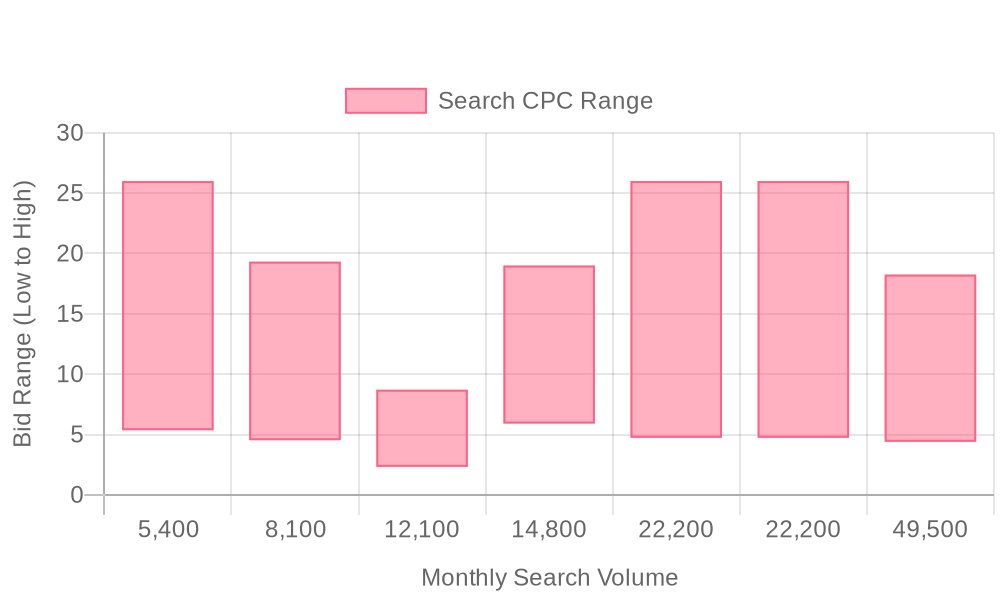
| Industry | Keyword | Monthly Search Volume | Competition Level | Low Bid | High Bid |
| Medicare Supplements | aarp supplemental insurance | 5400 | HIGH | 5.36 | 26 |
| Medicare Supplements | medicare supplements | 8100 | MEDIUM | 4.53 | 19.32 |
| Medicare Supplements | medicare plan g | 12100 | MEDIUM | 2.32 | 8.71 |
| Medicare Supplements | mutual of omaha medicare supplement | 14800 | MEDIUM | 5.91 | 19 |
| Medicare Supplements | aarp medicare supplement | 22200 | MEDIUM | 4.73 | 26 |
| Medicare Supplements | aarp medicare supplement plans | 22200 | MEDIUM | 4.73 | 26 |
| Medicare Supplements | medicare supplement plans | 49500 | LOW | 4.4 | 18.25 |
A focused keyword strategy is pivotal for any organization aiming to capture high-quality Medicare Supplement leads and outperform in a competitive health insurance marketing landscape. By aligning terms with user intent, marketers can reach candidates actively considering Medigap options and eliminate budget waste. Leveraging precise audience intelligence enables teams to dynamically adjust keyword targeting and maximize campaign efficiency.
- Strategic Keywords: Targeting core search terms such as 'Medicare Supplement plans', 'Medicare Part F details', and 'Medicare enrollment assistance' ensures visibility at each stage of the Medicare enrollment journey. These terms directly connect with seniors and caregivers who are seeking actionable information and are more likely to convert. Integrating real-time intent signals into keyword selection helps marketers dynamically prioritize campaigns based on trending search activity and in-market behaviors.
- Local Modifiers: Adding modifiers like 'near me', specific city names, or even community or county identifiers enables hyper-local targeting. This approach is crucial for agencies operating in regions with unique plan availability or distinct demographic clusters. Advanced audience intelligence tools can identify which localities generate higher conversion rates, allowing teams to shift budget toward those segments immediately.
- Negative Keywords: Filtering out informational traffic with negative keywords such as 'cost of', 'comparison', and 'free advice' protects campaign budgets from low-intent clicks. This refinement is especially important in digital marketing for Medicare, where regulatory compliance and ROI are closely scrutinized. With unified data across CRM and campaign platforms, marketers can update negative keyword lists in real time as new irrelevant queries emerge.
- Long-Tail Keywords: Using long-tail terms like 'affordable Medicare Supplements for seniors' or 'Medicare Part G coverage benefits' captures users with high purchase intent. These searches often indicate beneficiaries are ready for direct engagement, making them ideal for personalized follow-up by sales teams. By connecting ad platforms to CRM systems, marketers can see which long-tail queries yield the most qualified leads and optimize accordingly.
Advanced tracking tools are essential for measuring keyword performance and ensuring campaign alignment with business goals. Integrating online and offline attribution allows organizations to tie ad clicks to actual enrollments, providing a true picture of ROI. With dynamic audience segments updating as leads progress through the funnel, campaigns remain relevant and responsive to evolving user interests and regulatory requirements. This closed-loop feedback empowers B2B revenue teams to continually refine their Google Ads for Medicare Supplements strategy and drive sustainable growth. To accelerate your results, get started for free with Sona and unlock actionable keyword intelligence for your campaigns.
Step-by-Step Campaign Execution Framework

A modern Medicare Supplement advertising campaign on Google Ads demands disciplined execution, precise targeting, and continuous data-driven refinement. Success hinges on building campaigns that reflect the real needs and compliance requirements of the senior health insurance market while leveraging current digital marketing strategies for maximum efficiency. For B2B teams, the ability to unify intent and conversion data across platforms creates a tangible edge, allowing for immediate action on high-value opportunities with Sona's Intent Signals.
Step 1: Build Targeted Keyword Lists
Keyword research for Google Ads for Medicare Supplements centers on high-intent, compliant phrases that match user search behavior and CMS guidelines for advertising. Start with terms like "Medicare Supplement plans near me," "Medigap plan comparison," "best Medicare Supplement rates," and "Medicare Advantage vs Supplement." Include specific plan types (e.g., "Plan G reviews," "Plan N vs Plan F") and integrate geo-modifiers to reach local prospects. Using negative keywords such as "free Medicare" or "Medicare fraud" filters unqualified clicks, protecting budget and compliance posture, review the latest Google advertising policies for healthcare to keep your campaigns aligned.
Teams leveraging precise audience intelligence have the advantage of expanding keyword lists based on real-time site behavior and CRM insights. For example, connecting CRM data with ad platforms allows marketers to surface new search terms from actual policyholder queries, and update negative keyword lists as user intent shifts. This approach ensures campaigns reflect what high-value prospects are actively searching for, not just industry assumptions.
The upgrade most Medicare Supplement advertisers miss is going beyond raw keyword volume to layer in intent and identity signals. By connecting website-visitor data and CRM records with Sona Marketing Measurement, you can see which specific search terms bring in the accounts and customers that actually convert, and weight your keyword and bidding strategy toward those rather than the terms with the highest search volume alone.
Step 2: Craft Effective Ad Copy
Ad copy in health insurance marketing must balance clarity, compliance, and conversion. Headlines should directly address the user’s need (“Compare Top Medigap Plans,” “See 2024 Medicare Supplement Rates”) while body text details unique plan benefits, agent support, and eligibility criteria. Including licensure, experience, or star ratings in the text reinforces credibility and aligns with healthcare advertising requirements.
Advanced B2B teams use intent data and segmentation to dynamically adjust messaging. By aligning ad creative with user segments, such as age, location, or funnel stage, marketers increase engagement and relevance. For instance, ad copy can shift for users identified as returning visitors, highlighting new offers or next steps in the enrollment process.
Step 3: Align Landing Pages for Conversion
Landing pages for Medicare Supplement advertising must precisely match the content and promises of the ad. Every page should clearly display compliance statements, state-specific agent information, and CMS-required disclaimers. Forms should be concise, requesting only essential information to improve completion rates, and include visible trust signals such as HIPAA badges or Better Business Bureau ratings. For official guidelines, review the CMS marketing rules for Medicare plans.
By integrating visitor identification tools, marketers can reveal the companies or individuals interacting with landing pages, providing valuable attribution and follow-up opportunities. Dynamic content personalization, such as pre-filling forms for known users or tailoring plan options based on location, raises conversion rates and builds trust with senior audiences.
Step 4: Optimize with Data-Driven Iteration
Ongoing optimization in Google Ads lead generation for Medicare Supplements requires robust analytics. Track metrics like cost per qualified lead, click-to-call rates, and application-to-enrollment ratios. Use split testing for headlines, imagery, and form layouts to identify the highest-performing combinations. Offline conversions, such as call center enrollments, should be imported to Google Ads for full-funnel ROI analysis; this case study on Medigap Life's revenue growth offers inspiration for leveraging call center technology.
A unified platform that syncs CRM, call center, and online ad data enables marketers to update audiences in real time, adjust bidding to prioritize hot accounts, and trigger retargeting sequences for users who drop off at key points. This closed-loop feedback system ensures that budget is always directed toward the highest-value leads, and that campaign adjustments are made based on current, actionable insights rather than lagging reports. Get started for free with Sona.
Sona Marketing Measurement closes the gap between clicks and revenue. It captures every ad click with first-party, durable measurement that doesn't rely on third-party cookies, then ties that click through UTM capture and ad-platform APIs to the actual record in your CRM, and reports ROAS by keyword and campaign instead of by last-click form fill. Feeding that revenue signal back into Smart Bidding and Performance Max compounds over time: the algorithms optimize toward booked Medicare Supplement revenue, not cheap leads.
Where to Find Growth Opportunities?

Growth in Medicare Supplement advertising relies on finding untapped audiences and optimizing every digital interaction for maximum conversion potential. Marketers who move beyond traditional campaign structures can unlock deeper insights into beneficiary needs and intent, translating data-driven strategy into measurable pipeline impact.
- Vertical keyword targeting: Expanding beyond standard Medicare Supplement phrases to include related health insurance services and enrollment support increases qualified reach. Smart segmentation ensures messaging matches specific needs, capturing users researching Medigap, Medicare Advantage, or switching plans. By leveraging unified intent data, marketers can efficiently allocate budget to keywords with elevated conversion likelihood, reducing wasted spend.
- Competitor gap analysis: Utilizing auction insights surfaces areas where competitors underperform or neglect certain demographics or geographies. This approach identifies high-value, underserved segments, enabling campaigns to intercept relevant searches before competitors do. When paired with visitor identification solutions, marketers map anonymous website traffic to real companies, allowing for proactive outreach and tailored follow-up.
- Industry-specific placements: Forums, review directories, and specialized healthcare communities often present limited organic visibility. Targeting these placements with display or native ads increases presence where seniors and caregivers actively research Medicare options. Dynamic audience building ensures campaigns automatically target new leads as they appear in these networks, updating in real time as individuals progress through the decision journey.
- Retargeting with educational assets: Delivering assets such as whitepapers, enrollment guides, or comparison checklists to prior website visitors nurtures prospects while reinforcing brand authority. Integrating real-time behavior signals enables marketers to shift retargeting budgets toward accounts showing increased interest, maximizing engagement among those most likely to convert. Advanced CRM and ad platform sync ensures that enriched lead profiles seamlessly flow between marketing automation and Google Ads, supporting a consistent experience from first touch to application. For strategies to thrive in a competitive market, see this Medicare Supplement marketing guide.
Effective Google Ads for Medicare Supplements campaigns require a holistic view of digital touchpoints, actionable audience insights, and precise measurement of each tactic’s ROI. By unifying audience data, intent signals, and conversion tracking, marketers can confidently expand reach, improve compliance, and drive sustained growth in a highly regulated landscape. To see how your team can leverage these tools, get started for free with Sona.
Beyond Google Ads: Winning the AI Answers Medicare Supplements Buyers Now Trust
Paid search captures demand at the moment someone types a query. But a fast-growing share of medicare supplements buyers no longer start at Google at all, they ask ChatGPT, Gemini, or Perplexity before they ever run a search, and Google's own AI Overviews increasingly summarize an answer above the traditional results. If your business isn't referenced in those AI answers, you're invisible at the exact moment buyers build their shortlist.
Sona AI Visibility shows where your business shows up across ChatGPT, Gemini, Perplexity, Google AI Overviews, and 10+ engines, and, much like a keyword report, which prompts actually send you buyers, so you can prioritize the ones that convert. Run the two together and you cover the entire buyer path: get cited where buyers research (AI Visibility), then prove which of that demand turns into booked revenue (Marketing Measurement).
Helpful resources
Conclusion
The Medicare Supplement advertisers who win Annual Enrollment Period aren't the ones with the biggest budgets, they're the ones who can see which keyword, which ad, and which follow-up call actually turned into a signed policy, and who feed that back into their bidding before the next surge of shoppers arrives. Build that feedback loop now, and each enrollment season gets more efficient than the last instead of starting from zero.
FAQ
What are the best practices for advertising Medicare Supplements on Google Ads?
Best practices include using precision targeting, proactive audience segmentation, and aligning ad copy and landing pages with CMS guidelines to improve conversion rates.
How can I ensure compliance with Google Ads policies for Medicare?
Ensure compliance by reviewing Google's advertising policies for healthcare and medicines and including necessary compliance statements and disclaimers in your ad and landing page content.
What targeting options are available for Medicare Supplement ads?
Targeting options include precise audience intelligence, visitor identification, dynamic audience segmentation, and local geotargeting to reach high-intent prospects effectively.
What are the costs associated with Google Ads for Medicare Supplements?
Costs can be managed by focusing on high-intent keywords, using negative keywords to filter low-intent traffic, and dynamically adjusting budgets based on real-time audience insights.
How can I measure the success of my Google Ads campaigns for Medicare?
Success can be measured using integrated analytics that track metrics from click to enrollment, including cost per qualified lead and conversion rates, supported by real-time data and attribution modeling.







