


Medical imaging centers compete for patients in a market where a single missed inquiry, a mammogram search abandoned for a competitor's site, an MRI referral that goes cold, can mean thousands in lost revenue. Healthcare advertising rules add friction that generic retail marketing never has to navigate. Google Ads still cuts through that friction better than most channels, letting radiology and imaging providers reach patients at the exact moment they're searching for a scan, an appointment, or a second opinion. Paired with tools that track a click through to an actual booked visit, it also gives imaging centers something they've historically lacked: proof of which campaigns fill the schedule and which just spend the budget.
How to Generate Google Ads for Medical Imaging Leads: A Step-by-Step Guide

Medical imaging providers operate in a fast-moving, highly competitive environment where patient acquisition hinges on proactive digital engagement. Leveraging Google Ads for Medical Imaging allows clinics to intercept high-intent prospects at the moment of decision, capturing appointments that might otherwise go to faster-moving competitors. For a detailed look at how radiology clinics can maximize their exposure and ROI with Google Ads in 2024, see this analysis of Google Ads effectiveness.
Timely, data-driven marketing is the backbone of sustainable radiology growth. By integrating Sona's Identity Resolution, imaging centers can unify fragmented data, target audiences precisely, and measure the direct impact of campaigns on booked scans and consultations. This guide lays out a clear workflow for building high-performance Google Ads campaigns tailored to medical imaging advertising.
- Understand the Role of Google Ads: Digital advertising is not a supplementary channel for medical imaging providers, it is a primary driver of patient acquisition and practice visibility. Google Ads reaches people actively searching for diagnostic services, so budget goes toward prospects with immediate intent. Paired with Sona's Identity Resolution, campaigns move beyond anonymous impressions to identify the organizations and referring practices behind site visits, sharpening lead quality considerably.
- Keyword Strategy: Effective keyword planning is the foundation of every successful healthcare digital marketing campaign. Precision is crucial: targeting “MRI appointment near me” or “same day CT scan” filters out low-intent searches and aligns your spend with real patient demand. Advanced analytics platforms can surface trending, high-converting search terms specific to your service area, while dynamic keyword lists update automatically as new procedures or imaging modalities are added, keeping campaigns aligned with evolving patient needs.
- Targeting and Audience Segmentation: Audience segmentation for medical imaging goes beyond geography. Layering in data like recent site engagement, insurance network compatibility, or referral source lets campaigns reach patients at the right stage of their journey, whether that's a self-referred patient researching a screening or a physician's office booking an urgent scan. Connected to unified data solutions, audiences update automatically as leads move through the funnel, keeping retargeting budget focused on those most likely to convert.
- Creative and Messaging: Ad copy for medical imaging services promotion must balance clinical accuracy with human empathy. Highlight board certifications, advanced technology, and fast appointment availability, while addressing common patient concerns like cost transparency or result turnaround time. Messaging that adapts based on real-time audience insights, such as emphasizing late evening hours to users browsing after work, builds trust and urgency, directly impacting appointment bookings.
- Optimization Techniques: Continuous optimization is the difference between average and industry-leading radiology marketing strategies. Using attribution models that connect online ad clicks to both digital and offline conversions, providers can measure the true ROI of every campaign. Integrated solutions sync closed-loop data from CRM and EHR systems back into Google Ads, automatically pausing underperforming ads and shifting budget to top-converting channels. This feedback loop accelerates performance improvements and ensures sustained growth in patient acquisition from online advertising for medical imaging.
Step 1: Build Targeted Keyword Lists
Begin by researching high-intent keywords that mirror both the services you offer and the language patients actually use, phrases like "low-dose CT scan," "ultrasound with same-day results," or "MRI without referral," alongside location modifiers. Because imaging demand shifts with referral patterns, insurance plan years, and seasonal health screenings, refine and expand these lists continually using search query reports and tools that track local demand trends.
The upgrade most medical imaging advertisers miss is going beyond raw keyword volume to layer in intent and identity signals. By connecting website-visitor data and CRM records with Sona Marketing Measurement, you can see which specific search terms bring in the accounts and customers that actually convert, and weight your keyword and bidding strategy toward those rather than the terms with the highest search volume alone.
Step 2: Segment and Activate Audiences
Apply advanced audience segmentation to reach users based on search behavior, site interactions, and demographic factors. Integrate with platforms that unify ad engagement and CRM data, ensuring that audience lists automatically update as leads progress from interest to appointment. This dynamic approach keeps retargeting efforts focused on the most likely converters and allows for personalized messaging at every stage of the funnel.
Step 3: Develop High-Impact Creative
Craft ad copy that emphasizes clinical expertise, advanced diagnostic equipment, and patient convenience. Use tailored messaging for each campaign segment, such as promoting weekend availability to busy professionals or highlighting insurance acceptance to cost-conscious patients. Include credibility markers and clear calls to action to build trust and drive engagement. For guidance on effective ad content, review these high-performing Google Ads content types.
Step 4: Launch and Monitor Campaigns
Deploy campaigns using Google Ads' healthcare-compliant formats and ad assets. Monitor performance daily, tracking both digital conversions and offline outcomes such as phone bookings and in-person visits. Connect attribution data from all touchpoints to measure the impact of each campaign element accurately.
Sona Marketing Measurement closes the gap between clicks and revenue. It captures ad clicks with first-party, company-level measurement (no reliance on individual tracking cookies), ties that click through UTM capture and ad-platform APIs to the actual record in your CRM, and reports ROAS by keyword and campaign instead of by last-click form fill. Feeding that revenue signal back into Smart Bidding and Performance Max compounds over time: the algorithms optimize toward booked medical imaging revenue, not cheap leads.
Step 5: Optimize Using Closed-Loop Data
Leverage advanced reporting to pinpoint which ads and keywords drive the highest value leads. Sync enriched conversion data back into Google Ads to inform bidding strategies and audience updates. Adjust creative, budgets, and targeting in real time, ensuring every advertising dollar maximizes patient acquisition and clinic growth.
By following this structured approach and integrating data-driven technology at each stage, medical imaging providers can transform Google Ads from a generic channel into a precision engine for appointment growth and practice leadership.
Why Does Google Ads Matter for Medical Imaging?

Medical imaging centers operate in a landscape where every patient search represents a high-value opportunity. Digital visibility is no longer optional: capturing intent at the precise moment a prospective patient seeks an MRI, CT, or X-ray can shift the entire growth trajectory of a clinic. For a deeper look at the projected impact of Google Ads in this sector, see this analysis on Google Ads effectiveness for radiology clinics in 2024.
- Complex Audience Needs: Google Ads lets imaging centers engage patients at the exact moment they research or need a scan, cutting down on lost opportunities from delayed follow-up. Real-time search intent lets clinics match service offerings to a patient's immediate need, whether that's a routine screening or an urgent referral. To identify the organizations behind high-intent site visits, explore Sona's Identity Resolution.
- High-Value Services: Medical imaging advertising through Google Ads is built for precision, letting centers focus spend on patients searching for high-margin procedures like advanced MRI or specialty diagnostics. Paired with tools that identify visitor intent and the company behind a visit, marketers move beyond generic impressions to reach prospects whose searches signal they're ready to book. Discover more about leveraging intent signals to prioritize and convert these prospects.
- Immediate Demand Response: The nature of diagnostic imaging often involves urgent or time-sensitive needs. Google Ads can trigger campaigns in real time, ensuring that patients find and contact your center without delay, while advanced lead routing tools ensure no inquiry slips through the cracks during peak demand moments. For strategies on maximizing lead generation in radiology, visit our radiology marketing tips.
- Emerging Market Presence: For clinics expanding into new or underserved geographies, targeted online advertising for medical imaging allows for strategic placement of ads, controlling exposure down to precise zip codes or radii around facilities. Dynamic audience technology ensures that as new prospects enter the funnel, campaigns adapt automatically to spotlight your locations to the right people at the right time.
- Data-Driven Insights: Full-funnel analytics transform radiology marketing strategies from guesswork into measurable performance. With advanced attribution and CRM syncing, imaging centers can link ad spend to actual appointments, track which keywords convert, and optimize bidding to maximize both volume and profitability. For practical tips on measuring marketing’s impact, explore our marketing attribution guide.
Common Types of Google Ads Campaigns for Medical Imaging Services

A sophisticated Google Ads strategy for medical imaging services relies on a mix of campaign types that address every stage of the patient journey, Search, Display, Video, Performance Max, and remarketing each serve a distinct purpose, from capturing urgent diagnostic searches to building sustained brand recognition and accelerating patient acquisition. Precision in targeting, messaging, and attribution is crucial for maximizing budget efficiency and ensuring measurable growth in appointment bookings. To explore how clinics can maximize exposure and reach through Google Ads in 2024, see these tactics for radiology clinics. If you want to unlock deeper insights into your website visitors and refine your campaign targeting, consider integrating Sona's Identity Resolution into your marketing stack.
- Search Campaigns: Search campaigns are the backbone of patient acquisition for medical imaging services. Targeting high-intent queries such as "MRI near me" or "same-day CT scan appointment" puts ads in front of a prospective patient the moment they express need. Marketers using Sona's Identity Resolution can further refine keyword strategies, prioritizing budget for queries from high-value accounts or employer-sponsored insurance groups. For additional best practices on targeting and campaign structure, visit our library of playbooks.
- Display Ads: Display campaigns keep your brand top-of-mind as patients navigate healthcare content, news sites, or patient forums. For medical imaging advertising, display ads reinforce awareness among audiences researching diagnostic options but not yet ready to commit. Sophisticated audience segmentation, powered by real-time intent signals, enables clinics to serve tailored creative to users who’ve previously engaged with specific service pages, such as “3D mammography” or “low-dose CT.” This intelligent targeting ensures that your display budget drives meaningful engagements rather than broad, untargeted impressions.
- Video Ads: Video campaigns elevate patient education and trust by visually demonstrating procedures, showcasing advanced equipment, or featuring radiologist expertise. With platforms like YouTube seeing increased health-related searches, video ads position your imaging center as a technology leader and patient-friendly provider. Dynamic audience updates allow video messaging to adapt as leads move from awareness to consideration, ensuring that those who watched a facility tour, for example, receive follow-up content about scheduling or insurance coverage. Learn how to track every key touchpoint and optimize your video campaigns with Sona’s buyer journeys.
- Remarketing: Remarketing campaigns are essential for re-engaging visitors who explored your site but did not book an appointment. By analyzing prior engagement signals, such as time spent on “services” or “pricing” pages, marketers can deploy personalized messaging that addresses specific barriers to conversion. When remarketing lists are dynamically refreshed based on lead status, clinics avoid wasted impressions on already-booked patients and instead zero in on those still evaluating options, improving overall campaign ROI. For more insights on leveraging intent signals for remarketing, see our intent-driven retargeting playbook.
- Assets: Ad assets amplify the impact of each campaign by putting actionable information right in the ad. Medical imaging providers use call, location, and service assets to streamline appointment booking, highlight accreditations, and show transparent pricing. Integration with advanced conversion tracking links these asset interactions directly to patient acquisition outcomes, giving clinics a clear picture of which pathways drive the highest-value appointments. This feedback loop enables ongoing optimization and smarter allocation of marketing spend. If you're ready to enhance your digital advertising and streamline patient acquisition, get started for free with Sona.
Where to Find Growth Opportunities in Medical Imaging
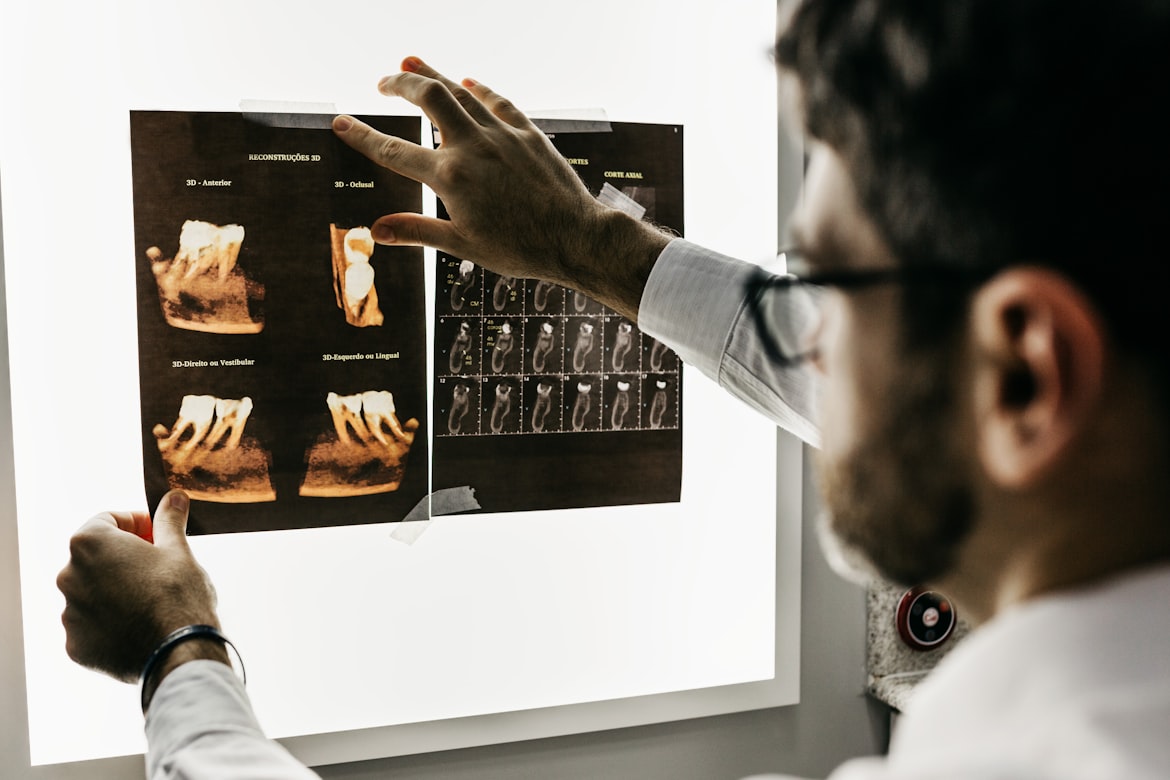
Medical imaging centers operate in a highly specialized market, where growth depends on precision targeting and authentic engagement with prospective patients. By harnessing data-driven strategies, clinics can identify and capture demand that generic healthcare advertising often overlooks.
- Vertical Keyword Targeting: Focusing on niche keywords tied to specific imaging services, such as “low-dose CT scan” or “same-day MRI appointment,” ensures ads directly address patient intent. This approach filters out low-quality traffic, increasing both relevance and conversion rates. Integrating real-time visitor identification enables marketers to match search queries with organizational profiles, allowing for refined targeting and more efficient budget allocation.
- Competitor Gap Analysis: Auction insights reveal which segments your competitors may be under-serving, such as pediatric radiology or advanced musculoskeletal imaging. By mapping these gaps, clinics can shift spend toward high-opportunity audiences. Leveraging in-market behavior and intent data further sharpens this strategy, allowing dynamic audience updates as new patient needs emerge or as certain procedures trend in local demand.
- Industry-Specific Placements: Advertising on medical directories and specialty health forums, where organic competition is low but patient research activity is significant, offers outsized visibility. These placements often attract visitors deeper in the decision-making process, making them more likely to convert. Syncing enriched audience data between ad platforms and CRM systems ensures these high-value leads are captured and nurtured through automated workflows, streamlining follow-up and maximizing lead quality.
- Content Retargeting: Educational assets, such as whitepapers on the latest diagnostic techniques or patient preparation guides, fuel retargeting campaigns that nurture potential clients who have shown early interest. Tracking both online and offline interactions, including calls and consult requests, gives a holistic view of campaign performance. For best practices on generating leads with Google Ads in radiology, see this overview. Advanced conversion tracking uncovers true ROI and highlights which content pieces best drive patient acquisition for medical imaging services.
By aligning vertical targeting, competitive analysis, strategic placements, and retargeting with unified data and intent signals, medical imaging centers establish a foundation for accelerated and sustainable growth in digital healthcare marketing.
How to Apply Audience Segmentation for Medical Imaging
Audience segmentation is essential for medical imaging centers seeking to maximize the impact of their online advertising investments. By dividing prospects into distinct groups based on their healthcare journey, clinics deliver relevant messaging that increases appointment bookings and drives measurable ROI in a competitive digital landscape. Explore how audience segmentation tools can help streamline this process for greater efficiency.
Segmenting audiences for medical imaging advertising requires a careful blend of clinical insight and data-driven marketing. Leveraging aggregated intent and behavioral signals ensures that each campaign is tailored for the needs of patients seeking everything from routine screenings to urgent diagnostics. For step-by-step guidance on setting up effective healthcare campaigns, this Google Ads for healthcare guide is a valuable resource.
- Define Segments: Differentiate between patient types, such as those needing routine check-ups versus individuals requiring emergency imaging. For example, targeting can be refined to address people searching for "annual mammogram near me" separately from those needing "same-day MRI for injury." Clinics can use Sona's Identity Resolution to surface companies or referring physicians, enabling B2B campaigns that target high-value referral partners alongside consumer audiences.
- Overlay Intent Signals: Integrate signals such as recent searches for pain management, following up on test results, or researching specific scan types. Real-time analysis of in-market behaviors enables healthcare marketers to shift budget towards users most likely to convert, such as those who have recently downloaded patient forms or visited insurance FAQ pages. Leverage intent signals to automatically flag and prioritize high-converting prospects as patient needs evolve.
- Customize Ad Groups: Develop unique ad groups with messaging and creative tailored to each segment’s motivations and expectations. For instance, one group might highlight advanced imaging technology and short wait times for urgent care patients, while another emphasizes annual screening reminders and preventive care benefits for wellness-focused audiences. Using go-to-market data, marketers can align campaign messaging with the patient’s stage in the funnel, ensuring that engagement is always relevant and personalized.
Sophisticated audience segmentation empowers medical imaging providers to execute HIPAA-compliant, targeted campaigns that drive higher engagement and measurable acquisition outcomes. Syncing enriched audience data directly into CRM and advertising platforms lets teams unify marketing efforts across Google Ads, Salesforce, and other tools, so every interaction is tracked, attributed, and optimized for continuous improvement in patient acquisition and retention.
This is also where measurement changes the economics. With Sona Marketing Measurement you can identify the companies behind your ad clicks, not just anonymous sessions, and segment audiences by who actually becomes a customer. That lets you build bid adjustments and audience signals around the segments that convert and de-prioritize the ones that don't, so you feed Google's algorithms "this click became a paying medical imaging customer" instead of just "someone filled out a form."
Keyword Strategy & Sample Target Terms
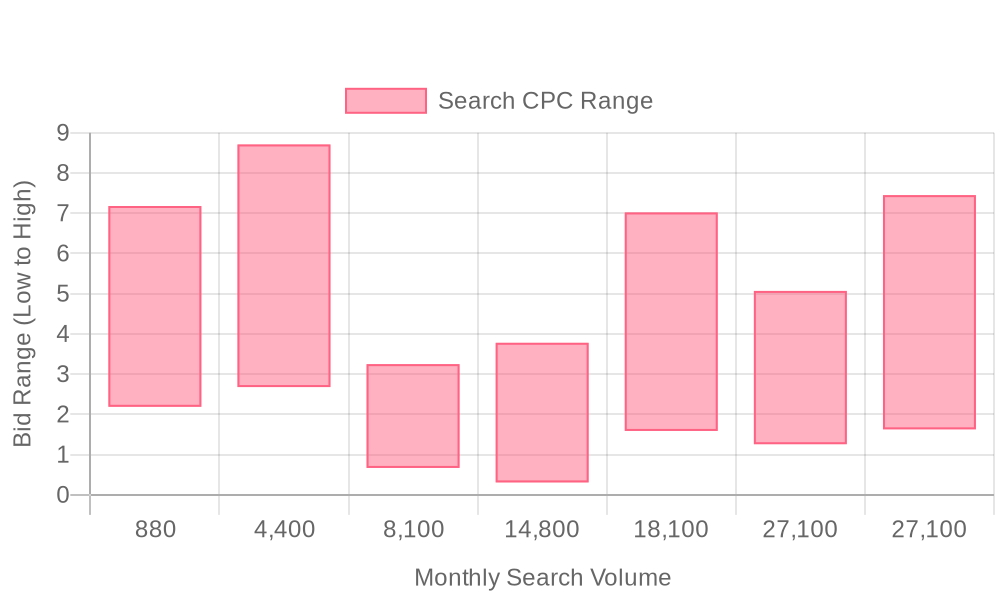
| Industry | Keyword | Monthly Search Volume | Competition Level | Low Bid | High Bid |
| Medical Imaging | c arm fluoroscopy | 880 | LOW | 2.19 | 7.18 |
| Medical Imaging | c arm | 4400 | MEDIUM | 2.68 | 8.71 |
| Medical Imaging | pet ct scan | 8100 | LOW | 0.67 | 3.25 |
| Medical Imaging | simonmed near me | 14800 | LOW | 0.31 | 3.78 |
| Medical Imaging | medical imaging | 18100 | LOW | 1.59 | 7.02 |
| Medical Imaging | radiology near me | 27100 | LOW | 1.26 | 5.07 |
| Medical Imaging | diagnostic imaging | 27100 | LOW | 1.63 | 7.45 |
A robust keyword strategy is foundational for medical imaging centers seeking to drive measurable results from digital advertising. By aligning campaign terms with specific patient needs and intent, organizations effectively capture motivated prospects while maximizing every dollar of ad spend. Today’s high-performing clinics use a data-led approach to keyword selection, filtering out unqualified traffic and ensuring every impression advances the clinic’s business objectives. For additional insights into high-performing content types for radiology campaigns, explore this Google Ads content guide for radiology departments.
Identify High-Intent Keywords: Medical imaging advertising succeeds when targeting searchers ready to book or inquire. Core terms such as "radiology services near me," "MRI appointment booking," or "CT scan same day" attract users at the decision stage. With Sona's Identity Resolution, marketers can move beyond anonymous clicks to pinpoint companies and individuals showing strong purchase signals, shifting budget toward audiences most likely to convert.
Leverage Long-Tail Keywords: Specific queries like "private breast MRI cost Chicago" or "low-dose lung CT for smokers" capture niche segments with higher conversion potential. These long-tail phrases typically face less competition, which tends to lower cost-per-click and broaden reach among patients with unique needs. As leads interact with campaigns, dynamic audiences update in the background, reflecting changes in funnel stage so keyword focus adapts as intent evolves.
Employ Negative Keywords: Filtering out irrelevant traffic is crucial in Google Ads for healthcare providers. Excluding searches such as "radiology technician jobs," "free x-ray course," or "diy ultrasound" prevents wasted spend and improves the quality of inbound leads. Advanced conversion tracking, including offline attribution, allows marketers to see exactly which negative keywords protect budget and which search terms drive high-value patient actions.
With unified data, campaign managers also sync enriched audiences and lead insights from their CRM directly into Google Ads, optimizing targeting for both new and returning patients. This approach ensures that whether the goal is healthcare digital marketing, medical practice advertising, or Google Ads targeting for healthcare, every keyword and audience segment is optimized for maximum impact and compliance.
Step-by-Step Campaign Execution Framework
Step 1: Build Targeted Keyword Lists
Effective medical imaging advertising starts with meticulously structured keyword clusters. Segmenting keywords by service types, such as MRI, CT, ultrasound, and mammography, ensures each ad group reaches users searching for highly specific procedures. Localization further sharpens relevance, capturing patients in targeted geographies who are actively seeking imaging services in their vicinity. For guidance on keyword research and campaign structure, see this step-by-step guide for healthcare. This approach streamlines spend, elevates quality scores, and reduces wasted impressions.
With Google Ads for Medical Imaging, leveraging unified go-to-market data lets marketing teams identify which keywords drive the highest-value appointments and repeat visits. Layering in intent signals in real time means budgets shift dynamically to the services and locations where demand is peaking, keeping campaigns agile and cost-efficient.
Step 2: Write Compelling Ad Copy
High-performing radiology marketing strategies depend on ad copy that combines clinical authority with patient relevance. Addressing common patient pain points, such as fast results, board-certified radiologists, or transparent pricing, drives higher engagement from discerning prospects. Trust signals, including accreditations and patient safety standards, reinforce credibility and encourage click-throughs.
Through dynamic audience insights, ad messaging can be fine-tuned based on user behavior, healthcare digital marketing trends, and lead stage. For example, ad variants can highlight different benefits for first-time inquirers versus those who've previously visited your site, maximizing relevance across the funnel.
Step 3: Design Effective Landing Pages
Conversion-focused landing pages are critical for medical practice advertising. Each landing page should align with the specific ad group and procedure promoted, providing clear pathways to book an appointment or request more information. Fast load times, mobile optimization, and concise forms help reduce friction and keep users engaged. Featuring real patient stories or visual tours of facilities, while maintaining HIPAA compliance, can further build trust and drive conversions. Explore this HIPAA-compliant Google Ads campaigns guide for best practices.
Integrating advanced conversion tracking across these landing pages enables full-funnel attribution. Marketers gain a clear view of which sources, campaigns, and creative assets drive offline bookings or insurance-verified leads, informing ongoing campaign optimization.
Step 4: Execute Data-Driven Optimizations
Sustained ROI in Google Ads for healthcare providers requires relentless optimization. By analyzing real-world performance data, such as conversion rates by scan type, patient demographics, and device usage, teams can quickly refine audience targeting and creative strategies. Segmenting data by source and touchpoint links marketing efforts directly to revenue outcomes, rather than relying on vanity metrics. For additional strategies, review these Google Ads best practices for radiologists.
Dynamic audiences update automatically as leads progress through the funnel, ensuring retargeting strategies remain precise and privacy-compliant. Integrating enriched CRM data with digital campaigns further closes the loop, enabling synchronized follow-ups and continuous improvement in patient acquisition Google Ads performance.
Tips on Expanding Your Medical Imaging Presence
Medical imaging providers face heightened competition as patients increasingly turn to digital channels to research and select diagnostic services. Success requires a blend of strategic marketing, precise targeting, and continuous refinement to reach high-intent audiences and differentiate in a crowded marketplace. For insights into how Google Ads can drive measurable ROI for radiology clinics, explore this analysis of Google Ads effectiveness in 2024. For more marketing best practices, browse our blog for actionable strategies.
- Cross-Promote Educational Content: Integrating educational resources into your advertising strategy helps position your center as a trusted authority. Sharing content that addresses common patient questions about procedures, preparation, and technology builds your brand and patient confidence. These resources can be embedded within landing pages or promoted via ad assets, fueling higher engagement and nurturing prospective patients through the decision journey. To identify which patients engage with your educational materials, consider using Sona's Identity Resolution, which reveals the companies and visitors behind site traffic.
- Localize Campaigns: Tailoring ads and creative assets for specific regions and demographics maximizes relevance and impact. Geotargeting ensures your messaging appears to audiences most likely to convert, such as individuals within proximity to your imaging facilities or those with relevant demographic profiles. Leveraging local insights, like community health trends or language preferences, drives stronger response rates and can be further refined by layering in real-time audience data, allowing you to dynamically adjust spend toward markets showing increased demand.
- Utilize Partnerships: Collaborating with respected industry associations or local health organizations expands your reach and bolsters credibility. Co-branded campaigns and sponsored educational events not only tap into new networks but also reinforce your reputation as a leader in medical imaging. These partnerships can be amplified through digital channels, using retargeting strategies to engage association members or event attendees as they continue their online research.
Effectively leveraging Google Ads for Medical Imaging means moving beyond generic campaigns to embrace data-driven audience segmentation and advanced attribution. Modern platforms can pinpoint which companies and individuals visit your site, enabling you to identify high-value accounts and tailor follow-up outreach. As visitors progress from research to booking, audience lists update in real time, ensuring your ads remain relevant and your budget is allocated to those most likely to convert.
Integrating solutions that unify campaign data, CRM records, and offline appointments provides deep visibility into patient acquisition performance. This holistic view lets you optimize every touchpoint, measure true ROI, and surface insights that inform both ongoing advertising and broader radiology marketing strategy. Testing a platform with robust analytics against your own data is a practical next step for imaging centers aiming to grow their digital footprint and patient engagement.
Beyond Google Ads: Winning the AI Answers Medical Imaging Buyers Now Trust
Paid search captures demand at the moment someone types a query. But a fast-growing share of medical imaging buyers no longer start at Google at all, they ask ChatGPT, Gemini, or Perplexity before they ever run a search, and Google's own AI Overviews increasingly summarize an answer above the traditional results. If your business isn't referenced in those AI answers, you're invisible at the exact moment buyers build their shortlist.
Sona AI Visibility shows where your business shows up across ChatGPT, Gemini, Perplexity, Google AI Overviews, and 10+ engines, and, much like a keyword report, which prompts actually send you buyers, so you can prioritize the ones that convert. Run the two together and you cover the entire buyer path: get cited where buyers research (AI Visibility), then prove which of that demand turns into booked revenue (Marketing Measurement).
Helpful resources
Conclusion
Google Ads works for medical imaging providers who treat it as infrastructure, not a campaign they launch once and forget. That means healthcare-compliant ad formats, keyword lists built around how patients actually search for scans and diagnostics, and targeting that reflects the real texture of the patient journey, from self-referred screenings to urgent, physician-directed imaging.
The clinics that win the next few years of imaging advertising won't just bid on "MRI near me," they'll be the ones that can prove, appointment by appointment, which ad and which keyword actually filled the schedule. Start for free to see that connection in your own data.
FAQ
What are the best practices for using Google Ads in medical imaging?
Best practices include targeting high-intent keywords, utilizing audience segmentation, crafting compelling ad copy that balances empathy and clinical accuracy, and continuously optimizing campaigns using real-time data and closed-loop analytics.
How can medical imaging centers effectively target patients using Google Ads?
Medical imaging centers can effectively target patients by using advanced audience segmentation, integrating real-time visitor data, and focusing on keywords that align with patient demand while ensuring personalized messaging based on patient behavior and demographics.
What are the compliance requirements for advertising medical imaging services on Google?
Compliance requirements include ensuring ad messaging is HIPAA-compliant, using healthcare-compliant ad formats, and maintaining privacy standards while integrating CRM and EHR data with Google Ads.
What keywords should I use for Google Ads in medical imaging?
Keywords should include high-intent terms like 'MRI appointment near me' or 'same-day CT scan,' and long-tail phrases such as 'private breast MRI cost Chicago,' while excluding irrelevant searches to refine targeting.
How can I measure the success of my Google Ads campaigns for medical imaging?
Success can be measured by linking ad engagement to patient conversions using advanced attribution models, tracking both digital and offline outcomes, and adjusting strategies based on detailed analytics and real-time data.







