


Manufactured home parts buyers rarely fill out a form before they're ready to buy. A cracked skirting panel or a failed water heater valve sends someone straight to Google, often mid-crisis, and if that search doesn't lead to a phone call or checkout within minutes, the buyer moves to the next supplier. Google Ads gives manufactured home parts businesses a way to meet that urgency directly, putting the right part in front of the right buyer at the moment they're searching. This guide covers how to build, target, and measure Google Ads campaigns that turn that search intent into booked revenue.
How to Generate Leads for Manufactured Home Parts with Google Ads: A Step-by-Step Guide

Today’s manufactured home parts industry faces a persistent challenge: high-value prospects often remain invisible in traditional lead tracking, leading to missed revenue opportunities and inefficient budget spend. Modern marketers need to leverage advanced technology to surface in-market buyers, create intent-driven campaigns, and capture prospects at the moment of need.
Integrating real-time data directly into Google Ads campaigns allows marketers to identify which visitors and companies are actively searching for manufactured home parts and related services. By connecting behavioral insights with advertising workflows, revenue teams can prioritize outreach to buyers showing genuine purchase intent, resulting in higher conversion rates and more efficient use of ad budgets.
- Identify missed prospects with advanced visitor intent: Traditional ad platforms often fail to surface leads who engage anonymously or outside tracked forms. Sona's Identity Resolution pinpoints not just anonymous traffic but the specific companies visiting key product pages. This shifts campaign focus from generic audiences to high-value accounts with demonstrated interest in manufactured home parts, driving more qualified leads into the pipeline.
- Develop keyword and audience targeting plans for precision: Effective Google Ads for manufactured home parts starts with a granular understanding of search behavior. Building keyword lists centered on repair, replacement, and branded part queries, combined with in-market audience segments, ensures ads reach buyers with immediate needs. Sona surfaces intent signals to dynamically update audience segments, automatically prioritizing those showing the strongest buying signals and excluding those who drop out of the funnel. For additional best practices, see this PPC guide for home services.
- Align landing pages and ad creative for conversion: Generic messaging falls flat in a technical category like manufactured home parts. High-performing campaigns deliver tailored landing experiences with clear technical details, trust indicators, and strong calls to action designed for contractors, property managers, and DIY homeowners. By syncing audience and engagement data between ad platforms and landing environments, marketers deliver relevant content that increases conversion rates and reduces wasted clicks.
- Utilize performance metrics to refine and maximize ROI: Continuous measurement is crucial for digital marketing in the home parts sector. Advanced conversion tracking, including both online and offline actions, provides a full view into the true performance of each Google Ads campaign. Marketers can attribute revenue to specific channels, isolate which keywords drive the highest-quality prospects, and use these insights to optimize spend and creative for future campaigns. Explore more on measuring marketing’s influence.
- Integrate data across the marketing ecosystem for unified insights: Disconnected intent signals lead to inconsistent targeting and wasted budget. By unifying data from website engagement, CRM records, and advertising platforms, revenue teams build a single source of truth for manufactured home parts demand generation. This enables seamless syncing of enriched audiences back into Google Ads and other tools, supporting always-on, high-precision campaigns that adapt as leads progress through the sales funnel.
Why Google Ads Matters for the Manufactured Home Parts Industry

The manufactured home parts sector requires a marketing approach that responds rapidly to both urgent and routine customer needs. Google Ads empowers brands to connect with qualified buyers at the exact moment they search for specialized parts, making every ad dollar work harder by targeting high-intent prospects.
Capturing high-value distributors and retailers demands more than basic targeting. Integrating search campaigns with intent-driven insights allows marketers to identify and prioritize prospects who show purchase-ready signals, ensuring outreach is efficient and relevant.
Timely engagement is essential in this industry, especially during peak demand for critical components. By synchronizing ads with real-time audience signals, brands can engage leads while interest is highest, reducing the risk of missed opportunities and preventing prospects from cooling off before conversion. For a comprehensive list of marketing tactics tailored for manufactured homes, explore these 22 ways to market manufactured homes.
For manufactured home parts suppliers looking to scale, geographic expansion is often hindered by the limitations of broad, generic advertising. Precise targeting in Google Ads enables strategic entry into new markets, focusing budget on the ZIP codes or regions with the highest concentration of mobile home communities and the strongest signals of in-market demand.
Immediate response to market fluctuations sets leaders apart. Predictive models integrated into ad platforms can prioritize leads most likely to convert, shifting budget and creative to maximize return on investment as market conditions evolve. By leveraging automated account research, teams can further streamline the identification of high-converting opportunities.
Finally, sales analytics become a revenue engine when Google Ads data is connected with CRM systems. Syncing conversion and engagement metrics across platforms creates a unified source of truth, enabling teams to refine campaigns, calculate true ROI, and build a cohesive strategy to boost sales performance. As marketing teams unify ad data with sales insights, they unlock previously hidden growth across the entire demand generation funnel.
Common Types of Google Ads Campaigns for Manufactured Home Parts

- Search Campaigns: Search campaigns are the foundation for capturing high-intent buyers actively seeking manufactured home parts. By targeting specific queries related to repairs, replacements, or part numbers, marketers secure visibility exactly when potential customers are ready to purchase. Leveraging granular audience data, marketers can identify not just anonymous visitors but the companies and job roles driving these searches, enabling precision retargeting and account-based activation. For a deeper dive into industry-specific PPC strategies, explore this guide to PPC for home services.
- Display Ads: Display ads help brands maintain consistent visibility across the digital ecosystem, reinforcing their message far beyond the initial search interaction. With rich visual formats, display campaigns build recognition and trust, keeping manufactured home parts top of mind as prospects browse relevant industry sites. Marketers can segment audiences using real-time engagement metrics, ensuring budget is focused on accounts demonstrating active research behavior or returning interest.
- Video Ads: Video ads offer a powerful medium to explain complex manufactured home parts, demonstrate installation, or address common troubleshooting scenarios. Educational content delivered on platforms like YouTube bridges the knowledge gap for both contractors and DIY homeowners, supporting higher-value conversions. Dynamic audience updates based on video engagement enable marketers to advance viewers from awareness to consideration, optimizing follow-up campaigns for those who show purchase intent. For inspiration, see this YouTube tutorial on effective PPC strategies.
- Remarketing: Remarketing campaigns re-engage past site visitors, reducing churn from cold leads and recapturing high-value opportunities that may have slipped away. By tracking user journeys and mapping touchpoints across devices, marketers can deliver timely, personalized ads that reflect each visitor’s previous actions and product interests. The integration of CRM and ad platforms ensures that audiences automatically update as leads progress through the funnel, maximizing the efficiency of every dollar spent.
- Assets: Ad assets add significant depth and trust to manufactured home parts campaigns, providing searchers with instant access to certifications, installation guides, or live support. Leveraging structured snippets, sitelinks, and callouts, marketers enrich their ads with technical details and service differentiators. Advanced conversion tracking links both online and offline actions back to these assets, providing a holistic view of campaign ROI and informing continuous optimization of messaging and offers.
Where to Find Growth Opportunities in Google Ads for Manufactured Home Parts

Digital marketers serving manufactured home parts suppliers need more than routine campaign management to outpace competitors. Unlocking sustained growth requires a data-driven approach to uncovering high-value audiences and intent signals that often go unnoticed in traditional strategies.
- Vertical targeting for high-value keywords: Generic home improvement terms waste budget in this category. The queries worth chasing are the ones that signal an active repair or replacement need, part numbers, brand-specific components, skirting and underbelly materials, axle and hitch parts, or HUD-compliance questions from park managers preparing for inspection. Marketers who track which visitors are pulling spec sheets or installation manuals can prioritize spend toward the keywords that consistently bring in contractors and property managers rather than casual browsers.
- Competitor analysis to find untapped markets: Comprehensive competitor analysis reveals underserved geographic regions, overlooked product segments, and seasonal gaps in inventory or messaging. Tools like SEMrush and internal conversion data help expose areas where demand is high but competition is weak, allowing revenue teams to allocate spend toward campaigns that reach new, unclaimed audiences. Integrating real-time visitor identification with competitor research gives marketers a clearer view of which companies are shopping for parts but haven’t yet engaged, allowing for proactive outreach and tailored ad creative. For additional insights, this case study on PPC for mobile home parts demonstrates how data-driven strategies reveal high-performing segments.
- Leveraging trade forums and directories: Manufactured home parts buyers frequently turn to industry-specific directories and trade forums for sourcing recommendations. Marketers who monitor these channels can spot trending product needs, common pain points, and community-favored vendors. Incorporating these insights into Google Ads targeting strategies, such as using custom audiences built from forum participants or retargeting visitors who land on directory listing pages, builds brand visibility in high-intent spaces. Advanced platforms streamline this process by automatically syncing enriched audience data from these sources into ad platforms, ensuring that campaigns remain focused on buyers primed for conversion.
- Implementing content retargeting strategies: Content engagement signals, such as interaction with installation guides or compatibility checklists, are often siloed away from core PPC efforts. By consolidating these intent signals and building dynamic retargeting audiences, marketers can deliver personalized ad experiences that reflect each buyer’s unique journey stage. This approach not only boosts conversion rates but also helps overcome data fragmentation, as revenue teams can track which content assets are most effective at moving leads deeper into the funnel. When these audiences are kept updated in real time, campaigns stay relevant and budgets are continuously optimized toward the highest-converting segments.
By aligning keyword targeting, competitive analysis, industry community monitoring, and dynamic retargeting, marketers in the manufactured home parts sector can consistently uncover new growth opportunities. The result is a campaign ecosystem that identifies, engages, and nurtures high-value prospects with greater precision and efficiency than traditional approaches.
How to Apply Audience Segmentation in Google Ads for Manufactured Home Parts

Audience segmentation is essential for unlocking higher engagement and more precise targeting in the manufactured home parts sector. By strategically grouping prospects according to buying intent and demographic profile, marketers can deliver tailored messages that resonate with both residential and commercial buyers. For more on actionable segmentation tactics, explore our playbooks for demand generation.
- Segment by Buyer Profile: Start by defining segments such as homeowners seeking individual repairs, park managers handling bulk orders, and contractors sourcing for multiple properties. This differentiated approach prevents the inefficiency of one-size-fits-all campaigns and ensures that each segment receives messaging matched to its specific needs and purchasing triggers. To discover practical marketing tactics for this industry, check out this comprehensive list of 22 marketing tactics tailored for manufactured homes.
- Intent-Driven Overlays: Implement overlays within Google Ads that identify purchase intent, such as replacements versus upgrades, using behavioral signals from search queries, site visits, and product interactions. By using intent signals, marketers can allocate more budget and custom creative to audiences actively searching for high-margin upgrades, while ensuring urgent repair-seeking buyers are offered direct-response CTAs and expedited fulfillment options.
- Segment-Focused Ad Groups: Create ad groups explicitly geared toward each audience segment, aligning keyword strategy, ad copy, and offer structure with the unique priorities of each group. For example, commercial buyers may respond best to volume discounts and technical specification highlights, while residential buyers are driven by ease of installation and fast shipping. To maximize campaign ROI, leverage dynamic audience segments that auto-sync with your ad platforms for real-time targeting.
- CRM Integration for Streamlined Conversions: Bridge the gap between marketing and sales by linking CRM insights with ad data. When marketers sync enriched audience lists and lead stages from their CRM directly into Google Ads, intent signals become actionable, allowing for real-time retargeting, exclusion of existing customers, and personalized sequencing of creative. For a detailed walkthrough on integrating data between systems to boost demand generation, see our resource library.
- Dynamic Audience Updates: As leads move through the funnel, dynamic audience features update segments automatically, allowing campaigns to adapt to shifting purchase likelihood and product interest. This ongoing refinement means that budget is concentrated on accounts showing rising intent, while nurturing lower-funnel prospects with educational or cross-sell content. Sona’s Destinations ensures your audience data is always in sync, powering timely follow-up and campaign optimization.
Leveraging visitor identification and advanced attribution, marketers can pinpoint high-value accounts and measure true ROI across both online and offline channels. This holistic approach to audience segmentation positions manufactured home parts vendors to maximize the effectiveness of their Google Ads campaigns, driving stronger engagement and measurable business growth.
This is also where measurement changes the economics. With Sona Marketing Measurement you can identify the companies behind your ad clicks, not just anonymous sessions, and segment audiences by which accounts actually become customers. That lets you build bid adjustments and audience signals around the segments that convert and de-prioritize the ones that don't, so you feed Google's algorithms "this click became a paying manufactured home parts customer" instead of just "someone filled out a form."
Keyword Strategy & Sample Target Terms
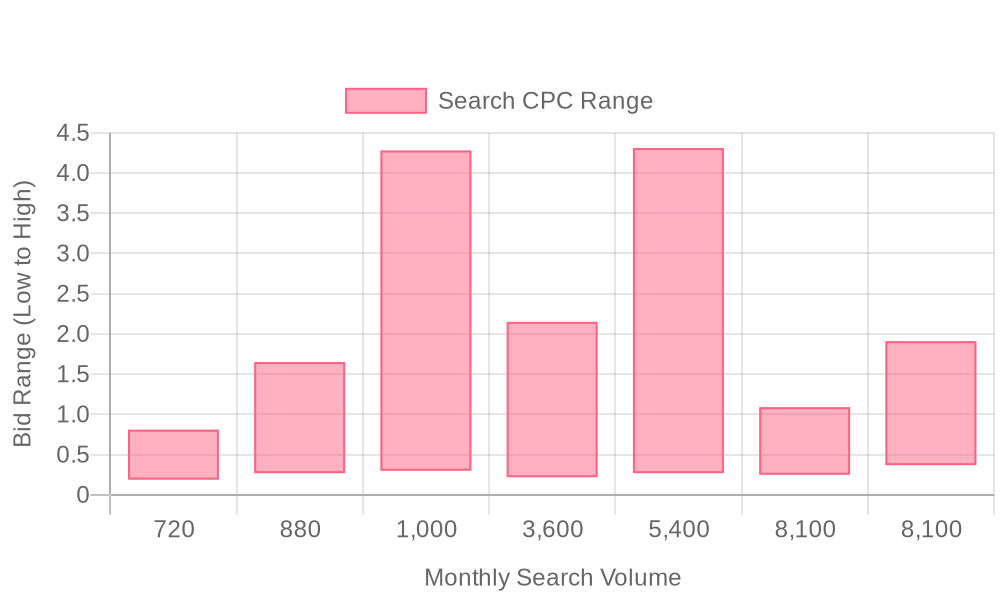
| Industry | Keyword | Monthly Search Volume | Competition Level | Low Bid | High Bid |
| Manufactured Home Parts | manufactured home parts | 720 | MEDIUM | 0.19 | 0.81 |
| Manufactured Home Parts | mobile home parts depot | 880 | HIGH | 0.27 | 1.65 |
| Manufactured Home Parts | mobile home siding panels | 1000 | HIGH | 0.3 | 4.28 |
| Manufactured Home Parts | mobile home skirting kits | 3600 | HIGH | 0.22 | 2.15 |
| Manufactured Home Parts | mobile home supply store | 5400 | LOW | 0.27 | 4.31 |
| Manufactured Home Parts | mobile home supplies | 8100 | HIGH | 0.25 | 1.09 |
| Manufactured Home Parts | mobile home parts near me | 8100 | MEDIUM | 0.37 | 1.91 |
A modern PPC advertising strategy for manufactured home parts starts with prioritizing keyword intent that signals buyers are prepared to act. Focusing on queries that show purchase readiness ensures marketing spend directly connects with prospects in-market, which reduces wasted impressions and untimely outreach. This approach is particularly effective in the manufactured home parts industry, where customers often search with urgent intent, such as immediate repairs or regulatory upgrades, making keyword selection critical to campaign ROI.
Long-tail keywords, such as "order replacement skirting for double wide" or "buy mobile home water heater valve near me," capture buyers with specific needs and a high likelihood of conversion. These precise phrases filter out cold, unqualified traffic, optimizing both click-through rates and cost-per-acquisition. Marketers can further refine targeting by layering local modifiers, ensuring campaigns reach prospects in defined service areas or communities. For example, including city or regional terms alongside product names ("mobile home door lock kit Phoenix") drives hyper-local relevance and aligns budgets to markets with proven demand. Explore more ways to optimize your PPC keyword strategy.
Negative keywords play a crucial role in protecting campaigns from wasted spend. Filtering out terms like "DIY," "free plans," or "mobile home decor" prevents budget from leaking into low-intent or irrelevant searches. With robust negative keyword lists, marketers maintain a tight focus on commercial traffic, reducing unproductive clicks and maximizing every dollar invested in Google Ads for manufactured home parts. For more tips, see this actionable playbook for demand generation.
Sophisticated revenue teams leverage unified data tools to go beyond anonymous clicks. By identifying high-intent visitors and recognizing repeat companies, marketers can dynamically adjust keyword bidding and ad creative based on real-time buyer behavior. As leads move through the funnel, dynamic audiences update automatically, ensuring that the most relevant, purchase-ready segments always receive the highest-priority messaging. When CRM data, enriched with offline and online actions, syncs seamlessly into Google Ads, budget naturally shifts toward the parts of the funnel generating the strongest ROI. This integration turns advanced keyword strategy into a measurable driver of pipeline and revenue growth for manufactured home parts suppliers. To see how this works in your own campaigns, get started for free with Sona.
Step-by-Step Campaign Execution Framework
Step 1: Build Targeted Keyword Lists
Precision in keyword selection is essential in the manufactured home parts sector, where buyers often search using highly specific product names, dimensions, and urgent repair needs. Marketers should cluster keyword groups by component type, installation context, and location, using modifiers like “near me,” “replacement,” or SKU numbers to capture both local intent and transactional urgency. This targeted approach enables campaigns to surface ads for prospects actively seeking solutions, reducing wasted spend on generic home improvement terms. By integrating first-party data, teams can identify the actual companies or individuals behind high-value searches, refining keyword lists with deeper intent signals and ensuring budget is prioritized for audiences most likely to convert.
Dynamic keyword management is further enhanced by platforms that unify ad and CRM data, automatically updating lists as new service patterns emerge. When marketers sync enriched contact and account data with Google Ads, they unlock the ability to target clusters that reflect real-world demand, such as buyers who recently submitted service tickets or requested installation guides. For a comprehensive overview of 22 proven tactics tailored for this sector, explore manufactured home marketing strategies. This not only increases relevance but also ties ad impressions directly to sales pipeline activity, giving teams clarity on which search terms drive qualified leads across campaigns and regions.
The upgrade most manufactured home parts advertisers miss is going beyond raw keyword volume to layer in intent and identity signals. By connecting website-visitor data and CRM records with Sona Marketing Measurement, you can see which specific search terms bring in the accounts and customers that actually convert, and weight your keyword and bidding strategy toward those rather than the terms with the highest search volume alone.
Step 2: Develop Compelling Ad Copy
Ad copy in the manufactured home parts industry must speak directly to the pain points of both contractors and homeowners, addressing the urgency of repairs and the complexity of part selection. Incorporating strong calls to action like “Order Now for Fast Delivery” or “Speak with a Parts Specialist Today” addresses the common frustration of delayed responses in this niche. Marketers should use dynamic ad elements that automatically insert product types, local stock availability, or even the specific community a prospect is searching from, ensuring that each ad is contextually tailored and relevant.
By leveraging real-time behavioral insights, revenue teams can shift creative messaging in response to in-market actions. For example, if a surge in searches for “winter skirting kits” is detected from a particular region, ad copy can pivot to highlight seasonal solutions and limited inventory. When CRM and ad platforms are integrated, teams can automate messaging updates based on lead status or past engagement, ensuring prospects always see the most timely, pain-point-driven offers as they move through the buying journey. To see how top-performing campaigns execute these tactics, watch this PPC ad strategies video tutorial.
Step 3: Design Effective Landing Pages
Landing pages for manufactured home parts must maintain tight alignment with keyword intent and buyer stage, presenting clear value propositions and technical information up front. Each page should mirror the search query’s specificity, such as showcasing only “14x70 underbelly insulation kits” when that exact term was clicked. Visual breakdowns, compatibility charts, and installation videos reassure buyers about fit and ease of use, while trust signals like compliance badges and expert support increase conversion likelihood.
When visitor identification tools are in place, marketers can personalize landing page content based on the company or buyer segment, dynamically surfacing relevant case studies or bulk order discounts for contractors while offering DIY tips to homeowners. This data-driven approach shortens the research cycle and drives higher engagement rates, as every page element is tuned to the prospect's known needs and purchase readiness. For more ideas on optimizing digital experiences for this audience, check out digital marketing strategies for manufactured home retailers.
Step 4: Implement Data-Driven Optimizations
Continuous optimization is crucial to maintaining high campaign ROI in this competitive market. Conversion metrics must be tracked at granular levels, from initial click to offline sales, using attribution models that connect ad spend to actual revenue outcomes. Predictive analytics can identify prospects trending toward purchase, allowing marketers to allocate more budget to high-intent audiences and pause spend on underperforming segments.
Smart bidding strategies, powered by unified ad and CRM data, enable revenue teams to automatically target and retarget the most valuable prospects as they progress through the funnel. Dynamic audience lists update in real time, ensuring that repeat visitors who show renewed intent receive tailored offers or upsell opportunities. For an in-depth look at successful e-commerce PPC optimization, read these ecommerce PPC management insights. Marketers who connect their ad platforms with sales and marketing systems can measure true ROI, attributing every conversion, whether online or from a sales call, back to the specific campaign and keyword that drove the lead, creating a closed loop that powers smarter decision-making and budget allocation.
Sona Marketing Measurement closes the gap between clicks and revenue. It captures ad clicks with first-party measurement, then ties that click through UTM capture and ad-platform APIs to the actual record in your CRM, and reports ROAS by keyword and campaign instead of by last-click form fill. Feeding that revenue signal back into Smart Bidding and Performance Max compounds over time: the algorithms optimize toward booked manufactured home parts revenue, not cheap leads.
Tips on Expanding Your Presence in the Manufactured Home Parts Market
Expanding market share in the manufactured home parts sector requires a data-driven approach that converts attention into lasting engagement. Revenue teams that leverage intent-based insights and actionable audience data consistently outperform those relying on intuition or static targeting.
- Foster educational engagement through retargeting that aligns with intent insights: Building trust with manufactured home parts buyers starts with educational touchpoints that match the prospect's journey. By retargeting visitors based on their in-market behaviors and specific content viewed, brands can deliver timely product guides, installation videos, and technical documentation that address real concerns. This approach ensures messaging remains relevant, increasing the likelihood of conversion and positioning your team as a solutions leader rather than just a supplier. For practical retargeting tips tailored to the home services sector, explore this video walkthrough of online advertising strategies. When retargeting is powered by real-time audience insights, marketers can prioritize spend on high-intent accounts, move prospects through the funnel efficiently, and continually refine audience segments as new buying signals emerge.
- Utilize CRM-deduced segments for precision targeting to maximize ad spend: Precision targeting is critical in the manufactured home parts market, where customer needs and purchase cycles vary widely between contractors, property managers, and individual owners. By integrating enriched CRM data into audience selection, marketers can identify and activate segments based on purchase history, project type, or lifecycle stage. This enables budget allocation to focus on the most valuable opportunities, streamlines the path to purchase, and reduces wasted impressions. Dynamic audience sync between CRM and Google Ads ensures that as leads progress or new accounts are identified, campaigns automatically adjust to reflect the latest data, driving efficiency and higher return on ad spend. For further insights, review our library of actionable playbooks for demand generation and revenue-driven marketing strategies.
- Collaborate with allied entities for expanded reach and co-marketing potential: Strategic partnerships with related brands, industry suppliers, or service providers can unlock new channels for demand generation. Co-marketing initiatives, such as bundled offers, joint webinars, or referral incentives, extend your brand's reach beyond traditional advertising and tap into established trust networks. For B2B revenue teams, these collaborations not only grow the audience pool but also provide additional data points for refining targeting strategies and building more robust attribution models.
- Adjust campaigns to regional needs, enhancing brand resonance: Manufactured home part requirements and regulatory standards can differ significantly by region. Optimizing campaign messaging and creative for local building codes, climate challenges, or prevalent home models ensures that ads resonate with each geographic audience. Regional campaign adaptations, ranging from location-specific offers to localized landing pages, drive higher engagement and conversion rates. To see how agencies approach regional and niche marketing, review this comprehensive list of 22 marketing tactics for manufactured homes. Marketers who unify location intelligence with campaign analytics can identify high-performing regions, quickly reallocate budget, and scale winning tactics across similar markets.
By implementing these focused strategies, revenue teams in the manufactured home parts industry can expand their market presence, maximize campaign impact, and continuously adapt to shifting buyer behaviors.
Final Insights on Leveraging Google Ads for Manufactured Home Parts
Digital marketing for manufactured home parts demands a blend of technical precision and agile adaptation. Marketers who align every Google Ads touchpoint with purchase intent consistently outperform those relying on broad, undifferentiated campaigns.
- Keyword precision: Targeting search terms that reflect urgent repair needs or specific product models ensures budgets reach the highest-value prospects. This approach avoids wasted spend on irrelevant clicks, instead capturing traffic from buyers who are actively seeking manufactured home parts. For more strategies on optimizing paid campaigns, explore marketing analytics insights.
- Audience segmentation: Sophisticated segmentation allows campaigns to focus on park managers, professional contractors, or DIY homeowners, tailoring messages to resonate with each group. By dynamically updating real-time audience segments as leads progress in their journey, marketers keep messaging relevant and maximize conversion rates.
- Creative conversion assets: Ads and landing pages that highlight HUD compliance, technical specs, and installation support establish trust while accelerating the purchase decision. Integrating visitor identification enables marketers to serve creative that addresses unique visitor challenges, moving users from research to action.
- Agile optimization: Real-time data analytics are essential for adapting bidding and creative based on live performance. Solutions that integrate intent signals from multiple sources help shift budget toward accounts showing the highest likelihood to convert, ensuring campaigns remain efficient in a competitive landscape.
- Unified marketing orchestration: Embedding Google Ads within the larger digital marketing strategy unlocks compounded results. Syncing enriched audience data and lead activity with platforms like HubSpot or Salesforce ensures every conversion, both online and offline, is attributed accurately, empowering teams to make informed investment decisions based on true ROI.
By strategically embedding these practices, marketers in the manufactured home parts sector can capture high-intent audiences at critical purchase moments. This guide provides both core and advanced approaches for driving measurable growth, and the integration of real-time data insights and automated audience refinement lifts performance far beyond traditional PPC advertising tactics.
Beyond Google Ads: Winning the AI Answers Manufactured Home Parts Buyers Now Trust
Paid search captures demand at the moment someone types a query. But a fast-growing share of manufactured home parts buyers no longer start at Google at all, they ask ChatGPT, Gemini, or Perplexity before they ever run a search, and Google's own AI Overviews increasingly summarize an answer above the traditional results. If your business isn't referenced in those AI answers, you're invisible at the exact moment buyers build their shortlist.
Sona AI Visibility shows where your business shows up across ChatGPT, Gemini, Perplexity, Google AI Overviews, and 10+ engines, and, much like a keyword report, which prompts actually send you buyers, so you can prioritize the ones that convert. Run the two together and you cover the entire buyer path: get cited where buyers research (AI Visibility), then prove which of that demand turns into booked revenue (Marketing Measurement).
Helpful resources
Conclusion
Manufactured home parts buyers already research on their own terms, comparing specs, checking compliance, pricing repairs against replacement, often before they ever see an ad. Google Ads works when it meets that research with precision: the right part, the right region, the right moment of urgency.
The advantage now goes to teams that connect ad spend to actual bookings, not just form fills, and that show up in the AI-driven research buyers do before they ever type a query into Google. As more of that research moves into ChatGPT and AI Overviews, the manufactured home parts suppliers who get cited early will own the shortlist long before the click happens.
To put this strategy to work, start for free with Sona and connect your Google Ads data to the revenue it actually drives.
FAQ
What are the best practices for running Google Ads for manufactured home parts?
Best practices include targeting high-intent keywords specific to manufactured home parts, using real-time data to identify and engage potential buyers, aligning landing pages and ad creatives for conversion, and continuously measuring campaign performance to refine and maximize ROI.
How can I optimize my Google Ads campaign for mobile home parts?
Optimize by integrating real-time data to identify active searchers, using precise keyword and audience targeting, aligning landing pages with ad messaging, and leveraging performance metrics for ongoing campaign optimization.
What budget should I allocate for Google Ads in the manufactured home industry?
The budget should focus on high-intent keywords and precise audience segments, ensuring that each ad dollar targets prospects with immediate needs, thereby maximizing ROI and minimizing wasted spend.
What keywords should I target for Google Ads related to manufactured home parts?
Target keywords that reflect urgent purchase intent, such as specific product names, repair needs, and local modifiers, while using negative keywords to filter out low-intent searches.
How do I measure the success of my Google Ads campaigns for home parts?
Success can be measured by tracking conversion rates, using advanced conversion tracking to attribute revenue to specific keywords and channels, and integrating Google Ads data with CRM systems for a full view of campaign performance.







