


Home study providers live or die by timing: a parent researching accredited curriculum options today may enroll a child next week, or next semester, and missing that window to a competitor is the real cost of a slow follow-up. Google Ads addresses this directly, putting your program in front of families and adult learners at the moment they start searching, whether that's for accredited homeschool courses, flexible online diplomas, or subject-specific tutoring. Done well, it lets education providers catch prospective students at the exact moment intent surfaces, track results from click through to enrollment, and keep the brand visible to families still weighing their options. Here's how to build that into your marketing strategy.
How to Generate Google Ads for Home Study Leads: A Step-by-Step Guide
Generating high-quality leads for home study programs demands a structured approach to digital advertising. Revenue-driven education teams need data precision, campaign agility, and actionable insights to outperform competitors in a crowded online landscape. To maximize campaign impact, explore this case study detailing successful Google Ads for education and stay updated with actionable strategies by visiting our marketing analytics blog.
A stepwise Google Ads strategy for home study combines intent-driven keyword targeting, dynamic audience segmentation, and conversion-centric landing pages. Providers who successfully orchestrate these elements consistently outperform those relying on generic campaigns by surfacing their offers to decision-makers at the right stage in the buyer journey.
Effective home study lead generation starts with identifying valuable audience segments through advanced visitor intelligence. Marketers who move beyond anonymous web traffic can pinpoint which companies and individuals engage with specific learning content, immediately qualifying their pipeline and enabling more tailored outreach. This level of granularity supports campaign personalization, ensuring that ad spend is focused on users demonstrating genuine in-market behavior for home-based education solutions.
By continually syncing CRM and enriched audience data with Google Ads, revenue teams ensure their campaigns evolve as prospects engage. As leads progress through the funnel, dynamic audience updates enable timely retargeting and nurture workflows, increasing the likelihood of conversion. Real-time intent signals also help shift budget allocation toward high-converting accounts, reducing wasted spend and accelerating deals.
Home study providers who unify their conversion tracking, covering both online form fills and offline consult bookings, achieve a truer view of ROI. Integrating online activity with offline enrollment data closes the attribution loop, revealing which tactics and channels drive actual program registrations. This comprehensive measurement framework empowers marketing and sales teams to double down on the highest-performing channels and messaging, making every dollar invested count. If you're ready for smarter lead generation, get started for free with Sona.
Why Does Google Ads Matter for Home Study

Home study is a considered purchase: families compare accreditation, curriculum flexibility, and outcomes before committing, often across weeks of research and shifting around school-year deadlines. Google Ads for Home Study gives providers precise visibility into specialized audiences, so high-interest prospects get engaged at the right moment and through the right channel. That means moving past generic advertising to reach the families and learners actively searching for tailored curriculum, flexible schedules, and trusted learning outcomes, not just anyone browsing education content.
Google Ads bridges the gap between broad brand awareness and direct engagement with high-margin educational services, such as exclusive courses or personalized tutoring. Marketers benefit from the ability to identify not just anonymous website visitors but the companies and accounts demonstrating in-market interest. As a result, campaigns can pivot resources in real time and prioritize nurturing the most promising leads, rather than relying on guesswork or delayed analytics.
Timely retargeting is essential in converting early-stage interest into enrollments. When families abandon an inquiry or demo, advanced platforms now surface these high-potential accounts and dynamically update retargeting audiences as leads progress through the funnel. This ensures that abandoned opportunities are not lost and that re-engagement efforts are highly relevant. For revenue teams, Google Ads for education programs provides a direct path to measure both online and offline conversions, connecting ad spend with actual student registrations and demonstrating ROI with clarity. These actionable insights empower marketers to refine strategies and allocate budget where it drives the most impact, especially as new learning regions and alternative education models emerge.
Ready to reach the right families at the right moment? Get started for free with Sona.
Common Types of Google Ads Campaigns for Home Study Services

- Search Campaigns: Search reaches families and adult learners actively searching for home study programs, online courses, or tutoring. Targeting high-intent keywords such as "accredited homeschool programs" or "online math tutoring" intercepts motivated prospects at the moment they express enrollment interest. With company and visitor identification, marketers can prioritize spend toward segments showing real purchase intent and tighten follow-up across the funnel.
- Display Campaigns: Display ads are essential for maintaining visibility throughout the research and consideration phases. These campaigns serve visually engaging banners across educational content sites and parenting forums, reinforcing brand recall even after a visitor leaves the main website. With real-time audience data, teams can dynamically update display targeting as leads interact with application forms, curriculum previews, or resource downloads, ensuring that budget is allocated toward those moving deeper into the evaluation process. For a detailed look at display ad optimization, review this blog post outlining best practices.
- Video Campaigns: Video ads on platforms like YouTube allow home study providers to showcase teaching methods, student outcomes, and interactive course features. These dynamic formats drive higher engagement by enabling prospective students and parents to visualize the learning experience before committing. Granular data on which accounts watch specific video content empowers marketers to refine audience segments in real time, re-engaging viewers who demonstrate strong intent but have not yet converted.
- Remarketing: Remarketing keeps potential enrollees engaged by serving tailored ads, run as responsive search ads or display formats, to those who visited the site but didn't complete an application or inquiry. With centralized visitor identification, marketing teams can build precise remarketing audiences based on actual engagement, families who viewed multiple program pages or downloaded a curriculum guide, rather than relying solely on anonymous traffic signals. As these leads progress through the funnel, their audience status updates automatically, keeping outreach timely and relevant. Dive deeper into remarketing strategies with our playbook for high-impact retargeting.
- Performance Max Campaigns: Performance Max leverages automation to deliver ads across all Google channels, optimizing for conversions with minimal manual input. For home study programs with diverse offerings, this campaign type maximizes reach and drives efficient acquisition by combining search, display, and video inventory. When connected to advanced conversion tracking, including offline sign-ups and CRM-driven events, marketers gain a full view of ROI and can shift spend toward the highest-performing segments. To understand the fundamentals of Google Ads automation, explore this introductory online course.
- App Campaigns: For providers offering proprietary learning apps or progress trackers, app campaigns drive installs and engagement among target demographics. These campaigns automatically optimize placements across Google’s network, reaching families researching digital learning tools for home study. When app usage and digital engagement are unified with other campaign data, teams accurately measure which channels drive sustained student activity and retention.
To experience how unified audience intelligence and campaign optimization can drive better results for your home study service, get started for free with Sona.
Where to Find Growth Opportunities in Educational Advertising

Identifying new growth opportunities in educational advertising requires a precise understanding of evolving learner needs and market shifts. Vertical keyword targeting allows providers to capture demand for specialized courses, such as STEM enrichment or language immersion, that generic campaigns overlook. For actionable keyword research tactics specific to Google Search Ads, review this guide on keyword research techniques for Google Search Ads, and explore Sona’s Audiences tool to better target demand.
Untapped markets often exist within niche subject areas or underserved educational levels. By leveraging deep competitor analysis, revenue teams can uncover industry gaps where current offerings are limited, enabling the launch of targeted campaigns that resonate with motivated learners. For practical advice on identifying industry gaps and designing targeted campaigns, visit our library of actionable playbooks.
Campaigns frequently underperform when they rely on broad, undifferentiated messaging. Segmented strategies, built on granular data about audience interests and learning journeys, ensure that communications align with individual motivations. This relevance boosts engagement rates and ROI, as each segment receives content tailored to their specific needs, whether that’s preparing for college entrance exams or exploring alternative credentialing. Learn how Sona tracks every key touchpoint to enhance engagement across the entire learning journey.
Educational content retargeting is essential for re-engaging research-driven audiences. Updating retargeting audiences as prospects consume more content or move closer to application lets marketers deliver timely, personalized messaging that nudges conversion. Placement on niche academic forums and subject-specific communities reaches highly engaged learners where they're already active. Pairing visitor identification with real-time intent signals streamlines the process of pinpointing high-potential prospects, so advertising budgets focus on accounts most ready to act.
How to Apply Advanced Audience Segmentation for Home Study

Advanced audience segmentation elevates Google Ads for Home Study from generic outreach to high-precision engagement. Modern education marketers can now tailor campaigns to reach parents, adult learners, or homeschool facilitators based on nuanced behavioral and demographic insights, resulting in increased relevance and conversion efficiency. For a deeper dive into the fundamentals, consider this introductory Google Ads course.
Segmenting audiences for home study campaigns begins with a granular analysis of educational preferences and enrollment intent. By leveraging firmographic data such as household composition, local education regulations, and preferred learning methodologies, revenue teams can craft ad groups that speak directly to each persona’s unique motivations, whether it’s a parent researching accredited remote programs or an adult seeking career advancement through online coursework. This segmentation ensures ad creative and offers resonate at every stage of the decision journey, from early-stage awareness to high-intent comparison. Learn more about building real-time audiences that auto-sync with Google Ads to maximize campaign relevance.
Dynamic audience segmentation becomes even more impactful when connected with real-time behavioral data. When marketing teams identify which visitors are actively researching, comparing, or returning to key landing pages, budgets can be shifted toward those exhibiting purchase intent. This responsive allocation not only improves return on ad spend but also accelerates the conversion cycle, especially for high-value home study programs. Explore actionable tactics in this playbook for intent-driven retargeting.
Integrating advanced segmentation with CRM and marketing automation systems keeps campaigns synchronized with the funnel. As leads mature or shift intent, updated audience lists can be synced automatically into Google Ads, ensuring that retargeting and nurturing efforts reflect the most current behavioral signals. This process uncovers which segments progress fastest to enrollment and which require additional touchpoints, informing both creative strategy and budget allocation. Automate this process by seamlessly syncing audience data across your tech stack.
Validating conversion paths across all channels is essential to measure the true impact of segmentation. With enriched tracking, marketers can attribute enrollments to specific audience segments, combining online and offline touchpoints for a comprehensive view of ROI. This holistic approach turns audience segmentation from a tactical exercise into a core driver of sustainable growth in home study program promotion.
This is also where measurement changes the economics. With Sona Marketing Measurement you can identify the companies and buyers behind your ad clicks, not just anonymous sessions, and segment audiences by who actually becomes a customer. That lets you build bid adjustments and audience signals around the segments that convert and de-prioritize the ones that don't, so you feed Google's algorithms "this click became a paying home study customer" instead of just "someone filled out a form."
Keyword Strategy & Sample Target Terms for Home Study
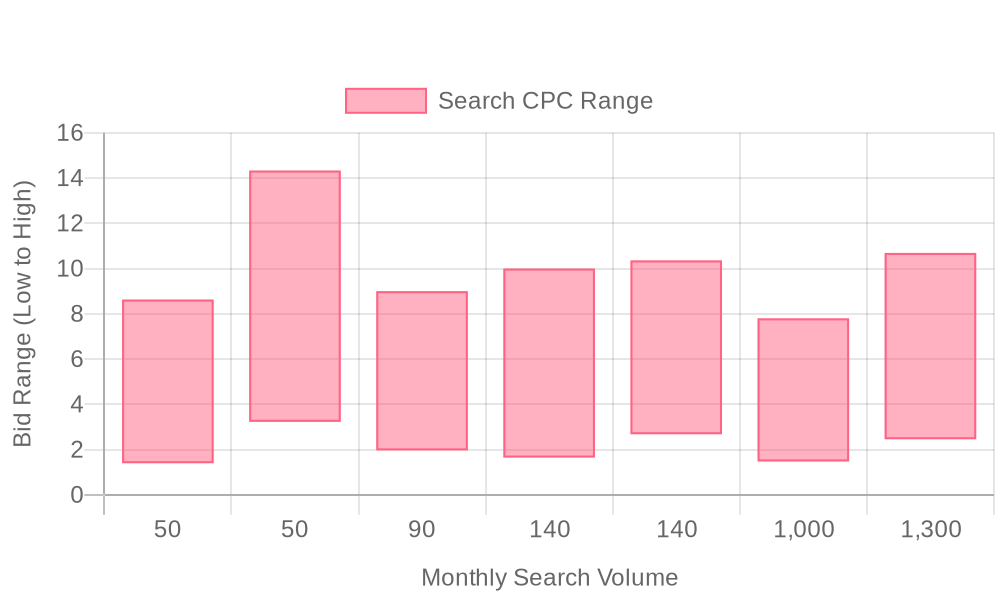
| Industry | Keyword | Monthly Search Volume | Competition Level | Low Bid | High Bid |
| Home Study | free home study for adoption | 50 | MEDIUM | 1.4 | 8.63 |
| Home Study | home study agencies near me | 50 | LOW | 3.23 | 14.33 |
| Home Study | adoption home study near me | 90 | LOW | 1.97 | 9 |
| Home Study | home study for adoption near me | 140 | LOW | 1.65 | 10 |
| Home Study | adoption home | 140 | LOW | 2.68 | 10.36 |
| Home Study | home study for adoption | 1000 | LOW | 1.48 | 7.8 |
| Home Study | home study | 1300 | LOW | 2.46 | 10.69 |
Precision in keyword selection directly impacts the success of any online advertising for home study programs. Educational marketers who leverage intent-driven, high-volume keywords are able to capture families and learners at key decision points, ensuring that ad spend reaches the most promising prospects. By mapping keyword research to real enrollment behaviors, teams can identify terms such as “best online homeschool programs,” “accredited home study courses,” and “virtual K-12 curriculum,” which consistently demonstrate high conversion potential in the education sector. For more insights on building high-performing campaigns, visit our blog for education marketers.
A robust keyword strategy also requires careful exclusion of irrelevant traffic through negative keywords. Filtering out terms like "free worksheets" or "DIY lesson plans" prevents budget waste and keeps campaigns focused on high-value leads. With real-time identity resolution, marketers can immediately recognize when a site visitor matches a high-intent profile or company, allowing CRM and remarketing audiences to update dynamically. This ensures that warm leads, those who search for "enroll in online homeschool" or "private remote tutoring", are added to remarketing lists and nurtured through targeted Google Ads for education touchpoints.
Data-backed decisions remain central to optimizing reach and relevance in home study program promotion. Advanced platforms make it possible to sync enriched audience segments and new leads directly into Google Ads, HubSpot, and Salesforce, bridging the gap between digital engagement and sales follow-up. This seamless connection between keyword intent, live audience movement, and immediate CRM actions maximizes the value of Google Ads targeting, enabling education providers to act on in-market behaviors as they happen. As a result, teams see improved lead quality, higher conversion rates, and a clearer view into budget allocation and true ROI for every campaign. Ready to take action? Get started for free with Sona.
Step-by-Step Campaign Execution Framework for Home Study
Mastering Google Ads for home study programs means orchestrating each campaign element with precision. Effective strategies rely on deeply segmented keyword planning, data-driven copywriting, and landing experiences that mirror the prospect’s intent. Success depends on your ability to synchronize ad delivery and sales outreach, ensuring that every touchpoint matches where leads are in their journey. For practical frameworks to drive pipeline from digital campaigns, explore this library of actionable playbooks.
Step 1: Build Targeted Keyword Lists
Developing a robust keyword foundation begins with clustering terms by buyer intent and program specificity. Start with core queries such as “accredited home study programs” or “online homeschooling courses,” then expand through long-tail variants reflecting grade level, curriculum style, and regional needs. Segmenting these keywords into clusters, like K-12 home study, adult online diplomas, or STEM-focused curricula, allows you to serve highly relevant ads to each audience subset. For specific keyword ideas, review this list of top-performing homeschooling keywords.
Modern marketers gain an edge by identifying which companies and people are visiting your website, not just anonymous site visitors. Sona surfaces intent signals to help marketers prioritize accounts that show true buying signals, refining keyword lists weekly based on intent data. As a result, ad spend shifts toward the highest-converting search themes and audiences, driving more qualified inquiries without wasted impressions.
The upgrade most home study advertisers miss is going beyond raw keyword volume to layer in intent and identity signals. By connecting website-visitor data and CRM records with Sona Marketing Measurement, you can see which specific search terms bring in the accounts and customers that actually convert, and weight your keyword and bidding strategy toward those rather than the terms with the highest search volume alone.
Step 2: Develop High-Impact Ad Copy
Compelling ad creative for home study programs zeroes in on what matters most to families and learners: flexibility, accreditation, and results. Craft headlines and descriptions that address pain points and outcomes, such as “Flexible Homeschool Schedules for Working Parents” or “Certified Teachers for Online High School Success.” Message testing should focus on benefit-driven language and social proof, highlighting enrollment numbers or parent testimonials to build credibility quickly. For more guidance, see our blog post on optimizing Google Ads performance.
Syncing your ad creative with real-time audience behavior takes results further. As prospects engage with your site, downloading guides, viewing curriculum pages, or requesting consultations, dynamic audience segments update automatically. This ensures remarketing ads always reflect the prospect’s latest interests, whether they’re exploring elementary math or advanced science options, and maintains message consistency across all channels.
Step 3: Launch Conversion-Optimized Landing Pages
Every click from Google Ads for home study must arrive at a landing page that matches user intent and accelerates action. Design pages with immediate clarity: showcase program highlights above the fold, use clear value propositions, and provide quick access to downloadable materials or live consultations. Limit distractions by removing non-essential navigation and adding testimonials, curriculum previews, and FAQs to support decision-making.
Integrating advanced conversion tracking is essential for measuring what happens after the click, including calls, form submissions, and even offline enrollments. Real-time data sync between your CRM and Google Ads enables you to track true ROI by connecting initial ad interactions to actual student signups. Learn more about how Google Ads works and how closed-loop measurement helps marketers optimize for what matters: qualified enrollments and long-term retention, not just top-of-funnel leads.
Step 4: Activate Timely Campaign Delivery
In home study marketing, timing determines deal velocity. Align campaign flight dates with enrollment periods, curriculum launches, or regional school year calendars to capture peak demand. Use automated scheduling to increase bids during high-intent windows, like evenings, weekends, or local back-to-school events, when parents are most likely researching options.
Syncing advertising activity with outbound sales or admissions outreach further boosts conversion rates. As leads engage, route them instantly to your sales team for follow-up, ensuring no opportunity lingers. Dynamic lead routing and audience refresh capabilities also allow you to re-prioritize outreach based on live campaign data, so your efforts remain focused on the most active and promising prospects. To see how timely campaign execution drives results, review this Google Ads case study.
Sona Marketing Measurement closes the gap between clicks and revenue. It captures every ad click with first-party, company-level tracking, then ties that click through UTM capture and ad-platform APIs to the actual record in your CRM, and reports ROAS by keyword and campaign instead of by last-click form fill. Feeding that revenue signal back into Smart Bidding and Performance Max compounds over time: the algorithms optimize toward booked home study revenue, not cheap leads.
Step 5: Optimize and Refine with Data
Continuous improvement is the backbone of top-performing Google Ads for education campaigns. Implement smart bidding strategies that automatically adjust based on conversion likelihood, and use A/B testing to refine both ad copy and landing page elements. Regularly analyze performance metrics, such as cost per lead, conversion rate, and lead-to-enrollment ratios, to inform optimizations.
Integrate audience and performance data from across your marketing stack to understand which campaigns and keywords drive actual enrollments. Sync enriched audience segments directly into Google Ads, so retargeting lists and lookalike audiences reflect only the most relevant, sales-ready accounts.
Tips on Expanding Your Home Study Presence

Expanding the reach of your home study program requires a multi-layered approach driven by actionable data and agile campaign tactics. Strategic integration of cross-promotional opportunities within the educational ecosystem can help reinforce your Google Ads for Home Study efforts, connecting your offerings to audiences who are already primed for educational engagement.
Collaboration with academic associations and complementary education services opens doors to new audiences and amplifies your program’s credibility. By leveraging shared events and co-branded content, your campaigns can tap into established networks, driving higher quality leads and increasing your visibility among decision-makers actively seeking home study solutions.
Utilizing geographic data allows you to tailor local campaigns and refine messaging for families or learners within specific regions. Real-time insights into search activity and user behavior enable precise scheduling of ads and follow-ups, ensuring your outreach aligns with moments of peak intent. With the ability to pinpoint visitors and companies engaging with your website, marketers can move beyond anonymous metrics, identifying which organizations are showing genuine interest in your programs and adjusting their campaigns accordingly.
Audience insights enable upselling and cross-selling of relevant courses to both new and returning prospects. As leads progress through their research and enrollment journey, dynamic audience management ensures that your Google Ads targeting remains current, audiences update automatically as leads move through the funnel. This approach supports personalized ad delivery, maximizes relevance, and boosts conversion rates, especially for complex home study offerings where multiple touchpoints are common.
Emerging search trends offer a critical opportunity for creative content development. Monitoring intent signals allows marketers to rapidly adapt ad copy and landing page content, aligning with evolving parent and learner concerns in the home study space. When paired with advanced conversion tracking that captures both online and offline touchpoints, revenue teams can measure the true ROI of their campaigns, allocate budget to the highest-converting segments, and sustain ongoing growth in home study program promotion.
Beyond Google Ads: Winning the AI Answers Home Study Buyers Now Trust
Paid search captures demand at the moment someone types a query. But a fast-growing share of home study buyers no longer start at Google at all, they ask ChatGPT, Gemini, or Perplexity before they ever run a search, and Google's own AI Overviews increasingly summarize an answer above the traditional results. If your business isn't referenced in those AI answers, you're invisible at the exact moment buyers build their shortlist.
Sona AI Visibility shows where your business shows up across ChatGPT, Gemini, Perplexity, Google AI Overviews, and 10+ engines, and, much like a keyword report, which prompts actually send you buyers, so you can prioritize the ones that convert. Run the two together and you cover the entire buyer path: get cited where buyers research (AI Visibility), then prove which of that demand turns into booked revenue (Marketing Measurement).
Helpful resources
Conclusion
The providers who win in home study advertising going forward will be the ones who treat Google Ads as one input among several, pairing it with identity resolution and first-party measurement to see which clicks actually became enrolled students, and increasingly, making sure their programs get cited when prospective families ask AI tools for recommendations before they ever open a search bar.
To harness these insights and elevate your home study program's marketing, explore what Sona's platform offers. Start for free to put data-driven audience intelligence and measurement to work in your campaigns today.
FAQ
What are the best practices for using Google Ads for home study programs?
Best practices include precise audience targeting, leveraging intent-driven keyword targeting, dynamic audience segmentation, and conversion-centric landing pages to enhance engagement and ensure ROI.
How do I set up a Google Ads campaign for my home study course?
To set up a campaign, start with targeted keyword lists, develop high-impact ad copy, create conversion-optimized landing pages, ensure timely campaign delivery, and continuously optimize using performance data.
What budget should I allocate for Google Ads in promoting educational content?
Budget allocation should focus on high-intent keywords and real-time audience engagement, ensuring spend is directed towards segments with genuine purchase intent to maximize ROI.
How can I target the right audience for my home study ads?
Targeting the right audience involves using advanced audience segmentation, leveraging behavioral and demographic insights, and dynamically updating audience lists based on real-time engagement.
What metrics should I track to measure the success of my Google Ads campaigns for home study?
Track metrics such as conversion rates, cost per lead, lead-to-enrollment ratios, and integrate online and offline conversion tracking to fully assess campaign ROI.







