


Home staging sells the first ninety seconds of a showing, and that means capturing sellers and agents at the exact moment they're deciding who to call. Google Ads gives staging businesses a way to intercept that moment: a homeowner prepping a listing, an agent scrambling before an open house, a seller who just got pricing feedback and needs the property to show better, fast. Done well, paid search bridges the gap between brand awareness and a booked consultation. A home staging business can bid on 'home staging services near me' and be the first call a new listing agent makes.
How to Generate Home Staging Leads with Google Ads: A Step-by-Step Guide
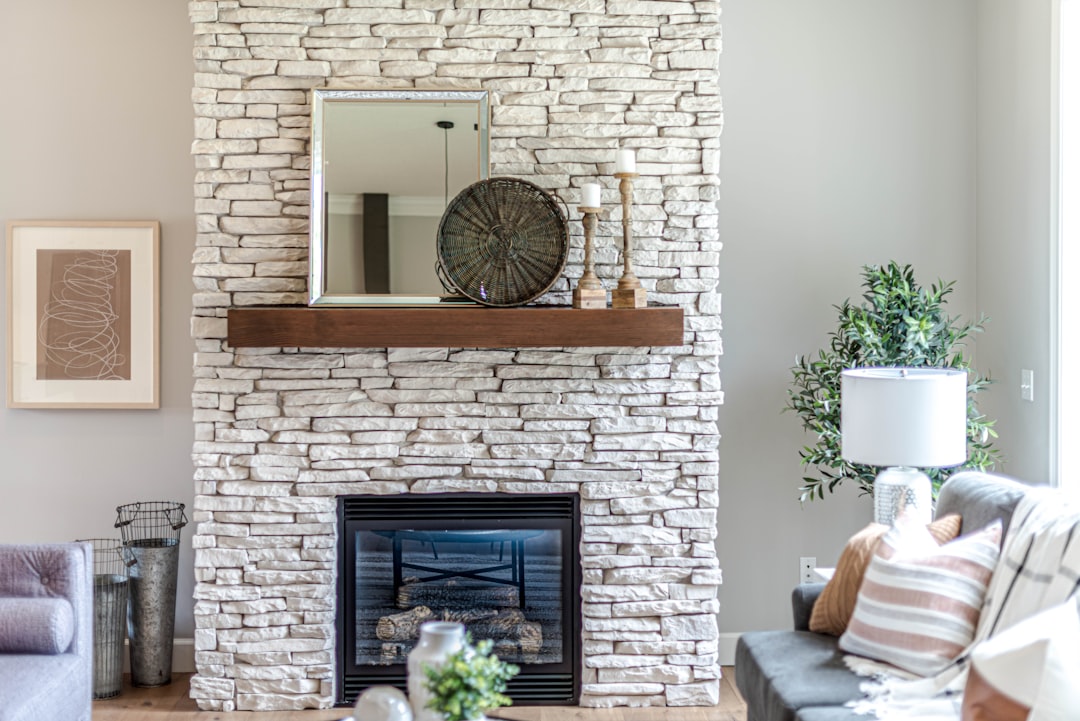
Generating high-quality leads for home staging requires a carefully orchestrated approach to paid search. When every click and impression can translate into a valuable client relationship, leveraging Google Ads for home staging ensures visibility among real estate professionals and property sellers who are actively searching for these services. By tapping into intent-driven search behavior, home staging businesses can position themselves to intercept demand at the moment it forms.
Anonymous site traffic is where most staging businesses leave money on the table. Someone browses your portfolio, compares pricing, and leaves without filling out a form, and without visibility into who that was, the lead is gone. Platforms like Sona's Identity Resolution identify the companies (the brokerage, the property management firm) behind that anonymous traffic, so marketing teams can prioritize outreach to real estate agencies actively engaging with their ads, even before a form is submitted.
To maximize your results, integrating paid search data into a unified marketing strategy is essential. This approach enables businesses to monitor every touchpoint, from the first ad impression to closed revenue, ensuring that no high-value prospect slips through the cracks. When Google Ads campaigns are connected to CRM and intent data, markers of in-market activity are surfaced in real time. Marketers can then shift budget dynamically to target the accounts most likely to convert, optimizing for both efficiency and impact.
Precise targeting starts with keywords and audiences built for how staging gets bought: geo-specific searches, service-specific phrases, and timing tied to listing activity. When enriched audience data from your CRM and site analytics syncs directly with Google Ads, you can flag interested agents and sellers earlier, reducing the risk of a competitor reaching them first and increasing your share of voice within priority accounts.
Optimizing landing pages and ad creatives for conversion is critical for turning clicks into consultations. Tailoring your message for each audience segment not only improves relevance but also prevents wasted budget on unqualified traffic. Smart segmentation and real-time behavioral data allow you to serve the most compelling offers to each prospect, ensuring that every visit is guided toward a high-value action.
Performance monitoring and ongoing optimization keep your Google Ads for home staging campaigns delivering strong ROI. By maintaining a holistic view of all interactions across your website and marketing channels, you ensure that no promising lead is neglected. Automated alerts and audience updates let your sales team focus on the hottest prospects, while granular attribution reveals which keywords, ads, and campaigns drive measurable business growth.
A seamless cross-channel marketing ecosystem is the foundation for sustained success in home staging advertising. Integrating Google Ads with your CRM, email marketing, and offline touchpoints ensures audiences are dynamically updated as leads progress through the funnel. This synchronization enables smarter retargeting and precise measurement of both online and offline conversions, empowering your team to refine strategies and invest with confidence. Ready to capture more high-intent leads? Get started for free with Sona.
Why Does Google Ads Matter for Home Staging?

Home staging companies operate in a competitive, timing-sensitive market where project cycles move quickly and decision windows are brief. Google Ads for home staging offers a powerful lever to intercept high-intent prospects as they actively search, resulting in more strategic and profitable connections with real estate agents and property owners. To further explore digital marketing strategies for home services, browse our marketing insights blog.
- Specialized Audience Targeting: With tailored Google Ads targeting, home staging businesses reach agents and sellers precisely when they are researching staging options, reducing wasted impressions and improving engagement rates. Through advanced visitor identification, marketers pinpoint which companies and key contacts interact with their campaigns, closing the gap between anonymous clicks and actionable leads.
- High-Value Project Acquisition: The platform enables direct access to new, lucrative projects before they enter competitor funnels. When integrated with real-time audience intelligence, marketers can see which specific real estate agencies or brokerages are interacting with their ads and landing pages. This insight allows sales teams to prioritize warm leads, optimize outreach cadences, and minimize wasted follow-ups.
- Immediate Customer Engagement: Google Ads for home staging provides a rapid-response channel for urgent needs, such as last-minute listing preparations or seasonal surges in housing activity. Real-time intent signals allow businesses to dynamically shift budget toward in-market decision-makers, ensuring that high-converting accounts receive appropriate attention before interest cools.
- Growing Visibility: Expanding into emerging or underserved regions becomes more efficient through diverse campaign types and geo-targeted ad placements. By layering in dynamic audience updates, marketers can continually refine their reach as new leads progress through the funnel, maximizing return in both established and developing markets.
- Integrated Analytics: Closed-loop analytics empower stagers to attribute every click, call, and form fill to the original ad spend, revealing true ROI across the entire sales cycle. Advanced conversion tracking combines online engagement with offline sales attribution, providing a comprehensive view of which audiences, campaigns, and keywords drive the most profitable growth for home staging businesses.
Ready to unlock higher-value leads and campaign ROI? Get started for free with Sona.
Common Types of Google Ads Campaigns and Formats for Home Staging Services
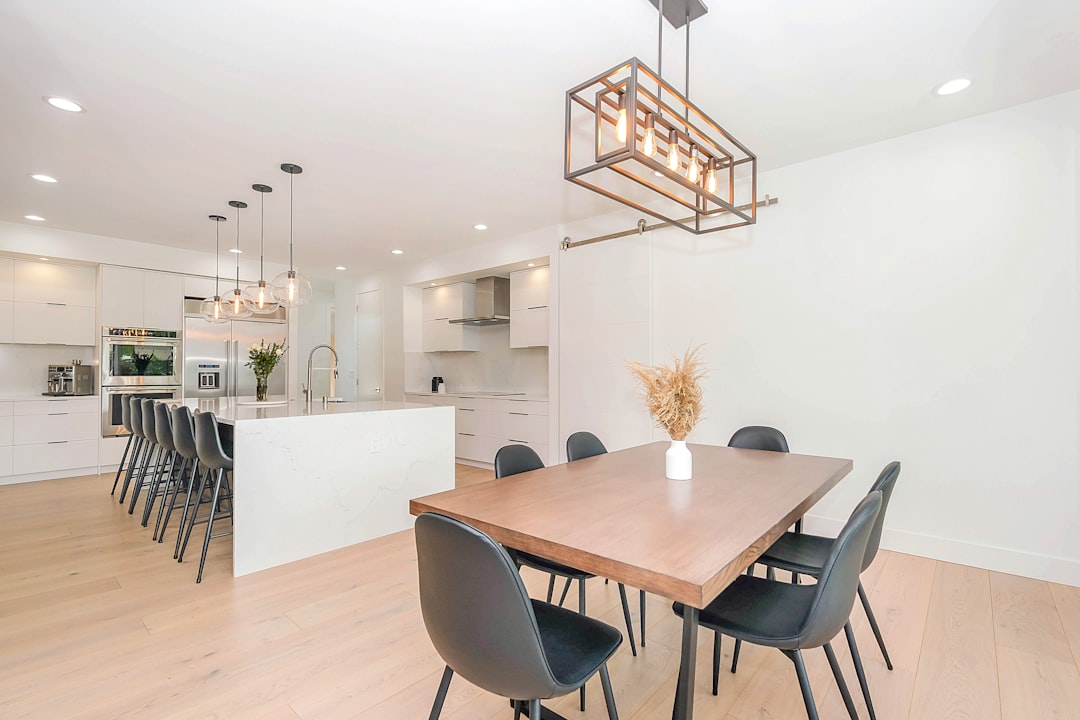
- Search Campaigns: Search campaigns are the backbone of home staging lead generation. Targeting high-intent keywords such as "home staging services for real estate agents" and "property styling near me" ensures your business appears when agents are actively seeking staging partners. Within Search, Responsive Search Ads let you test multiple headlines and descriptions so Google can serve the best-performing combination to each searcher. With advanced targeting and intent signals, marketers can prioritize spend on searches most likely to result in inquiries, while using enriched data to identify both individual visitors and the brokerages they represent. For a practical breakdown of targeting real estate agents, see this guide to Google Ads for home staging. This precision allows for tailored messaging and offers to maximize conversion rates.
- Display Ads: Display campaigns extend your brand’s reach across industry-relevant websites and real estate content networks. By visually reinforcing your home staging expertise during agents’ research journeys, these campaigns keep your services top of mind even when prospects are not actively searching. Integrating behavioral signals and dynamic audience segments, marketers can automatically update retargeting pools as agents visit portfolio pages or download case studies, ensuring display ads always reach the most engaged prospects in real time.
- Video Ads: Video ads convey the tangible value of home staging through before-and-after transformations and client testimonials. These dynamic formats are especially effective for educating agents on the direct impact of staging on property value and speed of sale. Marketers can leverage viewing data to recognize which audiences are most engaged and adjust retargeting or nurture tactics accordingly, focusing budget on agents with demonstrated interest.
- Remarketing: Remarketing campaigns re-engage agents who have previously visited your website or interacted with your content but have not yet booked a consultation. By serving tailored follow-up offers, such as exclusive pricing for first-time agent partnerships or limited-time virtual staging previews, remarketing keeps your brand relevant throughout the decision cycle. Using real-time intent data, remarketing audiences can be refined and prioritized as agents move closer to conversion, amplifying the likelihood of securing a meeting or project.
- Performance Max: Performance Max campaigns let Google's algorithms allocate budget across Search, Display, YouTube, and other inventory from a single campaign, using your feed and conversion data to find agents and sellers wherever they're most likely to act. For home staging businesses managing tight project timelines, this can surface last-minute searchers that a single-channel campaign would miss, provided you feed it strong conversion signals so it optimizes toward booked consultations rather than cheap clicks.
- Assets: Ad assets enhance every campaign by offering additional paths to connect and convert. Call assets allow agents to reach out directly from search results, while sitelink and structured snippet assets highlight unique service offerings, portfolio access, or agent resources. Advanced tracking ensures every click and call is attributed back to the correct campaign, supporting granular measurement and ongoing optimization. By syncing enriched lead data into your CRM and ad platforms, every engagement becomes measurable, allowing revenue teams to refine their Google Ads for home staging strategies and grow their business with confidence. Ready to optimize your campaigns? Get started for free with Sona.
Where to Find Growth Opportunities in Home Staging Marketing

Revenue-focused home staging businesses achieve greater scale by uncovering overlooked sources of client demand and strategically aligning their marketing investments. Sustainable growth depends on precision targeting, advanced attribution, and a willingness to move beyond legacy channels that limit reach. Teams leveraging real-time audience segmentation and intent signals can quickly adapt to shifts in demand, ensuring every marketing dollar is spent on the most promising opportunities.
- Vertical Keyword Targeting: Discovering untapped segments within home staging, such as luxury property styling, virtual staging for remote listings, or rapid turnaround services for high-volume real estate agents, enables marketing teams to craft highly specific Google Ads for home staging campaigns. This approach avoids wasted spend on broad, generic terms and instead delivers ads to decision-makers who are actively searching for specialized solutions. By identifying real-time in-market intent signals, marketers can shift budget toward keywords and audiences that consistently convert, raising both yield and efficiency.
- Competitor Analysis: A detailed review of competing home staging providers often reveals critical service or messaging gaps. By monitoring competitors’ keyword ranks, ad copy, and landing page strategies, businesses can spot opportunities to differentiate, such as promoting unique staging packages or turnaround guarantees. Sona's Identity Resolution helps by revealing which companies are visiting your website, what pages they engage with, and how their behavior compares to industry benchmarks. This insight enables marketers to prioritize campaigns that target high-value leads missed by competitors and refine messaging to address unmet needs.
- Trade and Industry Placements: Many home staging teams overlook the power of appearing in trade directories, association websites, and industry-specific portals where real estate professionals search for vetted partners. Securing placements in these environments ensures your brand is visible when organic search and paid ads are less prominent. Integrating ad audience data with CRM records helps track which placements attract qualified agency leads, allowing for continuous optimization across high-performing directories.
- Content-Based Retargeting: Offering downloadable resources, such as home staging checklists, ROI calculators, or market trend guides, creates memorable touchpoints for real estate agents and brokers. When a visitor interacts with these assets, dynamic retargeting campaigns can automatically deliver relevant follow-up ads or personalized offers as they progress through the decision cycle. Audience segments update in real time, ensuring that only the most engaged prospects see high-value messaging, and conversions can be tracked online and offline for full-funnel attribution. This strategy transforms basic website engagement into a measurable pipeline of intent-driven leads, supporting ongoing home staging business growth.
How to Apply Audience Segmentation for Home Staging
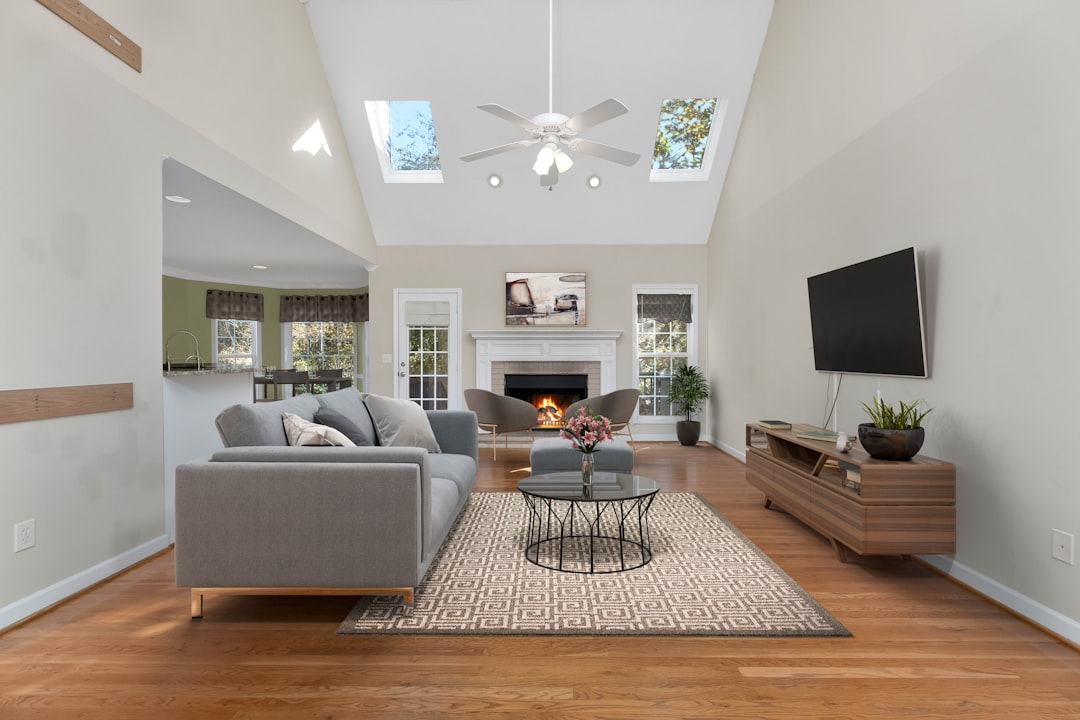
Audience segmentation gives home staging marketers the power to tailor every campaign for maximum relevance and impact. By precisely identifying and targeting the right client groups, marketing teams achieve higher quality leads and improved return on ad spend. For more guidance on segmenting and activating audiences, explore real-time audience insights that help pinpoint the right prospects at the right moment.
- Define Clear Segments: The foundation of effective segmentation begins with distinguishing residential from commercial clients. Each audience has distinct priorities: homeowners may focus on faster sales and visual appeal, while commercial clients often value scalability, consistency, and cost efficiency. Segmenting these groups allows marketers to develop messaging, offers, and creative assets that speak directly to the needs and objectives of each segment, reducing wasted impressions and irrelevant clicks. Learn how Google Ads can help home staging businesses reach real estate agents for more targeted lead generation.
- Intent Signal Overlay: Successful home staging advertising hinges on context. Overlaying intent signals, such as pre-sale prep, open house readiness, or vacant property transformation, ensures that each ad is delivered at the precise stage of the customer journey. By analyzing in-market behaviors, marketers can shift budgets toward accounts exhibiting high purchase intent, ensuring that campaigns are both timely and relevant. Leveraging real-time data, teams can prioritize those prospects who are most likely to convert, optimizing every dollar spent.
- Segment-Specific Ad Groups: Creating segment-specific ad groups within Google Ads for home staging enables highly targeted creative and budget allocation. Custom ad copy, tailored offers, and strategic bidding drive stronger engagement among the most valuable client cohorts. When audiences automatically update as leads progress through the funnel, marketers respond immediately to changes in behavior, ensuring no opportunity is missed. Platform integrations that sync enriched audience data from CRMs further refine targeting across channels, driving cohesive experiences from first click to closed deal.
- Conversion Path Validation: Effective segmentation extends to conversion tracking and lead management. Ensuring that every form fill, call, or inquiry is accurately attributed to the correct segment enables fast, personalized follow-up and reduces lead cooling. Advanced attribution models, combining online and offline touchpoints, provide a true view of campaign ROI and help teams double down on what works. Marketers who unify conversion data with their CRM and advertising platforms accelerate the qualification process and fuel continuous optimization, ensuring ongoing home staging business growth.
This is also where measurement changes the economics. With Sona Marketing Measurement you can identify the companies and buyers behind your ad clicks, not just anonymous sessions, and segment audiences by who actually becomes a customer. That lets you build bid adjustments and audience signals around the segments that convert and de-prioritize the ones that don't, so you feed Google's algorithms "this click became a paying home staging customer" instead of just "someone filled out a form."
Keyword Strategy & Sample Target Terms
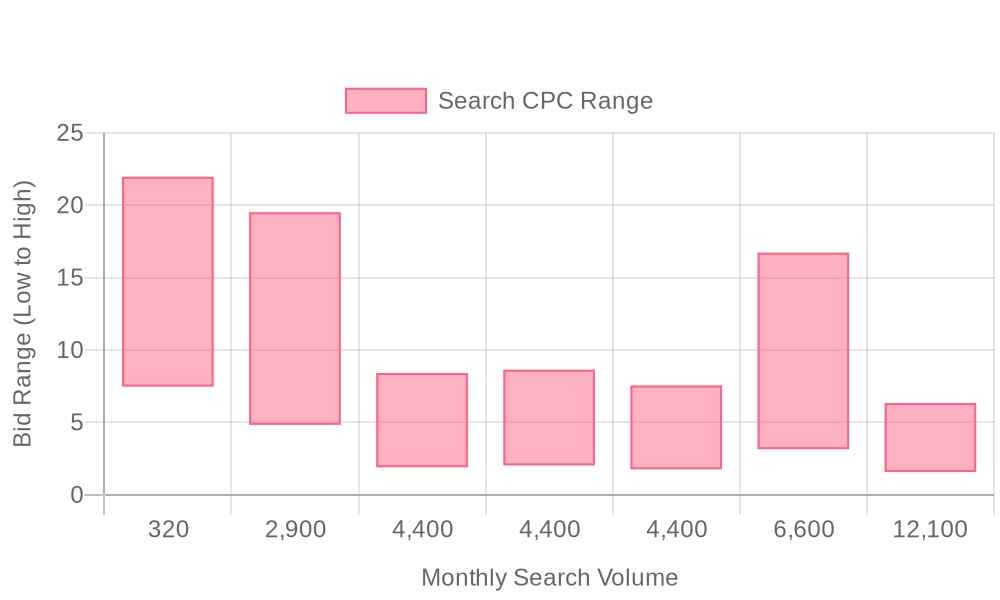
| Industry | Keyword | Monthly Search Volume | Competition Level | Low Bid | High Bid |
| Home Staging | virtual staging companies | 320 | MEDIUM | 7.48 | 21.96 |
| Home Staging | virtual staging real estate | 2900 | HIGH | 4.84 | 19.51 |
| Home Staging | staging companies near me | 4400 | MEDIUM | 1.91 | 8.41 |
| Home Staging | staging companies | 4400 | LOW | 2.04 | 8.64 |
| Home Staging | home stagers near me | 4400 | LOW | 1.77 | 7.55 |
| Home Staging | virtual staging | 6600 | HIGH | 3.16 | 16.72 |
| Home Staging | home staging | 12100 | LOW | 1.58 | 6.34 |
Effective keyword targeting is the foundation of successful Google Ads for home staging. Focusing on high-intent search terms like "home staging near me" and "property staging services for agents" drives qualified leads by reaching professionals actively seeking solutions. By narrowing keyword lists to those that reflect both specific staging services and local geographies, marketers reduce wasted spend and maximize campaign relevance through real-time audience segmentation.
Long-tail keywords such as "vacant home staging for real estate agents" or "affordable home staging in [city]" capture the nuanced intent of buyers at later funnel stages. These terms not only attract decision-makers but also filter out general consumers and DIY searchers. Applying negative keywords like "furniture rental," "staging jobs," or "free home staging tips" further sharpens targeting, ensuring budgets are invested in prospects ready to engage or refer business. For in-depth strategies on keyword selection and campaign setup, consult this guide on Google Ads for home stagers.
Frequent review of search term reports uncovers emerging trends in how agents and sellers are searching for staging support. With a unified data approach, marketers can align keyword optimization with enriched audience insights and CRM integration, accelerating the feedback loop between ad engagement, pipeline growth, and revenue outcomes, giving home staging businesses a measurable edge in a competitive market.
Step-by-Step Campaign Execution Framework
Step 1: Build Targeted Keyword Lists
Effective home staging advertising starts by prioritizing keywords that mirror your service offerings and geographic reach. Incorporate phrases such as "Google Ads for home staging," "PPC for home staging," and "real estate Google Ads," then layer in location-specific modifiers to match the territories of your target real estate agents. For a detailed guide on using Google Ads to reach real estate professionals, review this home staging Google Ads strategy. This approach filters out unqualified clicks and ensures your campaigns are aligned with where your ideal clients operate.
Segmenting keywords by service type, such as “virtual home staging” versus “occupied home staging”, lets you allocate budget based on market demand and margin potential. When campaign data and CRM insights are unified, you can see exactly which keywords are driving the highest-quality leads and adjust bids to maximize ROI. Marketers using Sona's Identity Resolution can go beyond anonymous traffic to reveal which agencies and agent networks are engaging, further refining keyword prioritization and account targeting.
The upgrade most home staging advertisers miss is going beyond raw keyword volume to layer in intent and identity signals. By connecting website-visitor data and CRM records with Sona Marketing Measurement, you can see which specific search terms bring in the accounts and customers that actually convert, and weight your keyword and bidding strategy toward those rather than the terms with the highest search volume alone.
Step 2: Develop Compelling Ad Copy
Ad copy for Google Ads for home staging must address the specific pain points of real estate professionals: speed, property appeal, and competitive differentiation. Headlines like “Sell Listings Faster with Professional Home Staging” or “Attract More Buyers with Virtual Staging” directly connect to agent objectives. For more inspiration on PPC messaging that resonates with real estate audiences, explore effective real estate PPC tactics. Supporting descriptions should highlight credibility, such as industry awards or the number of local properties staged, to create immediate trust.
Audience segments respond to tailored messaging, so dynamic copy variations help you match the right value proposition to each agent profile. When your ad platform integrates real-time intent signals, you can shift budget to in-market agents and activate copy that reflects their current buying stage. This ensures every impression and click is primed for conversion, driving more efficient home staging lead generation.
Step 3: Design Effective Landing Pages
Conversion-focused landing pages reinforce your ad promises with a seamless experience. The landing page headline should repeat the primary keyword and value statement from the ad, think “Expert Home Staging for Real Estate Agents in Sydney”, while visual proof (before/after galleries) substantiates results. For practical ideas on optimizing your staging landing pages, see these home staging tips for sellers and agents. Limit distractions by reducing navigation options, and feature a clear, prominent call-to-action such as “Book a Consultation” or “Get Instant Pricing.”
Mobile optimization is essential, as real estate agents frequently access resources on the go. Integrating advanced conversion tracking allows you to attribute leads that move from online forms to offline sales presentations, providing a full-funnel view of campaign impact. Platforms that sync CRM and ad data enable dynamic audience updates, so agents who convert are excluded from remarketing while new leads are nurtured automatically.
Step 4: Implement Data-Driven Optimizations
Ongoing optimization hinges on tracking the metrics that matter: conversions, cost per acquisition, and downstream revenue. Deploy smart bidding strategies that automatically adjust for high-converting keywords and audiences, using insights from both Google Ads and your CRM. For advanced PPC strategy ideas tailored to home services, review these PPC ad strategies for home services. This ensures that budget flows to the segments and channels producing the strongest returns.
Advanced attribution connects online engagement to offline deals, allowing for more accurate ROI measurement on home staging marketing campaigns. Marketers with access to enriched visitor and lead data can identify which campaigns are influencing pipeline growth and adjust strategies in real time. As audiences move through the funnel, syncing with CRM systems ensures remarketing lists and lookalike audiences remain accurate, maximizing the impact of every touchpoint.
Sona Marketing Measurement closes the gap between clicks and revenue. It captures every ad click with first-party measurement, then ties that click through UTM capture and ad-platform APIs to the actual record in your CRM, and reports ROAS by keyword and campaign instead of by last-click form fill. Feeding that revenue signal back into Smart Bidding and Performance Max compounds over time: the algorithms optimize toward booked home staging revenue, not cheap leads.
Tips on Expanding Your Home Staging Presence
Establishing a dominant home staging presence requires a unified approach across digital and in-person touchpoints. Companies that integrate their advertising, CRM, and outreach strategies see higher engagement from real estate professionals and improved conversion rates.
- Cross-promote content in retargeting: Reinforcing brand consistency through retargeted ads ensures every exposure tells a cohesive story. When audiences revisit your website or portfolio, dynamic creative updates can reflect their stage in the decision process, increasing the likelihood of engagement and recall.
- Upsell complementary services through CRM-based segmenting: Leveraging CRM data to segment agents and sellers allows for highly personalized outreach. Automated workflows can present relevant service add-ons, such as virtual staging packages or open house enhancements, to contacts showing high purchase intent, driving incremental revenue from existing relationships.
- Leverage partnerships with local real estate associations: Forming strategic alliances with real estate groups embeds your service into the agent ecosystem. Co-branded educational content, exclusive workshops, and member discounts foster trust and encourage regular referrals, while also providing early access to new market trends.
- Utilize localized targeting for visibility: Focusing campaigns on high-demand suburbs or emerging neighborhoods positions your business at the intersection of agent need and market opportunity. Real-time insights from geographic performance data help shift budget to locations yielding the most qualified leads, ensuring resources are allocated efficiently.
- Use search query data for new content topic identification: Analyzing search queries from your Google Ads for Home Staging campaigns uncovers trending topics and unmet informational needs. These insights fuel content calendars, from blog posts to video walkthroughs, that address agent pain points and position your brand as an educational leader in home staging marketing.
Effective Google Ads management for home staging businesses relies on granular keyword targeting and precise audience segmentation. By layering creative testing and real-time behavioral signals, marketers can optimize campaigns, increase qualified lead flow, and drive measurable growth in home staging business outcomes.
Beyond Google Ads: Winning the AI Answers Home Staging Buyers Now Trust
Paid search captures demand at the moment someone types a query. But a fast-growing share of home staging buyers no longer start at Google at all, they ask ChatGPT, Gemini, or Perplexity before they ever run a search, and Google's own AI Overviews increasingly summarize an answer above the traditional results. If your business isn't referenced in those AI answers, you're invisible at the exact moment buyers build their shortlist.
Sona AI Visibility shows where your business shows up across ChatGPT, Gemini, Perplexity, Google AI Overviews, and 10+ engines, and, much like a keyword report, which prompts actually send you buyers, so you can prioritize the ones that convert. Run the two together and you cover the entire buyer path: get cited where buyers research (AI Visibility), then prove which of that demand turns into booked revenue (Marketing Measurement).
Helpful resources
Conclusion
Staging is won or lost in narrow windows: the week before a listing goes live, the days after a price cut, the scramble before an open house. Google Ads works because it meets sellers and agents inside that window, not before it and not after. The strategies here only pay off if you keep sharpening which keywords, audiences, and campaigns actually produce booked jobs, and keep cutting the ones that don't.
The businesses that win this channel long-term won't be the ones bidding highest on 'home staging near me,' they'll be the ones who can prove, deal by deal, which keyword and campaign actually put a stager in front of a listing agent before a competitor did. Build that measurement discipline now, and every dollar you spend gets smarter than the one before it.
FAQ
What are the best practices for Google Ads in home staging?
Best practices include precise keyword and audience targeting, integrating paid search data into a unified marketing strategy, optimizing landing pages and ad creatives for conversion, and maintaining performance monitoring and ongoing optimization.
How can I create effective Google Ads for my home staging business?
Create effective ads by using tailored messaging for each audience segment, leveraging geo-targeted and service-specific phrases, and optimizing landing pages to match ad promises with clear calls-to-action.
What budget should I allocate for Google Ads in home staging?
Allocate your budget dynamically based on real-time audience data and the accounts most likely to convert, ensuring that marketing dollars are spent efficiently and effectively.
What keywords should I target for home staging Google Ads?
Target high-intent keywords like 'home staging services near me' and 'property styling for agents,' and refine your keyword list to include long-tail keywords that capture more specific buyer intent.
How do I measure the success of my Google Ads campaigns for home staging?
Measure success by tracking conversions, cost per acquisition, downstream revenue, and using advanced attribution models to connect online engagement with offline sales.







