


Homeschooling families research before they buy, comparing curricula, checking state requirements, and weighing costs months before enrollment deadlines hit. Google Ads meets them in that research window, when a parent is typing "best homeschool curriculum for reading" or "homeschool science kits grade 5" and deciding which supplier deserves a click. This guide covers how to run Google Ads for a home schooling materials business: intercepting that intent in real time, targeting the right segments, and measuring which clicks actually turn into paying customers rather than anonymous form fills.
How to Generate Google Ads for Home Schooling Materials Leads: A Step-by-Step Guide

Homeschooling businesses need a systematic way to turn demo interest into paying customers, not just more traffic. Sona's Identity Resolution reveals which companies are engaging with your website, so you can prioritize the accounts most likely to convert.
A structured Google Ads strategy for homeschooling materials demands more than generic audience targeting. Marketers benefit from identifying and segmenting visitors based on real-time audience intent, leveraging engagement signals to create dynamic, high-converting segments that evolve as leads progress through the funnel. For an in-depth look at Google Ads training resources, explore Google Ads education.
- Data-driven campaign design: Use detailed attribution to connect every ad click to meaningful outcomes. Rather than relying on basic metrics, advanced attribution ties online and offline engagement to revenue, making it easier to shift budget toward what drives real pipeline influence. This approach ensures that marketing investments are focused where they have the greatest impact, eliminating wasted spend on low-intent contacts.
- Keyword and audience alignment: Homeschooling parents and educators search using specific, intent-rich keywords. Building granular keyword lists, combined with behavioral and firmographic targeting, reaches those ready to engage. Syncing enriched CRM data with Sona Destinations enables ongoing audience refinement, so campaigns always reflect up-to-date signals and purchase readiness.
- Landing page and creative consistency: Ensuring that ad messaging, creative assets, and landing pages are tightly aligned prevents conversion drop-off. Cohesive experiences increase engagement and drive higher lead quality, especially when personalized to the unique pain points and value drivers of homeschoolers. For actionable examples, review our lead generation playbooks.
- Continuous optimization: Homeschool marketing strategies require ongoing performance tuning. Monitoring campaign ROI and adjusting bids, creative, and targeting in real time helps avoid inefficiencies. Integrating offline conversion events, such as calls or form fills, into reporting delivers a full-funnel view and smarter decision-making. Dive deeper into offline attribution strategies to maximize your insights.
- Cross-channel integration: No single channel operates in isolation. Synchronizing Google Ads efforts with email, social, and direct outreach ensures every interaction is informed by the latest buyer journey data. This drives coordinated, multi-touch engagement and maximizes conversion opportunities at every stage.
This framework helps homeschooling materials businesses generate qualified leads, spend ad budget deliberately, and grow pipeline predictably through Google Ads. If you're ready to put these strategies into practice, get started for free with Sona and unlock streamlined, data-driven campaign management. The sections below break down each step in building a high-performing campaign.
Why Google Ads Matter for Home Schooling Materials Businesses

Education providers and curriculum developers face a rapidly evolving homeschooling landscape where digital touchpoints shape purchasing decisions. Strategic use of Google Ads enables these businesses to connect directly with families actively researching home schooling materials, translating digital curiosity into measurable revenue. For a deeper dive into advertising fundamentals, explore the Google Ads training resources, or visit our marketing insights blog for more education marketing strategies.
- Specialized Audience Targeting: Google Ads empowers marketers to pinpoint homeschooling families precisely when they seek educational resources, resolving the challenge of missing high-value prospects. With real-time audience insights, marketers can surface previously anonymous site visitors and match them to high-potential accounts, ensuring outreach efforts are focused on buyers with genuine intent.
- Higher Revenue Potential: Engaging prospects at the moment of need means winning new, high-margin projects that might otherwise be overlooked. By integrating Identity Resolution and CRM data, marketing teams move beyond speculation and prioritize accounts showing strong purchase signals, which leads to increased conversion rates and higher lifetime value.
- Quick Demand Fulfillment: Homeschooling demand spikes around predictable moments, back-to-school season, new state curriculum mandates, or a district's remote-learning announcement, and interest can build fast when a policy shift sends parents searching for alternatives. Google Ads lets providers respond immediately, and the advantage compounds when campaigns automate adjustments by monitoring real-time intent signals and shifting budget toward the audiences most likely to convert.
- Emerging Market Visibility: The homeschooling sector is diverse, with new groups and needs emerging frequently. Modern ad strategies allow businesses to dynamically adjust their targeting as new segments appear, keeping campaigns relevant and visible to in-market families. Discover how to identify high-value accounts from website traffic and adapt your campaigns to changing market needs.
- Enhanced Data Insights: Google Ads delivers granular visibility into digital engagement, but actionable insights come from linking those touchpoints to sales outcomes. Unified data platforms track both online and offline conversions, closing the loop on ROI measurement and informing smarter future investments in educational material ad optimization.
Common Types of Google Ads Campaigns for Home Schooling Materials

- Search Campaigns: Search campaigns convert high-intent queries from parents, educators, and administrators seeking homeschooling materials. Responsive search ads, paired with precise keyword targeting and negative keyword exclusions, capture demand at the moment of need and ensure no qualified prospect slips through the cracks. When paired with Sona's Identity Resolution and Sona's Intent Signals, teams can quickly spot which inbound leads are most valuable and adjust bids or messaging to prioritize those most likely to convert.
- Display Ads: Display ads keep your brand visible across educational blogs, resource sites, and family-oriented platforms, expanding reach well beyond organic channels. Strategic placement and creative assets build awareness among audiences who may not have searched directly for your products but fit key homeschooler profiles. With Sona's Audiences tool, marketers can update their targeting lists in real time as leads move deeper into the funnel, ensuring only the most relevant prospects view your materials. For more on top-performing keywords in this space, see this list of homeschooling keywords.
- Video Ads: Video ads showcase product benefits with compelling visuals, helping homeschooling decision-makers grasp the tangible advantages of your educational resources. Short, targeted videos placed on YouTube and relevant platforms boost engagement and re-engagement rates, especially for audiences who previously visited your site but did not convert. Enhanced analytics and Sona's Ad Conversions allow you to measure both online and offline actions, attributing true ROI to each creative and channel.
- Remarketing: Remarketing campaigns reconnect with visitors who expressed interest but did not purchase or inquire, maintaining your brand presence as they consider options. Customized messaging and frequency capping prevent ad fatigue and keep your offer top of mind without being intrusive. Integrating Sona's Destinations feature ensures remarketing audiences are continually refreshed with enriched data, including recent site activity and lead status, increasing the precision and effectiveness of every touchpoint.
- Assets: Ad assets add credibility and completeness to your ads by displaying location details, certifications, special offers, or contact methods. These enhancements drive higher click-through rates and reinforce trust with cautious buyers evaluating homeschooling solutions. Sona's Buyer Journeys ensures that assets reflect the most current and relevant information, maintaining message consistency across every channel and campaign. To see how, get started for free with Sona.
Where to Find Growth Opportunities?

Expanding your reach in the home schooling materials sector requires a precise, data-driven approach that aligns marketing tactics with evolving parental and institutional needs. Leveraging advanced audience intelligence and real-time behavioral data, B2B revenue teams can pinpoint high-intent buyers and identify emerging market segments that traditional CRMs often overlook.
- Vertical keyword targeting: Identify and target complementary services such as educational apps, tutoring, or extracurricular resources. This approach uncovers prospects who may not be flagged in existing CRM data, allowing you to grow your pipeline with fresh, qualified leads. When using platforms like Google Ads for Home Schooling Materials, integrating dynamic keyword strategies ensures campaigns reach those actively searching for related solutions, not just core curriculum products. Explore top-performing homeschooling keywords to refine your approach.
- Competitor analysis for new segments: Analyze competitor ad placements, keyword clusters, and creative performance to discover overlooked audiences. By combining this intelligence with unified go-to-market data, teams bypass legacy inefficiencies, locating segments underserved by both your brand and competitors.
- Industry-specific placements: Secure advertising opportunities on education-focused platforms, blogs, and forums that align with the content themes of your home schooling materials. This ensures your messaging is seen in relevant, trusted environments, reinforcing brand authority. Consistent messaging across these touchpoints, when managed through a unified platform, reduces friction and drives higher engagement rates.
- Content retargeting with educational assets: Deploy retargeting strategies that leverage downloadable guides, lesson plan samples, or instructional videos. This method nurtures prospects by delivering ongoing value, keeping your brand top-of-mind throughout the consideration journey. By syncing CRM and ad platform audiences in real time, marketers ensure every retargeting touchpoint is personalized and up-to-date, improving conversion rates and optimizing lifetime value.
These methods collectively enable B2B teams to move beyond siloed data, ensuring every campaign for homeschooling materials is informed by actionable insights and cross-channel coordination. For deeper tactical insights, see homeschool marketing strategies for targeting and optimization ideas tailored to the education sector. If you're ready to put these strategies into practice, get started for free with Sona and discover new growth opportunities in your pipeline.
How to Apply Audience Segmentation for Home Schooling Materials

Effective audience segmentation transforms homeschool marketing strategies by aligning every ad interaction with the real needs and intentions of your prospects. Marketers who move past generic targeting and embrace precise segmentation consistently see higher conversion rates and improved campaign ROI. For a deeper dive into proven approaches, visit the Sona blog for actionable marketing insights.
- Define distinct segments: Identify and separate key groups such as beginner homeschoolers, often parents just starting their journey, and experienced homeschoolers who seek advanced tools or curriculum enhancements. This distinction enables marketers to forgive previous missteps in tracking and messaging, ensuring each segment receives highly relevant content and outreach. Utilizing advanced visitor identification, teams can move beyond anonymous clicks to pinpoint not just traffic, but actual households and organizations engaging with their materials.
- Overlay intent signals: Enhance segments by integrating real-time behavioral and contextual signals, such as searches for specific educational topics, curriculum types, or grade levels. Predictive models prioritize outreach to accounts showing in-market intent, ensuring budget is allocated to high-propensity prospects. Dynamic audience capabilities ensure these lists update automatically as leads demonstrate changing interests, allowing marketers to adjust messaging and offers as families progress in their homeschooling journey. Explore top-performing homeschooling keywords to refine your targeting strategy further.
- Customize ad groups and creative: Tailor ad groups, messaging, and budgets for each segment, turning potential missed opportunities into engaged prospects. Creative should directly reflect the unique challenges and aspirations of each group, such as reassurance and step-by-step guides for beginners or advanced enrichment content for seasoned homeschoolers. CRM-ad sync enables seamless movement of enriched audience data into platforms like Google Ads, ensuring targeting stays precise and responsive to segment shifts.
- Validate conversion paths and data integration: Ensure that every segment's journey from ad click to purchase or inquiry is seamless. Break down data silos by integrating online and offline touchpoints, allowing for advanced conversion tracking that attributes results across all channels. This approach prevents missed follow-ups and ensures that every interaction, whether from a digital ad, an email, or a direct inquiry, is captured, measured, and leveraged for future optimization.
By unifying these segmentation methods with robust data and intent signals, revenue teams can maximize the impact of their Google Ads for Home Schooling Materials and create lasting engagement with high-value homeschooling families. If you're ready to transform your segmentation and targeting, get started for free with Sona today.
This is also where measurement changes the economics. With Sona Marketing Measurement you can identify the companies behind your ad clicks, not just anonymous sessions, and segment audiences by who actually becomes a customer. That lets you build bid adjustments and audience signals around the segments that convert and de-prioritize the ones that don't, so you feed Google's algorithms "this click became a paying home schooling materials customer" instead of just "someone filled out a form."
Keyword Strategy & Sample Target Terms
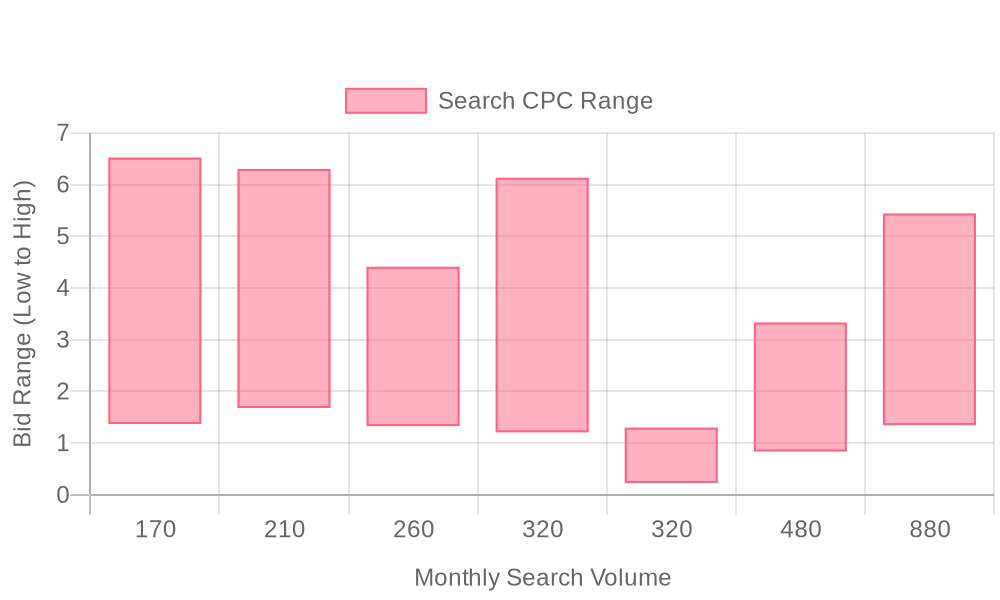
| Industry | Keyword | Monthly Search Volume | Competition Level | Low Bid | High Bid |
| Home Schooling Materials | homeschool resources near me | 170 | MEDIUM | 1.37 | 6.52 |
| Home Schooling Materials | homeschool materials | 210 | HIGH | 1.68 | 6.3 |
| Home Schooling Materials | home schooling materials | 260 | HIGH | 1.33 | 4.41 |
| Home Schooling Materials | free homeschool supplies | 320 | MEDIUM | 1.21 | 6.13 |
| Home Schooling Materials | used homeschool books | 320 | HIGH | 0.23 | 1.3 |
| Home Schooling Materials | home schooling supplies | 480 | HIGH | 0.84 | 3.33 |
| Home Schooling Materials | free homeschool resources | 880 | MEDIUM | 1.35 | 5.44 |
Effective keyword strategy is foundational for driving qualified traffic to home schooling materials. Precision targeting ensures your ads reach parents and educators actively searching for curriculum, resources, and supplies, increasing the likelihood of engagement and conversion. For an up-to-date list of top-performing keywords and trends in the homeschooling sector, review the homeschooling keyword list.
- Home schooling materials online: This high-intent term targets users ready to browse or purchase educational content and supplies. Building campaigns around this keyword group helps capture users who are far along in the buying journey and likely to convert.
- Affordable homeschooling resources: Value-driven keywords attract budget-conscious audiences looking for cost-effective options. Including related long-tail variations ensures visibility among families comparing quality and cost, while aligning ad copy to affordability improves click-through rates.
- Homeschooling curriculum and supplies: These comprehensive terms cover a broad spectrum of user needs, from full curriculum packages to specific educational tools. Structuring ad groups around these keywords enables granular targeting and tailored messaging that resonates with diverse buyer personas.
Segmenting keywords by service type, such as digital curriculum, physical textbooks, or supplemental learning kits, allows for more relevant ad placements and landing pages. Using real-time audience segmentation, marketers can dynamically update keyword groups as buyer interests shift and ensure ads remain relevant throughout the funnel.
Localizing keyword groups with geographic modifiers (e.g., "homeschooling materials in Texas") further refines targeting, making ads highly relevant to users seeking nearby solutions or region-specific content. Prioritize keywords that demonstrate high search volume and clear buying intent, leveraging behavioral and CRM data to identify terms driving the most conversions. For more actionable tips on keyword segmentation and campaign optimization, visit the Sona blog.
If you're ready to accelerate your homeschooling ad campaigns, get started for free with Sona and unlock access to advanced keyword targeting, intent segmentation, and real-time audience insights.
Step-by-Step Campaign Execution Framework
Step 1: Build Targeted Keyword Lists
Precision in keyword selection drives high-quality traffic for home schooling materials. Segmenting keywords by product type, such as curriculum kits, digital learning tools, or assessment resources, ensures ads are aligned with user intent at every stage of the research and purchase journey. Localizing variations captures families searching for state-specific requirements or regional education solutions, while negative keywords filter out irrelevant queries to protect budget and boost conversion rates. For inspiration on high-performing terms, explore this top homeschooling keywords list.
With unified go-to-market data, marketers can identify which keyword clusters correlate with high-value leads and actual purchases, not just clicks. This approach closes the gap between anonymous searchers and real buyers by connecting intent signals with CRM profiles, revealing which educational material searches result in pipeline movement. To dive deeper into building precise, conversion-focused keyword strategies, visit our marketing blog.
The upgrade most home schooling materials advertisers miss is going beyond raw keyword volume to layer in intent and identity signals. By connecting website-visitor data and CRM records with Sona Marketing Measurement, you can see which specific search terms bring in the accounts and customers that actually convert, and weight your keyword and bidding strategy toward those rather than the terms with the highest search volume alone.
Step 2: Develop Compelling Ad Copy
Effective ad copy for homeschooling audiences must address both the unique challenges faced by parents and the urgency around education timelines. Messaging should highlight how a product solves pain points, such as curriculum alignment, engagement for diverse learning styles, or time-saving lesson planning. Including urgency cues, like limited-time discounts or seasonal enrollment windows, creates momentum for faster decision-making, especially ahead of fall enrollment or when families are switching curricula mid-year.
Consistency between ad voice and brand messaging reinforces trust, especially when audiences encounter similar language across multiple channels. Real-time insights into prospect behavior allow teams to dynamically adjust copy, surfacing benefits or features that resonate most with in-market segments. This adaptability ensures messaging evolves as the needs and priorities of homeschooling families shift throughout the year.
Step 3: Design Effective Landing Pages
Landing pages must deliver a seamless experience that matches the promise of the ad and guides users toward conversion. For home schooling materials, this means clear navigation, concise product overviews, and forms that minimize friction. Conversion-focused design, such as prominent calls-to-action and trust signals like testimonials or accreditation details, increases the likelihood that form submissions lead to actionable opportunities.
Integrating conversion data from online forms and offline interactions (such as phone calls or demo requests) into a single pipeline view empowers sales teams to follow up with context. Dynamic audience sync ensures that as leads interact with educational material offers, their journey is mapped and tracked for personalized nurture, improving both speed and relevance of follow-up.
Step 4: Implement Data-Driven Optimizations
Success in homeschool marketing relies on more than set-and-forget tactics. Continuous performance tracking, across clicks, conversions, and revenue attribution, enables iterative testing of ad variations, landing page layouts, and audience criteria. Comprehensive conversion tracking ties every engagement to tangible ROI, highlighting which educational material ad strategies are driving enrollment or purchases. Explore Google Ads education resources to strengthen your optimization skills.
With advanced attribution, marketing and sales teams can distinguish which campaigns or touchpoints accelerate deal velocity. Real-time signals and reporting guide budget allocation to the most high-converting opportunities. This ensures ongoing optimization is grounded in actionable insights, not assumptions, and allows for responsive scaling as market demand shifts. Ready to put these strategies into action? Get started for free with Sona.
Sona Marketing Measurement closes the gap between clicks and revenue. It captures every ad click with first-party measurement, then ties that click through UTM capture and ad-platform APIs to the actual record in your CRM, and reports ROAS by keyword and campaign instead of by last-click form fill. Feeding that revenue signal back into Smart Bidding and Performance Max compounds over time: the algorithms optimize toward booked home schooling materials revenue, not cheap leads.
Tips on Expanding Your Home Schooling Materials Presence
Expanding your reach in the homeschooling materials sector requires a blend of strategic content distribution and advanced audience segmentation. With the right tactics, brands can plug funnel gaps, re-engage missed prospects, and drive more conversions from digital ad investments. To explore actionable marketing strategies, visit our library of sales and marketing playbooks.
- Cross-promote content: Reinforcing your marketing messages across channels helps capture audiences who might otherwise disengage. By retargeting site visitors with relevant educational content and synchronizing messaging between email, paid search, and social, you maintain brand consistency and reduce lead drop-off. Using unified data platforms, marketers can identify which content resonates at each buyer stage, allowing for seamless retargeting across Google Ads and CRM channels.
- Upsell via CRM-based segmentation: Segmenting audiences based on CRM data allows for tailored upsell and re-engagement strategies. Marketers can identify low-intent contacts and warm them with targeted ads, ensuring no high-potential lead is left behind. Syncing enriched CRM audiences into Google Ads ensures campaigns target prospects with the highest conversion propensity, improving ad spend efficiency and increasing ROI.
- Collaborate with educational associations: Partnering with homeschooling associations or educational groups drives qualified traffic and expands campaign reach. Cohesive campaigns across your partners' email lists, sponsored content, and Google Ads ensure consistent messaging and reinforce brand trust. For a detailed step-by-step approach, review this guide for educational organizations leveraging Google Ads. Integrating data from these collaborations into your own marketing stack enables real-time tracking of partnership-driven leads, streamlining attribution and optimizing future investments.
- Use search data for content inspiration: Analyzing search trends and campaign performance data reveals opportunities for new educational content, filling resource gaps and addressing evolving parent and educator needs. Marketers leveraging real-time intent signals can quickly adapt their material offerings and ad messaging to match changing demand, reducing missed opportunities. Dynamic content strategies, supported by unified search and engagement data, keep your brand ahead in the competitive educational materials space.
Ready to maximize your campaign reach and targeting? Get started for free with Sona.
Beyond Google Ads: Winning the AI Answers Home Schooling Materials Buyers Now Trust
Paid search captures demand at the moment someone types a query. But a fast-growing share of home schooling materials buyers no longer start at Google at all, they ask ChatGPT, Gemini, or Perplexity before they ever run a search, and Google's own AI Overviews increasingly summarize an answer above the traditional results. If your business isn't referenced in those AI answers, you're invisible at the exact moment buyers build their shortlist.
Sona AI Visibility shows where your business shows up across ChatGPT, Gemini, Perplexity, Google AI Overviews, and 10+ engines, and, much like a keyword report, which prompts actually send you buyers, so you can prioritize the ones that convert. Run the two together and you cover the entire buyer path: get cited where buyers research (AI Visibility), then prove which of that demand turns into booked revenue (Marketing Measurement).
Helpful resources
Conclusion
Google Ads works for homeschooling materials sellers because it catches buyers at the exact moment they're deciding, not months later. The businesses that win aren't necessarily spending the most, they're the ones connecting ad clicks to which families actually enroll or buy, then feeding that signal back into their targeting.
As more homeschooling buyers start their research in AI chat tools instead of a search bar, the sellers who track which channels and keywords actually produce paying customers, not just leads, will be the ones who know where to spend next. Start for free to see that picture for your own campaigns.
FAQ
What are the best practices for Google Ads in the homeschooling market?
Best practices for Google Ads in the homeschooling market include precise keyword targeting, audience segmentation, cohesive ad messaging with landing pages, and continuous optimization based on data-driven insights.
How can I target homeschooling families with Google Ads?
You can target homeschooling families by using specialized audience targeting, leveraging real-time intent signals, and integrating CRM data to prioritize high-intent prospects.
What are the most effective keywords for homeschooling material ads?
Effective keywords for homeschooling material ads include terms like 'home schooling materials online,' 'affordable homeschooling resources,' and 'homeschooling curriculum and supplies.'
How do I measure the success of my Google Ads campaign for homeschooling materials?
Success can be measured by linking ad clicks to revenue outcomes using advanced attribution, which ties online and offline engagement to conversions and ROI.
What is the cost-effectiveness of using Google Ads for promoting homeschooling products?
Google Ads can be cost-effective by ensuring ad spend targets high-intent, qualified prospects, using data-driven insights to optimize budget allocation and maximize ROI.







