


Furniture shopping is slow, visual, and expensive to abandon: a buyer might browse sectionals for weeks before ever filling out a form, and most of that research happens without a trace. Google Ads gives home furnishings businesses a way to catch those searchers while they're actively comparing, rather than losing them to a competitor's showroom. Used well, it lets furniture retailers intercept high-intent shoppers, control ad spend, and tie that spend back to actual sales. This guide walks through building a Google Ads program for home furnishings that addresses the industry's real friction points: long research cycles, anonymous browsing, and incomplete ROI tracking.
How to Generate Google Ads for Home Furnishings Leads: A Step-by-Step Guide

Effective digital marketing for home goods demands more than just broad visibility. High-performing furniture store advertising strategies focus on engaging real decision-makers and aligning messaging to buyer intent at every stage. For a practical breakdown on campaign setup and optimization, see this step-by-step guide for furniture stores.
Smart marketers know the value of identifying the companies behind their site visitors before those visitors ever submit a form. Leveraging Sona's Identity Resolution and first-party analytics lets you attribute engagement to specific accounts and buyers, moving beyond anonymous traffic. This company-level view lets you adjust ad spend toward accounts showing genuine purchase intent, cutting wasted budget and sharpening pipeline impact. With the right platform, you can see which accounts are browsing your site even before they convert, bringing B2B-style clarity to a traditionally anonymous B2C buying journey.
A data-driven approach to Google Ads for home furnishings integrates paid search with your overall marketing mix. Instead of relying solely on vanity metrics, marketers analyze real-time engagement and conversion data to inform strategy. By tying search campaign performance to CRM and sales outcomes, it becomes possible to optimize for lifetime value and not just initial clicks. This cross-channel intelligence empowers revenue teams to prioritize high-value leads, ensuring that marketing and sales efforts remain tightly aligned for greater efficiency and higher ROI. Explore more strategies in our marketing analytics blog.
Keyword selection is foundational for any Google Ads strategy in the home decor market. The strongest PPC for home decor campaigns use intent-driven keywords tied to specific furnishing needs, room types, and materials, not just category terms. A search for "modern sectional sofa" or "ergonomic office chair for home" signals a shopper close to purchase, while broader terms like "living room ideas" usually signal early-stage browsing better suited to display or content. For additional best practices, check out this Google Ads guide on keyword matching options.
Landing page and creative alignment are critical for boosting conversions. Consistency in messaging from ad copy through to the landing experience reassures visitors they’re in the right place and increases trust. This alignment is proven to reduce bounce rates and raise the quality score within Google Ads, unlocking better visibility at lower costs. Incorporating dynamic elements, such as personalized recommendations based on browsing history, can drive engagement and shorten the path to purchase for your most promising leads.
Ongoing optimization separates high-ROI home furnishings PPC campaigns from average ones. Marketers should continually evaluate performance data and adjust bids, creatives, and audience segments based on in-market behavior. Using Sona's Intent Signals, revenue teams can shift budget in real time toward accounts showing active buying signals, ensuring spend is always allocated to the best opportunities. As leads progress through the funnel, audiences update dynamically, keeping remarketing sharp and relevant.
Integrating Google Ads for furniture with other marketing channels creates a seamless buyer experience. Syncing enriched audiences and lead data across your CRM, email, and social channels ensures every touchpoint reflects the latest behavioral insights. Connecting ad performance with sales outcomes gives marketers a complete picture of what drives revenue, enabling precise attribution and smarter budget allocation. This unified approach powers scalable growth and maximizes the ROI of your digital marketing investment.
Why Google Ads is Essential for Home Furnishings Marketing

Home furnishings brands face intense competition and extended purchase cycles, requiring digital strategies that connect with buyers at key decision points. Google Ads delivers immediate access to high-intent shoppers, ensuring that your marketing budget is spent where it matters most.
Capturing a specialized audience actively searching for specific furniture pieces ensures that your advertising spend goes toward high-intent prospects. With Google Ads for Home Furnishings, you can intercept buyers at the moment they signal purchase intent, whether they need a new sectional, an ergonomic office chair, or a dining set. Marketers can take this targeting further with Sona's Identity Resolution, which identifies the companies visiting your site, not just anonymous clicks, allowing for more informed follow-up.
Strategizing for higher-margin furniture sales becomes more effective with the ability to segment and prioritize high-value prospects. By layering in real-time intent data, marketers can dynamically shift budget toward accounts showing in-market behavior, maximizing opportunities to close on premium items and reducing wasted spend on low-likelihood leads. This ensures that every dollar is optimized for both volume and profitability.
Addressing immediate demand during seasonal spikes or special sales with real-time data contributes to timely engagement and optimized budget allocation. Home furnishings retailers can react swiftly to demand fluctuations, using live analytics to reallocate spend and creative assets to high-converting audiences during events like holiday sales or new collection launches. Dynamic audience updates further refine these efforts, ensuring that promotions reach shoppers as they move through research, consideration, and purchase stages.
Breaking into new or underserved markets with targeted advertisements allows you to reach broader audiences without the inefficiencies of generic campaigns. Leveraging granular geographic and demographic data, furniture stores can expand their digital footprint into high-potential regions, targeting homeowners in growth markets or urban areas seeking space-saving solutions. Seamless integration with CRM and marketing automation platforms keeps lead and audience data in sync, so outreach efforts remain relevant and timely.
Enhanced analytics that connect ad clicks to final sale provide a comprehensive view of your ROI, crucial for attributing value back to your advertising investment. By combining online and offline conversion tracking, furniture retailers gain true visibility into what drives both e-commerce and in-store purchases, unifying performance measurement across the demand generation funnel. This level of insight helps B2B revenue teams make sharper, data-backed decisions and continuously improve campaign effectiveness.
Types of Google Ads Campaigns for Home Furnishings Industry

B2B teams in the home furnishings sector rely on a mix of digital tactics to reach buyers researching, comparing, and purchasing across channels. Google Ads campaigns, when structured for the unique dynamics of home goods purchasing, empower marketers to capture high-value demand, nurture leads, and scale growth with measurable precision.
A unified approach to campaign management enables real-time optimization and attribution across the entire buying journey. By connecting ad performance to intent signals, teams gain a granular understanding of which campaigns drive showroom visits, e-commerce conversions, and long-term customer value.
- Search Campaigns: Search campaigns are foundational for home furnishings brands, connecting with buyers actively searching for specific furniture pieces, decor styles, or in-stock availability. Marketers can leverage intent-rich queries like “mid-century sofa in stock near me” or “ergonomic office chair for home office” to surface relevant listings to prospects ready to purchase. By integrating real-time visitor identification, campaigns move beyond anonymous clicks, enabling teams to prioritize leads from high-value accounts and adjust spend toward those showing true purchasing intent.
- Display Ads: Display campaigns keep your brand visible across interior design blogs, furniture review sites, and home improvement forums. Visual banners and interactive creatives maintain awareness during the lengthy research phase typical of home goods buyers. Advanced audience segmentation allows for dynamic updates as prospects engage with your website and content, ensuring display ad inventory reaches engaged users at each stage of their consideration journey.
- Video Ads: Video campaigns elevate your furniture marketing with immersive product demos, virtual room tours, and customer testimonials. These formats are ideal for showcasing intricate craftsmanship or demonstrating modular furniture in action. Integrating enriched audience data means video campaigns can be targeted to in-market homeowners, recent movers, and designers, maximizing engagement and pushing leads deeper into the purchase funnel.
- Remarketing Campaigns: Remarketing is essential for recapturing high-intent buyers who have browsed but not yet converted. Personalized follow-up ads highlight previously viewed products or recently discounted collections, encouraging return visits and boosting conversion rates. When remarketing audiences update dynamically based on both online and offline signals, such as a showroom visit or a consultation request, engagement remains timely and relevant, improving campaign efficiency.
- Assets: Ad assets (formerly called extensions) provide trust-building details that increase click-through and conversion rates. Location assets help prospects find your nearest showroom, while callout and structured snippet assets can promote fast delivery, design consultations, or financing offers. When synced with CRM and inventory data, these assets reflect real-time product availability and service options, streamlining the buyer's path from search to sale.
A data-driven campaign mix for Google Ads in the home furnishings industry, including Performance Max for cross-channel inventory-driven campaigns, delivers the flexibility to address every stage of the buyer journey. By unifying campaign data and audience insights, revenue teams can continuously optimize for qualified leads, higher conversion rates, and measurable ROI. Ready to see the impact on your own pipeline? Get started for free with Sona.
Finding Growth Opportunities in Home Furnishings Advertising

Identifying new growth opportunities in digital advertising for home furnishings requires a nuanced approach. Retailers who zero in on granular market segments consistently achieve higher engagement and conversion rates while minimizing wasted spend. For actionable strategies, explore this step-by-step guide for furniture store Google Ads campaigns, and leverage Sona to reveal which companies and people are visiting your website, even if they don’t fill out a form.
- Niche keyword targeting: Focusing on highly specific keywords related to your most distinctive furniture pieces or decor styles increases visibility among motivated buyers. Instead of generic terms like “sofa” or “dining table,” leveraging long-tail phrases like “mid-century walnut credenza” or “ergonomic home office chair” allows campaigns to reach shoppers already searching for your unique offerings. Sona helps pinpoint which specific products and categories generate the most qualified interest, ensuring your keyword strategy is always backed by real user intent.
- Competitor gap analysis: Using advanced tools to audit competitor campaigns reveals valuable gaps in their keyword and ad coverage. By targeting under-served queries or geographic regions, your ads can capture incremental demand and sidestep costly bidding wars. With real-time intent insights, Sona enables your team to detect emerging trends and shifting consumer interests, allowing you to reallocate budget to high-value opportunities as they arise.
- Industry-specific display placements: Placing display ads on websites and platforms tailored to home decor and design audiences drives higher relevance and better engagement. Furniture brands that advertise on curated interior design sites or renovation blogs achieve stronger brand affinity than those relying solely on broad network placements. These channels, combined with dynamic audience enrichment, ensure your ads are served to the most receptive prospects as their intent signals evolve.
- Content-driven retargeting: Integrating high-value content, such as buying guides, style quizzes, or virtual showroom tours, into your retargeting strategy creates a seamless brand experience for users who previously engaged with your site. This approach reinforces your value proposition and nurtures leads still in the consideration phase. Sona enables advanced tracking and CRM syncing to deliver tailored content and offers based on each visitor's actual journey, driving higher conversion rates and more informed purchase decisions.
Combining precision keyword targeting, competitive analysis, curated placements, and content-driven retargeting lets home furnishings retailers expand their market presence and capture more demand across each stage of the buying cycle. For more expert strategies, visit the Sona blog.
Advanced Audience Segmentation Strategies for Home Furnishings

Effective audience segmentation drives measurable gains in digital marketing for home goods by ensuring every impression and click aligns with a real buyer’s journey. Home furnishings brands that segment audiences by lifecycle stage, purchase intent, and demographic data consistently outperform generic campaigns in both lead quality and Google Ads ROI for furniture. For more in-depth strategies, explore our marketing analytics blog.
- Define customer segments: Differentiating between homeowners, renters, and commercial buyers unlocks more relevant messaging and higher engagement. Homeowners respond to long-term investment pitches such as custom furniture or premium materials, while renters gravitate toward modular, moveable, or space-saving options. Commercial buyers seek bulk purchasing solutions, ergonomic office furniture, and specification-driven content that aligns with their procurement process. Segmenting audiences at this granular level allows marketers to allocate spend toward audience groups most likely to convert, improving the efficiency and effectiveness of PPC for home decor.
- Layer intent signals: Combining behavioral intent, such as recent searches for “home office upgrades” or “apartment furniture deals”, with demographic and firmographic data prevents wasted budget on unfocused creative. This approach ensures messaging resonates with each segment’s unique needs, whether they’re first-time buyers researching bedroom sets or business customers searching for durable lobby furniture. By dynamically updating audience lists based on real-time in-market signals and CRM data, marketers can prioritize high-converting accounts and shift budgets to capitalize on timely purchase intent, maximizing the impact of online advertising for home furnishings.
- Create segment-specific ad groups: Building ad groups around distinct audience segments enables tailored creative and landing pages, driving higher response rates and lower acquisition costs. For example, a dedicated ad group for urban renters can highlight compact storage solutions, while a segment for new homeowners features investment pieces like sectional sofas. As leads move through the funnel, dynamic audience updates ensure messaging evolves, from initial inspiration to high-intent retargeting, allowing personalized engagement at scale and ensuring no opportunity is missed.
- Align conversion tracking with CRM: Integrating conversion tracking with CRM platforms provides a unified view of the buyer journey, tying ad engagement directly to sales pipeline outcomes. This closed-loop attribution reveals which audience segments and campaigns generate true revenue, not just clicks or form fills. With advanced tracking, marketers can attribute both online and offline conversions, such as showroom visits or phone inquiries, back to specific digital touchpoints, supporting smarter budget allocation and more effective home decor marketing strategies. Syncing enriched audience data and qualified leads from CRM into Google Ads also enables seamless retargeting, ensuring high-value prospects receive timely follow-ups and personalized offers that lift close rates and lifetime value.
This is also where measurement changes the economics. With Sona Marketing Measurement you can identify the companies and buyers behind your ad clicks, not just anonymous sessions, and segment audiences by who actually becomes a customer. That lets you build bid adjustments and audience signals around the segments that convert and de-prioritize the ones that don't, so you feed Google's algorithms "this click became a paying home furnishings customer" instead of just "someone filled out a form."
Keyword Strategy & Sample Target Terms
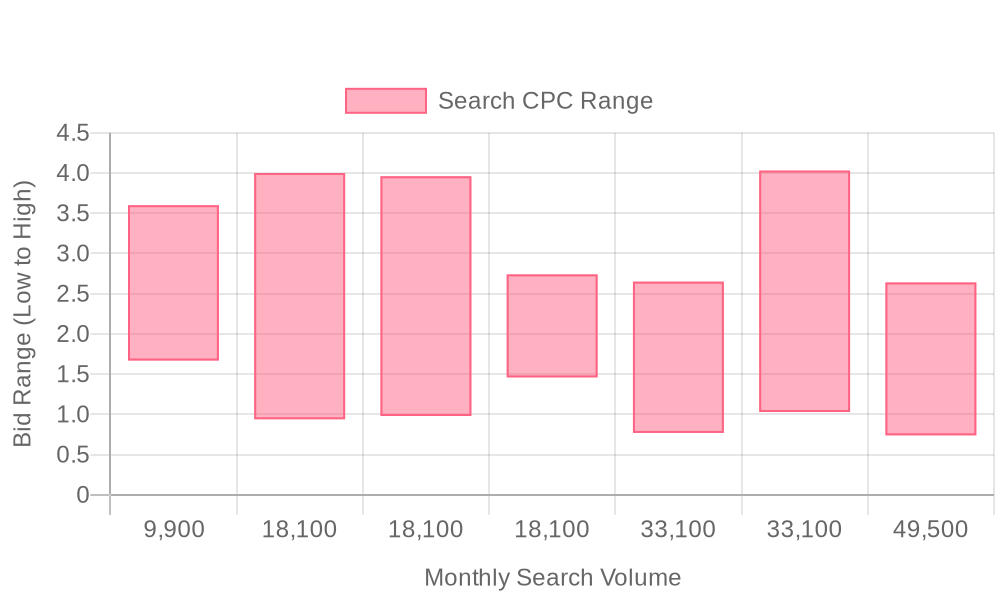
| Industry | Keyword | Monthly Search Volume | Competition Level | Low Bid | High Bid |
| Home Furnishings | perigold furniture | 9900 | HIGH | 1.67 | 3.6 |
| Home Furnishings | home furnishings | 18100 | HIGH | 0.94 | 4 |
| Home Furnishings | home office furniture | 18100 | HIGH | 0.98 | 3.96 |
| Home Furnishings | all modern furniture | 18100 | HIGH | 1.46 | 2.74 |
| Home Furnishings | bedroom furniture sets | 33100 | HIGH | 0.77 | 2.65 |
| Home Furnishings | conns furniture | 33100 | HIGH | 1.03 | 4.03 |
| Home Furnishings | home furniture | 49500 | HIGH | 0.74 | 2.64 |
Effective keyword strategy shapes the foundation of high-impact Google Ads for home furnishings. Focusing on high-intent search terms like "luxury furniture" or "modern home decor" enables campaigns to zero in on buyers already considering a purchase, ensuring that ad spend targets the most valuable prospects. These phrases consistently drive qualified traffic that is primed to convert, especially when mapped directly to product categories and in-demand collections. For further guidance on optimizing your campaigns, explore this step-by-step guide for furniture stores.
Long-tail keywords such as "mid-century modern dining table near me" or "ergonomic office chair for small spaces" capture nuanced buyer intent and reflect the specific needs of home furnishings shoppers. This approach not only improves conversion rates but also reduces cost-per-click by attracting visitors further down the purchasing funnel. Integrating negative keywords, like "free furniture" or "DIY home decor," refines targeting to exclude irrelevant searchers, maximizing budget efficiency and delivering more actionable leads for sales teams. Enhance your strategy with actionable insights from our playbooks.
Seasonal and trend-specific terms, such as "holiday home decor deals" or "outdoor furniture sale spring 2024," further enhance campaign adaptability by aligning with natural buying cycles and market trends. These timely keywords allow marketers to capitalize on surges in demand, ensuring ads appear when buyers are most likely to convert. Using platforms with advanced visitor identification, marketers can pinpoint companies and decision-makers behind high-value searches, then build dynamic keyword lists that evolve as market conditions and customer behaviors shift.
As prospects engage with different types of home goods or move from research to purchase, dynamic audience segmentation keeps keyword targeting in sync. Real-time intent data reveals which buyers are actively searching for new furnishings, empowering teams to shift budget toward high-converting segments and invest in terms with the greatest ROI potential. When CRM and ad platforms are unified, enriched audiences and keyword insights sync seamlessly, ensuring that every campaign stays relevant, efficient, and optimized for both online and in-store sales attribution.
Step-by-Step Campaign Execution Framework
Step 1: Build Targeted Keyword Lists
A high-performing Google Ads campaign for home furnishings begins with a robust, segmented keyword strategy. By dividing keyword lists according to product types, such as sofas, lighting, dining sets, and accent pieces, marketers maximize both ad relevance and coverage, ensuring that searchers looking for a specific item see the most relevant ads. For more granular strategies, this guide to Google Ads for home decor businesses offers actionable advice on segmentation and optimization.
Incorporating location-specific terms, such as "furniture store near me" or "modern home decor in Chicago," is essential for capturing intent-driven local searches. Negative keywords play an equally critical role, filtering out irrelevant queries and keeping budgets focused on high-value opportunities. With enhanced visitor identification and intent data, marketers can pinpoint which companies and individuals are actively searching for home goods, building keyword lists that align with actual in-market demand rather than guesswork.
The upgrade most home furnishings advertisers miss is going beyond raw keyword volume to layer in intent and identity signals. By connecting website-visitor data and CRM records with Sona Marketing Measurement, you can see which specific search terms bring in the accounts and customers that actually convert, and weight your keyword and bidding strategy toward those rather than the terms with the highest search volume alone.
Step 2: Develop Compelling Ad Copy
Ad copy for home furnishings must immediately convey value and trust to stand out in a crowded digital marketplace. Highlighting key benefits, such as exclusive deals, free shipping, or limited-time offers, entices users to engage, while social proof in the form of customer reviews or third-party certifications builds credibility. Copy that names the specific room, material, or use case, a "stain-resistant sectional for families with kids," for instance, outperforms generic promotional language because it mirrors how home furnishings buyers actually search.
By leveraging real-time audience segmentation, marketers can dynamically tailor messaging to match each lead’s position in the buying cycle. For example, ads shown to returning visitors who previously browsed luxury sofas can feature personalized offers or showcase high-end materials. This adaptive approach ensures that campaigns stay relevant, increases engagement, and helps move undecided prospects further down the funnel.
Step 3: Design Effective Landing Pages
An effective landing page for a home furnishings campaign must be tightly aligned with the keywords and ad copy driving traffic. Each page should immediately affirm the user’s search intent, whether for a specific sectional sofa or eco-friendly home accessories, creating a seamless and persuasive experience. For inspiration, review this case study on how Simons Furniture increased sales with digital advertising.
With advanced analytics, marketers can track which landing pages deliver the highest conversion rates and use A/B testing to continually refine design, messaging, and calls-to-action. When integrated with audience data, landing pages can even be personalized in real time, displaying products or recommendations based on previous browsing behavior, purchase history, or demographic insights. This level of sophistication streamlines the pathway to purchase and maximizes the impact of every visitor.
Step 4: Implement Data-Driven Optimizations
Ongoing optimization is central to extracting the full value from Google Ads campaigns in the home furnishings sector. A/B testing for both ad copy and landing pages enables continuous refinement, allowing teams to identify combinations that consistently outperform others. Smart bidding strategies, such as Target CPA or ROAS, ensure that budgets are automatically allocated toward conversions, driving cost efficiency while maintaining volume.
The integration of offline conversion data, such as phone inquiries, showroom visits, or completed sales, provides a holistic view of ROI and informs more accurate bid adjustments. By syncing CRM and lead data directly into advertising platforms, marketers can update dynamic audience lists in real time as prospects progress through the sales cycle.
Sona Marketing Measurement closes the gap between clicks and revenue. It captures every ad click with first-party measurement, ties that click through UTM capture and ad-platform APIs to the actual record in your CRM, and reports ROAS by keyword and campaign instead of by last-click form fill. Feeding that revenue signal back into Smart Bidding and Performance Max compounds over time: the algorithms optimize toward booked home furnishings revenue, not cheap leads.
Tips on Enhancing Your Home Furnishings Presence with Google Ads
Home furnishings brands leveraging Google Ads see measurable gains when integrating campaign strategies with audience intelligence and dynamic retargeting. Adopting a data-first approach allows teams to identify hidden opportunities within the customer journey and activate more relevant messaging at every touchpoint.
Broaden your digital footprint by utilizing retargeting to cross-promote educational content and product guides. This not only reinforces your product expertise but also increases your brand’s authority within the home decor market. By segmenting website visitors and serving them tailored guides, such as “How to Style Your Living Room” or “Choosing the Right Sofa Material”, you can elevate ongoing engagement and encourage repeat visits. When real-time visitor identification is layered in, marketers are able to pinpoint high-value prospects, personalize follow-up ads, and accelerate them through the funnel.
Develop partnerships with industry influencers to expand your reach and credibility in new customer segments. Influencers provide third-party validation, making your brand more relatable and trustworthy to diverse audiences. Integrating influencer audiences into your Google Ads targeting allows you to sync enriched lead data for coordinated campaigns, so both paid and organic channels reinforce your brand message and drive more qualified traffic.
Target potential customers based on demographic data and purchase history, tailoring your ad messages to align with specific consumer profiles. Advanced audience segmentation helps you distinguish between homeowners, renters, and recent movers, ensuring ads reflect each group’s buying motivations. When dynamic audience lists are updated automatically as leads interact with your site or content, your Google Ads campaigns can adjust in real time, delivering the right offer at precisely the right stage.
Leverage seasonal campaigns to align with major sales events like Black Friday, Memorial Day, or back-to-school promotions, intensifying engagement when your audience is most likely to purchase. Combining timely offers with behavior-based triggers allows you to shift budget toward high-converting accounts as intent signals change. For a step-by-step breakdown on optimizing campaigns for furniture brands, see this Google Ads for furniture stores guide. By attributing both online and offline conversions, teams gain a comprehensive view of Google Ads ROI for furniture, optimizing spend for peak performance throughout the year.
Incorporating Google Ads into your home furnishings marketing strategy offers substantial opportunities for growth and visibility. Smart keyword targeting, audience segmentation, and conversion-driven strategies help campaigns achieve strong ROI and capture fresh demand efficiently. By syncing enriched CRM and ad data, marketers keep efforts aligned across channels, strengthening digital marketing for home goods and consistently hitting business objectives.
Beyond Google Ads: Winning the AI Answers Home Furnishings Buyers Now Trust
Paid search captures demand at the moment someone types a query. But a fast-growing share of home furnishings buyers no longer start at Google at all, they ask ChatGPT, Gemini, or Perplexity before they ever run a search, and Google's own AI Overviews increasingly summarize an answer above the traditional results. If your business isn't referenced in those AI answers, you're invisible at the exact moment buyers build their shortlist.
Sona AI Visibility shows where your business shows up across ChatGPT, Gemini, Perplexity, Google AI Overviews, and 10+ engines, and, much like a keyword report, which prompts actually send you buyers, so you can prioritize the ones that convert. Run the two together and you cover the entire buyer path: get cited where buyers research (AI Visibility), then prove which of that demand turns into booked revenue (Marketing Measurement).
Helpful resources
Conclusion
The next shift in home furnishings advertising is less about squeezing more clicks from Google and more about knowing which clicks actually became customers. Retailers who connect ad platforms to CRM and sales data can finally see whether a click on "mid-century sectional" turned into a showroom visit and a signed order, not just a form fill. That closed loop, not a bigger budget, is what will separate the retailers who grow efficiently from the ones still guessing at ROI.
See how unifying your go-to-market data can sharpen every stage of your home furnishings advertising, from keyword selection to closed-loop revenue attribution. Start for free with Sona.
FAQ
What are the best practices for Google Ads in home furnishings?
Best practices include targeting high-intent prospects with specific keywords, aligning ad copy and landing pages, using advanced audience segmentation, and integrating CRM data for unified campaign management.
How can I optimize my Google Ads for furniture sales?
Optimize by using intent-driven keywords, aligning landing pages with ad copy, leveraging real-time audience segmentation, and continuously refining campaigns through A/B testing and smart bidding strategies.
What budget should I allocate for Google Ads in home decor?
Allocate budget based on targeting high-intent keywords and audiences, ensuring spend focuses on segments most likely to convert, and adjust dynamically using real-time data and intent signals.
Can I target specific demographics with Google Ads for home furnishings?
Yes, Google Ads allows targeting based on demographics and purchase intent, enabling campaigns to reach homeowners, renters, or commercial buyers with tailored messaging.
What metrics should I track for Google Ads success in home decor?
Track metrics such as conversion rates, ROI, audience engagement, and real-time behavior signals to ensure campaigns align with sales outcomes and effectively drive revenue.







