


Home elevator buyers rarely browse. They search with intent already formed, often after a fall, a diagnosis, or a renovation plan that finally puts a lift on the table, and they want an installer who can meet them at that moment. Google Ads is built for exactly this kind of moment-driven demand: it puts your business in front of homeowners and property managers the instant they start typing. Social media and email nurture relationships over time, but Google Ads closes the gap between someone deciding they need an elevator and someone deciding who installs it. Done well, it turns that search into a scheduled consultation through precise targeting, clear ROI tracking, and coordination with your other marketing channels.
How to Generate Home Elevator Installer Leads with Google Ads: A Step-by-Step Guide

Home elevator installers operate in a high-value, niche market where every qualified lead can represent substantial revenue. Capturing these leads efficiently requires a blend of data-driven targeting, message personalization, and continuous optimization informed by actionable insights.
A well-orchestrated Google Ads strategy begins with a granular understanding of your ideal customer profile and the buyer journey unique to home elevator installations. By using advanced analytics and intent data, marketers can identify in-market homeowners and decision-makers, moving beyond traditional guesswork to target high-converting opportunities in real time.
- Embrace a data-driven approach tailored to the home elevator market: Demand for residential elevators tends to cluster around specific triggers, an aging-in-place decision, a mobility diagnosis, a multi-story renovation, and around seasons when homeowners take on capital projects. Unifying your data sources helps surface these patterns in search behavior and regional demand so budget follows real buying windows instead of guesswork. For actionable strategies specific to this sector, review Google Ads for home builders to further refine your campaign focus and reduce wasted spend.
- Identify high-impact keywords and audience segments unique to your services: Core search terms such as "home elevator installation," "residential elevator company," and "custom elevator for homes" should be complemented with long-tail and location-specific phrases. Platforms that enrich anonymous visitor data with company-level and behavioral context let you surface hidden intent at the account level, so high-value prospects, like a property management firm quietly researching ADA retrofits, don't slip through the cracks.
- Align landing pages and creative to optimize conversion rates: Elevator buyers often want two things fast: a rough price range and a real person who can assess their stairwell or shaft space. Dedicated landing pages with pricing calculators or instant consultation booking keep that momentum going. Because a homeowner who requested a quote today may call a competitor tomorrow, integrating dynamic lead routing gets the handoff from click to sales follow-up moving before interest cools.
- Implement performance optimization tactics to enhance campaign ROI: Machine learning models can analyze campaign data and recommend adjustments to bids, budgets, and creative, focusing spend on the segments most likely to schedule consultations or request quotes. Predictive models also allow preemptive reallocation of spend toward the channels and audiences performing best.
- Ensure seamless cross-channel integration for a cohesive marketing strategy: Unifying Google Ads data with CRM and marketing automation platforms provides a single source of truth for lead status, engagement, and conversion value. This eliminates silos and enables fluid retargeting workflows as prospects move from research to decision, rather than one generic message following everyone regardless of where they are in the process.
Whether you run campaigns in-house or through an agency, these practices compound as you operationalize them. If you want to see how they work in practice, get started for free with Sona to streamline lead generation and campaign optimization. The sections below walk through a step-by-step playbook for driving consistent, high-quality leads through Google Ads for home elevator installers, with tactics that scale as the business grows.
Why Does Google Ads Matter for Home Elevator Installers?
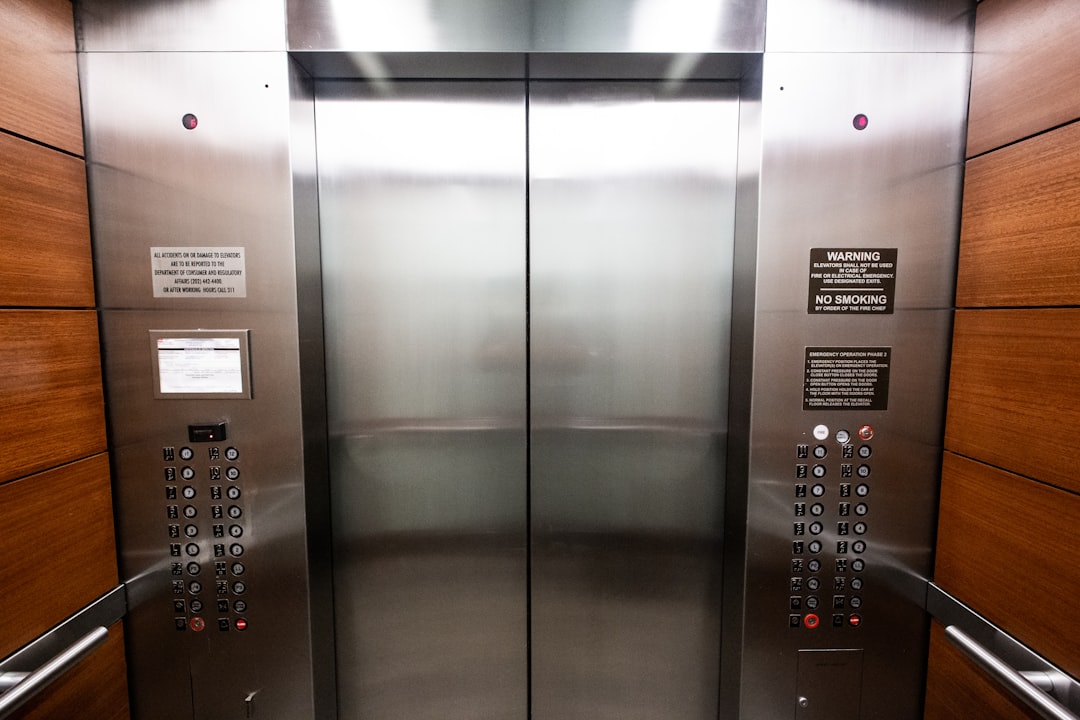
Home elevator installers operate in a highly specialized market where precision targeting and timely engagement make a measurable difference in lead quality and revenue growth. Google Ads provides a direct path to connect with homeowners and commercial property managers seeking custom elevator solutions, ensuring that marketing budgets are allocated to high-intent opportunities.
- Specialized audience access: Google Ads enables installers to reach decision-makers searching for ADA-compliant upgrades or luxury elevator installs at the exact moment demand peaks. This minimizes wasted spend and maximizes exposure to prospects who are actively budgeting for a project. Explore actionable Google Ads strategies for home builders to refine your targeting and messaging.
- Rapid response to urgent demand: When a homeowner or contractor urgently needs a solution, such as a retrofit for accessibility or a new construction elevator, Google Ads allows businesses to surface their services instantly. This immediate visibility ensures that hot leads are captured before competitors can respond, and leveraging real-time audience segments can further improve conversion rates.
- Targeted expansion into new regions: Tailored ad strategies create visibility in emerging markets and affluent neighborhoods where elevator installation demand is accelerating. By customizing messaging and geo-targeting, installers can achieve higher engagement rates and build a dominant local presence. For tips on segmenting prospects by buying stage, explore this buying stage segmentation guide.
- Enhanced ROI through closed-loop data: Google Ads analytics paired with advanced attribution tools allow teams to track every touchpoint from click to conversion, including offline actions like showroom visits or phone consultations. By integrating enriched visitor and lead data into their CRM and ad platforms, B2B teams obtain a full-funnel view of ad effectiveness, enabling smarter reallocation of budget to top-performing segments and campaigns. Maximize campaign value by automating CRM and ad platform data sync.
Ready to unlock more qualified leads and measure true marketing impact? Get started for free with Sona.
Common Types of Google Ads Campaigns for Home Elevator Installers

Google Ads for Home Elevator Installers provides a multi-faceted digital marketing approach that matches the complexity of the residential elevator buying journey. By strategically leveraging different campaign formats, installation companies can capture demand at every stage, from initial research to final purchase decision. Each campaign type serves a distinct role in building awareness, driving engagement, and ultimately generating high-quality leads for sustained business growth. For a deeper dive into digital marketing strategies tailored for residential elevator businesses, review this guide to home elevator marketing.
- Search Campaigns: For home elevator installers, search campaigns are fundamental to intercepting high-intent keywords such as “home elevator cost calculator,” “residential elevator installers near me,” and “luxury home lift installation.” These campaigns present your offer directly to prospects actively seeking solutions, allowing you to capture demand at its peak. By aligning ad copy with specific buyer needs, marketers can guide users toward conversion-focused landing pages. With advanced identification, you can go beyond click metrics and identify which companies and decision-makers are searching, turning anonymous web traffic into actionable sales opportunities.
- Display Ads: Display networks keep your brand in the consideration set as buyers browse home improvement content, architectural blogs, and related forums. This approach maintains visibility among audiences who may be in early research phases or comparing multiple elevator providers. Carefully targeted display ads, when powered by real-time audiences, allow you to shift budget toward users who have demonstrated active interest, maximizing top-of-mind awareness during the buying cycle. Seamless data syncing ensures that high-value accounts are automatically added to display audiences as they engage across digital touchpoints.
- Video Ads: Video campaigns deliver a powerful medium to visually communicate the sophistication, safety features, and design flexibility of modern home elevators. By showcasing installation processes, user testimonials, and finished projects, installers can educate buyers and address common concerns in an engaging format. Video engagement data, combined with dynamic audience signals, enables you to nurture interested viewers through retargeting and personalized follow-up, accelerating the path from interest to booked consultation.
- Remarketing: Remarketing is essential for elevating conversion rates in a high-touch, high-value industry like elevator installation. By reconnecting with previous site visitors through tailored ads across search, display, and video, you create multiple touchpoints that support complex decision cycles. As leads progress or re-engage, dynamic audience lists update in real time, ensuring that messaging is always relevant to the buyer’s current stage and intent. This level of precision helps address one-size-fits-all messaging limitations and improves ROI by focusing spend on the most sales-ready prospects.
- Assets: Ad assets add critical differentiation in crowded search results. For home elevator installers, assets highlighting certifications, warranties, 24/7 support, and showroom locations build trust and drive higher-quality leads. Using enriched CRM and conversion data, these assets can be tailored to emphasize the credentials and offers most likely to resonate with distinct audience segments, further improving campaign relevance and lead-to-sale conversion rates.
Each Google Ads format plays a strategic role in the marketing funnel for home elevator installers, and Performance Max campaigns, which combine Search, Display, video, and other inventory under one automated bidding strategy, are worth testing alongside them once you have enough conversion data to feed the algorithm. When these formats are unified and enhanced by real-time account data, intent signals, and dynamic audience management, businesses can achieve more measurable, scalable, and profitable growth. To see how you can put these strategies into practice, get started for free with Sona today.
Where to Find Growth Opportunities

Expanding growth opportunities for home elevator installers requires a precise, data-driven approach that looks beyond standard paid search tactics. Teams that leverage intent signals and accurate segmentation consistently capture higher-value leads and avoid wasted spend on low-potential audiences.
- Specialized keyword targeting: Pinpointing high-intent phrases such as “custom home elevator installation” or “residential elevator retrofitting” uncovers pockets of demand that broader campaigns often miss. Integrating these terms into your broader content and paid strategy ensures that value-driven queries are captured, while advanced audience identification platforms help marketers recognize not just the keywords but the companies and decision makers behind every search. This level of insight closes coverage gaps where high-value leads might otherwise escape both tracking and follow-up, making every click more actionable.
- Underserved segment identification: Analyzing competitor activity and Google Ads auction insights exposes lucrative market segments that have less competition and lower bid pressure. For home elevator businesses, understanding where competitors are over- or under-indexed enables you to rebalance budget toward high-potential areas; you can find some effective strategies in this guide to Google Ads for the elevator industry. Modern platforms surface engagement patterns in real time, enabling revenue teams to shift spend as soon as new intent signals emerge, resulting in more accurate audience segmentation and improved cost efficiency.
- Industry directories and niche forums: Many high-intent prospects research home elevator solutions in specialized industry directories, local accessibility forums, and renovation-focused online groups. These platforms often fall outside the reach of organic content and generic ad placements. Integrating engagement data from these sources with your advertising initiatives ensures you achieve complete visibility across all stages of the buyer journey. Marketers can use enriched visitor data to identify which companies are engaging in these spaces, allowing targeted outreach and remarketing based on real engagement, not anonymous clicks.
- Retargeting with educational content: Retargeting strategies that deliver educational resources like installation guides, safety checklists, or virtual showroom tours keep your brand top-of-mind for prospects still in the research phase. Dynamic audience segmentation tools ensure these retargeting pools automatically update as leads progress through the funnel, preventing wasted impressions on already-converted contacts while nurturing those who need more information. Enriched lead and engagement data can be synchronized directly into your CRM and Google Ads account, making follow-up not only timely but personalized to each prospect’s stage and intent.
This unified, multi-channel approach allows home elevator installers to identify, reach, and convert the audiences that matter most. Combining granular keyword targeting, real-time intent monitoring, and enhanced audience management ensures every marketing dollar drives measurable business growth.
How to Apply Audience Segmentation for Home Elevator Installers

Audience segmentation elevates the relevance and profitability of your marketing strategy in the home elevator industry. By structuring campaigns around distinct audience types, installers can ensure every advertising dollar aligns with the needs and purchase signals of their highest value prospects. For a deeper dive into building audience segments that drive pipeline, explore this guide to account identification.
- Define Key Segments: Distinguish between residential and commercial installation prospects from the outset. Residential customers often seek solutions for accessibility, luxury, or aging-in-place, while commercial prospects prioritize compliance and building traffic demands. Creating separate audience segments prevents muddled campaigns and allows for creative tailored to the emotional and technical drivers of each group. In practice, this means building unique lists based on website engagement, content downloads, or CRM data that reflect whether a lead is a homeowner, architect, or property manager.
- Overlay Intent Signals: Targeting is most effective when layered with real-time data indicating a user's purchase stage or intent. For example, users browsing detailed elevator specifications or requesting maintenance guides are likely further along in their decision process. Leveraging behavioral data and in-market signals enables marketers to automatically shift budget and creative focus to accounts actively researching installation or upgrades. When your audience lists update dynamically as leads interact with key site elements, your campaigns remain agile, maximizing exposure to those most likely to convert before they move on to competitors. For proven Google Ads strategies tailored to the home elevator industry, see this PPC campaign optimization guide.
- Customize Ad Groups: Once segments are defined, align each ad group with the unique pain points and goals of its audience. Messaging for luxury home elevator buyers might emphasize design integration, while those interested in accessibility value safety certifications and lifetime support. This granular approach allows campaigns to test offers, testimonials, and visuals that speak directly to each segment’s priorities, driving engagement and higher quality conversions. With a unified data approach, marketers can re-engage leads with tailored messaging as their status changes, such as shifting from information gathering to requesting a quote.
- Validate Conversion Paths: True performance optimization requires seamless tracking from ad click through to final sale or installation. Integrating conversion actions like quote requests and phone calls with your CRM closes the loop between marketing and sales, surfacing which segments and touchpoints produce the most valuable leads. Advanced attribution capabilities let you track both online and offline interactions, ensuring no high-value lead is missed and every campaign adjustment is based on real revenue impact. Syncing enriched audience and conversion data across platforms removes blind spots, powering smarter retargeting and more precise lookalike modeling for future campaigns.
This is also where measurement changes the economics. With Sona Marketing Measurement you can identify the companies behind your ad clicks, not just anonymous sessions, and segment audiences by which accounts actually become customers. That lets you build bid adjustments and audience signals around the segments that convert and de-prioritize the ones that don't, so you feed Google's algorithms "this click became a paying home elevator installers customer" instead of just "someone filled out a form."
Keyword Strategy & Sample Target Terms
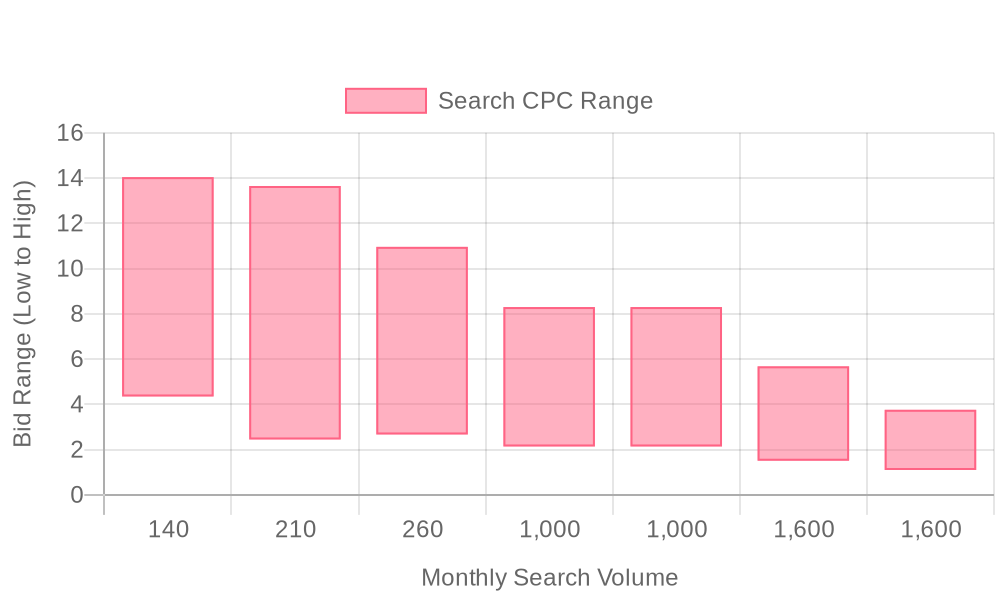
| Industry | Keyword | Monthly Search Volume | Competition Level | Low Bid | High Bid |
| Home Elevator Installers | residential elevator installers near me | 140 | LOW | 4.35 | 14.04 |
| Home Elevator Installers | home elevator installation near me | 210 | MEDIUM | 2.45 | 13.65 |
| Home Elevator Installers | residential elevator installation | 260 | LOW | 2.67 | 10.96 |
| Home Elevator Installers | home elevator installers | 1000 | LOW | 2.14 | 8.3 |
| Home Elevator Installers | in home elevator installation | 1000 | LOW | 2.14 | 8.3 |
| Home Elevator Installers | elevator installation cost | 1600 | LOW | 1.51 | 5.68 |
| Home Elevator Installers | cost to install elevator in home | 1600 | LOW | 1.1 | 3.76 |
Effective keyword strategy is the foundation for profitable Google Ads campaigns in the home elevator installation space. By focusing on intent-rich, industry-specific terms, marketers can align their paid search investments with the segments most likely to convert, driving qualified leads and greater efficiency with every dollar spent. For a deeper dive into aligning your keyword approach with broader demand generation, browse our blog articles.
- High-Intent Keyword Prioritization: Selecting terms such as "ADA-compliant home elevators" or "residential elevator installation services" ensures ads reach prospects actively seeking to purchase or upgrade. These keywords consistently draw in-market buyers rather than casual researchers, resulting in higher conversion rates and a lower cost per acquisition. Sona's intent signals let marketers pivot budget toward these high-value terms as search patterns shift, maximizing campaign agility and resource allocation.
- Niche and Low-Competition Keyword Optimization: Targeting long-tail phrases like "custom home elevator designs," "hydraulic elevator installer near me," or "luxury residential lift solutions" reduces wasted spend on broad, competitive queries. These low-competition keywords capture specific buyer needs and often reveal readiness to engage, helping campaigns surface in less crowded auctions. SEO keywords for elevator companies offers useful inspiration for these niche targets. With company and visitor identification, marketers can further refine keyword lists to match high-value accounts identified in their CRM, optimizing for relevance and reach.
- Negative Keyword Application: Excluding irrelevant search terms such as "elevator repair," "industrial elevator," or "dumbwaiter installation" is critical to protect budgets from unqualified clicks. Negative keyword lists should be routinely updated based on live search data and conversion insights, ensuring campaign spend is reserved for the most promising queries. Advanced audience analytics and real-time engagement data inform ongoing negative keyword refinement, allowing teams to respond rapidly to shifts in search intent and filter out wasteful traffic.
- Keyword Consistency Across Assets: Embedding target keywords into ad headlines, descriptions, and landing page copy creates a unified experience from search to conversion. This alignment enhances ad relevance, improves Quality Scores, and supports higher engagement metrics. As audiences move through the funnel, dynamic audience updates ensure that messaging, keyword focus, and targeting evolve in tandem, keeping campaigns in sync with buyer journey progression and maximizing lead nurturing effectiveness.
- Performance Monitoring and Optimization: Ongoing analysis of keyword-level engagement and conversion data ensures that only the most effective terms receive continued investment. Integrating advanced conversion tracking, including both online queries and offline consultations, provides a complete view of ROI by attributing closed deals to the original keyword source. This data-driven approach empowers agile adjustments, reallocating budget to keywords, audiences, and regions generating the highest business impact and supporting sustainable home elevator business growth. To see how you can implement these strategies with zero friction, get started for free with Sona.
Step-by-Step Campaign Execution Framework
Achieving predictable growth in the home elevator installation sector requires a disciplined approach to campaign architecture. Each execution step, from keyword curation to ongoing optimization, must be aligned with the buyer journey and technical complexity that defines this market. By focusing on data-driven processes, marketers can transform raw search demand into sales-ready opportunities while maintaining efficiency and scalability.
A unified strategy connects granular targeting, tailored messaging, and conversion-centric user experiences. When every campaign touchpoint is informed by real-time behavioral signals and enriched account profiles, teams gain the agility to prioritize high-value prospects and reduce wasted spend. This framework outlines how advanced Google Ads for Home Elevator Installers, when seamlessly integrated with modern revenue platforms, deliver actionable insights that drive business growth and measurable ROI.
Step 1: Build Targeted Keyword Lists
- Cluster terms by service type: Organizing keywords based on core offerings, such as "home elevator installation," "residential lift upgrades," or "elevator maintenance contracts", ensures each campaign segment addresses a distinct buyer intent. This clustering improves relevance, elevates quality scores, and aligns ad groups with specific prospect needs.
- Use locale-specific modifiers and long-tail keywords: Terms like "custom home elevator installer in Chicago" or "ADA-compliant residential lift Los Angeles" attract high-intent leads ready for consultation. Long-tail phrases often signal purchase readiness and deliver above-average conversion rates.
- Apply negative keywords to refine targeting precision: Excluding unrelated search terms such as "freight elevator," "DIY elevator kit," or "elevator repairman jobs" prevents wasted budget and focuses spend on prospects most likely to engage.
By integrating advanced visitor identification, marketers can move beyond anonymous traffic and pinpoint the companies and individuals engaging with these keywords. This enables dynamic audience creation, ensuring campaigns are only reaching those most aligned with the business’s service offering and ideal customer profile.
Most home elevator installers stop at keyword volume. The better move is layering in intent and identity signals: connect website-visitor data and CRM records through Sona Marketing Measurement, and you can see which specific search terms bring in the accounts and customers that actually convert, then weight your keyword and bidding strategy toward those instead of the terms with the highest raw search volume.
Step 2: Develop Compelling Ad Copy
- Focus headlines on solving recognized industry pain points: Headlines such as "Seamless Home Elevator Installations for Multi-Story Living" or "Increase Accessibility with Certified Residential Elevator Experts" directly address the motivations of luxury homeowners and property managers.
- Use strong trust signals and incentives in call-to-action: Incorporating phrases like "Free On-Site Assessment," "10-Year Warranty Included," or "Licensed and Insured Installations" provides assurance and motivates engagement. Trust-centric CTAs convert cautious prospects into qualified leads.
Real-time intent data lets teams rapidly update messaging to reflect shifting market dynamics or competitive offers. By syncing creative with account-level activity and funnel stage, marketers can personalize ad copy for each audience segment, increasing relevance and driving higher click-through and conversion rates. For more PPC copywriting best practices, explore this actionable PPC tips guide.
Step 3: Design Effective Landing Pages
- Ensure proper keyword to ad to landing page alignment: Each landing page should reinforce the promise made in the ad and address the specific query that led the visitor there. Consistency across the funnel reduces friction and builds trust, keeping prospects engaged as they move toward conversion.
- Incorporate proof elements like case studies and ROI calculators: Showcasing real-world installation results, customer testimonials, and interactive pricing calculators empowers visitors to make informed decisions. Visualizing potential return on investment or accessibility improvements further reduces hesitation.
With advanced platform integrations, landing pages can adapt content dynamically based on the originating keyword or visitor profile. This personalization keeps conversion rates high as user journeys become more complex and data-driven, and enables seamless syncing of captured leads with sales systems for immediate follow-up. To maximize conversion, consider these digital marketing solutions for residential elevator businesses.
Step 4: Implement Data-Driven Optimizations
- Measure performance and adjust strategies using smart bidding methodologies: Leverage automated bidding strategies that optimize for conversions or target cost per acquisition, ensuring budgets are always allocated to the highest performing segments.
- Import real-world conversion data to refine campaign tactics: Connecting offline sales outcomes, such as signed installation contracts or completed site surveys, to ad interactions allows for a closed-loop feedback system. This enables accurate ROI measurement and continuous improvement.
Synchronized CRM and ad platform data ensures that audience segments and lead statuses are always current. As leads progress or convert, dynamic audiences automatically update, while conversion tracking captures both online and offline actions. This ecosystem gives marketers unparalleled visibility into which campaigns, keywords, and creative are driving true business outcomes, fueling smarter decisions and scalable growth for home elevator installers. If you’re ready to streamline your marketing data and accelerate results, get started for free with Sona.
Sona Marketing Measurement closes the gap between clicks and revenue. It captures every ad click with first-party, company-level tracking, then ties that click through UTM capture and ad-platform APIs to the actual record in your CRM, and reports ROAS by keyword and campaign instead of by last-click form fill. Feeding that revenue signal back into Smart Bidding and Performance Max compounds over time: the algorithms optimize toward booked home elevator installers revenue, not cheap leads.
Beyond Google Ads: Winning the AI Answers Home Elevator Installers Buyers Now Trust
Paid search captures demand at the moment someone types a query. But a fast-growing share of home elevator installers buyers no longer start at Google at all, they ask ChatGPT, Gemini, or Perplexity before they ever run a search, and Google's own AI Overviews increasingly summarize an answer above the traditional results. If your business isn't referenced in those AI answers, you're invisible at the exact moment buyers build their shortlist.
Sona AI Visibility shows where your business shows up across ChatGPT, Gemini, Perplexity, Google AI Overviews, and 10+ engines, and, much like a keyword report, which prompts actually send you buyers, so you can prioritize the ones that convert. Run the two together and you cover the entire buyer path: get cited where buyers research (AI Visibility), then prove which of that demand turns into booked revenue (Marketing Measurement).
Helpful resources
Conclusion
Google Ads works for home elevator installers because it meets a narrow, high-value audience at the moment they're ready to act, not because of any single tactic. Targeting, keyword strategy, and ad management all matter, but they matter most when they're built around how this specific buyer researches and decides.
The next competitive edge won't come from another keyword or ad tweak alone. It will come from knowing which clicks turned into signed contracts and feeding that back into your bidding, and from showing up in the AI answers buyers now consult before they ever open Google. Installers who connect those two loops now will be the ones setting the pace in this market a year from now.
To put these strategies to work, explore a platform that unifies your go-to-market data and turns it into action. Start for free
FAQ
What are the best practices for Google Ads in the home elevator industry?
Best practices include using data-driven targeting, message personalization, and continuous optimization informed by actionable insights. It is important to leverage unified data sources to uncover patterns in search behavior, seasonality, and regional demand, and to ensure seamless cross-channel integration for a cohesive marketing strategy.
How can I optimize my Google Ads for home elevator installations?
Optimize your Google Ads by identifying high-impact keywords, aligning landing pages and creative to optimize conversion rates, and implementing performance optimization tactics using insights from predictive models. It is also crucial to integrate Google Ads data with CRM and marketing automation platforms.
What budget should I allocate for Google Ads as a home elevator installer?
The article does not specify an exact budget, but emphasizes the importance of allocating budgets to high-intent opportunities and using advanced analytics to identify high-converting opportunities, ensuring that marketing dollars are spent efficiently.
What keywords should I target for Google Ads in the elevator market?
Target high-intent keywords such as 'home elevator installation,' 'residential elevator company,' and 'custom elevator for homes.' Complement these with long-tail and location-specific phrases for better targeting and conversion rates.
How can I measure the success of my Google Ads campaigns for home elevators?
Measure success by tracking every touchpoint from click to conversion, including offline actions. Use Google Ads analytics paired with advanced attribution tools to obtain a full-funnel view of ad effectiveness, enabling smarter reallocation of budget to top-performing segments and campaigns.







