


Home centers lose sales in the gap between a click and a follow-up call. A homeowner searches for deck stain or a contractor looks up bulk lumber pricing, clicks an ad, and then waits days for a callback because the lead sat in a queue instead of reaching a rep while intent was still hot. Google Ads, used well, closes that gap: it puts your store in front of shoppers at the exact moment they're searching for a project solution, and it gives you the data to prove which searches turn into sales rather than just clicks. This guide walks through building a Google Ads program for home centers that captures high-intent traffic, routes it fast, and ties spend back to actual revenue.
How to Generate Google Ads Leads for Home Centers: A Step-by-Step Guide

A high-performing Google Ads strategy for home centers depends on capturing real buying intent at the moment it emerges. Many home improvement retailers miss out on prime leads because CRM records lag behind digital touchpoints, causing revenue teams to act after prospects have moved on. Efficient Google Ads for Home Centers starts with a unified approach: identify, engage, and convert high-value prospects before your competitors do by leveraging intent signals and identification technology.
This guide provides a comprehensive framework for integrating Google Ads into your home center marketing engine. You will learn how to use precise keyword targeting, audience segmentation, and CRM synchronization to move beyond generic PPC for home centers. For actionable insights on aligning creative assets, landing pages, and performance insights, review our marketing analytics blog.
Step 1: Build Targeted Keyword Lists
Home centers succeed with Google Ads when keyword lists reflect the real-world needs and search habits of homeowners and contractors. Instead of settling for broad terms, research should identify long-tail keywords such as "home improvement supplies near me," "deck building kits," or "plumbing parts for old homes." Segment keywords by project type and urgency, which helps filter out low-intent browsers and prioritize in-market buyers. With advanced visitor identification, you can pinpoint which keywords are attracting not just clicks, but actual qualified prospects, enabling smarter budget allocation and more relevant ad copy. For a broader overview of effective strategies, explore this Google Ads guide for keyword matching.
The upgrade most home centers advertisers miss is going beyond raw keyword volume to layer in intent and identity signals. By connecting website-visitor data and CRM records with Sona Marketing Measurement, you can see which specific search terms bring in the accounts and customers that actually convert, and weight your keyword and bidding strategy toward those rather than the terms with the highest search volume alone.
Step 2: Set Up Custom Audiences and Geo-Targeting
Effective digital marketing for home centers requires audiences that update dynamically as leads progress through the funnel. Segment your audience into DIY homeowners, renovation professionals, and property managers. Use location targeting to focus on service areas within driving distance of your stores, increasing the odds of converting online searches into in-store visits. By syncing real-time audience segments with Google Ads, you ensure that every new lead or customer is instantly available for retargeting or exclusion, minimizing wasted impressions and duplicative outreach.
Step 3: Align Creative and Landing Pages
The home improvement buying journey is visual and detail-oriented. Ads should highlight inventory availability, store expertise, and time-sensitive offers. Every ad group should link to a landing page that matches user intent: for example, “tile installation specials” ads should land on a page featuring before-and-after project photos, testimonials, and a simple form or click-to-call option. Learn how to optimize PPC campaigns for hardware store websites to increase conversions and ROI.
Step 4: Implement Conversion Tracking and Performance Optimization
Accurate online and offline conversion tracking is crucial for home center advertising. Use tracking tools to capture form fills, phone calls, and even in-store purchases attributed to digital campaigns. Combining conversion tracking with CRM insights reveals which campaigns generate the highest-value leads, allowing you to adjust bids and creative in real time. As customer interactions flow into your unified database, you can refine your audience segments, create lookalike audiences of top-performing buyers, and shift budget toward the channels and keywords delivering the strongest ROI.
Sona Marketing Measurement closes the gap between clicks and revenue. It captures every ad click with first-party, cookieless tracking, then ties that click through UTM capture and ad-platform APIs to the actual record in your CRM, and reports ROAS by keyword and campaign instead of by last-click form fill. Feeding that revenue signal back into Smart Bidding and Performance Max compounds over time: the algorithms optimize toward booked home centers revenue, not cheap leads.
Step 5: Integrate Cross-Channel Marketing for Timely Follow-Up
Google Ads for home centers achieves its full potential when paired with coordinated follow-up sequences. Syncing CRM and Google Ads data makes it possible to trigger timely nurture emails or sales outreach as soon as a lead engages with your ad or landing page. Automated workflows ensure that high-intent prospects receive relevant touchpoints, such as special offers or reminders, across channels. Discover proven strategies for driving high-impact campaigns with first-party intent signals.
This structured approach to Google Ads for Home Centers enables revenue teams to unify their digital marketing efforts, capture more qualified home improvement leads, and achieve measurable improvements in sales performance. By leveraging real-time intent signals, CRM synchronization, and continuous creative optimization, your home center can turn every online interaction into a growth opportunity, get started for free with Sona.
Why Google Ads are Essential for Home Centers

Home center shoppers tend to search with a project already in motion, a leaking pipe, a kitchen gutted for remodel, a fence blown down in a storm, which makes Google Ads a better fit for this trade than most. These are people searching with urgency and a rough budget already in mind, and the retailer who shows up first, with the right product in stock, tends to win the sale.
Unlike broad awareness channels, Google Ads attracts customers entering pivotal project phases, such as kitchen remodels or major repairs, ensuring that leads do not cool off before an offer is made. By reaching these prospects with timely, relevant messaging, home centers can secure new business before competitors have the chance to respond. Explore additional strategies in our marketing analytics blog.
Rapid response matters most during urgent scenarios, a burst pipe, storm damage, an appliance that dies the night before guests arrive. Google Ads lets home centers show up as the fastest, most convenient option for customers who need supplies or expert help right away, and speed is often the deciding factor when a project has a hard deadline. Sona's Identity Resolution identifies which companies are visiting your website, even before anyone fills out a form.
Strategic targeting with Google Ads goes beyond traditional methods, letting home centers expand their reach into emerging markets and demographic segments that are actively researching home improvement projects. With real-time audience targeting, campaigns can adapt as new homeowner trends emerge, capturing interest from both first-time buyers and seasoned DIYers.
Closed-loop measurement raises the bar for marketing analytics in this sector. Home centers that unify ad performance, lead tracking, and sales outcomes gain insights that let sales teams prioritize high-intent opportunities and close deals faster. When visitor-level data feeds directly into sales workflows, reps follow up with precision, which tends to mean higher close rates and stronger returns on Google Ads spend.
Common Types of Google Ads Campaigns for Home Centers

- Search Campaigns: Search campaigns are the foundation for capturing high-intent customers seeking home improvement solutions. These campaigns focus on bottom-of-the-funnel queries, ensuring ad spend reaches users most likely to convert. Marketers can further refine targeting by leveraging real-time intent signals, allowing budget reallocation toward accounts actively researching home projects or specific product categories. When platforms unify search behavior with offline CRM data, home centers can identify not just anonymous clicks but the actual companies and individuals showing buying signals, unlocking more efficient spend and faster sales cycles. For a practical overview of strategies tailored for home improvement stores, see this guide to Google Ads for home improvement stores.
- Display Ads: Display campaigns help home centers maintain visibility and reinforce their brand message across popular home improvement sites, blogs, and forums. This tactic keeps the brand in front of high-potential prospects who may have previously engaged through social campaigns or earlier search interactions but have not yet converted. By syncing dynamic audience segments from a unified platform, display ads can automatically update to reach leads who have moved deeper into the funnel or recently interacted with in-store promotions, maximizing top-of-mind awareness for both DIY homeowners and professional contractors. To further optimize campaign performance, check out our collection of actionable playbooks.
- Video Ads: Video ads allow home centers to demonstrate the impact of their products and services through engaging storytelling. Whether showcasing customer renovation journeys, expert tips, or before-and-after transformations, these ads create emotional resonance with prospects considering significant home investments. Integration with advanced analytics platforms enables marketers to pinpoint which videos drive offline visits or higher-value conversions, connecting creative success to measurable business outcomes. Explore how Sona can help you track every touchpoint and gain insight into the buyer journey for better campaign optimization.
- Remarketing: Remarketing is essential for re-engaging visitors who have shown interest but left without converting. These campaigns remind past site visitors of relevant solutions and promotions at key points in their decision-making process. When remarketing lists are enriched with behavioral data and CRM integrations, home centers can tailor messaging based on purchase history, project stage, or recent in-store interactions. This ensures ads remain timely and personalized, driving higher reactivation rates and lowering the overall cost per acquisition. For more on building effective remarketing strategies, visit our blog on marketing analytics.
- Assets: Ad assets (formerly called extensions) add critical trust signals to every campaign, including location, call, and speed of service details. For home centers, assets like local inventory, store hours, and quick-response callouts increase reliability and appeal, encouraging both online inquiries and foot traffic. Unified data lets these assets reflect real-time inventory, service availability, or staff expertise, building credibility and reducing friction for customers ready to act.
Where to Find Growth Opportunities for Home Centers
Growth for home centers hinges on precision in identifying untapped market segments and aligning digital strategy with real-world buyer needs. Modern revenue teams leverage advanced analytics and unified data to surface actionable opportunities and tailor campaigns for maximum relevance at every stage of the funnel. For the latest thinking on analytics-driven marketing, visit the Sona blog.
- Vertical Keyword Targeting: Specializing in vertical keyword targeting allows home centers to capture high-value prospects who are actively searching for niche solutions such as “custom cabinetry installation” or “eco-friendly insulation services.” Integrating these specialty services into your content and paid strategy ensures your brand is discovered by buyers with both need and budget. By using real-time visitor identification and in-market intent signals, marketers can immediately recognize which specialty queries drive qualified traffic. For actionable strategies, see this overview of effective Google Ads strategies for home improvement stores.
- Gap Analysis: Unlocking underserved customer segments requires robust gap analysis using tools like SEMrush. By analyzing competitor coverage and keyword penetration, you can discover opportunities where timely follow-up and context-driven ads will have the greatest impact. Revenue teams benefit from unified intent data, which pinpoints not just anonymous traffic but actual companies and high-value accounts engaging with your content. Explore further with this case study on PPC campaigns for home improvement businesses.
- Industry-Specific Placements: Growth accelerates when home centers explore industry-specific ad placements across trade forums, directories, and platforms where organic presence is limited. Innovative digital marketing for home centers means reaching decision-makers where they seek peer advice or vendor solutions, often outside mainstream search channels. With audience enrichment, marketers can automatically sync high-intent leads from these placements into CRM and ad platforms, building persistent audiences that fuel retargeting and nurture campaigns.
- Content Retargeting: Effective home center advertising extends beyond direct response ads. Leveraging whitepapers, project guides, or educational webinars as content retargeting assets keeps your brand top-of-mind through long sales cycles. By tracking engagement and dynamically updating audiences as prospects download resources or attend online events, you maintain engagement and accelerate deal velocity. Advanced conversion tracking ensures every touchpoint, whether online or in-store, is measured for true ROI, enabling a closed-loop strategy that rewards the most effective creative and channels. If you're ready to put these strategies into action, get started for free with Sona.
How to Apply Audience Segmentation for Home Center Advertising

Precise audience segmentation is foundational for maximizing every advertising dollar spent in the home improvement sector. By grouping prospects based on their renovation needs, DIY interests, or project timelines, home centers can focus efforts where buyer intent is highest and conversion rates are most promising. Segmentation enables marketing teams to deliver personalized messaging, display relevant offers, and eliminate wasted spend on low-probability audiences.
- Segment Targeting: Grouping customers by project type or expertise level helps home centers tailor their campaigns for better relevance. For example, one segment may consist of first-time homeowners researching basic repairs, while another includes seasoned DIYers or professional contractors seeking specialized materials. This division allows marketers to craft ad groups and creative assets that directly address each group’s pain points and desired outcomes. When segments are updated dynamically based on browsing patterns or product engagement, teams can stay ahead of shifting demand and allocate budgets to the most responsive audiences. For more tactics, see this overview of effective Google Ads strategies for home improvement stores.
- Intent Signals: Overlaying audience segments with real-time intent signals sharpens targeting further. By monitoring behaviors such as frequent visits to product detail pages, repeat searches for specific categories, or recent requests for quotes, marketers can identify which prospects are actively evaluating home improvement options. This insight creates opportunities to shift spend toward campaigns that engage in-market buyers precisely when they are ready to act, increasing the efficiency of both Google Ads for Home Centers and broader digital marketing for home centers initiatives.
- Custom Ad Groups: Creating tailored ad groups aligned with unique audience segments ensures messaging remains highly relevant and actionable. For instance, a campaign targeting homeowners interested in kitchen renovations should feature ad copy, offers, and landing pages specific to cabinetry, countertops, and appliances. Meanwhile, separate ad groups can address commercial buyers or those seeking home energy upgrades. This structure allows for granular performance tracking at the segment level and rapid creative adjustments in response to market feedback. When audience and lead data are unified, these groups can be updated in real time as prospects progress from research to purchase.
- Validate Paths: Ensuring every quote request, phone inquiry, or online form submission is captured and tracked is critical for optimizing conversion rates and closing the attribution loop. By syncing validated leads directly into CRM systems, sales teams receive instant notifications and can prioritize high-value opportunities. Integration between ad platforms and CRM tools enables bi-directional audience updates, so new leads or high-intent accounts are automatically added to retargeting lists or nurtured with personalized follow-up. This seamless flow not only accelerates revenue generation but also enhances campaign measurement, helping teams refine their Google Ads strategies for home improvement and consistently improve ROI.
This is also where measurement changes the economics. With Sona Marketing Measurement you can identify the companies and buyers behind your ad clicks, not just anonymous sessions, and segment audiences by who actually becomes a customer. That lets you build bid adjustments and audience signals around the segments that convert and de-prioritize the ones that don't, so you feed Google's algorithms "this click became a paying home centers customer" instead of just "someone filled out a form."
Keyword Strategy & Sample Target Terms for Home Centers
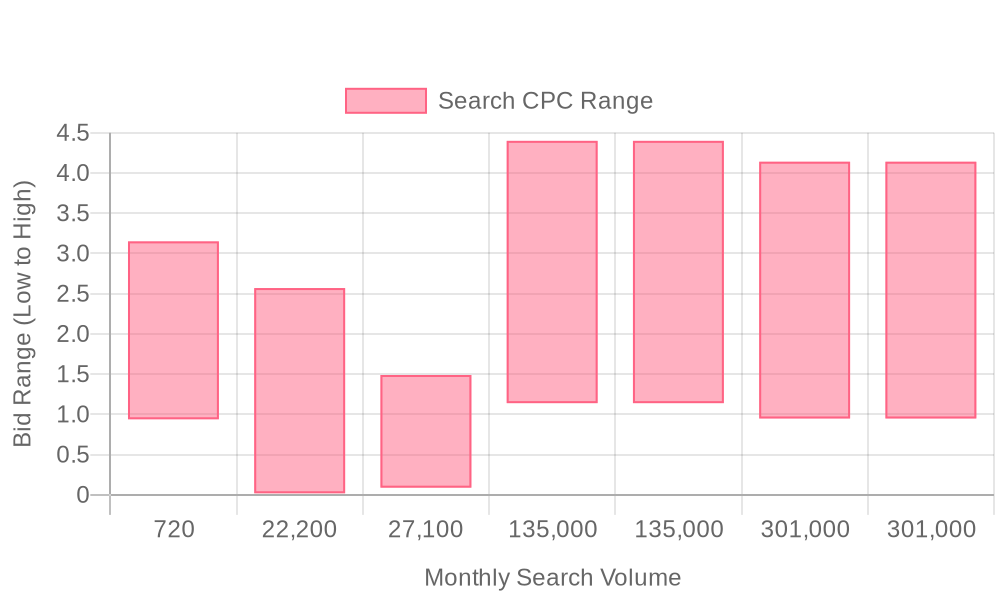
| Industry | Keyword | Monthly Search Volume | Competition Level | Low Bid | High Bid |
| Home Centers | the appliance center | 720 | MEDIUM | 0.94 | 3.15 |
| Home Centers | home centers | 22200 | LOW | 0.02 | 2.57 |
| Home Centers | home depot garden center | 27100 | HIGH | 0.09 | 1.49 |
| Home Centers | appliance stores | 135000 | MEDIUM | 1.14 | 4.4 |
| Home Centers | home appliance stores | 135000 | MEDIUM | 1.14 | 4.4 |
| Home Centers | appliance stores near me | 301000 | MEDIUM | 0.95 | 4.14 |
| Home Centers | home appliance stores near me | 301000 | MEDIUM | 0.95 | 4.14 |
Effective keyword strategy is central to any successful digital marketing campaign for home centers. Prioritizing long-tail keywords such as "local home improvement" and "home renovation services" enables marketers to connect with buyers who are actively seeking specific solutions and are further along in their purchasing journey. For an in-depth look at Google Ads strategies tailored for home improvement businesses, review this overview of effective Google Ads strategies. These terms reflect a strong intent to act, ensuring that ad spend is directed toward prospects with immediate needs, rather than casual browsers.
Sample target phrases like "home centers near me" and "professional home improvement services" are critical for driving local engagement and capturing service-oriented traffic. These keywords align with how customers search for home improvement providers, especially when convenience and proximity are decisive factors. By leveraging real-time audience targeting, campaigns can focus on high-value local leads who are ready to visit a store or book a service, maximizing return on investment.
Negative keywords play a strategic role in refining this approach. Filtering out terms related to DIY tutorials, job searches, or unrelated home products prevents wasted budget on low-intent clicks. Advanced platforms allow marketers to go further by identifying the actual companies and decision-makers behind website visits, rather than relying solely on anonymous traffic data. This visitor identification, paired with real-time intent signals, ensures that budgets are continuously shifted toward high-converting accounts and that audience lists remain dynamically updated as prospects move through the funnel.
Sophisticated attribution models connect both online and offline conversions to the original keyword and ad interaction, providing a complete view of campaign performance. When CRM and ad platforms are in sync, enriched audiences and qualified leads flow directly into Google Ads and sales systems, enabling more precise retargeting and personalized outreach. To see how you can maximize your own campaigns, get started for free with Sona.
Step-by-Step Campaign Execution Framework for Home Centers
Step 1: Build Targeted Keyword Lists
Effective digital marketing for home centers begins with a disciplined approach to keyword selection. By clustering keywords around specific services, such as kitchen renovations, new home builds, or seasonal outdoor projects, marketers can align search intent with high-value customer profiles. This granular approach uncovers pockets of demand, from homeowners seeking immediate repair solutions to contractors looking for bulk discounts. Leveraging advanced tools and unified data, teams can move beyond guessing which terms drive business. Integrated audience data and in-market signals reveal which keywords generate real sales opportunities, enabling marketers to shift budget toward search terms proven to convert.
Combining Google Ads insights with first-party CRM data creates a living keyword strategy. As leads progress through the funnel, dynamic audience updates ensure that only the most relevant segments receive tailored messaging. This not only maximizes budget efficiency but also supports a cycle of continuous improvement. Marketers using unified audience and intent data can capture both immediate needs and nurture longer sales cycles, which is vital for home improvement leads that often span weeks or months.
Step 2: Develop Effective Ad Copy
Crafting compelling ad copy for home centers requires addressing industry pain points directly and offering clear, actionable solutions. Headlines that emphasize urgency, such as “Prevent Project Delays: In-Stock Lumber Ready for Pickup”, speak to both the time-sensitive needs of homeowners and the project-driven schedules of professionals. Descriptions should highlight expertise, fast availability, and customer-centric services, such as in-store consultations, custom orders, or exclusive product lines. By referencing actual user pain points and value propositions, ads achieve higher relevance and click-through rates.
A modern ad strategy also leverages real-time audience insights to tune messaging at scale. When ad platforms are connected to unified sales and marketing data, teams can personalize offers for target accounts or adjust promotions based on shifting local demand. This approach ensures that every impression is a chance to engage high-intent buyers, not just anonymous clicks.
Step 3: Design Landing Pages
Successful Google Ads for home improvement campaigns depend on seamless alignment between keywords, ads, and landing pages. Each landing page should map directly to the user’s search intent, if a user searches for “bathroom remodel financing,” they should arrive at a page highlighting financing options, testimonials from satisfied clients, and a clear call-to-action for a project estimate. Mobile-first design is essential, as a significant portion of home center advertising traffic originates from smartphones and tablets. Responsive pages with concise copy, fast load times, and easy navigation help reduce bounce rates and increase form submissions.
Marketers who integrate campaign data with web analytics can identify bottlenecks or drop-off points, allowing rapid A/B testing and optimization. By syncing landing page engagement metrics back into ad platforms and CRM systems, teams gain a holistic view of which creative assets and page elements drive conversions. For more on optimizing PPC campaigns for hardware store websites, see this use case on increasing conversions and ROI. This closed-loop approach is particularly valuable for tracking both online and offline conversions, such as in-store visits or phone appointments, giving a true picture of campaign ROI.
Step 4: Implement Data-Driven Optimizations
Continuous optimization is the backbone of effective PPC for home centers. Smart bidding strategies adjust spend in real time, targeting the audiences and keywords most likely to deliver qualified leads and revenue. By integrating Google Ads data directly with CRM and sales platforms, marketers gain a unified view of customer journeys from initial search to closed sale. This enables granular analysis of which campaigns generate high-value outcomes, not just clicks or impressions.
Advanced conversion tracking connects online activity with offline sales, essential for home improvement retailers where many transactions still happen in person. Marketers can attribute revenue to the exact campaign, ad, and keyword that started the journey, supporting smarter budget allocation and better forecasting. As audiences move through the funnel, dynamic audience syncing keeps remarketing, upsell, and cross-sell campaigns targeted, keeping the brand top of mind until purchase and beyond.
Tips on Expanding Your Home Center Presence

Expanding your home center’s presence demands a unified approach to content marketing and digital advertising, blending educational value with strategic targeting. By leveraging advanced data and campaign orchestration, revenue teams can connect with both in-market buyers and nurture long-term brand affinity. Explore more actionable strategies in our marketing analytics blog.
- Content marketing with retargeting synergy: Elevate your content marketing by integrating educational resources, such as whitepapers or guides, directly into retargeting campaigns. This approach strengthens brand trust and accelerates the buyer journey by engaging previous visitors with assets tailored to their interests and stage in the funnel. Modern platforms allow marketers to surface these assets dynamically based on real-time visitor intent, ensuring relevant content is always front and center. When marketers can identify not just anonymous traffic but actual companies and decision-makers revisiting the site, retargeting becomes far more precise and impactful.
- Geo-targeted campaigns for local market share: Growing local market share is most efficient when campaigns are geo-targeted and aligned with the unique characteristics of each region your home center serves. Localized Google Ads for home improvement, paired with dynamic audience segmentation, enable revenue teams to ensure advertisements appear in the most relevant ZIP codes, cities, or neighborhoods. The ability to sync enriched CRM audience data directly into Google Ads means campaigns can adapt to shifts in local demand or seasonality, allocating spend to the highest-opportunity markets in real time.
- Seasonal and new product customizations: Maintain campaign relevance and maximize conversion potential by customizing ads to highlight seasonal promotions, new product arrivals, or timely offers. Leveraging real-time behavioral signals, marketers can pivot creative assets and messaging as inventory or customer needs change, ensuring every impression is contextually relevant. See how a leading home services company adapted for better results in this case study.
- Search query insights for personalized marketing: Use insights from search queries and on-site behaviors to inform your broader marketing content strategy, creating a feedback loop that improves personalization across channels. As new terms and topics trend among your target audience, content teams can quickly produce assets addressing those needs, while ad platforms retarget these high-intent segments with tailored offers. Advanced tracking solutions close the attribution loop, capturing both online and offline conversions so marketing and sales teams have a complete view of true campaign ROI.
Final Thoughts
Google Ads, when executed with precision and purpose, transforms a home center’s ability to capture and nurture customers at pivotal decision points in their buying journey. By bringing together advanced targeting, dynamic audience management, and granular conversion measurement, your campaigns can consistently engage the right buyers and drive measurable sales impact. For an overview of strategies tailored to home improvement stores, see this effective Google Ads strategies resource.
Integrating smart keyword targeting with real-time audience segmentation ensures your ads reach homeowners and contractors actively searching for home improvement solutions. Sophisticated platforms make it possible to identify not just anonymous site visitors but the actual companies and high-intent accounts engaging with your digital assets, allowing you to quickly reallocate budget toward the most promising opportunities.
Data-driven ad optimization, powered by unified go-to-market intelligence, lets marketing and sales teams work from the same insights. As leads move through your funnel, enriched audiences automatically update and sync across Google Ads, CRMs, and sales tools, keeping messaging relevant and maximizing conversion potential. Advanced online and offline attribution clarifies which ads drive true revenue outcomes, empowering you to invest in what delivers results and adjust strategies with confidence.
Weaving these capabilities into your digital marketing moves you beyond surface-level metrics toward campaigns that drive both short-term wins and sustained growth. This approach attracts high-intent leads and integrates with broader demand generation efforts, giving your home center a durable edge as the market evolves.
Beyond Google Ads: Winning the AI Answers Home Centers Buyers Now Trust
Paid search captures demand at the moment someone types a query. But a fast-growing share of home centers buyers no longer start at Google at all, they ask ChatGPT, Gemini, or Perplexity before they ever run a search, and Google's own AI Overviews increasingly summarize an answer above the traditional results. If your business isn't referenced in those AI answers, you're invisible at the exact moment buyers build their shortlist.
Sona AI Visibility shows where your business shows up across ChatGPT, Gemini, Perplexity, Google AI Overviews, and 10+ engines, and, much like a keyword report, which prompts actually send you buyers, so you can prioritize the ones that convert. Run the two together and you cover the entire buyer path: get cited where buyers research (AI Visibility), then prove which of that demand turns into booked revenue (Marketing Measurement).
Helpful resources
Conclusion
Google Ads works for home centers when it's treated as a revenue instrument, not a traffic generator, tuned by real sales outcomes rather than click volume alone.
The retailers pulling ahead are the ones treating AI-driven research and paid search as one connected system, not two separate budgets. Pair Google Ads with the measurement and visibility tools already covered here, and every dollar spent starts working twice as hard. Start for free and see where your own campaigns stand.
FAQ
What are the best practices for Google Ads in home centers?
Best practices include targeting specific search queries, using precise keyword targeting and audience segmentation, aligning creative assets with landing pages, and implementing conversion tracking and performance optimization.
How can I optimize my Google Ads for home improvement products?
Optimize by building targeted keyword lists, setting up custom audiences and geo-targeting, aligning creative with user intent, and using real-time data for conversion tracking and performance optimization.
What budget should I allocate for Google Ads for home centers?
Allocate budget based on targeting high-intent keywords and audiences, ensuring efficient spend by focusing on keywords and demographics most likely to convert into sales.
Can I target specific demographics with Google Ads for home centers?
Yes, use audience segmentation and geo-targeting to focus on demographics like DIY homeowners, renovation professionals, and property managers within specific geographic areas.
What are common mistakes to avoid when using Google Ads for home centers?
Avoid using broad keywords without segmentation, failing to align ads with landing pages, neglecting conversion tracking, and not leveraging real-time data to adjust campaigns.







