


Home addition contractors lose deals for a mundane reason: the homeowner who requested a quote from three competitors never showed up in anyone's CRM until the invoice stage. Google Ads fixes the front half of that problem, putting your firm in front of a homeowner the moment they search for a second-story build or a sunroom expansion, when the project is real and the budget is being set. This guide lays out a Google Ads strategy built for home addition contractors specifically, from keyword selection through the measurement that tells you which clicks actually became signed contracts.
How to Generate Google Ads for Home Addition Contractors Leads: A Step-by-Step Guide
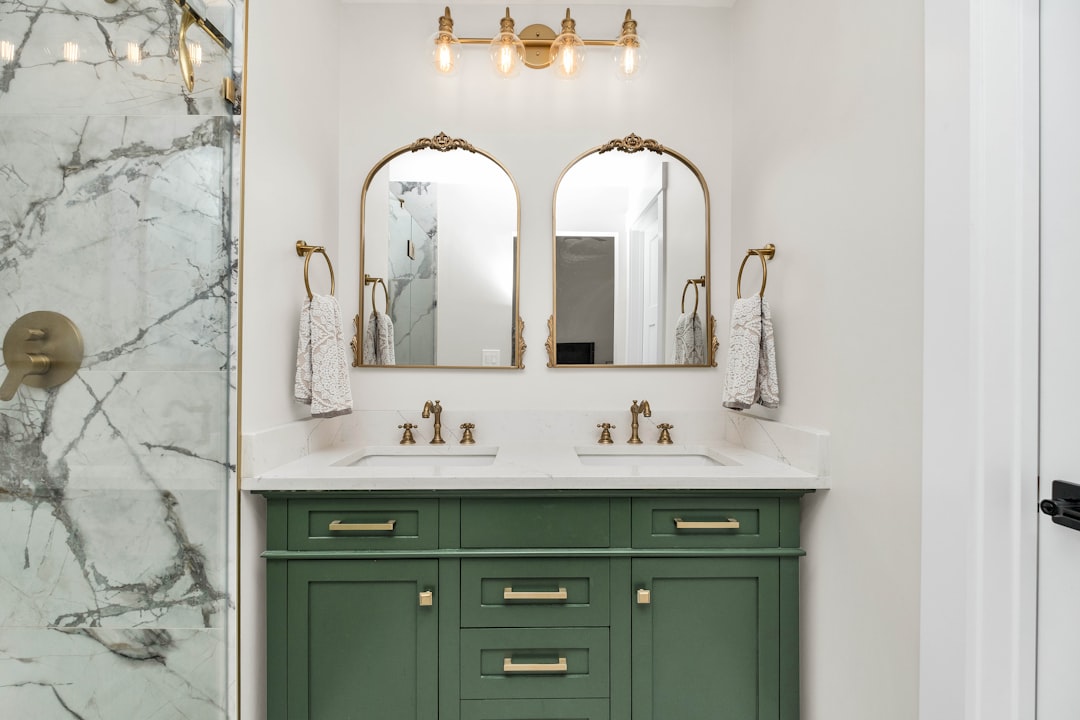
Winning in the home addition market takes precise, data-driven customer acquisition. Contractors who unify their marketing data and act on intent signals turn digital interest into qualified project leads faster than competitors relying on instinct alone.
This guide delivers actionable strategies for Google Ads for Home Addition Contractors, emphasizing targeting, creative development, landing page optimization, and ongoing performance refinement. Each phase is designed to help contractors convert local searchers into booked consultations, minimizing wasted spend and maximizing returns. For a comprehensive introduction to Google Ads in construction, explore this complete guide for contractors.
- Targeted Keyword and Audience Strategy: Effective customer acquisition starts with a granular keyword and audience approach that focuses only on high-intent homeowners in your service area, people actively searching for a second-story addition, sunroom, or in-law suite rather than browsing renovation inspiration. Instead of casting a wide net, use tools that build real-time audiences so campaigns prioritize the prospects most likely to book a consultation. With visitor identification, contractors can see which companies or households are researching additions on their site, then shift budget toward those higher-value visits instead of anonymous traffic.
- Compelling Ad Copy and Creative Designs: Homeowners searching for addition services expect tailored messaging that speaks to their unique project needs and pain points. Craft ad copy that addresses specific renovation goals, such as second-story builds or sunroom expansions, using language that demonstrates expertise and builds trust. Creative assets should showcase past work, process transparency, and guarantees that set your business apart. For more inspiration on effective messaging and creative strategy, review the essential Google Ads tips. Audiences should update automatically as leads move through the funnel, ensuring that homeowners see relevant messaging at every stage, from initial awareness to final decision.
- Landing Page Optimization: Every click should land on a page that matches the ad's promise. Landing pages need a clear call to action, social proof, and a plain next step, whether that's scheduling a design consultation or requesting a permit-inclusive estimate. Dynamic elements that adjust to visitor data make the experience feel tailored rather than generic. CRM and ad platform integration syncs enriched contacts from your campaigns directly into Google Ads, HubSpot, or Salesforce, so a lead who requests a quote gets a same-day follow-up instead of sitting in a queue.
- Performance Monitoring and Optimization: Ongoing success relies on a culture of testing, measurement, and rapid adjustment. Use advanced conversion tracking to capture both online and offline interactions, attributing true ROI to every touchpoint in the customer journey. Automated reporting highlights not only which keywords and creatives drive leads, but also which drive revenue, empowering you to optimize for quality over quantity. Data-driven workflows ensure that budget allocation, audience segments, and creative assets evolve in sync with real-time market demand, reducing waste and enhancing campaign efficiency.
Ready to put these strategies into action? Get started for free with Sona.
Why Does Google Ads Matter for Home Addition Contractors?
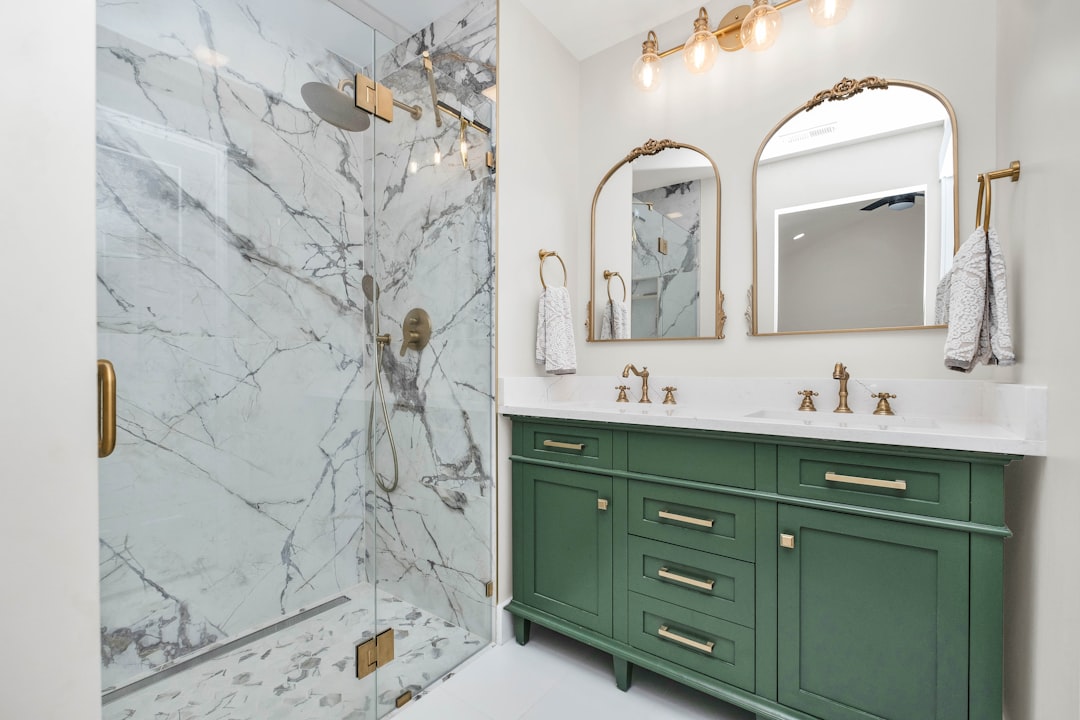
Home addition contractors sell high-value projects to homeowners who often decide fast once they've settled on a scope and budget. Digital advertising matters because it puts your firm in front of that homeowner while they're still comparing bids, before a competitor locks in the contract. For a broader look at online strategy, this guide to Google Ads for home builders offers practical detail on generating qualified leads.
- Complex Audience Engagement: Homeowners exploring additions often conduct extensive online research before reaching out, making traditional outbound tactics less effective. Google Ads enables contractors to intercept these in-market buyers through intent-driven keywords and tailored messaging, ensuring engagement with those actively seeking large-scale renovation services. Leveraging real-time audience insights empowers marketers to refine messaging and reach homeowners precisely when they're most receptive.
- Higher Margin Project Acquisition: For contractors, each qualified lead represents the potential for significant revenue. Google Ads supports precise targeting of high-intent queries related to room expansions, accessory dwelling units, and second-story builds, driving project inquiries that align with profitable service lines and maximizing the return on marketing investment. With intent signal tracking, teams can identify and prioritize prospects most likely to convert.
- Immediate Demand Response: Seasonal fluctuations and market shifts can create sudden spikes in homeowner demand for additions. Google Ads provides a dynamic platform to quickly launch or adjust campaigns in response to these trends, reducing the lag associated with manual lead generation and ensuring contractors capitalize on peak periods for project acquisition. Discover how to measure marketing's influence to optimize your response to market changes.
- Increased Regional Presence: Expanding into new neighborhoods or suburban markets requires more than word-of-mouth referrals. Google Ads leverages granular geographic targeting to position contractors at the top of local search results, enhancing regional visibility and facilitating business growth in untapped service areas. By integrating real-time location data, contractors can focus resources on neighborhoods with the greatest propensity to convert, driving both short-term inquiries and long-term market share expansion.
Common Types of Google Ads Campaigns for Home Addition Contractors
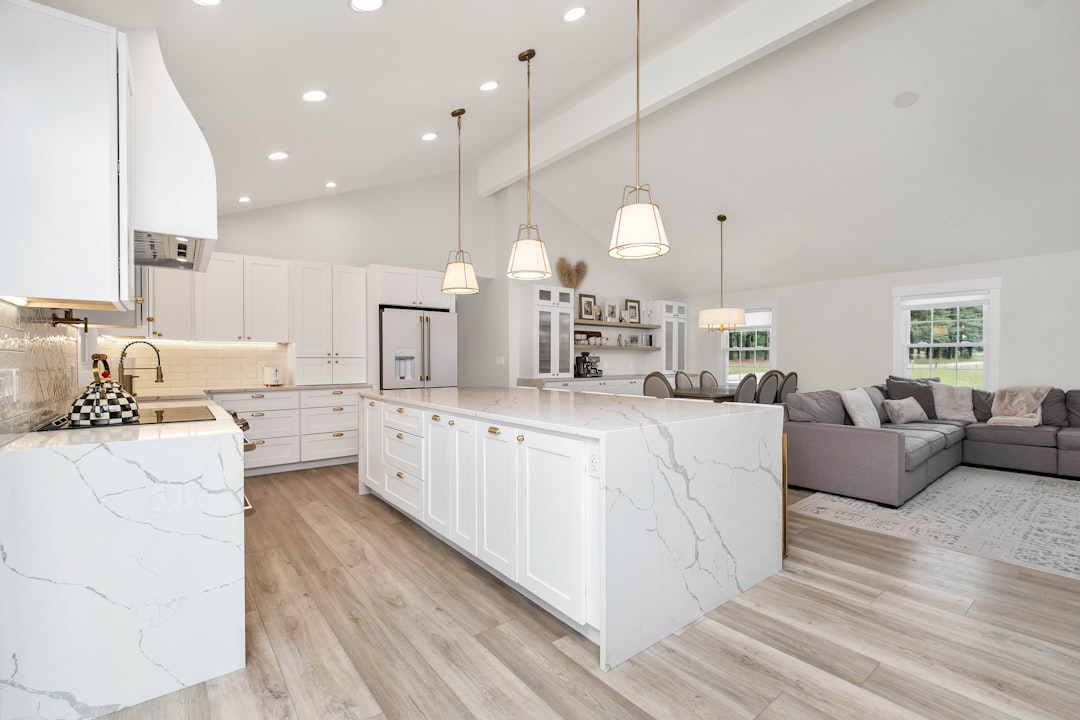
- Search Campaigns: Search campaigns are the cornerstone of digital marketing for home addition contractors, capturing high-intent queries such as "home addition contractors near me" or "room addition builder." Within Search, Responsive Search Ads let you test multiple headlines and descriptions so Google serves the combination that performs best for each query. With visitor identification, marketers can see which companies or households are searching, moving past anonymous traffic to target the prospects most likely to convert, and attribute every click to an actual business outcome. For more on setting up effective search ads, see this complete guide to Google Ads for contractors.
- Display Ads: Display ads play a critical role in maintaining consistent brand visibility throughout the lengthy customer journey in home improvement. By placing visually engaging banners on renovation blogs, home design inspiration websites, and local news outlets, contractors keep their brand top-of-mind even when prospects are not actively searching. Dynamic audience building allows these display campaigns to automatically update and retarget segments as leads progress through the sales funnel, ensuring that messaging remains relevant and timely. This strategy maximizes exposure across multiple touchpoints and nurtures early-stage prospects who may return to convert in the future.
- Video Ads: Video ads are uniquely effective for contractors by helping homeowners visualize the transformation potential of their space. Short walkthroughs, before-and-after project reels, and customer testimonials clarify complex services while building trust. These campaigns can target users based on detailed intent signals and previous engagement, ensuring that video content reaches only those considering major home improvements. Integration with CRM systems allows for seamless syncing of engaged leads, so that follow-up is highly personalized and conversion-driven.
- Remarketing: Remarketing campaigns re-engage visitors who have shown early interest in home addition services but have not yet converted. Through strategic audience segmentation, contractors can deliver timely reminders, special offers, or new project highlights to users who visited key pages or initiated quote requests. Advanced conversion tracking across both online and offline interactions ensures accurate measurement of remarketing ROI, while enriched audience syncing with sales platforms keeps lead data unified and actionable.
- Performance Max: Performance Max campaigns run across Search, Display, YouTube, and Gmail from a single campaign, letting Google's bidding algorithms find homeowners likely to convert across every surface. For home addition contractors, feeding Performance Max with strong conversion signals, like a booked consultation rather than a form fill, matters more than for lower-ticket businesses, since the algorithm needs to learn what a genuinely qualified lead looks like.
Where to Find Growth Opportunities
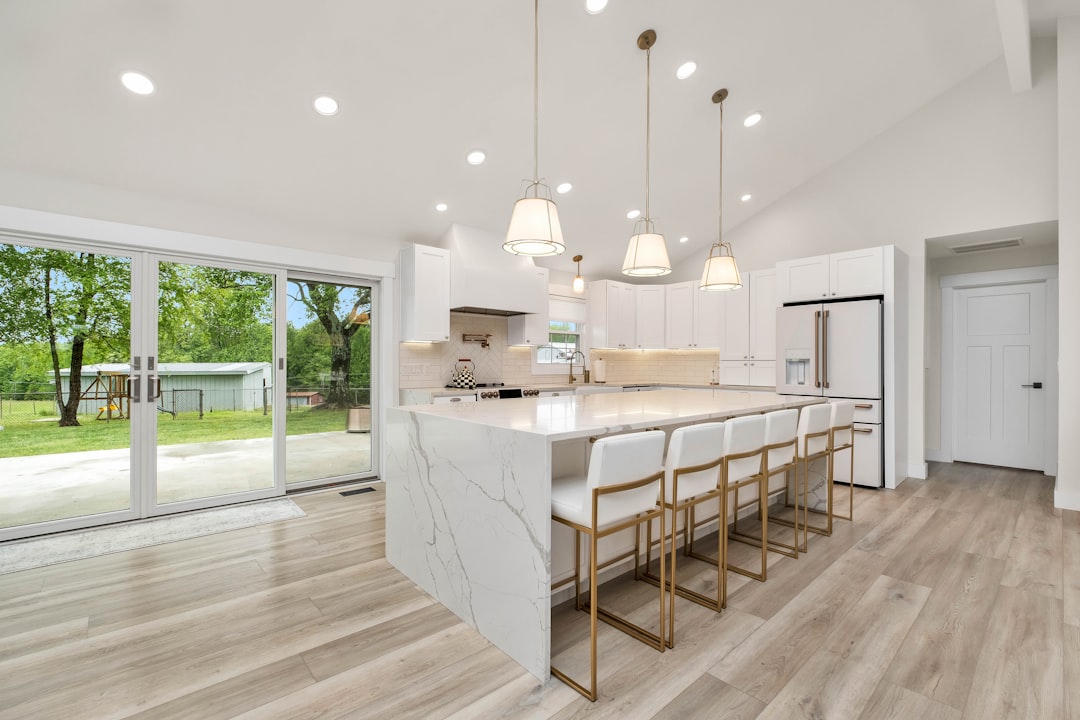
Home addition contractors can accelerate revenue by identifying specific market segments that are typically overlooked in broader home improvement marketing. Applying a strategic lens to keyword targeting, competitive intelligence, and audience placement uncovers high-value opportunities for growth.
- Vertical Keyword Targeting: Rather than pursuing broad contractor advertising terms, focus on niche service keywords like “sunroom addition contractors,” “second story home expansion,” or “in-law suite builder.” This granular approach targets homeowners with immediate, project-specific intent and minimizes wasted spend on generic searches. By leveraging intent-rich keywords, campaigns can attract prospects actively seeking specialized solutions, resulting in higher conversion rates and lower cost per acquisition. Sona enables marketers to move beyond anonymous clicks by identifying which visitors are genuinely in-market for these specific services, allowing for more accurate audience building and budget allocation.
- Competitor Analysis: A methodical review of rival campaigns reveals areas where they may underinvest or misalign their messaging. Assessing competitors’ ad placements, keyword gaps, and ad copy helps refine your own contractor PPC for home addition strategies and ensures your ads resonate more effectively. When gaps are uncovered, such as competitors neglecting mobile optimization or omitting particular services, marketers can prioritize these areas for immediate impact. For more actionable advice, review this guide to Google Ads for contractors. Through real-time intent data, teams can shift spend rapidly to audiences showing higher likelihood to convert, ensuring that opportunities are seized as they emerge.
- Industry-Specific Placements: Advertising on platforms and sites frequently visited by homeowners planning renovations amplifies brand relevance and audience engagement. Placements on home improvement forums, renovation content hubs, and localized home design directories increase visibility at the exact moment potential clients are evaluating contractors. By dynamically updating audiences as leads progress from research to decision stage, campaigns remain agile and responsive to changing intent. Sona’s unified data approach allows for seamless syncing of enriched audiences from these placements into Google Ads and CRM systems, supporting multi-channel conversion tracking and closing the loop on true ROI.
Pinpointing and activating these growth opportunities requires a combination of precision targeting, agile decision-making, and unified data flows. Contractors who connect audience insights with actionable campaign adjustments consistently outperform in both lead quality and marketing efficiency. To see how you can directly apply these strategies, get started for free with Sona.
How to Apply Audience Segmentation for Home Addition Contractors
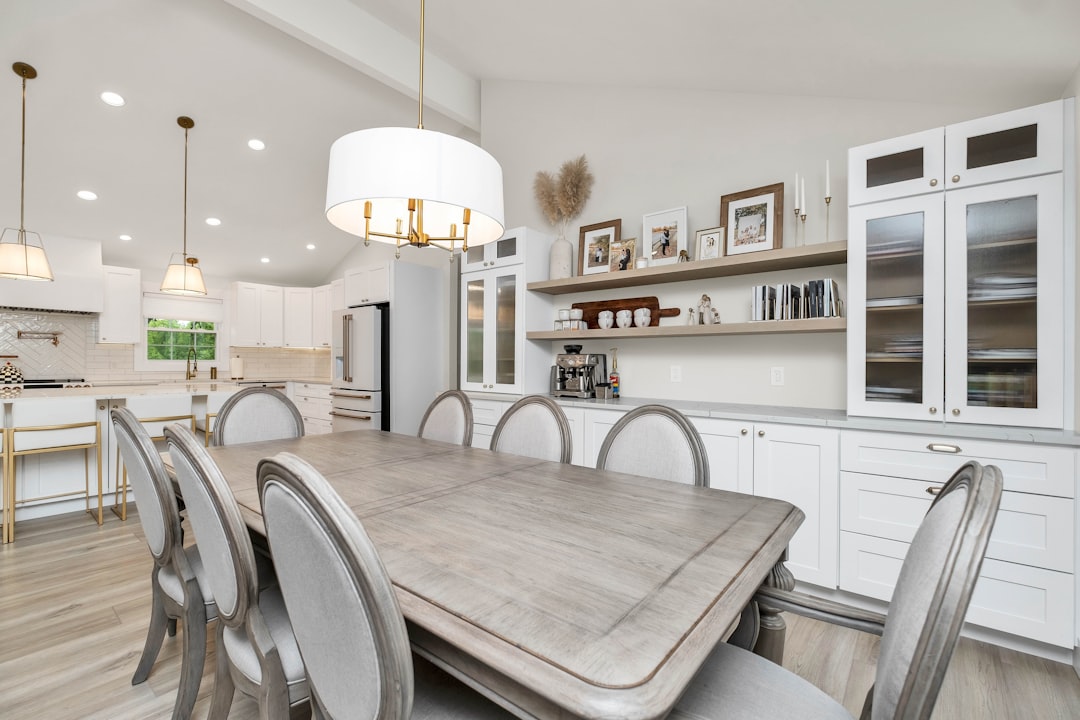
Home addition contractors often face costly inefficiencies when ad spend targets a broad, undifferentiated pool of homeowners. Precision in audience segmentation directly addresses this issue by ensuring campaigns focus only on high-value prospects ready to engage with specific home addition services.
- Define Buyer Personas: Effective segmentation begins with mapping detailed buyer personas rooted in demographic traits, project interests, and property characteristics. For home addition contractors, this means distinguishing between families expanding for growing children, owners seeking in-law suites, or professionals adding workspace. By isolating these segments, marketers can prioritize budget and creative efforts on the audiences most likely to convert. Leveraging unified go-to-market data, teams can identify not just surface-level demographics but also nuanced buying signals such as home value tiers, renovation history, or even recent real estate transactions.
- Overlay Intent Signals: Audience quality increases exponentially when segmentation layers in real-time intent signals. Using behavioral data, such as site engagement with project galleries, downloads of cost guides, or repeat visits to pricing pages, contractors can pinpoint which users are actively considering a home addition. This allows marketers to dynamically shift Google Ads budgets toward in-market prospects demonstrating high purchase intent, reducing wasted impressions and increasing the efficiency of home improvement marketing efforts. For additional strategies on driving business growth, see these essential Google Ads tips for remodeling businesses.
- Tailor Ad Groups: Once segments are identified, ad groups should be meticulously crafted to address each audience’s unique context and pain points. For example, messages for urban homeowners might emphasize maximizing square footage, while suburban families may respond better to lifestyle upgrades or seamless integration with existing architecture. Dynamic audience capabilities ensure these groups automatically update as users progress through the buying funnel, keeping campaign messaging relevant and timely across every touchpoint.
- Conversion Validation: Tracking and validating conversions within each segment is critical for optimizing follow-up and minimizing manual effort. Advanced conversion tracking extends beyond basic lead forms, capturing both online and offline touchpoints such as phone consultations, site visits, or design meetings. This granular attribution lets contractors measure true ROI for each home remodeling lead source, refining their Google Ads strategies over time. With a unified data approach, every touchpoint is tracked, attributed, and actionable, powering superior digital marketing for contractors.
Ready to see how segmentation can transform your ad performance? Get started for free with Sona.
This is also where measurement changes the economics. With Sona Marketing Measurement you can identify the companies behind your ad clicks, not just anonymous sessions, and segment audiences by who actually becomes a customer. That lets you build bid adjustments and audience signals around the segments that convert and de-prioritize the ones that don't, so you feed Google's algorithms "this click became a paying home addition contractors customer" instead of just "someone filled out a form."
Keyword Strategy & Sample Target Terms
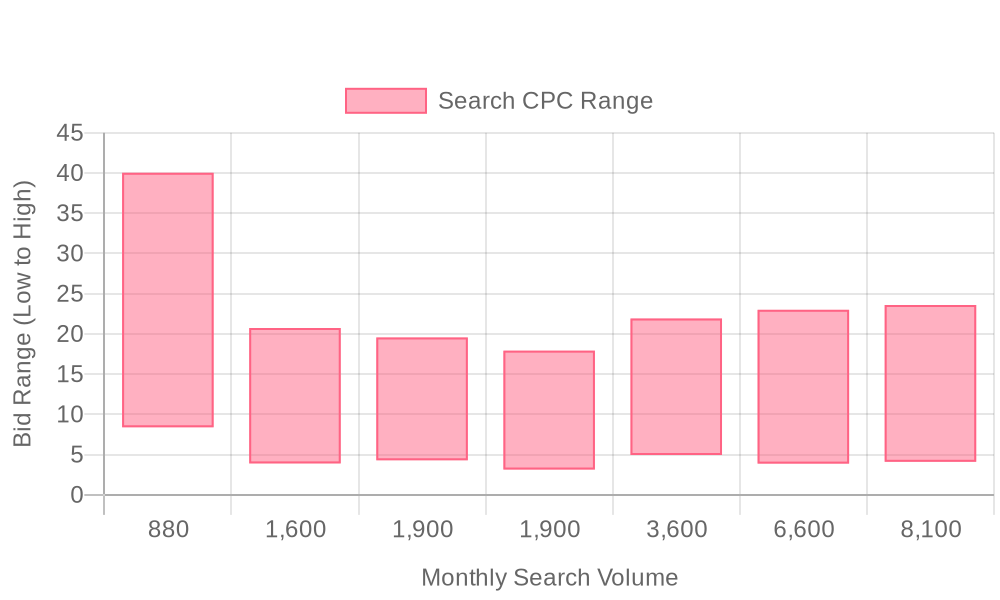
| Industry | Keyword | Monthly Search Volume | Competition Level | Low Bid | High Bid |
| Home Addition Contractors | bathroom remodelers in my area | 880 | MEDIUM | 8.4 | 40.03 |
| Home Addition Contractors | addition contractors near me | 1600 | MEDIUM | 3.91 | 20.74 |
| Home Addition Contractors | room addition contractors | 1900 | LOW | 4.3 | 19.56 |
| Home Addition Contractors | room addition contractors near me | 1900 | MEDIUM | 3.15 | 17.92 |
| Home Addition Contractors | home additions near me | 3600 | LOW | 4.96 | 21.92 |
| Home Addition Contractors | home addition contractors near me | 6600 | LOW | 3.89 | 23 |
| Home Addition Contractors | home addition contractors | 8100 | LOW | 4.11 | 23.6 |
Home addition contractors achieve stronger lead quality and lower wasted spend by prioritizing highly targeted keyword strategies. The right mix of intent-driven search terms, precise local modifiers, and thorough negative keyword lists transforms Google Ads from a blunt instrument to a precision tool for demand generation. Explore additional expert articles on marketing for deeper insights into optimizing your ad spend.
- Niche Long-tail Keywords: Prioritize phrases like "custom home additions" or "second story addition contractor" to capture motivated homeowners with a defined project in mind. These long-tail terms naturally filter out casual browsers, concentrating spend on prospects with real intent. Using enriched data from Sona's Identity Resolution, marketers can see which long-tail queries bring in genuine project inquiries versus research-stage visits, then shift budget toward the keywords that convert.
- Local Modifiers: Incorporate city, neighborhood, or zip code into keywords, such as "home remodelers in Dallas" or "room addition contractor near Uptown Austin." Localized search terms match how homeowners actually search for nearby service providers. When CRM and ad platforms are unified, dynamic audience segments automatically update based on new leads or project completions in specific geographies. This ensures ad copy stays relevant and budgets remain concentrated in markets with the strongest conversion potential.
- Negative Keywords: Exclude terms like "DIY home addition," "free home addition plans," or unrelated services to keep ads away from non-converting audiences. Continual refinement of negative keyword lists, informed by offline attribution, prevents budget leakage. For additional strategies tailored to home builders, see this guide to Google Ads for home builders.
A robust keyword strategy for home addition contractors is not set-and-forget. Weekly analysis of search terms, conversion rates, and CRM updates is essential. This approach ensures digital marketing for contractors continually adapts to market shifts, uncovers new high-intent queries, and maintains competitive advantage in local search results. To see how audience intelligence can elevate your paid search results, get started for free with Sona.
Step-by-Step Campaign Execution Framework
Step 1: Build Targeted Keyword Lists
Accurate keyword targeting is the engine of successful Google Ads for Home Addition Contractors. Start by researching terms directly tied to home addition services such as "room addition contractor," "second story home addition," or "kitchen expansion specialist." Layer in geographic modifiers like neighborhood names, city, or even zip codes to capture local intent and outmaneuver less-focused competitors. For additional insights on leveraging paid search for home builders, explore Google Ads for home builders.
Review current audience segments, identify gaps, and resolve overlap that could dilute campaign precision. Add negative keywords to block traffic from users looking for DIY guides, unrelated trades, or free plans, so budget goes only toward high-propensity leads. With Sona's Identity Resolution and intent signals, marketers can see which households are actively researching home additions and adjust keyword targeting to prioritize those showing in-market behavior, then build dynamic audiences as new high-value prospects emerge.
The upgrade most home addition contractors advertisers miss is going beyond raw keyword volume to layer in intent and identity signals. By connecting website-visitor data and CRM records with Sona Marketing Measurement, you can see which specific search terms bring in the accounts and customers that actually convert, and weight your keyword and bidding strategy toward those rather than the terms with the highest search volume alone.
Step 2: Develop Compelling Ad Copy
Ad copy must differentiate your firm in a crowded field. Emphasize unique selling propositions such as end-to-end project management, advanced design technology, or guaranteed completion dates. Include trust signals like certifications, insurance status, or industry awards prominently in headlines or descriptions to build immediate credibility with homeowners evaluating multiple contractors.
Add ad assets to give your ads more depth and more ways to act. Sitelink assets can direct users to service-specific pages, callout assets reinforce value ("Free 3D Renderings," "Permit Handling Included"), and location assets establish local authority, making your business the clear neighborhood expert. When audience and CRM data are synchronized with ad platforms, recent client wins or new certifications can be surfaced in ads automatically, so every impression carries current, trust-building information. For practical copywriting tips tailored to remodelers, review key Google Ads strategies.
Step 3: Design Effective Landing Pages
Landing pages are where intent converts into opportunity. The page must deliver a frictionless experience, with a clear call-to-action, such as booking a consultation or requesting a virtual quote, prominently displayed above the fold. Align page messaging with ad copy for continuity and reinforce credibility through testimonials, before-and-after case studies, and detailed service explanations. Learn more about building high-converting landing pages for B2B and home services.
Mobile optimization is essential, as many homeowners search and evaluate contractors on mobile devices. Pages should load quickly, feature tap-to-call buttons, and allow easy form fills. Integrating real-time CRM insights means landing pages can display hyper-relevant content based on the visitor’s company profile or prior interactions, increasing engagement and conversion rates.
Step 4: Perform Data-Driven Optimizations
Continuous improvement is driven by rigorous measurement. Deploy A/B testing on headlines, imagery, and calls-to-action to reveal what resonates with different homeowner segments. Monitor key metrics like click-through rates, conversion rates, and cost per acquisition, adjusting campaign components based on live performance data to maximize efficiency. For a comprehensive contractor’s perspective on campaign optimization, see this Google Ads guide for contractors.
Advanced attribution models connect online ad interactions with offline outcomes, such as signed contracts or in-person consultations, for a complete view of ROI. By integrating CRM and marketing data, marketers can track leads from initial click through to closed business, allowing budget to be shifted in real-time toward tactics and audiences delivering the highest value. Dynamic audience updates ensure remarketing and lookalike campaigns always reflect the most current buyer journey stage, accelerating the sales cycle and driving measurable growth in home remodeling leads.
Sona Marketing Measurement closes the gap between clicks and revenue. It captures ad clicks with first-party measurement, ties each one through UTM capture and ad-platform APIs to the matching record in your CRM, and reports ROAS by keyword and campaign instead of by last-click form fill. Feeding that revenue signal back into Smart Bidding and Performance Max compounds over time: the algorithms optimize toward booked home addition contractors revenue, not cheap leads.
Tips on Expanding Your Home Addition Contractors Presence
Home addition contractors can maximize their market presence by employing refined digital strategies that transform every touchpoint into an opportunity for growth. Focusing on seamless integration of paid channels, personalized messaging, and analytics-driven decision making accelerates both lead generation and client conversion. To further build your expertise in digital marketing for home services, explore this comprehensive guide to Google Ads for contractors, which covers setup and optimization essentials.
- Cross-Promote Content: Using Google Ads to distribute educational resources positions your brand as an expert, drawing in discerning homeowners who value quality insights. When these campaigns are paired with advanced visitor identification, you can precisely attribute content engagement to high-value prospects, enabling smarter retargeting and nurturing sequences that keep your firm top-of-mind for major home addition projects.
- Upsell Services: By leveraging enriched CRM data, contractors can identify existing clients ripe for upsell opportunities, such as kitchen expansions or garage conversions. When audience segments are dynamically updated in real time, campaigns automatically adjust messaging to reflect each client's lifecycle stage, ensuring that offers for complementary services land with relevant, personalized impact.
- Localize Campaigns: Tailoring your messaging to regional architecture and homeowner preferences gives you an edge in crowded markets. Granular geographic targeting, combined with local search trend analysis, lets contractors prioritize ZIP codes or neighborhoods showing the highest intent, while adapting creative assets as local demand shifts, a spring surge in sunroom searches in one suburb, a fall uptick in in-law suite inquiries in another.
- Analyze Search Queries: Deep analysis of search data uncovers gaps and content opportunities, whether it's a surge in "sunroom addition ideas" or seasonal interest in basement remodels. Integrating query insights with unified first- and third-party intent data allows you to identify which segments are moving toward purchase, so you can expand keyword lists and content assets to capture new demand, continuously refining Google Ads strategies and improving campaign ROI.
By adopting this holistic, data-centric approach, home addition contractors can scale their digital marketing programs with precision, ensuring spend is allocated where it drives the most qualified leads and long-term client relationships. If you’re ready to elevate your marketing with advanced analytics and targeting, get started for free with Sona.
Beyond Google Ads: Winning the AI Answers Home Addition Contractors Buyers Now Trust
Paid search captures demand at the moment someone types a query. But a fast-growing share of home addition contractors buyers no longer start at Google at all, they ask ChatGPT, Gemini, or Perplexity before they ever run a search, and Google's own AI Overviews increasingly summarize an answer above the traditional results. If your business isn't referenced in those AI answers, you're invisible at the exact moment buyers build their shortlist.
Sona AI Visibility shows where your business shows up across ChatGPT, Gemini, Perplexity, Google AI Overviews, and 10+ engines, and, much like a keyword report, which prompts actually send you buyers, so you can prioritize the ones that convert. Run the two together and you cover the entire buyer path: get cited where buyers research (AI Visibility), then prove which of that demand turns into booked revenue (Marketing Measurement).
Helpful resources
Conclusion
Google Ads works for home addition contractors when it's treated as a system, not a slogan: targeted campaigns, ad copy that speaks to a specific project type, and landing pages that don't waste the click.
The contractors pulling ahead right now are the ones who can already say which keyword, campaign, and ad produced last quarter's booked additions, not just last quarter's form fills. Pair that measurement with visibility into how AI tools answer homeowner questions, and you're positioned for the next few years of search, not just this one. Start for free with Sona to connect your ad spend to real project revenue.
FAQ
What are the best practices for Google Ads for home addition contractors?
Best practices include using targeted keyword and audience strategies, creating compelling ad copy, optimizing landing pages, and continuously monitoring and optimizing campaign performance to maximize returns.
How can I optimize my Google Ads campaign for home remodeling?
Optimize by focusing on precise keyword targeting, crafting tailored ad messages, ensuring landing pages align with ads, and using data-driven insights to adjust campaigns for better efficiency and higher conversion rates.
What budget should I allocate for Google Ads as a home addition contractor?
The budget should be aligned with targeting high-intent homeowners in your service area, ensuring that every dollar spent is directed toward capturing qualified leads and maximizing return on investment.
Are there specific keywords that work best for home addition contractors?
Yes, using niche long-tail keywords like 'custom home additions' or 'second story addition contractor,' along with local modifiers, helps capture motivated homeowners seeking specialized services.
How do I measure the success of my Google Ads campaigns for home additions?
Success is measured by tracking conversions, using advanced attribution models to connect ad interactions with offline outcomes, and continuously refining campaigns based on performance data to improve ROI.







