Home accessory shoppers research in bursts, a redecorated living room here, a holiday tablescape there, and much of that research happens quietly across product pages, Pinterest boards, and browser tabs long before anyone fills out a form. That silence is the problem: high-intent buyers slip through untracked, and retailers lose the chance to reach them at the moment they're ready to buy. Google Ads closes that gap, putting your storefront in front of shoppers exactly when they're searching for a ceramic vase or a set of wall shelves, and connecting that online intent to real purchases, online or in-store. This guide walks through how to build and run Google Ads campaigns that turn that search intent into predictable revenue for a home accessory retail business.
How to Generate Home Accessory Retailer Leads with Google Ads: A Step-by-Step Guide
A unified digital advertising approach allows home accessory retailers to capture high-value leads at the precise moment of intent, transforming guesswork into predictable pipeline growth. When home decor brands combine strategic channel investments with actionable data, the result is a steady flow of qualified prospects and measurable improvements in return on ad spend. For an overview of PPC strategies tailored to home decor brands, review this PPC for home decor brands resource.
Integrated Google Ads strategies for home accessory retailers solve a specific pain point: outreach that arrives too late, after a shopper has already bought a mirror or lamp elsewhere. Instead of relying on intuition or static lead lists, modern teams use behavioral data and predictive modeling to spot when a prospect is actively comparing products or ready to check out. Layering in-market signals with past engagement lets marketers prioritize outreach toward shoppers who are genuinely close to purchase, rather than spreading budget evenly across cold traffic.
Audience and keyword targeting are foundational to effective Google Ads for retailers in the home accessory space. By leveraging dynamic segmentation, teams can continuously refine who sees their ads based on recent browsing, search queries, and purchase history. Predictive modeling further enhances this by scoring leads according to their likelihood of engaging or converting, allowing teams to optimize budget allocation and refine messaging in real time. To further refine your targeting, consult this list of high-performing PPC keywords for the home accessories industry.
Maintaining creative consistency is critical to sustaining conversion rates in home accessory marketing. Regularly updating audience segments, ad copy, and visuals prevents campaign fatigue and combats static list decay. Retailers benefit from dynamic audience updates as leads move through the funnel, ensuring messaging remains relevant and aligned with each prospect’s current buying stage.
Modern tools let home decor advertising teams identify the company behind an anonymous website visit, surfacing context that traditional analytics miss. With Sona's Identity Resolution, marketers can recognize the business and role behind a visit and reach decision-makers with more relevant messaging, without relying on individual-level tracking. Predictive buying-stage analysis further informs campaign timing and creative, sharpening personalization throughout the customer journey so every touchpoint feels timely and deliberate. To see how you can put these strategies into action, get started for free with Sona.
Why does Google Ads matter for Home Accessory Retailers?
Home accessory retailers operate in a market where missing high-value leads due to limited tracking means lost revenue and untapped opportunities. Google Ads enables precise targeting and real-time engagement with both online and offline shoppers, ensuring visibility with buyers who are actively searching or ready to convert.
Connecting Google Ads with CRM platforms allows retailers to push live audience updates, keeping campaigns focused on the highest-potential prospects. This integration ensures that marketing budgets are allocated to in-market buyers as intent signals change, delivering a competitive edge in the rapidly shifting home decor landscape.
Digital marketing for retailers is most effective when Google Ads efforts are complemented by social media and SEO, creating a unified message across all channels. When data from each touchpoint is synced, messaging stays relevant and consistent, driving higher engagement and improving conversion rates throughout the buyer journey.
Auto-updating CRM audiences paired with advanced conversion tracking give retailers a full view of customer activity, online and offline. Syncing enriched lead data back into Google Ads closes the loop on ROI measurement, so home accessory retailers can see which campaigns actually drive sales rather than guessing from click volume alone. Ready to see the impact in your campaigns? Get started for free with Sona.
Common Types of Google Ads Campaigns for Home Accessory Retailers

- Search Campaigns: Search campaigns remain foundational for home accessory retailers aiming to intersect with buyers displaying clear intent. By targeting keywords such as "modern wall clock" or "ceramic kitchen organizer," these campaigns ensure ads are served to users actively seeking solutions that match your inventory. When audience and lead data are unified, marketers can dynamically shift budget toward high-converting segments, using recent in-market behaviors to prioritize buyers closer to purchase and boost campaign efficiency.
- Display Ads: Display campaigns extend reach across highly relevant websites, maintaining brand visibility for shoppers browsing inspiration or researching home trends. These visual placements are valuable for keeping your brand top-of-mind throughout longer consideration cycles typical in home decor. When CRM and website visitor data are synchronized, display audiences can be refreshed in real time, ensuring only the most engaged prospects see retargeting creatives, reducing wasted spend and increasing ad relevance. For a deeper dive into tailored PPC strategies that boost online sales and ROI, see this overview of PPC for home decor brands.
- Video Ads: Video formats enable retailers to highlight product features, demonstrate real-world use, and build trust through engaging storytelling. Platforms like YouTube offer precise targeting by interest, demographic, and online behavior, making it possible to deliver immersive content directly to your ideal audience. For revenue teams integrating offline and online data, advanced attribution exposes the true path to purchase, showing how video touchpoints influence both digital and in-store sales.
- Remarketing: Remarketing strategies are essential for recapturing visitors who explored your site but left before purchasing. By segmenting audiences based on specific behaviors, such as product page views or abandoned carts, retailers can deliver tailored messages that reflect each shopper's stage in the decision process. As audience lists update automatically with real-time engagement signals, remarketing campaigns remain current, focusing efforts on prospects whose intent has matured, which often leads to higher conversion rates and improved ROAS.
- Assets: Ad assets (formerly called extensions) add critical value by giving shoppers more reasons to click, store locations, current promotions, or product certifications like FSC-certified wood or non-toxic finishes. These assets increase the prominence of your ads in search results, driving higher click-through rates and more qualified traffic. When used alongside unified audience data, assets can be tailored to show the offer or location most relevant to each segment, strengthening the link between online engagement and offline conversion.
Keyword Strategy & Sample Target Terms
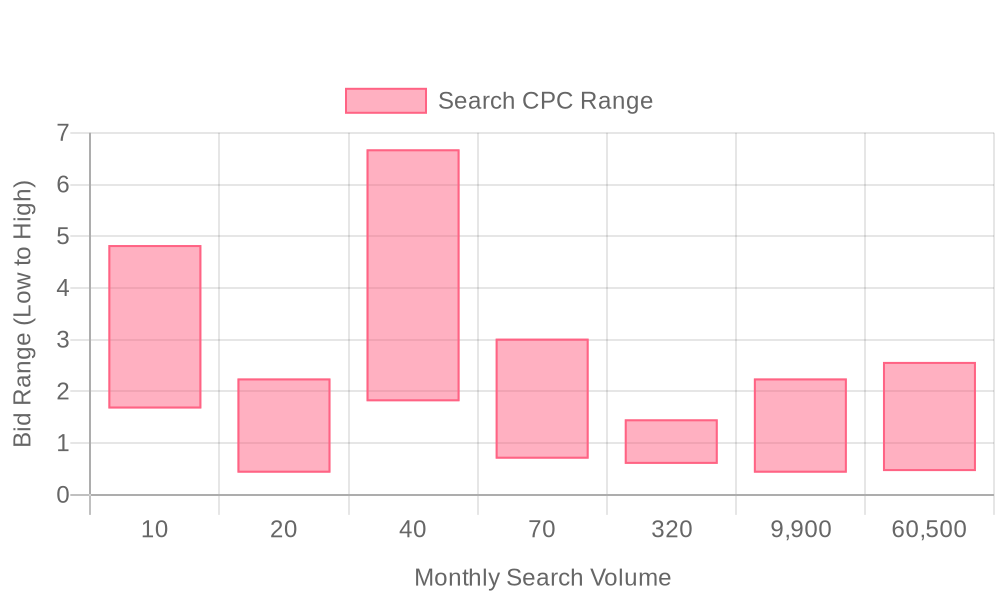
| Industry | Keyword | Monthly Search Volume | Competition Level | Low Bid | High Bid |
| Home Accessory Retailers | wholesale home decor for retailers | 10 | LOW | 1.67 | 4.83 |
| Home Accessory Retailers | online home goods retailers | 20 | HIGH | 0.43 | 2.25 |
| Home Accessory Retailers | interior decoration shop near me | 40 | MEDIUM | 1.81 | 6.68 |
| Home Accessory Retailers | online homewares stores | 70 | HIGH | 0.7 | 3.02 |
| Home Accessory Retailers | home decor retailers | 320 | HIGH | 0.6 | 1.46 |
| Home Accessory Retailers | home decor shopping near me | 9900 | HIGH | 0.43 | 2.25 |
| Home Accessory Retailers | home decor shop near me | 60500 | HIGH | 0.46 | 2.57 |
Choosing the right keywords is foundational for profitable Google Ads performance in the home accessory retail sector. High-intent, product-specific keywords such as "modern lamp shades," "rustic wall mirrors," or "boho throw pillows" consistently attract shoppers who are ready to buy. These terms reflect not just what shoppers want, but also their style preferences, which is critical in a visually-driven vertical like home accessories. For inspiration on effective keyword selection, review this list of high-performing PPC keywords for home accessories. Regular keyword audits help campaigns remain aligned with evolving trends, seasonal changes, and shifting consumer vocabulary, ensuring every budget dollar is spent reaching current demand.
Static keyword lists become stale as consumer interests and design trends shift. Home accessory retailers must frequently review and refresh their keyword portfolio, incorporating newly trending phrases or seasonal modifiers like "spring table runners" or "holiday wreaths." This dynamic approach maintains relevance and boosts visibility for high-converting searches. For actionable advice on updating your keyword and campaign strategies, explore the collection of guides and playbooks. The most effective campaigns layer broad, mid-funnel terms with longer-tail, purchase-ready queries, resulting in stronger click-through rates and higher-quality leads.
Optimizing negative keyword lists is equally important; by filtering out traffic from non-buyers or irrelevant searches, such as "DIY lamp repair" or "free decor ideas," retailers can maximize their return on ad spend. Effective negative keyword management prevents wasted impressions and budget, ensuring ads are only shown to audiences with genuine purchase intent. Leveraging real-time audience insights enables teams to identify and exclude new irrelevant queries as they emerge, keeping campaigns efficient and tightly focused on revenue opportunities.
Integrating local modifiers and long-tail keywords, such as "buy ceramic vases online" or "home decor stores near me," allows retailers to capture both broad and hyper-local intent. Explore best practices for optimizing Google Shopping campaigns to enhance visibility for these granular terms. To keep marketing efforts agile and ROI-positive in a fast-moving home accessories market, get started for free with Sona.
Step-by-Step Campaign Execution Framework
Step 1: Design Targeted Campaigns by Seasonality
Home accessory retailers thrive by anticipating and aligning with seasonal surges, think spring home refreshes, holiday décor booms, or back-to-school organization. Creating campaign structures that flex with these demand spikes ensures advertising aligns with customer readiness, allowing for precise budget deployment and creative messaging that feels timely and relevant. For actionable inspiration, explore this overview of PPC strategies for home decor brands to see how leading retailers align campaigns to seasonal demand.
To capture these opportunities, segment campaigns around key retail moments throughout the year. Use past performance data and market analytics to forecast which products and themes will drive the highest engagement. Employ dynamic creative and responsive ad groups to showcase on-trend items, limited collections, or exclusive seasonal bundles. By tuning campaign design to the rhythm of the home accessories calendar, retailers maximize both reach and resonance.
What most home accessory retailers miss is going beyond raw keyword volume to layer in intent and identity signals. A search for "outdoor string lights" in early May carries different intent than the same search in December, and a generic search-volume report won't tell you which of those seasonal terms actually bring in buyers rather than browsers. By connecting website-visitor data and CRM records with Sona Marketing Measurement, you can see which specific search terms bring in the accounts and customers that convert, and weight your keyword and bidding strategy toward those instead of the terms with the highest search volume alone.
Step 2: Predict and Capitalize on Buying Stages
Advanced data tools empower home accessory marketers to analyze buyer intent and predict when prospects are most likely to convert. By integrating behavioral signals, such as recent website activity, engagement with specific product pages, or signals from CRM data, teams can identify high-value audiences in real time, rather than relying solely on historical segments.
Dynamic audience updates ensure that as leads progress from inspiration to purchase, campaigns adapt seamlessly. For example, a shopper who browses spring tableware collections but abandons cart can be automatically shifted into a retargeting audience, with offers tailored to both their stage in the funnel and their demonstrated interests. Real-time audience segmentation also allows marketers to reallocate spend on a daily or even hourly basis, boosting investment in campaigns with the highest probability of conversion. This agile approach to budget optimization drives higher ROI and reduces wasted spend.
Step 3: Apply Strategic Ad Scheduling and Intent-Focused Timing
Maximizing visibility during peak shopping windows is critical for home accessory sales. Strategic ad scheduling ensures that the right campaigns appear when buyers are most active, whether that’s after work hours, during major sales events, or in the lead-up to a holiday. For step-by-step tactics on managing Google Shopping ads during peak periods, refer to this guide to setting up and optimizing Google Shopping ads.
Modern platforms enhance this process by allowing for real-time, data-driven adjustments to ad schedules. If visitor identification tools reveal a surge in commercial traffic during a specific window, schedules can be updated instantly to capitalize on this pattern. Additionally, syncing enriched audience lists from CRM or marketing automation systems into Google Ads ensures that high-intent buyers receive tailored messaging at the moment they’re most likely to convert. This level of synchronization between data, timing, and creative delivery streamlines spend and turns seasonal spikes into sustained growth.
Integrating Google Ads with Social Media Marketing

Integrating Google Ads for home accessory retailers with social media marketing creates a unified approach that bridges the gap between search-driven intent and the immersive, discovery-based engagement of platforms like Instagram and Facebook. This synergy helps retailers capture both high-intent shoppers searching for specific home decor and lifestyle-driven audiences exploring inspiration, ultimately maximizing efficiency across channels. For actionable strategies tailored to home decor brands, explore this overview of PPC strategies for home decor brands.
Cross-channel campaign orchestration ensures that audience intent signals collected on one platform inform and optimize targeting on another. For instance, when a user browses a retailer’s product line through a Facebook ad, their interaction data can be synced so Google Ads remarketing campaigns deliver relevant offers or complementary product suggestions. Retailers can use real-time audience integration to ensure Google Ads and social campaigns work in tandem, delivering relevant messaging and minimizing wasted ad spend.
Retailers aiming for peak campaign performance are increasingly synchronizing audience segments across Google Ads and social channels. By leveraging integrated tools that unify CRM data, marketers can create dynamic segments that reflect both behavioral and transactional signals. For more guidance on maximizing the impact of unified marketing efforts, visit our collection of actionable guides.
Harmonizing creative messaging across platforms is critical for reinforcing brand presence and nurturing prospects through the buying process. Home accessory retailers benefit from mirroring the visual themes and promotional language used in social campaigns within their Google Shopping Ads and search creatives. This approach ensures a shopper who discovers a new product line on Pinterest will see consistent, relevant messaging when searching for related items on Google, boosting brand recall and trust.
Advanced data platforms let marketers go beyond anonymous web traffic by identifying the companies interacting with both ads and organic posts. Intent signals from social and search interactions trigger updates to Google Ads audience lists, so ad spend stays focused on the accounts most likely to convert. For a deeper dive into tracking and optimizing conversions across both ecosystems, check out our guide to measuring marketing's influence.
Geo-targeting for Local Home Accessory Retailers

Local home accessory retailers thrive on the ability to connect with buyers in their immediate vicinity, where seasonality, style, and neighborhood preferences can shift rapidly. By leveraging ZIP-code and hyperlocal neighborhood targeting, advertisers can focus budgets on the most profitable regions while minimizing wasted spend on audiences outside their serviceable radius. For a practical overview of PPC strategies tailored for home decor brands, explore this PPC for home decor brands guide.
Applying precise audience segmentation enables marketers to tailor ad messaging and offers to the unique characteristics of each locality. For example, promotional campaigns for minimalist decor can be concentrated in urban ZIP codes known for modern housing, while promotions for rustic accessories can be amplified in suburban or rural neighborhoods. This approach ensures that every ad impression is contextually relevant, driving higher engagement rates and maximizing return on investment. For more ways to enhance campaign targeting, review our intent-driven retargeting guide.
Deeper market insights are essential for advanced geo-targeting. Integrating enriched account intelligence tools allows marketers to move beyond basic location filters and develop granular profiles of local audiences. These insights reveal not only who is shopping in a specific ZIP code but also uncover purchase intent signals, lifestyle preferences, and even household composition. When real-time audience and intent data are layered into Google Ads campaigns, budget can be dynamically shifted to ZIP codes where in-market activity is highest, giving local retailers a measurable edge in crowded digital marketplaces.
Tips on Expanding Your Home Accessory Retail Presence

Home accessory retailers achieve growth by layering advanced digital strategies on top of traditional marketing fundamentals. Focusing on high-intent engagement and real-time personalization allows brands to connect with the most valuable buyers at every touchpoint.
- Leverage educational and content assets: Curated guides, video tutorials, and style lookbooks spark interest and add depth to your marketing funnel. Folding these assets into retargeting sequences revives stale campaigns and keeps you relevant with both new and returning visitors. Real-time company identification lets retailers move beyond anonymous clicks to recognize which businesses are engaging with key content, so retargeting can be based on real buying signals instead of guesswork.
- Utilize strategic partnerships: Collaborating with interior designers, local furniture stores, or lifestyle influencers opens additional referral channels that bridge digital and physical experiences. These partnerships amplify your reach and tap into pre-qualified audiences who are already engaged in home improvement or decor projects. By syncing partnership leads and audiences directly into Google Ads and connected CRM systems, you can create dynamic, enriched audiences for your next campaign. As these audience segments update in real time, your ad creative and offers adjust to match each cohort’s stage in the decision journey, maximizing conversion rates and driving measurable ROI from cross-channel efforts.
- Incorporate customer feedback and reviews: Featuring authentic testimonials and user-generated content across your Google Shopping Ads and social campaigns builds trust with prospective buyers. Highlighting recent five-star reviews in your ad copy and product listings not only boosts credibility but also attracts new customers searching for highly-rated home decor. Advanced online advertising strategies now allow you to identify which review readers are most likely to convert, and dynamically retarget them with personalized offers. Integrating customer feedback into your digital marketing for retailers ensures you always target the freshest, highest-intent profiles, feeding your sales pipeline with prospects primed for action.
Beyond Google Ads: Winning the AI Answers Home Accessory Retailers Buyers Now Trust
Paid search captures demand at the moment someone types a query. But a fast-growing share of home accessory retailers buyers no longer start at Google at all, they ask ChatGPT, Gemini, or Perplexity before they ever run a search, and Google's own AI Overviews increasingly summarize an answer above the traditional results. If your business isn't referenced in those AI answers, you're invisible at the exact moment buyers build their shortlist.
Sona AI Visibility shows where your business shows up across ChatGPT, Gemini, Perplexity, Google AI Overviews, and 10+ engines, and, much like a keyword report, which prompts actually send you buyers, so you can prioritize the ones that convert. Run the two together and you cover the entire buyer path: get cited where buyers research (AI Visibility), then prove which of that demand turns into booked revenue (Marketing Measurement).
Helpful resources
Conclusion
Google Ads works for home accessory retailers because it meets shoppers at the exact moment a browsing session turns into a buying decision, whether that's a holiday-driven search spike or a slow-building interest in redecorating a room. The retailers who win aren't the ones bidding on the most keywords; they're the ones who connect what happens after the click, the store visit, the phone call, the repeat purchase, back into their campaign data.
The next step is treating Google Ads as one input into a larger measurement system rather than a channel you manage in isolation. As more home accessory research shifts into AI tools and cross-channel browsing, the retailers who tie search spend to actual revenue, not just clicks, will be the ones who keep scaling budget with confidence instead of second-guessing it.
Unifying your go-to-market data turns scattered campaign signals into a clear picture of what's actually driving sales for your home accessory business.
FAQ
What are the best practices for using Google Ads for home accessory retailers?
Best practices include using audience and keyword targeting, dynamic segmentation, and predictive modeling to reach high-intent customers and prioritize outreach towards those ready to buy.
How can I optimize my Google Ads campaigns for home decor products?
Optimize campaigns by leveraging behavior data, updating audience segments, using dynamic creative, and employing strategic ad scheduling to align with buying stages and maximize visibility during peak shopping windows.
What budget should I allocate for Google Ads in the home accessory niche?
The budget should be dynamically allocated based on the likelihood of conversion using predictive modeling and real-time audience insights, focusing on high-converting segments.
What types of Google Ads work best for selling home accessories?
Search campaigns, display ads, video ads, remarketing strategies, and ad extensions are effective for selling home accessories by targeting high-intent searches and maintaining brand visibility.
How do I measure the success of my Google Ads campaigns for home decor?
Success can be measured by integrating Google Ads with CRM platforms for advanced conversion tracking and real-time audience updates to capture both online and offline conversions.