


Healthcare providers live with a contradiction: they need to fill schedules and grow service lines, but every ad they run has to survive compliance review first. Google Ads is one of the few channels that solves both problems at once, catching people at the moment they're searching for a provider, a procedure, or same-day care, while still leaving room to build campaigns that respect HIPAA and advertising restrictions specific to medicine. This guide covers how healthcare organizations can target precise patient needs, stay compliant, and improve ROI without treating marketing as an afterthought to clinical operations.
How to Generate Google Ads for Healthcare Management Leads: A Step-by-Step Guide

Healthcare organizations face a unique set of challenges when generating high-quality leads through Google Ads. Effective strategies must bridge the gap between anonymous web traffic and qualified patient inquiries, while maintaining strict compliance and maximizing every marketing dollar. For a comprehensive overview on how doctors can use Google Ads to attract new patients and grow their practices, see this guide for doctors using Google Ads. To further enhance your understanding of effective lead generation, explore actionable B2B marketing playbooks.
A successful Google Ads for Healthcare Management approach requires advanced keyword and audience targeting. Healthcare marketers who use granular intent signals and real-time behavioral data can move past broad specialty keywords to identify prospects actively comparing providers or researching a diagnosis. Audience intelligence lets teams pinpoint both individual searchers and the organizations, referring practices, employer health plans, insurance partners, behind in-market activity, which sharpens ad spend considerably.
Aligning landing pages and creative assets with ad intent is essential for conversion. Prospects who click on a healthcare ad expect a seamless experience, relevant content, intuitive navigation, and a clear path to action. With conversion rates hinging on these moments, optimizing landing pages with personalized messaging and dynamic content ensures that high-value interest does not go unconverted. Integration with advanced platforms enables marketers to track buyer journeys and tie every touchpoint back to individual journeys, making it possible to deliver timely follow-ups and prevent leads from cooling off.
Continuous optimization is the backbone of healthcare PPC strategies. By analyzing campaign performance, marketers can refine keyword bids, adjust audience parameters, and reallocate budget in real time to maximize results. Utilizing platforms that sync real-time audience data and conversion data between CRM and ad channels ensures campaign adjustments are always based on the most current information, which is critical for maintaining high ROI in healthcare digital marketing.
An integrated, omnichannel strategy is vital for sustained lead quality and volume. Syncing audience segments and conversion data across Google Ads, CRM, and marketing automation tools lets healthcare teams orchestrate timely follow-ups and nurture leads across every stage, from a first symptom search to a booked appointment. This unified approach sharpens targeting precision and keeps marketing teams from missing high-value opportunities to data silos or slow reporting. Practices that follow these steps can generate, engage, and convert patient leads while holding a strong compliance posture. If you're ready to elevate your healthcare lead generation, get started for free with Sona.
Why Does Google Ads Matter for Healthcare Management?
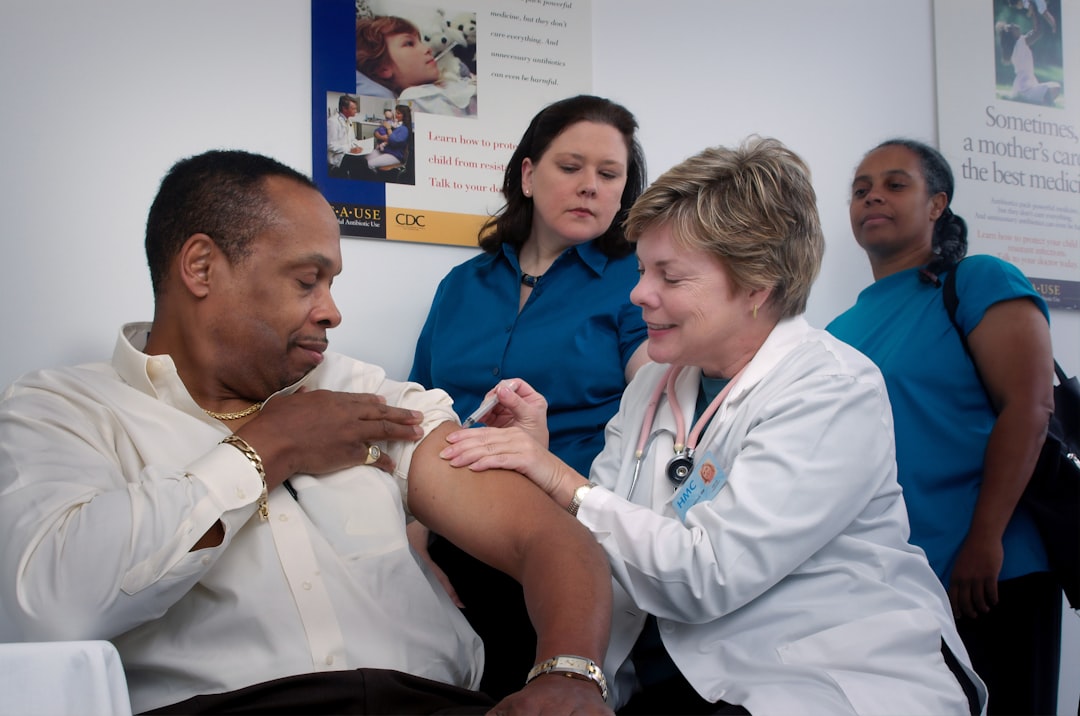
Healthcare organizations operate in a competitive, high-stakes environment where patient acquisition and retention are directly tied to the quality of digital outreach. Google Ads for Healthcare Management delivers unmatched speed and precision in connecting medical practices with patients who are actively seeking care, allowing providers to engage at moments of highest intent and need. For more actionable insights on data-driven marketing, visit our marketing analytics blog.
- Complex, Specialized Audience Targeting: Patients searching for a fertility specialist, a knee replacement surgeon, or a psychiatric intake appointment are each running very different searches with very different urgency levels. Granular segmentation in Google Ads, paired with tools that identify anonymous site visitors, lets marketers tell these searches apart and convert web traffic into real leads instead of spreading budget across broad, low-intent terms.
- Visibility and Immediate Demand Response: Healthcare is uniquely time-sensitive: patients often search for care providers during urgent moments. Google Ads ensures that practices are visible at the exact time patients are making critical decisions, capturing demand as it emerges. When in-market intent signals are surfaced in real time, campaigns can instantly shift budget and messaging to high-converting accounts, maximizing every opportunity without delay.
- Integrated Data Insights: Effective healthcare PPC strategies require more than just click data, they demand a unified view of every patient touchpoint. With closed-loop analytics, organizations can track the entire journey from ad interaction to appointment and beyond, attributing value to both online and offline conversions. By syncing CRM data, enriched audiences, and real-world outcomes directly into campaign management platforms, revenue teams gain a single source of truth for measuring and optimizing the true ROI of their Google Ads investment in healthcare.
Ready to improve patient acquisition and campaign ROI? Get started for free with Sona.
Common Types of Google Ads Campaigns for Healthcare Services

Healthcare organizations drive measurable growth by aligning campaign types with each stage of the patient journey. Modern marketing teams benefit from diversified strategies that capture attention, nurture interest, and convert intent-driven prospects into scheduled appointments. By leveraging campaign customization and unified data, healthcare marketers can optimize every touchpoint for higher acquisition and retention. For a comprehensive overview of how doctors can utilize Google Ads to attract new patients, see this guide to Google Ads for doctors. To further refine your marketing programs, explore actionable insights on the Sona blog.
- Search Campaigns: Directly address urgent patient needs by targeting high-intent queries such as "same day urgent care" or "pediatrician near me." These campaigns eliminate wasted spend by surfacing services to users actively seeking care, ensuring practices are visible at the exact decision moment. Enhance outcomes by integrating real-time visitor identification and intent data, enabling dynamic budget shifts to the keywords driving the highest conversion rates.
- Display Ads: Build persistent brand awareness across health forums, symptom checkers, and medical news portals. Display placements reach anonymous visitors who may not be ready to book but are researching conditions or seeking information. Retarget high-fit prospects across the web by leveraging intent signals, ensuring remarketing efforts are focused on accounts most likely to convert.
- Video Ads: Demonstrate expertise and build trust by showcasing facilities, procedures, or provider introductions through video. This format extends website and content marketing, especially for specialties that benefit from visual explanation, such as orthopedics or surgical care. Responsive search ads can then pick up the search-intent side of the same campaign, using audience segmentation from video engagement data to adjust remarketing and budget as leads move deeper into the funnel.
- Remarketing: Reconnect with site visitors who have shown interest but not yet scheduled a consultation or appointment. Advanced remarketing campaigns utilize behavioral signals, such as time spent on service pages or engagement with educational content, to deliver tailored ads that re-engage and nudge these prospects. Sync enriched audience segments from CRM systems into Google Ads to ensure only the most qualified leads are included, optimizing both spend and patient acquisition rates.
- Assets: Highlight key differentiators, such as credentials, hours, or insurance acceptance, right in the search results. Sitelink, call, and review assets make ads more actionable and credible for prospective patients. Use unified data platforms to update these assets in real time as operational details or service offerings change, keeping ads relevant and compliant with healthcare advertising rules.
To start optimizing your healthcare campaigns and activate advanced audience targeting, get started for free with Sona.
Where to Find Growth Opportunities in Healthcare Ads?

Healthcare organizations seeking growth can accelerate results by moving beyond outdated marketing tactics and unlocking actionable visibility into anonymous traffic. By addressing the blind spots that traditional campaigns leave behind, teams can tap into richer audience data and uncover new avenues for engagement.
- Vertical keyword targeting: Focusing on specialty healthcare services with precise keyword strategies allows marketers to capture engaged, in-market audiences. Detailed segmentation transforms anonymous visits into trackable insights, revealing the specific medical interests and intent behind each search. When these signals are integrated with unified data platforms, marketers can identify not only the organizations but also the decision-makers landing on service pages. This process supports more tailored outreach and nurtures higher-value patient leads.
- Auction insights for competitor gap analysis: Analyzing auction insights within Google Ads for Healthcare Management uncovers service areas where direct competitors underperform or miss entirely. For a practical look at how doctors use Google Ads to attract patients, check out this guide for doctors using Google Ads. When marketers identify these gaps, they can redirect budget to high-value prospects that competitors are not reaching. Real-time intent signals enable dynamic budget reallocation, ensuring that resources flow to campaigns with the greatest patient acquisition potential. This approach leads to consistently higher ROI and more efficient healthcare PPC strategies.
- Industry-specific platform placements: Leveraging medical directories and healthcare-specific ad placements enriches audience data with critical firmographic insights. Ads served on platforms frequented by healthcare professionals or patients allow for more granular segmentation and refined targeting. By syncing CRM data with these campaigns, revenue teams can prioritize outreach to organizations and individuals who demonstrate repeated engagement across channels, driving smarter pipeline development.
- Educational content retargeting: Retargeting visitors with tailored educational health resources bridges the gap between initial interest and conversion. When anonymous visitors engage with blog posts or resource centers but do not convert, marketers can use dynamic audience updates to shift messaging based on funnel stage. This ensures that follow-up ads are relevant, nurture intent, and guide prospects toward booking appointments or requesting consultations. Integrated conversion tracking, including both online and offline touchpoints, allows teams to accurately attribute ROI and optimize future spend for healthcare digital marketing efforts.
Ready to transform your healthcare ad strategy? Get started for free with Sona.
How to Apply Audience Segmentation for Healthcare
Audience segmentation is fundamental in healthcare digital marketing, ensuring campaigns reflect the diverse journeys patients take when seeking care. By abandoning blanket messaging and tailoring communication to nuanced needs, organizations gain stronger engagement and higher conversion rates across Google Ads for Healthcare Management initiatives. Using visitor identification intelligence, anonymous website traffic is transformed into actionable insights, allowing teams to drill down into company-level or demographic-specific interests before ads are delivered.
- Define Segments: Differentiating between elective procedures and emergency care is vital for both ad relevance and performance. Leveraging real-time audience data, healthcare marketers can pinpoint whether a searcher is seeking immediate attention, ongoing chronic care, or exploring preventive health options. This segmentation leads to more precise messaging that resonates with the urgency or consideration level behind each query.
- Overlay Intent Signals: Understanding whether a prospective patient is experiencing acute symptoms, comparing treatments, or navigating insurance questions refines campaign targeting. By monitoring in-market behavior and overlaying intent signals, marketers can identify high-intent leads and shift budget toward those most likely to convert into appointments or consultations. This real-time intent recognition ensures ad spend is optimized for the best-performing audiences and supports effective Google Ads optimization for healthcare.
- Create Segment-Specific Ad Groups: Once segments are defined and intent signals mapped, custom ad groups are built to address the unique motivations of each audience. For example, ad copy for "same-day urgent care" will differ dramatically from campaigns promoting "long-term diabetes management programs." Dynamic audience capabilities enable healthcare PPC strategies to automatically update groups as prospective patients move through the funnel or as new service lines come online, accelerating campaign launches and maintaining message relevance.
- Ensure Conversion Path Alignment: Aligning each segment's journey with an appropriate conversion path is critical for measurable outcomes. By connecting initial queries to tailored landing pages, deploying advanced conversion tracking, and integrating CRM data, marketing teams ensure follow-up is timely and contextual. When CRM and ad audiences are tightly synced, enriched leads and patient data flow seamlessly between Google Ads and downstream systems such as Salesforce or HubSpot. For more strategies on improving your healthcare campaigns, explore the healthcare marketing playbooks.
This is also where measurement changes the economics. With Sona Marketing Measurement you can identify the companies and buyers behind your ad clicks, not just anonymous sessions, and segment audiences by who actually becomes a patient or customer organization. That lets you build bid adjustments and audience signals around the segments that convert and de-prioritize the ones that don't, so you feed Google's algorithms "this click became a paying healthcare management customer" instead of just "someone filled out a form."
Keyword Strategy & Sample Target Terms
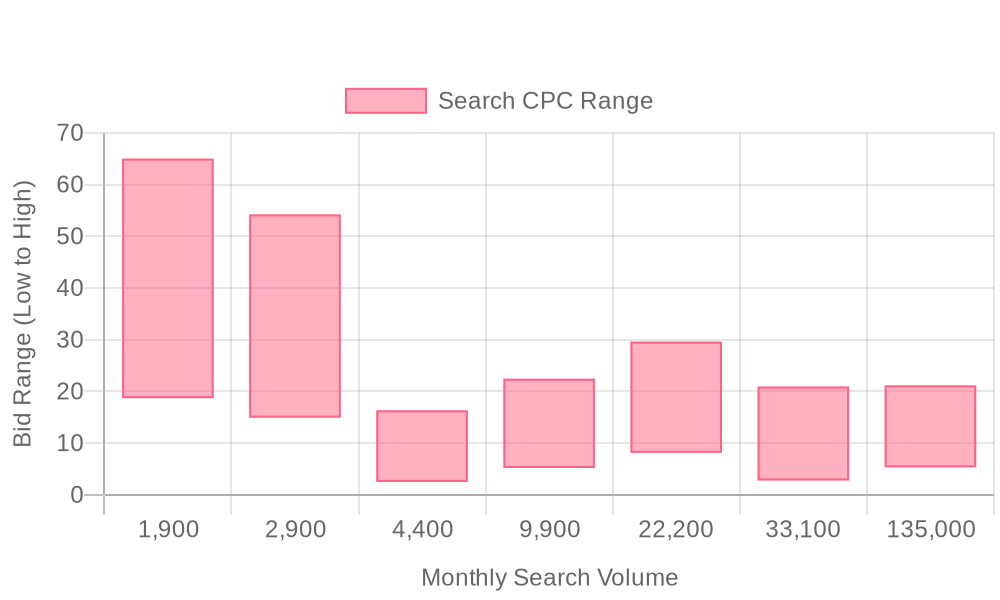
| Industry | Keyword | Monthly Search Volume | Competition Level | Low Bid | High Bid |
| Healthcare Management | bachelor's in healthcare administration | 1900 | MEDIUM | 18.7 | 65 |
| Healthcare Management | online master's in healthcare administration | 2900 | MEDIUM | 14.94 | 54.21 |
| Healthcare Management | revenue cycle management healthcare | 4400 | LOW | 2.51 | 16.35 |
| Healthcare Management | healthcare management | 9900 | MEDIUM | 5.2 | 22.45 |
| Healthcare Management | healthcare administration | 22200 | MEDIUM | 8.14 | 29.62 |
| Healthcare Management | revenue cycle management | 33100 | LOW | 2.79 | 20.94 |
| Healthcare Management | health information management | 135000 | LOW | 5.34 | 21.16 |
Precision in keyword strategy is foundational for healthcare organizations aiming to capture high-intent searchers and meet patient needs at the exact moment of care-seeking. By targeting terms such as "Google Ads for Healthcare Management," "healthcare PPC strategies," and "Google Ads for medical practices," marketers can intercept motivated users actively researching providers, treatments, or telehealth services. For practical keyword inspiration and campaign tactics, review this guide on Google Ads for doctors. This approach transforms anonymous queries into actionable engagement opportunities, reducing wasted spend and elevating overall campaign efficiency.
Effective keyword strategies go beyond basic search intent by layering in negative keywords to eliminate irrelevant clicks and incorporating long-tail variations specific to specialties or localities, such as “urgent care near me” or “virtual cardiology consult.” Marketers who identify the intent behind each query are better positioned to present relevant information, guide prospects along the patient journey, and maintain compliance with healthcare advertising best practices. For expert guidance on healthcare marketing and analytics, explore the Sona blog.
Integrating Google Ads into a broader multi-channel healthcare digital marketing plan amplifies results. By unifying search, display, and retargeting campaigns, organizations can re-engage site visitors who have not converted and nurture them with targeted messaging. Sona's Identity Resolution helps marketers move beyond anonymous web traffic, pinpointing accounts and decision-makers with real purchase intent. Sona surfaces intent signals to inform budget allocation, so high-converting audiences receive increased investment when they're most likely to engage. As leads progress through the funnel, dynamic audience segments update automatically, keeping each ad touchpoint personalized and timely.
Step-by-Step Campaign Execution Framework for Healthcare Management
Step 1: Build Targeted Keyword Lists
Healthcare marketers achieve superior results when keyword lists are precisely structured around individual specialties and local market demands. By clustering keywords for cardiology, urgent care, telemedicine, or pediatric services and pairing them with regional modifiers, campaigns more effectively capture search intent from high-value prospects. This targeted approach reduces wasted spend and ensures ad budgets prioritize active, in-market patients rather than broad, low-converting queries.
Unified data platforms elevate keyword strategy by enabling marketers to pinpoint which companies and decision-makers are visiting their digital properties. Identifying visitors down to the organization and intent level allows for dynamic keyword expansion, ensuring campaigns adapt instantly as new high-intent leads emerge. Real-time audience data also empowers marketers to shift budget toward keywords aligned with accounts showing purchase readiness, maximizing campaign efficiency and healthcare PPC strategies.
The upgrade most healthcare management advertisers miss is going beyond raw keyword volume to layer in intent and identity signals. By connecting website-visitor data and CRM records with Sona Marketing Measurement, you can see which specific search terms bring in the accounts and customers that actually convert, and weight your keyword and bidding strategy toward those rather than the terms with the highest search volume alone.
Step 2: Develop Compelling Ad Copy
Effective ad copy in healthcare has to answer a patient's specific worry, not just describe services. Messaging that names the concern directly, a same-week appointment, a specialist who treats a particular condition, transparent pricing or insurance acceptance, builds more trust than generic claims of quality care. Moving beyond boilerplate language, tailored copy speaks to the community's actual health needs and reads as credible rather than promotional.
Data-driven creative testing further refines messaging by revealing which copy variations resonate best with different audiences and service lines. As enriched lead and visitor data syncs with ad platforms, marketers can dynamically adjust messaging based on real-time engagement trends or specific funnel stages. This level of alignment supports healthcare advertising best practices and increases the likelihood of meaningful patient conversions.
Step 3: Design Effective Landing Pages
Conversion-focused landing pages are critical for bridging the last mile between ad click and valuable patient action. Each landing page should directly reflect the ad’s promise, featuring prominent trust markers such as provider certifications, patient testimonials, and clear privacy assurances. Fast-loading design, accessible navigation, and upfront explanations of next steps further reduce bounce rates and increase form completions for medical practices.
Integrating audience and behavioral data allows for adaptive content blocks, displaying the most relevant services, appointment types, or locations based on user segment or referral source. When CRM and ad data sync seamlessly, marketers can trigger personalized follow-up sequences for visitors who convert or retarget those who bounce, closing gaps in the patient acquisition journey and supporting Google Ads optimization for healthcare.
Step 4: Implement Data-Driven Optimizations
Continuous optimization ensures that healthcare campaigns not only reach the right prospects but also maximize ROI on every dollar spent. Advanced conversion tracking links both online and offline actions, such as appointment bookings and phone inquiries, to their originating ad campaigns. This granular attribution enables healthcare organizations to identify which channels, keywords, and creative assets truly drive patient acquisition and revenue.
Real-time insights from unified analytics platforms empower teams to rapidly adjust bidding strategies, audience segments, and creative assets as market conditions evolve. Automated audience syncing keeps retargeting lists and exclusion groups current, ensuring that nurture tactics remain relevant as leads progress through the funnel. These optimizations drive higher Google Ads ROI for healthcare, streamline budget allocation, and reinforce compliance by minimizing the risk of wasted spend on non-compliant or unqualified traffic. To see how advanced analytics can drive your next campaign, get started for free with Sona.
Sona Marketing Measurement closes the gap between clicks and revenue. It captures every ad click with first-party tracking, no reliance on third-party cookies, then ties that click through UTM capture and ad-platform APIs to the actual record in your CRM, and reports ROAS by keyword and campaign instead of by last-click form fill. Feeding that revenue signal back into Smart Bidding and Performance Max compounds over time: the algorithms optimize toward booked healthcare management revenue, not cheap leads.
Tips on Expanding Your Healthcare Presence with Google Ads

Promoting patient education and engagement through precision-targeted Google Ads campaigns allows healthcare organizations to transform anonymous website traffic into meaningful patient interactions. By building campaigns around high-intent educational content, such as wellness guides, preventive care resources, or new treatment options, clinics and health systems can deliver value to prospective patients at the research phase. When these campaigns are supported by robust visitor identification and real-time intent data, marketers can move beyond surface-level metrics and directly attribute ad engagement to specific organizations and patient demographics, making subsequent outreach more actionable. For a comprehensive overview on how doctors can use Google Ads to attract patients and grow their practices, explore this guide to Google Ads for doctors.
Upselling related healthcare services to existing patient audiences requires sophisticated segmentation and dynamic audience management. Healthcare teams can use dynamic audience management to deliver hyper-relevant messages, such as promoting physical therapy to recent surgical patients or offering telehealth follow-ups to ongoing care recipients. Automated audience updates ensure that as patients progress along their care journey, messaging remains timely and compliant. When enriched CRM data syncs seamlessly with advertising platforms, healthcare marketers can personalize offers and reminders, increasing both follow-up rates and overall engagement. Access more actionable strategies in our playbooks for B2B marketing.
Partnering with respected medical associations delivers instant credibility and widens your sphere of influence. Joint campaigns, such as co-hosted webinars or sponsored association newsletters, can be amplified using healthcare PPC strategies that target association members and their broader networks. Marketers overcome the common challenge of limited visibility into key prospects by leveraging platforms that reveal which organizations interact with ads. This insight allows for more effective follow-up, tailored nurturing, and strategic networking with decision-makers at scale. For more insights and updates on best practices, visit our marketing analytics blog.
Localized advertising remains the cornerstone of patient acquisition for clinics and medical practices. By refining Google Ads targeting for healthcare, providers can dominate high-value geographic markets, ensuring their services appear when and where patients are actively searching. Tailoring campaigns by zip code, city, or neighborhood allows for nuanced segmentation, enabling personalized ad creative that speaks to local health needs and regulatory nuances. When real-time intent signals and offline conversion tracking are integrated, it becomes possible to measure true ROI down to each market segment, ensuring that budget allocation and optimization efforts deliver measurable growth in patient acquisition and retention. If you're ready to implement these strategies, get started for free with Sona.
Final Thoughts
Google Ads for Healthcare Management works when strategy follows the intent signals patients actually send while searching, not assumptions about what they want. Strategic keyword targeting is the foundation: by watching search trends and intent-rich phrases, healthcare marketers keep engaging high-value prospects and put budget where conversion odds are highest. When platforms like Sona identify and prioritize in-market accounts, teams can adjust bids and messaging as those signals shift, rather than waiting for a weekly report to catch up.
Audience segmentation is crucial for addressing diverse healthcare needs and ensuring that each ad resonates with the right demographic or clinical segment. Segmentation prevents generic messaging that often leads to poor engagement and wasted spend. With dynamic audience capabilities, marketers can update segments in real time as leads progress through the funnel, allowing for highly personalized healthcare PPC strategies that adapt to patient behaviors, interests, and treatment timelines. This results in higher relevance, stronger trust, and improved ROI for healthcare providers.
High-converting creative is essential in healthcare advertising best practices. Ad copy must clearly communicate value propositions and critical service details, removing ambiguity that could lead to abandonment. Creative assets should reflect the urgency of care, the credibility of clinical offerings, and the accessibility of services. Incorporating real-time patient data and behavioral insights, captured through unified data platforms, enables marketers to tailor creative for each segment and trigger, significantly lifting conversion rates while maintaining compliance.
By combining Google Ads with a healthcare-focused strategy, providers align digital presence with how patients actually search, comparing specialists, checking credentials, weighing wait times, rather than treating every click the same. Real-time data orchestration and audience sync change how providers engage, measure, and optimize their marketing so that budget follows the patients most likely to book, not just the ones who click.
Beyond Google Ads: Winning the AI Answers Healthcare Management Buyers Now Trust
Paid search captures demand at the moment someone types a query. But a fast-growing share of healthcare management buyers no longer start at Google at all, they ask ChatGPT, Gemini, or Perplexity before they ever run a search, and Google's own AI Overviews increasingly summarize an answer above the traditional results. If your business isn't referenced in those AI answers, you're invisible at the exact moment buyers build their shortlist.
Sona AI Visibility shows where your business shows up across ChatGPT, Gemini, Perplexity, Google AI Overviews, and 10+ engines, and, much like a keyword report, which prompts actually send you buyers, so you can prioritize the ones that convert. Run the two together and you cover the entire buyer path: get cited where buyers research (AI Visibility), then prove which of that demand turns into booked revenue (Marketing Measurement).
Helpful resources
Conclusion
Healthcare organizations that treat Google Ads as a compliance-first, patient-first channel, rather than a generic acquisition tool, build campaigns that hold up to both regulatory scrutiny and patient trust. The providers seeing real growth aren't the ones spending the most, they're the ones whose targeting, creative, and follow-up all reflect the actual urgency and sensitivity of a healthcare search.
The next competitive edge in healthcare marketing won't come from spending more on the same keywords, it will come from knowing which accounts, referral sources, and search terms actually turn into booked care, and building campaigns around that evidence instead of guesswork.
FAQ
What are the best practices for Google Ads in healthcare?
Best practices include advanced keyword and audience targeting, ensuring compliance, optimizing landing pages with personalized messaging, and continuously analyzing campaign performance for real-time adjustments.
How can healthcare providers effectively use Google Ads?
Healthcare providers can effectively use Google Ads by aligning campaigns with patient journeys, utilizing advanced audience segmentation, leveraging real-time data for targeting, and integrating campaign efforts with CRM systems.
What is the budget range for Google Ads in healthcare marketing?
The article does not specify a budget range, but emphasizes the importance of optimizing ad spend by focusing on high-intent prospects and adjusting budgets based on real-time data insights.
What compliance issues should healthcare marketers be aware of with Google Ads?
Healthcare marketers must ensure ads comply with industry regulations, highlight key differentiators like credentials and insurance acceptance, and maintain ad relevance and compliance as service offerings change.
How do I measure the success of Google Ads campaigns in healthcare?
Success can be measured by tracking conversion rates, integrating CRM data, analyzing closed-loop analytics for online and offline conversions, and using real-time analytics and attribution models to refine campaigns.







