


A patient searching "urgent care near me open now" or "orthopedic surgeon knee pain appointment" has already decided to act, the only question is which provider answers first. Google Ads lets health care organizations meet that moment, but the trade's strict rules on sensitive personal information and its brutal competition for a small pool of high-value searches make generic PPC tactics fall short. This guide sets up and optimizes Google Ads campaigns built specifically for Health Care Placement: turning anonymous traffic into identified prospects, keeping campaigns compliant with Google's policies, and measuring what each click actually returns.
How to Generate Health Care Leads with Google Ads: A Step-by-Step Guide

Healthcare organizations face a unique challenge: converting digital interest into high-quality leads while navigating strict Google Ads policies regarding sensitive information and high competition. A data-driven, tightly integrated Google Ads strategy can transform how health care providers connect with prospects, drive engagement, and maximize return on ad spend.
A successful approach begins with precise targeting, using advanced visibility solutions to capture in-market leads before they lose interest. Marketers who use Sona's Identity Resolution can move beyond anonymous site traffic, identifying the companies behind each visit and, where available, the roles most likely to be making the placement decision. This enables proactive outreach and ensures that high-value accounts never slip through the cracks.
Keyword and audience targeting for health services calls for tactics built around how patients and referral sources actually search: symptom-driven queries, urgent-care and after-hours terms, and searches tied to a specific specialty or credential. Sona surfaces intent signals to build dynamic customer match lists that automatically include both known and previously anonymous visitors as they become identified. Real-time audience enrichment ensures that as prospects engage with your site or content, they are immediately qualified for tailored messaging and remarketing. Integrating with platforms like Sona allows marketers to sync enriched audiences directly into Google Ads, so audience lists stay current and actionable as intent shifts.
Landing page and creative alignment is critical for maximum conversion, especially when prospects demonstrate high demo interest but have not yet submitted a form. By connecting ad creative with personalized landing experiences tied to real-time behavioral data, healthcare marketers can address decision drivers and pain points at every stage of the funnel. This increases the likelihood of capturing form submissions, appointment bookings, or direct inquiries.
Performance optimization in healthcare PPC requires constant measurement of engagement signals and campaign ROI. Sophisticated conversion tracking, covering both online and offline touchpoints, enables teams to attribute leads accurately, surface timely follow-up opportunities, and shift budget to the highest-performing channels. When data from CRM and ad platforms is unified, marketers gain a holistic view of lead progression and campaign impact, facilitating rapid adjustments and resource allocation.
Integrating Google Ads into an overarching healthcare marketing strategy ensures messaging consistency across every channel. Centralized data from web, CRM, and advertising platforms supports seamless audience segmentation, unified campaign measurement, and a consistent prospect experience. This holistic view matters most for healthcare providers, who must maintain strict compliance with industry regulations while maximizing advertising effectiveness and ROI.
Why Does Google Ads Matter for Health Care Placement

Healthcare marketers navigate a landscape defined by strict regulations, sensitive audiences, and high-stakes outcomes. Effective digital campaigns require not only compliance but also innovative tactics to reach decision-makers and prospective patients at critical moments, learn more about Google Ads policies for sensitive information to ensure your campaigns remain compliant in this highly regulated industry.
- Complex, Specialized Audience: Healthcare decision cycles involve multiple stakeholders, from practice managers to patient advocates. Advanced audience segmentation pinpoints these roles, serving relevant ads based on the exact needs and specialties sought. By identifying in-market behavior in real time, marketers shift budget toward high-converting accounts, avoiding wasted spend on generic impressions.
- Higher Margin Services: Many healthcare providers focus on premium services such as elective procedures or specialized consultations. Precision targeting ensures ads reach individuals expressing interest in these offerings, using dynamic audience updates as prospects move from research to decision stages. This approach boosts the efficiency of healthcare PPC campaigns, increasing the likelihood of connecting with high-value leads. For more on optimizing your approach, explore our library of actionable playbooks.
- Immediate Demand Response: Healthcare often requires fast action, whether due to seasonal illness spikes, urgent care needs, or new service rollouts. With tools that analyze search context and urgency, advertisers can activate campaigns tailored to immediate patient intent. This ensures timely visibility when patients are ready to book appointments or seek care, discover how intent signals help you capture high-intent patients the moment they’re searching.
- Visibility in Emerging Regions: Growth opportunities often exist in underserved or rapidly developing locations. Leveraging geo-specific data, healthcare marketers optimize outreach for regions with rising demand but limited competition. Enhanced targeting capabilities allow campaigns to adjust dynamically as new hotspots emerge, ensuring budgets are allocated where they will drive the most impact. Learn how Sona can reveal which organizations are visiting your website, even if they haven’t converted yet.
- Integrated Data Analysis: Closing the loop from ad click to patient appointment is essential for demonstrating healthcare advertising ROI. Integrated platforms unify marketing and CRM data, enabling online and offline attribution. Marketers gain a clear view of which campaigns drive actual appointments, empowering continuous refinement and higher returns on ad spend.
Common Types of Google Ads Campaigns for Health Care Services

Google Ads for Health Care Placement requires precision and intent-based strategies to reach high-value prospects and drive measurable patient acquisition. Sophisticated healthcare marketers use campaign formats that align closely with how potential patients search, evaluate, and choose care providers, ensuring every touchpoint maximizes engagement and conversion. For a deeper dive into B2B marketing strategies and analytics, explore our blog collection.
- Search Campaigns: Capture high-intent patients searching for medical services at the critical moment of decision-making. These campaigns prioritize keywords directly tied to service lines, symptoms, or provider types, converting motivated prospects into booked appointments. Advanced platforms help marketers identify companies and individuals behind high-value searches, enabling fast follow-up and tailored outreach.
- Display Ads: Maintain brand visibility across healthcare-focused websites and relevant online communities. Display campaigns excel at reinforcing your value proposition to audiences researching treatment options or evaluating multiple providers. By syncing audience data in real time, marketers ensure that display ads consistently reach the most relevant prospects as their intent signals evolve.
- Video Ads: Visually communicate complex procedures, highlight patient success stories, or describe advanced medical technology in a compelling way. Video campaigns not only educate but also help re-engage users who previously interacted with your brand. When integrated with dynamic audience segments, these ads can remind high-intent viewers to consider your practice, especially those who started but did not complete a booking. For an overview of running Google Ads in healthcare, watch this YouTube guide.
- Remarketing: Reconnect with visitors who engaged with your site but did not convert, using targeted messaging to address lingering concerns or barriers. Remarketing strategies leverage real-time behavioral insights to trigger personalized follow-ups across the web. Platforms that unify CRM and ad data can automatically update audiences as leads move through the funnel, ensuring timely and compliant outreach to those most likely to convert.
- Assets: Enhance ad performance and credibility with additional information such as location, certifications, or direct links to appointment booking. Ad assets build trust and remove friction for prospects ready to take action, supporting higher click-through and conversion rates. When campaign and CRM data are synchronized, assets can be dynamically updated to reflect the most relevant offerings or compliance credentials, reducing the risk of missed opportunities and supporting healthcare PPC best practices.
Where to Find Growth Opportunities

Expanding your outreach in health care placement requires a precise approach that uncovers new sources of qualified leads. Growth comes from understanding both where your audience spends time and how to capture intent as it emerges across digital channels.
- Vertical Keyword Targeting: Focused keyword targeting ensures your campaigns align with the nuanced search intent behind specialty healthcare services. By using granular, vertical-specific keywords, you minimize wasted spend and reach candidates actively searching for placement solutions. With platforms that unify cross-channel data, marketers can identify which medical specialties or care types drive the strongest engagement and conversion, then shift budget and messaging accordingly. To further refine your efforts, see this Google Ads health care policy for compliance guidelines.
- Competitor Gap Analysis: Analyzing the keywords, placements, and audience segments competitors overlook reveals untapped market segments. By identifying where competitors underperform, such as specific nursing specialties or geographic locations, you can deploy targeted campaigns that capture high-value prospects. When your marketing stack surfaces real-time insights into competitive gaps and intent surges, you can prioritize budget for the highest-impact opportunities.
- Industry-Specific Forum Placements: Engaged professionals often gather on healthcare forums and industry-specific platforms. Securing ad placements here raises brand visibility among vetted, in-market audiences. Integrating visitor identification technology allows you to recognize high-intent companies interacting with forum content, enabling more informed outreach and retargeting.
- Content for Retargeting Efforts: Develop educational videos, whitepapers, or guides that address common pain points in health care placement. These assets reinforce your brand’s expertise and provide value during the decision-making process. By dynamically updating retargeting audiences as leads engage with your content, you ensure your messaging evolves with each touchpoint, supporting a personalized nurture journey and increasing conversion rates.
Growth in health care placement marketing comes from tactical outreach, targeted messaging, and a data-driven understanding of where high-intent audiences gather and engage. Unifying campaign data with CRM and ad platforms enables seamless audience syncing, robust attribution, and ultimately, higher healthcare advertising ROI.
How to Apply Audience Segmentation for Health Care

Precise audience segmentation is fundamental to driving measurable results in health care marketing. Effective segmentation enables targeted messaging, maximizes ad spend efficiency, and ensures that each patient cohort receives communications relevant to their unique journey. For more strategies on optimizing segmentation and targeting, explore the Sona blog.
- Define Segments: Differentiate between patient types by categorizing based on care needs, such as routine wellness visits, urgent consultations, chronic condition management, or specialist referrals. Building segments that reflect actual patient pathways ensures campaigns align with real-world behaviors and outreach is always contextually relevant. Marketers can leverage real-time audience insights to refine these segments and increase campaign precision.
- Overlay Intent Signals: Health care marketers can overlay behavioral signals, such as recent searches for specific treatments, appointment booking attempts, or engagement with educational content. By combining these intent signals with demographic and geographic data, it becomes possible to enrich Google Ads audiences beyond surface-level attributes. Real-time intent insights allow budgets to be dynamically shifted toward segments showing immediate need, increasing the likelihood of high-quality conversions. To understand Google’s policy on sensitive health data, review this Google Ads policies on sensitive information resource.
- Create Ad Groups by Segment: Structuring ad groups to match each defined segment lets marketers tailor creative, offers, and budgets to the distinct motivations and pain points of every group. For example, messaging for elective procedures will differ from that for critical care, while ad copy for pediatric services must be distinct from campaigns targeting senior care. Leveraging dynamic audience updates ensures each segment receives timely, relevant messaging as patient status evolves.
- Validate Conversion Paths: Robust conversion tracking is critical for optimizing health care PPC best practices and proving advertising ROI. Marketers should ensure every lead, from online appointment requests to offline calls, is tracked and attributed accurately within the CRM. Seamless CRM and ad platform integration means audience lists and lead data stay current, so high-value prospects are never missed and campaign performance is measured end-to-end, even across complex patient journeys. For additional insight into optimizing campaign performance, review retargeting strategies tailored for health care placements.
This is also where measurement changes the economics. With Sona Marketing Measurement you can identify the companies and buyers behind your ad clicks, not just anonymous sessions, and segment audiences by who actually becomes a customer. That lets you build bid adjustments and audience signals around the segments that convert and de-prioritize the ones that don't, so you feed Google's algorithms "this click became a paying health care placement customer" instead of just "someone filled out a form."
Keyword Strategy & Sample Target Terms
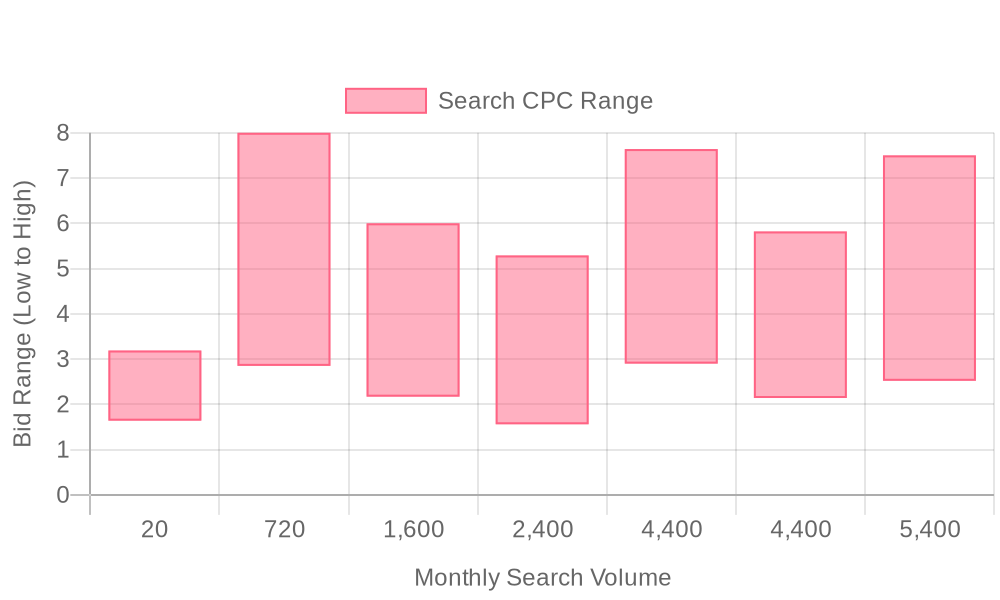
| Industry | Keyword | Monthly Search Volume | Competition Level | Low Bid | High Bid |
| Health Care Placement | health care placement | 20 | LOW | 1.64 | 3.19 |
| Health Care Placement | health care staffing agency | 720 | MEDIUM | 2.85 | 8 |
| Health Care Placement | healthcare staffing agencies near me | 1600 | MEDIUM | 2.17 | 6 |
| Health Care Placement | medical assistant staffing agencies | 2400 | MEDIUM | 1.56 | 5.29 |
| Health Care Placement | medical staffing agencies | 4400 | MEDIUM | 2.9 | 7.64 |
| Health Care Placement | medical staffing agencies near me | 4400 | LOW | 2.14 | 5.82 |
| Health Care Placement | healthcare staffing agencies | 5400 | MEDIUM | 2.52 | 7.5 |
Effective keyword strategy is the backbone of high-performing Google Ads for Health Care Placement. Healthcare search queries are often specific, urgent, and location-driven, making it essential to align keyword planning with user intent and compliance requirements. Data-driven healthcare marketers focus on granular keyword targeting to minimize waste and maximize qualified interaction. For in-depth best practices, explore these B2B marketing insights.
- Local intent modifiers: Terms like “near me,” “open now,” or specific neighborhoods increase campaign relevance for patients actively seeking services nearby. Incorporating these modifiers filters ad impressions toward high-conversion prospects.
- Negative keyword refinement: Regularly updating negative keyword lists excludes unrelated search queries, such as treatments not offered or informational searches unlikely to convert. This precision prevents budget loss from attracting unqualified clicks.
- Long-tail healthcare keywords: Phrases related to particular treatments, medical conditions, or symptoms capture patients further down the decision funnel. Examples include “orthopedic surgeon knee pain appointment” or “pediatric urgent care after hours.” These long-tail terms often signal strong intent and can reduce cost per acquisition.
- Audience-driven keyword insights: Analyzing which search terms result in high-value conversions enables smarter budget allocation. Audience intent signals, when combined with advanced segmentation, reveal previously hidden opportunities and guide future keyword expansion.
Modern platforms now enable marketers to identify not just anonymous web visitors but the actual organizations and high-value accounts engaging with specific healthcare keywords. By leveraging real-time audience data and CRM-audience sync, revenue teams can dynamically update keyword lists and campaign targets as prospects move through the buying journey. For guidance on compliance, Google Ads’ policies on sensitive information are essential to review.
Step-by-Step Campaign Execution Framework
Launching a health care placement campaign follows a logical sequence: build the keyword foundation, write copy that speaks to urgency and trust, design landing pages that convert that trust into action, then optimize continuously as data comes in. Each step below builds on the last.
Step 1: Build Targeted Keyword Lists
Effective keyword strategy is foundational for Google Ads for Health Care Placement. By clustering keywords according to specific healthcare services, such as urgent care, rehabilitation, or specialty clinics, marketers can reach users actively seeking those services. Adding local modifiers ensures campaigns target patients in the immediate area, increasing relevance and reducing wasted spend. Applying robust negative keywords filters out irrelevant queries, which is critical for compliance and for maintaining high conversion rates. Google outlines essential ad policies for sensitive information, making it vital for healthcare marketers to ensure their search campaigns remain fully compliant.
Sona's Identity Resolution helps marketers identify not just anonymous clicks but the actual companies and individuals visiting landing pages. This granular insight supports smarter keyword clustering and real-time adjustments, ensuring budget is allocated to the highest-intent audiences. As a result, revenue teams can prioritize prospects most likely to convert, giving each campaign a measurable edge over standard PPC approaches.
The upgrade most health care placement advertisers miss is going beyond raw keyword volume to layer in intent and identity signals. By connecting website-visitor data and CRM records with Sona Marketing Measurement, you can see which specific search terms bring in the accounts and customers that actually convert, and weight your keyword and bidding strategy toward those rather than the terms with the highest search volume alone.
Step 2: Develop Compelling Ad Copy
Ad copy for healthcare placement must speak directly to the concerns and needs of prospective patients or decision-makers. Headlines should address urgent health concerns while reinforcing expertise, such as including board certifications or patient safety records. Integrating trust markers, like testimonials or years of experience, boosts credibility and encourages engagement. Limited-time incentives, such as complimentary consultations, can create urgency and drive immediate action.
Dynamic audience capabilities allow messaging to evolve as leads progress through the funnel. For example, ad copy can automatically adjust based on whether a visitor is a new prospect or a returning patient, increasing personalization and improving click-through rates. When audiences sync in real time with your CRM and ad platforms, healthcare marketers ensure each ad speaks directly to the recipient’s current intent, elevating both engagement and ROI.
Step 3: Design Effective Landing Pages
Landing page alignment with ad keywords is vital for both quality score and user experience. Each page should mirror the language and intent of the ad, instantly confirming to visitors they are in the right place. Showcasing patient reviews or success stories builds trust and reassures users considering a healthcare provider. Mobile-optimized design and streamlined calls to action make it easy for visitors to book appointments or request information, regardless of device.
Real-time data integration further enhances landing page performance. Marketers can see which campaigns and keywords drive the highest-value leads, then refine on-page messaging and structure to maximize conversions. By connecting CRM and ad data, every visitor’s journey is tracked and attributed, ensuring no high-potential prospect slips through the cracks. For practical tips on optimizing your landing pages, explore our marketing playbooks.
Step 4: Implement Data-Driven Optimizations
Constant optimization is essential in healthcare PPC. Conversion tracking must encompass both online actions, such as form submissions, and offline events like phone bookings or in-person visits. Smart bidding strategies, informed by real-time intent signals and historical performance, can automatically allocate spend for maximum efficiency. For HIPAA-related compliance considerations in ad tracking, see this guidance on Google Ads and HIPAA compliance.
Platforms that unify ad, CRM, and intent data empower revenue teams to adapt to shifting patient behaviors or competitive pressures. Automated audience updates ensure lists always reflect the latest lead status, while advanced attribution models connect every touchpoint to actual ROI. This holistic approach keeps messaging consistent, reduces budget waste, and drives continual improvement throughout the campaign lifecycle. To experience streamlined campaign execution with unified audience, intent, and attribution data, get started for free with Sona.
Sona Marketing Measurement closes the gap between clicks and revenue. It captures every ad click with first-party measurement, ties that click through UTM capture and ad-platform APIs to the actual record in your CRM, and reports ROAS by keyword and campaign instead of by last-click form fill. Feeding that revenue signal back into Smart Bidding and Performance Max compounds over time: the algorithms optimize toward booked health care placement revenue, not cheap leads.
Tips on Expanding Your Health Care Presence
Expanding your health care presence requires a precise approach that blends educational outreach, audience segmentation, and data-driven campaign optimization. Success hinges on surfacing missed engagement opportunities and building trust with high-intent prospects at every stage of the funnel.
- Promote educational resources through remarketing: Remarketing is essential for health care organizations aiming to re-engage website visitors who consume educational content but do not convert on the first visit. By segmenting these visitors based on the specific topics they explored, marketers can deliver tailored follow-up ads that address their interests and concerns, creating a nurturing pathway toward conversion. Sona's Identity Resolution makes it possible to target not just anonymous traffic but also known companies, ensuring each remarketing effort is highly relevant to the prospect's intent and compliance standards for healthcare advertising.
- Upsell services using segmented audiences: Leveraging CRM data to create Sona’s Audiences tool allows health care providers to target individuals who have shown a readiness to buy or engage with more complex services. By analyzing which users consume feature-focused or advanced content, marketers can dynamically update their audiences and focus upsell campaigns on those most likely to convert. Integrating CRM and ad platforms with Sona’s Destinations feature enables enriched leads to flow automatically, making it easy to run campaigns that reflect real-time changes in the patient or client lifecycle and drive up healthcare PPC ROI.
- Engage industry associations for referral traffic: Building partnerships with health care industry associations can significantly increase referral traffic and attract high-intent prospects. By aligning your messaging and content with the values and needs of these organizations, you position your services for endorsement and expanded reach. Participating in association events, sponsoring webinars, or contributing thought leadership pieces can also generate quality leads who are more likely to convert due to pre-existing trust and industry relevance.
- Use search data to inform new content ideas: Analyzing search query data uncovers emerging topics and unmet needs among your target audience, guiding the creation of new content that resonates. This search-driven approach ensures that new blog posts, guides, or landing pages are aligned with what potential patients or clients are already looking for. Linking Sona’s Intent Signals with campaign creation enables you to optimize for high-converting keywords and topics, ensuring each ad dollar is spent reaching those most likely to take action.
Final Thoughts
Achieving consistent success with Google Ads for Health Care Placement depends on precise audience understanding, detailed strategy planning, and seamless integration of marketing insights. Marketers who prioritize smart keyword targeting, rigorous audience segmentation, and robust optimization position themselves to reduce churn, capture upsell opportunities, and drive impressive growth in campaign ROI.
Applying these methods keeps healthcare marketers compliant, aligned to business goals, and within the strict Google Ads policies regarding sensitive information. Sona's Identity Resolution unlocks new opportunities here: marketers can shift investment toward high-intent accounts in real time and synchronize enriched lead data across their CRM and ad platforms. This unification of data across channels strengthens campaign performance and enables constant adaptation as the healthcare landscape evolves.
Beyond Google Ads: Winning the AI Answers Health Care Placement Buyers Now Trust
Paid search captures demand at the moment someone types a query. But a fast-growing share of health care placement buyers no longer start at Google at all, they ask ChatGPT, Gemini, or Perplexity before they ever run a search, and Google's own AI Overviews increasingly summarize an answer above the traditional results. If your business isn't referenced in those AI answers, you're invisible at the exact moment buyers build their shortlist.
Sona AI Visibility shows where your business shows up across ChatGPT, Gemini, Perplexity, Google AI Overviews, and 10+ engines, and, much like a keyword report, which prompts actually send you buyers, so you can prioritize the ones that convert. Run the two together and you cover the entire buyer path: get cited where buyers research (AI Visibility), then prove which of that demand turns into booked revenue (Marketing Measurement).
Helpful resources
Conclusion
The health care placement organizations pulling ahead aren't just running more ads, they're closing the loop between a click and a booked patient, then feeding that revenue signal back into how Google's algorithms spend their budget. That shift, from optimizing for form fills to optimizing for actual placements, is what separates a campaign that looks efficient from one that is.
Ready to see this in practice? Start for free and connect your first campaign to real patient outcomes.
FAQ
How do I set up Google Ads for my healthcare practice?
To set up Google Ads for your healthcare practice, start by building targeted keyword lists specific to your services, develop compelling ad copy, design effective landing pages, and implement data-driven optimizations to maximize conversions and compliance with Google's policies.
What are the best keywords for healthcare Google Ads?
The best keywords for healthcare Google Ads include local intent modifiers like 'near me,' long-tail healthcare keywords related to specific treatments or symptoms, and audience-driven keyword insights that align with search intent and compliance requirements.
How can I ensure my healthcare Google Ads comply with Google's policies?
Ensure compliance by familiarizing yourself with Google's ad policies regarding sensitive information, applying robust negative keywords to filter out irrelevant queries, and keeping your campaigns aligned with these guidelines to avoid policy violations.
What is the average cost per click for healthcare Google Ads?
The article does not specify the average cost per click for healthcare Google Ads, but it emphasizes the importance of optimizing campaigns to reduce costs and improve return on investment.
How can I track and measure the success of my healthcare Google Ads campaign?
Track and measure success by using sophisticated conversion tracking for both online and offline touchpoints, integrating CRM and ad data for a holistic view of lead progression, and constantly optimizing based on engagement signals and campaign ROI.







