


Frozen food storage facilities sell reliability, not just square footage, and Google Ads is where that reliability gets tested against real, urgent searches. Combining online visibility with an offline sales process is key: Google Ads reaches buyers at the moment they're comparing cold storage capacity, often during a supply chain crunch or a seasonal volume spike, when the decision can't wait. For operators in this industry, paid search is a chance to capture demand precisely and track ROI across a multi-channel approach. The harder problem is the prospect who researches quietly, checks capacity and compliance credentials, and never fills out a form, leaving high-value leads untapped and decision-makers disengaged.
How to Generate Frozen Food Storage Facility Leads with Google Ads: A Comprehensive Strategy
Frozen food storage facilities operate within a competitive, margin-sensitive sector where decision-makers prioritize reliability, compliance, and operational efficiency. Reaching these B2B buyers requires precise, intent-driven marketing tactics that cut through the noise and deliver measurable results. A strategic approach to online lead generation can dramatically improve both the quality and quantity of inbound opportunities for facilities offering cold storage and refrigerated warehousing. For additional insights on market trends and evolving buyer behaviors in frozen food warehousing, explore how consumer appetites and technology are transforming the industry.
Integrating Google Ads into your marketing ecosystem enables direct access to buyers searching for solutions like "cold storage logistics" or "refrigerated warehouse space." The real value, however, lies in moving beyond basic ad targeting: using intent signals to identify high-value prospects in real time and route them to sales before competitors can react. By unifying your marketing data, you can dynamically update audiences as leads progress, ensuring your campaigns always target the most engaged and relevant accounts.
- Strategy Integration: A data-driven approach connects Google Ads performance with first-party data from your CRM, website, and offline sources. This lets marketers capture and attribute high-value actions, quote requests, facility tours, even when the lead converts outside digital channels. See best practices for measuring offline attribution to keep tracking comprehensive and actionable.
- Keyword and Audience Targeting: Precision in keyword selection is critical. Focus on industry-specific terms like "cold storage solutions," "frozen food warehousing," and "PPC advertising for food storage" to attract genuine decision-makers. Dynamic audience segments, enriched by visitor identification tools, allow you to retarget companies showing true in-market intent, maximizing ad spend efficiency and keeping your facility top-of-mind as buyers move through the evaluation process.
- Landing Page Optimization: Alignment between ad creative and landing page content is essential in converting high-intent clicks into qualified leads. For cold storage providers, this means showcasing certifications, facility specs, and real-time availability the moment a prospect arrives. Real-time personalization based on visitor data increases engagement, shortens sales cycles, and ensures each inquiry receives immediate, relevant follow-up.
- Performance Optimization: Continuous improvement is non-negotiable in digital marketing for frozen food storage. Implement A/B testing for headlines and calls to action, use smart bidding strategies that prioritize high-converting audiences, and monitor conversion paths with advanced analytics. For a step-by-step approach to setting up and managing Google Ad campaigns for self-storage businesses, consider adapting these practices for your facility’s unique needs. With unified campaign tracking, you can attribute both online and offline conversions, making it easy to reallocate budget toward channels delivering the strongest ROI.
- Cross-Channel Harmony: Google Ads should not operate in a silo. Integrate your paid search efforts with content marketing, email outreach, and account-based campaigns to present a consistent brand message. Cross-channel data synchronization prevents conflicting offers, reduces wasted spend, and allows you to nurture leads with personalized content across every touchpoint in the B2B buying journey.
This strategy helps frozen food storage facilities reach the right prospects and convert them efficiently, supporting sustainable revenue growth in a data-driven, tech-forward market. Ready to streamline your digital lead generation? Get started for free with Sona.
Why Google Ads Matters for Frozen Food Storage Facilities
Frozen food storage facilities operate in a highly specialized B2B landscape where precision and timing drive new business. Digital campaigns must deliver value by connecting operators with decision-makers who are actively searching for cold chain logistics or storage solutions, especially during spikes in demand or supply chain disruptions. For a practical overview of setting up and managing Google Ad campaigns tailored for this space, see this step-by-step process for self-storage Google Ads.
- Complex Audience Targeting: Google Ads lets marketers bypass generic impressions and focus on business buyers seeking refrigerated warehouse solutions. Sona's Identity Resolution helps teams uncover otherwise hidden high-value leads and directs ad spend to companies with actual buying intent.
- Immediate Demand Fulfillment: The frozen food industry experiences sharp, unpredictable surges in demand, seasonal changes, supply chain emergencies, or product recalls require instant visibility. Google Ads allows facilities to appear at the top of search results during these critical moments. When campaigns integrate with Sona’s Audiences tool, budgets can be dynamically reallocated to prioritize in-market accounts, ensuring that marketing efforts reach those most likely to convert when timing matters most.
- Visibility in Untapped Markets: Expanding into new metros or underserved regions is challenging without precise market intelligence. Google Ads’ geographic targeting allows facilities to gain traction in specific locations, but true competitive edge comes from enhanced engagement signals. Sona’s Destinations feature highlights upsell and cross-sell opportunities that may otherwise go unnoticed in standard reporting.
- Integrated Data Analysis: Success in refrigerated warehouse advertising hinges on actionable analytics. Closed-loop measurement makes it possible to tie campaign engagement directly to pipeline and revenue outcomes, not just clicks. When platforms sync CRM and ad data, marketers can attribute both online and offline conversions, optimize for the best-performing segments, and accurately forecast future demand patterns for cold storage facility promotion. This holistic approach supports continuous improvement in digital marketing for frozen food storage.
Common Types of Google Ads Campaigns for Frozen Food Storage Facilities
- Search Campaigns: Direct-response search campaigns are fundamental for frozen food storage facilities aiming to capture high-intent prospects, people searching for cold storage, refrigerated warehousing, or logistics providers at the precise moment of need. With integrated data, marketers can move beyond anonymous click data to pinpoint which companies and individuals engage with ads using Sona's Identity Resolution, enabling tailored follow-up and more accurate attribution.
- Display Ads: Display campaigns help maintain top-of-mind awareness across industry-specific sites, trade publications, and platforms frequented by food logistics professionals. Consistent display visibility ensures your brand remains present throughout each stage of the buyer journey, even before a prospect converts or submits a form. With unified audience management, brands can sync segmented email lists and CRM contacts directly into display targeting, keeping messaging aligned and maximizing the value of every impression.
- Video Ads: Video advertising is an effective channel for explaining cold chain logistics, safety standards, and unique facility features in a format that builds trust and authority. These campaigns engage audiences who prefer visual content and can be highly effective in nurturing complex B2B accounts. Marketers leveraging advanced audience insights can dynamically update video retargeting segments as leads engage with new content or progress through deal stages, ensuring budget is focused on the most engaged and relevant prospects. For inspiration on how video can showcase operational excellence, see this walkthrough of modern storage facility operations.
- Remarketing: Remarketing maximizes the impact of every site visit, especially in a high-consideration purchase like cold storage capacity. Retargeting past visitors creates multiple touchpoints that reinforce key messages and address objections, lifting conversion rates. With real-time data enrichment, remarketing lists can be continuously refined to exclude low-fit traffic and prioritize high-intent accounts, optimizing PPC advertising for food storage and cutting wasted spend. If you're ready to streamline your digital advertising, get started for free with Sona.
Where to Find Growth Opportunities
Vertical keyword targeting in frozen food storage marketing delivers exceptional precision compared to generic approaches. By aligning content and campaigns with highly specific terms, such as "refrigerated warehouse solutions," "cold storage facility promotion," or "frozen supply chain logistics", marketers surface prospects actively searching for these services, capturing buyers with immediate intent. Integrating these niche keywords into a content calendar ensures consistent visibility and ongoing lead generation for specialized offerings. Sophisticated platforms now help identify not just search volume, but also real-time engagement from high-value accounts, enabling teams to prioritize spend where conversion potential is highest.
Competitive gap analysis reveals overlooked opportunities in the crowded cold storage sector. Using advanced platforms, marketers can map where competitors miss the mark, whether on service reliability, geographic reach, or compliance, and craft messaging that directly addresses those gaps. This analysis isn't just about keywords, but about pinpointing pain points that resonate with decision-makers responsible for large-scale frozen food operations. When leveraging unified analytics, B2B teams can go beyond surface-level data, identifying which companies are engaging with specific competitor content, allowing for tailored follow-up and accelerated pipeline movement.
Industry placements matter for cold storage facility promotion, where organic search often underperforms because volume is low and terminology is niche. Ads placed in trade publications, logistics directories, or industry newsletters reach procurement managers, supply chain directors, and operations executives where they already gather information. With modern ad tech, marketers sync enriched audience data, recent site visitors, high-fit CRM leads, into these placements, keeping digital and industry-specific channels in step. For a step-by-step breakdown of running Google Ad campaigns in the storage industry, see this guide to Google Ad campaigns. This keeps your brand present throughout the research and buying cycle.
Content retargeting turns long-form assets, whitepapers, regulatory guides, operational benchmarks, into lead magnets for food storage facility prospects. When a visitor downloads a cold chain compliance checklist or views an energy efficiency case study, dynamic audience building tools immediately segment and update retargeting groups, so prospects see tailored messaging as they research solutions. Connecting intent signals from website activity with ad targeting improves attribution accuracy and ties offline or sales-assisted conversions back to specific campaigns.
How to Apply Audience Segmentation for Frozen Food Storage Facilities
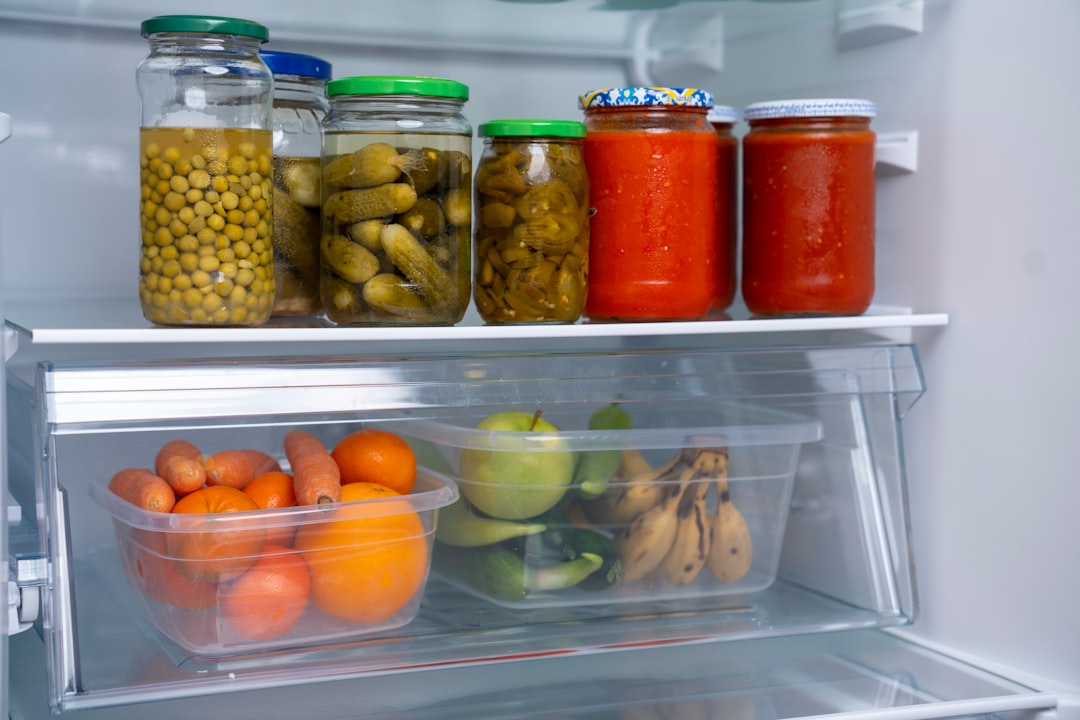
Effective audience segmentation for frozen food storage facilities enables marketers to eliminate wasted ad spend and sharpen their targeting in a highly competitive sector. By leveraging modern data tools, B2B revenue teams can build finely tuned campaigns that respond directly to the unique requirements and buying cycles of key market players.
- Define Segments: Segmenting your audience starts with distinguishing between groups like logistics managers, food distributors, and retail chains. Each has vastly different storage requirements, decision timelines, and informational needs. Without this granular segmentation, cold storage facility promotion efforts risk becoming generic and misaligned, leading to disconnected campaigns and low conversion rates. Using advanced data enrichment, marketers can pinpoint visitor identities and company attributes, moving beyond anonymous traffic to tailor their outreach.
- Intent Overlay Signals: Overlaying intent data aligns marketing messages with actual in-market behavior. A logistics manager searching "temperature-controlled warehouse upgrades" signals a different stage of engagement than a retail chain comparing regional frozen storage rates. Sona surfaces intent signals so teams can shift budget toward high-converting accounts and cut spend on low-likelihood prospects, keeping digital marketing for frozen food storage focused on accounts with the highest purchase probability.
- Segmented Ad Groups: Building distinct ad groups within Google Ads for frozen food storage facilities allows marketers to deploy creative and budgets tailored to each segment’s challenges and objectives. Messaging for an audience concerned with regulatory compliance should differ from content targeting those optimizing for cost efficiency or rapid distribution. With synced CRM and ad platforms, audiences update as leads progress through the funnel, ensuring continuity of engagement across channels and minimizing drop-off due to mismatched content or timing. For a practical step-by-step guide to campaign setup, explore running Google Ad campaigns.
- Conversion Path Validation: Full-funnel attribution is essential for tracking the true impact of PPC advertising for food storage. Every interaction, from ad click to inquiry and booking, should be seamlessly recorded in your CRM, providing a transparent view into high-fit prospects and their journey. Advanced conversion tracking, including both online and offline touchpoints, reveals which segments deliver the strongest ROI and which campaigns require optimization. Syncing enriched lead data directly into platforms like Google Ads and Salesforce eliminates manual gaps, giving marketers visibility to act on high-intent signals immediately.
This is also where measurement changes the economics. With Sona Marketing Measurement you can identify the companies and buyers behind your ad clicks, not just anonymous sessions, and segment audiences by who actually becomes a customer. That lets you build bid adjustments and audience signals around the segments that convert and de-prioritize the ones that don't, so you feed Google's algorithms "this click became a paying frozen food storage facilities customer" instead of just "someone filled out a form."
Keyword Strategy & Sample Target Terms

| Industry | Keyword | Monthly Search Volume | Competition Level | Low Bid | High Bid |
| Frozen Food Storage Facilities | frozen food storage facilities | 10 |
Frozen food storage facilities operate in a market where decision cycles are fast and competition is increasingly data-driven. Success hinges on intercepting buyers at critical junctures, when storage or logistics needs are immediate and purchasing intent is high. Advanced campaign segmentation allows marketers to capture prospects precisely when they search for solutions such as "frozen food storage solutions" or "cold chain logistics support." Enhanced visibility tools powered by visitor identification go beyond surface-level analytics, enabling teams to de-anonymize high-intent website traffic and reveal which organizations are actively comparing refrigerated warehousing options.
Monitoring the journey from initial click to closed deal is essential in demonstrating marketing value and optimizing spend. By tracking engagement signals across Google Ads and integrating with CRM and sales systems, marketers can attribute conversions to specific campaigns, refine messaging, and uncover upsell opportunities within existing accounts. For a practical guide on managing Google Ad campaigns in the storage sector, see step-by-step Google Ads for storage businesses.
Maximizing reach involves orchestrating campaigns across Google Ads, social platforms, and display networks for consistent message delivery. Dynamic audience syncing keeps segments updated as leads progress through the funnel, minimizing leakage and preventing lead churn. To further unify your multi-channel orchestration strategy, explore our collection of actionable playbooks.
Targeting high-value keywords like "frozen food storage solutions," "cold chain logistics support," and "refrigerated warehousing options" ensures ads appear for the most relevant, high-converting queries. Incorporating long-tail and regional modifiers, such as "cold storage facilities near me," further sharpens targeting, reduces wasted spend, and increases the share of qualified inbound leads.
Sample target keywords for frozen food storage companies should prioritize precise keyword variations, including:
- "cold storage facilities near me"
- "best refrigerated warehouse solutions"
- "PPC advertising for food storage"
- "digital marketing for frozen food storage"
Aligning keyword strategy with refined targeting, measurable outcomes, and multi-channel orchestration provides a performance edge for frozen food storage marketers seeking to unify their demand generation efforts and maximize campaign ROI. To experience these strategies in action, get started for free with Sona.
Step-by-Step Campaign Execution Framework
Step 1: Keyword Selection
- Build Lists: Focus keyword research on service-specific phrases like "frozen food storage," "cold storage facility," and "refrigerated warehouse," and refine with local modifiers such as city names or regional identifiers. This approach ensures ads reach businesses actively seeking solutions within the relevant geography, boosting conversion rates. For a detailed process on setting up and managing Google Ad campaigns for this niche, check out step-by-step Google Ad campaigns.
- Negative Keyword Usage: Identify and filter out broad or irrelevant search terms, such as general food storage or home freezer advice, by maintaining a robust negative keyword list. Automating negative keyword updates using intent data signals and historical performance helps protect your budget from low-value clicks and ensures every ad impression is a genuine opportunity.
When leveraging a platform that unifies ad and CRM data, you can pinpoint not just the keywords driving traffic but also the precise companies visiting your site. This allows for dynamic audience updates and retargeting of high-value accounts, not just anonymous visitors.
The upgrade most frozen food storage facilities advertisers miss is going beyond raw keyword volume to layer in intent and identity signals. By connecting website-visitor data and CRM records with Sona Marketing Measurement, you can see which specific search terms bring in the accounts and customers that actually convert, and weight your keyword and bidding strategy toward those rather than the terms with the highest search volume alone.
Step 2: Crafting Ad Copy
- Pain Points: Address industry challenges directly in ad headlines, such as "Secure Frozen Food Storage for High-Value Inventory" or "Track Shipments Across Cold Chain Logistics." By focusing on pain points like spoilage prevention or managing anonymous, high-value traffic, ads resonate with decision-makers seeking reliable solutions. For operators evaluating digital advertising options and maximizing ad performance, view this self-storage Google Ads video.
- Trust Signals: Embed proof points, facility certifications, third-party ratings, or customer testimonials, in your headlines and descriptions. Reinforcing safety, regulatory compliance, and operational excellence builds confidence and improves ad performance.
Dynamic audience insights let marketers update ad messaging in real time based on visitor behavior and intent. Coupling ad platforms with advanced visitor identification enables segmentation for returning versus new prospects, maximizing relevance for each audience segment.
Step 3: Landing Page Design
- Conversion Alignment: Align landing page headlines, copy, and forms with the original ad and keyword for a seamless visitor experience. This reduces friction and ensures prospects find exactly what they expect, improving lead submission rates. For best practices in creating high-converting landing pages within the industry, explore frozen warehousing best practices.
- Mobile Optimization: Design mobile-friendly landing pages that load quickly and feature prominent calls-to-action. With many B2B buyers researching on mobile, responsive design and streamlined navigation are essential for capturing and converting high-intent leads.
Platforms that sync CRM and ad data in real time ensure landing page content, forms, and CTAs adjust dynamically to each segment or buyer stage, supporting a personalized experience and seamless sales handoff.
Step 4: Optimize Continuously
- Data Analysis: Apply smart bidding strategies and run A/B tests to refine keywords, ad copy, and landing page elements. Monitoring conversion data and late-stage lead signals allows marketers to shift budgets toward campaigns delivering the highest ROI. For additional insight into the evolving landscape of frozen food warehousing and consumer trends, see changing consumer appetites in warehousing.
- Integration Insight: Use Google Ads data as a source of truth to inform cross-channel marketing efforts. Unifying ad data with CRM, email, and offline touchpoints ensures coherent messaging and maximizes overall marketing impact. Learn more about measuring marketing’s influence on the sales pipeline for comprehensive ROI analysis.
With advanced attribution and real-time CRM sync, marketers can track the full customer journey, from first click to closed-won deal, across all channels. This unified view reveals which campaigns drive actual revenue, enabling precise optimization and better budget allocation. For teams managing complex, multi-touch sales cycles, these insights provide a critical advantage in scaling revenue efficiently. If you're ready to put these strategies into action, get started for free with Sona.
Sona Marketing Measurement closes the gap between clicks and revenue. It captures every ad click with first-party measurement, ties that click through UTM capture and ad-platform APIs to the actual record in your CRM, and reports ROAS by keyword and campaign instead of by last-click form fill. Feeding that revenue signal back into Smart Bidding and Performance Max compounds over time: the algorithms optimize toward booked frozen food storage facilities revenue, not cheap leads.
Tips for Expanding Your Frozen Food Storage Presence
Growth in the frozen food storage sector demands a focused, data-driven approach that aligns digital outreach with industry realities. High-value decision-makers respond to campaigns that demonstrate operational expertise and a deep understanding of their unique challenges, from supply chain reliability to evolving compliance standards. For ongoing industry insights and digital strategies, visit the Sona marketing analytics blog.
- Retargeting Assets: Leverage educational resources, such as industry-specific guides, webinars, and regulatory checklists, to keep your brand top-of-mind for prospects who have shown interest but haven’t yet converted. Integrating visitor identification enables marketers to pinpoint not just anonymous web traffic, but the specific organizations and roles engaging with your content. This unlocks tailored upsell and cross-sell opportunities, surfacing segments that may otherwise be overlooked in traditional retargeting strategies. By syncing enriched audience insights directly into your paid campaigns, you maintain relevance all the way through the buying cycle.
- Localized Campaigns: Targeting metro areas with precision allows you to intercept storage facility operators and logistics decision-makers during pivotal moments in their search for new partners or service providers. Use real-time audience data to prioritize budget toward high-converting regions and buyer profiles, adapting ad messaging to match local market nuances. For a step-by-step process on setting up and optimizing paid campaigns, see this guide to running Google Ad campaigns for self-storage.
- Partnership Opportunities: Collaborate with industry associations and trade bodies for co-branded campaigns that lend authority and reach. Such partnerships let you address recurring industry frustrations, inconsistent messaging or compliance ambiguity, with unified communication. Joint webinars or thought leadership content can be promoted through targeted PPC advertising for food storage, ensuring alignment and amplifying trust among shared audiences.
- Keyword Insights for Content Creation: Harness search intent data to drive your content roadmap, turning commonly searched industry questions into high-performing assets for lead generation. By integrating CRM and ad platform data, you can effortlessly track which content themes deliver the most qualified leads and continuously optimize your digital marketing for frozen food storage campaigns.
A strategic blend of retargeting, hyper-localized campaigns, and informed content creation positions your frozen food storage business to capture and nurture demand efficiently. Modern marketing platforms now make it possible to unify these data points, offering a comprehensive view of each touchpoint and empowering revenue teams to act quickly on real intent signals. To streamline your marketing operations and audience targeting, get started for free with Sona.
Beyond Google Ads: Winning the AI Answers Frozen Food Storage Facilities Buyers Now Trust
Paid search captures demand at the moment someone types a query. But a fast-growing share of frozen food storage facilities buyers no longer start at Google at all, they ask ChatGPT, Gemini, or Perplexity before they ever run a search, and Google's own AI Overviews increasingly summarize an answer above the traditional results. If your business isn't referenced in those AI answers, you're invisible at the exact moment buyers build their shortlist.
Sona AI Visibility shows where your business shows up across ChatGPT, Gemini, Perplexity, Google AI Overviews, and 10+ engines, and, much like a keyword report, which prompts actually send you buyers, so you can prioritize the ones that convert. Run the two together and you cover the entire buyer path: get cited where buyers research (AI Visibility), then prove which of that demand turns into booked revenue (Marketing Measurement).
Helpful resources
Conclusion
Frozen food storage is a business where buyers decide fast, often under supply chain pressure, and disappear from view the moment they leave your site. Google Ads gets you into that narrow window; the campaign types, keyword discipline, and landing page alignment covered here are what earn the click.
The facilities that will pull ahead are the ones that stop treating anonymous website traffic as a dead end. Pairing search campaigns with identity resolution and intent signals turns a quiet visit into a named account your sales team can act on, before a competitor's ad catches that same buyer's next search.
FAQ
How can I set up Google Ads for my frozen food storage facility?
To set up Google Ads for your frozen food storage facility, focus on precise keyword selection, align ad creative with landing page content, and integrate ad data with your CRM for comprehensive tracking and optimization.
What are the best keywords for Google Ads in the frozen food storage industry?
The best keywords include industry-specific terms like 'cold storage solutions,' 'frozen food warehousing,' and 'refrigerated warehouse space' to attract genuine decision-makers.
How can I track the effectiveness of my Google Ads for a frozen food storage facility?
Track effectiveness by integrating Google Ads data with CRM systems to capture and attribute high-value actions, ensuring comprehensive tracking of both online and offline conversions.
What is the average cost per click for Google Ads in the frozen food storage sector?
The article does not specify an average cost per click, but emphasizes optimizing ad spend efficiency through precise audience targeting and keyword selection.
How can I optimize my Google Ads to attract more customers for my frozen food storage facility?
Optimize your ads by using intent signals to identify high-value prospects, integrating data across marketing channels, and continuously refining your keyword strategy and audience targeting.
What are some successful Google Ads campaigns for frozen food storage facilities?
Successful campaigns include search campaigns for high-intent prospects, display ads for brand awareness, and video ads for explaining logistics and facility features.
How do I target the right audience with Google Ads for my frozen food storage business?
Target the right audience by defining segments like logistics managers and food distributors, using intent signals, and dynamically updating audience segments based on real-time data.
What are the benefits of using Google Ads for marketing a frozen food storage facility?
Benefits include reaching high-intent prospects during crucial search moments, enhancing brand engagement, capturing demand, and tracking ROI through a multi-channel approach.
How can I integrate Google Ads with my existing marketing strategy for a frozen food storage facility?
Integrate Google Ads by connecting ad performance data with first-party data from your CRM, website, and offline sources to ensure comprehensive and actionable tracking.







