


A shipper searching Google for a freight broker at 9 p.m. on a Friday needs a truck by Monday, not a callback next week. That urgency is what makes Google Ads such a productive channel for freight brokerages: shippers and carriers turn to search when a load is at risk, and brokers who show up first with the right offer win the business. This guide breaks down how to run Google Ads for freight brokerage businesses, from campaign setup to targeting strategies, so you can drive more quote requests, increase booked loads, and outpace your competitors online.
How to Generate Freight Broker Leads with Google Ads: A Step-by-Step Guide

Freight brokers competing for the same loads need precision and agility to capture the right leads and convert them into lasting clients. A tactical approach to Google Ads ensures your budget directly supports revenue growth, not wasted clicks or low-value inquiries. Identifying the companies behind your site traffic throughout your marketing stack allows for seamless engagement with decision-makers across the freight and logistics ecosystem.
Integrating Google Ads with a broader, data-driven marketing strategy matters most for freight brokers because buying windows are short. Intent signals scattered across platforms, a quote request here, a rate-calculator visit there, dilute campaign effectiveness and obscure which prospects are actually ready to book. Synchronizing your intent and engagement data creates a cohesive outreach program that responds instantly to in-market activity, maximizing every advertising dollar spent.
Effective freight advertising relies on granular keyword and audience targeting aligned to the buying triggers that actually drive freight decisions: a compliance deadline, a seasonal surge in produce or retail volume, an urgent need for reefer or flatbed capacity. Without fit scoring and dynamic audience management, campaigns quickly fill with traffic from students researching how to become a broker or shippers just pricing out a single spot move. Advanced platforms let marketers segment audiences by real-time behavior, so tailored messaging reaches high-potential leads and budget stops leaking to low-intent traffic.
Landing page experiences and creative messaging must align precisely with user intent to drive conversions in freight. A load that needs to move today won't wait for a callback tomorrow, so even a short delay in follow-up can hand the business to a faster competitor. Identifying the companies visiting your site and routing those leads automatically ensures every inquiry is prioritized, while direct integration with CRM and ad platforms keeps engagement and follow-up in sync, lifting conversion rates.
Continuous Google Ads optimization is mandatory for maximizing ROI in freight advertising. Performance data should be tied to specific revenue touchpoints, so teams can justify spend and make rapid adjustments based on true impact. Advanced conversion tracking and online/offline attribution provide the clarity needed to optimize campaigns and prove their value to the business.
A cross-channel marketing approach further strengthens freight broker marketing efforts by ensuring every engagement signal, whether from paid search, email, or outbound sales, is connected and actionable. Dynamic audience updates and CRM sync allow for automated retargeting and nurturing, reducing the risk of missing high-value opportunities and supporting a unified, high-performing demand generation engine. For those seeking to advance their retargeting strategies, integrating these signals across platforms ensures no prospect falls through the cracks.
Why Google Ads Matter for Freight Brokers
Digital advertising is a critical lever for freight brokers seeking to reach logistics managers and shipping coordinators at the precise moment they're searching for transport solutions. Google Ads captures this specialized audience during high-intent queries, letting brokers separate serious buyers from casual browsers and allocate spend more efficiently with real-time audience intelligence.
Freight brokers routinely compete for high-margin contracts that can transform quarterly revenues. Google Ads enables outreach to prospects who are not yet in your sales funnel, while identification tools and sophisticated lead scoring help prevent valuable opportunities from slipping away due to inadequate qualification.
Timeliness is everything in logistics, where demand spikes can occur without warning, a weather event, a port backlog, a sudden surge in retail volume ahead of a holiday. Google Ads equips freight brokers with the ability to respond immediately during these peaks, ensuring urgent requests convert into contracts before opportunities stagnate. Digital campaigns also make it possible to identify and capitalize on emerging markets where traditional channels underperform.
The platform's closed-loop measurement capabilities offer brokers a comprehensive view from click to contract, providing actionable data on what campaigns and audience segments drive the most profitable freight deals. Integrating advanced attribution tools and real-time insight features enables marketing teams to optimize spend, refine messaging, and sync enriched audiences across CRM and ad platforms for continuous improvement and higher ROI.
Common Types of Google Ads Campaigns for Freight Brokers
Freight brokers typically run some combination of Search, Display, Video, and Performance Max campaigns, layered with remarketing to recapture engaged prospects. Each format plays a different role in the funnel, from capturing active searches to staying visible while a shipper compares options.

- Search Campaigns: Search campaigns are essential for intercepting high-intent freight broker prospects at the precise moment they're researching transportation solutions. By targeting keywords such as "freight broker services" or "reliable freight shipping," these ads capitalize on inbound demand and drive qualified traffic directly to your landing pages. Identifying the companies behind those clicks lets marketers go beyond anonymous traffic and follow up with the in-market buyers who matter.
- Display Ads: Display ads keep freight broker brands visible across logistics and transportation websites, nurturing awareness long before a prospect is ready to convert. These visually engaging placements remind potential clients of your capabilities, even as they compare options or conduct industry research. Dynamic audience sync ensures that display ads target accounts showing new interest or progressing through your funnel, maximizing the relevance of each impression. For more best practices on ad strategies, visit our marketing playbooks.
- Video Ads: Video campaigns bring freight broker services to life, simplifying complex logistics offerings through visual explanations and case studies. These ads communicate value propositions and differentiate services in a crowded market, making them memorable for decision-makers evaluating multiple partners. Real-time intent data lets you shift budget toward audiences engaging most deeply with your story, boosting conversion rates from engaged viewers.
- Remarketing: Remarketing campaigns reconnect with site visitors who expressed interest but did not convert, prompting them to return and complete their inquiry or booking. By leveraging up-to-date CRM and behavioral data, remarketing can segment and personalize messages to match each prospect’s stage in the buying cycle. Automated audience updates help ensure that only the most relevant contacts receive tailored ads, increasing the likelihood of recapturing lost opportunities. For more on campaign optimization, review our blog on measuring marketing’s influence on the sales pipeline.
- Ad Assets: Ad assets (formerly called extensions) add critical credibility by showcasing logistics certifications, industry awards, and key contact information, giving buyers immediate trust signals when evaluating freight brokers. Highlighting unique differentiators directly within ads improves both click-through and engagement, especially with prospects who prioritize compliance and reliability. With unified data, assets can be automatically triggered for high-value accounts or tailored to align with each segment's needs, driving higher-quality engagements from the start.
Where to Find Growth Opportunities in the Freight Industry

Freight brokers aiming to scale must identify clear pockets of growth within an increasingly crowded market. Precision targeting and data-driven audience segmentation consistently outperform broad, generic advertising when it comes to efficient client acquisition.
- Vertical keyword targeting: Focusing ad budgets on high-intent, niche keywords, such as "refrigerated freight broker" or "oversize load logistics", ensures marketing dollars reach decision-makers actively searching for specialized services. Dynamic audience capabilities allow marketers to update targeting as interest shifts, so campaigns adapt in real time to emerging opportunities without wasted spend. This approach moves beyond scattershot tactics, driving quality inbound leads and supporting sustained growth.
- Competitor analysis for gap discovery: Assessing which services, geographies, or customer segments competitors are underserving reveals lucrative opportunities. By layering in company-level visitor identification, freight brokers can pinpoint which accounts are engaging with their content or ads, even before a form is filled. This intelligence makes it possible to tailor outreach and campaign messaging to fill those precise gaps, increasing win rates and marketing efficiency.
- Industry placements for precise reach: Placing ads on logistics trade forums, online directories, and freight-specific publications puts marketing in front of audiences already interested in freight solutions. Integrating with platforms that unify ad and CRM data enables brokers to track which placements deliver the highest engagement, creating a feedback loop that sharpens future placement decisions.
- Content retargeting for ongoing engagement: Retargeting site visitors who have interacted with logistics-focused resources or case studies keeps a broker’s brand top-of-mind while nurturing leads through the funnel. Advanced conversion tracking and CRM sync capabilities ensure that retargeted audiences are updated as prospects engage or convert, allowing for personalized follow-up and maximizing the ROI of each marketing touchpoint.
How to Apply Audience Segmentation for Freight Brokers
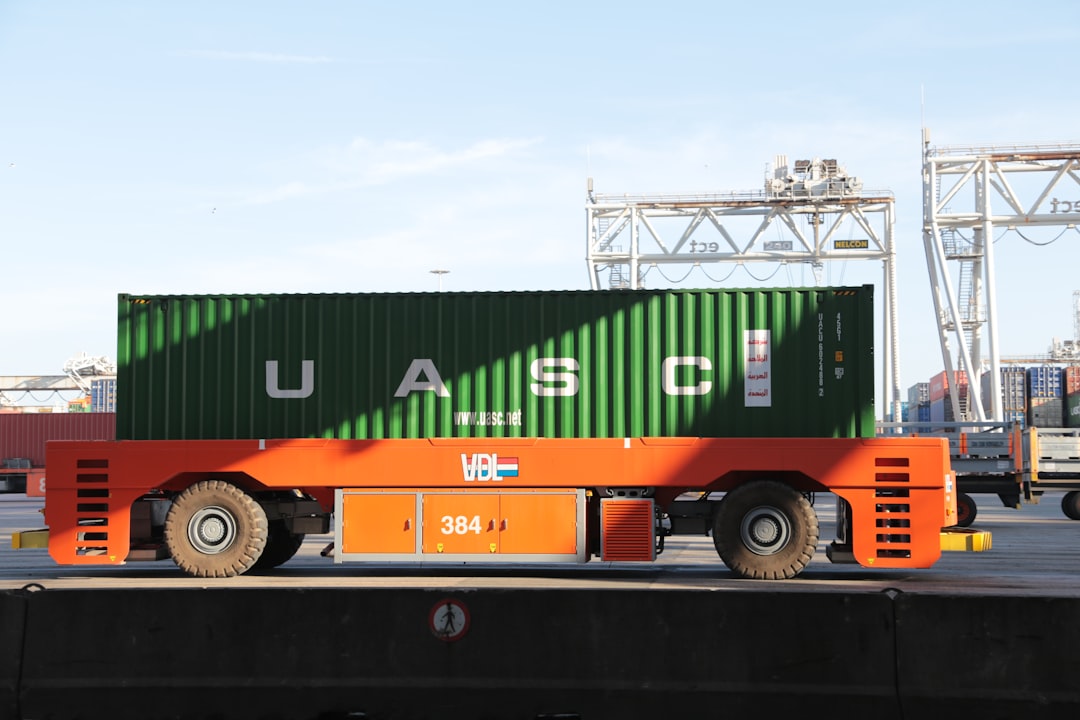
Smart audience segmentation empowers freight brokers to allocate resources with precision, driving higher-quality leads and minimizing wasted ad spend. By structuring campaigns around real business needs and behaviors, freight teams gain clarity on which prospects are most likely to convert and bring long-term value. Explore more strategies in the Sona blog to strengthen your segmentation approach.
- Define segments by company size or shipping needs: Start by grouping potential clients based on operational scale or unique logistics requirements. For example, segmenting by enterprise shippers versus small importers allows for tailored messaging that addresses each segment's specific pain points and objectives. This strategic approach ensures your offers resonate, leading to increased engagement and more efficient use of budget.
- Overlay intent signals such as express shipping or specialized haulage: Integrate real-time intent signals to prioritize prospects showing active buying signals. Monitoring actions like urgent shipping inquiries or requests for temperature-controlled freight identifies accounts in-market for immediate solutions. Platforms that unify digital intent with CRM data can dynamically adjust audience targeting as prospects move from research to purchase, allowing you to reallocate spend toward segments with the highest likelihood of conversion.
- Customize ad groups and budgets per segment: Distinct audience segments require their own ad groups and budget allocations to avoid overspending on low-value or irrelevant traffic. For freight brokers, this might mean dedicating more budget to shippers needing recurring LTL loads while limiting spend for one-off moves. Dynamic audience management ensures that as leads evolve, ad groups and creative stay relevant, maximizing campaign efficiency and supporting continuous Google Ads optimization.
- Validate conversions with properly tracked CRM paths: Establish robust tracking to tie conversions back to specific segments and campaigns. Integrating your CRM with digital ad platforms enables full-funnel attribution, including both online and offline touchpoints. This unified view provides revenue teams with actionable insights into which audience strategies drive the highest ROI, empowering better decision-making for future freight advertising and client acquisition efforts.
This is also where measurement changes the economics. With Sona Marketing Measurement you can identify the companies and buyers behind your ad clicks, not just anonymous sessions, and segment audiences by who actually becomes a customer. That lets you build bid adjustments and audience signals around the segments that convert and de-prioritize the ones that don't, so you feed Google's algorithms "this click became a paying freight brokers customer" instead of just "someone filled out a form."
Keyword Strategy & Sample Target Terms
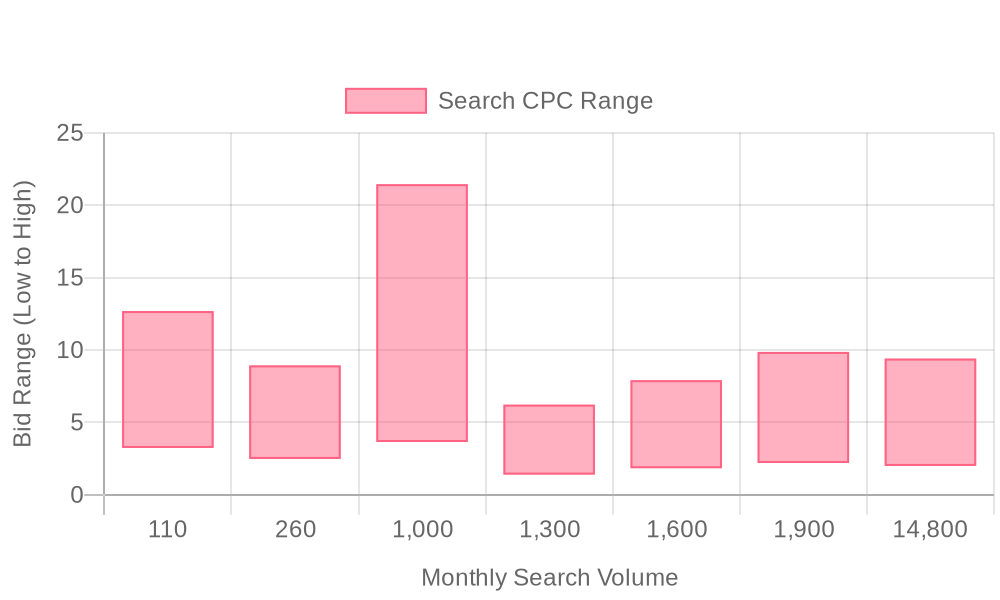
| Industry | Keyword | Monthly Search Volume | Competition Level | Low Bid | High Bid |
| Freight Brokers | shippers list for freight brokers | 110 | MEDIUM | 3.24 | 12.69 |
| Freight Brokers | best freight brokers for owner operators | 260 | LOW | 2.48 | 8.94 |
| Freight Brokers | shipping broker | 1000 | MEDIUM | 3.65 | 21.45 |
| Freight Brokers | freight dispatcher | 1300 | MEDIUM | 1.4 | 6.23 |
| Freight Brokers | truck broker | 1600 | MEDIUM | 1.84 | 7.92 |
| Freight Brokers | freight brokers near me | 1900 | MEDIUM | 2.2 | 9.87 |
| Freight Brokers | freight brokers | 14800 | LOW | 2 | 9.41 |
High-intent keyword targeting is foundational for digital marketing in the freight brokerage space. When freight brokers choose keywords like "freight broker services near me," "logistics solutions," or "freight shipping quotes," they align their ads with buyers actively searching for logistics partners, greatly increasing the chance of conversion and efficient client acquisition. For more guidance on aligning keywords with business goals, explore this step-by-step Google Ads setup for logistics companies.
Campaigns must not only focus on attracting these ready-to-convert prospects but also actively exclude unqualified traffic. Integrating negative keywords such as “free freight calculator” or “become a freight broker” ensures budgets are reserved for leads ready to transact, not those seeking free resources or industry entry. This strategic filtering is essential for maximizing Google Ads ROI and reducing wasted spend in freight advertising. For actionable campaign tactics, review the Sona blog for insights on optimizing B2B ad performance.
By leveraging unified intent data, revenue teams can identify which search terms signal a genuine need for freight services versus low-funnel research or competitor queries. Advanced platforms enable marketers to pinpoint the companies behind high-value searches using Sona's Identity Resolution, connecting anonymous ad engagement to real-world accounts. This real-time insight lets freight brokers adjust spend dynamically, focusing on keywords proven to drive revenue and nurturing leads as they mature through the sales funnel. Precision in keyword strategy translates to more qualified leads, higher conversion rates, and measurable growth in lead generation for freight brokers.
Step-by-Step Campaign Execution Framework
Step 1: Build Targeted Keyword Lists
Freight brokers seeking measurable results from Google Ads need a sharply focused keyword foundation. Start with logistics-specific queries, using long-tail variants such as “freight broker near me,” “LTL shipping quotes,” or “truckload broker for manufacturers.” This approach captures both high-intent buyers and those evaluating options, minimizing waste and surfacing new demand pockets. Including modifiers like “same-day,” “expedited,” or “reliable” filters clicks toward prospects who are ready to convert.
Precision in keyword research pays off when paired with intent data. By leveraging real-time visitor identification, marketers can dynamically refine their keyword lists based on which companies are actively researching freight services. This enables ad spend to shift automatically toward the most sales-ready accounts and away from segments unlikely to convert, increasing both efficiency and impact.
The upgrade most freight brokers advertisers miss is going beyond raw keyword volume to layer in intent and identity signals. By connecting website-visitor data and CRM records with Sona Marketing Measurement, you can see which specific search terms bring in the accounts and customers that actually convert, and weight your keyword and bidding strategy toward those rather than the terms with the highest search volume alone.
Step 2: Craft Ad Copy for Industry Pain Points
Effective Google Ads for freight brokers require copy that moves beyond generic claims. Address core industry challenges such as shipping delays, rate transparency, and regulatory compliance. Phrases like “instant carrier matching,” “24/7 shipment tracking,” or “FMCSA-licensed broker” provide reassurance and build trust at a glance. Use social proof: reference client logos, testimonials, or on-time delivery percentages to validate credibility and establish authority.
For B2B revenue teams, ad copy personalization can be taken further by syncing CRM insights and enriched lead data into ad groups. This enables delivery of tailored messaging to decision-makers at different buying stages or verticals, improving both click-through and conversion rates. Continual alignment between ad creative and real-time intent signals ensures your freight advertising always speaks directly to the audience’s current needs. For additional strategies on using Google Ads to drive revenue in freight and logistics, see this overview.
Step 3: Design Landing Pages for Seamless Conversion
Landing pages are the linchpin of freight broker client acquisition. Each page should directly match the ad’s keyword and value proposition, eliminating disconnects that drive up bounce rates. Incorporate trust indicators such as DOT/MC numbers, BBB ratings, and customer success stories. Streamlined calls-to-action, like “Request a Freight Quote” or “Book a Consultation”, reduce friction and decision fatigue, guiding users to the next step without distraction.
With unified go-to-market data, marketers can further optimize landing pages by tracking visitor journeys across sessions and devices. Understanding which segments convert allows for rapid A/B testing of layouts, headlines, and CTAs. When audiences update dynamically as leads move through the funnel, landing page experiences can be personalized in real time, boosting conversion rates and accelerating the sales cycle.
Step 4: Optimize Using Data-Driven Insights
Continuous optimization is essential for Google Ads ROI in freight broker marketing. Track every conversion event, whether form fills, phone calls, or CRM updates, attributing results to the right campaign and keyword. Use smart bidding strategies, such as Target CPA or ROAS, to automatically allocate budget to the highest-performing segments. Run multivariate tests on headlines, descriptions, and landing page elements to systematically improve outcomes.
When campaign data, web analytics, and offline sales activity are integrated, marketers gain a 360-degree view of performance across the funnel. Connecting ad platforms to CRM and marketing automation systems allows ad audiences to be updated in near real time, ensuring retargeting efforts remain relevant and efficient. Advanced attribution models surface true revenue impact, enabling digital marketing for freight brokers to scale with confidence and precision.
Sona Marketing Measurement closes the gap between clicks and revenue. It captures every ad click with first-party measurement, then ties that click through UTM capture and ad-platform APIs to the actual record in your CRM, and reports ROAS by keyword and campaign instead of by last-click form fill. Feeding that revenue signal back into Smart Bidding and Performance Max compounds over time: the algorithms optimize toward booked freight brokerage revenue, not cheap leads.
Tips on Expanding Your Freight Broker Presence

Promoting educational assets through remarketing campaigns keeps your brand front and center for prospects who have already engaged with your site. Delivering whitepapers, case studies, or webinars in display or video retargeting formats nurtures leads over longer sales cycles and addresses common freight broker objections with credible, useful information. For ideas on optimizing remarketing strategies for freight, explore this community discussion on using Google Ads to get more clients and learn how Sona Buyer Journeys can help track every prospect touchpoint to refine your follow-up.
Segmented audience strategies enable upselling and cross-selling by targeting specific buyer groups with tailored offers. For example, a segmented list of shippers who previously inquired about LTL freight can receive ads for full truckload services, ensuring continuous engagement. Leveraging real-time audience behavior and intent allows marketers to update these segments dynamically, capturing shifts in customer needs and surfacing the most relevant offers at the right time.
Collaboration with industry associations amplifies reach by tapping into pre-established trust networks. Contributing thought leadership to association newsletters or co-sponsoring educational webinars increases referral traffic and builds authority with decision-makers. This approach helps freight brokers overcome initial market resistance and positions the business as a preferred partner within the logistics ecosystem. For digital marketers looking to unify data and attribute referral performance, discover more strategies on our blog.
Freight brokers who excel with Google Ads achieve results by focusing on the industry’s distinct demands: rapid response, high-value transactions, and fast-moving client cycles. For actionable peer strategies and campaign insights, see this community discussion on using Google Ads for freight brokers, or explore our demand generation playbooks for additional tactics.
Modern freight broker marketing benefits from integrating advanced data solutions that unify campaign interactions across digital channels. Identifying which companies visit your site, moving beyond anonymous traffic, lets marketers recognize and prioritize high-value shippers or carriers. Real-time intent signals surface which accounts are most likely to convert, allowing budget and messaging to shift dynamically toward top-performing segments.
Synchronizing CRM and ad platforms streamlines follow-ups and nurtures leads as they progress through the buying journey. Automated audience updates mean ads stay relevant even as priorities shift within target accounts. Comprehensive conversion tracking, spanning both online and offline events, keeps marketing success measured accurately, sharpening accountability and ROI for every dollar spent. In a competitive freight landscape, this data-driven approach sets brokers apart and powers sustainable growth.
Beyond Google Ads: Winning the AI Answers Freight Brokers Buyers Now Trust
Paid search captures demand at the moment someone types a query. But a fast-growing share of freight brokers buyers no longer start at Google at all, they ask ChatGPT, Gemini, or Perplexity before they ever run a search, and Google's own AI Overviews increasingly summarize an answer above the traditional results. If your business isn't referenced in those AI answers, you're invisible at the exact moment buyers build their shortlist.
Sona AI Visibility shows where your business shows up across ChatGPT, Gemini, Perplexity, Google AI Overviews, and 10+ engines, and, much like a keyword report, which prompts actually send you buyers, so you can prioritize the ones that convert. Run the two together and you cover the entire buyer path: get cited where buyers research (AI Visibility), then prove which of that demand turns into booked revenue (Marketing Measurement).
Helpful resources
Conclusion
Google Ads works for freight brokerages when it's treated as a revenue instrument, not a visibility exercise: precise keywords, landing pages built for a shipper who needs a quote now, and constant tuning based on which clicks actually turned into booked loads.
The brokerages that pull ahead over the next few years won't just spend more on search, they'll close the loop between ad spend and booked freight, feeding real conversion data back into Google's bidding algorithms so every dollar buys smarter targeting than the last. That compounding advantage, not any single campaign tactic, is what separates a broker who dabbles in Google Ads from one who runs on it.
To put these strategies to work, start for free and see how Sona connects your ad spend to booked freight revenue.
FAQ
How can freight brokers effectively use Google Ads?
Freight brokers can effectively use Google Ads by targeting high-intent keywords, aligning landing pages with user intent, and integrating ad campaigns with CRM systems for seamless lead follow-up and conversion tracking.
What budget is needed for Google Ads in freight brokerage?
The budget for Google Ads in freight brokerage should focus on maximizing ROI by targeting high-intent keywords and using real-time data to allocate spend efficiently, ensuring that funds directly support revenue growth instead of low-value clicks.
What are the best practices for Google Ads in the freight industry?
Best practices for Google Ads in the freight industry include precision keyword targeting, audience segmentation, continuous campaign optimization, and using real-time intent signals to dynamically adjust ad spend and messaging.
How do I measure the success of Google Ads campaigns for freight?
Success of Google Ads campaigns for freight can be measured through continuous optimization, advanced conversion tracking, and connecting ad performance with revenue touchpoints to justify spend and make data-driven adjustments.
What keywords should freight brokers target in Google Ads?
Freight brokers should target high-intent keywords such as 'freight broker services,' 'logistics solutions,' and 'freight shipping quotes,' while excluding negative keywords like 'free freight calculator' to focus budget on ready-to-convert prospects.







