


A hiker restocking for a week on the trail and a family building a pantry for the next power outage type very different searches into Google, but both end up shopping the same freeze-dried food category. That gap between intent and inventory is where Google Ads earns its keep: it lets a brand meet 'emergency food freeze drying solutions' and 'bulk purchase freeze dried foods' searchers at the moment they're deciding, rather than hoping they find the brand later. Getting there takes specific keyword work, ad copy suited to each buyer type, and a way to prove which clicks actually became customers.
How to Generate Freeze Dried Food Leads with Google Ads: A Step-by-Step Guide
Freeze-dried food brands are driving qualified leads by focusing their digital acquisition on intent-rich channels. Google Ads provides a direct link between high-demand buyers and food producers, enabling rapid identification of prospects who are actively searching for shelf-stable meals, emergency rations, or healthy snacks. For a deeper dive into structuring PPC campaigns for food brands, explore this Google Ads strategy playbook and access ongoing marketing insights to stay ahead in your digital efforts.
Modern marketing teams are harnessing advanced audience insights to precisely match messaging with buyer needs. By leveraging real-time audience data and buyer signals, revenue teams can prioritize ad spend on segments showing the strongest in-market intent, maximizing both conversion rates and marketing efficiency.
- Keyword and Audience Targeting: Prioritize keywords like 'Google Ads for food brands' and 'online advertising for freeze-dried food'. Advanced tools now allow businesses to establish a more precise connection with high-value prospects.
Effective targeting starts with tightly researched keyword lists tailored to the freeze-dried food market. High-performing advertisers segment campaigns by buyer intent, such as "freeze dried meals for camping," "emergency food kits," or "healthy freeze dried snacks", and layer in negative keywords to filter out non-commercial traffic. Pairing Sona's Identity Resolution with Google Ads reveals the companies behind anonymous clicks, not just individual identities, so marketers can move past guesswork and toward real account-level engagement. This precision keeps budget on accounts most likely to convert, while dynamic audience features continuously refresh targeting as leads progress through the funnel.
- Landing Page Alignment: Ensure landing pages resonate with search intent, emphasizing nutritional value and convenience. Modern solutions enhance this by helping to track visitor engagement seamlessly.
Landing pages for freeze-dried food ads must address the specific motivations of each segment, whether it’s long shelf life, nutritional integrity, or portability. Successful brands design pages to mirror ad copy, placing ingredient transparency, preparation ease, and trust badges at the forefront. Combining these best practices with advanced engagement tracking, marketers can see which content sections drive action and which user journeys stall. This data-driven feedback loop supports continuous landing page refinement and greater lead capture for every advertising dollar spent.
- Performance Optimization: Employ smart bidding strategies and A/B testing to refine search and display campaigns. Predictive models can further streamline these efforts by identifying action-ready leads.
Continuous optimization is essential to outperform in competitive freeze-dried food categories. Smart bidding, driven by predictive insights, lets marketers automatically shift investments toward campaigns and keywords delivering qualified pipeline. A/B testing of ad copy, creative, and landing page layouts surfaces what resonates best with each audience segment. Using conversion tracking tools, teams measure both online and offline outcomes, closing the loop from ad click to actual sale or inquiry. This holistic approach ensures that spend remains tightly aligned with business objectives and real ROI.
- Cross-Channel Integration: Use remarketing lists associated with visitors who engaged with your content on other platforms, ensuring consistent outreach.
Why does Google Ads matter for Freeze Dried Food

Freeze-dried food companies operate in a market where consumer intent can shift rapidly in response to seasonal changes, emergencies, or new trends. Digital advertising offers the precision and agility needed to capture buyers who are actively searching for solutions, whether they are preparing for outdoor adventures or stocking up for disaster readiness. Brands that leverage Google Ads gain access to a robust ecosystem, allowing them to position their products directly in front of high-intent customers at the exact decision-making moment.
- Complex Audience Targeting: The freeze-dried food sector attracts a diverse clientele, from individual outdoor enthusiasts to enterprise buyers seeking bulk emergency supplies. Advanced targeting capabilities within Google Ads allow marketers to segment these audiences based on behavior, search patterns, and business attributes. By integrating real-time visitor identification, teams can move beyond surface-level demographics to pinpoint exactly which companies or buyers are landing on their site, enabling more effective engagement and personalized outreach.
- High-Value Services: Commercial and bulk buyers present significant revenue opportunities, but they are often difficult to identify and nurture using traditional ad platforms alone. Google Ads, when augmented with unified data from CRM, allows marketing teams to prioritize high-value prospects and sync these enriched audiences back into active campaigns. This ensures advertising dollars are spent reaching organizations that are most likely to convert, while sales teams receive immediate notifications when priority accounts are showing interest.
- Immediate Demand Response: The ability to respond instantly to spikes in consumer interest is vital for freeze-dried food brands, especially during peak seasons or crisis-driven surges. Google Ads excels at capturing intent in real time, allowing marketers to adjust budgets and creative assets to match fluctuations in demand. Leveraging Sona's Intent Signals, revenue teams can dynamically shift spend toward audiences that are most likely to convert, ensuring no high-value opportunity is missed during critical buying windows.
- Enhanced Visibility: As freeze-dried food companies expand into new geographic markets or target emerging consumer segments, maintaining visibility is critical. Intent-based audience targeting ensures that ads are delivered to relevant prospects in high-potential regions, maximizing efficiency. Combining Google Ads with advanced audience sync enables a seamless flow of enriched lead data from marketing channels into sales and CRM workflows, aligning every part of the revenue engine for maximum impact.
Common Types of Google Ads Campaigns for Freeze Dried Food
Freeze-dried food advertisers typically build campaigns across a few formats, each suited to a different point in the buyer's decision. Search campaigns catch people already typing a need into Google; Display and Video keep the brand visible while buyers research; Remarketing brings back visitors who didn't convert on the first visit; and Performance Max lets Google's automation blend all of these signals to find conversions across Search, Display, YouTube, and Gmail from a single campaign.
- Search Campaigns: Search campaigns are essential for freeze-dried food brands seeking to capture high-intent buyers. By prioritizing keywords such as "emergency freeze dried meals" or "best freeze dried fruit snacks," marketers align messaging with what customers are actively searching for at the decision-making stage. Responsive search ads, the standard ad format here, let Sona's Intent Signals help teams focus budget on prospects who show clear buying signals, resulting in higher conversion rates and more efficient spend. Enhanced Identity Resolution makes it possible to recognize the companies and buyers behind high-value searches, not just anonymous clicks, allowing for timely follow-up and fast-tracking of sales opportunities.
- Display Ads: Display advertising maintains brand presence across culinary blogs, recipe forums, and specialty food networks. Consistency in creative elements and messaging across these diverse placements builds trust and keeps freeze-dried offerings top-of-mind for both new audiences and returning visitors. Utilizing advanced audience sync capabilities ensures that display campaigns adapt as users progress through the funnel, delivering relevant creative based on their stage and engagement history. For creative inspiration, marketers can reference freeze-dried pet food print ads to craft visually compelling campaigns that resonate with the target audience.
- Video Ads: Video campaigns excel in educating and convincing buyers by visually demonstrating the long shelf-life, ease of preparation, and nutritional integrity of freeze-dried foods. Engaging, short-form videos, such as rehydration time-lapses or usage in outdoor adventures, drive higher retention and intent. Marketers can leverage behavioral insights to push these visuals to audiences showing active research or comparison intent, maximizing engagement and minimizing wasted impressions. For a consumer-oriented approach, reviewing a freeze-dried snack product demo can help inform content style and messaging.
- Remarketing: Remarketing campaigns reconnect with visitors who explored freeze-dried product details but left without purchasing. By syncing dynamic audience lists with real-time site behaviors, brands can deliver personalized ads that reflect the exact products or categories viewed. Integrating CRM data further refines these campaigns, enabling tailored offers to high-fit leads while suppressing existing customers, which increases relevance and reduces spend leakage. Employing advanced conversion tracking allows teams to attribute sales across online and offline channels, giving a complete picture of remarketing ROI for freeze-dried food sales.
Where to Find Growth Opportunities
Expanding into untapped marketing channels is key for freeze-dried food brands aiming to accelerate revenue growth and stand out in a crowded digital marketplace. Growth here often means finding the query patterns competitors haven't bid on: pet-food buyers researching freeze-dried raw diets, preppers stocking up ahead of hurricane season, or backpackers comparing meal weight before a thru-hike. Granular audience data helps teams spot those pockets of unmet intent and route budget there before demand becomes obvious to everyone else. For teams looking to leverage advanced data and segmentation, Sona enables identification of the companies behind website visits and real-time audience insights.
- Vertical Keyword Targeting: Targeting niche segments, such as freeze-dried pet foods or specialty diet meals, offers strong growth potential. Marketers can use firmographic and behavioral signals to refine keyword lists for less saturated markets, capturing searchers with specific intent. Integration with unified data platforms allows for deeper segmentation, revealing which company types engage with pet food versus camping meals, then updating ad groups based on real-time audience shifts. For additional insights on niche keyword strategy, explore the freeze-dried vs. dehydrated food comparison.
- Competitor Gap Analysis: Analyzing auction insights helps pinpoint areas where competitors are underinvested or absent. With dynamic tracking and attribution, teams can spot which keywords or placements are delivering incremental value and reroute budget in real time. These insights become actionable when combined with visitor identification tools, enabling marketers to focus on high-value accounts missed by rivals.
- Industry-Specific Placements: Placing creative on outdoor, emergency preparedness, or pet enthusiast platforms unlocks targeted exposure. When intent signals are unified across web and ad platforms, campaigns can automatically retarget site visitors who engage with survival guides or pet nutrition blogs. This creates a seamless journey from content consumption to conversion, ensuring ad spend is allocated to audiences that signal readiness to buy.
- Content Retargeting: Engaging prospects through educational content, like freeze-dried food comparisons, nutrition tips, or prepper guides, can nurture interest before the purchase stage. Advanced de-anonymization techniques track which companies or individuals interact with this content, enabling follow-up with personalized offers or demos. By syncing these warm leads back into CRM and ad platforms, marketers maintain momentum and drive higher conversion rates from content-driven audiences.
How to Apply Audience Segmentation for Freeze Dried Food
Audience segmentation is the cornerstone of effective digital marketing for freeze-dried food brands. Segmenting by consumer type creates campaigns that match intent and maximize engagement, whether targeting outdoor adventurers, emergency preppers, or health-conscious families. Customizing your Google Ads for Freeze Dried Food campaigns around these audience segments ensures your messaging stays relevant, leading to higher conversion rates and more efficient budget use.
- Define Segments: Start by identifying your primary customer profiles. Hikers and backpackers prioritize portability and nutritional content, while preppers are motivated by shelf life and emergency readiness. Families and pet owners may focus on convenience and ingredient quality. By understanding the specific motivations and needs of each group, you can create tailored value propositions that resonate. For more guidance, explore this marketing playbooks repository.
- Overlay Intent Signals: Leverage search history and digital behavior data to assess purchase intent within each segment. For example, users searching for "emergency food freeze drying solutions" or "freeze dried hiking meals near me" signal a higher likelihood of converting. Integrating intent signals enables marketers to target prospects at the exact moment their intent peaks, shifting spend dynamically to those most likely to buy.
- Create Ad Groups by Segment: Build distinct ad groups for each segment, with messaging that addresses their unique requirements and pain points. Customize copy to reflect urgency for preppers, taste and convenience for busy families, or nutritional benefits for pet owners. Dynamic audience management ensures these groups automatically update as individuals move through the buying journey, reflecting changes in intent or product affinity in real time.
- Validate Conversion Paths: Track every engagement, from ad click to purchase, by connecting Google Ads campaign data with your CRM. This closed-loop attribution reveals which segments deliver the highest value and where your messaging or funnel may need refinement. Real-time syncing of enriched leads and audience data between platforms ensures your bid strategies and creative assets evolve based on up-to-the-minute demand signals, optimizing both targeting and spend efficiency. For additional insights on measuring and optimizing campaign impact, visit our blog hub.
This is also where measurement changes the economics. With Sona Marketing Measurement you can identify the companies and buyers behind your ad clicks, not just anonymous sessions, and segment audiences by who actually becomes a customer. That lets you build bid adjustments and audience signals around the segments that convert and de-prioritize the ones that don't, so you feed Google's algorithms "this click became a paying freeze dried food customer" instead of just "someone filled out a form."
Keyword Strategy & Sample Target Terms
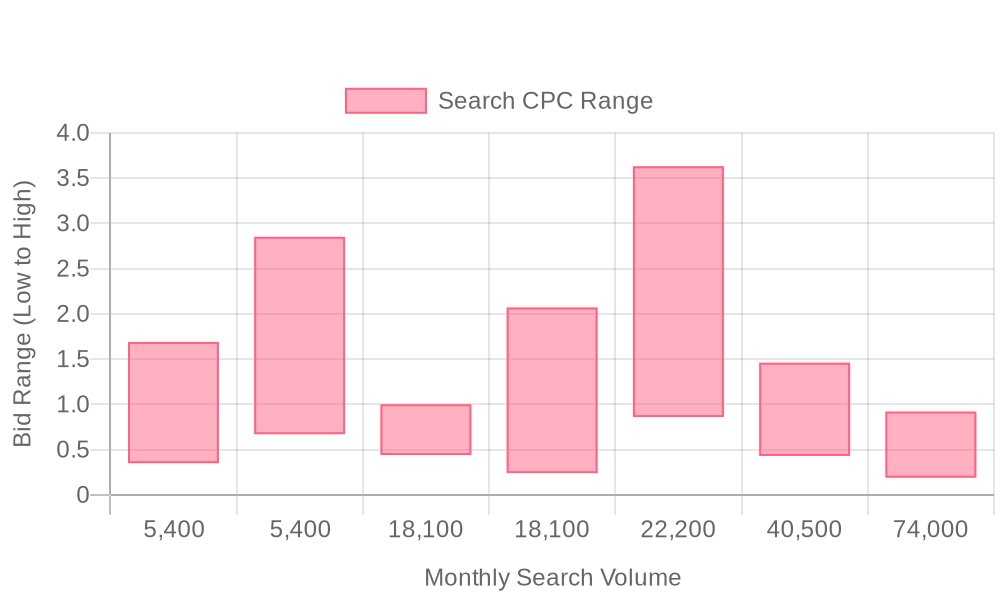
| Industry | Keyword | Monthly Search Volume | Competition Level | Low Bid | High Bid |
| Freeze Dried Food | freeze dryers | 5400 | HIGH | 0.35 | 1.69 |
| Freeze Dried Food | freeze dried meals | 5400 | HIGH | 0.67 | 2.85 |
| Freeze Dried Food | mountain house meals | 18100 | HIGH | 0.44 | 1 |
| Freeze Dried Food | freeze dried fruit | 18100 | HIGH | 0.24 | 2.07 |
| Freeze Dried Food | freeze dried food | 22200 | HIGH | 0.86 | 3.63 |
| Freeze Dried Food | harvest right freeze dryer | 40500 | HIGH | 0.43 | 1.46 |
| Freeze Dried Food | freeze dry machine | 74000 | HIGH | 0.19 | 0.92 |
A robust keyword strategy for freeze-dried food advertising must blend data-driven insight with practical campaign management. Marketers gain a measurable edge by leveraging predictive analytics to surface high-intent phrases, such as "Google Ads for freeze dried food" and "buy freeze dried meals online." For a deeper dive into how food and beverage brands can structure and optimize Google Ads PPC campaigns, explore this comprehensive playbook. These core terms capture users actively seeking to purchase or compare freeze-dried products, translating to higher conversion rates and more efficient ad spend.
Expanding beyond broad keywords, long-tail opportunities like "best freeze dried backpacking meals" or "gluten-free freeze dried fruit snacks" allow brands to reach niche buyers with specialized needs. These granular queries tend to face less competition and attract consumers with strong purchase intent, boosting both quality score and return on ad spend. With real-time intent data, teams can continually refine keyword targeting as audience interests evolve, ensuring ads reach those most likely to buy.
Negative keyword lists are essential for filtering out irrelevant traffic, such as searches for "DIY freeze dried recipes" or "home freeze dryer machine." Automated optimization tools help maintain these exclusion lists, preventing wasted clicks and maximizing budget impact. By integrating advanced visitor identification, marketers can distinguish between window shoppers and purchase-ready accounts, further sharpening their keyword approach.
Bid optimization is where historical performance data meets actionable strategy. Adjusting bids based on conversion trends, seasonality, and geographic demand ensures your ads surface at the right moment for the right prospect. When enriched audience and CRM data seamlessly sync with your Google Ads account, bid adjustments can target high-value leads and active accounts, increasing efficiency across every stage of the funnel.
Step-by-Step Campaign Execution Framework
Step 1: Build Targeted Keyword Lists
Precise keyword selection drives qualified traffic and controls cost when advertising freeze-dried food. Start with high-intent, product-specific phrases such as "freeze-dried meals for camping," "emergency food kits," and "buy freeze dried fruit online." Expand with modifiers for dietary preferences and use cases, including "gluten-free freeze dried snacks" or "long shelf life meals." Adding negative keywords like "homemade" or "DIY" prevents wasteful clicks and focuses spend on commercial intent. When audience intent signals shift, real-time data enables marketers to pivot investments toward the segments most likely to convert, enhancing return on ad spend.
Advanced platforms sync enriched company and contact data directly to Google Ads, dynamically building audiences as leads move through the funnel. Instead of relying solely on anonymous website traffic, marketers can identify high-value accounts and automatically update keyword targeting as interests evolve. For a practical guide on structuring and optimizing PPC campaigns for food brands, explore this Google Ads playbook for food product companies.
The upgrade most freeze dried food advertisers miss is going beyond raw keyword volume to layer in intent and identity signals. By connecting website-visitor data and CRM records with Sona Marketing Measurement, you can see which specific search terms bring in the accounts and customers that actually convert, and weight your keyword and bidding strategy toward those rather than the terms with the highest search volume alone.
Step 2: Develop Compelling Ad Copy
Effective ad copy is essential for capturing attention and driving clicks in the crowded online advertising for freeze-dried food category. Highlight core benefits such as shelf stability, nutritional integrity, and convenience, long shelf life, high nutrient retention, no refrigeration required. Tailor messaging to audience segments: adventurers respond to "lightweight meals for hiking," while families and preppers prioritize "emergency preparedness food kits" ahead of storm season. Leverage real-time audience insights to adjust headlines and value propositions, ensuring ads resonate with in-market buyers at every stage.
Dynamic audience tools update ad creative automatically as prospects engage with different content or move closer to purchase. This approach ensures the most relevant product attributes are front and center for each user, increasing engagement and conversion rates.
Step 3: Design Effective Landing Pages
Landing pages must reinforce the promises made in ads and provide a seamless path to purchase. Use clear product imagery, comparison charts, and detailed nutritional information to build trust. Pages should load quickly on mobile, make calls to action prominent, and include elements like rehydration demonstration videos or shelf-life calculators. Design enhancements now allow marketers to rapidly test variations, optimizing headlines, layouts, and calls to action based on audience segment or campaign. For inspiration on landing page features and product presentation, see this catalog of freeze-dried food products.
Integrated analytics platforms make it possible to connect ad clicks to on-page behavior, tying each visitor to specific conversion events and tracking which creative or offer drove the result. This unified approach enables deeper personalization and higher conversion rates for freeze-dried food sales.
Step 4: Implement Data-Driven Optimizations
A robust feedback loop is critical for maximizing ROI in Google Ads for food brands. Integrate Google Analytics and advanced attribution tools to monitor conversion paths, from ad impression to purchase or lead submission. Analyze metrics such as cost per acquisition, click-through rate, and lifetime value by segment. Real-time performance dashboards empower teams to identify which ads, keywords, and audiences produce the strongest results, allowing immediate budget reallocation. Explore a case study on Google Ads results in the fast food sector for additional optimization insight.
When online and offline sales data are unified, marketers can attribute revenue to specific campaigns and optimize based on true business outcomes. This capability is essential for food companies selling both direct-to-consumer and through retail partners, as it clarifies the holistic impact of digital marketing for food products.
Sona Marketing Measurement closes the gap between clicks and revenue. It captures every ad click with first-party tracking, then ties that click through UTM capture and ad-platform APIs to the actual record in your CRM, and reports ROAS by keyword and campaign instead of by last-click form fill. Feeding that revenue signal back into Smart Bidding and Performance Max compounds over time: the algorithms optimize toward booked freeze dried food revenue, not cheap leads.
Step 5: Refinement
Continuous improvement separates top-performing Google Ads strategies from average campaigns. Employ systematic A/B testing to compare headlines, calls to action, and landing page layouts. Smart bidding strategies, informed by deep audience insights, help maximize conversions while minimizing wasted spend. As new data streams in, update negative keyword lists, pause underperforming ads, and expand investment in high-conversion segments. For additional tactical resources, review these actionable marketing playbooks.
Sophisticated platforms enable marketers to automatically sync enriched leads and account data into Google Ads, CRM, and marketing automation tools. This ongoing refinement ensures campaigns for freeze-dried food remain tightly aligned with evolving buyer behavior and market trends, driving sustainable growth and measurable ROI.
Tips on Expanding Your Freeze Dried Food Presence
A data-driven strategy is essential for brands aiming to scale their freeze-dried food presence in a competitive digital market. Leveraging advanced analytics and precise segmentation helps revenue teams identify exactly where to invest for maximum growth and engagement.
- Cross-Promote Educational Content: Retargeting campaigns that funnel visitors back to in-depth guides and nutrition resources drive higher engagement throughout the buyer journey. When marketers can identify which visitors consumed educational content and pair that with in-market behavioral signals, they can prioritize remarketing dollars on leads most likely to convert. For a deeper dive into actionable advertising insights, explore this podcast episode on digital advertising strategies. This approach not only amplifies brand authority but also shortens sales cycles by nurturing prospects with relevant, trust-building information.
- Upsell Opportunities: Segmenting audiences based on previous purchases or interaction patterns allows for tailored upsell campaigns, such as offering larger bundle packs or new product lines to high-value purchasers. With predictive insights, teams can surface likely upgrade candidates in real time and sync those enriched audiences into ad platforms using Sona’s Destinations feature, ensuring that tailored offers appear at the right stage of the funnel. This dynamic audience updating unlocks more efficient budget allocation and maximizes average order value.
- Partnerships: Collaborations with dietary experts and nutrition influencers boost brand credibility and reach. Integrated outreach campaigns that combine co-branded content and expert endorsements can be precisely tracked for impact, with attribution covering both online engagement and offline sales. By connecting CRM and ad systems, teams can measure how expert-driven campaigns influence lead quality and downstream revenue using robust attribution frameworks.
- Localization: Customizing campaigns by region ensures messaging and product selection resonate with local preferences, significantly improving conversion rates. When location-based audience segments are enriched with real-time purchase intent and local demand signals, marketers can quickly shift spend to high-performing geographies. For practical advice on regional product positioning, check out this blog on freeze-dried food for outdoor use. This localized approach increases share-of-voice where it matters most and cuts wasted spend in low-opportunity areas.
Beyond Google Ads: Winning the AI Answers Freeze Dried Food Buyers Now Trust
Paid search captures demand at the moment someone types a query. But a fast-growing share of freeze dried food buyers no longer start at Google at all, they ask ChatGPT, Gemini, or Perplexity before they ever run a search, and Google's own AI Overviews increasingly summarize an answer above the traditional results. If your business isn't referenced in those AI answers, you're invisible at the exact moment buyers build their shortlist.
Sona AI Visibility shows where your business shows up across ChatGPT, Gemini, Perplexity, Google AI Overviews, and 10+ engines, and, much like a keyword report, which prompts actually send you buyers, so you can prioritize the ones that convert. Run the two together and you cover the entire buyer path: get cited where buyers research (AI Visibility), then prove which of that demand turns into booked revenue (Marketing Measurement).
Helpful resources
Conclusion
Google Ads gives freeze-dried food brands a direct line to buyers at the moment they're deciding, whether that's a hiker comparing meal weights or a family stocking up before storm season. The formats, targeting, and bidding tools covered here work best when they're feeding on real signal: which clicks turned into customers, not just which keywords got clicks.
The brands pulling ahead in this category are the ones treating AI visibility and measurement as part of the same system as their Google Ads account, not as separate projects. As more buyers start their research with an AI answer instead of a search box, the freeze-dried food companies that show up there, and that can prove which channel actually drove the sale, will keep taking share from the ones still optimizing for clicks alone.
To take your marketing strategy to the next level, start for free with Sona.
FAQ
What are the best practices for Google Ads in the freeze-dried food industry?
Best practices include targeting specific keywords that resonate with potential customers, using real-time audience data for precise targeting, aligning landing pages with search intent, employing smart bidding strategies, and integrating cross-channel marketing efforts.
How can I create effective Google Ads for freeze-dried food products?
To create effective Google Ads, focus on intent-rich keywords, craft compelling ad copy that highlights benefits like nutritional integrity and convenience, and ensure landing pages are aligned with the ad message and optimized for conversion.
What keywords should I target for freeze-dried food Google Ads?
Target keywords like 'emergency food freeze drying solutions,' 'bulk purchase freeze dried foods,' and niche terms such as 'freeze dried meals for camping' or 'gluten-free freeze dried snacks' to reach high-intent buyers.
What is the average cost of Google Ads for freeze-dried food?
The article does not specify the average cost; however, costs can vary based on keyword competition and targeting strategies.
How can I measure the success of my Google Ads for freeze-dried food?
Measure success through conversion tracking tools, analyze metrics like cost per acquisition and click-through rate, and integrate Google Ads data with CRM to attribute sales and refine strategies based on real outcomes.







