

Food packaging buyers rarely convert on the first click. A procurement manager comparing barrier films or a founder sourcing compostable pouches will search, compare specs, and disappear into a CRM as an anonymous session unless someone is watching for the signal. Google Ads puts your business in front of these buyers at the exact moment they're searching, but most teams still lose high-value prospects who never fill out a form and never show up as a tracked lead. This guide lays out how to build, run, and refine Google Ads campaigns for food packaging, so that intent turns into pipeline instead of disappearing into analytics.
How to Generate Food Packaging Leads with Google Ads: A Step-by-Step Guide

Food packaging buyers move fast: a shift in a retailer's sustainability requirement or a new co-packer contract can send a procurement team searching for a new supplier within days. Google Ads for Food Packaging lets you meet that urgency directly, targeting buyers while they're actively comparing materials, certifications, and suppliers, rather than waiting for them to find you.
Many food packaging firms still struggle to tell a genuinely engaged account from a generic website visitor, which makes it hard to personalize outreach or time follow-up well. Layering intent signals, CRM insight, and predictive analytics into your Google Ads strategy lets you prioritize the accounts worth chasing and match outreach to where each prospect actually is in the buying cycle, whether that's early research on compostable materials or a late-stage RFQ.
Step 1: Build Targeted Keyword Lists
Start with keyword sets that mix broad category terms and narrow buying signals: "custom food packaging supplier," "biodegradable packaging wholesale," "food pouch manufacturer." Add modifiers like "bulk," "FDA-approved," or "compostable" to reach buyers with specific compliance or volume needs, and exclude "jobs" or "DIY" so spend isn't wasted on job seekers and hobbyists. Data-driven platforms take this further by identifying which companies are searching for your offerings, so bids can be weighted toward the accounts most likely to buy.
The upgrade most food packaging advertisers miss is going beyond raw keyword volume to layer in intent and identity signals. By connecting website-visitor data and CRM records with Sona Marketing Measurement, you can see which specific search terms bring in the accounts and customers that actually convert, and weight your keyword and bidding strategy toward those rather than the terms with the highest search volume alone.
Step 2: Identify and Segment Audiences
Effective Google Ads targeting for food industry buyers requires segmenting audiences by company size, vertical, and buying intent. Use custom audience lists based on website engagement, content downloads, or previous inquiries. Modern platforms can pinpoint anonymous visitors and match them to account-level data, revealing which organizations are moving deeper into the funnel. With dynamic audience updates, your campaigns automatically shift focus to accounts showing increased intent, ensuring spend is allocated where it will drive the best results.
Step 3: Align Creative and Landing Pages
Ad copy and landing page messaging must address the specific needs of food packaging buyers. Highlight differentiators such as speed to market, compliance certifications, and sustainability credentials. For B2B segments, focus on bulk pricing, technical specs, and supply chain reliability. Tailored landing pages with RFQ forms, downloadable compliance documents, and trust badges will boost conversion rates. Using real-time intent data, you can dynamically adjust headlines or featured products based on what each visitor has researched, creating a more personalized and compelling user experience.
Step 4: Launch and Optimize Campaigns
Set up a mix of campaign types to match audience behaviors and buying cycles:
- Search Campaigns: Capture high-intent buyers searching for “food packaging marketing” or “digital marketing food packaging.” These campaigns convert best when tightly matched to commercial keywords and enriched with ad assets highlighting certifications or case studies.
- Display Campaigns: Build awareness with visually engaging ads targeting companies in the research phase. Use in-market audiences and custom segments that reflect your ideal buyer profile.
- Remarketing Campaigns: Re-engage site visitors who haven’t converted. By syncing CRM and ad data, you can trigger tailored follow-ups based on the lead’s stage and previous interactions, driving higher re-engagement rates.
- Performance Max Campaigns: Use Performance Max to reach buyers wherever they research across Search, Display, YouTube, and Gmail, letting automation shift budget and creative toward the channels and accounts converting best. Responsive Search Ads within your Search campaigns can pair with this by testing headline and description combinations automatically.
For more detail on campaign setup and optimization, see this case study on PPC for food packaging businesses. Throughout the campaign lifecycle, advanced conversion tracking provides full-funnel visibility. By integrating online and offline conversion events, such as trade show meetings or phone inquiries, into your reporting, you gain a comprehensive understanding of ROI. This approach enables you to attribute revenue accurately, optimize budget allocation, and consistently improve Google Ads ROI for food packaging.
Sona Marketing Measurement closes the gap between clicks and revenue. It captures every ad click with first-party measurement, then ties that click through UTM capture and ad-platform APIs to the actual record in your CRM, and reports ROAS by keyword and campaign instead of by last-click form fill. Feeding that revenue signal back into Smart Bidding and Performance Max compounds over time: the algorithms optimize toward booked food packaging revenue, not cheap leads.
Step 5: Measure, Report, and Refine
Continuous performance optimization is crucial for sustaining food packaging business growth through online advertising. Monitor metrics that matter: cost per lead, click-through rates, conversion rates, and pipeline contribution. Use predictive analytics to identify accounts moving closer to purchase, and automatically increase bids or trigger personalized outreach for these high-value opportunities. Synchronizing enriched audience and lead data between your CRM and Google Ads ensures sales and marketing remain aligned, maximizing every touchpoint’s impact and minimizing wasted spend.
Follow this framework and food packaging revenue teams can turn Google Ads from a lead-volume channel into a pipeline engine, one where sales and marketing work off the same signal for what's actually converting. Ready to take the next step? Get started for free with Sona.
Why Does Google Ads Matter for Food Packaging
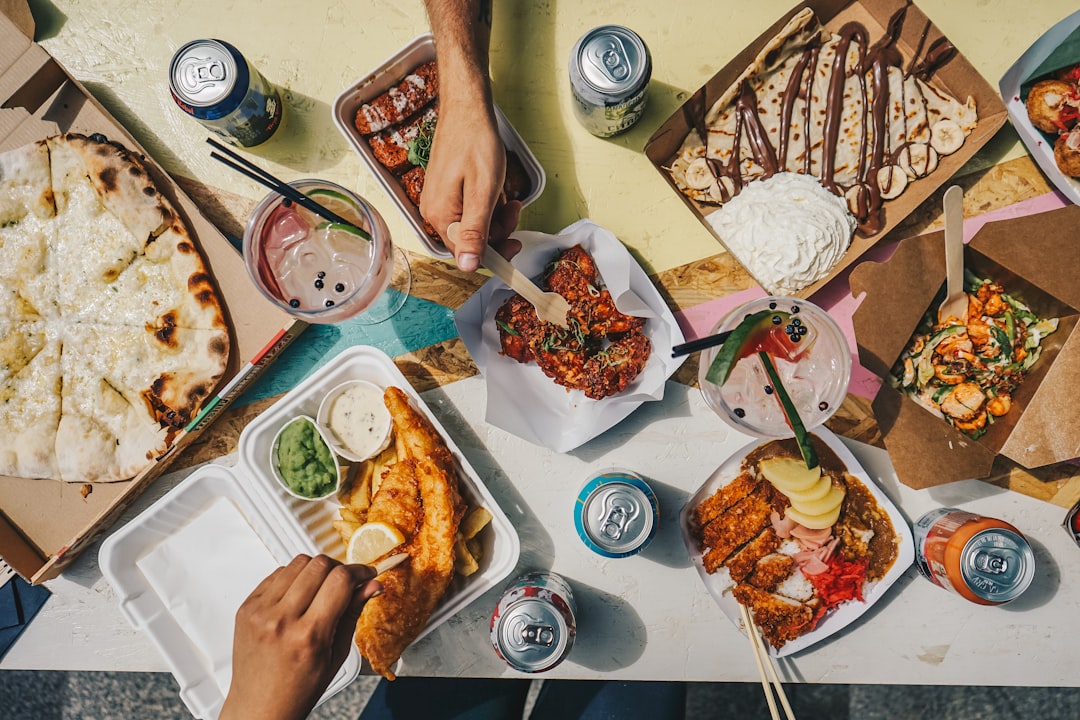
Food packaging businesses face a fragmented buyer journey, where procurement managers and packaging engineers evaluate solutions across multiple touchpoints. Digital marketing for food packaging must capture intent where it originates, connecting real-time buyer signals with high-impact outreach for improved pipeline velocity.
Google Ads addresses this industry complexity by delivering targeted reach to decision-makers as they actively research materials, certifications, and suppliers. Advanced PPC for food packaging tactics allow marketers to create segmentation strategies that identify in-market accounts, customize messaging based on sustainability or compliance needs, and route high-value leads into their sales workflow with precision. For a detailed guide on setting up and optimizing campaigns, see this step-by-step campaign guide.
With Google Ads, food packaging brands can break into emerging and underserved markets, gaining visibility among buyers that traditional channels often miss. This approach supports food packaging business growth by mapping digital interactions to both online and offline conversions, enabling teams to measure true campaign impact and allocate spend to channels driving the best Google Ads ROI for food packaging.
Syncing data between platforms is crucial, enriched audience and lead data can flow seamlessly from Google Ads to CRM and marketing automation systems. Leveraging Sona’s Destinations feature ensures that as buyer intent evolves, audience lists and retargeting pools update dynamically, keeping food packaging marketing campaigns relevant and maximizing conversion opportunities.
Common Types of Google Ads Campaigns for Food Packaging Services
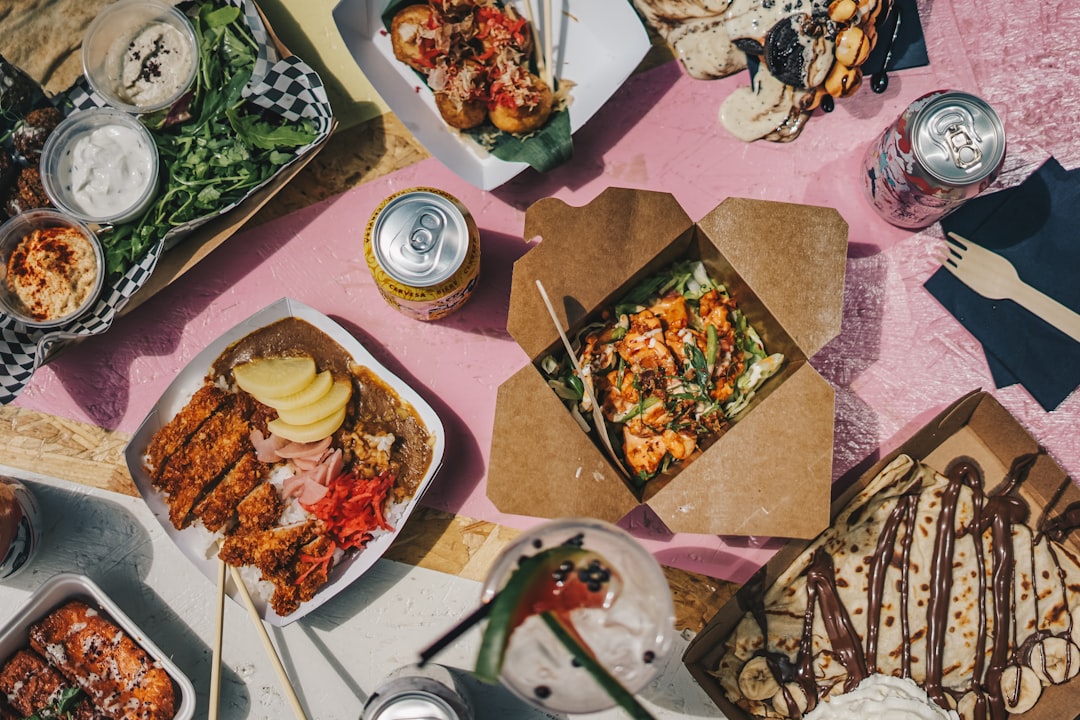
- Search Campaigns: Search campaigns connect food packaging suppliers with buyers at the precise moment they research solutions, such as “sustainable snack food pouches” or “custom meal kit containers.” These campaigns excel at capturing high-intent traffic tied to seasonal shifts, like a co-packer scrambling to source holiday packaging in Q3, when in-market behavior signals which accounts are closer to conversion. Marketers using unified go-to-market data can identify not just keywords but which companies and decision-makers are actively evaluating new packaging vendors, using Sona's Identity Resolution, for more efficient budget allocation.
- Display Ads: Display ads elevate brand awareness and showcase innovative packaging designs where procurement managers and food entrepreneurs spend time online. Creative visuals, such as new materials or unique form factors, position your brand as a leader in digital marketing for food packaging. For more on effective campaign setup, see this guide on optimizing display campaigns for food packaging companies. By identifying visitors from target accounts and updating audience pools in real time, revenue teams can ensure that their display ads reach high-value prospects as they move through the decision process.
- Video Ads: Video ads offer a dynamic way to present the tangible benefits of packaging solutions, such as durability tests or sustainability credentials. These campaigns are particularly effective in demonstrating product features that differentiate your brand in a crowded market. Using advanced segmentation, marketers can serve tailored video content, ensuring that each segment, from food startup founders to veteran production managers, receives messaging that addresses their unique needs and pain points. For more actionable insights, explore our marketing analytics blog.
- Remarketing: Remarketing campaigns keep your food packaging brand top-of-mind with prospects who have already shown interest, increasing the likelihood of conversion. This approach leverages real-time audience lists that update automatically as prospects engage with your resources or submit RFQs, allowing for timely personalized follow-ups. By syncing CRM data and intent signals, marketing teams can prioritize outreach to the most engaged and qualified leads and close gaps in the buyer journey.
- Assets: Ad assets add critical trust elements to your campaigns, such as third-party certifications, case studies, or bulk order incentives. These enhancements drive higher click-through rates by providing additional context and proof points directly in the search results. When integrated with up-to-date lead and account data, assets can highlight the most relevant offers, such as region-specific promotions or limited-time discounts, further boosting the impact of your Google Ads for Food Packaging initiatives.
Where to Find Growth Opportunities in the Food Packaging Sector
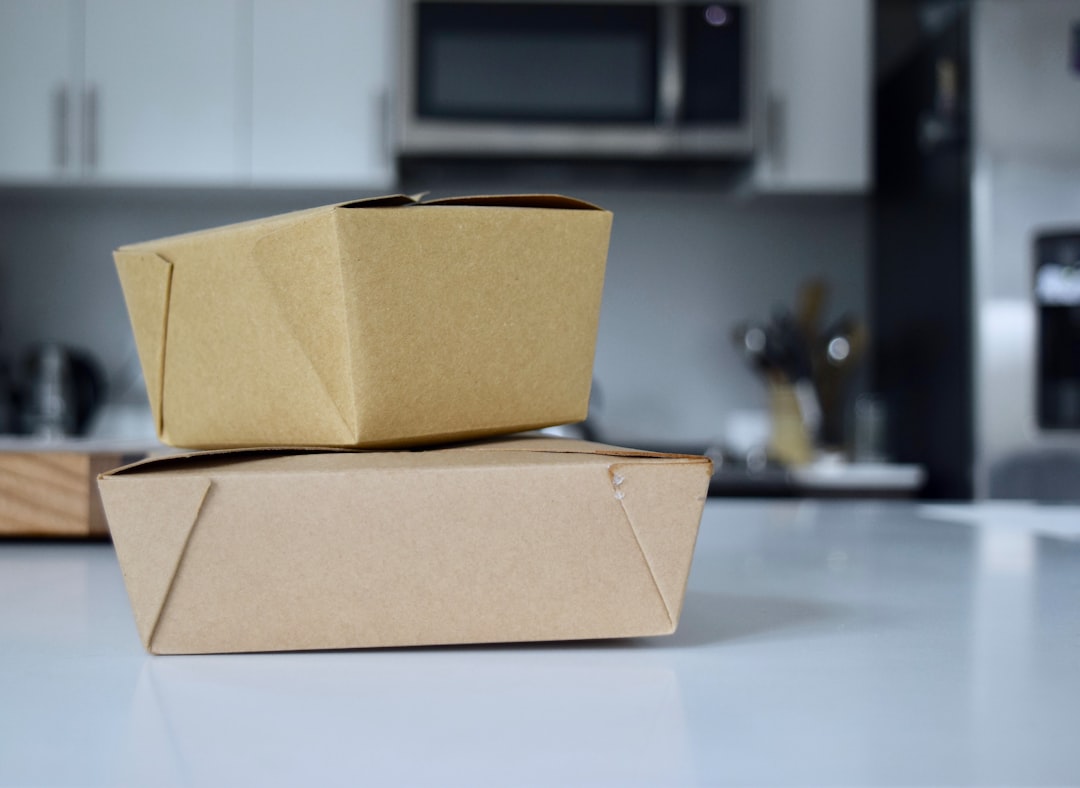
Identifying growth opportunities in the food packaging sector starts with a sharp focus on emerging industry trends. Nanotechnology innovations, such as antimicrobial films and smart packaging, are creating new product categories and opening doors to premium segments. Companies that track these developments can align their Google Ads strategies for food packaging to capture early demand and differentiate their offerings.
Predictive modeling is now essential for revenue teams seeking to engage buyers at the right moment. By analyzing historical engagement and combining it with real-time audience insights, marketers can pinpoint accounts showing genuine intent. This approach minimizes wasted ad spend and allows for highly relevant outreach, improving Google Ads ROI for food packaging.
Evaluating competitor strategies uncovers areas of saturation and exposes underserved segments within the food packaging market. Leveraging niche and long-tail keywords, such as “biodegradable snack pouch supplier” or “retort pouch B2B pricing”, enables advertisers to reach audiences overlooked by less agile competitors. Dynamic audience segmentation further refines this process, updating as prospects engage with content or respond to email nurture campaigns, and ensuring messaging always aligns with the buyer’s current stage.
Cross-channel insights, especially from content and email marketing interactions, inform smarter decisions in PPC for food packaging. By integrating these signals with Google Ads campaign optimization, marketers can identify which topics or product features are driving the most engagement and conversion. Advanced conversion tracking and attribution, including both online form fills and offline sales activities, ensures that every touchpoint contributes to a holistic view of performance, allowing teams to double down on high-return initiatives and quickly pivot away from underperforming tactics.
Precision in audience segmentation is crucial for food packaging companies seeking measurable results from digital marketing. Segmenting campaigns by buyer persona, such as large-scale manufacturers requiring bulk food packaging or boutique brands prioritizing sustainable materials, allows marketers to deliver tailored messaging that aligns with each segment’s unique priorities. To explore actionable strategies for food product companies, review this PPC and Google Ads playbook. This approach moves beyond generic advertising, increasing relevancy and engagement while reducing wasted spend on low-fit audiences.
Dynamic segmentation also enables marketers to act on intent signals derived from search behaviors, website visits, and content downloads. By integrating real-time visitor identification, food packaging advertisers can recognize returning prospects, distinguish between procurement managers and product developers, and immediately adapt their ad creative to match in-market interests. This level of granularity ensures that B2B buyers receive messaging about durability, compliance, and volume discounts, while B2C brands see creative focused on customization, design, or sustainable innovation.
Modern platforms streamline this process by syncing enriched audience data and lead profiles directly into Google Ads, CRM, and marketing automation systems. As leads progress through the funnel, downloading technical specs, requesting a quote, or attending industry webinars, audience lists update automatically, ensuring ongoing relevance in retargeting and lookalike campaigns. Advanced conversion tracking further ties online and offline actions (such as trade show booth scans or sales calls) to digital campaigns, providing a full view of ROI and informing budget shifts toward the highest-converting segments. This unified approach to digital marketing for food packaging accelerates lead qualification, shortens sales cycles, and maximizes Google Ads ROI for food packaging growth.
This is also where measurement changes the economics. With Sona Marketing Measurement you can identify the companies and buyers behind your ad clicks, not just anonymous sessions, and segment audiences by who actually becomes a customer. That lets you build bid adjustments and audience signals around the segments that convert and de-prioritize the ones that don't, so you feed Google's algorithms "this click became a paying food packaging customer" instead of just "someone filled out a form."
Keyword Strategy & Sample Target Terms
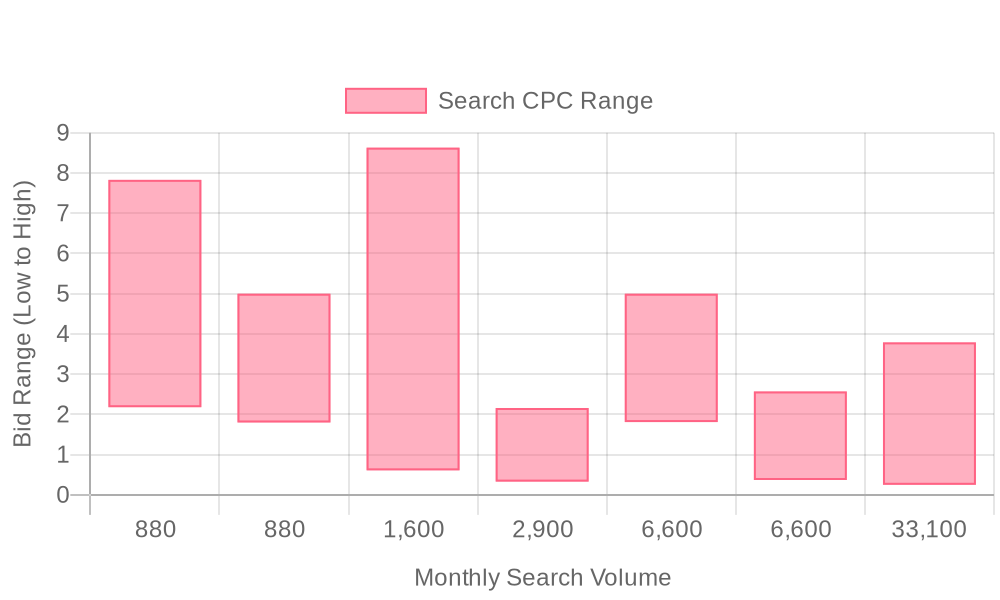
| Industry | Keyword | Monthly Search Volume | Competition Level | Low Bid | High Bid |
| Food Packaging | custom food packaging | 880 | HIGH | 2.18 | 7.83 |
| Food Packaging | food packaging supplies | 880 | HIGH | 1.8 | 5 |
| Food Packaging | stretch wrap roll | 1600 | HIGH | 0.61 | 8.63 |
| Food Packaging | egg cartons for sale | 2900 | HIGH | 0.33 | 2.16 |
| Food Packaging | food packaging | 6600 | MEDIUM | 1.81 | 5 |
| Food Packaging | egg cartons bulk | 6600 | HIGH | 0.37 | 2.57 |
| Food Packaging | pizza boxes | 33100 | HIGH | 0.25 | 3.79 |
Effective keyword strategy is foundational to Google Ads success in the food packaging sector. Food packaging companies can increase qualified lead generation by focusing on high-intent search terms that attract buyers seeking specific solutions, including eco-friendly and custom packaging options. By prioritizing long-tail keywords such as "biodegradable food packaging solutions" and "custom printed food pouches wholesale," marketers reach niche segments with higher conversion likelihood and less competition than broad, generic terms. For more actionable insights, explore this step-by-step PPC and Google Ads strategy.
Incorporating competitive intelligence into keyword selection uncovers new opportunities. For example, identifying rising search volume around "zero waste packaging" and related sustainability-focused queries helps capture demand from environmentally conscious brands and procurement teams. At the same time, implementing negative keywords like "food packaging jobs" or "packaging design courses" filters out irrelevant clicks, ensuring ad spend targets only commercial buyers and not job seekers or students. This refinement step lifts engagement rates and protects budget efficiency, find more strategies in our marketing analytics blog.
Advanced platforms now enable marketers to move beyond traditional keyword research by layering intent signals and visitor identification. With real-time analytics, teams can see which keywords are driving in-market traffic from food manufacturers or CPG brands, then shift budget toward campaigns with the highest conversion probability. As leads engage with ads or request samples, audiences update automatically, so remarketing lists reflect genuine buying intent rather than stale form fills. When CRM and ad platforms are synced, enriched lead data flows directly into Google Ads, letting food packaging marketers personalize messaging and move deals faster.
Step-by-Step Campaign Execution Framework
A results-driven Google Ads campaign for food packaging requires precision at every stage, from intent-driven keyword selection to advanced conversion analytics. Food packaging companies face the dual challenge of reaching both B2B procurement teams and consumer-focused brands, all while differentiating through innovation and compliance. Executing a campaign framework that addresses these complexities ensures improved lead quality and maximizes advertising ROI. For a deeper dive into current and emerging trends impacting food packaging PPC, you can explore the future of food packaging trends to watch in 2025.
Step 1: Build Targeted Keyword Lists
Effective keyword lists for food packaging advertising must reflect both industry trends and the nuances of buyer needs. Focus on commercial-intent terms such as “custom food packaging,” “eco-friendly packaging supplier,” and “bulk food containers.” Layer in localization modifiers like “near me” or specific regions to capture high-conversion searches from local manufacturers and food brands. Including long-tail variations around sustainability and compliance, such as “FDA-approved food pouches” or “biodegradable snack packaging,” helps filter out irrelevant clicks and attracts decision-makers with urgent purchasing needs. For more on building demand with targeted terms, review our actionable demand generation playbooks.
Sona’s identification feature improves this process by revealing not just anonymous search intent but also visitor companies and accounts engaging with your food packaging marketing assets. This allows marketers to prioritize keywords and ad groups based on the real-time presence of high-value leads rather than relying solely on aggregated search volumes. As a result, your keyword list is constantly refined for relevance and potential deal size.
Step 2: Craft Compelling Ad Copy
Ad copy for Google Ads in food packaging must speak directly to pain points such as supply chain reliability, regulatory compliance, and sustainability. Headlines like “Certified Compostable Packaging for Food Brands” or “Short-Run Custom Printing, Fast Turnaround” quickly attract the right audience. Use descriptions to reinforce claims with specific, defensible details, barrier performance data, shelf-life extension, or certification names, rather than vague promises, and always include a clear call to action, such as “Request a Sample” or “Download Technical Specs.”
Dynamic audience insights enable tailored messaging for different buyer segments. As audiences engage with specific product pages or download compliance documentation, Sona updates ad copy in real time to reflect their stage in the buyer journey. This approach ensures B2B procurement teams see value-driven, technical messaging, while consumer brand managers get creative, design-focused offers, leading to higher click-through and conversion rates.
Step 3: Design High-Converting Landing Pages
Landing pages for food packaging PPC must do more than capture contact information; they should build trust and accelerate qualification. Incorporate industry-specific CTAs, “Get Custom Quote in 24 Hours,” “Compare Barrier Films Side-by-Side”, and integrate CRM forms for seamless lead capture. Use conversion tools like interactive RFQ calculators or downloadable spec sheets to provide immediate value. For inspiration on effective strategies, see this case study on PPC for food packaging businesses.
Real-time CRM and ad sync ensures that every form submission, phone inquiry, or live chat interaction is tracked and attributed back to the original campaign. Sona’s buyer journeys tool tracks each touchpoint, automatically updating lead statuses, pushing enriched profile data for nurturing, and signaling to ad platforms when an account progresses toward revenue. This level of attribution enables granular measurement of Google Ads ROI for food packaging campaigns and supports more accurate budget allocation.
Step 4: Optimize Campaigns with Data-Driven Insights
Continuous campaign optimization is crucial for maximizing the impact of online advertising for food packaging. Use granular performance data from Google Ads, impressions, CTR, conversion rates, combined with Sona’s intent signals to identify which segments or keywords drive the most value. When an account exhibits strong buying intent, the system prompts more aggressive bidding and personalized creative assets for retargeting. For tactical guidance on optimization, visit our blog with marketing analytics insights.
This data-driven approach uncovers high-potential opportunities, such as reallocating budget to keyword clusters that consistently generate RFQs or identifying geographic regions with seasonal spikes in demand. Advanced conversion tracking ensures every touchpoint, whether online form fills or offline trade show inquiries, feeds back into your optimization loop. Ready to adapt your campaigns dynamically and drive measurable growth? Get started for free with Sona.
Tips on Expanding Your Food Packaging Presence
Food packaging companies ready to scale must prioritize digital visibility where decision-makers actively research solutions. To achieve sustained growth, unify retargeting, regional targeting, and cross-channel promotion into a cohesive digital marketing food packaging strategy. For additional insights, explore our blog on marketing analytics and growth.
Leverage retargeting tactics to recapture interest from procurement managers and product developers who have previously engaged but not yet converted. Sona's Identity Resolution helps marketers pinpoint both anonymous web traffic and identified companies, allowing tailored messaging that reflects each stage of the buying journey. As audiences revisit your site, dynamic segmentation ensures ads and content are always relevant, driving increased engagement and higher conversion rates.
Localizing campaigns in high-opportunity regions further strengthens your footprint. By aligning Google Ads targeting food industry campaigns with supply chain hubs or regions with concentrated food manufacturers, you maximize spend efficiency and reach decision-makers when purchasing cycles are most active. Real-time intent data enables you to prioritize regions where in-market behavior spikes, shifting budgets toward high-converting accounts and capturing demand as it emerges.
Cross-promoting complementary services, such as labeling, logistics, or sustainability consulting, expands your value proposition and opens additional revenue streams. Syncing CRM and ad data ensures your Google Ads for Food Packaging campaigns reflect up-to-date buyer journeys, automatically excluding closed-won deals and nurturing leads not yet ready to buy. When content marketing, PPC, and online advertising for food packaging are unified, your message remains consistent across all digital touchpoints, creating a seamless brand experience and accelerating food packaging business growth.
Continuous measurement and audience optimization are key to maximizing Google Ads ROI for food packaging. Advanced conversion tracking lets you attribute both online and offline actions, trade show meetings or inbound RFQs, ensuring true ROI visibility and smarter reallocation of spend. With unified data and agile campaign management, food packaging marketing teams can scale their presence, sharpen campaign performance, and build sustainable demand in a competitive market.
Beyond Google Ads: Winning the AI Answers Food Packaging Buyers Now Trust
Paid search captures demand at the moment someone types a query. But a fast-growing share of food packaging buyers no longer start at Google at all, they ask ChatGPT, Gemini, or Perplexity before they ever run a search, and Google's own AI Overviews increasingly summarize an answer above the traditional results. If your business isn't referenced in those AI answers, you're invisible at the exact moment buyers build their shortlist.
Sona AI Visibility shows where your business shows up across ChatGPT, Gemini, Perplexity, Google AI Overviews, and 10+ engines, and, much like a keyword report, which prompts actually send you buyers, so you can prioritize the ones that convert. Run the two together and you cover the entire buyer path: get cited where buyers research (AI Visibility), then prove which of that demand turns into booked revenue (Marketing Measurement).
Helpful resources
Conclusion
Google Ads works for food packaging brands when the campaign is built around how buyers in this category actually shop: fast, compliance-driven, and often triggered by a specific event, a new retailer contract, a sustainability mandate, a co-packer switch. Keyword lists, audience segmentation, and creative all need to reflect that urgency rather than treat food packaging like any other B2B category.
The teams that win in this category are the ones that connect ad spend to which companies actually become customers, not just which forms get filled out. That link, from click to closed deal, is what turns Google Ads from a cost center into a growth engine for food packaging businesses.
To connect your Google Ads spend to real food packaging revenue, start for free with Sona today.
FAQ
What are the best practices for Google Ads in food packaging?
Best practices include curating targeted keyword lists, segmenting audiences by buying intent, aligning ad creatives with landing pages, and using real-time intent data to personalize and optimize campaigns.
How can I effectively target my audience using Google Ads for food packaging?
Effectively target your audience by segmenting them based on company size, vertical, and buying intent, and using custom audience lists from website engagement and content downloads.
What budget should I allocate for Google Ads in the food packaging sector?
Allocate your budget by focusing on high-value prospects and refining your keyword lists to include terms with commercial intent, while also using predictive analytics to optimize spend based on account buying stages.
What keywords should I focus on for Google Ads in food packaging?
Focus on keywords that reflect commercial intent like 'custom food packaging supplier' and 'biodegradable packaging wholesale,' and use long-tail modifiers to target buyers with specific requirements.
How do I measure the success of my Google Ads campaigns for food packaging?
Measure success by monitoring metrics such as cost per lead, click-through rates, conversion rates, and pipeline contribution, and using advanced conversion tracking for full-funnel visibility.







