


Educational research recruitment lives or dies on timing: a study opens enrollment, a grant deadline looms, and the right participant has to see the right message in a narrow window. Google Ads has become the tool institutions and research teams reach for because it meets prospective participants, faculty collaborators, and students at the exact moment they search. But most campaigns still lose high-value prospects simply because no one is tracking who they are once they land on a page. Newer identification and measurement tools now let education marketers see those visitors and engage them directly, so ad spend goes toward the audiences most likely to enroll or participate rather than disappearing into anonymous traffic.
How to Generate Google Ads for Educational Research Leads: A Step-by-Step Guide

Generic ads no longer attract qualified research participants or academic collaborators. Success now depends on precise audience intelligence and tight integration between marketing and revenue operations, so data moves freely and gets acted on throughout the funnel.
A stepwise approach to Google Ads for Educational Research enables institutions to segment their audience, craft relevant messaging, and accelerate lead capture. For tactical guidance on campaign setup and optimization specific to higher education, see this step-by-step strategy for universities. By leveraging unified data and automated workflows, revenue teams can minimize waste and convert interest into measurable results.
Step 1: Build Targeted Keyword Lists
Effective lead generation starts with detailed keyword research aligned to the educational sector. Teams should analyze high-intent search terms such as "educational research study participation," "online learning survey," and "student recruitment for research." Segmenting by program type, study topic, or target demographic allows for granular control over ad delivery, audience segmentation around student profiles, faculty interests, or regional education markets ensures every campaign is tailored to institutional needs.
When campaigns are powered by real-time company-level identification of website visitors, marketers can focus budget on the institutions and organizations demonstrating active research intent. For additional data-driven tactics, explore best practices for Google Ads in higher education.
The upgrade most educational research advertisers miss is going beyond raw keyword volume to layer in intent and identity signals. By connecting website-visitor data and CRM records with Sona Marketing Measurement, you can see which specific search terms bring in the accounts and customers that actually convert, and weight your keyword and bidding strategy toward those rather than the terms with the highest search volume alone.
Step 2: Design Compelling Ad Creatives
Ad creatives should address the specific motivations of educational research participants, such as career advancement, learning opportunities, or incentives for joining a study. Effective messaging speaks directly to pain points like limited access to innovative programs or the need for flexible participation. Incorporating clear calls-to-action and value statements increases engagement rates and decreases the risk of losing prospects to competing institutions, find more creative strategies in our B2B marketing playbooks.
With dynamic audience insights, teams can adapt ad copy in real time based on in-market behaviors. As potential leads move through the funnel, creatives automatically update to reflect their current interests and decision stage, driving higher response rates and stronger campaign relevancy.
Step 3: Optimize Landing Pages and Follow-Up
A well-structured landing page is vital for converting ad traffic into leads. Pages should be visually aligned with campaign creatives, provide concise program details, and include frictionless forms for sign-up or consent. For actionable tips on digital ad landing experiences in education, review digital marketing enhancements for educational institutions. Personalization elements, such as pre-filled fields or tailored recommendations, further increase conversion rates by reducing cognitive load on visitors.
Immediate and personalized follow-ups are critical. Automated workflows can detect new leads in real time, trigger relevant email or SMS outreach, and sync engagement data back to the CRM, this rapid response prevents cold leads and maximizes the opportunity to capture interest while it peaks.
Step 4: Integrate with Multi-Channel Strategies
Google Ads campaigns for educational research yield the strongest results when embedded within a broader marketing ecosystem. Syncing audience data across channels, such as email, social media, and programmatic ads, ensures consistent messaging and extends reach beyond search alone. For insights on combining paid search with other digital tactics to improve student recruitment, see targeted digital marketing for enrollment.
Advanced platforms enable real-time audience updates, so as leads progress or convert, their status is instantly reflected in all connected channels. This integration provides holistic attribution, allowing revenue teams to measure marketing's influence on the pipeline by tracking every touchpoint from first click to final enrollment or study participation.
Sona Marketing Measurement closes the gap between clicks and revenue. It captures every ad click with first-party measurement, ties that click through UTM capture and ad-platform APIs to the actual record in your CRM, and reports ROAS by keyword and campaign instead of by last-click form fill. Feeding that revenue signal back into Smart Bidding and Performance Max compounds over time: the algorithms optimize toward booked educational research revenue, not cheap leads.
Why does Google Ads Matter for Educational Research
Educational research teams achieve tangible results when their outreach adapts to the evolving interests of educators, students, and academic collaborators. Google Ads delivers immediate access to high-intent audiences by surfacing research opportunities, programs, and events at the moment of relevant search.
Institutions often face fragmented data and limited visibility into who is actually engaging with their campaigns. By leveraging unified audience insights, marketers can pinpoint which segments, such as STEM faculty, distance learners, or international students, are most responsive and ready to convert.
Enrollment cycles and grant deadlines create sharp, short-lived spikes in demand. Google Ads lets teams shift budget in real time toward the regions, keywords, or audience segments where conversion likelihood is highest at that moment, cutting waste during the slow months and capturing urgency during application windows. Teams can further sharpen this by using intent signals to prioritize high-value prospects for outreach.
With the integration of advanced platforms, marketers can move beyond broad demographic targeting to identify specific companies, departments, or even individual educators showing in-market intent. These insights support more informed decisions about which campaigns to prioritize, when to retarget, and how to personalize messaging for maximum relevance. To dive deeper into marketing best practices, explore the Sona blog for actionable strategies.
As audience lists refresh dynamically based on real-time engagement, research teams unlock the ability to nurture leads from initial awareness through application or participation. This continuous loop of enrichment and activation supports ongoing growth for educational research programs, ensuring outreach is always aligned to the most current demand signals. To see how this can work for your institution, get started for free with Sona.
Common Types of Google Ads Campaign for Educational Research

Educational research teams operate in a genuinely competitive search environment, where precise targeting and measurable outcomes decide which programs fill their participant pools and which don't. A strategic mix of Google Ads campaign types, including Search, Display, Video, Performance Max, and Remarketing, gives educators full-funnel visibility and stronger participant or student engagement. Integrating real-time audience insights and dynamic data further strengthens campaign impact, resulting in higher conversion rates and more actionable leads.
- Search Campaigns: Search ads (whether served as standard text ads or as Responsive Search Ad formats) capture high-intent queries from prospective students, research participants, or collaborators at the moment they're actively looking, often within a tight window around application deadlines or study recruitment periods. These campaigns are especially effective during enrollment cycles or when recruiting for time-sensitive studies, since they let teams respond directly to searches like "paid research study near me" or "online course registration." Layering in intent signals lets teams shift budget toward the queries that reflect genuine urgency, such as searches tied to eligibility criteria or compensation, rather than casual browsing. Syncing CRM and first-party data with search audiences helps teams distinguish a curious browser from someone who has already reviewed consent forms or study details, so outreach follows real engagement.
- Display Ads: Display ads extend brand presence across a network of education-focused sites, forums, and content platforms. By utilizing display placements, institutions and research teams reinforce their value proposition to users who may still be in the early research phase. Personalized targeting, informed by unified visitor identification and behavior tracking, enables granular audience segmentation, ensuring ads reach those most likely to move down the funnel. With dynamic audience updates, display campaigns adapt in real time as prospects engage with different resources, increasing relevance and nurturing interest for Google Ads for higher education or continuing education initiatives.
- Video Ads: Video campaigns offer immersive storytelling opportunities, allowing educators to visually communicate research impact, program value, or study participation benefits. Detailed narratives delivered through YouTube or partner sites appeal to diverse learning styles and can simplify complex research topics. Video engagement metrics, combined with advanced conversion tracking and offline attribution, provide a complete view of ROI across online and offline channels. These insights enable marketers to allocate budgets to the most effective creative assets and further personalize future outreach.
- Remarketing: Remarketing campaigns re-engage users who have previously interacted with educational landing pages, application forms, or research study information. By building dynamic audiences that reflect real-time user journey stages, revenue teams prevent drop-off and address the pain point of lost opportunities. Integrating enriched lead data with Google Ads and CRM systems ensures that remarketing efforts are tightly aligned with user interests and readiness, leading to improved conversion rates for campaigns such as Google Ads for student recruitment and Google Ads for educational marketing. This approach transforms anonymous traffic into qualified, high-intent leads ready for personalized follow-up.
Ready to improve your campaign results? Get started for free with Sona.
Where to Find Growth Opportunities?
Growth in educational research marketing depends on finding pockets of student and faculty demand that competitors overlook. Success starts with vertical keyword targeting, using precise phrases tied to specific academic programs, research topics, or niche interests. For example, campaigns focused on "Google Ads for educational research" or "Google Ads for student recruitment" consistently attract more qualified leads than broad, generic queries. These vertical keywords ensure that budgets are deployed toward the audiences most likely to convert, reducing wasted spend and improving campaign ROI.
Content retargeting represents another high-yield avenue. By building audiences of visitors who have engaged with educational content, such as guides, webinars, or institutional research, marketers can nurture interest and drive repeat interactions. Dynamic audience segmentation updates in real time as prospective students or research participants move from awareness to active inquiry, allowing teams to personalize follow-up messaging based on each user’s most recent touchpoints. This approach ensures marketing remains relevant and efficient at every stage of the funnel.
Competitor gap analysis is essential to uncover overlooked opportunities. By mapping the keyword and content landscape, B2B education teams can identify areas where their content or programs offer unique value compared to market incumbents. Sophisticated analytics platforms can reveal which topics, formats, or intent signals are under-served, enabling teams to deploy resources where they’ll have the highest impact. Integrating visitor identification technology with these insights allows marketers to pinpoint which institutions, companies, or student cohorts are showing real-time intent, so teams can prioritize outreach and shift ad spend to the highest-converting accounts.
Industry-specific placements, such as advertising on research portals, academic journals, or education-focused forums, expand reach to high-value audiences not easily accessed through standard search or display networks. These placements align messaging with context, increasing relevance and boosting engagement rates among faculty, graduate students, or active researchers. When CRM and ad platforms sync in real time, enriched audiences can be deployed instantly, ensuring that each campaign aligns directly with current pipeline needs and institutional priorities.
How to Apply Audience Segmentation for Educational Research
Audience segmentation in educational research marketing ensures each campaign reaches distinct, high-value groups rather than casting a wide net and diluting relevance. Modern marketers who leverage audience segmentation see higher engagement rates, improved lead quality, and more predictable conversion outcomes across outreach initiatives.
- Define Segments: Accurate segmentation is foundational for targeting the right stakeholders. For educational research, this means building unique profiles for prospective students, faculty candidates, and research collaborators. Each group requires a tailored message and call-to-action. Using advanced data enrichment and Sona's Identity Resolution, marketers can pinpoint not just anonymous site visitors, but also the institutions or companies they represent. This approach elevates campaign effectiveness by aligning outreach with roles and organizational needs, rather than relying on generic targeting.
- Overlay Intent Signals: Intent signals go beyond static demographics by capturing behavioral cues such as searches for new course offerings, grant information, or specific research topics. Monitoring these intent signals in real time allows teams to prioritize budget and creative focus on in-market prospects who are actively seeking solutions. For more on this strategy in the education sector, see this step-by-step process for managing Google Ads in education. When a surge in interest around a particular area of study or funding emerges, dynamic audience technology automatically shifts spend to those most likely to convert. This agility prevents missed opportunities and helps ensure educational research advertising outpaces competitors for high-intent leads.
- Create Ad Groups by Segment: Building ad groups dedicated to each audience segment allows for bespoke messaging, landing page experiences, and conversion tracking. By mapping Sona’s Ad Conversions for each segment, marketers can identify friction points, optimize creative, and allocate resources with precision. When enriched CRM data syncs seamlessly into Google Ads and platforms like HubSpot or Salesforce, Sona’s Audiences update in real time as leads progress through the funnel. This ensures nurturing and retargeting efforts always reflect the latest engagement signals, supporting higher conversion rates and more granular measurement of campaign ROI.
To see how audience segmentation can drive results in your educational research campaigns, get started for free with Sona.
This is also where measurement changes the economics. With Sona Marketing Measurement you can identify the companies and buyers behind your ad clicks, not just anonymous sessions, and segment audiences by who actually becomes a customer. That lets you build bid adjustments and audience signals around the segments that convert and de-prioritize the ones that don't, so you feed Google's algorithms "this click became a paying educational research customer" instead of just "someone filled out a form."
Keyword Strategy & Sample Target Terms
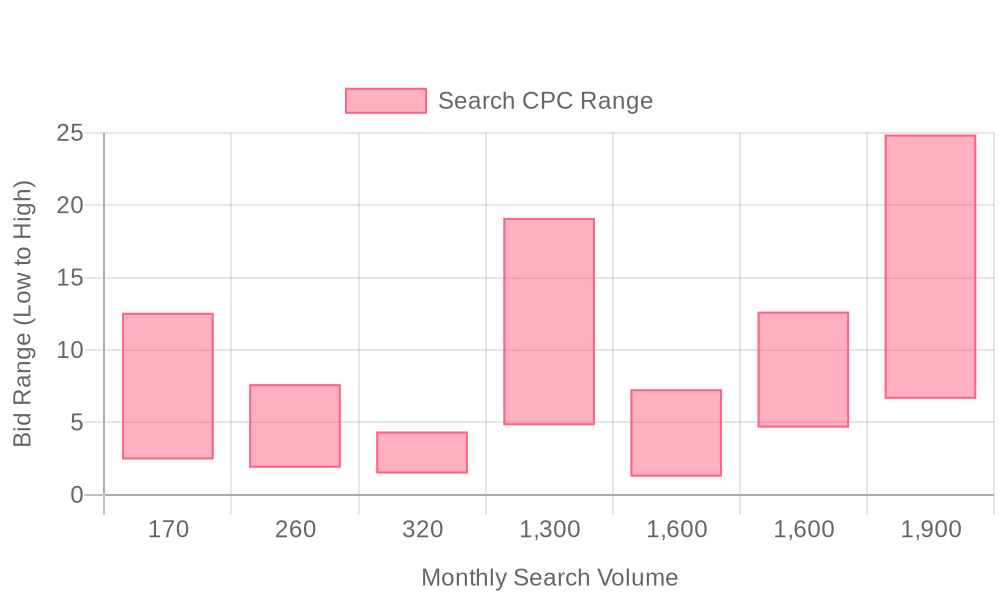
| Industry | Keyword | Monthly Search Volume | Competition Level | Low Bid | High Bid |
| Educational Research | stem organizations | 170 | LOW | 2.45 | 12.57 |
| Educational Research | center for applied research evaluation and education inc | 260 | LOW | 1.88 | 7.64 |
| Educational Research | national student clearinghouse research center | 320 | LOW | 1.48 | 4.37 |
| Educational Research | nursing phd programs | 1300 | MEDIUM | 4.81 | 19.12 |
| Educational Research | educational research | 1600 | LOW | 1.26 | 7.29 |
| Educational Research | psychology phd | 1600 | MEDIUM | 4.65 | 12.65 |
| Educational Research | phd in leadership | 1900 | MEDIUM | 6.64 | 24.87 |
A robust keyword strategy is the foundation of every high-performing Google Ads for Educational Research campaign. B2B revenue teams in the education sector need precision targeting to capture high-intent audiences, optimize budgets, and generate qualified leads for academic programs, research initiatives, and educational services. Prioritizing keywords such as “educational research grants,” “educational conferences,” and “international educational marketing” ensures visibility among decision-makers actively seeking solutions, partnerships, and funding opportunities. For additional targeting insights, explore Google Ads for schools and universities.
Effective keyword selection means understanding both intent and context. High-intent terms like “Google Ads strategy for schools,” “Google Ads for higher education,” and “Google Ads for student recruitment” consistently drive traffic that is more likely to convert. Supplementing these with branded, program-specific, and location-based phrases, such as “Google Ads campaign for educational institutions London” or “Google Ads for online courses USA”, lets marketers tap into niche segments and capture demand at various stages of the funnel. For more actionable tactics, review our Google Ads playbooks.
Marketers benefit from continuous keyword refinement powered by real-time search data and intent signals. When integrated with advanced analytics and visitor identification technology, teams can pinpoint which search terms attract high-value leads and dynamically update keyword lists as market needs shift. This approach not only eliminates wasted budget but also ensures ongoing campaign relevance. Audience segmentation and keyword mapping, when automatically synced into ad platforms, allow for instant adaptation as users progress from research to application, magnifying the impact of both generic and long-tail terms within every campaign.
Step-by-Step Campaign Execution Framework
Step 1: Build Targeted Keyword Lists
Precise keyword targeting is the foundation of every high-performing Google Ads for Educational Research initiative. Start by localizing high-intent keywords with campus names, academic programs, or course-specific terms. This approach ensures visibility among in-market prospects who are actively searching for offerings such as an online data science course at a named institution or MBA admissions in a specific city. Capturing this demand directly addresses the ongoing challenge of losing track of high-value prospects who otherwise remain anonymous. Leveraging visitor identification technology, marketers can link previously untracked searches to actual companies and decision-makers, revealing actionable insights for campaign refinement and sales outreach.
Dynamic keyword lists should be refined over time. As audience behavior shifts throughout academic cycles or based on new course launches, smart segmentation tools automatically update these lists to reflect current market interest. For more guidance on building effective keyword strategies for educational campaigns, see this step-by-step process for managing Google Ads in the education sector. This real-time intent data ensures that campaigns are always aligned with the evolving priorities of potential students and research participants.
Step 2: Develop Compelling Ad Copy
Effective ad copy for educational audiences balances value-driven messaging with urgency. Highlighting unique educational outcomes, recent graduate success stories, or distinctive program features can significantly increase engagement rates. Incorporate timely incentives such as “Apply by May 15 for a tuition discount” or “Limited seats for Fall 2024” to prompt immediate action. This approach is especially effective for Google Ads for student recruitment and Google Ads for online courses, where capturing attention before leads cool off is critical.
Continuous ad testing is essential for campaign optimization. Automated A/B testing frameworks can cycle through multiple value propositions, identifying which resonate best with diverse audience segments. As leads move through the research or enrollment funnel, dynamic audience segmentation ensures that ad messaging evolves alongside them, personalizing outreach based on their stage in the decision process.
Step 3: Design Effective Landing Pages
Landing pages are the conversion engine behind any Google Ads campaign for educational institutions. Each landing page must align directly with the ad group’s core intent, eliminating friction by delivering concise, relevant information and a clear call to action. For example, an ad targeting “executive MBA programs” should direct users to a program-specific page featuring curriculum details, application requirements, and testimonials from recent graduates. Streamlined layouts, mobile optimization, and rapid load times are non-negotiable for maximizing form completions and reducing bounce rates.
Visitor-level data can be used to personalize landing page content, tailoring headlines, testimonials, or calls to action based on the user’s industry, location, or previous site interactions. Integrating CRM data with Google Ads enables seamless tracking of online and offline conversions, giving revenue teams a complete view of the prospect journey from ad click to application or research sign-up.
Step 4: Implement Data-Driven Optimizations
Sustained performance in Google Ads for continuing education and higher education depends on rigorous, data-driven optimization. Integrate platforms like Google Analytics to monitor key metrics such as click-through rates, conversion rates, and cost per acquisition. This data should inform iterative adjustments to bidding strategies, keyword selection, and creative rotation to ensure campaign spend is concentrated on the highest-ROI segments.
Advanced attribution models enable teams to track both online and offline actions, providing a true measure of campaign impact beyond the initial conversion. Syncing enriched audience and lead data from CRM platforms into Google Ads keeps targeting precise and up to date, while real-time intent signals allow for rapid budget shifts toward emerging high-conversion opportunities. For a deeper dive into analyzing and optimizing Google Ads campaigns, check out this guide to analyzing Google Ads performance. This closed-loop feedback system ensures that educational marketing investments consistently drive measurable outcomes and support institutional growth.
Tips on Expanding Your Educational Research Presence

Educational research organizations gain a measurable advantage by targeting their campaigns with precision and aligning content with the real needs of their audience. By combining data-driven insights with innovative tactics, marketers create campaigns that move beyond awareness to drive qualified engagement and participant recruitment.
- Cross-promote digital assets: Integrate webinars, whitepapers, and published studies within Google Ads for educational research to capture high-intent users already searching for relevant topics. When synced with enriched audience data, marketers can tailor content offers to the specific stage of the research participant or institutional buyer journey, increasing conversion rates while reducing wasted spend.
- Partner with associations for referral growth: Strategic collaborations with educational associations and professional bodies can significantly extend campaign reach. By leveraging joint audience data and referral tracking, organizations identify which partnerships deliver the most valuable leads, enabling dynamic budget shifts toward the highest-return sources.
- Localize for better relevance: Localizing Google Ads for education to specific geographies sharpens campaign resonance and drives higher engagement. Marketers can pinpoint prospective students, researchers, or institutions in targeted regions, adjusting ad copy, landing pages, and offers to reflect local needs. With real-time visitor identification and in-market behavior signals, teams can quickly recognize when high-value accounts engage and respond with personalized outreach, maximizing ROI.
- Leverage search queries to spot trends: Analyzing live search queries uncovers emerging topics, allowing educational marketers to pivot campaign messaging in real time. This level of agility ensures every ad dollar supports the most relevant and timely research initiatives, while dynamic audience segmentation ensures that campaigns adapt as leads progress through the funnel. Teams that unify ad data with CRM records can track which queries drive actual participation or enrollment, refining keyword targeting for future campaigns.
- Optimize through continuous measurement: With advanced conversion tracking and attribution, revenue teams measure both online and offline actions, accurately tying ad investment to student recruitment, research participation, or institutional partnerships. Integrating these insights accelerates the feedback loop, empowering marketers to focus resources on top-performing tactics and audiences.
Beyond Google Ads: Winning the AI Answers Educational Research Buyers Now Trust
Paid search captures demand at the moment someone types a query. But a fast-growing share of educational research buyers no longer start at Google at all, they ask ChatGPT, Gemini, or Perplexity before they ever run a search, and Google's own AI Overviews increasingly summarize an answer above the traditional results. If your business isn't referenced in those AI answers, you're invisible at the exact moment buyers build their shortlist.
Sona AI Visibility shows where your business shows up across ChatGPT, Gemini, Perplexity, Google AI Overviews, and 10+ engines, and, much like a keyword report, which prompts actually send you buyers, so you can prioritize the ones that convert. Run the two together and you cover the entire buyer path: get cited where buyers research (AI Visibility), then prove which of that demand turns into booked revenue (Marketing Measurement).
Helpful resources
Conclusion
Google Ads works for educational research because it meets people at the moment their intent is highest: the researcher hunting for a grant deadline, the student comparing programs the week before applications close. Treating that moment as a data point rather than a click is what separates campaigns that fill enrollment and recruitment targets from ones that just spend budget.
The institutions pulling ahead now are the ones pairing search spend with visibility into where their AI-era buyers actually research, and with measurement that ties a click to an enrolled student or a signed-up participant, not just a form fill. That pairing is what turns a Google Ads budget into a predictable pipeline instead of a recurring expense.
FAQ
What are the best practices for using Google Ads in education?
Best practices for using Google Ads in education include leveraging precise audience intelligence, integrating marketing with revenue operations, and utilizing real-time identification of prospects to ensure ad spend targets high-intent leads.
How can educational institutions optimize their Google Ads campaigns?
Educational institutions can optimize their Google Ads campaigns by segmenting their audience, crafting relevant messaging, designing compelling ad creatives, and integrating campaigns with multi-channel strategies for consistent messaging and extended reach.
What budget should I allocate for Google Ads in education?
The budget for Google Ads in education should be flexible, allowing for real-time adjustments based on conversion likelihood, intent signals, and audience engagement to minimize wasted spend and maximize ROI.
What keywords should I target for educational Google Ads?
Target high-intent keywords such as 'educational research study participation,' 'online learning survey,' and 'student recruitment for research,' while also considering program-specific and location-based phrases for niche segments.
How do I measure the success of Google Ads for educational programs?
Measure the success of Google Ads for educational programs by tracking key metrics such as click-through rates, conversion rates, and cost per acquisition, and using advanced attribution models to connect online and offline actions.







