


Crystal retail runs on two competing instincts in the same buyer: someone hunting a specific stone for a specific ritual, and someone browsing for a gift or a feeling. Google Ads only works when a campaign can tell those two people apart. Treat them the same and budget leaks fast, generic ads bore the specialist and overwhelm the browser. Sophisticated targeting lets retailers meet each search on its own terms, whether that's a shopper after ethically sourced amethyst or one comparison-shopping energetically charged tumbled stones. The strategy has to account for that split from the start, not patch it in after launch.
How to Generate Google Ads for Crystal Retailers Leads: A Step-by-Step Guide

Crystal retailers face a unique digital landscape where visual presentation and intent-driven messaging determine campaign success. Strategic use of Google Ads creates a direct channel to engage buyers searching for natural gemstones, spiritual wellness products, and ethically sourced crystals. For more insights on maximizing marketing performance, explore the Sona blog.
Building high-performing lead funnels for crystal shops requires more than basic keyword targeting. Modern sellers must align creative, data, and audience insights to capture buyers at every stage, from first discovery to checkout or in-store visit. The steps below offer a proven pathway for maximizing Google Ads for Crystal Retailers, driving measurable growth in both online and offline conversions.
Step 1: Build Targeted Keyword Lists
Effective Google Ads campaigns for crystal retailers begin with precise keyword research covering both high-volume and long-tail phrases. Terms like "healing crystals," "chakra stones," and "crystal shop near me" consistently attract quality traffic with high purchase intent. Segmenting keyword lists into commercial queries ("buy rose quartz online") and educational searches ("how to use amethyst for meditation") lets retailers match ad messaging to what the searcher actually wants. Use top Google Ads keywords for healing crystals to sharpen that list and target the audiences worth paying for.
Modern platforms support dynamic keyword management by continuously analyzing which terms drive actual conversions, not just clicks. Retailers can refine their targeting as they observe which products or crystal types trigger engagement, updating their campaigns as new trends or metaphysical interests emerge. This ongoing optimization is further supported by real-time audience segmentation, ensuring that Google Ads for Crystal Retailers consistently outperforms static, one-size-fits-all strategies.
The upgrade most crystal retailers miss is going beyond raw keyword volume to layer in intent and identity signals. Search interest in this category swings with the moon calendar, astrology news cycles, and wellness trends, so a term that converts in one month can go cold the next. By connecting website-visitor data and CRM records with Sona Marketing Measurement, you can see which specific search terms bring in the accounts and customers who actually buy, and weight bidding toward those instead of chasing whichever keyword has the highest volume that week.
Step 2: Segment Audiences by Intent and Value

Successful crystal shop marketing depends on granular audience segmentation. Instead of relying solely on broad interest targeting, segment users by intent signals: repeat visits to product pages, time spent on crystal-education content, or downloads of metaphysical guides. Identifying the companies and accounts behind that traffic lets retailers tell a casual browser from a high-value buyer, such as a wellness practitioner or boutique reseller, and tailor creative and offers accordingly.
As leads move through the funnel, dynamic audience lists update in real time so outreach stays relevant. A visitor who lingers on "crystal grids for energy healing" content can be dropped automatically into a nurture sequence built for spiritual practitioners rather than casual gift-buyers. See this case study on crystal business marketing for a working example of that kind of segmentation.
Step 3: Activate Conversion Tracking and Attribution
To maximize Google Ads budget for crystals, advanced conversion tracking must be in place. Implement tags for online actions such as purchases, guide downloads, and booking virtual consultations, as well as offline conversions like in-store visits and event registrations. By integrating conversion data with CRM systems, you gain a full-funnel view, capturing both immediate and assisted conversions for each ad click or impression.
This unified measurement approach allows retailers to track ROI across all touchpoints, from initial ad exposure to repeat purchases. For a detailed guide on setting up and optimizing tracking and attribution, refer to this Google Ads jewelry guide. By attributing revenue to specific campaigns or audience segments, decision-makers can reallocate budget with confidence, scaling what works and eliminating wasted spend. This level of clarity is essential for crystal retail advertising tips that emphasize sustainable growth and data-driven optimization.
Step 4: Build and Launch Campaigns
With keyword lists and audiences defined, retailers can structure campaigns to match buying journeys. Shopping campaigns should be prioritized to showcase products visually, while search campaigns capture intent-driven buyers with tailored ad copy. Display and remarketing campaigns extend reach and re-engage visitors who abandon carts or browse educational resources. Using enriched audience data from CRM and web analytics, campaigns can be adjusted in real time as leads progress, ensuring every dollar moves prospects closer to purchase.
Campaign budgets must be continually adjusted based on performance insights. Automated bidding strategies can maximize conversion value while staying aligned with target CPA or ROAS goals. For actionable tactics and optimization ideas, review these practical Google Ads tips for jewelry stores. As new data is collected, campaigns adapt, improving efficiency and scaling results for online advertising for crystals.
Sona Marketing Measurement closes the gap between clicks and revenue. It captures every ad click with first-party measurement, ties that click through UTM capture and ad-platform APIs to the actual record in your CRM, and reports ROAS by keyword and campaign instead of by last-click form fill. Feeding that revenue signal back into Smart Bidding and Performance Max compounds over time: the algorithms optimize toward booked crystal retailer revenue, not cheap leads.
Step 5: Optimize, Test, and Scale
Continuous optimization is central to best practices for Google Ads. Test multiple ad creatives featuring various crystal types, metaphysical benefits, and visual styles to determine what resonates with your core buyers. Monitor performance metrics such as click-through rates, conversion rates, and assisted conversions, then refine audience segments and keyword bids accordingly. Automated workflows ensure audiences and targeting rules evolve as the business grows, supporting scalable lead generation.
Integrating marketing data across platforms eliminates silos and lets crystal retailers respond quickly to shifts in demand, a solstice, a viral TikTok about a specific stone, a slow stretch after the holidays. By unifying insights, teams can spot new high-intent segments, retarget at the right moment, and nurture leads from first interest through sale. For a closer look at digital growth in this niche, read this case study on crystals and stones marketing.
Why Does Google Ads Matter for Crystal Retailers
Crystal retailers operate in a market shaped by diverse consumer motivations and rapidly shifting demand. The fragmented landscape requires digital strategies that precisely align ads with each buyer’s unique interests, whether they prioritize spiritual healing, ethical sourcing, or aesthetics.
Google Ads enables crystal retailers to reach high-intent audiences at the moment they are searching for products or information. Advanced targeting and audience segmentation ensure that messaging resonates with shoppers seeking specific stones, holistic wellness solutions, or unique jewelry pieces.
Data-driven advertising delivers measurable results that traditional marketing cannot match. By leveraging real-time analytics, revenue teams can put budget behind the search terms and placements already proven to convert crystal products and metaphysical accessories, rather than guessing. For a broader look at Google Ads strategy tailored to adjacent jewelry retailers, see this guide.
Modern platforms now let marketers move beyond anonymous web traffic, identifying the companies behind site visits for more precise outreach. That capability turns a generic campaign into a personalized one, and it matters most on higher-priced crystal pieces, where a buyer researches for days before committing.
As leads progress through research and buying stages, dynamic audience tools automatically update segments to reflect new behaviors and intent. This agility ensures that ad creative and offers evolve with the customer, improving efficiency and reducing wasted spend.
Finally, crystal retailers benefit from advanced attribution models that connect online activity with offline outcomes, such as in-store visits or event attendance. That full-funnel visibility lets teams optimize spend and adjust creative in real time, which matters in a category where the sale often closes in a shop, not on a landing page.
Common Types of Google Ads Campaigns for Crystal Retailers

- Search Campaigns: Search campaigns allow crystal retailers to engage intent-driven buyers who are actively seeking products like "healing crystals" or "chakra stones." By targeting high-intent keywords, these ads capture users at the critical point of consideration, resulting in higher-quality leads and stronger conversion rates. When data from across marketing and sales is unified, teams can prioritize campaigns toward searches from prospects already showing in-market behaviors, increasing efficiency and minimizing wasted spend.
- Shopping Campaigns: Shopping campaigns showcase crystal products directly in search results, displaying images, prices, and merchant details to shoppers who are ready to compare and buy. For crystal retailers with visually unique inventories, these campaigns drive high engagement and facilitate product discovery. Real-time data sync ensures that product availability, pricing, and promotions are always accurate, helping to maintain relevance and reduce the likelihood of ad fatigue or missed sales opportunities.
- Display Campaigns: Display campaigns extend brand reach by placing visually appealing ads for crystals across the Google Display Network, reaching audiences as they browse relevant blogs, forums, and niche wellness sites. These ads are particularly effective for educating new audiences about the benefits and uses of different crystals. Leveraging unified data, marketers can continuously update display audiences based on engagement signals, ensuring ads are seen by those most likely to convert as interests evolve.
- Video Campaigns: Video campaigns enable retailers to tell the story behind their crystals, demonstrating use cases such as energy cleansing rituals or home decor applications. These campaigns excel at building trust and inspiring new buyers through immersive storytelling and education. By integrating Sona's Intent Signals, teams can tailor video content to match the intent and stage of each viewer, maximizing engagement and guiding prospects through the funnel.
- Remarketing Campaigns: Remarketing campaigns re-engage visitors who have previously interacted with a retailer’s site but have not yet converted. By showing personalized ads to users who viewed specific crystals or added items to their cart, these campaigns significantly increase the chances of recapturing interest and closing sales. Dynamic audience updates ensure remarketing lists are always current, reflecting real-time interactions and purchase behaviors to deliver the most relevant messaging.
- Performance Max Campaigns: Performance Max campaigns use automation and machine learning to optimize placements across all Google inventory, including search, display, YouTube, and Discover. These campaigns automatically adjust creative and targeting based on performance data, streamlining campaign management for crystal retailers. For an in-depth look at optimization, review this detailed guide on Google Ads for jewelry businesses. With comprehensive data integration, marketers can measure impact across both online and offline sales, attributing true ROI to each campaign touchpoint and making informed budget decisions.
Each of these campaign types addresses a specific stage of the buyer journey, from awareness to conversion. By leveraging unified data, crystal retailers can keep execution agile, keep audiences current, and put every ad dollar where it drives measurable business impact.
Where to Find Growth Opportunities?

Identifying growth opportunities in crystal retail advertising starts by decoding real-time intent signals from your target audience. When you evaluate shifts in consumer interests, such as increased search volume for “healing crystals for anxiety” or spikes around astrological events, you can allocate budget to campaigns that meet emerging demand with precision.
Gap analysis is essential for outperforming competitors and uncovering untapped potential. By mapping your product catalog and ad creative against market trends and competitor ad placements, you reveal underserved niches like rare crystal types or new age metaphysical kits. For inspiration on how jewelry retailers boost online visibility and sales, see effective Google Ads strategies. Targeting these gaps with tailored campaigns not only boosts engagement but also drives higher-value conversions.
Precise audience insights empower crystal retailers to go beyond broad demographics. Leveraging unified data from website visits and past campaign performance reveals which segments are most likely to purchase, enabling you to adjust messaging and offers dynamically. As leads move through the funnel, real-time behavioral signals inform updates to your audience targeting, ensuring you always connect with buyers who are ready to act.
Synchronizing enriched audience data and campaign analytics across platforms allows for more agile adjustments to bidding and creative. This cross-channel visibility supports rapid experimentation, letting retailers test new audiences or creative angles and double down quickly when early intent signals point to a profitable opportunity.
How to Apply Audience Segmentation for Crystal Retailers
Effective audience segmentation enables crystal retailers to reach buyers with precisely tailored messages that address their current needs and intent. By leveraging customer data and advanced segmentation techniques, marketing teams can move beyond broad demographic targeting and instead capture nuanced behaviors, interests, and purchase triggers unique to the crystal retail space.
Segmenting by consumer intent is critical for crystal retailers given the diversity of motivations among buyers. Some customers are seeking spiritual healing tools, others are interested in decorative gemstones, and a third group may be researching gifts or collectibles. Identifying these intent signals from website activities, search queries, and engagement with educational content allows retailers to deliver the right offers at the right moment, improving conversion rates and campaign efficiency.
Applying journey insights further refines this approach. Retailers who monitor real-time data on how visitors progress, from browsing crystal properties to adding products to cart, can dynamically adjust ad messaging and creative assets. For a detailed look at setting up and optimizing Google Ads for jewelry and crystal businesses, visit this guide on Google Ads for jewelry businesses. When platforms provide unified data visibility, marketers can recognize shifts in purchase behavior and immediately reallocate budgets or update audience lists to reflect those changes.
Audience segmentation also benefits from identifying the companies and returning accounts behind site visits, not just anonymous sessions. Spotting returning customers and high-value accounts enables tailored outreach and specialized offers. By unifying CRM and site engagement data, marketers can sync enriched audience segments into Google Ads and other channels, sharpening the precision of every campaign.
Audience segmentation for crystal retailers is not a one-time setup but an ongoing, data-driven process. Teams that use real-time insights, intent signals, and journey progression adapt faster to market changes, catch high-converting prospects, and build their brand as the destination for both spiritual seekers and retail buyers.
This is also where measurement changes the economics. With Sona Marketing Measurement you can identify the companies behind your ad clicks, not just anonymous sessions, and segment audiences by who actually becomes a customer. That lets you build bid adjustments and audience signals around the segments that convert and de-prioritize the ones that don't, so you feed Google's algorithms "this click became a paying crystal retailer customer" instead of just "someone filled out a form."
Keyword Strategy & Sample Target Terms
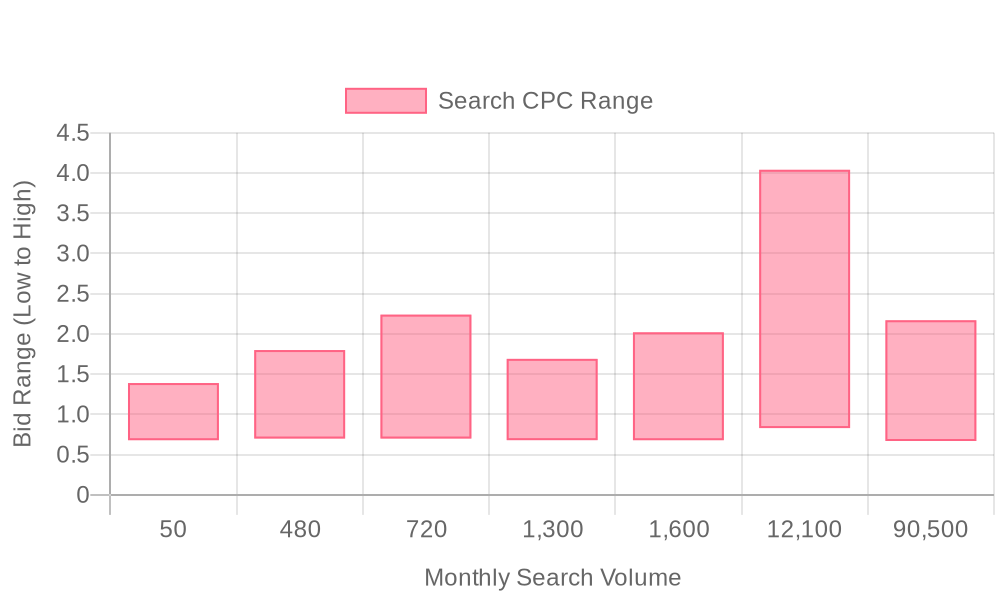
| Industry | Keyword | Monthly Search Volume | Competition Level | Low Bid | High Bid |
| Crystal Retailers | crystal retailers | 50 | MEDIUM | 0.68 | 1.39 |
| Crystal Retailers | crystal and stone shops near me | 480 | MEDIUM | 0.7 | 1.8 |
| Crystal Retailers | best online crystal shop | 720 | HIGH | 0.7 | 2.24 |
| Crystal Retailers | healing crystal shops near me | 1300 | HIGH | 0.68 | 1.69 |
| Crystal Retailers | rock and crystal shop near me | 1600 | LOW | 0.68 | 2.02 |
| Crystal Retailers | gemstone shops near me | 12100 | MEDIUM | 0.83 | 4.04 |
| Crystal Retailers | crystal shops near me | 90500 | LOW | 0.67 | 2.17 |
Crystal retailers achieve precise campaign performance by prioritizing high-intent keywords that match the buying mindset of their ideal customers. An effective keyword strategy for Google Ads in this market involves targeting terms such as “buy raw crystals online,” “healing crystals near me,” and “ethically sourced crystals,” which drive qualified traffic with commercial intent. For a comprehensive list of the top Google Ads keywords relevant to the healing crystals industry, visit healing crystals keywords. Using detailed negative keyword lists, advertisers can exclude unrelated searches for topics like home décor or generic jewelry, ensuring that ad spend is focused on audiences ready to purchase or engage with crystal products.
Real-time search data and in-market behavior analysis allow campaigns to stay ahead of shifting trends in consumer intent. By regularly reviewing seasonality patterns, marketers can quickly pivot focus to trending gemstones or metaphysical uses, such as "crystals for anxiety relief" or "chakra balancing stones." With company-level visitor identification, revenue teams move beyond anonymous clicks to see which companies and decision-makers are expressing active interest in specific crystals, making keyword adjustments and budget allocation responsive to real buyer demand.
Dynamic audience segmentation ensures that as leads progress from browsing to active consideration, keyword targeting and ad messaging shift to reflect their stage in the funnel. When CRM and ad platform data are unified, new high-value segments, such as repeat buyers or workshop registrants, can be activated instantly for tailored keyword campaigns. This feedback loop between search data and internal audience insight keeps every dollar spent on crystal advertising pointed at real demand.
Step-by-Step Campaign Execution Framework
Step 1: Build Targeted Keyword Lists
Precise keyword targeting drives effective Google Ads for crystal retailers. Start by researching search terms that blend product intent with niche crystal terminology, such as "healing crystals for anxiety," "rose quartz jewelry," and "chakra stones online." Add geographically informed modifiers like "crystal shop near me" or "buy crystals in [city name]" to capture local demand and stand out from national competitors. For a comprehensive list of high-intent keywords, consider reviewing top Google Ads keywords for healing crystals.
Keyword lists should reflect real buyer language and changing trends. Using real-time audience data on in-market behavior, marketers can quickly identify emerging search patterns and adjust keyword priorities. Advanced platforms allow you to pinpoint not only the most active searchers but also their company backgrounds and purchase signals, letting you shift spend to the highest-converting accounts as market dynamics evolve.
Step 2: Develop Compelling Ad Copy
Compelling ad copy for crystal retailers does more than describe a product; it connects with intent and highlights what makes your selection unique. Each ad should foreground current promotions, exclusivity of rare stones, ethical sourcing, and seasonal themes like "summer solstice energy kits" or "new moon crystal bundles." Craft headlines and descriptions that blend emotional resonance with clear calls to action, such as "Shop ethically sourced amethyst for energy protection." For additional insights, explore effective Google Ads strategies for jewelry retailers to inspire your messaging approach.
Leverage insights from unified marketing data to tailor messaging based on user engagement or previous site activity. When Sona's Identity Resolution flags a returning user or a known account, dynamically personalized ads can present the most relevant offer or crystal set, increasing engagement and driving higher conversion rates.
Step 3: Design Effective Landing Pages
Landing pages are critical touchpoints for converting crystal shoppers. Each page must deliver a seamless experience, reflecting the intent and promise of the ad while providing educational content, high-resolution crystal imagery, and clear trust signals like reviews and sourcing certifications. Incorporate product videos, energy usage guides, and interactive elements that help buyers choose the right crystal, whether they're shopping for themselves or picking a gift for someone specific.
When audience data is unified and real-time, landing pages can dynamically display content based on user profile or buyer journey stage. For example, shoppers identified as new visitors may see educational content, while repeat buyers are offered bundle discounts or loyalty rewards. This data-driven personalization improves conversion rates by aligning the landing experience with user expectations and purchase intent.
Step 4: Implement Data-Driven Optimizations
Continuous optimization is essential for sustaining ROI in online advertising for crystals. Use integrated analytics and advanced attribution to monitor campaign performance across every channel, measuring both online sales and offline outcomes such as in-store visits or consultation bookings. By syncing CRM and ad data, revenue teams can update audience lists in real time as prospects engage, ensuring retargeting and exclusion lists always reflect current funnel status. For guidance on tracking campaign efficiency, see how to attribute ROI from offline marketing channels.
As insights surface, adjust budgets, bids, and creative assets to maximize impact. For instance, if in-market analysis highlights a surge in demand for "selenite wands" among spiritual practitioners, budgets can be reallocated instantly and ad copy refreshed to capitalize on the trend. This closed-loop approach keeps crystal shop marketing aligned with the most active and profitable segments, delivering measurable growth at every stage of the funnel.
Tips on Expanding Your Crystal Retail Presence

Growing a crystal retail business requires a strategic mix of channel diversification and data-driven audience segmentation. Retailers who understand the nuances of online advertising for crystals, including how to reach spiritual enthusiasts and collectors, consistently outperform those who rely on single-touch campaigns or generic messaging.
Leverage cross-promotion strategies by identifying natural overlaps between your crystal offerings and adjacent products such as jewelry, wellness services, or spiritual workshops. This approach not only increases average order value but also broadens your reach to interest-based segments who might otherwise bypass standalone crystal ads. When your Google Ads targeting for retail is unified with CRM data, you can dynamically serve upsell opportunities to returning customers at key conversion moments.
Segmented audiences are essential for maximizing the impact of PPC for crystal retailers. Use behavioral and intent data to distinguish between new visitors, loyal buyers, and those researching specific healing properties or metaphysical benefits. When these segments are continuously refreshed with real-time insights, you can deploy highly relevant offers or bundled promotions that drive repeat engagement and higher lifetime value.
Long-term growth in crystal retail advertising comes from letting campaigns adapt to real-time intent rather than running the same static ads year-round. With advanced conversion tracking and cross-channel attribution, you can measure the true ROI of each campaign, crediting both online purchases and offline actions such as in-store visits or event registrations. That holistic view supports smarter budget allocation, so spend follows the segments that actually convert, whether that's a repeat customer restocking sage and selenite or a first-time buyer drawn in by a solstice promotion.
Beyond Google Ads: Winning the AI Answers Crystal Retailers Buyers Now Trust
Paid search captures demand at the moment someone types a query. But a fast-growing share of crystal retailers buyers no longer start at Google at all, they ask ChatGPT, Gemini, or Perplexity before they ever run a search, and Google's own AI Overviews increasingly summarize an answer above the traditional results. If your business isn't referenced in those AI answers, you're invisible at the exact moment buyers build their shortlist.
Sona AI Visibility shows where your business shows up across ChatGPT, Gemini, Perplexity, Google AI Overviews, and 10+ engines, and, much like a keyword report, which prompts actually send you buyers, so you can prioritize the ones that convert. Run the two together and you cover the entire buyer path: get cited where buyers research (AI Visibility), then prove which of that demand turns into booked revenue (Marketing Measurement).
Helpful resources
Conclusion
Crystal retail rewards advertisers who respect the difference between a ritual buyer and a browsing one. Targeted campaigns, disciplined budget optimization, and data-driven insight are how a shop turns that distinction into a repeatable pipeline rather than a lucky quarter.
The retailers pulling ahead now are the ones tying paid search to first-party measurement and to how buyers actually discover them, including through AI answer engines rather than search alone. That combination, precise targeting today plus visibility in tomorrow's discovery channels, is what will separate the shops that scale from the ones still buying clicks by the keyword.
FAQ
What are the best Google Ads strategies for crystal retailers?
Effective strategies include precise keyword targeting with terms like 'healing crystals' and 'chakra stones,' audience segmentation by intent, and continuous optimization using real-time data to adjust campaigns and maximize conversions.
How can I effectively advertise my crystal shop on Google?
To effectively advertise, use Google Ads to connect with buyers searching for specific products, leverage dynamic audience segmentation, and implement conversion tracking to adjust strategies based on real-time insights.
What budget should I allocate for Google Ads in the crystal retail industry?
The budget should be flexible and adjusted based on performance insights, ensuring alignment with target CPA or ROAS goals while scaling successful campaigns and eliminating those with wasted spend.
What keywords should I use for Google Ads targeting crystals?
Keywords like 'healing crystals,' 'chakra stones,' 'buy rose quartz online,' and 'crystal shop near me' are recommended due to their high purchase intent and ability to attract quality traffic.
How do I measure the success of my Google Ads campaigns for crystal sales?
Success can be measured by implementing conversion tracking, integrating data with CRM systems, and using advanced attribution models to track ROI across all touchpoints and adjust campaigns accordingly.







