


Countertop fabrication is a business of slabs, seams, and deadlines: a homeowner wants a quote before a kitchen remodel stalls, a general contractor needs a fabricator who can template, cut, and install on a tight construction schedule, and a property developer is comparing bids across five shops at once. Effective marketing for this trade blends online and offline channels working in concert. Social media builds visual brand awareness around finished slabs and installs, email marketing nurtures leads waiting on permits or material lead times, and SEO drives organic visibility for material-specific searches. Offline, trade shows and showroom visits generate face-to-face connections, direct mail creates tangible touchpoints for local homeowners, and industry publications establish credibility with contractors and designers.
Within this mix, incomplete or outdated account data is a real problem: it hampers personalization and causes missed opportunities to target the commercial accounts and repeat contractors who drive the most revenue. Modern tools that enrich data and sharpen audience segmentation close that gap, connecting broader awareness efforts to your sales process.
For countertop fabrication businesses, syncing enriched audience data to platforms like Google Ads sharpens targeting and campaign effectiveness. You can capture decision-makers at the moment of need, whether they're following up after a showroom visit, searching with material-specific terminology, or requesting a same-week quote. Here's how Google Ads can strengthen your marketing:
How to Generate Countertop Fabrication Leads with Google Ads: A Step-by-Step Guide

A modern countertop fabrication business thrives by reaching the right buyers at the right time, using data-driven paid search as a core driver of growth. With rising competition and fluctuating local demand, businesses require a systematic approach to Google Ads for Countertop Fabrication to capture, nurture, and convert high-value leads efficiently.
This playbook lays out a framework for integrating Google Ads into a multi-channel marketing strategy. Wasted ad spend is often the result of incomplete or outdated data, which leads to imprecise targeting and missed revenue. Automating data syncs and drawing on real-time audience enrichment keeps your Google Ads targeting aligned with up-to-date buyer profiles.
- A Data-Driven Paid Search Foundation: Countertop fabrication marketing works best as part of an orchestrated system, where Google Ads is closely aligned with CRM and website analytics rather than run in isolation. This lets marketers move past anonymous website visitors to identify companies and key contacts, enabling more granular segmentation and retargeting.
- Keyword and Audience Targeting for Fabricators: Effective Google Ads lead generation for countertop businesses relies on more than just generic keywords. It involves ongoing keyword research for countertops and dynamic audience building, so campaigns adapt as prospects move from research to purchase. Automated enrichment ensures that audiences remain accurate, while intent data highlights which accounts are actively in-market, allowing you to shift budgets toward higher-converting opportunities.
- Landing Page and Creative Alignment: High-performing countertop advertising strategies demand that landing pages and ad creative reflect the real needs and pain points of fabrication buyers. Tactics include aligning ad copy optimization for countertops with personalized messaging and visual proof points, while dynamic content ensures each visitor is shown the most relevant offer or case study based on their stage in the funnel.
- Performance Optimization for ROI: Continuous improvement is key for maximizing Google Ads ROI for fabricators. Advanced conversion tracking that includes both online and offline signals allows you to measure true revenue impact, not just form fills. By syncing CRM data back into Google Ads, businesses can optimize for actual closed deals and lifetime value rather than surface-level metrics, driving more efficient budget allocation and higher return on investment.
- Cross-Channel Integration for Demand Generation: The strongest countertop business online marketing programs break down silos between paid search, website, email, and sales. Integrating Google Ads with platforms like HubSpot or Salesforce means that new leads, enriched with firmographic and behavioral data, are automatically synced across systems. This enables seamless retargeting, upsell campaigns, and unified reporting, ensuring that local search ads for countertops work hand-in-hand with other demand generation efforts.
Ready to transform your countertop marketing? Get started for free with Sona.
Why Does Google Ads Matter for Countertop Fabrication?
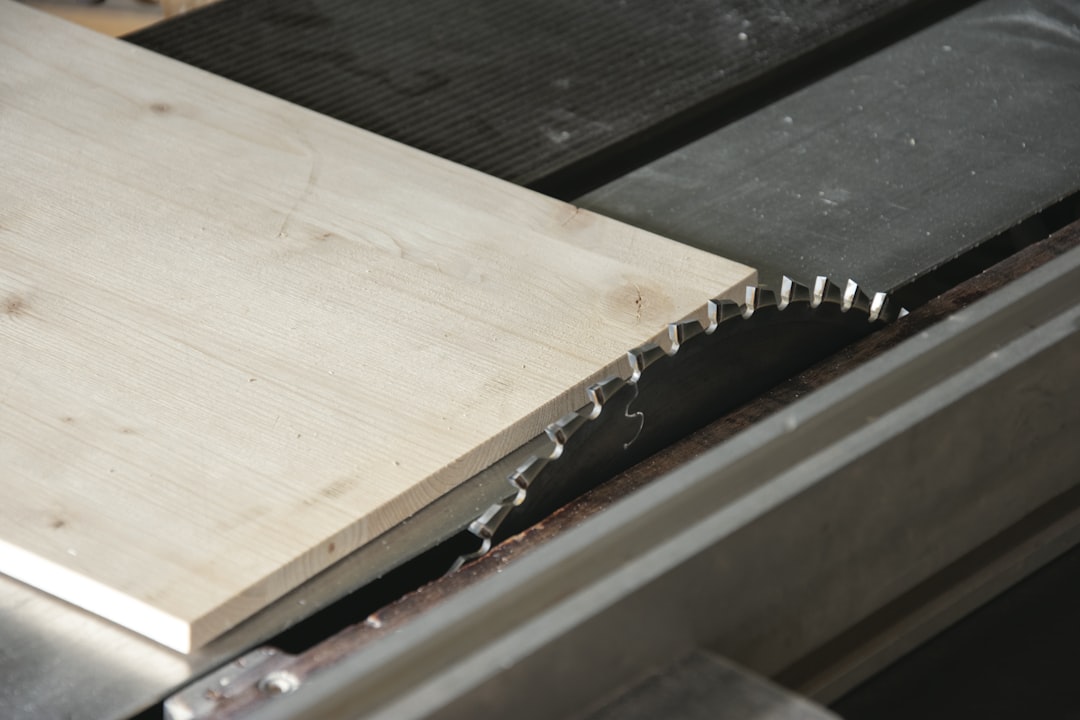
Countertop fabrication buyers represent a highly specialized audience, often including plant managers, procurement directors, and facilities leaders who demand precision and speed in their decision-making. Google Ads enables you to capture these prospects right as they’re searching for fabrication partners, giving your business visibility at the most critical point in their buying journey. For inspiration on branding and presentation, you can review this commercial countertop fabricator's website.
Unlike broad digital awareness campaigns, Google Ads delivers hyper-targeted exposure to buyers who are actively expressing intent, such as searching for “granite countertop installation” or “custom quartz fabrication near me.” This level of precision ensures that advertising spend is focused on high-value opportunities, shortening sales cycles and increasing the likelihood of qualified leads. To optimize your campaigns and leverage audience intent, explore how real-time audience segmentation can help you reach the right prospects at the right moment.
Real-time engagement through Google Ads allows countertop businesses to respond directly to market demand shifts and seasonality, whether promoting a new material, launching limited-time offers, or filling production gaps. Integrated data flows, such as those provided by advanced marketing platforms, enable revenue teams to move beyond anonymous web traffic and identify website visitors engaging with their ads for more targeted follow-up.
By leveraging in-depth keyword research and intent signals, countertop fabrication firms can allocate budget dynamically, investing more in the audiences and regions demonstrating the highest conversion rates. With the added benefit of syncing enriched lead data into core systems, businesses maintain a seamless bridge between advertising, CRM, and sales operations, resulting in a more efficient and profitable marketing engine.
Common Types of Google Ads Campaigns for Countertop Fabrication Services
Most countertop fabrication advertisers run a mix of these five campaign types, often layering several at once as a business matures from lead generation into full-funnel demand capture.

- Search Campaigns: Search campaigns are the foundation of countertop fabrication marketing, capturing urgent, high-intent queries such as "granite countertop installers near me" or "quartz countertop fabrication cost." Many fabricators run these as Responsive Search Ads, an ad format that tests multiple headlines and descriptions to find the best-performing combination. These campaigns perform best when supported by predictive models that analyze in-market signals, so marketers can bid more aggressively when engagement spikes or when specific keywords correlate with purchase-ready behavior. Using Sona's Identity Resolution, teams can move beyond basic clicks and pinpoint which companies or decision-makers are actually expressing intent, allowing for tailored outreach and budget allocation to the hottest prospects in real time.
- Display Campaigns: Display campaigns boost awareness for countertop services by showcasing visually appealing ads across websites, news sites, and apps. These campaigns excel at nurturing consideration among homeowners, designers, and contractors who may not be in the market today but are likely to recall your brand when their project timeline accelerates. By leveraging Sona’s Audiences, marketers ensure that those who engage with product galleries or pricing calculators are automatically added to remarketing pools, keeping the brand top of mind as prospects move closer to a decision. For more actionable advice, explore this list of top ten marketing tips for countertop shops.
- Local Service Ads: Local Service Ads help countertop fabricators appear prominently when nearby customers search for installation or repair services. These ads are designed for immediate lead generation, connecting homeowners directly with vetted providers and featuring customer reviews, trust badges, and easy call or messaging options. Integrating Sona’s Ad Conversions with online and offline attribution allows marketers to accurately measure which LSAs result in showroom visits, phone consultations, or closed contracts, offering a clear view of campaign ROI and enabling smarter local budget deployment.
- Performance Max Campaigns: Performance Max campaigns use automation to distribute countertop advertising across all Google channels, including Search, Display, YouTube, Maps, and Gmail, based on audience signals and predicted conversion value. This unified approach is especially effective for fabricators with diverse offerings and regional variations in demand. By syncing Sona’s Destinations, marketers can ensure that audiences evolve as contacts move through the funnel, automatically excluding recent customers or targeting only those who have not yet requested a quote, for maximum efficiency and personalization.
- Remarketing Campaigns: Remarketing campaigns re-engage visitors who previously interacted with your website or ads but did not convert, using tailored messaging to address common objections or showcase new offers. For countertop fabrication, remarketing can highlight updated photo galleries, seasonal discounts, or case studies relevant to the prospect's last viewed product. When retargeting lists are dynamically enriched with behavioral data and Sona's Intent Signals, teams can prioritize outreach to the most valuable segments, keeping high-intent accounts engaged until they're ready to buy. To see how you can start leveraging these campaign types, get started for free with Sona.
Where to Find Growth Opportunities
Countertop fabrication businesses that rely solely on online conversion tracking miss significant opportunities hiding in offline activity. Many high-value deals begin online but close through in-person visits, calls, or showroom consultations, leaving a gap in campaign attribution and budget allocation. By capturing and tying these offline events back to digital touchpoints, marketing teams gain the clarity needed to optimize spend and confidently scale what works. For actionable strategies on measuring results across channels, explore offline attribution techniques.
Identifying growth starts with vertical keyword targeting for specialty countertop services. Rather than competing on broad, high-CPC terms, focus on nuanced searches such as “commercial quartz fabrication,” “custom marble countertops,” or “eco-friendly surfaces.” These verticals complement your broader countertop advertising strategies, attract niche buyers, and offer lower competition. Robust keyword research for countertops uncovers gaps where your expertise stands out, making your Google Ads for Countertop Fabrication campaigns more efficient and impactful.
Leveraging auction insights allows marketers to conduct agile competitor gap analysis. By studying impression share, overlap rates, and position metrics, you can identify underserved customer segments or geographic regions where your business can dominate. When applied to local search ads for countertops, this approach reveals untapped service areas and competitive weaknesses you can exploit. Marketers who unify campaign data and layer in real-time intent signals can dynamically shift budget to high-converting accounts as new opportunities appear.
Growth also depends on moving beyond anonymous website traffic to pinpoint which companies and individuals are actively engaging with your Google Ads for countertops. By integrating visitor identification with your marketing stack, you minimize wasted impressions and personalize outreach to in-market prospects. As contacts move from website visit to quote request or showroom visit, dynamic audiences update automatically, ensuring every campaign remains relevant and budget-efficient.
Finally, tying online and offline conversion tracking into a unified reporting view enables true ROI measurement for countertop fabrication marketing. This holistic view allows you to attribute revenue to the precise ads and keywords that drove engagement, facilitating smarter Google Ads budget for contractors and maximizing return on investment. With CRM and ad platform sync, enriched audiences and closed-won deals automatically inform future targeting, keeping your online marketing strategy agile and always aligned to bottom-line results. To see how this works for your business, get started for free with Sona.
How to Apply Audience Segmentation for Countertop Fabrication

Audience segmentation for countertop fabrication unlocks far greater efficiency and precision in every digital campaign. By dividing prospects into actionable groups based on real buying signals, marketers can deliver messaging, offers, and experiences that are relevant to each segment’s intent and needs. For more on segmenting and targeting, explore this playbook library for data-driven marketing.
- Define Segments: Identifying the right segments is foundational for countertop advertising strategies. Most countertop businesses benefit from clear distinctions such as residential versus commercial clients, as their project scopes, timelines, and purchasing processes differ considerably. Within residential, further segmentation around lifestyle and priorities, such as eco-friendly buyers seeking sustainable materials or luxury clients focused on premium finishes, enables even more tailored messaging. Commercial segments, on the other hand, often include property managers, developers, or contractors, each with specific criteria for volume pricing, durability, and installation scheduling. For actionable advice, review these top ten marketing tips for countertop shops.
- Overlay Intent Signals: Strong segmentation moves beyond demographics and surfaces real-time intent signals. For example, overlaying behaviors such as recent searches for “kitchen remodeling near me,” browsing home improvement content, or interacting with local search ads for countertops, helps pinpoint where a potential buyer stands in the decision cycle. Marketers can then shift budgets and creative assets to target those showing active purchase intent, rather than passively waiting for inbound inquiries. This approach minimizes wasted spend and ensures your Google Ads for Countertop Services reach buyers ready to engage.
Audience segmentation becomes even more powerful as marketers connect identity data and intent signals across channels. Instead of relying on anonymous website visits, advanced solutions let countertop businesses identify which companies and decision-makers are visiting their site, what materials or services interest them most, and how their engagement evolves over time. Sona's Identity Resolution reveals which companies and people are visiting your website, even if they don't fill out a form, so you can act on high-value traffic and update audiences dynamically as leads move from initial research to requesting a quote.
Seamless integration with CRM and ad platforms further enhances targeting impact. When enriched audience lists sync directly into Google Ads and platforms like Salesforce or HubSpot, revenue teams can retarget high-value accounts, suppress existing customers from prospecting campaigns, and track offline conversions such as showroom visits or phone consultations. With Sona Destinations, you can automatically sync high-quality audience data into your CRM and ad platforms for real-time alignment. This closed-loop approach delivers more accurate attribution, measures true Google Ads ROI for fabricators, and streamlines countertop business online marketing, making every segment and dollar work harder for measurable growth. To unlock these capabilities, get started for free with Sona.
This is also where measurement changes the economics. With Sona Marketing Measurement you can identify the companies behind your ad clicks, not just anonymous sessions, and segment audiences by which accounts actually become customers. That lets you build bid adjustments and audience signals around the segments that convert and de-prioritize the ones that don't, so you feed Google's algorithms "this click became a paying countertop fabrication customer" instead of just "someone filled out a form."
Keyword Strategy & Sample Target Terms
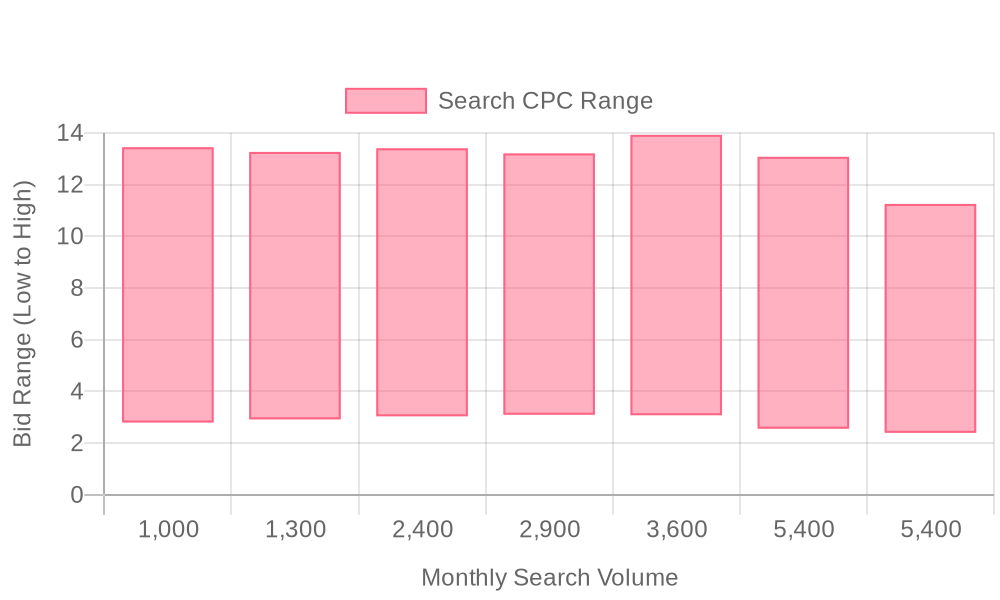
| Industry | Keyword | Monthly Search Volume | Competition Level | Low Bid | High Bid |
| Countertop Fabrication | marble fabricators near me | 1000 | MEDIUM | 2.8 | 13.44 |
| Countertop Fabrication | quartz fabricators near me | 1300 | MEDIUM | 2.92 | 13.26 |
| Countertop Fabrication | granite fabricators | 2400 | LOW | 3.04 | 13.4 |
| Countertop Fabrication | countertop fabrication | 2900 | LOW | 3.1 | 13.2 |
| Countertop Fabrication | countertop fabricators near me | 3600 | MEDIUM | 3.08 | 13.92 |
| Countertop Fabrication | granite fabricators near me | 5400 | MEDIUM | 2.56 | 13.07 |
| Countertop Fabrication | stone fabricators near me | 5400 | LOW | 2.4 | 11.25 |
Precision targeting sits at the core of successful Google Ads for countertop fabrication. Modern B2B revenue teams understand that reaching decision-makers requires more than broad, generic keywords. Instead, efficient campaigns intercept buyers at their exact moment of need using intent-driven search terms that reflect real purchase cycles, specific materials, and geographic qualifiers.
A robust keyword strategy for countertop fabrication revolves around understanding how prospects search at every stage of their buying journey. Early-stage searches may include queries like "best countertop materials" or "kitchen countertop ideas," while high-intent buyers search for "granite countertop installers near me," "quartz countertop fabrication [city]," or "custom marble countertop quote." For actionable inspiration on campaign structure and keyword mapping, see keyword matching options for PPC campaigns for countertop companies.
Incorporating granular location modifiers, such as neighborhood names or zip codes, is essential for capturing leads within your service radius. Keywords like "countertop fabrication in [city]" and "commercial countertop installers [zip code]" help filter out irrelevant clicks and direct budget toward prospects most likely to convert. Material-specific terms, granite, quartz, marble, solid surface, should be segmented in separate ad groups so messaging and landing pages align precisely with user intent. To further refine your segmentation and targeting, leverage real-time audience data for optimized Google Ads outreach with support from geographic performance measurement.
Advanced platforms now allow marketers to identify the companies and buyers behind anonymous search traffic. This enables the dynamic creation of audience segments based on real-time engagement signals. For example, when a facilities manager from a targeted commercial account searches "bulk quartz countertops for office renovations," their visit can trigger instant retargeting or custom nurture sequences. These audiences can be enriched and synced directly into Google Ads, ensuring that only high-fit leads receive follow-up engagement. Learn more about turning web visitors into qualified pipeline with Sona.
Ongoing keyword refinement is critical to sustaining ROI in countertop advertising strategies. Analyzing search query reports uncovers new long-tail terms, negative keywords, and shifts in local demand patterns. B2B teams can then use these insights to dynamically update their keyword lists and ad groups, ensuring campaigns always reflect the evolving language of buyers. This approach, coupled with real-time intent data and CRM integration, empowers marketers to allocate spend with surgical precision, maximizing both lead quality and Google Ads ROI for fabricators. To experience these targeting strategies firsthand, get started for free with Sona.
Step-by-Step Campaign Execution Framework
Step 1: Build Targeted Keyword Lists
Effective countertop fabrication marketing begins with a disciplined approach to keyword selection. Segmenting keywords by service type, such as fabrication, installation, repairs, and custom work, ensures campaigns align with actual buyer intent. By clustering related terms, marketers allocate budgets more efficiently and avoid diluting spend across irrelevant queries. For actionable advice on keyword segmentation and digital marketing, consider these top marketing tips for countertop shops.
Localization further refines reach. Incorporate city, neighborhood, and “near me” modifiers to capture prospects ready to act in your exact service area. Long-tail keywords, like “quartz countertop installation in [city]” or “custom marble fabrication near me,” attract high-converting searches from motivated buyers. Including question-based queries, such as “how much does granite countertop installation cost?” or “which countertop is best for kitchens?”, taps into early-stage research behaviors and positions your brand as a trusted resource. Explore our guide to account-based marketing for strategies to align keyword targeting with high-value audiences.
Applying negative keyword filters is critical to eliminate wasted spend on irrelevant traffic, for example, excluding terms like “DIY,” “wholesale,” or “free samples.” Marketers see the greatest lift when keyword lists mirror the language used in content marketing and sales materials, ensuring messaging consistency across every touchpoint. When keyword strategy is informed by unified data, including on-site engagement and CRM insights, it’s possible to identify which terms actually drive qualified pipeline, not just web traffic. Modern platforms take this further by pinpointing which companies and people are visiting your website, allowing you to connect search intent directly to sales outcomes and refine targeting over time.
The upgrade most countertop fabrication advertisers miss is going beyond raw keyword volume to layer in intent and identity signals. By connecting website-visitor data and CRM records with Sona Marketing Measurement, you can see which specific search terms bring in the accounts and customers that actually convert, and weight your keyword and bidding strategy toward those rather than the terms with the highest search volume alone.
Step 2: Develop Compelling Ad Copy
Ad copy optimization for countertops requires a blend of industry expertise and conversion psychology. Headlines should address common pain points, such as durability concerns, installation timelines, or budget transparency. For example, “Fast-Track Quartz Countertop Installation, Guaranteed in 7 Days” immediately resonates with time-sensitive buyers, while “Stain-Proof Granite: Lifetime Warranty Included” appeals to those prioritizing long-term value.
Trust markers are essential in this vertical. Featuring certifications, installer credentials, star ratings, or real customer testimonials gives prospects the confidence to take the next step. Highlighting recent case wins or unique project outcomes can differentiate your offering in crowded markets. For inspiration on branding and service presentation, review this commercial countertop fabricator's website. Effective copy weaves in location context, “Serving [city] homeowners since 2008”, and clear calls-to-action, such as “Book a Free Design Consultation” or “Request Your Custom Quote Today,” to move prospects seamlessly from click to conversion.
Leveraging real-time audience data, marketers can dynamically adjust messaging to match each buyer’s journey stage. For example, remarketing audiences who previously viewed luxury materials can be served ads featuring premium finishes or design inspiration galleries, while first-time visitors see educational headlines. Platforms capable of syncing CRM segments into Google Ads make it possible to update audiences as leads progress, ensuring every ad touchpoint is tailored to intent and readiness to buy. This audience precision not only improves click-through and conversion rates but also maximizes return on ad spend by focusing investment on high-propensity prospects.
Tips on Expanding Your Countertop Fabrication Presence
A strong digital presence has become essential for countertop fabrication companies aiming to capture more high-value projects and distinguish their brand in competitive markets. Strategic use of integrated marketing tactics not only drives new leads but also reinforces your expertise at every customer touchpoint, learn more about effective digital marketing strategies for countertop fabricators to boost your online lead generation.
Cross-promoting educational content within retargeting campaigns ensures prospects remain engaged and informed throughout their decision journey. By weaving in resources such as material guides, installation walkthroughs, or design inspiration articles, your messaging remains relevant and value-driven, increasing the likelihood of repeat visits and conversions. When these assets are dynamically surfaced based on visitor behavior and intent signals, engagement rates rise and content marketing goals are met more efficiently.
Synchronizing messaging across digital channels helps maintain consistency as leads progress from initial awareness to final quote requests. When campaign orchestration is unified, teams avoid redundant outreach, reduce wasted budget, and maintain a cohesive narrative regardless of where the prospect interacts with your brand. Revenue teams leveraging advanced data platforms can pinpoint which educational assets resonate most with specific segments, allowing for real-time adjustments that keep marketing efforts agile and high-performing.
Retargeting gains additional power when visitor identification technology is used to move beyond anonymous website interactions. By recognizing both individual buyers and the companies they represent, countertop fabricators can tailor follow-up messaging, prioritize outreach to decision-makers, and deploy offers that align with the visitor’s true stage in the buying process. As new leads continue to engage with educational resources, dynamic audience segments update automatically, ensuring your campaigns always reflect the latest prospect intent and readiness to buy.
This approach not only improves ad spend efficiency but also supports sustainable, long-term growth by nurturing high-potential accounts with content that builds trust and credibility. For countertop fabrication businesses seeking to maximize Google Ads ROI and elevate their market standing, these interconnected strategies form the backbone of a modern, results-oriented digital marketing program. Want to see these tactics in action? Get started for free with Sona.
Final Thoughts
By integrating modern tools that identify website visitors and connect them to in-market accounts, countertop businesses can move beyond anonymous traffic and reach high-intent buyers at the right moment. This shift enables marketers to dynamically update Google Ads audiences as prospects progress through the funnel, aligning budget and messaging with actual buying signals rather than static lists or guesswork. For a closer look at how these strategies impact profitability, review this research paper on small business ROI. Real-time intent data empowers revenue teams to prioritize outreach, personalize offers, and optimize spend around the accounts most likely to deliver measurable ROI.
Conversion tracking has also advanced, making it possible to attribute both online and offline interactions, from web forms to phone consultations and in-showroom visits, directly to specific campaigns. By syncing enriched lead and account data into key platforms using Destinations, countertop fabricators can close the loop on marketing attribution and unlock a true picture of campaign effectiveness. To learn more about optimizing attribution, explore our guide to accurate revenue attribution. The result is a continuous feedback cycle where every dollar spent is informed by unified engagement data, leading to smarter countertop advertising strategies and higher-value customer relationships.
Countertop fabrication marketing teams who iterate on their Google Ads campaigns using real-time data will outperform those relying on intuition or outdated tactics. By focusing on intelligent keyword research, advanced segmentation, and seamless CRM integration, fabricators can turn digital ad spend into a reliable growth engine, converting prospects into repeat customers and referral sources.
Beyond Google Ads: Winning the AI Answers Countertop Fabrication Buyers Now Trust
Paid search captures demand at the moment someone types a query. But a fast-growing share of countertop fabrication buyers no longer start at Google at all, they ask ChatGPT, Gemini, or Perplexity before they ever run a search, and Google's own AI Overviews increasingly summarize an answer above the traditional results. If your business isn't referenced in those AI answers, you're invisible at the exact moment buyers build their shortlist.
Sona AI Visibility shows where your business shows up across ChatGPT, Gemini, Perplexity, Google AI Overviews, and 10+ engines, and, much like a keyword report, which prompts actually send you buyers, so you can prioritize the ones that convert. Run the two together and you cover the entire buyer path: get cited where buyers research (AI Visibility), then prove which of that demand turns into booked revenue (Marketing Measurement).
Helpful resources
Conclusion
Google Ads works for countertop fabrication when it's treated as one part of a connected system, not a standalone tactic. The fabricators who win the next wave of searches, and the AI-generated answers now sitting above them, will be the ones who pair sharp keyword and audience targeting with data that follows a lead from first click to signed contract.
To put these strategies to work, start for free and see how connected data can sharpen your Google Ads performance.
FAQ
What are the best practices for Google Ads in countertop fabrication?
Best practices include integrating Google Ads with CRM and website analytics, conducting ongoing keyword research, aligning landing pages and ad creative with buyer needs, and using real-time audience enrichment for targeting precision.
How can I optimize my Google Ads for countertop services?
Optimize your Google Ads by automating data syncs for accurate targeting, leveraging advanced conversion tracking, and integrating campaigns with cross-channel marketing efforts to ensure seamless retargeting and unified reporting.
What budget should I allocate for Google Ads in countertop fabrication?
Allocate budget dynamically by investing more in high-converting audiences and regions, using real-time intent signals to prioritize accounts that demonstrate higher conversion rates.
What keywords should I target for countertop Google Ads?
Target keywords that reflect specific buyer needs and purchase cycles, such as 'granite countertop installers near me,' 'custom marble countertops,' and include geographic modifiers to capture local demand.
How do I measure the success of my Google Ads campaigns for countertops?
Measure success by using advanced conversion tracking to attribute both online and offline interactions to campaigns, ensuring CRM data syncs back into Google Ads for optimization based on closed deals and lifetime value.







