


Communication services buyers, whether they're evaluating enterprise VoIP or shopping for a home internet bundle, increasingly do their research online before ever speaking to a sales rep. That shift creates a specific problem: the highest-intent prospects often browse anonymously, never fill out a form, and disappear from view before a CRM ever logs them. Google Ads can close that gap. Paired with the right identity and intent tools, it lets communication service providers find the decision-makers actively searching for solutions, not just the ones who happen to convert on a form. This guide walks through how Google Ads supports the full customer journey, from first search to signed contract, and how it fits alongside the channels you already run.
How to Generate Communication Services Leads with Google Ads: A Step-by-Step Guide

Modern B2B revenue teams rely on precision targeting and real-time buyer insights to outpace competitors in the communication services space. A well-structured, data-driven Google Ads strategy uncovers high-value prospects and drives measurable pipeline impact by aligning campaigns with the unique needs of business buyers.
A data-driven approach to paid search is what separates campaigns that find genuine communication services buyers from those that just generate clicks. Traditional campaigns often catch interest too late, after a prospect has already requested quotes elsewhere, which delays outreach and costs revenue. Unifying digital signals with first-party data lets marketers move past basic click metrics to identify in-market companies and prioritize outreach by actual purchase readiness. Sona's Identity Resolution helps reveal anonymous visitors, giving sales teams a chance to act before competitors do.
Keyword strategy in communication services has to account for how differently buyers search depending on what they need: a business shopping for a multi-site VoIP rollout searches nothing like a household comparing internet providers, and an IT director evaluating SIP trunking compliance uses entirely different terms than someone Googling "internet outage near me." Generic keyword lists miss these distinctions and waste spend on the wrong audience. Layering behavioral signals onto search intent lets teams keep refining keyword portfolios to catch buyers actively comparing vendors, checking features, or hunting for implementation help. Google Ads best practices go deeper on building keyword strategies that meet decision-makers at the right moment.
Aligning landing pages and ad creatives with predictive account scoring models enhances conversion rates and overall campaign ROI. High-performing campaigns in communication services use dynamic content to reflect each prospect’s stage in the buying journey, from educational resources for early-stage researchers to direct consultation offers for late-stage decision-makers. Predictive models inform which accounts are ready for outreach, allowing marketers to serve tailored experiences that resonate and drive action. This builds on the strategies outlined in ICP scoring, helping reduce friction and boost lead quality.
Performance optimization means keeping campaign intent signals in sync with how buyers actually behave, not just how they clicked last week. Dynamic audience updates let Google Ads campaigns track movement through the funnel automatically: retargeting stays active for engaged accounts, and outreach stops for anyone who's converted or opted out. Real-time intent data also informs budget decisions, shifting spend toward the segments and channels converting best as patterns change. The result is steadier efficiency and a media budget that follows revenue potential instead of guesswork.
Integrating cross-channel marketing efforts unifies fragmented intent signals and enables a cohesive approach to advertising communication services. When Google Ads campaigns are synchronized with CRM systems and other digital marketing platforms, enriched audiences and lead data update automatically across all channels. For a step-by-step walkthrough of optimizing cross-channel execution, check out our guide on website visitor intelligence. This ensures that messaging, offers, and outreach are informed by the latest account activity and engagement, empowering teams to deliver timely, personalized touchpoints for a seamless buyer experience.
Why Google Ads Matters for Communication Services

Communication service providers operate in a fiercely competitive environment where timing and precision directly influence revenue growth and client retention. Google Ads delivers a critical edge by connecting service teams with buyers at the exact moment they express a need, making every marketing dollar more accountable and impactful.
- Immediate Access To High-value Prospects: Intent-driven search and display placements let providers intercept decision-makers searching for solutions like VoIP, UCaaS, or emergency telecom repair right as the need arises, cutting wasted spend and speeding up the pipeline. UCaaS Overview explains why UCaaS has become such a high-priority search term for modern buyers.
- Cost-effective Targeting For Premium Services: Unlike broad-based advertising, Google Ads enables segmentation by geography, company size, or buying signals, allowing communication services to direct investment toward their most profitable segments. Dynamic audience updates ensure campaigns always reflect the latest funnel stage or buyer journey, turning anonymous web visitors into qualified leads.
- Rapid Response To Market Shifts: The communication sector often faces unpredictable surges in demand, like system outages or migration projects. Google Ads empowers marketers to launch or adjust campaigns in real time, responding to new opportunities or threats with actionable, data-driven insights that maximize impact and minimize downtime. For more insights on optimizing campaigns for these surges, check out our guide on Google Ads ROI Guide.
- Expanded Reach With Precise Targeting: Advanced audience solutions break through traditional data silos. Integrations with CRM and web analytics allow marketers to pinpoint exactly which companies and roles engage with their ads, enabling hyper-personalized outreach and more effective advertising communication services.
- Closed-loop Analytics For Roi Measurement: Google Ads provides transparent, granular reporting that tracks every touchpoint from initial impression to closed deal. Combined with enriched visitor identification and unified online-offline attribution, teams can optimize bidding, prove real Google Ads ROI, and keep improving their communication services marketing mix. Sona Attribution supports advanced revenue attribution and helps marketing teams demonstrate campaign impact with confidence.
Common Types of Google Ads Campaigns for Communication Services

- Search Campaigns
Search campaigns deliver direct access to buyers searching for communication solutions, from enterprise VoIP to unified messaging software. Targeting high-intent queries turns interest into action and ensures every qualified lead gets captured and routed efficiently. Sona's Identity Resolution helps reveal the companies and roles behind anonymous clicks, letting teams focus spend on audiences showing stronger purchase signals.
- Display Ads
Display campaigns sustain brand visibility across industry publications, forums, and relevant business media. Maintaining a strong digital presence keeps communication brands top of mind for IT leaders and procurement managers researching solutions. Real-time audience enrichment ensures display ads are seen by accounts that have previously interacted with sales assets, aligning messaging with evolving buyer intent. Display ad optimization provides a deeper look at optimizing display reach and minimizing the disconnect between awareness and conversion.
- Video Ads
Video campaigns allow communication service providers to demonstrate product features, showcase customer stories, and highlight key differentiators in a visually engaging format. Video ads provide a powerful solution for combating engagement challenges that stem from untargeted or generic messaging. By analyzing behavioral signals, such as repeated views or high engagement rates, teams can update audience pools and retarget viewers who demonstrate serious buying intent, moving them seamlessly into more personalized sales outreach.
- Remarketing
Remarketing campaigns reconnect with visitors who have engaged but not yet converted, using tailored messaging to encourage the next step. Predictive analytics identify optimal times for outreach, ensuring follow-up is both timely and relevant. As leads progress from initial research to deeper consideration, dynamic audience updates keep remarketing ads fresh and contextually appropriate, increasing the likelihood of conversion during critical decision windows. This builds on the strategies outlined in our Retargeting Guide.
- Assets
Ad assets, like structured snippets, sitelinks, and callouts, build credibility and streamline the buyer journey. Assets can highlight special offers, certifications, or case studies, keeping ad content aligned with a prospect's current needs. Syncing CRM data lets assets adapt in real time based on where a contact sits in the sales funnel, surfacing the right trust signal at the right moment to lift click-through and conversion rates.
Where to Find Growth Opportunities
Growth in communication services marketing requires moving beyond broad, catch-all campaigns and focusing on nuanced, data-driven opportunities. Unlocking high-ROI segments in this sector starts with precision: understanding who is searching, what they need, and how those needs evolve in real time.
- Vertical Keyword Targeting: Communication services can sidestep poor engagement with keyword strategies built around sector-specific pain points. Targeting phrases like "enterprise VoIP integration" or "cloud-based call center compliance" keeps traffic relevant and more likely to convert. Marketers can sharpen this further with visitor identification tools that move past anonymous traffic to show which companies are actually engaging with their site. Sona's Identity Resolution helps connect real company data to each visit, tying every keyword decision to actionable intent and cutting wasted spend.
- Competitor Gap Analysis: Identifying untapped market segments is critical for PPC for communication services. By deploying advanced competitor gap analysis, teams can surface valuable keywords and placements their rivals overlook, often revealing lucrative niches and missed opportunities. One analysis in Telecommunications PPC explores how tailored gap analysis can uncover new market potential that drives pipeline growth.
- Industry-specific Placements: Brand visibility in the communications sector is often won or lost based on where ads appear. Selecting industry-specific placements, such as IT news portals or telecom solution directories, can elevate campaign performance while minimizing irrelevant impressions. This deliberate targeting prevents untimely outreach and wasted impressions, especially when paired with real-time intent data that signals when accounts are most likely to engage. Marketers can continuously refine these placements as audience behaviors shift, ensuring ongoing relevance and optimal ad spend.
- Retargeting Content Audiences: Retargeting strategies for communication services thrive when built around strategic content like whitepapers, explainer videos, or compliance checklists. By dynamically updating audience lists as users engage with new content, marketers maintain alignment with the latest intent signals. For more insights on refining retargeting campaigns with first-party data, check out our guide on Retargeting With Intent. When enriched audience data is synced with Google Ads and CRM systems, it becomes possible to serve precisely timed offers and demos that reflect the prospect’s current stage in the buying journey. This approach maximizes ROI by keeping engagement hyper-personalized and contextually relevant, driving conversions across the entire funnel.
How to Apply Audience Segmentation for Communication Services
The communication services sector includes a diverse set of buyers with drastically different needs, from large enterprise IT teams to individual professionals seeking flexible solutions. Precision in audience segmentation allows marketing teams to tailor their outreach, replacing generic messaging with campaigns grounded in the unique challenges and aspirations of each segment. This results in higher engagement rates, better lead quality, and improved marketing efficiency.
- Segment Definition And Tailored Messaging: Begin by breaking down audiences into critical categories such as corporate clients, small businesses, and individual users. Corporate buyers often care most about security, scalability, and integration with their existing tech stack, while individuals might value ease of use and transparent pricing. Messaging for enterprises should focus on compliance certifications, custom integrations, and dedicated support, whereas campaigns for individuals can highlight plug-and-play features and cost savings. Segmenting in this manner prevents wasted ad spend on irrelevant audiences and ensures every dollar targets buyers with genuine purchase intent.
- Overlaying Intent Signals For Advanced Targeting: Segmentation gets sharper when intent data layers onto demographic and firmographic filters. Watching site behavior, such as visits to technical documentation, pricing calculators, or demo pages, helps marketers separate accounts actively evaluating solutions from passive browsers. Sona's Audiences product helps teams target these segments at scale and adjust spend dynamically as intent signals shift.
- Organizing Ad Groups And Refining Messaging: Structuring ad groups around these segments allows for custom messaging and creative variations that speak directly to the buyer’s context. For example, ad groups targeting IT directors at multi-site enterprises can highlight features like centralized management, while groups focused on SMBs can emphasize rapid deployment and bundled support. This organization minimizes message dissonance and boosts Quality Scores, reducing cost-per-click and raising campaign ROI. As leads engage, dynamic audience updates ensure users are moved between segments as their needs or behaviors evolve, allowing for more relevant follow-up and retargeting. Google Ads tips provides a deeper look at campaign structure and optimization for performance.
- Ensuring Seamless Conversion Tracking And Data Sync: Accurate measurement is essential for optimizing segmentation strategies. Set up robust conversion tracking that spans web forms, phone calls, chat interactions, and even offline sales meetings. Syncing these conversion events back to your CRM and Google Ads account allows for a closed-loop view of performance. Enriched audience data flows into advertising platforms, enabling refined targeting and smarter lookalike modeling. This integrated approach ensures every campaign is informed by real outcomes, not just clicks or impressions, and supports ongoing improvement in communication services marketing.
This is also where measurement changes the economics. With Sona Marketing Measurement you can identify the companies and buyers behind your ad clicks, not just anonymous sessions, and segment audiences by who actually becomes a customer. That lets you build bid adjustments and audience signals around the segments that convert and de-prioritize the ones that don't, so you feed Google's algorithms "this click became a paying communication services customer" instead of just "someone filled out a form."
Keyword Strategy & Sample Target Terms
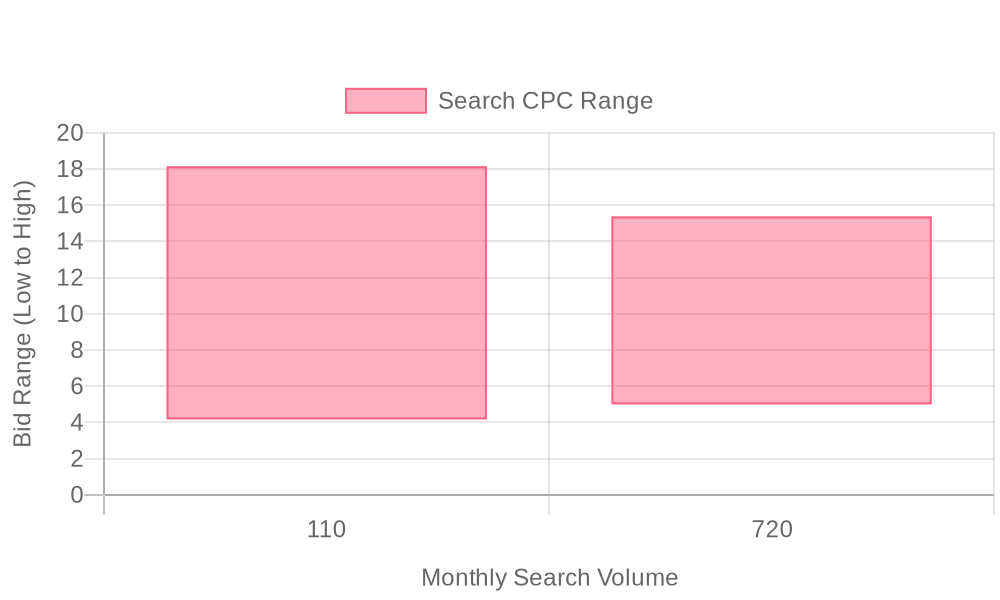
| Industry | Keyword | Monthly Search Volume | Competition Level | Low Bid | High Bid |
| Communication Services | communication services companies | 110 | LOW | 4.17 | 18.15 |
| Communication Services | communication services | 720 | LOW | 5 | 15.38 |
A focused keyword strategy is essential for driving qualified pipeline in the communication services sector. By targeting high-intent search terms such as "communication service providers near me," marketers ensure their ads surface for decision-makers actively seeking solutions, not just casual browsers. These targeted queries outperform generic messaging by aligning with prospects' immediate needs, translating to higher click-through and conversion rates.
Geotargeting modifiers further strengthen local visibility, allowing providers to appear at the top of results for searches in specific areas or regions. This approach ensures timely outreach to prospects before competitors can engage, especially for urgent needs like telecom installation or emergency support. Google Ads provides a deeper look at this trend.
Long-tail keywords such as "enterprise VoIP migration support" or "SIP trunking consultation for healthcare" capture buyers who demonstrate strong purchase intent and immediate demand. These phrases filter out low-quality leads and bring in prospects closer to making a decision, increasing efficiency for both sales and marketing teams. For more insights on leveraging real-time web behavior, check out our guide on intent signals.
Protecting ROI means deploying negative keywords to filter out non-converting traffic, like searches for free tools or consumer-grade solutions aimed at a different buyer entirely. This keeps paid search budgets focused on the highest-value opportunities instead of diluting them with irrelevant clicks. Sona's Identity Resolution helps unify online behavior with CRM insights, so marketers can refine these lists proactively and keep improving campaign efficiency.
Step-by-Step Campaign Execution Framework
Step 1: Build Targeted Keyword Lists
Campaigns in google ads for communication services succeed when keyword selection is rooted in intent and service specificity. Start by mapping out core and peripheral terms that capture in-market prospects, including variations that surface less obvious, high-value opportunities. Leveraging advanced keyword research tools, marketers can identify nuanced search behavior, such as queries for “enterprise VoIP compliance” or “cloud-based call routing for distributed teams.” Using modifiers for localization and long-tail phrases, like “business UCaaS providers in Boston,” ensures ads reach prospects with immediate needs while reducing wasted spend on generic traffic.
Negative keywords sharpen relevance further, filtering out irrelevant clicks like student research queries or consumer-grade searches. This protects budget and directs investment toward segments most likely to convert. Paired with visitor identification, marketers can move beyond anonymous clicks to see which companies are engaging with their ads and adjust targeting toward high-intent accounts that match strategic goals. Sona's Identity Resolution helps marketers recognize and prioritize high-value visitors in real time.
The upgrade most communication services advertisers miss is going beyond raw keyword volume to layer in intent and identity signals. By connecting website-visitor data and CRM records with Sona Marketing Measurement, you can see which specific search terms bring in the accounts and customers that actually convert, and weight your keyword and bidding strategy toward those rather than the terms with the highest search volume alone.
Step 2: Write Conversion-Driven Ad Copy
Ad copy is the first touchpoint for prospects evaluating communication services, making clarity and resonance essential. Focus each message on customer pain points, like missed inbound leads or fragmented communications, that drive urgency for change. Incorporating trust signals, such as industry certifications or awards, reassures buyers concerned about reliability and data security. By weaving in special offers or exclusive service options, marketers can create time-sensitive incentives that move prospects from consideration to action. Google Ads Copywriting Tips provides actionable tips for increasing relevance and performance.
Predictive intent insights enable teams to tailor messaging dynamically, aligning with shifting prospect priorities or seasonal trends. For example, if real-time data shows increased searches for “scalable video conferencing,” ad copy and extensions can pivot to spotlight those capabilities. Integrated audience management ensures campaigns remain agile, updating creative assets as leads advance through pipeline stages, maintaining relevance and boosting conversion rates.
Step 3: Align Landing Pages With Campaign Goals
A seamless journey from ad click to landing page is critical in communication services marketing. Each landing page should reflect the promise and language of the ad, eliminating disconnects that cause drop-off. Clear headlines, concise value propositions, and prominent trust badges build confidence, while strategically placed calls-to-action (CTAs) drive users to request demos, download content, or schedule consultations.
Mobile optimization ensures that busy decision-makers can navigate, engage, and convert from any device without friction. By leveraging integrated intent data, marketers can personalize landing page content based on segment, vertical, or buying stage, resulting in higher engagement and more qualified pipeline. This builds on the strategies outlined in Cold Outreach With Visitor Intelligence, which explores aligning digital experiences to buyer intent.
Step 4: Optimize With Real-Time Performance Data
Continuous optimization is foundational to sustained Google Ads ROI for communication services. Real-time analytics surface which keywords, ads, and landing pages are generating qualified leads and which require refinement. Smart bidding algorithms, informed by intent and engagement signals, automatically shift budget toward top-performing audiences and creative, maximizing efficiency and reducing wasted spend.
A/B testing of headlines, CTAs, and landing page pathways uncovers the combinations that resonate with target buyers. Integrated conversion tracking, encompassing both online and offline actions, provides a holistic view of campaign impact, revealing true revenue contribution, not just last-click conversions. Google Ads Best Practices shares industry benchmarks for this approach. Dynamic audience updates ensure that as leads are qualified or progress through the funnel, campaign targeting and messaging evolve in lockstep, driving deeper engagement and accelerating sales cycles.
Sona Marketing Measurement closes the gap between clicks and revenue. It captures every ad click with first-party measurement, ties that click through UTM capture and ad-platform APIs to the actual record in your CRM, and reports ROAS by keyword and campaign instead of by last-click form fill. Feeding that revenue signal back into Smart Bidding and Performance Max compounds over time: the algorithms optimize toward booked communication services revenue, not cheap leads.
Tips on Expanding Your Communication Services Presence

Strong communication services brands rely on a strategic mix of digital marketing, precise targeting, and data-driven experimentation to achieve standout market presence. Revenue teams that unify cross-channel insights can shift from broad awareness to measurable lead generation, elevating both authority and conversion rates.
- Cross-promote Related Content: Integrate educational resources, product updates, and case studies into your ad campaigns to reinforce brand authority and address low conversion rates. For example, pairing a webinar invite on UCaaS migration with downloadable VoIP security checklists in your Google Ads creative increases perceived expertise and keeps prospects engaged across multiple touchpoints. As highlighted in Google Ads, campaign data can reveal which content combinations drive engagement, helping marketers automate cross-promotion and streamline the buyer journey.
- Utilize Crm Data For Segmentation And Upsell: Segment audiences in Google Ads using enriched CRM profiles to tailor messaging and highlight relevant add-on services. When CRM and ad platforms are tightly integrated, audience lists update dynamically based on real-time buying signals, such as demo requests or repeated pricing page visits. Solutions such as Sona Audiences support dynamic segmentation, enabling teams to deliver timely upsell offers and nurture campaigns that align with the latest customer intent.
- Partner For Co-branding Opportunities: Collaborate with industry associations, local chambers, or global technology consortiums to amplify your communication services marketing efforts. Co-branded webinars or resource libraries in your advertising campaigns can increase credibility and open new audience segments, especially when campaign targeting leverages both partner and first-party data for expanded reach.
- Use Search Data To Inform Content: Analyze Google Ads search queries and audience insights to identify new topics and formats that resonate with your target market. For more on using search and intent data to drive campaign performance, see our guide on intent retargeting. This responsiveness ensures ongoing relevance and strengthens your online advertising for communication initiatives, driving consistent improvements in both lead quality and brand visibility.
Beyond Google Ads: Winning the AI Answers Communication Services Buyers Now Trust
Paid search captures demand at the moment someone types a query. But a fast-growing share of communication services buyers no longer start at Google at all, they ask ChatGPT, Gemini, or Perplexity before they ever run a search, and Google's own AI Overviews increasingly summarize an answer above the traditional results. If your business isn't referenced in those AI answers, you're invisible at the exact moment buyers build their shortlist.
Sona AI Visibility shows where your business shows up across ChatGPT, Gemini, Perplexity, Google AI Overviews, and 10+ engines, and, much like a keyword report, which prompts actually send you buyers, so you can prioritize the ones that convert. Run the two together and you cover the entire buyer path: get cited where buyers research (AI Visibility), then prove which of that demand turns into booked revenue (Marketing Measurement).
Helpful resources
Conclusion
Communication services providers who win with Google Ads treat it as one part of a system, not a standalone channel: search and display campaigns find the buyers, identity and intent data tell you which ones matter, and measurement tells you which ones actually became revenue. That system is what turns a media budget into a growth engine instead of a cost center.
Ready to see the difference for yourself? Start a free trial to experience Sona's platform and its capabilities.
FAQ
How can Google Ads benefit communication services?
Google Ads can significantly impact growth and customer engagement for communication services by targeting decision-makers with real intent, intercepting high-value prospects, and supporting the entire customer journey from search to conversion.
What are the best practices for using Google Ads in the communication industry?
Best practices include precision targeting, leveraging real-time buyer insights, developing tailored keyword strategies, aligning ad creatives with predictive scoring models, and integrating cross-channel marketing efforts.
How much should I budget for Google Ads for communication services?
The budget for Google Ads should be aligned with targeting high-intent segments and optimizing campaigns based on real-time performance data to ensure marketing investments are directed toward accounts with the highest revenue potential.
What types of ads work best for promoting communication services?
Search campaigns, display ads, video ads, remarketing, and ad extensions are effective types for promoting communication services, each serving different roles in visibility, engagement, and conversion.
How do I measure the success of my Google Ads campaigns for communication services?
Success can be measured by tracking every touchpoint from initial impression to closed deal, using closed-loop analytics, enriched visitor identification, and unified online-offline attribution to optimize bidding strategies and demonstrate true ROI.







