


Cleaning product suppliers compete for a buyer who rarely announces themselves early: a facilities manager researching bulk disinfectant, a procurement lead comparing eco-friendly lines before a contract renewal, a distributor sourcing ahead of flu season. Trade shows and direct mail build awareness, but Google Ads meets these decision-makers at the moment they start typing, when intent is highest and the sale is closest. Ads also give suppliers something trade shows can't: granular conversion data on which keywords and messages actually produce buyers. The catch is that most of that research happens anonymously. Prospects compare suppliers, check certifications, and read spec sheets without ever filling out a form, and without a way to identify those companies, that interest disappears before sales ever sees it.
How to Generate Cleaning Product Supplier Leads with Google Ads: A Step-by-Step Guide

B2B cleaning product suppliers face constant pressure to reach procurement professionals and facility managers precisely when purchasing decisions are made. Google Ads for cleaning businesses offers a direct route to these high-intent audiences, allowing suppliers to capture demand at the exact moment prospects are searching for solutions.
Efficient lead generation in this vertical requires more than basic keyword bids: data-driven campaign structures, tailored messaging, and seamless lead capture are essential for maximizing ROI. By leveraging Sona's Audiences tool and unified data, revenue teams can convert ad clicks into long-term customers and outpace competitors who still rely on fragmented, generic outreach. If you're ready to streamline your campaign setup and reporting, get started for free with Sona.
Why Does Google Ads Matter for Cleaning Product Suppliers?

Cleaning product suppliers operate in a highly competitive market where decision-makers are actively searching for solutions that fit specific operational or sustainability requirements. Google Ads provides a direct path to high-intent buyers at the exact moment their need arises, delivering visibility to those who are most likely to convert.
- Targeted Reach: Google Ads enables cleaning supply companies to reach facility managers, procurement teams, and operations directors searching for commercial-grade products or bulk solutions. With advanced audience targeting and real-time intent data, marketers can move beyond generic impressions to pinpoint organizations expressing genuine purchasing interest. Dynamic lead enrichment and visitor identification further optimize budget allocation, ensuring outreach never goes to waste on low-intent or irrelevant prospects.
- Niche Targeting: Specialized cleaning products, such as eco-friendly or industrial solutions, typically attract buyers with unique requirements. Google Ads campaign segmentation allows for granular messaging that surfaces in front of this niche segment, effectively uncovering demand that traditional channels often miss. As audiences move through the funnel, dynamic updates ensure ad messaging remains relevant and personalized, maximizing engagement with each interaction.
- Fast Responses: Seasonal spikes, urgent sanitation needs, and supply chain shifts can rapidly alter demand for cleaning products. Google Ads' agility allows campaigns to be adjusted in real time, capturing opportunities before competitors do. By syncing enriched account data and live intent signals, marketing teams can prioritize spend on the most promising accounts, responding immediately to surging interest and ensuring product availability aligns with market needs.
- Data-Driven Insights: Every click, impression, and conversion is tracked, providing a clear picture of which messages, keywords, and audiences drive ROI. Integrating online and offline conversion attribution provides an accurate measurement of campaign performance, while seamless CRM and ad platform syncs enable ongoing improvement. This level of insight eliminates wasted spend, supports rapid optimization, and aligns sales and marketing efforts around the highest-value leads. To experience this precision, get started for free with Sona.
Common Types of Google Ads Campaigns for Cleaning Product Suppliers

- Search Campaigns: Search campaigns convert high-intent queries from buyers actively looking for cleaning products into actionable leads. By matching keywords to purchase-ready signals, suppliers reduce wasted spend and capture prospects comparing options at the decision stage. With Sona's Identity Resolution, suppliers can identify which companies are searching and engage directly, closing the gap between anonymous traffic and qualified pipeline.
- Display Ads: Display campaigns keep cleaning product suppliers visible across industry publications, resource hubs, and relevant blogs. This approach builds ongoing brand awareness and ensures that when decision-makers conduct research, your brand remains top-of-mind. Enhanced audience intelligence enables teams to pinpoint and retarget companies that have shown interest, using enriched firmographics and in-market behavior for more precise ad placements.
- Video Ads: Video campaigns allow suppliers to visually demonstrate product quality, cleaning efficacy, and differentiators that matter in procurement. Engaging video content supplements written messaging and helps clarify technical aspects or use cases that buyers care about. Real-time intent data can optimize when and where these videos appear, placing them in front of the most engaged accounts at the critical moment of consideration. For a practical walkthrough, watch this video tutorial.
- Remarketing: Remarketing campaigns re-engage previous site visitors, especially those who viewed product pages or started a quote request but did not complete. Automated audience updates ensure you only target those with ongoing interest, increasing conversion rates without excessive frequency. Integration with CRM and sales data enables accurate tracking of which remarketed leads later convert, tying spend directly to revenue impact.
- Assets: Ad assets let cleaning product suppliers add details like location, certifications, or expedited shipping directly to search ads. These enhancements build credibility and trust, helping buyers make faster decisions. Consistent messaging across assets and landing pages is supported by a unified data platform, ensuring that every touchpoint reinforces company strengths and value propositions.
Where to Find Growth Opportunities?
The cleaning product supply sector is evolving rapidly, with digital marketing leaders seeking more precise and scalable ways to reach both established clients and untapped markets. Sona's Identity Resolution presents a unique opportunity to identify new business segments, maximize return on ad spend, and address the ongoing challenge of lead quality and attribution. By surfacing which companies are visiting their site, teams can dynamically trigger sales or marketing actions and turn anonymous visitors into qualified pipeline.
- Explore Specialty Services: Targeting niche keywords around specialty cleaning products, such as eco-friendly disinfectants or industrial-grade solvents, allows marketers to reach decision-makers with specific purchase intent. By enriching company profiles through visitor identification, teams can pinpoint which organizations are engaging with these niche offerings and dynamically update audience lists for future campaigns.
- Competitive Analysis: Using platforms like SEMrush to perform competitive gap analysis helps uncover missed keywords and audience segments that competitors have overlooked. Integrating real-time intent data enables marketers to shift budget toward high-converting accounts, ensuring that opportunities are not lost when a potential client signals readiness to buy.
- Content Linked Retargeting: Whitepapers, case studies, and instructional guides attract high-value prospects early in the buying journey. With content-driven retargeting, marketers can deliver tailored ad messaging that aligns with each lead's content consumption history, sustaining engagement across the funnel and improving narrative continuity from awareness to conversion.
How to Apply Audience Segmentation for Cleaning Product Suppliers
Precise audience segmentation is the foundation of effective marketing for cleaning product suppliers. Segmentation allows teams to allocate budgets strategically, improve conversion rates, and deliver messaging that genuinely resonates with each buyer group. For a deeper dive into marketing analytics and segmentation, visit the Sona blog.
- Define Audience Segments: Start by breaking down your market into clearly defined groups such as eco-friendly product buyers, facilities managers at large enterprises, or commercial cleaning contractors. This approach ensures your campaigns do not waste impressions on low-value or irrelevant contacts, maximizing budget efficiency and relevance. By leveraging real-time audience segmentation, you can dynamically adjust outreach based on evolving buyer profiles.
- Use Intent Signals: Filter prospects by their demonstrated interest in cleaning product upgrades or green alternatives. Real-time intent data enables marketers to quickly identify which accounts are actively researching, so budgets can be shifted toward those most likely to convert. When visitor identification is unified across web sessions and ad platforms, teams can spot anonymous traffic, pinpoint company interest, and sync these signals with sales for immediate follow-up.
- Tailor Ad Groups: Develop segment-specific ad groups with customized copy, offers, and landing pages. For example, messaging to a sustainability officer seeking non-toxic solutions should differ from that aimed at procurement for janitorial services. Dynamic audiences update as leads move through the funnel, so each prospect sees relevant content whether they are at the research, evaluation, or purchase stage. Budget allocation can then prioritize high-value segments, increasing the likelihood of engagement and lowering cost per acquisition.
- Align with Sales Paths: Audience segmentation should map to well-defined sales paths, ensuring a seamless journey from ad click to conversion. Each segment's progress is tracked through CRM integration, enabling both marketing and sales teams to monitor engagement, address gaps, and avoid prospects slipping through the cracks. Advanced conversion tracking, including both online and offline signals, provides a complete view of ROI for every segment, supporting continuous campaign optimization and accurate attribution across the buyer journey.
For deeper guidance on maximizing your reach, review best practices for retargeting strategies tailored to high-intent cleaning product buyers.
This is also where measurement changes the economics. With Sona Marketing Measurement you can identify the companies and buyers behind your ad clicks, not just anonymous sessions, and segment audiences by who actually becomes a customer. That lets you build bid adjustments and audience signals around the segments that convert and de-prioritize the ones that don't, so you feed Google's algorithms "this click became a paying cleaning product suppliers customer" instead of just "someone filled out a form."
Keyword Strategy & Sample Target Terms
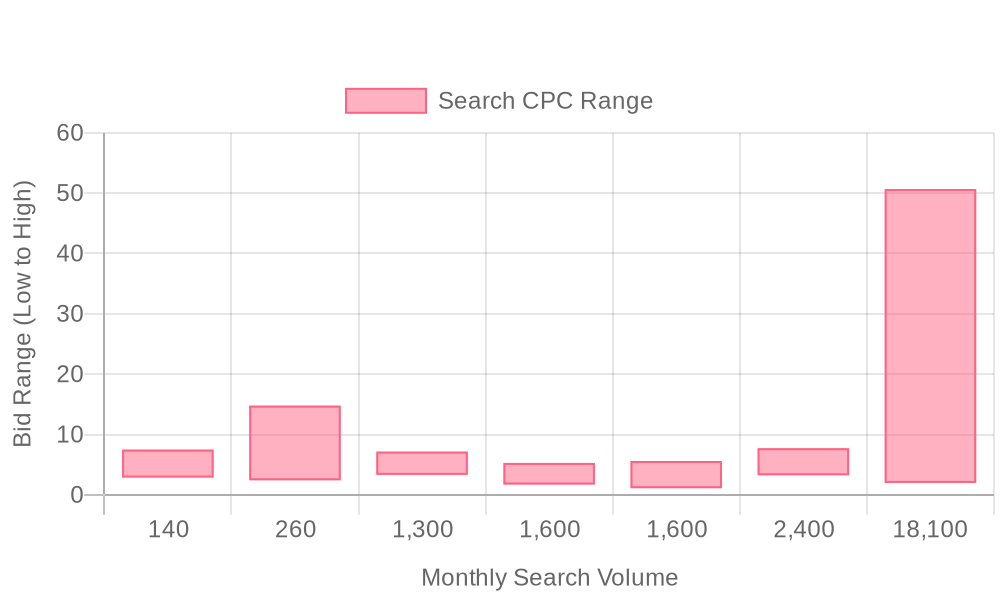
| Industry | Keyword | Monthly Search Volume | Competition Level | Low Bid | High Bid |
| Cleaning Product Suppliers | cleaning product suppliers | 140 | MEDIUM | 2.88 | 7.5 |
| Cleaning Product Suppliers | commercial bathroom supplies | 260 | HIGH | 2.42 | 14.79 |
| Cleaning Product Suppliers | cleaning supplies in bulk | 1300 | HIGH | 3.32 | 7.17 |
| Cleaning Product Suppliers | industrial cleaning supplies | 1600 | HIGH | 1.71 | 5.29 |
| Cleaning Product Suppliers | carpet cleaning supplies | 1600 | HIGH | 1.11 | 5.61 |
| Cleaning Product Suppliers | wholesale cleaning supplies | 2400 | HIGH | 3.25 | 7.74 |
| Cleaning Product Suppliers | janitorial supplies | 18100 | HIGH | 1.98 | 50.68 |
Effective keyword strategy is the foundation for converting high-value opportunities in the cleaning product supply industry. By aligning keyword choices with the real purchase intent of decision-makers, marketers ensure every campaign delivers measurable impact and consistent pipeline growth. For deeper insights into marketing analytics and campaign optimization, visit the Sona marketing analytics blog.
- Focus on High-Intent Terms: Prioritizing high-intent keywords such as "bulk cleaning supplies," "commercial cleaning products distributor," and "buy industrial cleaning chemicals" attracts purchase-ready buyers, not just browsers. These terms deliver a higher conversion probability, reducing wasted spend and accelerating sales cycles. Explore industry benchmarks for Google Ads click-through rates for cleaning products to help set realistic campaign expectations using Google Ads CTR data for cleaning products.
- Utilize Negative Keywords: Implementing negative keywords like "DIY," "homemade," or "free samples" prevents budget drain from low-value clicks. Filtering out irrelevant searchers is crucial for cleaning product suppliers, where B2B intent and volume purchases matter more than general interest or consumer traffic. To identify which companies and people are visiting your website, even without form fills, use Sona's Identity Resolution to turn anonymous web traffic into qualified pipeline.
- Test Long-Tail Queries: Incorporating long-tail phrases such as "eco-friendly janitorial supplies for schools" or "hospital-grade disinfectant supplier near me" uncovers niche segments with urgent needs. By surfacing these specific queries, campaigns reach buyers with defined requirements, often bypassing larger competitors and capturing leads ready to engage. Leverage real-time audience segments to auto-sync high-intent buyer groups with your ad platforms for precision targeting.
- Optimize for ROI: Continuous data analysis helps identify which terms consistently drive qualified leads and revenue for cleaning product suppliers. Leveraging unified campaign analytics with real-time intent insights allows revenue teams to dynamically shift budget toward top-performing queries and adapt to seasonal demand surges or industry changes.
As teams execute these strategies, modern platforms enhance keyword targeting by identifying visitor companies and layering in in-market behavior signals. This enables marketers to synchronize qualified audience lists directly with Google Ads and CRM systems, ensuring that high-fit cleaning product buyers are engaged at the right moment. By unifying campaign data and intent signals, B2B suppliers can optimize every click for measurable pipeline impact and maximize Google Ads ROI for cleaning supplies.
Step-by-Step Campaign Execution Framework
Modern cleaning product suppliers operate in a competitive, fast-paced market where every advertising dollar must be measurable and impactful. A structured campaign framework ensures resources are allocated to the channels and tactics that drive the most qualified leads and highest ROI. For ongoing marketing insights and best practices, explore the Sona blog.
Precise campaign execution means more than just ad spend; it's about leveraging unified data, granular targeting, and continuous optimization to reach procurement professionals and decision-makers as they actively search for cleaning solutions. For a detailed, step-by-step guide to Google Ads campaign setup and optimization, review this Google Ads setup guide.
Step 1: Build Targeted Keyword Lists
- Cluster by Product Type: Group keywords based on the specific cleaning products offered, such as disinfectants, industrial cleaners, or green cleaning supplies. This approach ensures each ad group aligns with a unique buyer intent, increasing relevance and quality score.
- Add Local Modifiers: Incorporate geographic terms (e.g., "bulk disinfectant supplier in Houston") to capture searches from local businesses and facilities managers, maximizing budget efficiency for local cleaning product business advertising.
- Leverage Unified Data: Sync audience data, including past website visitors and CRM segments, to uncover hidden high-intent keywords and prioritize those that drive conversions. With Sona's Identity Resolution, marketers gain visibility into which companies are actively searching and can dynamically expand or refine keyword lists for effective targeting.
The upgrade most cleaning product suppliers advertisers miss is going beyond raw keyword volume to layer in intent and identity signals. By connecting website-visitor data and CRM records with Sona Marketing Measurement, you can see which specific search terms bring in the accounts and customers that actually convert, and weight your keyword and bidding strategy toward those rather than the terms with the highest search volume alone.
Step 2: Develop Compelling Ad Copy
- Address Pain Points: Write headlines that solve specific procurement challenges, such as "Fast Shipping for Bulk Cleaning Supplies" or "Eco-Friendly Cleaners for Large Offices." Messaging should demonstrate an understanding of B2B buyers' priorities and compliance requirements.
- Offer Early Incentives: Include offers like free samples, volume discounts, or limited-time deals to drive engagement at the top of the funnel. These incentives can be dynamically triggered for high-intent accounts, ensuring the most relevant prospects receive the strongest offers.
- Personalize with Real-Time Intent: Leverage behavioral insights to tailor ad copy for in-market accounts. As leads move through the funnel, ad messaging can shift from awareness to urgency, increasing the likelihood of conversion.
Step 3: Design Effective Landing Pages
- Custom Pages for Each Product Group: Direct each ad to a landing page focused on the specific cleaning product and use case featured in the ad. This approach improves quality score and minimizes bounce rate by matching user expectations.
- Fast Lead Capture: Use short, frictionless forms or one-click quote requests to reduce drop-off and accelerate the pipeline. Integration with CRM and marketing automation platforms allows new leads to be routed instantly to sales teams for rapid follow-up.
- Continuous Improvement with Attribution: Advanced conversion tracking connects online form fills, phone calls, and even offline purchases back to the original ad click. This closed-loop measurement enables revenue teams to see which campaigns and landing pages generate the highest-value accounts.
Step 4: Implement Data-Driven Optimizations
- Track and Attribute Every Conversion: Establish robust conversion tracking to measure all touchpoints, including calls, chats, and offline orders. With advanced attribution, revenue teams can see the true impact of strategies across the full sales cycle.
- Refine with Predictive Insights: Analyze campaign performance in real time, using predictive models to reallocate spend to the highest-converting keywords, geographies, and audience segments. This helps prevent wasted budget and ensures ongoing alignment with buyer behavior.
- Dynamic Audience Updates: As leads engage, automatically sync audience data to retarget engaged accounts or exclude converted buyers. CRM and ad platform sync ensures marketing and sales databases reflect the most up-to-date pipeline status, optimizing future campaigns for efficiency and scale.
This campaign execution framework delivers a streamlined, data-driven approach for cleaning product suppliers seeking to maximize results from Google Ads. By integrating unified data, real-time intent, and advanced measurement, every stage of the funnel is optimized for higher engagement and revenue growth. For detailed tactics on retargeting strategies, review the next section in this guide.
Sona Marketing Measurement closes the gap between clicks and revenue. It captures every ad click with first-party measurement, ties that click through UTM capture and ad-platform APIs to the actual record in your CRM, and reports ROAS by keyword and campaign instead of by last-click form fill. Feeding that revenue signal back into Smart Bidding and Performance Max compounds over time: the algorithms optimize toward booked cleaning product suppliers revenue, not cheap leads.
Beyond Google Ads: Winning the AI Answers Cleaning Product Suppliers Buyers Now Trust
Paid search captures demand at the moment someone types a query. But a growing share of cleaning product suppliers buyers no longer start at Google at all: they ask ChatGPT, Gemini, or Perplexity before running a search, and Google's own AI Overviews increasingly summarize an answer above the traditional results. If your business isn't referenced in those AI answers, you're invisible at the exact moment buyers build their shortlist.
Sona AI Visibility shows where your business shows up across ChatGPT, Gemini, Perplexity, Google AI Overviews, and 10+ engines, and, much like a keyword report, which prompts actually send you buyers, so you can prioritize the ones that convert. Run the two together and you cover the entire buyer path: get cited where buyers research (AI Visibility), then prove which of that demand turns into booked revenue (Marketing Measurement).
Helpful resources
Conclusion
Successfully leveraging Google Ads can be a game-changer for any cleaning product supplier aiming to expand their reach and increase sales. Understanding and implementing the right strategies can help you target the right audience and achieve significant growth.
The suppliers who pull ahead won't be the ones bidding highest on "bulk cleaning supplies," they'll be the ones who can see past the click: which companies researched but didn't convert, which keywords fed actual booked revenue, and which prompts on ChatGPT or AI Overviews put them on a shortlist before a form was ever filled out. That visibility, not the ad spend itself, is what will separate the suppliers who grow from the ones who keep guessing.
FAQ
How can I optimize my Google Ads for cleaning product suppliers?
Optimizing Google Ads for cleaning product suppliers involves using data-driven campaign structures, tailored messaging, and seamless lead capture to maximize ROI. Leveraging tools like Sona's Audiences can convert ad clicks into long-term customers by targeting high-intent audiences effectively.
What are the best keywords for Google Ads in the cleaning product industry?
The best keywords include high-intent terms like 'bulk cleaning supplies,' 'commercial cleaning products distributor,' and 'buy industrial cleaning chemicals.' These terms attract purchase-ready buyers and help reduce wasted spend.
How do I set up Google Ads for a cleaning product supply business?
Setting up Google Ads involves building targeted keyword lists, developing compelling ad copy addressing specific procurement challenges, designing effective landing pages, and implementing data-driven optimizations to track and measure performance.
What is the average cost per click for Google Ads in the cleaning product sector?
The article does not specify the average cost per click for Google Ads in the cleaning product sector, but it emphasizes the importance of using high-intent keywords to attract ready-to-buy customers and optimize budget efficiency.
How can I track and measure the success of my Google Ads for cleaning products?
Success can be tracked through conversion metrics that measure clicks, impressions, and conversions. Integrating online and offline conversion attribution provides an accurate measurement of campaign performance and supports rapid optimization.







