


Classic car buyers don't behave like typical car shoppers. They research a specific chassis number, chase provenance, and often watch a listing for months before they act, which makes them easy to lose if a dealership can't tell a serious collector from a curious browser. Google Ads gives classic car dealers a way to reach buyers hunting for a specific make, model, or era at the exact moment they search. This guide walks through how to build and run Google Ads campaigns suited to the classic car trade, so your ad spend reaches people who are actually ready to buy.
How to Generate Google Ads for Classic Car Dealers Leads: A Step-by-Step Guide
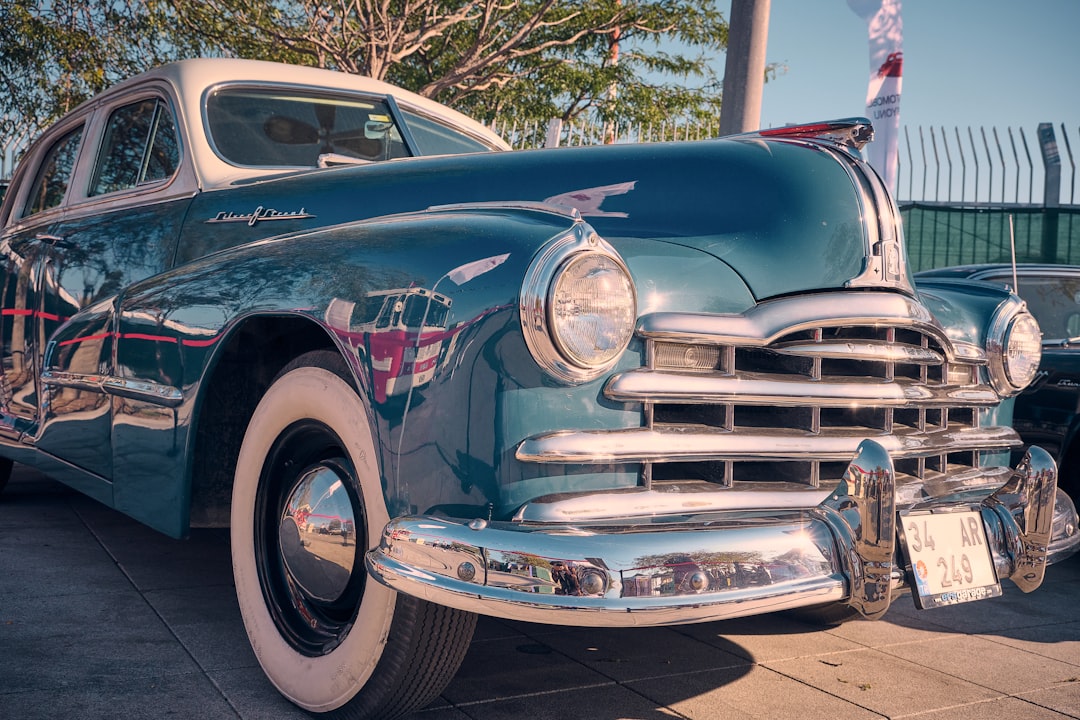
Classic car dealerships thrive on capturing the attention of a discerning audience, one that values rarity and authenticity as much as price. Cutting through the noise requires digital strategies that surface the right cars to the right buyers, often at the exact moment they are ready to engage or purchase. For a deeper understanding of SEO tailored to this niche, review the overview of SEO strategies for antique and classic car dealers.
Online marketing for classic cars is most effective when each campaign component is meticulously tailored. The combination of targeted Google Ads campaigns, real-time audience insights, and unified audience management will accelerate your lead generation and drive higher conversion rates in a competitive landscape.
- Structured Keywords and Audiences: Start by identifying keywords that truly resonate with classic car buyers. This involves researching model-specific terms, manufacturer years, and collector terminology, think "restored 1967 Mustang" or "matching numbers Porsche 911." Develop audience segments based on both search behavior and website engagement. When marketers use Sona's Identity Resolution, they move past anonymous traffic and identify which companies are showing genuine interest in specific vehicles. This allows for the creation of dynamic audience lists that update as prospects engage deeper with your inventory, ensuring every ad dollar reaches the most relevant potential buyers.
- Ad Copy and Creative Alignment: Craft ad copy that speaks directly to the motivations of classic car enthusiasts. Highlight unique model features, provenance, and restoration details, and pair the messaging with high-quality images or video that capture the car's character. This lifts click-through rates and builds trust with buyers who expect transparency. Aligning creative with real-time intent signals lets you prioritize budget toward high-converting segments and cut spend on unqualified leads, and adjust ad creative on the fly as new inventory arrives or buyer behavior shifts.
- Bid and Budget Optimization: Use automated bidding strategies to maximize your return on ad spend, especially during high-intent windows such as weekends or local auction events. Predictive models can help identify which leads are most likely to convert, guiding you to allocate more budget to campaigns and geographies with the highest revenue potential. When campaign data, CRM records, and offline conversions are integrated seamlessly, marketers gain a unified view of performance across all touchpoints, allowing for rapid optimization and more accurate cost-per-lead calculations.
- Cross-Channel Synergies: Reinforce your Google Ads for Classic Car Dealers strategy by integrating efforts with other digital channels like social media and email. Audiences built on in-market signals from your website can be synced directly into Google Ads and across your CRM and marketing automation platforms. This ensures that high-intent leads receive tailored messaging wherever they are in their journey, boosting both reach and conversion rates. When disconnected intent signals across channels are unified, revenue teams can coordinate campaigns to nurture prospects from their first search to final sale, increasing the velocity and value of every lead. If you want to experience seamless lead generation and campaign coordination firsthand, Get started for free with Sona.
Why Does Google Ads Matter for Classic Car Dealers?

Classic car dealers operate in a highly specialized segment where audience targeting is crucial. The collectors and enthusiasts searching for vintage vehicles have specific interests, precise needs, and significant purchasing power. Success in this market is not about casting the widest net but about capturing intent at the exact moment a motivated buyer begins their search, something Google Ads strategies for classic car dealers are uniquely designed to support. For more insights on optimizing campaigns for niche audiences, explore our marketing analytics blog.
- Niche, Specialized Audience: Google Ads offers the precision needed to reach classic car enthusiasts and collectors, avoiding wasted spend on broad, generic audiences. By layering historical interest and behavioral signals, campaigns become hyper-focused, ensuring every impression reaches someone with a real likelihood to convert. Dealers can further enhance targeting by leveraging audience segmentation tools that integrate intent and account-level data for more effective outreach.
- Higher-value Transactions: The classic car market is defined by high-ticket sales and discerning buyers who require more than a standard transaction. Google Ads enables tailored messaging for each listing, highlighting provenance, rarity, and restoration quality. This level of customization attracts buyers who value authenticity and are prepared for substantial investments. Take the next step toward advanced campaign personalization, get started for free with Sona to unlock tools that optimize your messaging and engagement workflows.
- Immediate Demand Capture: Classic car leads cool quickly, so timing is everything. Google Ads positions listings directly in front of prospects the moment they search for specific models or makes. By integrating real-time visitor identification, dealers can instantly route high-intent inquiries to sales teams for rapid follow-up, reducing drop-off and boosting deal closure rates. Dynamic audience tools ensure messaging adapts as buyers engage, maximizing the odds of conversion at every stage.
Common Types of Google Ads Campaigns for Classic Car Dealers
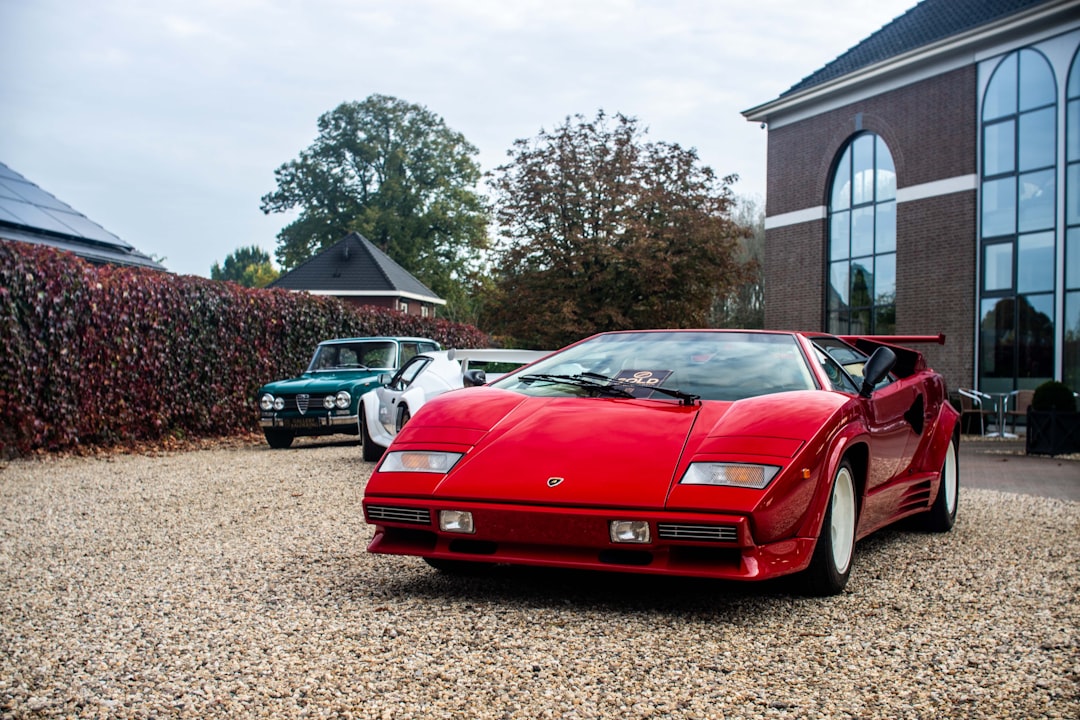
Classic car dealerships need a mix of campaign types to reach buyers at different stages, from the collector already comparing two specific cars to the browser who just started dreaming. Each campaign type below plays a distinct role in building awareness, trust, and conversion.
- Search Campaigns: These campaigns target buyers who are actively researching specific makes and models, such as "1969 Mustang for sale" or "vintage Porsche dealer near me." Aligning ads with detailed queries, often served as responsive search ads that test multiple headlines and descriptions, ensures offers surface at the moment of intent, minimizing wasted spend. When audience and intent signals are unified, marketers can shift budget toward the most promising leads as they appear in real time, driving higher conversion rates and reducing cost per acquisition for Google Ads for Classic Car Dealers. For deeper insight into campaign performance and buyer readiness, Sona enables you to identify and prioritize your most engaged prospects based on custom behavioral triggers.
- Display Ads: Display campaigns keep classic car inventory top-of-mind by placing visually engaging ads across enthusiast forums, automotive blogs, and collector news sites. This approach supports brand recall and re-engages both casual browsers and previous visitors. Integration between display targeting and real-time visitor identification allows marketers to go beyond anonymous impressions, pinpointing which companies and decision-makers are engaging with their ads. This enables more strategic follow-up through the funnel.
- Video Ads: Video formats showcase the craftsmanship, restoration stories, and emotional value behind each classic vehicle. Whether used as YouTube pre-rolls or in-feed content, these ads provide immersive storytelling that builds brand affinity and trust. When video viewership is tracked alongside site engagement, marketers can dynamically update retargeting audiences, ensuring that high-intent viewers are nurtured with personalized follow-ups and offers. Explore more on connecting video engagement to site actions with unified buyer journeys.
- Remarketing: Remarketing campaigns reconnect with users who have previously explored inventory or engaged with dealership content. Customized creative can spotlight recently viewed vehicles or promote incentives to return, such as limited-time financing for classic models. By leveraging unified data, remarketing lists can be dynamically adjusted as prospects move closer to purchase, increasing campaign efficiency and reducing audience fatigue. Learn how to refine your remarketing segmentation in the Intent-Driven Retargeting Playbook.
- Assets: Ad assets elevate text and image ads by including dealership ratings, certifications, location details, and customer testimonials. These enhancements improve ad visibility and boost trust, which is essential for high-value classic car transactions. When asset data is synced with CRM systems and enriched with third-party validation, marketers can automatically display the most compelling trust signals to each segment, supporting local advertising for classic cars and classic car sales advertising with credibility. Discover more strategies for optimizing ad assets in the Google Ad Campaign Types Guide.
This multi-layered approach ensures every digital touchpoint is aligned with the nuances of classic car advertising, maximizing the impact of each dollar spent and building a sustainable pipeline of qualified leads. For hands-on experience with real-time segmentation and campaign optimization, get started for free with Sona and see how you can drive more qualified leads for your dealership.
Where to Find Growth Opportunities
Growth-minded classic car dealers must look beyond saturated channels and broaden their digital footprint to capture untapped demand. Precise targeting using vertical keywords for specific makes and models enables dealerships to intercept buyers at the moment they search for rare or specialty vehicles, such as "1967 Mustang convertible for sale" or "vintage Jaguar E-Type listings." Leveraging SEO strategies for classic car dealers can help deliver higher intent traffic that typically converts at a superior rate, ensuring every advertising dollar is spent on audiences with genuine purchase interest.
Competitor analysis is essential for pinpointing market gaps and revealing which models, geographies, or buyer personas are underserved. By examining where other dealerships allocate their ad spend and identifying patterns in their inventory marketing, teams can discover overlooked niches or high-value segments. This intelligence allows for swift reallocation of budget and messaging, targeting buyers that competitors miss and maximizing share of voice in lucrative micro-markets. To automate competitive research and identify buying teams from website traffic, consider the account research playbook.
Industry-specific directories and enthusiast platforms offer a powerful channel for reaching buyers with focused intent that standard SEO efforts may overlook. By placing ads or listings on specialty forums, classic car clubs, and auction sites, dealers extend their reach far beyond Google Search or Display alone. Integrating these insights with a unified platform ensures all high-potential buyers are identified and engaged, regardless of entry point, especially as audience data from these channels syncs with CRM and ad systems to keep campaign targeting sharp. If you’re ready to accelerate your dealership’s digital growth, get started for free with Sona.
How to Apply Audience Segmentation for Classic Car Dealers
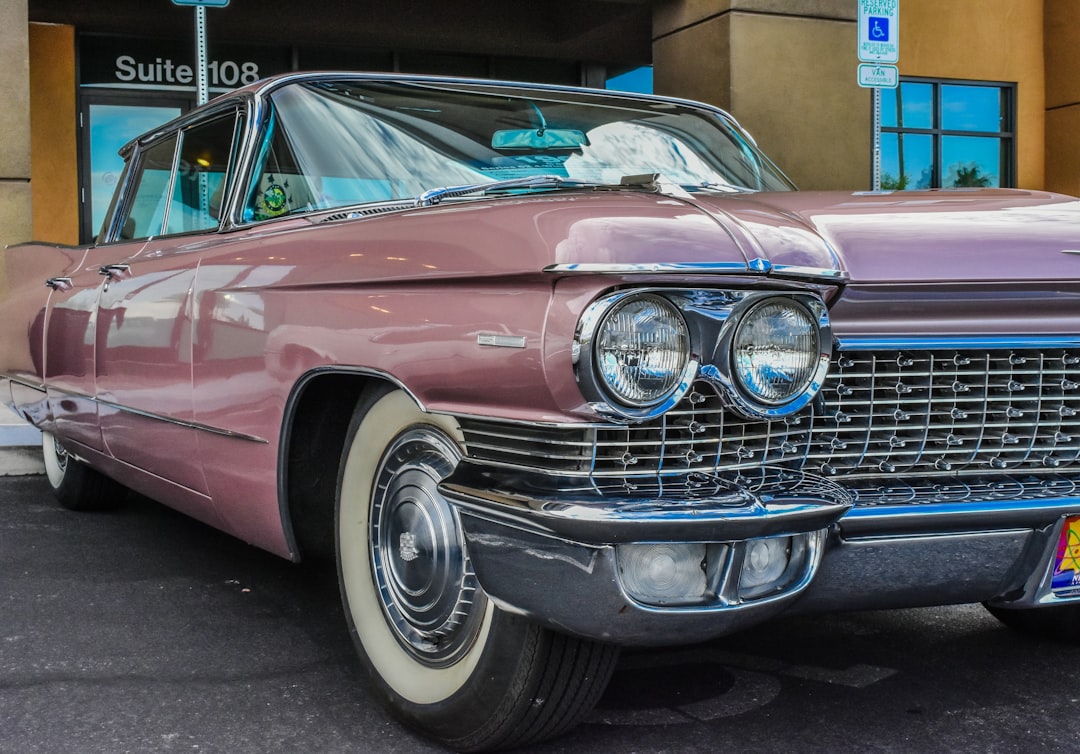
Classic car dealerships operate in an ecosystem where audience diversity directly impacts campaign profitability. Precision in segmentation empowers teams to focus not only on increasing leads but also on elevating deal quality and lifetime value, helping differentiate your dealership in a crowded market. For deeper insights into marketing analytics and revenue optimization strategies, explore our blog.
Identifying and organizing audiences into meaningful groups is the foundation of any effective Google Ads strategy for classic car dealers. By segmenting between seasoned collectors, enthusiast buyers, and first-time classic car purchasers, campaigns shift from generic messaging to focused conversations that resonate with each group’s motivations and expectations. This approach ensures that advertising dollars are invested where they are most likely to generate high-quality inquiries, driving up both engagement and conversion rates.
- Segment Audiences: Segmenting classic car audiences unlocks actionable insights that generic targeting cannot provide. Collectors, for instance, respond to detailed inventory highlights, rare restoration stories, and event-driven offers. Enthusiast buyers often seek nostalgia, model history, and ownership guides. First-time purchasers require education, financing options, and reassurance about authenticity. Learn how specialized SEO strategies for antique and classic car dealers can help you reach each audience segment more effectively.
- Intent Signals: Capitalizing on real-time intent signals transforms how budgets are allocated across classic car segments. Engagement with auction alerts, VIN-specific searches, or high-value inventory pages signals a lead’s proximity to purchase. Marketers can funnel spend toward these signals, ensuring ads for high-ticket vehicles or upcoming auctions are seen by the most motivated prospects. Unified data platforms enable automatic audience updates as user behavior evolves.
- Tailor Messaging to Segments: Customizing ad copy, creative, and budget allocation ensures every interaction feels relevant and timely. Collectors are drawn to invitations for private showings and exclusive events, while first-time buyers respond to transparent pricing, warranty options, and testimonials. With dynamic audience segmentation, you can deliver timely reminders, nurture long sales cycles, and retarget offers that match the prospect’s current phase. Seamless CRM and ad platform integration keeps audience data updated for both Google Ads and downstream sales outreach.
This segmentation-driven approach to classic car advertising not only improves campaign ROI but also creates a higher standard of personalized engagement. To experience hands-on how segmentation and intent data can transform your results, get started for free with Sona and see the difference in your next campaign.
This is also where measurement changes the economics. With Sona Marketing Measurement you can identify the companies behind your ad clicks, not just anonymous sessions, and segment audiences by who actually becomes a customer. That lets you build bid adjustments and audience signals around the segments that convert and de-prioritize the ones that don't, so you feed Google's algorithms "this click became a paying classic car dealers customer" instead of just "someone filled out a form."
Keyword Strategy & Sample Target Terms
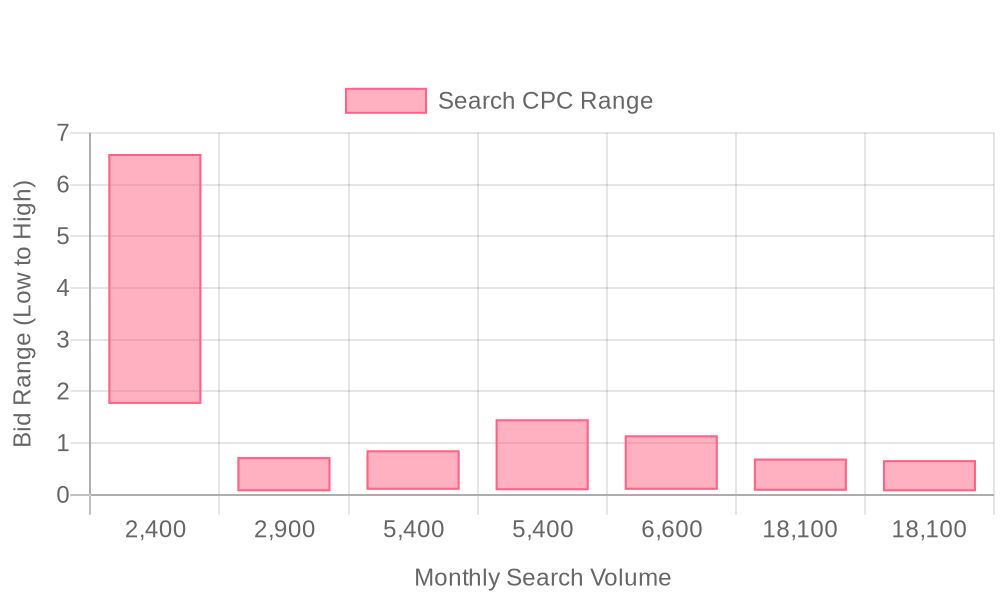
| Industry | Keyword | Monthly Search Volume | Competition Level | Low Bid | High Bid |
| Classic Car Dealers | buy old cars | 2400 | HIGH | 1.76 | 6.59 |
| Classic Car Dealers | muscle cars for sale near me | 2900 | HIGH | 0.07 | 0.73 |
| Classic Car Dealers | classic car sales | 5400 | HIGH | 0.1 | 0.86 |
| Classic Car Dealers | old cars for sale near me | 5400 | HIGH | 0.09 | 1.46 |
| Classic Car Dealers | classic car dealers near me | 6600 | MEDIUM | 0.1 | 1.15 |
| Classic Car Dealers | classic car dealers | 18100 | MEDIUM | 0.08 | 0.7 |
| Classic Car Dealers | classic cars for sale near me | 18100 | HIGH | 0.07 | 0.67 |
Classic car dealerships operate in a highly specialized market where generic keywords often lead to wasted spend and low conversion rates. Targeted keyword strategies allow teams to focus ad budgets on buyers who are actively searching for rare vehicles, restoration services, or upcoming auctions, driving qualified leads instead of passive window shoppers. Precision in keyword targeting is critical for connecting inventory with enthusiasts ready to make a significant purchase, discover SEO strategies for classic car dealers to further refine your approach.
Integrating high-search volume terms ensures campaigns reach broad, active audiences with transactional intent. Phrases like "classic cars for sale near me" and "vintage car dealers" consistently deliver strong visibility, capturing local and national buyers browsing for inventory. By including these core terms, dealerships stay top-of-mind during early-stage research and active buying cycles, increasing their share of high-value market segments. For more insights on building a robust foundation, visit our blog collection.
Long-tail keywords are indispensable for reaching buyers with specific needs or interests. Examples such as "1965 Mustang restoration," "antique car auctions," or "numbers-matching Camaro for sale" attract enthusiasts who already know what they want and are closer to converting. These terms generally have lower competition and higher conversion rates, delivering more efficient cost-per-acquisition. For revenue teams, segmenting campaigns around long-tail queries enables more personalized ad messaging and landing pages, boosting engagement and trust. Explore our lead generation playbooks to enhance your campaign strategies.
Negative keywords play a vital role in budget optimization by filtering out irrelevant traffic. Excluding terms like "toy classic cars," "free classic car images," or "classic car wallpapers" prevents ad spend from being diverted to users unlikely to convert. This practice increases the efficiency of every dollar invested in PPC for classic car dealerships and improves overall campaign performance. For a deeper dive, explore our guide to account-based marketing.
With unified data and visitor identification, marketers can dynamically align keyword strategies with real-time buyer intent. As prospects move from research to purchase, audiences and target terms automatically update, ensuring ads reach the right people at the right stage of the funnel. This approach not only increases the efficiency of classic car sales advertising but also powers smarter, data-driven decision-making for growing dealerships. Ready to optimize your strategy? You can get started for free with Sona to unlock these capabilities.
Step-by-Step Campaign Execution Framework
Efficient campaign execution is the foundation of any thriving digital marketing strategy for classic car sales. When every step is precisely defined, dealerships can quickly adapt to market shifts and maximize each advertising dollar. Success with Google Ads for Classic Car Dealers rests on a systematic approach that unifies audience targeting, real-time insights, and predictive optimization.
Step 1: Build Targeted Keyword Lists
Effective keyword list building is crucial for classic car advertising. Start with specific terms such as “vintage Mustang for sale,” “classic car dealership near me,” and “restored Camaro prices.” Layer in synonyms and related phrases, think “antique cars,” “collectible vehicles,” and “retro car auctions”, to broaden reach without diluting relevance. Incorporate negative keywords to prevent wasted spend on unrelated queries like “toy cars” or “car history books.” Leveraging intent data, teams can identify trending search terms and competitor gaps, then refine lists to prioritize high-converting queries. For additional insight into SEO strategies specific to classic dealers, review this overview of classic car dealer SEO. This focus on search behavior, paired with visibility into real buyer intent, ensures campaigns connect with qualified leads, not generic traffic.
The upgrade most classic car dealers advertisers miss is going beyond raw keyword volume to layer in intent and identity signals. By connecting website-visitor data and CRM records with Sona Marketing Measurement, you can see which specific search terms bring in the accounts and customers that actually convert, and weight your keyword and bidding strategy toward those rather than the terms with the highest search volume alone.
Step 2: Craft Compelling Ad Copy
Great ad copy differentiates a dealership in a crowded market. Highlight exclusive inventory, restoration pedigree, and timely offers, examples include “Only 3 left: 1969 Shelby GT350, inspected and ready for delivery” or “Certified classic car appraisals, book today.” Use urgency and scarcity to prompt action, but always back claims with proof, such as recent awards or client testimonials. Integrate dynamic elements that insert model names and locations automatically, aligning each ad with the searcher’s interest. By aligning ad messaging directly with real-time buying signals and audience segments, campaigns can continually test and refine language to lift response rates and engagement.
Step 3: Design Conversion-Ready Landing Pages
The landing page is where interest converts to action. Each page should directly reflect the promise of its ad, whether it’s showcasing a specific vehicle or offering a free valuation. Prioritize clear vehicle imagery, transparent pricing, and simple forms, removing distractions and barriers to inquiry. Highlight trust signals like customer reviews, inspection reports, and available financing. Syncing audience data between the ad platform and CRM ensures that repeat visitors see relevant offers and previously viewed vehicles, increasing the likelihood of conversion. When personalized experiences are delivered at scale, dealerships see higher lead quality and faster deal cycles.
Step 4: Optimize and Test Continuously
Optimization is an ongoing discipline, not a one-time setup. Run A/B tests on headlines, images, and calls-to-action to uncover what resonates with classic car buyers. Monitor metrics such as cost-per-click, click-through rate, and cost-per-acquisition, using predictive analytics to shift budget toward top-performing segments. Real-time audience updates ensure retargeting efforts adapt as leads progress through the funnel, moving high-intent prospects into tailored campaigns and suppressing those who have already converted. Integrating online and offline conversion tracking provides a true view of ROI, enabling rapid response to new opportunities and campaign inefficiencies. This feedback loop, powered by unified data and cross-channel insights, drives ongoing improvement and sustainable results in automotive PPC campaigns.
Ready to put these strategies into practice? Get started for free with Sona.
Sona Marketing Measurement closes the gap between clicks and revenue. It captures ad clicks with first-party measurement, then ties that click through UTM capture and ad-platform APIs to the actual record in your CRM, and reports ROAS by keyword and campaign instead of by last-click form fill. Feeding that revenue signal back into Smart Bidding and Performance Max compounds over time: the algorithms optimize toward booked classic car dealers revenue, not cheap leads.
Tips on Expanding Your Classic Car Dealer Presence
Classic car dealers succeed by combining digital outreach with specialized audience engagement. Expanding your presence means using every touchpoint to attract, nurture, and convert passionate collectors into loyal customers. For a deeper dive into revenue-driving automotive marketing, explore this overview of SEO strategies for classic car dealers, and check out our blog articles on demand generation for actionable insights.
- Cross-promote with Google Ads remarketing: Staying connected with potential buyers after their initial visit is essential for classic car sales advertising. Remarketing campaigns allow you to display tailored ads to previous site visitors across the web, reminding them of your best inventory or new arrivals. With Sona's Identity Resolution, marketers can move beyond anonymous analytics and identify which companies and serious prospects are returning. This precision helps allocate budget toward high-value leads and ensures every remarketing dollar is invested where intent is highest.
- Use audience insights to upsell services: Audience segmentation is critical in digital marketing for car sales. By analyzing engagement data, you can identify which visitors are most interested in additional offerings such as appraisals, restoration, or consignment services. Dynamic audience updates make it possible to create campaigns that adapt in real time as leads progress through the buying journey. Dealers who act on Sona's intent signals can prioritize outreach to in-market collectors, offering personalized service packages and increasing average order value.
Beyond Google Ads: Winning the AI Answers Classic Car Dealers Buyers Now Trust
Paid search captures demand at the moment someone types a query. But a fast-growing share of classic car dealers buyers no longer start at Google at all, they ask ChatGPT, Gemini, or Perplexity before they ever run a search, and Google's own AI Overviews increasingly summarize an answer above the traditional results. If your business isn't referenced in those AI answers, you're invisible at the exact moment buyers build their shortlist.
Sona AI Visibility shows where your business shows up across ChatGPT, Gemini, Perplexity, Google AI Overviews, and 10+ engines, and, much like a keyword report, which prompts actually send you buyers, so you can prioritize the ones that convert. Run the two together and you cover the entire buyer path: get cited where buyers research (AI Visibility), then prove which of that demand turns into booked revenue (Marketing Measurement).
Helpful resources
Conclusion
Classic car buyers move on their own timeline, but they act fast once they find the right car. Google Ads gives dealerships a way to be there at that moment, and the dealerships that treat their ad account as an ongoing craft, not a one-time setup, are the ones who keep a full pipeline of qualified collectors.
The dealerships pulling ahead are the ones connecting ad performance to what actually happens after the click, which car sold, which lead was a tire-kicker, which auction listing brought in a serious buyer. That feedback loop is what turns a Google Ads account from a cost center into a growth engine.
FAQ
What are the best Google Ads strategies for classic car dealers?
Effective strategies include using structured keywords like model-specific terms, crafting ad copy that highlights unique features and provenance, optimizing bids and budgets during high-intent periods, and integrating cross-channel marketing efforts to enhance reach and conversion rates.
How can classic car dealerships effectively use Google Ads?
Dealerships can leverage Google Ads by targeting highly specific keywords, creating engaging ad copy, using automated bidding strategies, and integrating audience insights across digital channels to reach motivated buyers at the right moment.
What types of campaigns should classic car dealers run on Google Ads?
Classic car dealers should run search campaigns for targeted queries, display ads for brand recall, video ads for storytelling, remarketing campaigns for re-engagement, and use ad extensions to boost ad visibility and trust.
How to optimize Google Ads for classic car sales?
Optimization involves continuous testing of ad copy and landing pages, using predictive analytics for budgeting, aligning ad messaging with real-time intent signals, and integrating online and offline conversion tracking for a comprehensive view of ROI.
What budget should classic car dealers allocate for Google Ads?
The budget should be flexible, allowing for increased spend during high-intent periods like weekends or local events, and using predictive models to allocate funds toward campaigns and geographies with the highest revenue potential.







