


Parents shopping for a crib or a first toddler bed rarely browse casually. They search with urgency, often against a deadline like a due date or a move, and they want reassurance on safety certifications before they'll click "buy." Google Ads can put a children's furniture brand in front of that intent at the exact moment it peaks, but only if targeting is precise and campaigns stay inside the tighter policies that govern marketing to families. The harder problem is what happens after the click: too many of these high-value visitors browse anonymously and vanish, lost to tracking and retargeting that isn't built for how this buyer actually shops.
How to Generate Google Ads for Childrens Furniture Leads: A Step-by-Step Guide
Modern revenue teams need more than traffic to succeed in children's furniture marketing. Turning digital engagement into actual sales opportunities means unifying tracking and intent signals in one workflow rather than treating clicks and pipeline as separate problems.
Integrating Google Ads into your children's furniture campaigns maximizes every touchpoint with prospective buyers. When campaign data and CRM insights flow together, marketers can identify in-market accounts and prioritize budget where it drives qualified leads.
- Data-Driven Approach: Strong campaigns pair precision keyword targeting with dynamic audience segmentation built for children's furniture buyers. Connecting campaign data with web visitor identification lets marketers move past anonymous clicks to see which companies and buyers are showing real intent, so spend stays traceable and high-fit leads get captured even before they convert. Real-time analytics let you shift budget quickly toward the segments showing purchase signals for products like kids' beds or nursery sets.
- Keyword Strategy: Focus on high-conversion search phrases like "child-safe furniture," "non-toxic crib," or "convertible toddler bed," and drill into long-tail queries that reveal parents deep in research, comparing certifications or assembly requirements before a nursery deadline. Layering these signals with CRM data lets you sync enriched audiences directly into Google Ads, so sales can follow up while a lead is still actively comparing options rather than after the crib has already been ordered elsewhere. Matching search intent with audience intelligence this closely tends to lower acquisition costs and shorten the path to a decision.
- Performance Optimization: Clear, measurable goals for each campaign keep improvement ongoing. Attribution models that track both online and offline conversions show which campaigns actually fuel revenue. As leads move through the funnel, dynamic audiences refresh automatically, keeping retargeting aligned with real buyer behavior, so teams can adjust bids and creative against live performance instead of last week's numbers.
A connected, data-first approach to Google Ads turns children's furniture ad spend into a predictable source of qualified pipeline and revenue. Get started for free with Sona.
Why Does Google Ads Matter for Children's Furniture?

Digital marketing for children's furniture faces unique hurdles: parents and caregivers actively search for solutions that balance safety, durability, and aesthetics, often during tight shopping windows. Google Ads enables brands to appear at critical decision points, connecting with qualified buyers precisely when intent peaks for nursery furniture, kids' room decor, or seasonal upgrades. For marketers ready to launch or manage campaigns, the Google Ads services overview provides a useful starting point.
- Audience Precision: Unlike broad social channels, Google Ads targets parents and purchasing agents who are searching for child-safe furniture and accessories in real time. This approach improves lead quality, as campaigns can focus on queries like "ergonomic kids desk" or "non-toxic bunk beds," reducing wasted spend and increasing conversion rates. To take audience targeting a step further, leverage Sona's Audiences tool to build real-time, intent-driven segments that auto-sync with ad platforms for more effective, personalized outreach.
- Compliance: Strict adherence to advertising policies is critical in children's categories. Google Ads for children's products requires marketers to avoid misleading claims, age-inappropriate content, and aggressive upselling tactics. Well-structured campaigns are built on transparency and responsible messaging, protecting brands from compliance risks and supporting long-term trust with families. Review Google's advertising policies to ensure your campaigns remain compliant.
- Immediate Demand Fulfillment: Shopping cycles in this sector often center on life events: back-to-school, nursery preparation, or holiday gifting. Google Ads ensures product visibility at these high-intent moments, allowing brands to capitalize on urgent demand with tailored messaging and timely offers. Explore more actionable marketing tactics by visiting our marketing playbooks for B2B teams.
With company-level visitor identification, marketers can move past anonymous clicks to see which companies and buyers have active projects, without relying on tracking individual people. Real-time intent monitoring supports dynamic budget shifts toward the segments most likely to convert, which sharpens customer acquisition and gives every dollar spent on children's furniture marketing a clearer, measurable return. To see how you can make the most of these strategies, get started for free with Sona.
Common Types of Google Ads Campaigns for Children's Furniture

- Search Campaigns: Capture high-intent queries from parents, designers, or childcare businesses actively looking for children's furniture, kids' room decor, or nursery essentials. Search campaigns put your ads in front of users right as they show buying intent, cutting down wasted spend on unqualified traffic. Within Search, Responsive Search Ads let you test multiple headlines and descriptions so Google can serve the combination that performs best for a given query. With unified go-to-market data, marketers can identify visitors at the account level using Sona's Identity Resolution, refine keyword targeting, and prioritize budgets toward segments most likely to convert.
- Display Advertising: Maintain brand visibility across family-focused websites, parenting blogs, and educational platforms relevant to children's furniture. Display campaigns allow you to reinforce awareness and nurture consideration by placing your brand within trusted environments parents frequent. Leveraging real-time audience data, marketers can dynamically shift spend to placements where high-value prospects are actively researching, optimizing reach and frequency for every impression.
- Video Campaigns: Drive engagement and illustrate the features of children's furniture, like safety locks, modular assembly, or eco-friendly finishes, through compelling video content. Video campaigns excel at showcasing design and functionality, educating parents and caregivers on product differentiation. With advanced audience segmentation, video viewers who display in-market behaviors can be immediately funneled into remarketing or conversion-focused campaigns for seamless journey progression. For guidance on Google Ads campaign compliance and best practices, review Google's advertising policies.
- Remarketing Strategies: Re-engage website visitors who explored your catalog of kids' goods but did not make a purchase or inquiry. Through tailored remarketing audiences that update as leads progress or return, you can serve timely, personalized ads to nudge prospects back to your site. Integrating enriched CRM data ensures that remarketing lists remain fresh and relevant, driving higher conversion rates and measurable ROI for furniture store online advertising. To see how you can put these strategies into action, get started for free with Sona.
- Performance Max: Run a single goal-based campaign that draws on Search, Display, YouTube, and Gmail inventory at once, letting Google's bidding automatically find children's furniture buyers wherever they're closest to purchase. This works well alongside dedicated Search campaigns when you want incremental reach during peak periods like back-to-school or holiday gifting, without managing separate campaigns for each channel.
Where to Find Growth Opportunities?

Growth in the children's furniture segment depends on precise alignment between audience intent and campaign execution. Marketers who leverage granular data signals and adapt messaging to specific buyer behaviors unlock higher conversion rates and predictable ROI.
- Sector-Specific Keyword Targeting: Supplement generic keywords with child-focused descriptors like "nursery furniture," "toddler beds," or "child-safe shelving." These terms capture parents and caregivers searching for age-appropriate items, often surfacing engagement signals broader campaigns miss entirely. Dynamic keyword insights from unified data platforms let marketers react in real time to seasonal spikes, like nursery setup ahead of a due date or dorm and playroom furnishing before the school year, reaching in-market buyers as demand actually shifts.
- Competitor Analysis: Employ competitive intelligence tools to identify gaps where your brand can stand out, such as unique product features, faster shipping, or higher safety ratings. Deep analysis of competitors' ad copy, keyword focus, and audience segments reveals where your messaging can differentiate. Real-time intent data allows revenue teams to dynamically reallocate budget toward audiences demonstrating high engagement or purchase signals, maximizing the effectiveness of each dollar spent.
- Custom Placements: Target placements on specialized forums, parenting communities, and interior design sites with child-centric content. This ensures your brand message appears in relevant environments, reinforcing trust and authority. When audience lists sync seamlessly between CRM and ad platforms, campaigns can adapt instantly as leads engage, move through the funnel, or convert, driving higher ROI for furniture store online advertising. Consistent messaging across these platforms builds brand recall and improves attribution, especially when paired with advanced conversion tracking that spans both online and offline touchpoints.
How to Apply Audience Segmentation for Children's Furniture

Accurate audience segmentation transforms generic advertising into precisely targeted campaigns that engage modern parents and caregivers. Leveraging advanced segmentation drives efficiency, reduces wasted spend, and focuses resources on high-converting audiences in the children's furniture market. If you're looking to optimize your ad spend and ensure every campaign is reaching qualified buyers, get started for free with Sona.
- Demographic Segmentation: Define core parental age groups, such as new parents aged 25-35 or multigenerational households, to target search and display ads. These refined buyer personas enable furniture retailers to tailor messaging for nursery furniture, toddler beds, or convertible cribs, matching the life stages of each segment. Syncing CRM and enriched demographic data into ad platforms ensures that campaigns reach verified parental segments, not just broad audience clusters. For compliance and policy guidelines, review Google's advertising policies.
- Intent Indicators: Segmenting by real-time intent signals captures shoppers actively researching eco-friendly, durable, or convertible children's furniture. By evaluating on-site actions, such as browsing specific categories or downloading buying guides, marketers can dynamically adjust budget and messaging for those showing high purchase intent. Leveraging real-time behavioral data, revenue teams can prioritize in-market accounts, shifting resources to prospects most likely to convert, while nurturing others with informative or inspirational content. For more on maximizing marketing impact, see measuring marketing's influence on the sales pipeline.
- Custom Ad Groups: Categorize campaigns by furniture type, such as cribs, toddler beds, or kids' desks, to match messaging with shopper interests and buying stage. Dynamic audience features automatically update segments as leads move from research to consideration to purchase. Integrated platforms allow marketers to unify signals from online and offline touchpoints, syncing audience lists with Google Ads to ensure timely, relevant retargeting and precise upsell or cross-sell opportunities across the entire children's furniture portfolio. This data-driven approach maximizes ROI and brand loyalty.
This is also where measurement changes the economics. Sona Marketing Measurement identifies the companies and buyers behind your ad clicks using first-party data, not just anonymous sessions, and lets you segment audiences by who actually becomes a customer. That means building bid adjustments and audience signals around the segments that convert, and de-prioritizing the ones that don't, so you feed Google's algorithms "this click became a paying childrens furniture customer" instead of just "someone filled out a form."
Keyword Strategy & Sample Target Terms
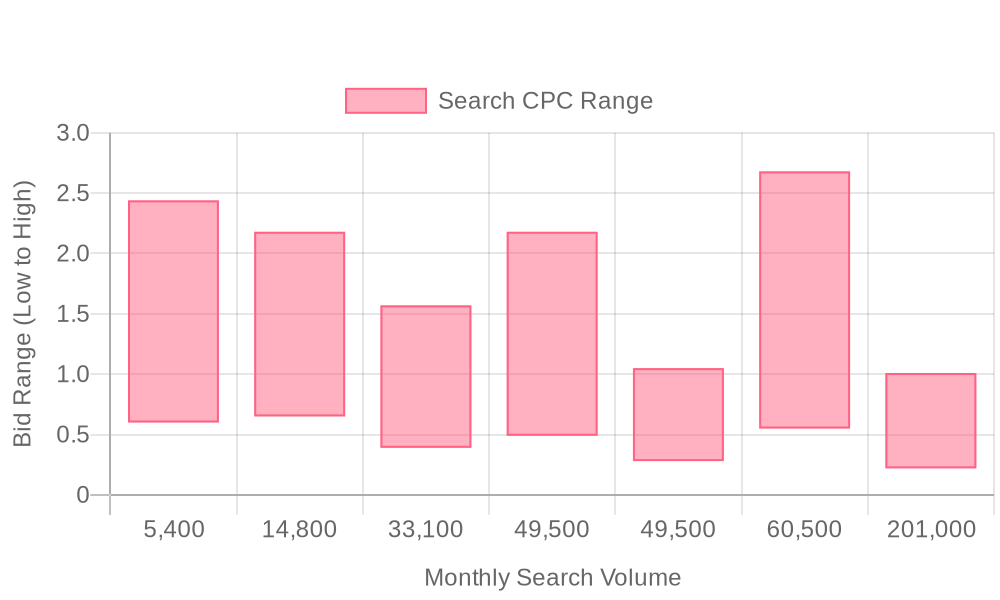
| Industry | Keyword | Monthly Search Volume | Competition Level | Low Bid | High Bid |
| Childrens Furniture | childrens furniture | 5400 | HIGH | 0.6 | 2.44 |
| Childrens Furniture | kids bedroom sets | 14800 | HIGH | 0.65 | 2.18 |
| Childrens Furniture | kids desk | 33100 | HIGH | 0.39 | 1.57 |
| Childrens Furniture | bunk beds for kids | 49500 | HIGH | 0.49 | 2.18 |
| Childrens Furniture | kids table and chairs | 49500 | HIGH | 0.28 | 1.05 |
| Childrens Furniture | kids bed | 60500 | HIGH | 0.55 | 2.68 |
| Childrens Furniture | toddler bed | 201000 | HIGH | 0.22 | 1.01 |
Precise keyword strategies can make or break digital ad performance for children's furniture brands. Long-tail keyword variations like "eco-friendly nursery furniture" or "discount kids beds" help attract high-intent buyers while filtering out window shoppers, improving both click-through and conversion rates. For more tips on boosting organic traffic, explore SEO best practices for baby furniture shops.
Effective use of negative keywords is essential for avoiding irrelevant clicks, terms like "DIY," "free," or "adult furniture" can prevent wasted budget and keep focus on buyers ready to purchase children's items. Pairing these keyword strategies with advanced segmentation tools enables marketers to isolate audiences that are actively researching or intending to buy, such as parents, new homeowners, and childcare facilities.
Dynamic keyword management becomes even more valuable when integrated with real-time data insights. As new in-market behaviors are detected, such as recent searches for "child-safe furniture finishes" or "ergonomic kids' desks," audiences can be updated automatically, ensuring ads appear in front of those most likely to convert. Unifying keyword data with CRM and sales platforms enables revenue teams to identify which segments drive the highest value, doubling down on terms that actually move pipeline and eliminating common campaign blind spots.
Granular keyword groups like "child-safe advertising strategies" also support campaign specificity and compliance with advertising policies for minors. For B2B teams, this level of precision in keyword and audience targeting creates a direct path to measurable ROI and sustained growth in a competitive children's furniture market.
Step-by-Step Campaign Execution Framework
A well-structured campaign execution framework maximizes results for B2B marketers selling children's furniture online. This workflow enables teams to segment high-intent audiences, deliver tailored creative, and capture actionable insights at every touchpoint.
Step 1: Build Targeted Keyword Lists
Strategic keyword list construction underpins successful paid search campaigns in children's furniture. Categorize keywords by specific furniture types, cribs, bunk beds, desks, and storage solutions, while layering modifiers such as "safe," "eco-friendly," or "award-winning" to capture in-market buyers. Segmenting keywords by purchase intent and demographic also captures demand from parents, schools, and childcare centers searching for child-safe options.
For B2B revenue teams, basic keyword matching only gets you so far. Sona's Identity Resolution surfaces untracked, high-interaction website visitors who don't convert on first touch, so marketers can refine messaging and retarget both known and anonymous accounts, which matters most in children's furniture, where purchase cycles can be long and decisions often involve more than one household member. For guidance on ad compliance, review Google's advertising policies.
The upgrade most childrens furniture advertisers miss is going beyond raw keyword volume to layer in intent and identity signals. By connecting website-visitor data and CRM records with Sona Marketing Measurement, you can see which specific search terms bring in the accounts and customers that actually convert, and weight your keyword and bidding strategy toward those rather than the terms with the highest search volume alone.
Step 2: Develop Compelling, Trust-Centric Ad Copy
Ad copy should immediately communicate product safety, certifications, and design credibility. Highlighting safety certifications, design awards, and customer testimonials builds trust with both end buyers and procurement teams. Addressing parental concerns about durability, non-toxic materials, and ease of assembly converts high-funnel research activity into engagement, reducing drop-off from feature-focused visitors who may otherwise fail to interact.
Integrating real-time behavioral data into ad creative testing enables marketers to adjust value propositions dynamically. When platforms sync intent signals from across channels, teams can prioritize budget toward audiences showing signals of in-market research, this is especially effective for children's products, where nuanced buying triggers often precede direct conversions.
Step 3: Design High-Converting Landing Pages
Effective landing page design requires direct alignment with ad messaging, minimizing friction for visitors arriving from paid campaigns targeting kids' goods or nursery furniture. Each page should reinforce trust through clear visual cues: customer testimonials, third-party endorsements, and satisfaction guarantees. Visual consistency with ad creative increases engagement and guides anonymous traffic further down the funnel.
Visitor identification technology makes it possible to attribute visits to specific companies or buyer groups, even if a form is not submitted. By tying landing page interactions to CRM records or enriched lead profiles, marketers can nurture previously anonymous visitors with targeted follow-up and retargeting, elevating conversion rates for furniture store online advertising. For more on boosting organic performance, explore SEO best practices for baby furniture shops.
Step 4: Optimize Continuously With Unified Data
Ongoing optimization is essential for campaign success in children's furniture advertising. Analyze conversion data segmented by keyword, audience, creative, and device. Integrated analytics platforms that sync CRM and ad data enable revenue teams to spot leaks, such as inconsistent messaging or inefficient audience segments, then execute rapid, data-driven adjustments.
Dynamic audience management keeps retargeting pools updated as leads move through the funnel, capturing opportunity as interest evolves. When enriched lead and audience data syncs automatically with Sona and other marketing platforms, marketers can attribute both online and offline conversions, closing the loop on ROI for child-safe advertising strategies.
Sona Marketing Measurement closes the gap between clicks and revenue. It captures ad clicks with first-party measurement rather than third-party cookies, ties that click through UTM capture and ad-platform APIs to the actual record in your CRM, and reports ROAS by keyword and campaign instead of by last-click form fill. Feeding that revenue signal back into Smart Bidding and Performance Max compounds over time: the algorithms optimize toward booked childrens furniture revenue, not cheap leads.
Tips on Expanding Your Children's Furniture Presence
Children's furniture brands can accelerate growth by leveraging sophisticated marketing approaches tailored to evolving consumer preferences. Success in this space comes from aligning messaging, channel selection, and data-driven tactics to reach parents and caregivers at decision-making moments.
Utilize these strategies:
- Content Integration: Cross-promote educational material focused on children's furniture safety standards. Providing authoritative resources on product durability, proper installation, and hazard prevention not only builds trust but also reduces churn caused by irrelevant or poorly timed promotional offers. Marketers who integrate content with real-time visitor identification can dynamically surface valuable guides or checklists as soon as potential buyers demonstrate intent, resulting in higher engagement and more qualified leads. This approach also enables you to build dynamic remarketing audiences, keeping families engaged throughout their research and purchase journey.
- Partnerships: Align with child-focused organizations for joint campaigns or influencer marketing. Collaborative initiatives with pediatric associations or parent bloggers amplify your brand's reach, drive targeted demand, and enhance authenticity. These partnerships are most effective when supported by precise audience data and real-time intent signals, ensuring campaigns are delivered to in-market buyers. Leveraging unified CRM and ad platform data allows for seamless syncing of high-quality audience data into your digital campaigns, instantly activating demand and improving campaign ROI.
- Localizing Campaigns: Target specific demographic zones where demand for children's furniture is particularly high. Use geo-targeted Google Ads to maximize share-of-voice in regions with active parent and caregiver communities. By analyzing conversion patterns and syncing enriched demographic data into your ad platforms, you can optimize bids, minimize wasted spend, and prevent disengagement from untapped but valuable growth sectors. Performance improves as dynamic audiences adjust in response to shifting local demand, ensuring ongoing relevance and competitive visibility for your brand.
Beyond Google Ads: Winning the AI Answers Childrens Furniture Buyers Now Trust
Paid search captures demand at the moment someone types a query. But a fast-growing share of childrens furniture buyers no longer start at Google at all, they ask ChatGPT, Gemini, or Perplexity before they ever run a search, and Google's own AI Overviews increasingly summarize an answer above the traditional results. If your business isn't referenced in those AI answers, you're invisible at the exact moment buyers build their shortlist.
Sona AI Visibility shows where your business shows up across ChatGPT, Gemini, Perplexity, Google AI Overviews, and 10+ engines, and, much like a keyword report, which prompts actually send you buyers, so you can prioritize the ones that convert. Run the two together and you cover the entire buyer path: get cited where buyers research (AI Visibility), then prove which of that demand turns into booked revenue (Marketing Measurement).
Helpful resources
Conclusion
The children's furniture brands that pull ahead won't be the ones bidding highest on "nursery furniture," they'll be the ones that can prove which keywords, campaigns, and creative actually turn a parent's search into a crib on a truck. That means treating identity resolution and revenue attribution as core infrastructure, not an add-on, and increasingly, it means showing up in the AI answers buyers consult before they ever open Google.
Ready to see which campaigns actually drive booked childrens furniture revenue? Start for free and connect your Google Ads account to Sona.
FAQ
What are the best practices for Google Ads targeting children's furniture?
Best practices include precise keyword targeting, dynamic audience segmentation, and ensuring compliance with advertising policies to improve lead quality and conversion rates.
How can I create a successful Google Ads campaign for children's furniture?
To create a successful campaign, integrate Google Ads with CRM data for precise targeting, use high-conversion keywords, and continuously optimize campaigns based on real-time analytics.
What are the advertising restrictions for children's furniture on Google Ads?
Advertising restrictions include avoiding misleading claims, age-inappropriate content, and aggressive upselling tactics, ensuring campaigns are transparent and compliant with Google's policies.
How do I optimize my Google Ads for children's furniture to increase conversions?
Optimize by using advanced attribution models, real-time analytics for campaign adjustments, and ensuring ad copy and landing pages are aligned to enhance user engagement and conversions.
What is the average cost per click (CPC) for Google Ads in the children's furniture niche?
The article does not specify the average CPC for Google Ads in the children's furniture niche.
How can I ensure my Google Ads comply with child-focused advertising policies?
Ensure compliance by reviewing Google's advertising policies, avoiding misleading claims, and designing campaigns with transparency and responsible messaging.
What are some effective keywords for Google Ads in the children's furniture market?
Effective keywords include 'child-safe furniture,' 'nursery furniture,' and 'toddler beds,' which capture high-intent buyers actively searching for these products.
How can I track and measure the success of my Google Ads for children's furniture?
Track success using advanced attribution models, real-time analytics, and aligning CRM insights with campaign data to monitor conversions and optimize in real-time.
What are some creative ad examples for children's furniture on Google Ads?
Creative ad examples include using video campaigns to highlight furniture features and display ads in family-focused environments to reinforce brand awareness.
How do I set up ad targeting for children's furniture on Google Ads?
Set up ad targeting by using dynamic audience segmentation, syncing CRM and demographic data for precise targeting, and focusing on high-conversion search phrases.







