


Car oil retailers lose money every day a high-intent shopper clicks an ad, compares prices, and leaves without converting. Google Ads puts your inventory and offers in front of buyers exactly when they're searching for oil changes, synthetic blends, or bulk supply, but a scattershot campaign wastes that intent. This guide lays out a step-by-step framework for turning Google Ads into a reliable driver of visibility and sales in the automotive oil market.
How to Generate Leads with Google Ads: A Step-by-Step Guide for Car Oil Retailers

Car oil retailers operate in a fast-moving market where capturing high-intent leads can make a measurable impact on monthly sales. Digital marketing for car oil now depends on precise targeting, real-time data, and a strategy that adapts as buyer behavior shifts. Sona's Identity Resolution reveals which companies are engaging with your site, even when they never fill out a form.
A data-driven Google Ads strategy starts by mapping campaigns to the specific needs and urgency of automotive customers. By integrating CRM insights, retailers can segment audiences by lifecycle stage or service history, ensuring hot leads receive tailored messaging and offers before they cool off. This approach minimizes wasted spend and surfaces high-value prospects who are most likely to convert. Explore practical segmentation tactics with this intent-driven retargeting playbook.
Keyword selection and audience targeting are foundational. Campaigns must align with buyer intent by using high-converting terms such as "synthetic oil change near me" or "bulk motor oil supplier," while excluding irrelevant searchers with negative keywords. Real-time audience segmentation allows marketers to recognize not just anonymous clicks but the actual businesses or segments engaging with ads, enabling on-the-fly budget shifts toward accounts with the strongest purchase signals.
Aligning ad creatives and landing pages is critical for engagement. Each ad group should address the specific technical requirements or pain points of the targeted audience, whether it's a retail customer seeking a quick oil change or a fleet manager interested in commercial-grade lubricants. Conversion rates improve significantly when landing pages mirror ad copy and feature interactive elements like real-time service availability or inventory feeds. Marketers can use advanced attribution to connect online ad clicks to offline sales, offering a complete view of ROI and informing future campaign optimizations.
ROI-driven optimization tactics are essential to avoid the inefficiencies of generic, one-size-fits-all campaigns. This means customizing bid strategies for different audience segments, using dayparting to reach users during peak decision windows, and using Sona's Intent Signals to build relevant retargeting flows. With unified data, revenue teams can tie every ad dollar to pipeline movement, quickly identifying what drives the highest-value conversions and scaling those tactics across locations and product lines.
A multi-channel approach sustains traction and maximizes visibility. Integrating Google Ads for car oil retailers with email, social, and offline channels ensures consistent touchpoints throughout the customer journey. Syncing enriched audiences and lead data directly into Google Ads and CRM systems keeps prospects engaged at every stage, tracks the full impact of campaigns, and sharpens automotive product marketing over the long term.
Why Does Google Ads Matter for Car Oil Retailers?
Car oil retailers operate in a market defined by urgency, technical specificity, and rapid shifts in consumer demand. Google Ads provides a direct line to customers with immediate, purchase-ready intent, ensuring offers and inventory are front and center when buyers are searching for oil products and services, whether that's a driver needing a same-day oil change or a fleet manager stocking up before a compliance deadline.
Reaching a specialized audience is a persistent challenge, as automotive enthusiasts and fleet managers seek precise solutions for specific vehicles or use cases. With Google Ads, retailers tap into granular targeting, capturing both B2C and B2B buyers as they actively evaluate lubricants, oil change kits, and related products. Campaigns can be tailored to reach professionals, DIYers, or commercial accounts at the exact moment of need, minimizing wasted spend and missed connections. Unlock even greater precision with real-time audience segmentation to ensure your messaging reaches the right buyers.
The platform’s real-time nature supports rapid response to spikes in demand, such as promotions for oil changes before travel seasons or urgent replenishment alerts for fleet managers. Retailers can dynamically adjust budgets and creative, ensuring relevant offers are always aligned with current market trends and customer search behavior. These capabilities translate to higher conversion rates and more efficient ad spend, as investments are continuously optimized based on actual buyer activity. Learn more about optimizing marketing investments with accurate revenue attribution.
Perhaps most critically, Google Ads closes the loop between digital engagement and real-world sales. By tracking each interaction from initial click to completed transaction, car oil retailers gain precise ROI measurement and can allocate budgets with confidence. This level of insight supports continuous improvement, enabling marketing teams to double down on what works and eliminate underperforming tactics. To see how you can track every key customer touchpoint, explore buyer journeys.
Expanding into new markets or reaching untapped customer segments is also streamlined. Geo-targeted campaigns extend a retailer’s visibility far beyond their traditional footprint, connecting with decision-makers in new regions who may not have encountered the brand through legacy channels. For retailers pursuing growth, Google Ads unlocks scalable, data-driven automotive product marketing that consistently delivers measurable outcomes. If you’re ready to elevate your marketing and drive measurable results, get started for free with Sona.
Common Types of Google Ads Campaigns for Car Oil Retailers
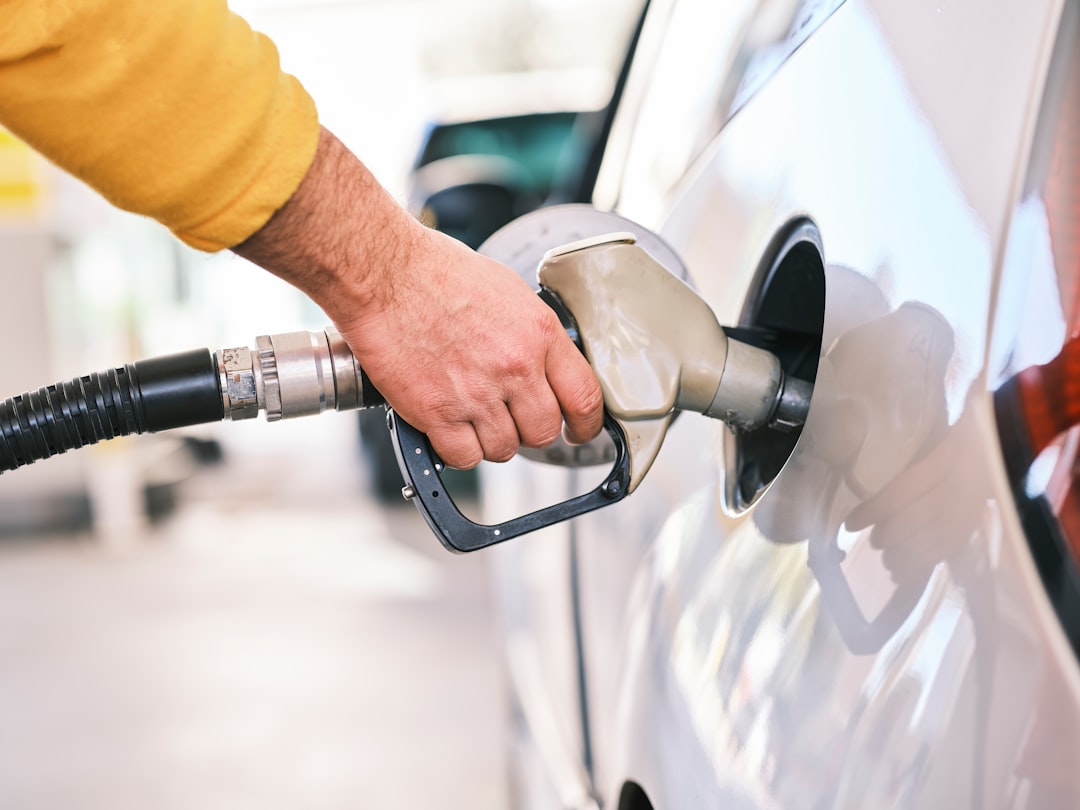
- Search Campaigns: Search campaigns are essential for car oil retailers aiming to capture buyers actively looking for specific products or services. These campaigns allow marketers to target high-intent queries, such as “synthetic oil near me” or “best oil for SUV,” reaching both informed decision-makers and those beginning their research. By leveraging real-time visitor identification, marketers can shift budgets toward keywords delivering visits from companies or individuals with demonstrated purchasing interest, maximizing every impression. When enriched audience data is synced directly from CRM to Google Ads, each ad group dynamically reflects the latest funnel stage, elevating relevance and engagement.
- Display Ads: Display ads help maintain brand presence across relevant automotive sites and forums, supporting sustained awareness long after a user’s initial search. By integrating display placements with social and email campaigns, car oil retailers reinforce their message across multiple digital touchpoints. Advanced intent signals allow for tighter targeting of in-market users, ensuring ads follow high-value prospects as they move between research and buying phases, not just relying on basic demographic filters.
- Video Ads: Video formats provide a visual platform to educate and persuade, making it easier to explain the technical benefits of premium oil products or demonstrate step-by-step service processes. Marketers can use engagement data from video viewers to build dynamic retargeting audiences, ensuring follow-up messages reach those who watched key segments or interacted with specific features, useful for explaining, say, why a full synthetic costs more than a conventional oil change.
- Remarketing: Remarketing campaigns re-engage visitors who have previously shown interest, such as those who viewed product pages or started checkout but did not convert. By identifying returning visitors and matching them to known accounts or CRM records with Sona's Identity Resolution, marketers can personalize creative and offers, addressing specific objections or needs. This strategy enables budget to follow the most valuable visitors, adjusting bids and content in real time as users move through the decision journey.
- Assets: Ad assets (formerly called extensions) add vital credibility and utility to every search impression. Including customer reviews, store locations, and call buttons increases trust and simplifies the path to action for prospects ready to buy. When store inventory and offer assets update automatically based on real-time product data, retailers ensure buyers always see accurate information, reducing friction and boosting conversion rates. Integrating attribution from these assets into unified dashboards enables marketers to measure which combinations drive offline and online sales, refining the approach for every campaign.
Where to Find Growth Opportunities in Car Oil Retailing

Car oil retailing is evolving rapidly with digital-first buyers who expect solutions tailored to specific vehicles, driving styles, and maintenance cycles. Retailers who act on data-driven signals and segment their audience with precision consistently outperform those relying on generic tactics.
- Vertical keyword targeting for niche markets: High-growth opportunities emerge when retailers target specialty keywords such as "high-mileage synthetic oil," "racing motor oil," or "EV-compatible lubricants." These vertical keywords capture buyers with clear intent and unique product needs, often overlooked by competitors focused on broader terms. Integrating product data and search intent allows marketers to craft hyper-relevant ad groups, resulting in higher click-through and conversion rates. Retailers using Sona's Identity Resolution to see which companies are searching for these terms can shift budget to the most lucrative verticals in real time. For inspiration, review this car servicing SEO case study to see how targeted strategies drive leads and organic growth.
- Competitor analysis using auction insights: Analyzing auction insights data reveals which market segments are underserved and where competitor activity is weakest. By monitoring impression share and lost opportunities, retailers can seize untapped demand before it becomes saturated. Tools that connect visitor-level intent and firmographic data make it possible to discover which verticals are gaining traction and to adapt keyword strategies ahead of the curve. This proactive approach ensures consistent growth and prevents budget waste in overbid categories. Explore our marketing playbooks to access proven tactics for outmaneuvering your competition.
- Industry-specific placements for precise targeting: Selecting placements within automotive forums, enthusiast sites, and comparison platforms ensures ads reach buyers in active research phases. This level of targeting, especially when combined with behavioral intent signals, produces higher engagement rates and delivers messaging at the right moment in the customer journey. By leveraging audience enrichment and real-time behavioral data, retailers can adjust placements dynamically, aligning spend with high-conversion micro-segments.
- Content retargeting and predictive ad allocation: Re-engaging potential leads through content-based retargeting helps maintain top-of-mind awareness and nudges prospects further down the funnel. Integrating retargeting with a broader marketing calendar ensures consistent messaging across product launches, seasonal promotions, and educational content. Predictive models built on historical engagement data inform ad spend allocation, maximizing ROI while minimizing wasted impressions. Platforms that sync CRM and offline conversions with ad audiences enable seamless retargeting and more accurate attribution, empowering retailers to focus resources on prospects most likely to convert.
Growth in car oil retailing hinges on moving beyond surface-level targeting toward advanced intent data, dynamic audience segmentation, and ongoing competitive analysis. Retailers who invest in unified data and actionable insights will capture emerging demand and build a durable edge over competitors still buying keywords blind.
How to Apply Audience Segmentation for Car Oil Retailers
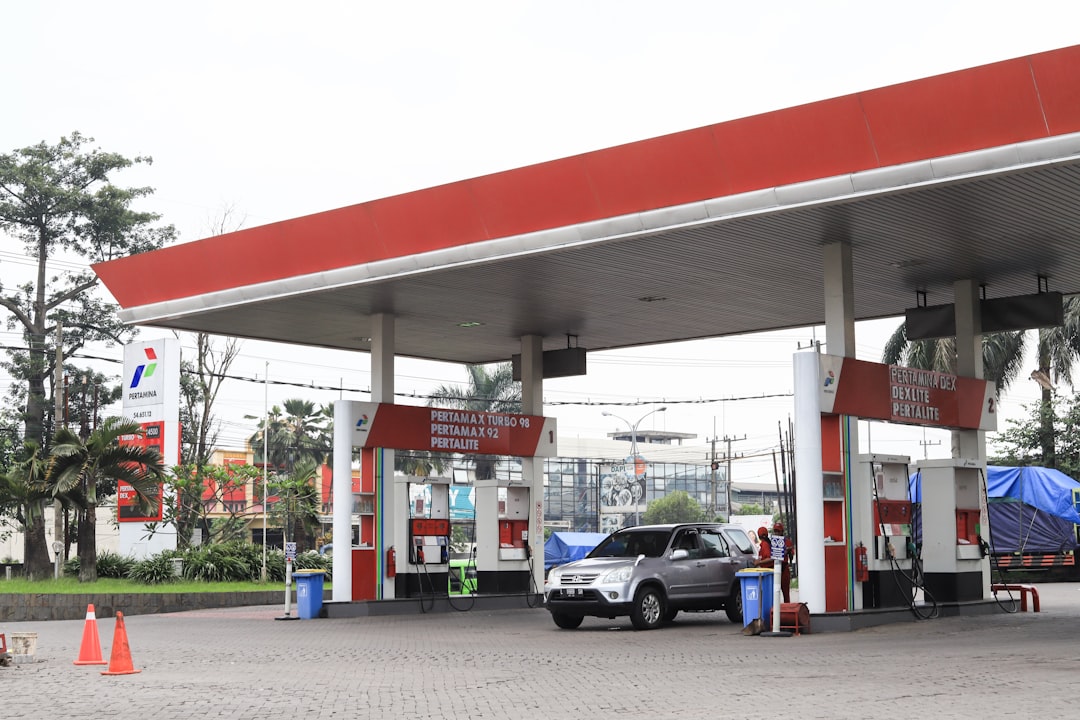
Car oil retailers thrive when campaigns are engineered around the nuanced needs of their market. Precise audience segmentation ensures every advertising dollar goes to prospects most likely to convert, maximizing both short-term wins and long-term customer value.
- Define Segments: Start by distinguishing between professional buyers, such as fleet managers, service centers, or commercial vehicle operators, and automotive enthusiasts or everyday consumers. Messaging and offers that resonate with a repair shop owner will fall flat with a DIY hobbyist. By mapping segments to buying cycles and product preferences, retailers avoid wasted impressions and achieve higher engagement rates using proven account identification strategies, seeing how segmentation drives conversions across both commercial and retail buyers.
- Overlay Intent Signals: Segmentation deepens with real-time intent overlays. Identifying whether a visitor prefers premium synthetic brands, seeks value pricing, or is browsing for bulk purchases enables smarter targeting. Advanced platforms can surface these intent signals, pinpointing which companies are evaluating commercial lubricants versus which consumers are comparing retail motor oil. Marketers use this intelligence to shift budget toward high-converting audiences as soon as they show in-market behavior, driving greater efficiency and boosting campaign ROI. For tactical keyword inspiration, browse this list of auto repair keywords.
- Create Segment-Specific Ad Groups: For each segment, create tailored ad groups that align budget, creative, and bidding strategy with expected value. Fleet buyers might see messaging about volume discounts, 24/7 support, or direct account management, while retail consumers encounter offers based on convenience, location, or seasonal promotions. Dynamic audience syncing ensures that as leads move through the funnel, such as a once-off buyer returning for a scheduled oil change, ad groups and remarketing lists update in real time. This approach reduces leakage and keeps messaging relevant, powering a seamless, data-driven customer journey across search, display, and shopping campaigns. For retailers leveraging unified data and advanced identification, even anonymous traffic can be resolved to known business accounts, enabling hyper-personalized outreach and precise measurement of campaign outcomes.
This is also where measurement changes the economics. With Sona Marketing Measurement you can identify the companies behind your ad clicks and connect that first-party data to your own customer records, rather than working from anonymous sessions alone, and segment audiences by who actually becomes a customer. That lets you build bid adjustments and audience signals around the segments that convert and de-prioritize the ones that don't, so you feed Google's algorithms "this click became a paying car oil retailers customer" instead of just "someone filled out a form."
Keyword Strategy & Sample Target Terms
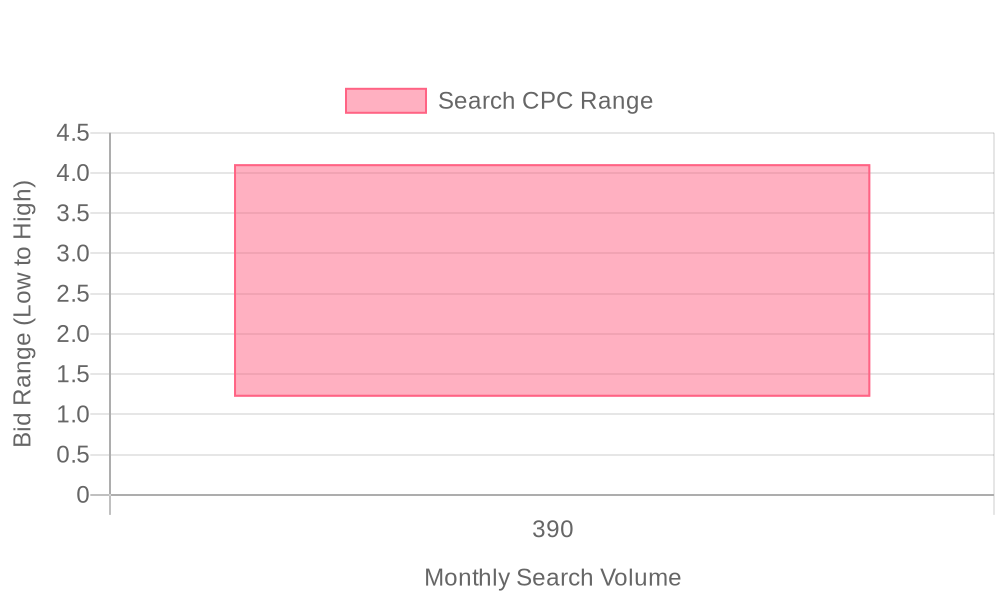
| Industry | Keyword | Monthly Search Volume | Competition Level | Low Bid | High Bid |
| Car Oil Retailers | car oil shop near me | 390 | MEDIUM | 1.22 | 4.11 |
Effective keyword strategy is foundational for Google Ads for car oil retailers seeking to maximize reach, relevance, and conversions. Precision targeting ensures ad budgets are directed toward prospects with clear purchase intent, minimizing wasted spend and driving higher-quality leads. Marketers must curate keyword lists that reflect both the technical specificity and buying behaviors unique to automotive product marketing. For keyword inspiration, explore this auto repair keyword list to identify high-converting terms for paid search and SEO campaigns.
- High-Intent Keywords: Focus on terms such as “premium engine oil,” “synthetic oil deals near me,” and “bulk motor oil supplier.” These reflect active buyers in the market for either immediate service or direct product purchase, reducing the risk of attracting window shoppers or research-only visitors. Including product attributes like viscosity (“5W-30 synthetic oil sale”) or vehicle make (“Toyota Camry engine oil”) sharpens targeting further and improves Quality Score. For more strategies, visit our marketing blog.
- Local Modifiers: Regional intent is essential in automotive retail advertising, especially for brick-and-mortar stores or local distributors. Integrating geo-modifiers such as city names or neighborhoods (“engine oil shop in Dallas,” “oil change specials Chicago”) taps into buyers ready to transact nearby and increases ad visibility for “near me” and map-based searches.
- Commercial and B2B Terms: For retailers who serve both consumers and business clients, include commercial intent keywords like “fleet oil delivery,” “wholesale engine lubricants,” or “auto shop oil supplier.” These longer-tail queries tend to have lower competition and higher order values, making them ideal for B2B-focused campaigns.
- Negative Keywords: Exclude terms like “DIY oil change tutorial,” “free oil disposal,” or “used oil recycling” to prevent ad spend leakage on audiences unlikely to convert.
Further refinement comes from analyzing search query reports alongside real-time audience insights. Platforms that surface which businesses are actively visiting your site or clicking ads allow for more agile keyword management and budget allocation. When marketers see which companies are researching "synthetic oil bulk pricing," they can adjust bids to prioritize high-value accounts and activate tailored messaging. As CRM and website behaviors sync in real time, keyword targeting and audience segments evolve automatically, keeping campaigns aligned with in-market buyers at every funnel stage, improving cost efficiency as new products and trends emerge in the category.
Step-by-Step Campaign Execution Framework for Car Oil Retailers
An effective Google Ads framework for car oil retailers demands a blend of technical precision and data-driven agility. Each stage of the campaign process must be tightly aligned with real-time customer intent, enabling teams to move beyond broad targeting and deliver messaging that resonates with high-value prospects.
This execution blueprint ensures that automotive retailers maximize every advertising dollar, capturing both urgent buyers and loyal repeat customers. By grounding each action in verified audience data and continual feedback loops, marketers create campaigns that not only convert but also scale efficiently across multiple channels and account segments.
Step 1: Build Targeted Keyword Lists
Keyword selection is the cornerstone of successful online advertising for car oil retailers. Focusing on buyer intent and local modifiers positions campaigns to intercept the exact moments when customers are searching for solutions like “synthetic oil change near me” or “bulk motor oil supplier.” For inspiration on high-converting search terms, review this comprehensive keyword list for auto repair. Granular keyword lists should cover branded, generic, and product-specific queries, while negative keywords filter out irrelevant traffic such as DIY or information-only searches.
Modern B2B teams take this further by integrating website visitor identification into the keyword research process. Instead of relying solely on search volume and CPC estimates, marketers can pinpoint which companies are landing on their pages and which keywords are driving these visits. This intelligence supports ongoing keyword refinement, ensuring that high-value commercial accounts are prioritized and budget is allocated where it can produce the greatest impact. As a result, car oil retailers avoid wasted spend and generate higher-quality leads from their Google Ads investments.
The upgrade most car oil retailers advertisers miss is going beyond raw keyword volume to layer in intent and identity signals. By connecting website-visitor data and CRM records with Sona Marketing Measurement, you can see which specific search terms bring in the accounts and customers that actually convert, and weight your keyword and bidding strategy toward those rather than the terms with the highest search volume alone.
Step 2: Develop Compelling Ad Copy
Ad copy must address pain points specific to automotive buyers while leveraging incentives that move prospects to act. Messages that highlight speed, convenience, and technical expertise, such as "15-minute oil change by certified professionals" or "fleet discounts for commercial accounts," resonate with both retail and B2B audiences. A driver searching same-day needs urgency and location up front; a fleet manager comparing suppliers needs proof of certification and volume pricing. Tailoring copy to the customer's journey stage matters too: top-of-funnel ads educate on oil types and intervals, mid-funnel ads compare synthetic versus conventional options, and bottom-funnel ads drive urgency with time-limited service offers.
Dynamic audience segmentation enables marketers to automate this personalization at scale. As leads move through the funnel, ad messaging can update in real time, ensuring that returning visitors see content relevant to their latest interactions. For industry-specific messaging strategies, see this case study on Valvoline’s digital optimization. This approach not only improves conversion rates but also deepens engagement, as each ad impression reflects the prospect’s current needs and buying signals.
Step 3: Design Effective Landing Pages
Landing pages must deliver a seamless transition from ad to action, aligning headlines, visuals, and calls to action with the user’s search intent and ad copy. For car oil retailers, this means providing service-specific content, transparent pricing, and clear options for scheduling or purchasing. Embedding local reviews, technician certifications, and real-time inventory further boosts credibility and trust, especially for high-ticket B2B transactions or urgent service requests.
Advanced conversion tracking transforms these landing pages into powerful revenue engines. By capturing both online and offline actions, such as booked appointments, phone calls, or in-person purchases, revenue teams can attribute success across the entire customer journey. For a detailed guide on optimizing landing pages and tracking performance, explore strategies for auto repair Google Ads. This level of insight drives smarter optimization, allowing marketers to double down on landing page variations and experiences that produce measurable sales lift across both consumer and commercial segments.
Step 4: Implement Data-Driven Optimizations
Continuous campaign optimization is driven by rigorous testing of headlines, images, and calls to action. For car oil retailers, small tweaks, such as adding a “Book Now” button or rotating seasonal offers, can deliver measurable improvements in engagement and conversion rates. The key is to prioritize tests based on in-market behavior, shifting budget toward high-converting accounts and away from segments that show low intent.
When revenue teams unify their campaign, CRM, and offline sales data, optimization becomes exponentially more effective. Automated audience sync ensures that high-value leads and repeat buyers are always included in remarketing lists, while real-time conversion tracking highlights which ads and keywords are driving actual revenue. For step-by-step tactics on campaign improvement, this PPC and Google Ads strategy offers additional frameworks.
Sona Marketing Measurement closes the gap between clicks and revenue. It captures ad clicks with first-party measurement, identifies the companies behind them, then ties that activity through UTM capture and ad-platform APIs to the actual record in your CRM, and reports ROAS by keyword and campaign instead of by last-click form fill. Feeding that revenue signal back into Smart Bidding and Performance Max compounds over time: the algorithms optimize toward booked car oil retailers revenue, not cheap leads.
Tips on Expanding Your Presence in the Car Oil Market
Expanding your brand’s presence in the car oil market requires a blend of tactical digital advertising and data-driven customer engagement. Strong brand reach results from cohesive strategies that combine education, personalization, and third-party validation.
- Cross-promote educational content through retargeting, anchored in analytics that inform audience engagement strategies: Delivering educational content, such as product comparison guides or maintenance tips, builds trust and authority. Retargeting these assets to visitors who have previously engaged with your website or product pages keeps your brand top-of-mind. Advanced analytics platforms reveal which content resonates most, letting you segment audiences based on in-market behaviors and put budget behind the segments most likely to convert. By identifying specific companies and visitors with Sona's Identity Resolution, marketers can personalize follow-up campaigns and move beyond generic outreach toward highly relevant, conversion-driven messaging, useful when a fleet account researches bulk pricing but never fills out a form.
- Use CRM data for upselling through segmented audiences, ensuring communications are timely and personalized: Integrating CRM insights with audience targeting for retailers unlocks new upsell opportunities. For example, segmenting customers who recently purchased basic oil can trigger timely offers for premium or synthetic variants, or reminders for upcoming service intervals. Automated audience syncing, powered by Sona’s Audiences tool, means that as leads progress through the sales funnel, campaigns dynamically update to reflect each contact’s stage in the buying journey. This ensures upsell offers and service reminders remain contextually relevant and perfectly timed, increasing the likelihood of repeat purchases and higher order values.
- Partner with automotive associations to increase referral traffic, building credibility and fostering networked outreach: Strategic partnerships with industry associations or automotive forums amplify reach and credibility. Co-branded educational webinars, exclusive offers for association members, and cross-promotional campaigns drive referral traffic from trusted sources. Networked outreach also enriches your data pool, making it possible to identify new high-intent accounts and feed them into your advertising ecosystem for more efficient prospecting and account-based marketing.
Beyond Google Ads: Winning the AI Answers Car Oil Retailers Buyers Now Trust
Paid search captures demand at the moment someone types a query. But a fast-growing share of car oil retailers buyers no longer start at Google at all, they ask ChatGPT, Gemini, or Perplexity before they ever run a search, and Google's own AI Overviews increasingly summarize an answer above the traditional results. If your business isn't referenced in those AI answers, you're invisible at the exact moment buyers build their shortlist.
Sona AI Visibility shows where your business shows up across ChatGPT, Gemini, Perplexity, Google AI Overviews, and 10+ engines, and, much like a keyword report, which prompts actually send you buyers, so you can prioritize the ones that convert. Run the two together and you cover the entire buyer path: get cited where buyers research (AI Visibility), then prove which of that demand turns into booked revenue (Marketing Measurement).
Helpful resources
Conclusion
The car oil retailers who win the next few years of search won't be the ones with the biggest budgets, they'll be the ones who can prove which clicks turned into booked oil changes and repeat fleet contracts, and who feed that proof back into their bidding. That shift, from counting clicks to counting revenue, is what separates a Google Ads account that plateaus from one that compounds.
As buyers increasingly research oil products through AI assistants before they ever type a query into Google, the retailers who show up in both places, and who can trace a straight line from ad click to paid invoice, will keep taking share from competitors still guessing at what's working.
To take the next step in transforming your advertising approach, start for free with Sona.
FAQ
What are the best Google Ads strategies for car oil retailers?
The best strategies include precise targeting and real-time data utilization to capture high-intent leads, integrating CRM insights for audience segmentation, and using high-converting keywords such as 'synthetic oil change near me.'
How can I optimize my Google Ads for automotive products?
Optimize by aligning ad creatives with landing pages, using data-driven optimizations like dayparting, customizing bid strategies for different audience segments, and leveraging intent signals for relevant retargeting flows.
What budget should I allocate for Google Ads in the car oil industry?
Allocate budget based on high-value prospects identified through audience segmentation and real-time intent signals, ensuring funds are directed towards accounts with the strongest purchase signals.
What targeting options are available for Google Ads in automotive retail?
Targeting options include keyword selection with high-converting terms, audience segmentation by lifecycle stage, and real-time audience recognition to focus on businesses or segments engaging with your ads.
How do I measure the success of my Google Ads campaigns for car oil?
Measure success by tracking interactions from initial clicks to completed transactions, using advanced attribution to connect online ad clicks to offline sales, and analyzing ROI based on precise buyer activity.







