


A brewery's competitive edge often comes down to whether it shows up the moment someone searches "brewery near me" or "craft beer tours this weekend." Google Ads gives breweries a way to meet that intent directly, spending against people already looking for a taproom, a tasting, or a specific style of beer, rather than hoping foot traffic finds them. Used well, it turns ad budget into visits and loyalty instead of impressions nobody acts on.
How to Generate Google Ads for Breweries Leads with Google Ads: A Step-by-Step Guide

Brewery marketing teams operate in a fast-paced, highly competitive environment where digital visibility directly impacts taproom foot traffic and distribution growth. Leveraging Google Ads for breweries provides the unique advantage of targeting high-intent beer enthusiasts at the exact moment they're searching for local experiences, specialty releases, or event opportunities.
By integrating advanced data and audience insights, breweries can move beyond generic advertising toward a unified, results-driven PPC for breweries approach. This playbook outlines how to structure, execute, and optimize campaigns that not only attract quality leads but also propel meaningful growth across both online and in-person touchpoints. Targeting craft beer fans provides a deeper look at targeting options and campaign structure.
- Adopt A Data-driven Campaign Structure: Breweries experience rapid shifts in consumer demand due to seasonality, special releases, and local events. Structuring Google Ads campaigns around high-intent, location-based keywords allows marketers to capture buyers who are actively searching for craft beer experiences or products. Pairing company-level visitor identification with real-time intent signals ensures ad spend zeroes in on those most likely to convert, instead of passively serving impressions to a broad, less engaged audience. Sona's Identity Resolution helps pinpoint in-market audiences for more efficient targeting.
- Develop Compelling Ad Creatives For Craft Beer Enthusiasts: Authenticity is central in craft beer marketing. Creatives that highlight unique brewing stories, limited edition launches, or taproom events resonate most with discerning beer lovers. Incorporating behavioral data into creative decisions lets marketers tailor messaging that speaks to the consumer’s stage in the journey, increasing engagement and driving higher-quality leads.
- Align Landing Pages For Conversion And User Experience: Success in brewery advertising depends on seamless transitions from ad click to purchase or event signup. Consistent messaging, clear calls to action, and mobile-optimized layouts are critical. By syncing landing page data with ad audiences and conversion metrics, marketers can refine the user experience based on which segments are engaging and converting, ultimately maximizing the conversion rate for each dollar spent.
- Deploy Performance Optimization Techniques For Improved Roi: Real-time optimization is vital for breweries, especially when campaigns are tied to short-lived releases or events. Advanced conversion tracking, including both online and offline attribution, provides full-funnel visibility. For more insights on maximizing advertising efficiency, check out our guide on Google Ads ROI tips.
- Integrate Google Ads With Broader Digital Marketing Efforts: Google Ads for breweries achieves its full potential when part of a unified digital marketing strategy. Syncing enriched audiences and leads between Google Ads, CRM platforms, and email marketing systems ensures that every touchpoint, whether it’s a new visitor from a local brewery ad or a returning customer from a loyalty campaign, is connected and measurable. This holistic view helps marketers track the complete buyer journey from online engagement to in-person conversions, allowing for precise, data-backed decision making.
This structured, step-by-step approach empowers brewery revenue teams to exceed traditional local brewery ads performance, delivering sustainable lead generation, higher conversion rates, and measurable growth across digital and physical channels.
Why Does Google Ads Matter for Breweries?

Breweries operate in a market where customer intent varies rapidly and competition for attention is intense. Google Ads enables breweries to reach individuals already searching for specific brewery experiences, tours, or local craft beer, capturing high-intent prospects at the exact moment of interest.
- Niche Audience Targeting: Breweries benefit from the precision of Google Ads, targeting craft beer enthusiasts and event seekers who are ready to discover new taprooms or attend local beer festivals. Dynamic audience building ensures campaigns are always aligned with the most engaged segments as customer behaviors shift, allowing marketers to focus spend on those most likely to convert. Learn more about brewery targeting.
- High-value Services Promotion: Beyond standard awareness, Google Ads gives breweries a direct channel to promote profitable offerings like exclusive tastings, private events, and brewery tours. By syncing CRM and ad platforms, marketers can automatically update lists based on real-time engagement and lead status, driving personalized offers to both new and returning customers.
- Fast Response To Seasonality: Breweries live and die by the calendar, seasonal releases, festival season, holiday six-packs, so campaigns need to turn around in days, not weeks. Google Ads lets you swap creative and shift budget the moment a new batch taps or a festival is announced. Sona surfaces intent signals from visitor behavior so revenue teams can shift budget toward in-market audiences as demand spikes.
- Visibility In Local Markets: Local craft beer lovers and tourists rely on search to find the best nearby experiences. With Google Ads’ location targeting, breweries can ensure their brand stands out in targeted neighborhoods or popular destinations. Enhanced audience enrichment helps identify anonymous website visitors and convert them into actionable leads, turning local searches into measurable foot traffic.
- Integrated Analytics: Unifying online and in-brewery data is essential for true ROI analysis. Advanced conversion tracking connects ad interactions to both digital actions and offline purchases, arming breweries with insights into which campaigns and audiences drive tangible results. For more insights on optimizing Google Ads return, check out our guide on Google Ads ROI. This end-to-end attribution equips marketing and revenue teams to optimize spend, prioritize channels, and prove the impact of every advertising dollar.
Common Types of Google Ads Campaigns for Brewery Services

Brewery marketing demands a mix of precision and creativity. Google Ads campaigns provide a flexible toolkit to address immediate sales goals and nurture long-term brand loyalty, no matter the season or event calendar.
- Search Campaigns: Search campaigns capture high-intent traffic from individuals actively seeking brewery experiences, tours, or specific beer styles. By targeting phrases such as "brewery near me" or "best craft beer in [city]," these campaigns position your brewery at the top of relevant searches. Pairing company-level identity resolution with in-market intent insights helps marketers see beyond anonymous clicks to the actual businesses and buyers most likely to convert, so budget can shift toward what's driving visits and revenue. Sona's Identity Resolution supports this by revealing which businesses are engaging with your ads.
- Display Ads: Display campaigns maintain your brewery’s visibility across popular industry websites, beer blogs, and local event pages. Consistent exposure keeps your brand top of mind, crucial during slower periods or ahead of big releases. Integrated audience syncing ensures your display ads are shown to updated segments, such as past event attendees or loyal taproom visitors, based on the latest CRM and behavioral data. This dynamic approach means campaigns adapt as leads move through the funnel, increasing touchpoints with high-value prospects.
- Video Ads: Video campaigns immerse audiences in your brewery’s story, capturing the sensory experience of your space, staff, and signature brews. Whether highlighting the brewing process, showcasing bustling taprooms, or promoting upcoming festivals, video ads elevate your brand above static competitors. Advanced conversion tracking, bridging online views to in-person visits or event registrations, provides a full picture of video ad ROI and informs future storytelling investments. Beer Commercials provide a deeper look at this trend with examples of compelling video ads.
- Remarketing: Remarketing campaigns re-engage those who have shown prior interest, whether they browsed your beer menu, explored tour options, or started an event booking. With enriched data on visitor behavior, remarketing lists can be segmented and refreshed in real time, delivering tailored promotions and event invitations precisely when prospects are most likely to respond. This systematic approach turns past curiosity into booked reservations and return visits.
- Assets: Ad assets such as location, call, and sitelinks deliver actionable information directly in your ads, address, opening hours, phone number, and even direct links to event tickets or menus. These features streamline the path from search to taproom visit. When synced with your CRM, assets can reflect current offers or newly added events, ensuring information stays accurate and compelling for every potential guest. For more insights on optimizing ad performance, check out our guide on Google Ads ROAS.
Each campaign type supports a different aspect of digital marketing for breweries, from driving immediate taproom traffic to nurturing ongoing community engagement. By integrating enriched audience data and conversion insights, breweries elevate their brewery PPC strategy to drive measurable results and sustained growth.
Where to Find Growth Opportunities?

Brewery growth hinges on identifying and acting on digital opportunities that expand reach and drive deeper engagement with both local and visiting audiences. By leveraging precise geographic targeting, breweries can extend their influence into untapped neighborhoods and attract tourists seeking authentic craft beer experiences, translating digital visibility into real-world foot traffic and higher taproom sales.
A competitive analysis sharpens your market positioning by uncovering high-performing keywords and revealing gaps that your brewery can exploit. Tracking industry trends and customer queries helps you anticipate demand shifts, ensuring your messaging aligns with what craft beer enthusiasts are actively searching for. Trending brewery keywords and audience interests can provide a deeper look at where to focus your efforts.
Community partnerships represent a powerful lever for brewery advertising. Collaborating with local events, food festivals, or hospitality groups not only increases exposure but also builds authentic connections that resonate with your audience. These cross-promotional efforts can be amplified through targeted online advertising for breweries, ensuring each co-branded event or promotion reaches the right demographic at the right moment. For more insights on optimizing campaign performance, check out our guide on retargeting strategies.
Content retargeting maintains momentum with both first-time visitors and loyal customers by adapting messaging based on engagement patterns and purchase history. Dynamic audience tools help you keep your campaigns relevant as leads progress through the funnel, serving personalized offers to those most likely to convert. Integrating enriched audience data directly into your ad platforms ensures every touchpoint is timely, relevant, and measured, streamlining campaign performance and maximizing ROI for brewery digital marketing teams.
How to Apply Audience Segmentation for Breweries

Effective brewery advertising hinges on understanding the diversity within your audience. Audience segmentation empowers digital marketing for breweries by letting teams tailor outreach, maximize relevance, and create high-engagement campaigns that resonate with distinct customer profiles.
- Define Segments: Separate local patrons from tourists, and further distinguish craft beer aficionados from casual drinkers. By mapping these segments to real buying journeys, your brewery can ensure each audience receives messaging that reflects their motivations, such as exclusive event invitations for locals or brewery tour highlights for out-of-town visitors. Company-level identity resolution helps marketers see which businesses and buyer groups are engaging with your brewery brand, so you can move beyond broad targeting toward more tailored ads. Sona's Identity Resolution supports this by revealing high-value visitors and their intent signals.
- Overlay Intent Signals: Integrate data-driven insights around events, taproom promotions, or new seasonal releases to fuel tailored engagement. Monitoring in-market behaviors and recent content consumption enables your team to shift budget toward high-converting audiences, ensuring PPC for breweries is always aligned with real-time demand. For a deeper look at paid strategies, brewery PPC guide provides actionable insights for optimizing spend during peak interest.
- Create Ad Groups By Segment: Build ad groups that reflect the unique interests and needs of each segment. Allocate budgets according to audience value, customizing messaging for craft beer marketing, emphasizing tasting notes to aficionados, or highlighting food pairings and community atmosphere to casual visitors. When dynamic audiences update automatically as leads move through the funnel, your local brewery ads stay current, ensuring each impression aligns with where the lead is in their journey.
- Validate Conversion Paths: Ensure all forms of engagement, reservations, tour bookings, merchandise purchases, are accurately tracked and attributed. Connect these conversion points with your CRM to maintain a unified dataset, bridging the gap between online and offline interactions. For more on multi-touch attribution, see our guide on attribution best practices. With advanced conversion tracking and CRM + ad sync, you can attribute sales to specific ads, optimize spend, and measure the true ROI of your online advertising for breweries across both digital and in-person touchpoints.
This is also where measurement changes the economics. With Sona Marketing Measurement you can identify the companies behind your ad clicks, not just anonymous sessions, and segment audiences by who actually becomes a customer. That lets you build bid adjustments and audience signals around the segments that convert and de-prioritize the ones that don't, so you feed Google's algorithms "this click became a paying breweries customer" instead of just "someone filled out a form."
Keyword Strategy & Sample Target Terms
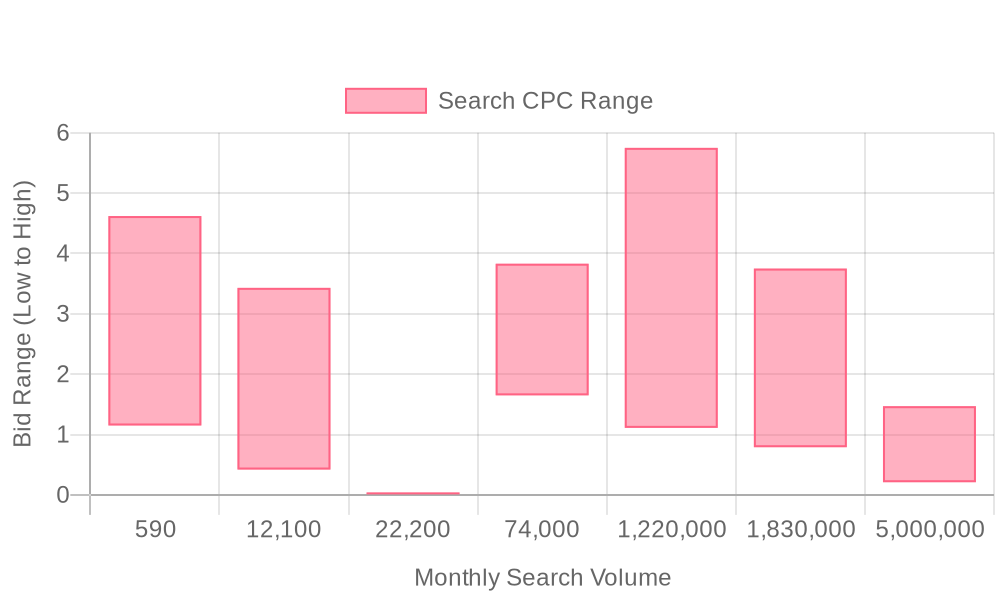
| Industry | Keyword | Monthly Search Volume | Competition Level | Low Bid | High Bid |
| Breweries | beer of the month club gift | 590 | HIGH | 1.15 | 4.62 |
| Breweries | athletic brewing company | 12100 | HIGH | 0.42 | 3.43 |
| Breweries | low carb beer | 22200 | HIGH | 0.01 | 0.04 |
| Breweries | yuengling beer | 74000 | HIGH | 1.65 | 3.83 |
| Breweries | beer near me | 1220000 | LOW | 1.11 | 5.75 |
| Breweries | brewery near me | 1830000 | LOW | 0.79 | 3.75 |
| Breweries | breweries | 5000000 | LOW | 0.21 | 1.47 |
A robust keyword strategy is essential for brewery advertising campaigns aiming to capture high-intent local and regional prospects. Selecting terms with proven search volume, such as "brewery tours" and "craft beer near me," drives qualified traffic that is more likely to convert, enabling breweries to maximize their paid media investment. For a deeper dive into paid search tactics for breweries, see Google Ads for Breweries.
By focusing on keywords that align tightly with your offering, like “beer tasting events” or “brewpub in [city]”, you direct budget toward prospects actively searching for experiences you provide.
Minimizing wasted ad spend requires implementing negative keyword lists to filter out irrelevant traffic. Excluding keywords such as "home brewing," "brewery jobs," or "beer making kits" ensures ads do not appear for queries unrelated to visiting your location or purchasing your products. This focused approach improves campaign efficiency and supports higher conversion rates by keeping your message in front of the most relevant searchers.
Local modifiers should be integrated into core terms to attract nearby audiences ready to take action. Adding phrases like "near me," city names, or neighborhood identifiers to keywords, such as "brewery tour Dallas" or "best craft beer Charlotte", directly appeals to motivated, local intent. This specificity increases the likelihood of taproom visits and event bookings from high-value, in-market users.
Advanced platforms help marketers unify keyword data from multiple sources, identifying which search terms deliver not only clicks but also actual taproom visits and sales. For more advanced strategies, review Brewery Retargeting to maximize recurring engagement.
By connecting real-time visitor intent with CRM and ad platform data, revenue teams can dynamically optimize keyword lists based on which audiences are moving through the funnel and showing the highest conversion potential. This builds on the strategies outlined in Intent Retargeting, ensuring every dollar invested is working toward measurable business outcomes rather than simply generating generic website traffic.
Step-by-Step Campaign Execution Framework
A successful brewery advertising campaign is built on precise targeting, deeply resonant messaging, and a seamless user experience from first click to final conversion. Breweries leveraging modern PPC for breweries strategies can reach craft beer enthusiasts and local patrons with campaigns that adapt in real time to shifting demand and audience interests. When every touchpoint is optimized, digital marketing for breweries becomes a major growth lever, driving taproom visits, event signups, and brand loyalty.
Step 1: Build Targeted Keyword Lists
- Keyword Clustering: Group keywords by beer type, seasonal events, and unique brewery features. This approach allows marketers to deliver highly relevant ads to users searching for specific interests, such as "hazy IPA release" or "brewery live music night," maximizing click-through rates from high-intent prospects.
- Locality Integration: Embed neighborhood and city-specific terms to anchor campaigns in the local community. Phrases like "brewery near me," "downtown taproom," or "[City] craft beer" strengthen local brewery ads and foster neighborhood loyalty, helping breweries stand out in crowded markets.
- Negative Keyword Use: Apply robust negative keyword lists to filter out unrelated traffic, such as searches for homebrewing equipment or job seekers. This focus ensures ad spend is allocated to potential customers genuinely interested in the brewery experience.
With unified company-level identification and intent data, marketers can go beyond keyword targeting to pinpoint in-market businesses. Sona's Identity Resolution helps uncover high-value visitors most likely to convert, enhancing the ROI of every click.
The upgrade most breweries advertisers miss is going beyond raw keyword volume to layer in intent and identity signals. By connecting website-visitor data and CRM records with Sona Marketing Measurement, you can see which specific search terms bring in the accounts and customers that actually convert, and weight your keyword and bidding strategy toward those rather than the terms with the highest search volume alone.
Step 2: Develop Compelling Ad Copy
- Emotive Headlines: Craft headlines that speak to the sensory and social allure of craft beer, capturing attention with phrases like "Experience Award-Winning IPAs" or "Unwind at Your Neighborhood Brewery." Emotional resonance is vital in beer brand advertising, where the atmosphere and product story matter as much as the brew itself.
- Unique Value: Differentiate by showcasing awards, brewer profiles, or community involvement. Spotlighting exclusive releases, brewery tours, or partnerships with local artisans builds authenticity and encourages deeper engagement.
- Urgency Drivers: Promote limited-time offers, seasonal releases, and exclusive tasting events. Messaging such as "This Weekend Only: Barrel-Aged Stout Tapping" can accelerate decision-making and drive immediate action.
Dynamic audience segments, updated as leads move through the funnel, enable breweries to tailor ad messaging to each prospect’s journey stage. For more insights on segmenting and retargeting, check out our guide on intent retargeting.
Step 3: Design Effective Landing Pages
- Seamless Conversion: Ensure landing pages provide a unified journey from ad click to conversion event. Clear calls to action, streamlined forms, and visible reservation or purchase options reduce friction and make it easy for users to take the next step.
- Trust Visuals: Incorporate customer testimonials, high-quality brewery images, and interactive features like virtual tours or tap lists. These elements reinforce the brand’s value proposition and turn curiosity into real-world engagement.
- Mobile Optimization: Prioritize responsive design for on-the-go users. Fast load times and intuitive navigation are essential, especially for visitors discovering the brewery while out in the neighborhood.
Advanced conversion tracking, including offline event data from taproom visits and in-person signups, provides a complete view of campaign impact. GoEkos explores how breweries are bridging digital and physical engagement for better attribution.
Step 4: Implement Data-Driven Optimizations
- Smart Bidding: Use automated bidding that leverages real-time performance data to optimize for conversions or revenue. This ensures ad spend is continually adjusted toward audiences and keywords delivering the highest returns.
- A/b Testing: Regularly test headlines, images, and calls to action. Data-driven refinements keep campaigns fresh and effective, allowing breweries to stay ahead of changing consumer preferences.
- Offline Alignment: Integrate data from taproom events, releases, or loyalty signups back into the ad platform. By syncing enriched audiences and lead outcomes into Google Ads, CRM, and marketing automation tools, breweries can dynamically retarget high-value segments and close the loop between digital and physical engagement.
For B2B-focused breweries, syncing CRM and ad data ensures that advertising is always aligned with sales priorities, targeting accounts with the highest conversion potential and measuring true ROI across both online and offline channels. For additional strategies on optimizing ad spend, we’ve covered best practices in our guide on Google Ads ROI.
Sona Marketing Measurement closes the gap between clicks and revenue. It captures ad clicks with first-party measurement, then ties that click through UTM capture and ad-platform APIs to the actual record in your CRM, and reports ROAS by keyword and campaign instead of by last-click form fill. Feeding that revenue signal back into Smart Bidding and Performance Max compounds over time: the algorithms optimize toward booked breweries revenue, not cheap leads.
Tips on Expanding Your Brewery Presence
Breweries expanding their presence benefit from a blend of local partnerships, advanced targeting, and persistent engagement strategies designed to reach craft beer enthusiasts wherever they are. By leveraging digital marketing for breweries with data-driven insights, teams can foster both credibility and sustained growth, ensuring each campaign resonates with the right audience.
- Collaborate With Local Influencers: Partnering with recognized craft beer enthusiasts or local personalities instantly broadens reach and injects authenticity into your brewery advertising. These collaborations drive organic word-of-mouth, amplifying event promotions and new product launches beyond traditional channels while building trust with discerning local audiences.
- Deploy Geo-targeted Ads During Peak Seasons: Seasonal tourist influxes present a high-value window for local brewery ads. Utilizing geo-targeting allows breweries to deliver tailored messages to visitors and locals at optimal times, ensuring that limited releases, taproom events, and exclusive tours receive maximum exposure when interest is at its peak. Geo-targeted ads guide provides a deeper look at this trend.
- Engage Audiences With Retargeted Ads: Retargeted campaigns keep your brewery top-of-mind as users explore different options, nurturing curiosity into repeat visits or conversions. Using dynamic audience updates, marketers can automatically serve relevant ads for new brews or upcoming events, ensuring messaging evolves with audience behavior for greater long-term engagement.
- Monitor Search Query Data For New Opportunities: Tracking queries tied to Google Ads for breweries, craft beer marketing, and related terms uncovers emerging interests and shifting demand. Marketers can respond by crafting timely content and launching PPC for breweries campaigns that match real-time intent, maximizing campaign relevance and reach with data-backed decisions. One analysis in brewery ad targeting explores this further.
Campaign success relies on strategic targeting and agile optimization. Integrating intent signals with CRM and ad platforms enables breweries to identify both anonymous and known visitors, refine audience segments, and attribute conversions accurately, connecting online engagement to in-person taproom experiences. For more insights on this approach, check out our guide on retargeting strategies. This unified approach ensures every brewery marketing tip is actionable, measurable, and primed for ongoing growth.
Beyond Google Ads: Winning the AI Answers Breweries Buyers Now Trust
Paid search captures demand at the moment someone types a query. But a fast-growing share of breweries buyers no longer start at Google at all, they ask ChatGPT, Gemini, or Perplexity before they ever run a search, and Google's own AI Overviews increasingly summarize an answer above the traditional results. If your business isn't referenced in those AI answers, you're invisible at the exact moment buyers build their shortlist.
Sona AI Visibility shows where your business shows up across ChatGPT, Gemini, Perplexity, Google AI Overviews, and 10+ engines, and, much like a keyword report, which prompts actually send you buyers, so you can prioritize the ones that convert. Run the two together and you cover the entire buyer path: get cited where buyers research (AI Visibility), then prove which of that demand turns into booked revenue (Marketing Measurement).
Helpful resources
Conclusion
Google Ads for breweries rewards precision over volume: campaigns built on real search intent, seasonal timing, and clean attribution outperform broad brand-awareness spend every time.
The brewery that treats its Google Ads account as a live feedback loop, tightening keywords, refreshing creative around new releases, and feeding real conversion data back into bidding, will keep converting searchers into regulars long after competitors' campaigns go stale.
Ready to put these ideas into action? Start a free trial to see how identity resolution and marketing measurement work for your brewery's campaigns.
FAQ
What are the best practices for running Google Ads for breweries?
Best practices include adopting a data-driven campaign structure, developing compelling ad creatives targeting craft beer enthusiasts, aligning landing pages for conversion, and integrating Google Ads with broader digital marketing efforts for holistic tracking and optimization.
How much should a brewery budget for Google Ads?
The article does not specify an exact budget, but emphasizes focusing ad spend on high-intent keywords and audiences to maximize conversion rates and return on investment.
What are the restrictions for advertising alcohol on Google?
While the article does not detail specific restrictions, it implies that breweries should align their ads with Google's alcohol advertising policies, focusing on high-intent, location-based keywords to target legal drinking-age audiences.
How can breweries target local customers with Google Ads?
Breweries can target local customers by using location-based keywords, geo-targeted ads, and integrating local modifiers into their campaigns to attract nearby audiences actively searching for craft beer experiences.
What types of ads work best for promoting a brewery?
Effective ad types for breweries include search campaigns for high-intent traffic, display ads for brand visibility, video ads for immersive storytelling, and remarketing to re-engage interested audiences.







