


Blueprinting supplies is a business of deadlines: a contractor needs large-format prints before a bid closes, an architecture firm needs scans turned around before a permit review, and the vendor who shows up first in the search results often wins the order. Google Ads matters here because it catches that urgency in real time, putting your business in front of a buyer the moment they search, rather than waiting for them to remember you exist. This guide covers how blueprinting supplies businesses can use Google Ads to reach decision-makers at the point of need, target campaigns using the industry's own language, and track results back to real revenue instead of guessing at what's working.
How to Generate Leads in Blueprinting Supplies with Google Ads
Blueprinting supplies is a B2B trade where a single lead, an architecture firm setting up a standing print order, or a general contractor sourcing large-format scanning for a multi-year project, can be worth pursuing hard. Google Ads can surface these buyers while they're actively searching, cutting waste and shortening the path from click to signed order. For an overview of how paid media can drive targeted traffic and leads, explore Google Ads management services.
A multi-channel Google Ads strategy, tailored specifically for blueprinting supplies, delivers measurable ROI when supported by advanced tracking, granular targeting, and dynamic creative optimization. Integrating enriched first-party data with campaign management platforms lets marketing and sales identify in-market businesses at the company level, prioritize outreach, and engage decision-makers before competitors make contact.
- Data-Driven Paid Search: Closing gaps in prospect identification starts with sophisticated conversion tracking and company-level visitor identification. Marketers can move beyond anonymous web traffic, connecting site visits to the businesses behind them using first-party data. That lets revenue teams spot missed opportunities and shift budget to the highest-intent accounts, directly improving qualified lead generation.
- Keyword and Audience Targeting: Successful Google Ads strategy for blueprinting supplies depends on precise audience intelligence and refined audience segmentation. Incorporating behavioral intent signals and CRM data into targeting models ensures ads reach procurement managers, architects, and contractors with active purchase intent. Dynamic audience updates allow campaigns to automatically adjust as contacts progress through the funnel, reducing wasted spend on irrelevant clicks.
- Landing Page and Creative Alignment: High-performing campaigns align ad copy, creative, and landing pages to address the unique needs of blueprinting buyers. Showcasing rapid turnaround times, technical accuracy, and secure file handling in blueprinting supplies ad copy examples can dramatically improve conversion rates. Real-time audience syncing and personalized content ensure that each prospect lands on a page tailored to their phase in the buying journey.
- Performance Optimization: Marketing teams see stronger ROI when campaigns are continuously optimized using comprehensive attribution and real-time performance data. Advanced Google Ads bidding strategy for blueprinting supplies leverages both online and offline conversion signals, allowing for budget reallocation toward the sources generating true business value. Integrating offline sales data into ad platforms makes it possible to attribute revenue directly to specific keywords or campaigns, eliminating blind spots.
- Cross-Channel Integration: Reinforcing your blueprinting supplies marketing ecosystem requires seamless coordination between paid search, CRM, and other digital channels. Automated audience sync between Google Ads and platforms like Salesforce or HubSpot ensures that lead status, account engagement, and marketing-qualified lead definitions remain consistent across every touchpoint. Unified data enables retargeting strategies to be more personalized and effective, nurturing prospects until they are ready to convert.
This framework is built for B2B marketers, service providers, and local blueprinting operators who want to raise lead quality and simplify campaign management. By leveraging advanced data integration and automation, teams can generate more qualified leads while ensuring every marketing dollar contributes to measurable pipeline growth. For teams ready to put these best practices into action, get started for free with Sona.
Why Google Ads Matters for Blueprinting Supplies Businesses

Blueprinting supplies vendors face a highly fragmented B2B market where decision-makers are often hidden behind complex procurement processes. Precision targeting in Google Ads enables direct engagement with procurement heads and project managers at the exact moment their intent signals peak, ensuring timely outreach and reducing missed opportunities.
Selling higher-margin products such as specialized paper, advanced printers, and large-format scanning solutions demands a strategy that secures enterprise-level deals. Google Ads makes it possible to capture demand for these big-ticket items by identifying and prioritizing accounts exhibiting high-value behaviors. Leveraging real-time visitor identification, marketers can move beyond anonymous clicks to recognize which companies are showing buying intent, guiding outreach toward deals with the highest revenue potential.
Supply chain dynamics can shift rapidly, with urgent demand spikes occurring around major project deadlines or infrastructure bids. Google Ads delivers instant visibility for blueprinting supplies during these critical windows, reaching buyers in need before competitors intercept the opportunity. Dynamic audience updates ensure that marketing keeps pace as leads advance through the sales funnel, reflecting shifts in intent and adjusting spend accordingly.
Traditional marketing for blueprinting supplies often leaves emerging regions and new industry segments untapped. With Google Ads, marketers can expand visibility into under-served geographies or verticals, targeting prospects based on search behavior and in-market activity. Data-driven audience segmentation and real-time analytics integration surface engagement signals from initial click to signed contract. Enriched CRM and ad sync capabilities keep leads and audience insights flowing into sales and marketing platforms, supporting a unified approach to blueprinting supplies marketing. To streamline your campaigns and maximize ROI, get started for free with Sona.
Common Types of Google Ads Campaigns and Formats for Blueprinting Supplies

Blueprinting supplies businesses operate in a specialized sector where high-value orders and technical specifications demand precise targeting and measured visibility. Effective advertising means matching campaign type, Search, Display, Video, Performance Max, to the buying signal at hand, so budget goes toward prospects most likely to convert. Modern B2B revenue teams need frameworks that reach, engage, and qualify leads at every stage of the funnel. For more on aligning your ad approach with business outcomes, see this overview of Google Ads management services.
- Search Campaigns: These campaigns capture urgent, high-intent queries such as "blueprinting paper supplier near me" or "bulk blueprinting toner." By aligning ad copy with transactional searches, blueprinting suppliers ensure their offerings appear exactly when prospects are ready to purchase or request quotes. Enhanced by real-time visitor identification, marketers can surface company-level details from inbound clicks, enabling rapid routing of high-value leads to sales or tailored nurture tracks.
- Display Ads: Display campaigns extend reach to relevant audiences browsing industry publications, construction forums, or architectural content sites. Visual banners maintain continuous brand presence, reinforcing trust and reputation among decision-makers. When display audiences are dynamically updated using real-time, signal-based segments, spend is focused on accounts that demonstrate evolving intent, eliminating wasted impressions.
- Video Ads: Video works well for demonstrating blueprinting equipment, showcasing features like fast scan resolution, or building confidence around service reliability. Short, targeted videos on YouTube or embedded on partner sites help educate technical buyers and build brand preference before they ever request a quote. Retargeting viewers who watch a product demo, with follow-up messaging matched to what they watched and where they sit in the funnel, keeps momentum going. Access a video guide on setting up and optimizing Google Ads campaigns to refine your strategy.
- Remarketing: Remarketing campaigns re-engage previous site visitors who explored technical specs, downloaded product sheets, or started a quote request but did not convert. By identifying which companies and people are visiting your website and segmenting audiences based on on-site actions, remarketing sequences can deliver highly personalized offers and content. This targeted approach ensures every visit is actionable, reducing the risk of valuable prospects slipping through the cracks.
- Responsive Search Ads: As a format within Search campaigns, responsive search ads let you supply multiple headlines and descriptions that Google assembles and tests automatically, surfacing the combinations that pull the best response from architects, contractors, and procurement buyers. For blueprinting supplies, this means testing variations around turnaround speed, file format compatibility, and bulk pricing without manually building out dozens of static ads.
- Assets: Ad assets add critical context, such as certifications, rapid response guarantees, or inventory status, to search and display ads. These elements build confidence among spec-driven buyers and procurement teams. When assets are dynamically tailored using CRM-enriched audience data, campaigns automatically highlight the attributes most likely to influence decision-makers and drive higher engagement.
Where to Find Growth Opportunities?

B2B marketers in blueprinting supplies face a market where growth depends on precision and agility. Unlocking new opportunities requires moving beyond routine channels and leveraging advanced data-driven tactics to ensure continuous pipeline expansion.
- Vertical Keyword Targeting: Concentrate efforts on niche, specialty services within blueprinting supplies, such as CAD plotting or large-format scanning. By identifying and targeting these vertical-specific keywords, you position your offering in front of decision-makers who search for highly specialized solutions. Integrating dynamic audience insights ensures keyword lists evolve as new search trends emerge, so your campaigns remain relevant and high-performing.
- Competitor Gap Analysis: Examine which blueprinting supplies products or services your competitors overlook, using intent and engagement data to spot market white spaces. This approach helps you identify underserved segments, such as facilities management or architectural firms with unique requirements. By combining CRM data with real-time visitor identification, you can prioritize outreach to these overlooked accounts and build tailored campaigns that speak directly to their needs.
- Industry-Specific Placements: Expand your reach by advertising on trade forums, digital publications, and industry directories frequented by facilities managers, architects, and engineers. These platforms provide direct access to your core audience, especially those not reached through organic search. With unified campaign measurement, you can track the performance of each placement and reallocate budget to the sources driving qualified engagement and conversions. For a blueprint on driving targeted traffic and leads, explore this Google Ads management overview.
- Content Retargeting: Reinforce your message by retargeting visitors who engage with whitepapers, how-to videos, or technical guides related to blueprinting supplies. This strategy ensures ongoing brand presence and nurtures high-intent prospects through the funnel. Audience segments update dynamically as contacts consume new content, allowing your retargeting to stay aligned with their journey and maximize conversion potential.
To execute these strategies well, unify your first-party data and audience intelligence. That ensures every ad dollar reaches the right stakeholders, supports relevant messaging, and delivers results your revenue team can point to.
How to Apply Audience Segmentation for Blueprinting Supplies

Audience segmentation for blueprinting supplies transforms campaign efficiency by pinpointing unique needs at each stage of the buyer's journey. Instead of broad targeting, precise segmentation enables marketers to allocate budget toward the highest-value accounts, ensuring messaging resonates and drives measurable results. For deeper insights into segmentation strategies and analytics, explore our B2B marketing blog.
- Define Segments: Start by distinguishing between core buyer groups, such as architectural firms and engineering consultancies. Each segment presents different workflows, purchase cycles, and supply requirements. Accurately defining these audiences helps reduce churn by anticipating their distinct pain points, such as last-minute project needs for architects or ongoing, bulk procurement for consultancies. When CRM and web traffic data are unified, marketers can identify and prioritize the most engaged companies, moving from anonymous site visits to actionable account-level insights.
- Overlay Intent Signals: Integrate real-time intent data to identify which accounts are actively researching blueprinting supplies or facing an uptick in project demand. This focus ensures ad spend is directed to businesses with immediate needs, rather than those in passive research phases. By leveraging in-market behavior, marketing teams can dynamically shift budget to high-converting audiences, reducing wasted impressions and maximizing campaign ROI. For a practical approach to identifying and reaching in-market buyers, review this Google Ads management overview.
- Create Ad Groups: Tailor ad groups for each defined segment, allowing for creative variations that speak directly to their operational realities. Ad copy for architectural firms may emphasize fast turnaround times and premium blueprint quality, while engineering consultancies may respond to volume discounts or technical support. Ad group structure should mirror segment definitions, which supports granular performance analysis and ongoing optimization. Advanced platforms enable dynamic audience updates as leads progress, keeping campaigns relevant as buyer intent evolves.
- Validate Conversion Paths: Ensure the entire funnel, from ad click to closed deal, is measured and optimized. Seamless CRM integration is crucial for tracking conversion events, whether online form fills or offline sales calls. By syncing enriched lead and account data directly from the CRM into Google Ads and vice versa, marketers can validate which segments and creatives drive actual revenue. This closes the loop between marketing and sales, preventing lost opportunities due to disconnected systems and enabling attribution of every lead to its source. If you're ready to upgrade your segmentation and campaign measurement, get started for free with Sona.
This is also where measurement changes the economics. With Sona Marketing Measurement you can identify the companies behind your ad clicks, not just anonymous sessions, and segment audiences by which accounts actually become customers. That lets you build bid adjustments and audience signals around the segments that convert and de-prioritize the ones that don't, so you feed Google's algorithms "this click came from a company that became a paying blueprinting supplies customer" instead of just "someone filled out a form."
Keyword Strategy & Sample Target Terms
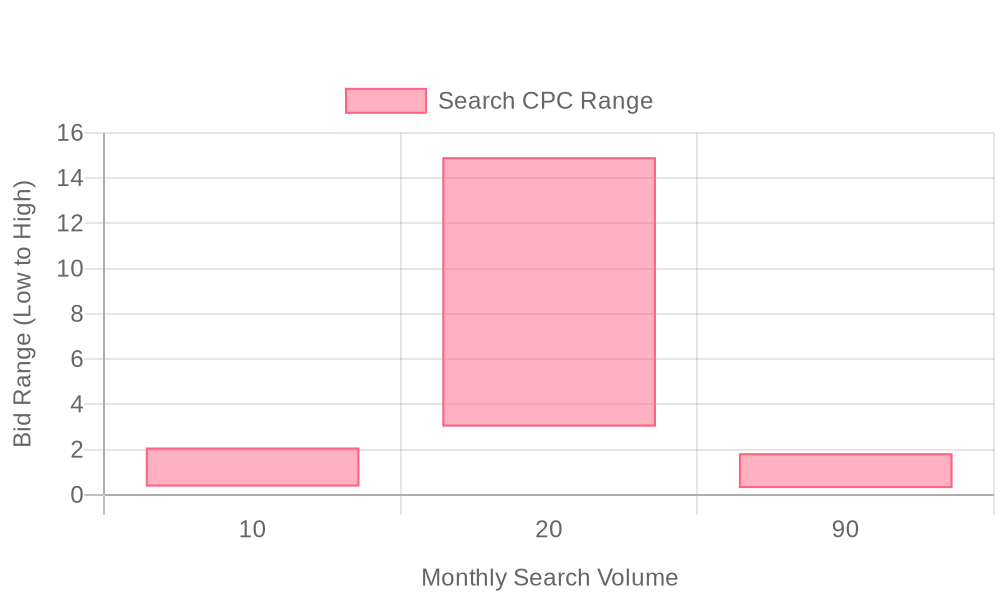
| Industry | Keyword | Monthly Search Volume | Competition Level | Low Bid | High Bid |
| Blueprinting Supplies | blueprint supplies near me | 10 | HIGH | 0.37 | 2.09 |
| Blueprinting Supplies | blue print supplies | 20 | MEDIUM | 3.02 | 14.92 |
| Blueprinting Supplies | blueprinting supplies | 90 | MEDIUM | 0.3 | 1.84 |
Blueprinting supplies companies operate in a specialized B2B market where decision velocity and purchase intent are high. Positioning Google Ads at the center of the digital strategy captures prospects exactly when they are searching for technical solutions and procurement-ready products. For an overview of effective ad management approaches, explore Google Ads services for B2B.
- Precision Targeting: Blueprinting supplies buyers typically include architects, engineers, and construction project managers who know exactly what they want. Precision targeting ensures ads appear only to these high-intent audiences, leveraging detailed firmographic and behavioral data to eliminate wasted spend. By identifying visitors at the company level, marketers can shift budget to accounts most likely to convert, tightening the funnel and improving the ROI of each click.
- Measurable ROI: Every advertising dollar must be tied to tangible business outcomes. With advanced conversion tracking, teams can connect ad interactions directly to quotes, RFQs, and closed deals, whether these happen online or through offline channels. The ability to attribute revenue back to specific campaigns empowers marketers to optimize spend in real time and prove the impact of blueprinting supplies marketing at every stage.
- Channel Synergy: B2B buyers engage across multiple platforms before making a purchase. By retargeting prospects on LinkedIn, YouTube, and display networks, blueprinting supplies companies maintain consistent brand visibility and message reinforcement throughout the buyer journey. Dynamic audience lists update in real time as leads progress from awareness to intent, ensuring prospects receive the right message at the right moment.
Strategically, the most effective campaigns for blueprinting supplies revolve around high-intent, high-volume, and specialty keywords. Terms such as "large format printers for architects," "engineering reprographic supplies," and "construction document scanning" capture ready-to-buy audiences. Negative keywords are critical for filtering out students, hobbyists, or unrelated print services, reducing noise and ensuring marketing resources target only qualified, high-value leads. By integrating real-time intent signals, campaigns become more adaptive, ensuring no high-value prospect falls through the cracks. If you're ready to put these strategies into action, get started for free with Sona.
Step-by-Step Campaign Execution Framework
Step 1: Build Targeted Keyword Lists
Maximizing results for Google Ads for Blueprinting Supplies starts with granular keyword development. Service type clusters enable precise segmentation, ensuring ad spend is concentrated on the most relevant blueprinting services, such as large-format printing or digital plan scanning. Incorporating localization, such as city or region-specific modifiers, further narrows focus to high-intent audiences actively searching for blueprinting solutions in their area.
Long-tail and question-based queries, like "where to print construction blueprints in [City]," capture prospects with urgent needs and high purchase intent. Applying negative keyword filters is essential, blocking irrelevant traffic, such as DIY or unrelated printing queries, which protects budget and channels attention to qualified leads. By aligning keyword strategy with content marketing themes, campaigns maintain consistent messaging across ads, landing pages, and sales collateral. Advanced platforms can enhance this process by automatically identifying high-value companies among site visitors, ensuring keyword lists reflect shifting industry demand and evolving buyer intent.
For an overview of how dedicated Google Ads management accelerates targeted traffic and leads, review Google Ads management services.
The upgrade most blueprinting supplies advertisers miss is going beyond raw keyword volume to layer in intent and identity signals. By connecting website-visitor data and CRM records with Sona Marketing Measurement, you can see which specific search terms bring in the accounts and customers that actually convert, and weight your keyword and bidding strategy toward those rather than the terms with the highest search volume alone.
Step 2: Develop Compelling Ad Copy
Effective ad copy for blueprinting supplies must directly address industry pain points, such as project delays due to slow turnaround or inconsistent print quality. Headlines that speak to these challenges resonate with construction managers and architectural firms, positioning the business as a trusted partner. Including trust elements, like certifications or years of industry experience, builds credibility and encourages engagement from decision-makers who require reliability.
Urgency tactics, such as limited-time offers on rush orders or guaranteed next-day delivery, drive prompt action, especially during peak construction seasons. Maintaining message consistency across Google Ads, website content, and outbound campaigns avoids confusion and strengthens brand recall. When ad channels sync with CRM and intent data, messaging can be dynamically tailored: prospects receive ads that reflect their current project stage or historical engagement, increasing the odds of conversion. For a step-by-step walkthrough on generating qualified leads from your Google Ads campaigns, explore this Google Ads lead generation guide.
Step 3: Design Effective Landing Pages
Landing pages play a pivotal role in converting ad clicks into qualified leads for blueprinting supplies. Ensuring that the headline, imagery, and content perfectly match the corresponding ad and keyword selection delivers a seamless user experience, reducing bounce rates and boosting conversion. ROI calculators embedded on pages provide instant value to prospects, demonstrating potential cost savings or turnaround improvements, which accelerates the decision-making process.
A mobile-first design approach caters to contractors and field managers often working on-site, ensuring frictionless access to information and lead capture forms. Integrating these forms with CRM systems allows for real-time lead tracking and immediate sales team follow-up. Advanced platforms further optimize this step by auto-populating fields using known company data, shortening the path to conversion and enabling sales teams to prioritize high-value blueprinting leads as soon as they engage. Learn how to align landing pages with your campaign goals for maximum impact.
Step 4: Implement Data-Driven Optimizations
Continuous data-driven optimization is required to maximize campaign efficiency and ROI in blueprinting supplies marketing. Smart bidding leverages historical and real-time performance data to automatically adjust bid amounts, driving more conversions at lower costs by focusing on high-propensity audiences. A/B testing various ad elements, such as headlines, calls to action, and visual assets, enables marketers to refine creative assets based on what resonates best with target segments.
Importing offline sales and engagement data ensures that campaign optimizations reflect the entire buyer journey, not just digital touchpoints. This holistic strategy integration allows for precise bid adjustments based on true revenue impact, as opposed to relying solely on click or form-fill data. Platforms that sync CRM, web, and ad data streamline this process, updating Google Ads audiences in real time as leads move through the funnel and enabling marketers to retarget or exclude prospects as their status changes, driving more efficient spend and higher quality pipeline. For advanced strategies on tracking and profit measurement, see the Google Ads tracking blueprint.
Sona Marketing Measurement closes the gap between clicks and revenue. It captures ad clicks with first-party measurement, ties that click through UTM capture and ad-platform APIs to the matching account record in your CRM, and reports ROAS by keyword and campaign instead of by last-click form fill. Feeding that revenue signal back into Smart Bidding and Performance Max compounds over time: the algorithms optimize toward booked blueprinting supplies revenue, not cheap leads.
Tips on Expanding Your Blueprinting Supplies Presence
A robust digital strategy helps blueprinting supplies businesses reach decision-makers when and where it matters most. Tactical expansion hinges on unified data, ongoing engagement, and a creative approach to activating both new and existing channels.
- Cross-Promote Assets: Retargeting amplifies the visibility of webinars, case studies, and product overviews, creating synergy between content and demand generation. By identifying the companies engaging with specific content, Sona's Identity Resolution helps marketers craft tailored follow-up ads that guide interested prospects further down the funnel, increasing conversion rates from previously anonymous website traffic.
- Upsell Services: Segmenting audiences with clean CRM data prevents customer churn and boosts recurring revenue from blueprinting supplies clients. Sona's Destinations product keeps CRM and ad platforms in sync, enabling upsell campaigns to reach the right contacts with relevant messaging at the right time and surfacing new opportunities as they emerge.
- Partner with Associations: Strategic partnerships with industry associations unlock referral traffic and introduce the brand to untapped market segments. These collaborations can be tracked and measured for intent, allowing blueprinting supplies marketers to prioritize high-value partnerships and nurture engaged audiences with co-branded content or special offers.
- Localize Campaigns: Localized Google Ads campaigns ensure blueprinting supplies businesses capture demand in specific regions often overlooked by broader strategies. By leveraging real-time audience and CRM data to understand regional intent, campaigns can be personalized to resonate with local needs and drive higher engagement, especially in competitive or underserved markets.
- Leverage Data for Content: Search data reveals emerging topics and high-intent queries relevant to blueprinting supplies. Feeding these insights into your content strategy attracts prospects actively seeking solutions, while real-time intent signals allow dynamic audience updates and campaign adjustments as new trends and buyer needs emerge.
A unified approach to digital advertising for blueprinting supplies connects every touchpoint, from initial interest to repeat purchase. Data-driven targeting, dynamic segmentation, and seamless multi-channel engagement transform siloed efforts into a cohesive engine for growth, maximizing both reach and marketing ROI. Get started for free with Sona.
Beyond Google Ads: Winning the AI Answers Blueprinting Supplies Buyers Now Trust
Paid search captures demand at the moment someone types a query. But a fast-growing share of blueprinting supplies buyers no longer start at Google at all, they ask ChatGPT, Gemini, or Perplexity before they ever run a search, and Google's own AI Overviews increasingly summarize an answer above the traditional results. If your business isn't referenced in those AI answers, you're invisible at the exact moment buyers build their shortlist.
Sona AI Visibility shows where your business shows up across ChatGPT, Gemini, Perplexity, Google AI Overviews, and 10+ engines, and, much like a keyword report, which prompts actually send you buyers, so you can prioritize the ones that convert. Run the two together and you cover the entire buyer path: get cited where buyers research (AI Visibility), then prove which of that demand turns into booked revenue (Marketing Measurement).
Helpful resources
Conclusion
The blueprinting supplies vendors who win the next few years won't just run more search ads, they'll be the ones whose measurement stack tells them which keywords, accounts, and campaigns actually turn into signed orders, and whose visibility extends into the AI tools buyers now consult before they ever open Google. Building that stack now, rather than after a competitor does, is the real advantage on the table.
To take your advertising efforts further, start for free and see firsthand how unified go-to-market data can sharpen every campaign you run.
FAQ
What are the best practices for Google Ads targeting in the blueprinting supplies industry?
The best practices include precise audience segmentation using CRM and intent data, dynamic audience updates, and targeting high-intent keywords to ensure ads reach procurement managers, architects, and contractors actively seeking blueprinting solutions.
How can I create effective ad copy for blueprinting supplies on Google Ads?
Effective ad copy should address industry pain points such as rapid turnaround times and secure file handling, include trust elements like certifications, and use urgency tactics like limited-time offers to drive prompt action.
What is the recommended budget for Google Ads campaigns in the blueprinting supplies sector?
The budget should be flexible and data-driven, focusing on high-intent accounts and reallocating spend based on real-time performance data, ensuring that every dollar contributes to measurable pipeline growth.
How can I measure the success of my Google Ads campaign for blueprinting supplies?
Success can be measured by implementing comprehensive conversion tracking, integrating offline sales data, and using advanced attribution to connect ad interactions directly to business outcomes like quotes and closed deals.
What are some examples of successful Google Ads campaigns for blueprinting supplies?
Successful campaigns often include search ads targeting urgent queries, display ads for continuous brand presence, video ads for product demonstrations, and remarketing campaigns to re-engage previous visitors with personalized offers.







